Windy days change how wildlife behaves in ways most people never notice.

Strong winds affect how animals hear, smell, move and communicate, so many species switch to safer or easier habits until conditions settle. Some become more active, others hide away, and a few change how they hunt or feed. When you understand how much wind affects wildlife, suddenly the countryside looks completely different on blustery days.
1. Animals struggle to hear danger properly.

Wind carries sound in strange ways, which makes it harder for animals to hear predators or other threats. Rustling leaves and constant noise from branches can drown out important warning sounds. Because of this, many species become more cautious and avoid open areas. They rely heavily on sound to decide if it’s safe to move, so when wind interferes, they prefer to stay hidden until things calm down. That’s why woods and fields feel quieter on windy days.
2. Scents don’t travel normally, confusing predators and prey.

Many animals depend on smell to find food or stay safe. Wind breaks scent trails apart or blows them in different directions, making it harder to track anything. Predators like foxes or owls may struggle to find prey, and prey species can’t always smell danger approaching. That confusion makes wildlife more unpredictable. Animals move more cautiously because the usual signals they trust aren’t reliable in windy conditions.
3. Birds change their flight patterns to save energy.

Flying in strong winds uses far more energy, so birds often fly lower, sit in sheltered spots or change direction completely. Small birds especially struggle to stay balanced and avoid being pushed off course. They wait for calmer moments to travel long distances. Windy days often show fewer birds in the sky because flying becomes risky and exhausting.
4. Insects hide away because they can’t fly properly.

Bees, butterflies and other insects can’t control their flight well when the air is choppy. They get blown off course easily, which puts them in danger from predators or bad weather. To stay safe, many insects stay low or take shelter in plants. That’s why gardens feel quieter on windy days. Pollinators tend to stay hidden until they can fly more safely.
5. Larger animals avoid open fields to reduce stress.
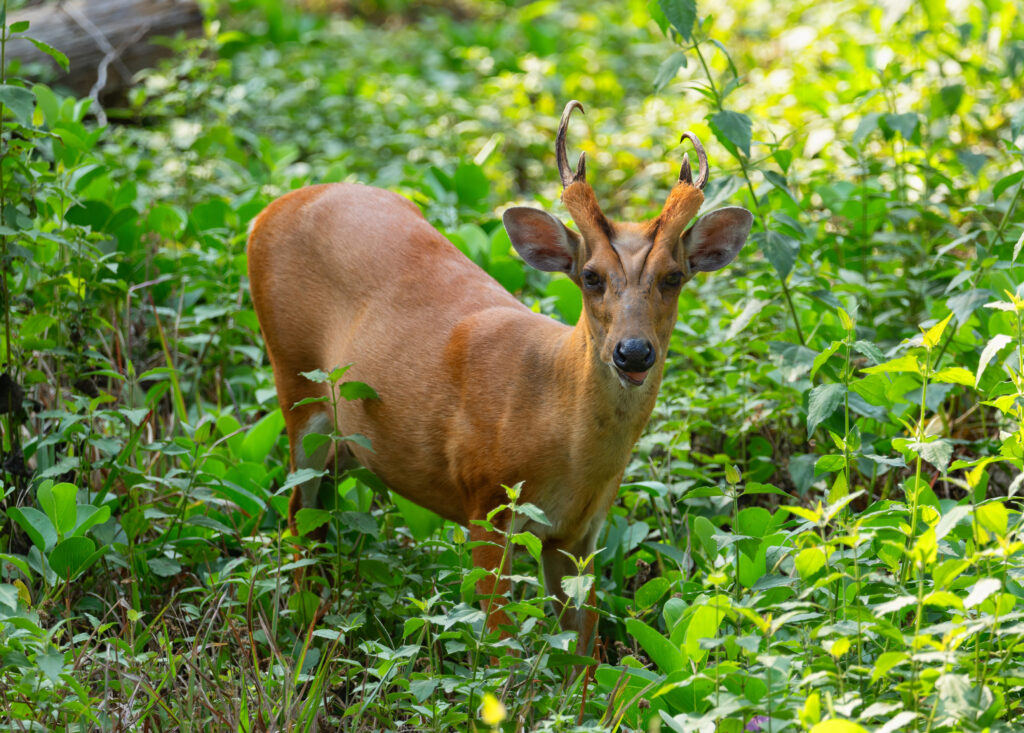
Animals like deer, sheep, and cattle prefer sheltered ground when wind gets strong. Open spaces feel unsafe because they can’t hear or smell danger properly. They gather near hedges, woodland edges or dips in the land where the wind isn’t as strong. Their movement slows down because staying alert becomes harder. They save energy by resting in places where the wind can’t reach them as easily.
6. Birds of prey sometimes hunt differently.
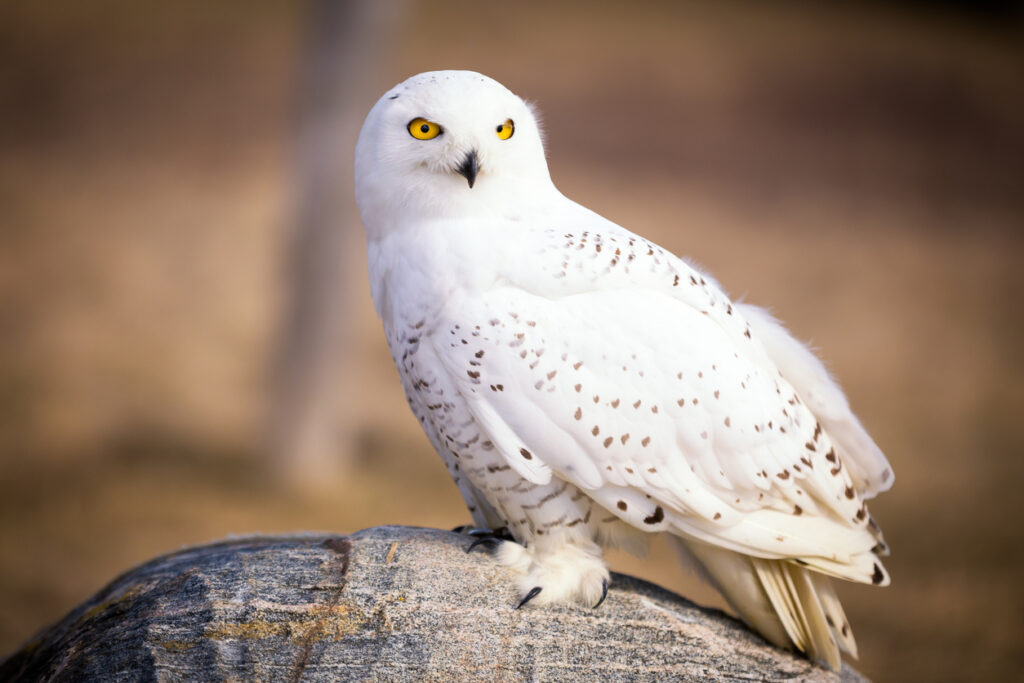
Owls, hawks and other raptors rely on silent flight and clear signals from the air. Wind makes both difficult. Silent flight becomes harder, and prey animals move unpredictably. Some birds of prey give up hunting until conditions improve. Others use the wind to their advantage by hovering or gliding with less effort. The type of species often decides whether windy days help or hinder them.
7. Small mammals stay hidden to avoid being exposed.

Mice, voles, and rabbits don’t like windy conditions because grass and plants move constantly. They can’t tell if something is actually approaching or if it’s just the wind. Such uncertainty makes them stay underground or close to cover. They only come out when they feel safe enough to judge their surroundings. Wind adds confusion that small mammals aren’t built to handle.
8. Water birds change feeding habits.
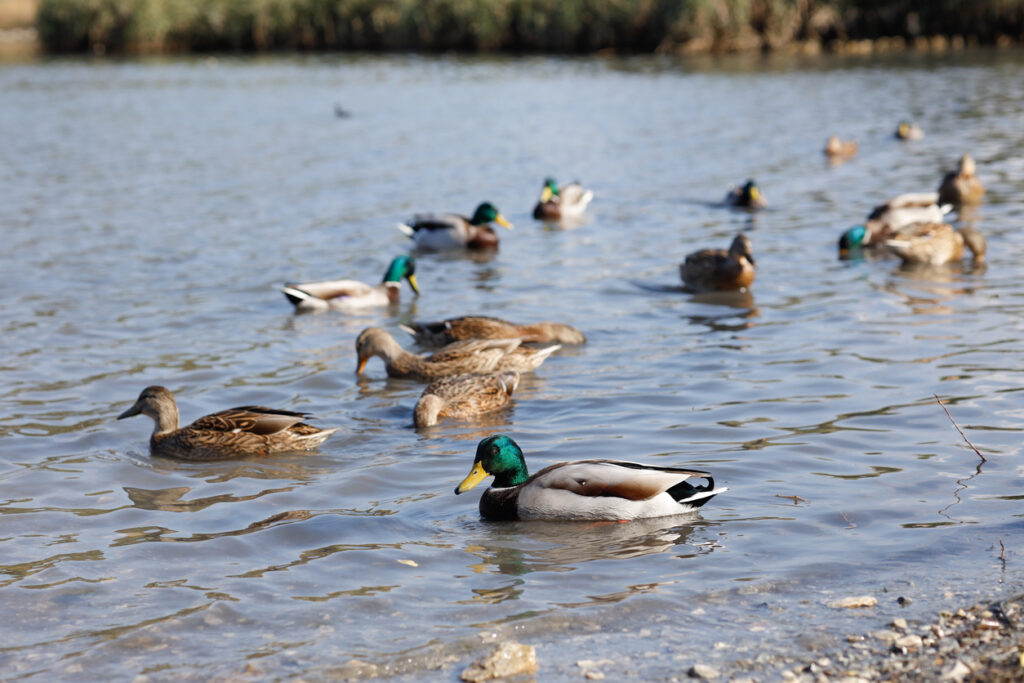
When wind creates choppy water, ducks, swans, and geese find it harder to feed normally. Waves disturb food near the surface and make it harder to reach plants or insects underwater. Strong winds also push them into sheltered corners of lakes or rivers. They conserve energy by feeding less and resting more. Conditions improve once the water settles, so they wait it out.
9. Reptiles and amphibians stay low because wind cools them quickly.
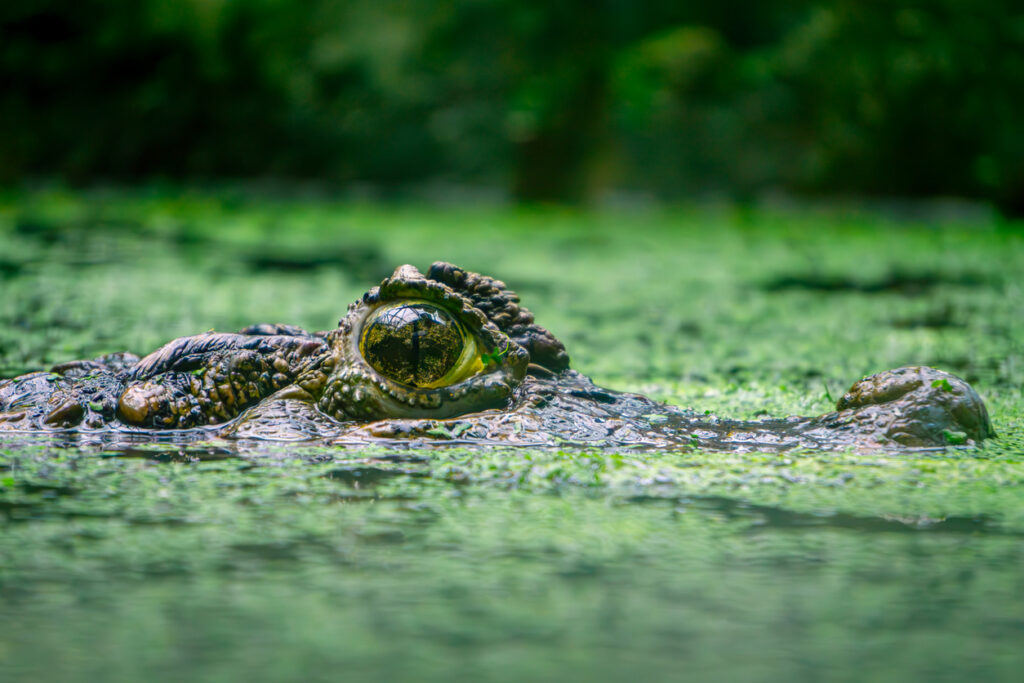
Cold wind strips heat from reptiles like lizards and snakes. Because they depend on warmth to move and hunt, windy days make them sluggish. They hide under rocks, logs, or leaves to keep warm and protected. Frogs and newts also avoid windy areas because they dry out faster. Moisture is essential for them, so they stick to sheltered, damp spots.
10. Foxes and badgers change their routes.

Wind disrupts the scent trails these animals use to travel and hunt. Paths they know by smell become confusing, so they follow sheltered routes instead. They move through hedges, walls, and woodland edges where scents stick around longer. It’s a change that keeps them safe and helps them hunt more effectively. They adapt their behaviour until normal scent patterns return.
11. Birds avoid tall trees because of falling branches.
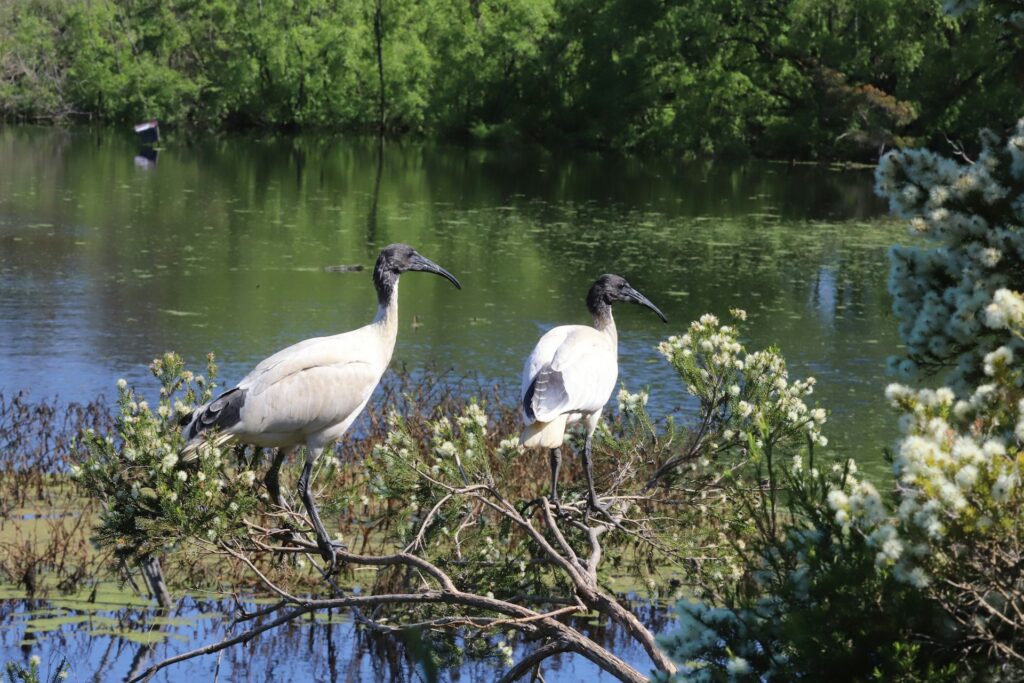
Strong winds can snap branches easily, and birds know this risk. They move to lower or sturdier trees to rest. Nesting birds also avoid certain areas because falling debris can damage nests. This behaviour keeps them safe while still letting them stay off the ground. Once conditions improve, they return to their usual spots.
12. Wildlife becomes more alert overall.

Wind introduces uncertainty into almost every part of an animal’s life. Reduced hearing, broken scent trails and moving vegetation make it harder for wildlife to judge danger. This leads to increased alertness and a more cautious approach to feeding and travelling. Animals wait for calmer weather to behave normally again. Once the wind settles, the countryside quickly returns to its familiar rhythm.