Nate Sullivan

Can Animals Really Predict When Someone Is About To Die?

It might sound like the stuff of eerie legends or old wives’ tales, but plenty of people swear they’ve seen animals act strangely just before someone dies. From cats curling up beside the terminally ill to dogs howling for no clear reason, these stories have raised a question that science still hasn’t fully answered: can animals really sense when death is near? While no one’s cracked the mystery completely, research and real-life examples suggest there’s more going on than just coincidence. Some animals can smell chemical changes in dying bodies. One theory behind animals predicting death is that they’re detecting changes in scent. As the human body begins to shut down, subtle chemical changes occur; things like organ failure and changes in skin pH can release compounds we can’t smell, but animals might. Dogs, for instance, are already trained to sniff out cancer, low blood sugar, and even seizures. It’s not a stretch to think they might also be able to pick up on the scent of imminent death, even if we don’t fully understand how. Oscar the hospice cat became famous for his instincts. Oscar was a therapy cat in a Rhode Island nursing home who gained worldwide attention for consistently curling up next to patients in their final hours, often before nurses or doctors realised anything was wrong. As time went on, staff began to trust his instincts. He wasn’t just hanging around randomly. Oscar had a pattern, and he seemed drawn only to those who were within hours of passing away. Theories suggest he may have picked up on scent changes, changes in breathing, or even subtle behavioural cues other people missed. Dogs have shown similar behaviours around death. There are countless stories of dogs refusing to leave a dying person’s side, or suddenly becoming quiet and subdued near someone close to death. Some even wake family members or bark insistently when something’s wrong. While some of this might be training or habit, much of it seems instinctive. Dogs are extremely sensitive to their environment and the emotional states of people around them. They may not understand death in human terms, but they often know when something has changed. Animals notice changes in routine and energy. As people near the end of life, their energy levels, breathing, and daily routines can change dramatically. Animals that live closely with humans often pick up on these changes far earlier than we do, especially if they rely on routine themselves. Whether it’s a dog getting clingy or a cat staying unusually close, it could be their way of responding to that disruption. They may not sense “death” specifically, but they definitely register that something is no longer as it should be. Grief and anticipation might look similar in animals. Sometimes animals that seem to predict death are actually grieving in advance. If a loved person or companion animal is becoming distant, weak, or unwell, the surviving pet might begin withdrawing or behaving differently even before the death itself happens. It’s not psychic; it’s emotional intelligence. Animals form strong bonds, and when that bond starts to fade or change, they often respond in ways we interpret as eerily accurate. It’s not prediction as much as pre-emptive loss. Some species rely heavily on emotional attunement. Dogs, cats, and horses are especially good at reading body language, micro-expressions, and tone of voice. If someone’s near the end of life and their behaviour changes—like becoming still, confused, or laboured in speech—animals may pick up on that before humans do. That sensitivity is more than just to scent or sound. Presence plays a huge part.  These animals are tuned into the emotional atmosphere, and a subtle change in that space might be enough to spark their behaviour. There’s no solid scientific proof, but a lot of stories. Despite the anecdotal evidence, science hasn’t yet found a way to fully confirm whether animals can predict death. Most studies rely on personal accounts, observations from carers, and retrospective analysis rather than controlled experiments. However, just because something isn’t fully proven doesn’t mean it’s not real. The consistency of stories from across the world, from different cultures, species, and settings, suggests there’s at least something going on that’s worth exploring. Elephants are known to mourn their dead. Elephants are one of the few animals that show clear mourning rituals. They often return to the bones of deceased herd members, gently touching them with their trunks and standing quietly for long periods. While this isn’t quite the same as predicting death, it shows that some animals have a strong concept of loss. It’s possible that their deep emotional awareness gives them insight into when another elephant, or even a human, is nearing the end. Birds sometimes change behaviour around death. Some pet owners report their birds becoming unusually quiet, withdrawn, or vocal in the lead-up to a human death in the home. While not as widely studied as dogs or cats, birds are observant and socially aware in their own way. It’s possible they’re reacting to stress in the household or changes in energy, rather than death itself. But the timing can be hard to ignore, especially when the change is sudden and seems uncharacteristic. Horses react strongly to human illness and emotion. Therapy horses used in end-of-life care have been observed nudging or standing still beside patients who were close to death. They sometimes show signs of stress or calm attentiveness, depending on the situation. These behaviours aren’t random. Horses are incredibly tuned into human moods and body language. Whether they “know” what’s coming is still debated, but their responses suggest they feel something big is happening. Some animals simply refuse to leave. One of the most commonly reported behaviours is an animal refusing to leave the side of someone who’s dying. Whether it’s a dog lying beside a hospital bed or a cat curling up on the chest of a hospice patient, their presence is constant and often intense. That level of loyalty may not be about

Can Animals Really Predict When Someone Is About To Die? Read More »

Why Do Dogs Tilt Their Heads When We Talk to Them?

Most dog owners have witnessed your dog hearing your voice, tilting their head to the side, and looking like they’re trying to solve a mystery. It’s adorable, sure, but it’s also sparked curiosity for years. Why do dogs do that? Is it a sign of intelligence, confusion, or something else entirely? As it turns out, there are a few surprising reasons behind the head tilt, and they say more about your dog’s brain, hearing, and emotions than you might think. They’re trying to locate the sound. One of the main reasons dogs tilt their heads is to figure out where a sound is coming from. Unlike humans, dogs have ears that move independently, and tilting their head can help reposition them to better detect the direction of a voice or noise. It’s like they’re adjusting their internal radar. This is especially common if you say something in a high-pitched or unfamiliar tone, or if there’s background noise. The tilt helps them tune in more precisely to what you’re saying, and where you’re saying it from. They’re reading your facial expressions. Some researchers believe dogs tilt their heads to get a clearer view of your face. For certain breeds, especially those with longer snouts, tilting the head may give them a better angle to see your mouth and eyes. Dogs are surprisingly good at reading human emotions, and your facial expressions are a big part of that. So if they’re focusing on your voice and trying to pick up emotional cues at the same time, the head tilt might just help them get the full picture. They recognise familiar words. Dogs might also tilt their heads when they hear a word they recognise, like “walk,” “treat,” or “car.” It’s their way of perking up and trying to process what you just said, especially if they’re waiting to see what comes next. This tilt can be a sign of anticipation. Your dog may be trying to piece together your tone, expression, and the word itself to figure out if it’s time for something exciting. They’re not just listening, they’re interpreting. It helps with sound filtering. In noisy environments or places with lots of competing sounds, dogs might tilt their heads to help filter out irrelevant noise. Changing the angle of their ears and head can reduce some frequencies and enhance other people. It’s a bit like turning your head to hear someone better in a crowded room. This little movement helps them hone in on your voice and isolate it from everything else, especially if you’re speaking softly or from a distance. Some breeds are more likely to do it. Not all dogs tilt their heads equally. Breeds with floppy ears or long snouts are more likely to do it, partly because their anatomy affects how they hear and see. Dogs like golden retrievers, cocker spaniels, and German shepherds are classic tilters. It doesn’t mean that other breeds don’t understand you. It’s just that some find the head tilt more useful or instinctive. The shape of their ears, skull, and vision plays a big role in whether the tilt becomes a regular part of their response. They’re gauging your tone. Dogs are incredibly sensitive to tone of voice. When you speak to them in a cheerful or exaggerated way, they might tilt their head as they try to decode what emotion you’re putting out there. They may not understand every word, but they definitely understand moods. The tilt is their way of showing curiosity or trying to connect emotionally, almost like they’re checking to make sure they’re reading the situation right. It could be a learned behaviour. Let’s be honest—most of us melt a little when a dog tilts their head. Dogs pick up on that. If every time they tilt their head they get a smile, extra attention, or a treat, they’re more likely to keep doing it. This makes it a partly learned behaviour. Dogs repeat actions that bring positive reinforcement, so even if they started doing it for practical reasons, the reaction they get from you might turn it into a regular habit. It’s a sign of alertness. Head tilting usually means your dog is fully switched on and paying attention. It’s a sign that they’re listening carefully, not just hearing words passively. This is common during training or when they’re being asked to focus. Dogs that are curious, engaged, and mentally stimulated often show this kind of body language. So when you see a head tilt, you’re likely witnessing your dog’s brain working overtime to understand what’s going on. It can indicate confusion. Sometimes the head tilt is your dog’s version of “Wait, what?” If they don’t quite understand what you’re saying, or they’re hearing something strange, they might tilt their head out of mild confusion or uncertainty. This doesn’t mean they’re lost. It just shows they’re processing. They’re trying to figure out whether you’re giving a command, making a new sound, or just being weird (which, let’s face it, we all are sometimes around our pets). It’s often paired with other signals. The tilt isn’t usually a solo move—it tends to come with perky ears, a wagging tail, or an alert stance. That combination shows your dog is not only curious, but emotionally invested in what’s going on. If your dog’s tail is wagging and their body is relaxed during the tilt, it’s a good sign they’re happy and engaged. If they seem tense or frozen, it might signal confusion or even concern, so the context matters. Puppies do it more often. Puppies are more likely to tilt their heads because they’re still learning how to interpret human speech, tone, and behaviour. Everything is new, so they’re taking in every clue they can get to make sense of the world. As they grow up and become more familiar with your patterns and voice, the behaviour might lessen, but it can stick around if it’s reinforced or if the dog just finds it useful. It’s a sign

Why Do Dogs Tilt Their Heads When We Talk to Them? Read More »

What To Do When Your Pet’s Behaviour Changes—Signs You Shouldn’t Ignore

Pets can’t tell us when something’s wrong, so they show us—in subtle ways at first, then more obvious ones if we miss the early signs. Whether it’s a sudden mood shift, a change in how much they eat, or new habits popping up out of nowhere, behavioural changes in pets are often their way of saying, “Something’s off.” Some quirks are harmless, but others might point to pain, stress, or illness. Here are some important behaviour changes that are always worth taking seriously. 1. Sudden aggression or withdrawal If your usually affectionate pet starts growling, hissing, hiding, or avoiding people, that’s a red flag. Sudden changes in temperament are often tied to pain or discomfort, even if there are no visible injuries. Changes like this could be anything from a sore tooth to something more serious like arthritis or illness. It’s worth booking a vet visit before assuming it’s just “a mood.” 2. Loss of interest in food Skipping the occasional meal isn’t a big deal, but if your pet suddenly loses their appetite, and it lasts more than a day or two, it’s time to take action. For cats especially, not eating can quickly become dangerous. This might be a sign of dental pain, nausea, stress, or underlying health problems. If treats aren’t even tempting them, it’s a sign they need checking over. 3. Excessive licking or scratching All pets groom, but when it becomes obsessive—focused on one area, causing bald patches or redness—it’s more than just a cleanliness thing. Skin conditions, allergies, pain, or even anxiety could be behind it. Dogs may lick their paws raw. Cats may focus on one leg. It’s not “just a habit” if it’s doing damage or making them uncomfortable. 4. Changes in bathroom habits If your pet starts having accidents in the house, straining to go, or using the litter tray way more (or less) than usual, something’s up. With cats, avoiding the litter box can be a major red flag for urinary tract issues. These changes often point to physical problems like infections or bladder stones, but can also be a sign of stress or cognitive changes in older pets. 5. Pacing, panting, or restlessness Restlessness, especially when it seems purposeless, can be a sign of pain, anxiety, or even something more serious like heart trouble. If your pet seems unsettled for no clear reason, don’t brush it off. With dogs, pacing at night or during rest times can indicate discomfort. For cats, odd nighttime energy or increased vocalisation might hint at a health change. 6. Vocalising more than usual Is your usually quiet cat suddenly yowling at night? Is your dog barking at shadows or whining without reason? Changes in vocal behaviour often mean they’re trying to get your attention for a reason. Sometimes it’s confusion, sometimes it’s pain. Either way, if it’s new and persistent, it’s worth finding out what’s behind the noise. 7. Shaking or trembling Shaking can happen from excitement or fear, but if it happens often and out of context, don’t ignore it. Trembling could point to pain, fever, or something neurological. Some small dogs shake more than others, but you’ll know when it seems off. If it’s paired with lethargy or a change in breathing, get it checked urgently. 8. Sleeping way more, or way less Pets sleep a lot, but sudden increases in sleep or noticeable insomnia aren’t normal. Lethargy can be a sign of infection, metabolic issues, or even depression in some animals. If your pet goes from being lively to barely getting off the couch—or seems constantly agitated when they used to snooze peacefully—it’s worth looking into. 9. Loss of interest in toys, walks, or people If your dog no longer wants to go for walks, or your cat isn’t batting at their favourite toy, that’s not just “moodiness.” A dip in engagement usually points to something physical or emotional going on. Withdrawal like that often shows up in older pets or pets dealing with pain, but it can happen at any age when something’s not right internally. 10. Acting clingier than usual Sometimes it’s not withdrawal—it’s the opposite. If your pet suddenly won’t leave your side, follows you into every room, or seems unusually needy, it might be a sign they’re feeling vulnerable or unwell. Clinginess can also stem from anxiety, especially if their routine has recently changed. Even boredom or cognitive changes in older pets can trigger it. 11. Sudden destruction or inappropriate chewing If a pet that’s long past the chewing phase starts tearing up furniture or gnawing things they’ve never touched before, it’s not just bad behaviour—it’s communication. This might be anxiety, dental discomfort, or even hunger due to metabolism changes. Destructive habits often have deeper roots than just boredom. 12. Strange posture or movement Limping, stiffness, arched backs, or holding their head at a weird angle—these are your pet’s version of saying, “something hurts.” These signs can come and go, which is why it’s easy to miss them early on. Watch how they move when they think no one’s watching. Subtle changes in how they sit, jump, or lie down are often the first clues. 13. Just feeling “off” Sometimes there’s no big symptom—just a sense that your pet isn’t acting like themselves. Maybe they’re quieter. Maybe they’re sleeping in weird places. Maybe their eyes just don’t look right. If your gut says something’s wrong, trust it. You know your pet better than anyone else, and even small changes can be the first sign of something bigger. A vet check might bring peace of mind, or catch something early.

What To Do When Your Pet’s Behaviour Changes—Signs You Shouldn’t Ignore Read More »

People Who Don’t Know How To Control Their Pets Often Say These 20 Things

Most of us love animals, but not everyone’s cut out to manage one. Whether it’s a barking dog, a jumping cat, or a parrot with no sense of boundaries, some people clearly missed the part about being the responsible one in the relationship. If you’ve ever heard someone blurt out one of these 20 phrases, chances are, they’ve completely lost control of their pet (and maybe never had it to begin with). 1. “He’s just being friendly!” This one usually gets shouted as a large dog barrels towards someone at top speed, ignoring every “come back here” from its owner. Whether it’s barking, jumping, or pinning strangers down, it’s often excused under the vague label of friendliness. The truth is, not everyone enjoys being greeted by a surprise nose to the groin or muddy paws on their coat. Being friendly isn’t the issue—it’s the lack of control that makes everyone nervous. And no, shouting it louder doesn’t help. 2. “He’s never done that before!” This line typically comes after the pet has chewed through a bag, knocked over a toddler, or tried to fight a passing pigeon. And while it might technically be true, it doesn’t really help the person on the receiving end of the chaos. In reality, it’s often a sign that the owner hasn’t been paying close enough attention to warning signs or triggers. It’s not that the pet is unpredictable—it’s that no one’s been putting any effort into predicting them. 3. “She’s just got a lot of energy.” Translation: this pet has never been properly walked, trained, or mentally stimulated. Instead of addressing the underlying issue, the owner’s just hoping the world will accept unmanageable behaviour as a personality quirk. High-energy pets need structure, not excuses. When left to their own devices, they’re more likely to act out, destroy furniture, or turn into a furry projectile. Blaming it on “energy” is just dodging responsibility for unmet needs. 4. “He’s not usually like this.” This phrase usually comes with a nervous laugh and a dog actively losing its mind at a bus stop, squirrel, or child on a scooter. It’s supposed to reassure people, but it rarely lands that way. Even if it’s true, the issue is happening right now. Whether it’s unfamiliar surroundings, lack of sleep, or poor training, what you see in the moment matters more than the version of the pet the owner swears exists at home. 5. “She just gets excited around new people.” That’s not always a problem—until “excited” means jumping, barking, licking faces, or knocking drinks off tables. Some pets definitely feel overwhelmed or overstimulated by new people, and that’s totally normal. However, it still needs managing. Letting a pet run wild just because it’s happy is like letting a toddler juggle knives because they’re enthusiastic. Excitement isn’t a free pass for boundary-breaking, and owners need to read the room (and their pet). 6. “He’ll calm down in a minute.” This line tends to get thrown out during the fifth or sixth minute of chaos. By this point, the pet is still zooming around or barking uncontrollably, and “a minute” has turned into “somewhere between later and never.” It’s a passive hope rather than a real plan. If the owner has no tools to calm the pet down, the situation won’t magically resolve itself. Waiting it out doesn’t count as control—it just puts the awkwardness onto everyone else. 7. “She’s still learning!” Fair enough—if the pet is young, new, or genuinely in training, this can be valid. But often, this gets used as a cover for years of avoided training. At a certain point, “still learning” becomes code for “we gave up halfway through.” Training takes effort, patience, and follow-through. Using it as a catch-all excuse when a pet’s older than a toddler and still pulling people over or refusing commands doesn’t really fly. Learning should come with progress, not just excuses. 8. “I think he just doesn’t like you.” This line comes out when a pet growls, scratches, or behaves aggressively around a certain person. Instead of taking it seriously, the owner acts like their animal is a picky judge of character. In reality, it’s a huge red flag. Pets can absolutely have preferences, but aggression shouldn’t be brushed off or joked about. If a pet is uncomfortable or reactive, it needs support and guidance, not an owner shrugging and shifting blame to the other person. 9. “She’s actually really sweet once you get to know her.” This is said while the pet is currently behaving like a small whirlwind, scaring children, or attempting to bite someone’s shoelaces. It’s meant to make people feel better, but it’s hard to focus on a pet’s hidden sweetness when they’re mid-meltdown. Every animal has their good side, but it doesn’t matter much in the moment if the owner can’t manage the not-so-sweet part. People shouldn’t have to get through a gauntlet of chaos just to meet the good version. 10. “He doesn’t usually bark this much.” This one gets pulled out when a dog has been barking for ten solid minutes and shows no signs of stopping. The owner is usually standing nearby, awkwardly patting their pockets as if a magical off-switch might suddenly appear. Excessive barking often points to anxiety, boredom, or overstimulation. If it’s happening in public, it’s the owner’s job to step in, not just say something that makes it sound like this is all very unusual when it’s clearly not. 11. “She hates the lead.” Some pets genuinely struggle with leads, especially if they weren’t introduced to them properly. But saying this while a dog is dragging someone across a field like a kite in a hurricane doesn’t really excuse the lack of control. It’s not about whether the pet likes it—it’s about safety and training. If a dog can’t be managed on a lead, they’re a risk to themselves and everyone else. Disliking a lead isn’t a personality trait. It’s something to work through. 12. “He just

People Who Don’t Know How To Control Their Pets Often Say These 20 Things Read More »

13 Fastest Dog Breeds In The World

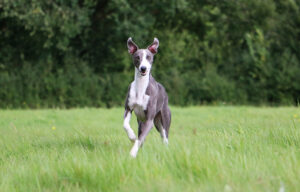
While all dogs can bring joy, affection, and muddy footprints into your home, some of them are absolute rockets on legs. Whether bred for racing, hunting, or just the sheer thrill of the chase, these breeds can clock speeds that’ll leave most humans in the dust. If you’ve ever watched your dog zoom across a field like they’re trying out for the Olympics, you’ll love this list. Here are the some of the fastest dog breeds on Earth—and why they’re not just built for cuddles, but for speed. 1. Greyhound With top speeds reaching around 45 miles per hour, the Greyhound isn’t just fast—it’s in a league of its own. These slender, aerodynamic dogs were literally bred for racing and hunting, and it shows in every part of their body. Long legs, deep chests, and a flexible spine give them a powerful stride and lightning-fast acceleration. Despite their speed, Greyhounds are surprisingly calm at home. They’re often nicknamed “45 mph couch potatoes” because after a good sprint, they’re more than happy to spend the rest of the day lounging. 2. Saluki This ancient breed has been around since the time of the Pharaohs—and they haven’t slowed down since. Salukis can run up to 42 miles per hour and were bred to chase gazelles across open desert terrain. They’re all grace and elegance, with a deep endurance that goes far beyond a quick burst of speed. They can be a little aloof and independent, but for anyone looking for a fast, refined companion, the Saluki more than delivers. Just be ready for a dog that might outrun anything else at the park. 3. Vizsla Energetic, affectionate, and lightning-fast, the Vizsla is a Hungarian hunting dog that doesn’t mess around when it comes to movement. They can hit around 40 mph when fully stretched out, and they do it with a mix of power and agility. They’re loyal and love being around people, but they need plenty of exercise to stay happy. A Vizsla without a daily run is like a Ferrari stuck in traffic—frustrated and not really living up to its potential. 4. Afghan Hound It might look like it’s ready for a fashion runway, but the Afghan Hound is a serious athlete. With a top speed of around 40 mph, these long-legged dogs are known for their graceful stride and surprising strength under all that silky hair. They’re a bit quirky, sometimes stubborn, but when they run, they look like they’re floating. That unique combo of beauty and speed makes them one of the most striking breeds to watch in motion. 5. Jack Russell Terrier Don’t be fooled by the size—these little dogs are absolute dynamos. Jack Russells can hit speeds of around 38 mph and will happily run circles around dogs twice their size. They were bred for fox hunting, so quick turns, fast reflexes, and boundless energy are all part of the package. They’re clever, confident, and always up for a challenge. If you’ve got one, chances are you’ve already learned to keep breakables far from the zoomie zone. 6. Whippet Whippets are basically the sleek, compact cousins of Greyhounds. They’re lighter, a bit smaller, but just as fast—with top speeds around 35–40 mph. Their slim build and long legs give them incredible speed without sacrificing agility. They’re gentle, friendly, and love short bursts of sprinting. After that, they’ll happily nap for the rest of the day. Whippets are perfect for people who want a quiet housemate with serious running credentials. 7. Border Collie While they’re mostly known for their brains, Border Collies are no slouches when it comes to speed. These herding dogs can run up to 30 mph and make it look effortless. They’re not just quick—they’re incredibly nimble and responsive. If aliens ever asked to meet Earth’s smartest dog, we’d probably show them a Border Collie. Just keep in mind that their energy levels are intense, and they’ll need a job to do—or they’ll invent one, whether you like it or not. 8. Doberman Pinscher Dobermans are built like sleek sports cars—strong, streamlined, and built for business. They can reach up to 32 mph and are often used in protection roles thanks to their speed, strength, and quick reaction times. They’re incredibly loyal and intelligent, and while their look can be intimidating, they’re known to be affectionate with their families. That speed, though? Not something you want coming at you uninvited. 9. Dalmatian Made famous by cartoons and fire stations, Dalmatians are more than just a pretty coat. They’re actually fast, agile runners with top speeds around 37 mph. They were originally bred to run alongside carriages, which explains their stamina and love of motion. They’re energetic and need structure, but if given the right outlet, they’re fun, loyal companions. Just be warned—they’re not going to be happy with a slow walk around the block. 10. Weimaraner Weimaraners are stunning silver-grey hunting dogs that were built to move. They can hit top speeds of around 35 mph, and their strong, muscular bodies make them one of the more athletic all-rounders on this list. They’re loving, energetic, and thrive on attention and activity. They need a home that can keep up with their mental and physical needs because they’re not the type to sit around watching TV all day. 11. German Shepherd Known for their work in police and military roles, German Shepherds are strong, fast, and incredibly versatile. While they max out at around 30 mph, their speed combined with smarts and loyalty makes them powerful partners. They’re dependable, eager to learn, and incredibly bonded to their people. If you’ve ever seen one run full-tilt during training, you know why they’re one of the world’s most respected working breeds. 12. Borzoi Also called the Russian Wolfhound, the Borzoi is an elegant, long-haired sighthound with surprising speed—up to 36 mph. They were bred for hunting wolves, which sounds dramatic but explains their impressive turn of speed and endurance. They’re quiet and a bit reserved, often

13 Fastest Dog Breeds In The World Read More »

How To Travel With Your Pet Without Losing Your Mind

Travelling with a pet sounds sweet in theory—windows down, ears flapping in the breeze, sharing snacks at a scenic viewpoint. In reality, it can be a hot mess of tangled leads, spilled water bowls, and side-eyes from fellow travellers. Whether you’re flying, driving, or hopping on a train, here’s how to take your furry sidekick with you and still arrive in one piece mentally. Get them used to the idea before the big day. Don’t wait until the actual journey to introduce your pet to a travel carrier or car seat. Let them explore it ahead of time—leave it out in your living room with a favourite blanket or toy so it smells like home. A few short test drives or trial runs can go a long way. If they start to associate the carrier or car with treats and calm energy, you’ve already won half the battle before you’ve even packed. Pack for your pet like they’re a fussy toddler. Bring the basics, of course—food, water, bowls, lead, and waste bags—but don’t skip their emotional support items. That scruffy toy they’ve had since forever? Bring it. Their favourite chew treat? Pack two. Also think ahead: do you need calming spray, puppy pads, or travel-friendly wet wipes? If your pet’s going to throw a tantrum at 3am in a hotel, you’ll want your emergency stash ready. Check the rules, then check them again. Every airline, train service, and hotel seems to have its own rules about pet travel. Some welcome them with open arms. Others want paperwork, fees, or specific carriers. Don’t assume two airlines in the same country follow the same policy. Also, if you’re going abroad, some countries have quarantine periods or vaccination requirements that need sorting well in advance. Do your homework early so you’re not scrambling the week before. Never rely on food stops to feed your pet. You might think you’ll just feed them when you stop, but that’s a gamble, especially if you end up in a queue, stuck in traffic, or dealing with delays. Your pet doesn’t care if the services are closed or the airline meal was late. Bring snacks, just like you would for a child. Keep meals small if you’re in motion to avoid any unwanted car sickness. And always carry fresh water. Hydration beats drama. Give them plenty of exercise before you leave. If you’ve got a high-energy pet, try to wear them out before the journey starts. Go for a big walk, toss the ball around, or play tug-of-war. Tired pets are way more likely to snooze through a stressful trip. That doesn’t guarantee perfect behaviour, but it does cut down on the endless fidgeting, whining, and “are we there yet?” vibes from the back seat or carrier. Don’t skip bathroom breaks, even if you’re in a rush. It’s tempting to power through a journey when you’re behind schedule, but pets don’t work like that. They need regular breaks to stretch, sniff, pee, and decompress, just like we do (but probably with less polite timing). Plan stops in advance, especially if you’re on a long drive. And if you’re flying, give them a last-minute loo break right before security or boarding. It’s a small detail that makes a massive difference. Keep them restrained for their safety and yours. No matter how cute they look riding shotgun, your pet needs to be secure. A sudden brake or swerve could send them flying or cause an accident. Use a travel crate, seatbelt harness, or pet carrier designed for the journey type. Not only does this protect them, it stops them crawling under your feet or panicking unexpectedly. Bonus: it makes your insurer a lot less grumpy if anything does go wrong. Be ready for other people’s reactions. Some people love pets; others, not so much. Don’t expect everyone on your flight, train carriage, or ferry to be thrilled about your snoring pug or nervous tabby. Bring earplugs for other people if needed, and a bit of grace for yourself. If your pet gets loud, don’t panic. Stay calm, use treats, and be ready to apologise with a smile. Most people are understanding if you look like you’re trying your best (and not just ignoring the chaos). Have a backup plan for emergencies. Unexpected delays, pet sickness, or lost luggage can throw everything off. Make sure you’ve got your vet’s contact info, travel insurance that covers pets (if you’re going abroad), and an idea of the nearest animal clinic at your destination. Also, carry a paper copy of any critical documents like vaccination proof or medication needs, in case your phone dies or you’re stuck without signal. Preparedness beats panic. Don’t forget ID—on them and in your bag. Your pet should always wear a collar with ID tags while travelling. Microchips are great, but not everyone has a scanner. A visible tag with your mobile number can make all the difference if they get loose. Keep a recent photo of them on your phone, too (besides the 400 you already have), just in case you need to show what they look like quickly. Let them settle at your destination before dragging them around. Once you arrive, resist the urge to hit the sights immediately. Let your pet sniff the new place, find their bed, and get their bearings. New sounds, smells, and people can be overwhelming at first. Give them a few hours (or a day, if you can) to decompress. A settled pet means a calmer trip overall, and fewer unexpected meltdowns later. Accept that it might not be perfect, and that’s okay. Even with the best planning, pet travel can be messy. There might be barking, a little pee where it shouldn’t be, or an unplanned sprint through a motorway service station. The key is to stay flexible, laugh where you can, and remember: you’re doing something amazing for your pet by bringing them along. It’s chaos, but it’s shared chaos. And that counts for something.

How To Travel With Your Pet Without Losing Your Mind Read More »

How Pets Help Improve Our Mental Health: The Science Behind The Bond

For many people, a pet is far more than a companion—they’re a source of comfort, structure, and joy. Whether it’s a dog greeting you at the door, a cat curling up beside you, or even the gentle rhythm of fish swimming in a tank, there’s something undeniably soothing about being around animals. But beyond the emotional connection, there’s growing scientific evidence that pets can play a real, measurable role in improving mental health. From lowering stress hormones to helping people manage anxiety, depression, and trauma, the bond between humans and animals goes deeper than many might assume, and it’s backed by a surprising amount of research. The human-animal bond has existed for a very long time. The relationship between people and animals stretches back thousands of years. Dogs were likely domesticated more than 15,000 years ago, possibly even earlier, based on archaeological findings. Cats have lived alongside humans for at least 9,000 years, with early evidence found in the Near East. Initially, these animals served practical roles: dogs assisted in hunting and security, while cats helped control pests around food stores. But over time, the nature of this relationship changed. In modern society, animals have moved from the periphery of survival to the centre of emotional wellbeing. Pets are now regarded as family members in many households, and their importance is reflected in everything from how much money we spend on them to how we grieve when they pass. The term “human–animal bond” was first coined in the 1960s, but it’s only in the last two decades that a serious body of scientific research has emerged. Organisations like the Human Animal Bond Research Institute (HABRI) have funded dozens of peer-reviewed studies, showing how deeply intertwined our mental and emotional states can be with the presence of a pet. They reduce our stress and cortisol levels. Studies show that interacting with pets—even just stroking a dog or watching fish in an aquarium—can lower cortisol, the hormone associated with stress. One study from the University of Lincoln found that people who had contact with dogs during stressful situations had significantly lower cortisol levels than those who did not, according to data published in Frontiers in Psychology. Even brief sessions, such as university dog-visiting days during exam season, have been shown to reduce students’ self-reported anxiety. They increase our serotonin and oxytocin. Pets don’t just lower stress hormones—they also help boost feel-good ones. Oxytocin, often called the ‘bonding hormone,’ is released during positive social interactions, including between humans and animals. Eye contact between dogs and their owners, for instance, has been shown to trigger a release of oxytocin on both sides. Serotonin and dopamine, which regulate mood and emotional balance, are also positively affected by spending time with pets. This neurochemical boost helps explain why pets are often recommended as part of treatment plans for mood disorders. They lower our blood pressure and heart rate. There’s a growing body of evidence suggesting that pet ownership is good for your heart. The American Heart Association has found that people with pets, especially dogs, often have lower blood pressure, healthier cholesterol levels, and a reduced risk of heart disease. A 2019 study even suggested that dog ownership is associated with increased life expectancy, particularly among those who have experienced heart attacks or strokes. The physical activity required to care for pets, combined with their emotional comfort, offers dual benefits. Pets reduce loneliness and social isolation. For people living alone, particularly older adults, pets can offer vital companionship. The simple act of being responsible for another living being gives structure and meaning to the day. Dogs, in particular, can also increase social interaction: dog owners are more likely to engage in conversations with neighbours, other dog walkers, or people they meet at parks. Studies have shown that pet ownership can reduce feelings of isolation and lead to higher levels of perceived social support. In fact, one survey during the COVID-19 pandemic found that pets were a key source of emotional support during lockdowns. They help with anxiety and depression. Many mental health professionals recognise the value of pets in helping people manage chronic anxiety and depression. Pets provide routine, which is particularly helpful for those struggling to get out of bed or stick to a daily schedule. Their presence offers physical comfort and emotional grounding, especially during periods of panic or emotional distress. A study published in BMC Psychiatry found that pets helped participants with severe mental health conditions feel less stigmatised and more motivated to maintain their wellbeing. Therapy and assistance animals play a huge role. Animals aren’t just helpful in domestic settings—they’re increasingly used in clinical and therapeutic contexts as well. Animal-assisted therapy (AAT) involves structured interactions between patients and animals, often guided by a professional therapist or healthcare provider. These sessions can take place in hospitals, schools, nursing homes, and rehabilitation centres. AAT has been shown to reduce anxiety in hospital patients, support children with autism, and help veterans with PTSD reintegrate into civilian life. Psychiatric assistance dogs, meanwhile, are trained to perform specific tasks for people with mental health conditions. These tasks might include waking someone from a nightmare, guiding them to safety during a panic attack, or reminding them to take medication. The charity Dogs for Good in the UK, for example, provides assistance dogs to support people with a wide range of mental and emotional challenges. These animals aren’t just comforting companions. They’re life-changing aides. It’s not just about dogs and cats. While dogs and cats are the most common pets, they’re far from the only ones that can support mental health. Birds, rabbits, guinea pigs, reptiles, and fish have all been shown to offer emotional benefits. In therapy settings, smaller animals like guinea pigs or rabbits are often used with children due to their approachable size and calm demeanour. Aquariums have even been installed in dentist offices and care homes to reduce anxiety and promote relaxation. The slow movement of fish has a calming, almost meditative effect. Some

How Pets Help Improve Our Mental Health: The Science Behind The Bond Read More »

The Ethics Of Pet Ownership In A Warming World

For many of us, pets are part of the family. They offer companionship, emotional support, and a sense of purpose that few other relationships can match. Yet as the reality of a rapidly warming world sets in, it’s worth asking some difficult questions: what are the broader environmental impacts of keeping pets, and how can we, as responsible owners, adapt to minimise the damage? The ethics of pet ownership have always been complex, touching on issues of animal welfare, breeding practices, and wildlife conservation. Climate change adds a new, urgent layer to the conversation, forcing us to think carefully about how our personal choices ripple out to affect the planet’s fragile ecosystems. The environmental footprint of our pets is worth noting. It might come as a surprise, but the environmental impact of our pets is considerable. A 2017 study published in PLOS One estimated that dogs and cats in the United States consume around 25–30% of the animal-derived calories produced, contributing significantly to greenhouse gas emissions associated with meat production. Pet food production demands vast amounts of land, water, and energy. Livestock farming — a primary source of ingredients for pet foods — is a major driver of deforestation, biodiversity loss, and methane emissions. While the UK’s pet ownership rates are lower than those in the US, the trends are similar: the carbon “pawprint” of domestic animals is increasingly significant. Beyond food, there’s the environmental cost of pet accessories — from plastic toys to synthetic bedding — many of which are produced using fossil fuels and end up as landfill waste. The veterinary industry, too, leaves an imprint, from pharmaceutical runoff affecting waterways to single-use plastics used in medical care. Even something as routine as pet waste contributes to waterway pollution if improperly managed. We should consider climate impact when making choices about pets. As climate consciousness grows, more people are questioning what types of pets are most appropriate in an era of environmental crisis. Larger pets, such as big dog breeds, generally have a heavier environmental footprint simply because they consume more resources over their lifetimes. Exotic pets present even greater ethical challenges. The trade in exotic animals threatens wild populations and increases the risk of introducing invasive species, which can devastate local ecosystems already under pressure from climate change. The growing conversation around adoption versus breeding is also vital. Breeding purebred animals — particularly those with known health issues such as brachycephalic dogs (e.g., bulldogs and pugs) — continues to raise ethical concerns around animal welfare and resource consumption. Organisations like the RSPCA advocate strongly for adoption, pointing out that giving a home to an existing animal is far more sustainable and compassionate than supporting an industry that sometimes prioritises aesthetics over welfare. The impact on wildlife can’t be overlooked. Pet ownership doesn’t just affect our homes — it has a far-reaching impact on wild ecosystems. Cats, despite their charm, are among the world’s most prolific invasive predators. Studies estimate that domestic cats in the UK kill around 100 million prey animals annually. Birds, mammals, reptiles, and amphibians all fall prey, compounding the losses caused by habitat destruction and climate stress. Outdoor cats contribute to local extinctions, disrupt delicate food webs, and can undermine conservation efforts. Solutions like keeping cats indoors, building enclosed “catios,” or fitting them with brightly coloured anti-predation collars can drastically reduce their impact. Dogs can also disturb wildlife, especially when allowed to roam off-leash in sensitive areas such as nature reserves, beaches, and moorlands. Ground-nesting birds are particularly vulnerable during breeding seasons, and even well-meaning dog owners may not realise the harm an excited dog can do simply by running through nesting areas. Veterinary care often goes hand in hand with climate impact. Veterinary medicine, like human healthcare, carries a significant environmental footprint. Pharmaceutical production, medical waste, energy-intensive procedures, and resource-heavy facilities all contribute to emissions and pollution. However, the veterinary industry is beginning to respond. Groups like Vet Sustain in the UK are leading efforts to make veterinary practice more eco-conscious. They promote measures such as reducing single-use plastics, responsibly sourcing medical supplies, and encouraging preventive care to reduce the need for more resource-heavy interventions. Vets are also uniquely placed to educate pet owners about sustainable choices, from diet to environmental enrichment, helping to create a ripple effect of awareness and action. Practical steps for sustainable pet ownership While the environmental challenges of pet ownership can seem daunting, practical solutions are within reach: Choose sustainable pet food: Brands like Yora, which use insect protein and other sustainable ingredients, offer lower-impact alternatives to traditional meat-based diets. Some owners are exploring flexitarian diets for their dogs, though any changes should be made carefully under veterinary advice. Adopt rather than buy: Opting for rescue animals over bred pets reduces environmental pressure and addresses the huge problem of pet overpopulation. Eco-friendly pet products: Choose toys, beds, and accessories made from recycled, biodegradable, or sustainably sourced materials. Avoid disposable plastics whenever possible. Manage outdoor access: Keep cats indoors or create safe outdoor enclosures. Walk dogs on leads in sensitive wildlife areas, and respect seasonal protections for nesting or breeding animals. Dispose of waste responsibly: Use biodegradable waste bags and consider composting pet waste if done safely. Always avoid letting waste contaminate waterways. Support green veterinary practices: Look for vets who are committed to sustainable operations and preventive healthcare. Think carefully about new pets: Consider whether your lifestyle and future plans are compatible with pet ownership, especially in a world where climate instability may create new challenges. There needs to be a broader cultural shift. Ultimately, making pet ownership more ethical in a warming world requires a profound cultural shift. We must move away from viewing pets as status symbols or accessories and instead embrace a philosophy of responsible stewardship. Not everyone may be able to own pets responsibly in a future shaped by climate instability. As urbanisation increases and green spaces shrink, pet ownership models may need to evolve — potentially moving toward community pet ownership schemes

The Ethics Of Pet Ownership In A Warming World Read More »

10 Ways Cats Truly Believe They’re Superior To Dogs

Cats and dogs might both rule the internet, but in the mind of a cat, there’s no contest. While dogs aim to please, cats carry themselves with the quiet confidence of a creature that knows it was once worshipped – and probably should be again. They don’t look for validation, they assume they already have it. Whether they’re turning their nose up at a treat or claiming the comfiest seat in the house, cats act like the superior species, and they do it without apology or second guessing. Here’s why cats are convinced they’re better than dogs—and to be fair, they might have a point. They don’t beg. They expect. Cats don’t do grovelling. If they want something, they stare you down until you get the message. They’ll position themselves near the cupboard, sit on your laptop, or bat a paw at your sleeve until you catch on. They’re not asking. They’re reminding you of your responsibilities. Dogs might jump, whine, wag, and make a full theatrical production out of their request. Cats simply wait for you to get with the programme, and if you don’t, they move on—not out of sadness, but with a sense that your failure to serve them is your loss, not theirs. They groom like royalty. Cleanliness is a matter of pride. Cats spend hours meticulously grooming themselves, ensuring every inch of fur is clean, sleek, and in place. It’s not about vanity. It’s about standards. They don’t roll in mud, sniff each other’s behinds, or turn into slobbering messes. They expect their environment to match their level of cleanliness too—tidy, calm, and just the right temperature. Dogs, meanwhile, seem to look for puddles and the smelliest corners of the garden like they’re personal spas. It’s not that cats look down on dogs for it, but they definitely judge them. They’re independent to a fault. Cats don’t need constant company or attention to feel secure. They won’t shadow you from room to room or panic if you leave the house for a few hours. They come to you when they feel like it, and when they do, the attention feels earned. They make solitude look chic. Dogs thrive on approval and presence. Cats treat your presence as optional—nice when it happens, but not necessary for their identity. If anything, they act like you’re the needy one. They master the art of the silent protest. When a cat is displeased, you won’t hear a bark or a wail. Instead, you’ll notice a toppled plant, a precise and deliberate push of your glass off the edge of the table, or a refusal to look at you for several hours. They don’t throw tantrums. They curate them. Their displeasure is subtle but effective. It makes you question your choices. Dogs are loud and immediate when something’s wrong. Cats take a more strategic route, equal parts psychological warfare and performance art. They don’t do blind loyalty. Cats love, but they don’t follow blindly. They choose their people carefully. If a cat trusts you, it’s because you’ve earned it over time. They don’t shower everyone with affection indiscriminately. Their loyalty is a rare gift, not a given. Dogs will wag their tail for just about anyone with a snack or a friendly tone. Cats reserve their affection for those who meet their standards, and even then, they might keep you guessing. There’s no clinginess, only selective closeness. They’re masters of comfort. Cats don’t settle for just any spot. They seek out the warmest, softest, most peaceful places in the house, often the ones you were planning to use. A sunbeam on the carpet, your freshly folded jumper, the centre of your bed: all prime real estate to a cat. They have an uncanny ability to find the most luxurious places to nap. Dogs will happily flop on the floor or a random patch of grass. Cats? They turn lounging into an Olympic event. They’re quietly judgy. A cat can convey disapproval with nothing more than a slow blink or a single raised eyebrow. Trip over your own feet? Drop food on the floor? Attempt a yoga pose? They watch in silent judgment, as though you’ve let the entire species down. It’s not mean-spirited; it’s just how they express their worldview. They don’t need to bark or growl. One long look is enough to make you rethink your entire approach to life. They’re not people-pleasers. Cats couldn’t care less if you think they’re clever, funny, or obedient. They don’t aim to impress. They exist on their own terms, and if you happen to be amused or charmed by their antics, that’s your bonus. Tricks, games, or over-the-top greetings are beneath them. They do what they do because they want to, not because they’re hoping for praise. Dogs crave approval. Cats assume they already have it. They handle being alone like pros. Cats thrive on alone time. They’re perfectly happy snoozing on a windowsill, watching birds, or exploring the house in silence. You can leave them for hours, and they’ll be fine, perhaps even better off. Dogs get anxious. They wait at the door. They chew things. Cats treat solitude like self-care. It’s not neglect; it’s peace. They act like they own the place (because they think they do). Cats don’t just live in your house. They rule it. They don’t ask permission to climb onto a surface, sprawl across your laptop, or nest in your clean laundry. Every inch of space is theirs unless you fight to reclaim it. They enter rooms like landlords inspecting their property, and they sleep in the exact middle of your bed because they know they can. Dogs aim to please their owners. Cats assume ownership from day one. Cats might not bark at the door or come running when you call, but in their minds, they don’t need to. They know they’re in charge, and they’re not shy about it. Their quiet confidence, measured affection, and absolute dedication to their own comfort make them

10 Ways Cats Truly Believe They’re Superior To Dogs Read More »