Most people walk into a National Park thinking the rules begin and end with “don’t litter” and “stay on the paths.”
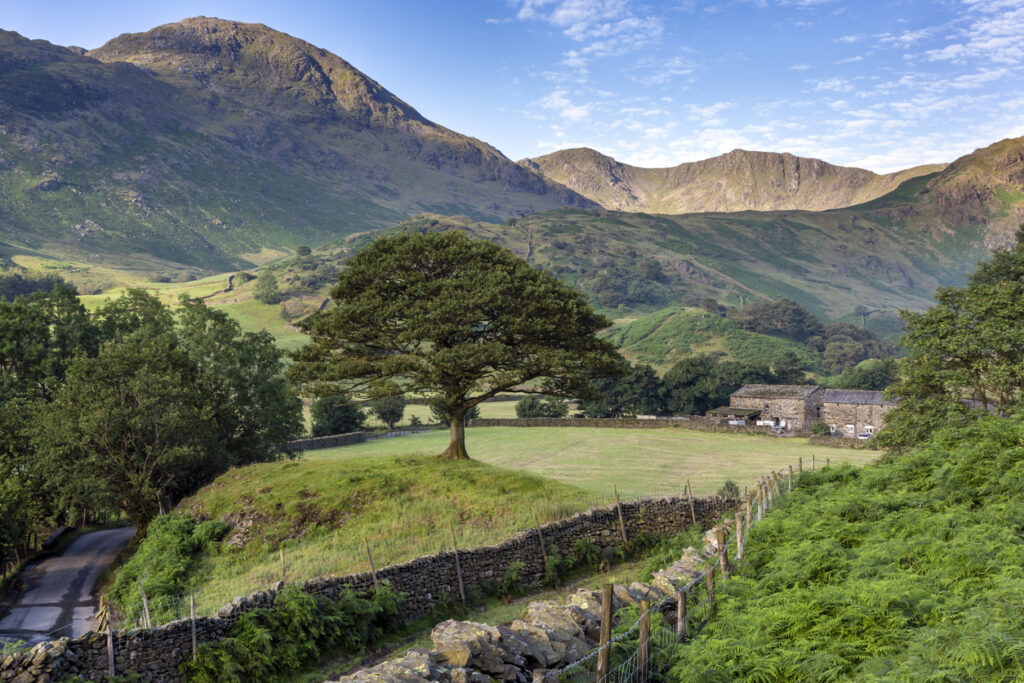
The truth, however, is that the parks run on a whole set of nature-first rules that protect wildlife, landscapes, and fragile habitats. These rules aren’t shouted about on signs, but they shape everything visitors are allowed to do. They keep the parks wild instead of turning them into theme parks, and they stop quiet ecosystems from collapsing under millions of footsteps each year.
You’re not allowed to take natural items home.
Many visitors think picking up a feather, a stone or a pretty shell is harmless, but parks treat these items as part of the ecosystem. Removing them can disturb habitats that depend on small details people barely notice. A single stone can shelter insects, roots or fungi, and removing it can cause a small chain reaction. This rule also protects wildlife from stress. Some birds abandon nesting areas if too many feathers or shells disappear. Leaving everything where it is helps keep the natural environment stable.
Wild camping is banned in most National Parks unless you have permission.
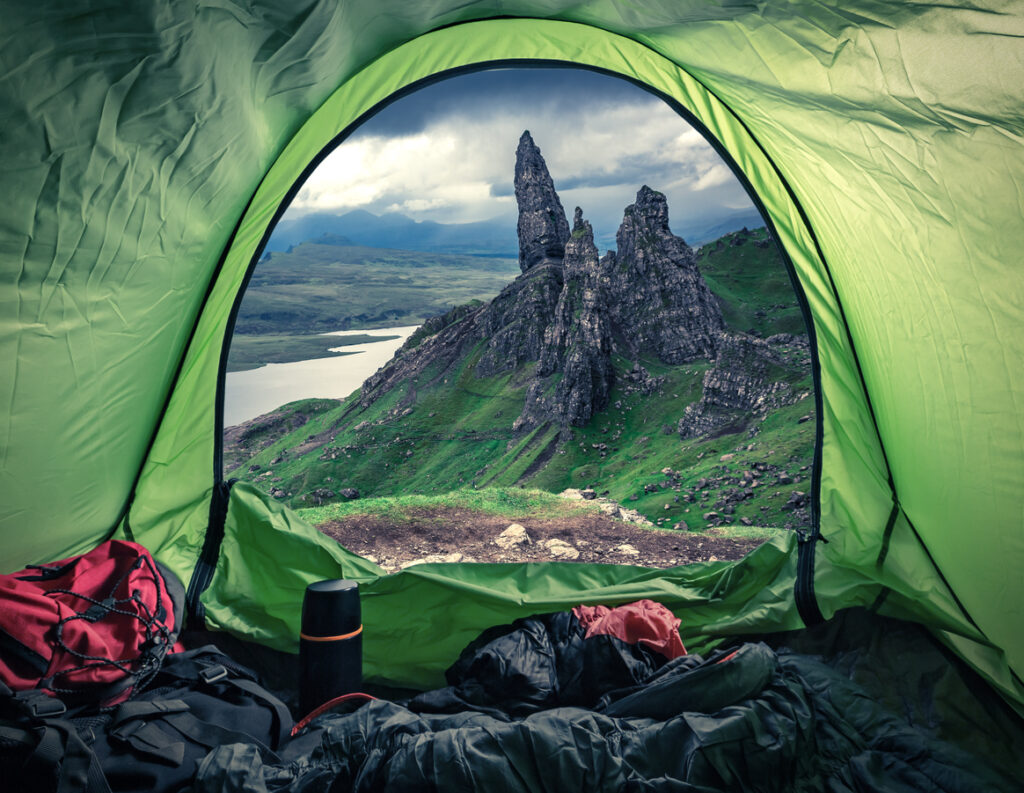
People often assume you can pitch a tent wherever you like because it’s “public nature.” Most parks only allow camping in designated areas because wild camping damages soils, disturbs wildlife and increases fire risk. Even one night of camping can crush plants and leave lasting ground damage. Parks also try to avoid repeated camping in the same spots because it creates informal trails that break apart habitats. Official campsites keep human impact in one controlled area.
You can’t fly drones unless you have written approval.
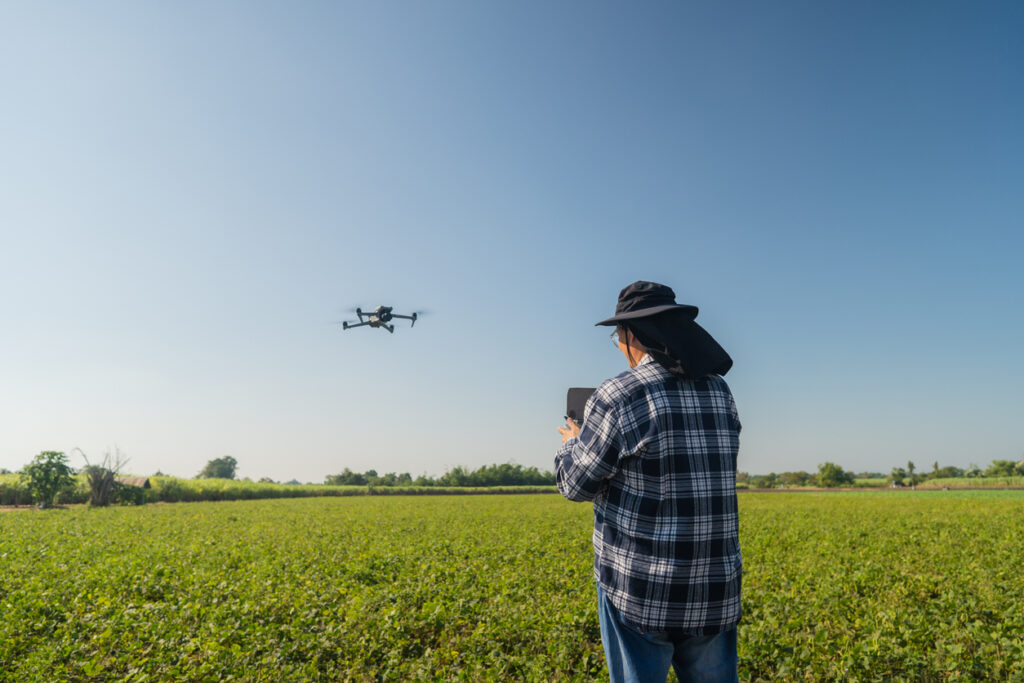
Drones disturb birds, stress nesting animals and interrupt quiet zones that wildlife rely on. Many people don’t realise how disruptive the sound and movement can be. Some parks have seen birds abandon their nests entirely because of drone noise. Parks require permits so they can control where drones fly and how often. This protects breeding sites and gives animals predictable space where they won’t be startled.
Feeding wildlife is completely banned, even if it feels kind.
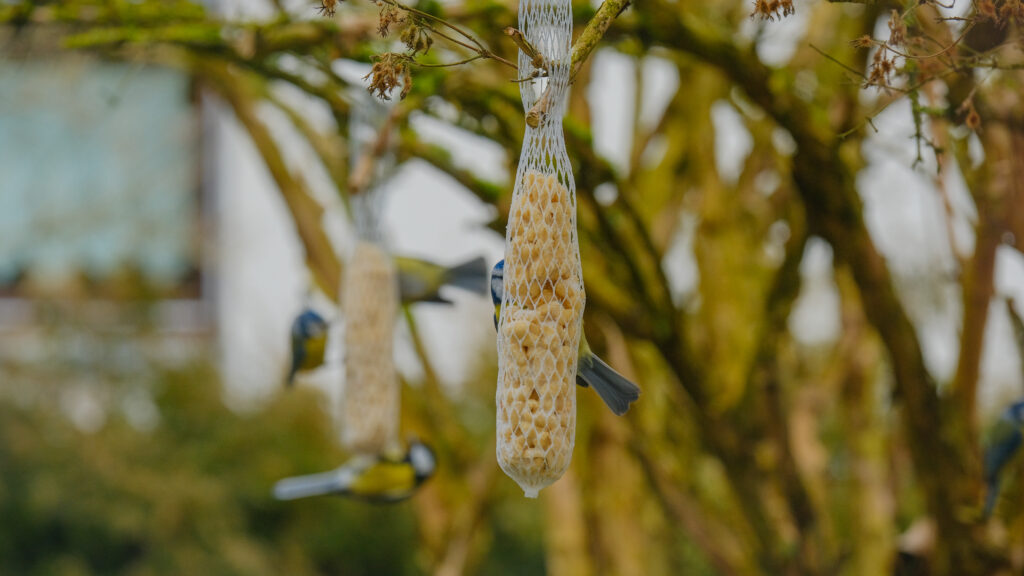
Feeding animals teaches them to rely on people instead of natural food sources. Once animals start approaching visitors, they become vulnerable to harm or starvation when the food stops. This behaviour can also make them aggressive, as they begin expecting snacks from passing people. Parks enforce this rule to keep wildlife wild. Animals that depend on human food often lose their survival skills and become less healthy overall.
Many lakes and rivers have hidden no-swim zones to protect habitats.
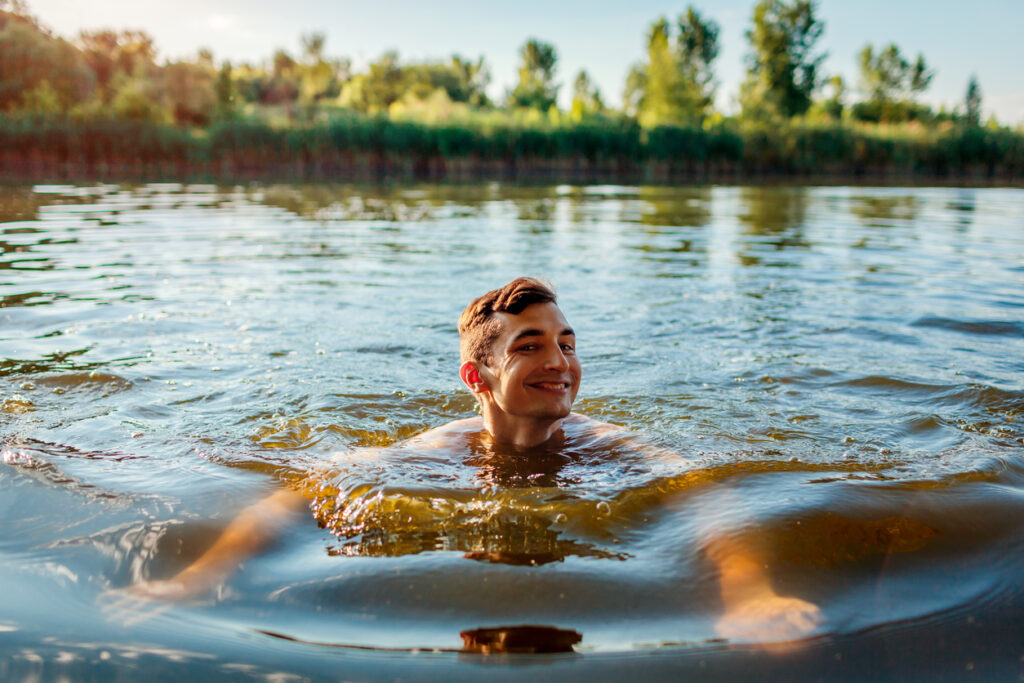
Not all water in a National Park is open for swimming. Some lakes are protected because rare species use the shoreline to breed, and the slightest disturbance can ruin that process. Water sports can also spread invasive species that cling to paddleboards or wetsuits. These quiet zones give wildlife safe areas away from human noise and movement. Parks often leave these rules off public boards to avoid drawing people to sensitive spots.
You must stick to certain paths to stop erosion.
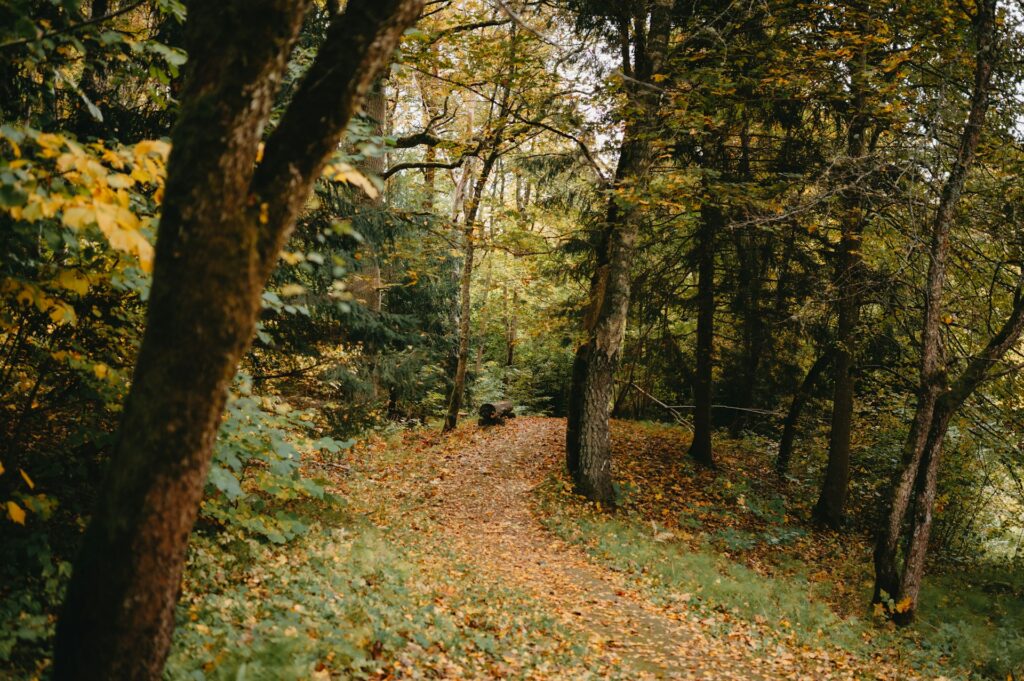
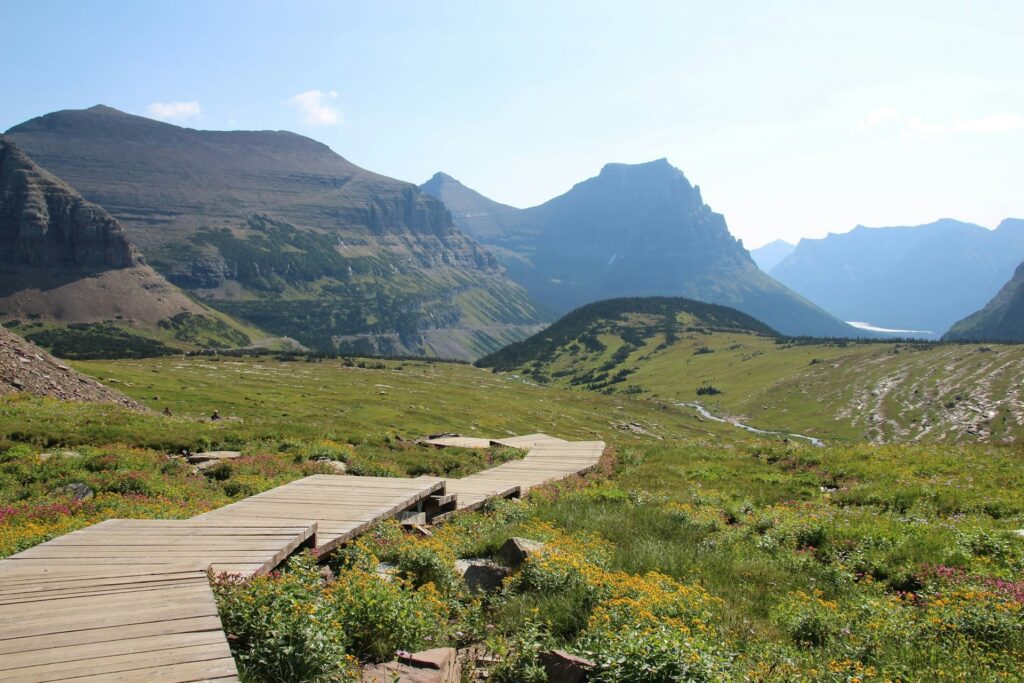
People often wander off trails for photos or shortcuts, but those small steps damage plant roots and weaken the soil. As time goes on, this creates wide scars that take decades to repair. Once soil is exposed, rain can wash it away and completely change the landscape. Parks design routes to protect vulnerable ground, so staying on the marked paths keeps the environment intact. It also stops habitats from shrinking as more visitors arrive each year.
Seasonal closures protect breeding animals, even if signs don’t explain why.
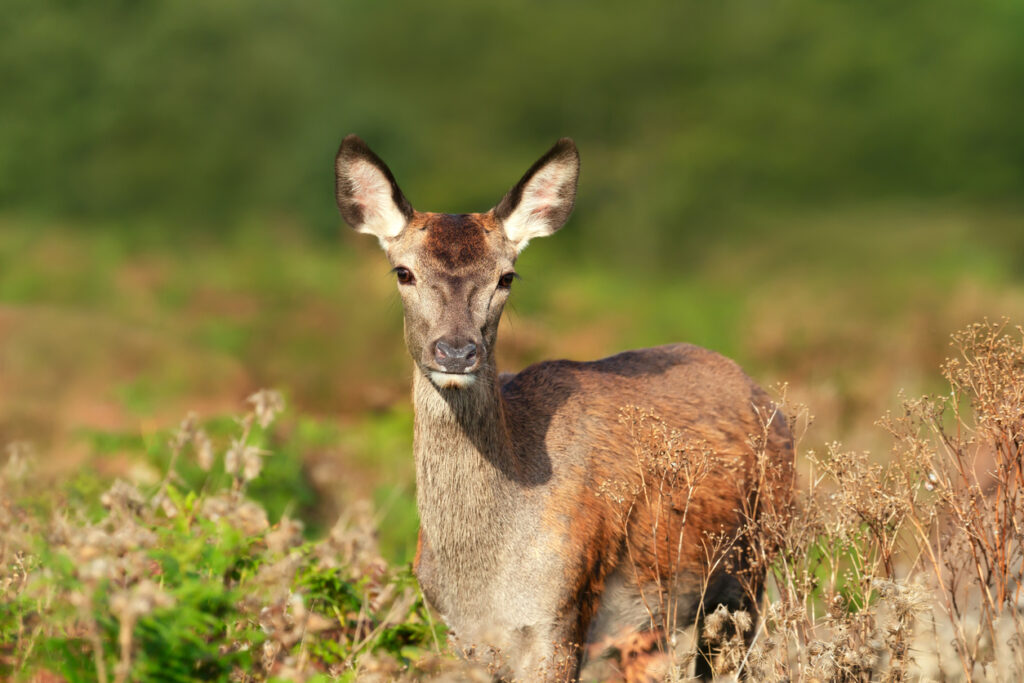
Certain trails and areas close at specific times of the year, usually because birds, deer or other species are breeding nearby. The parks don’t always list the exact reason to avoid drawing crowds or disturbing sensitive animals. These closures give wildlife the quiet space they need to raise young safely. They also stop visitors from walking into areas where animals feel threatened and may behave unpredictably.
You’re not allowed to bring in some plants or seeds.
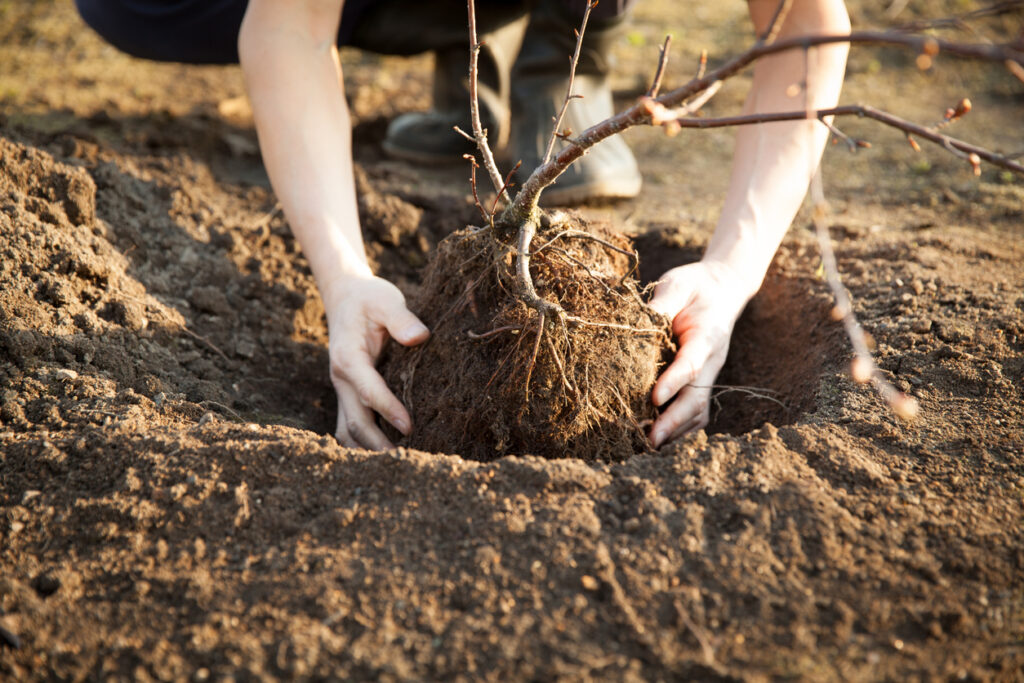
Seeds stuck to boots, clothes, or pets can introduce invasive species. These plants grow fast and overpower native species that take years to recover. A single seed can start a spread that damages entire habitats. Parks quietly enforce this rule by asking visitors to clean footwear and equipment. This small action protects landscapes from long-term harm.
Many areas forbid loud music or speakers, even if you’re outdoors.
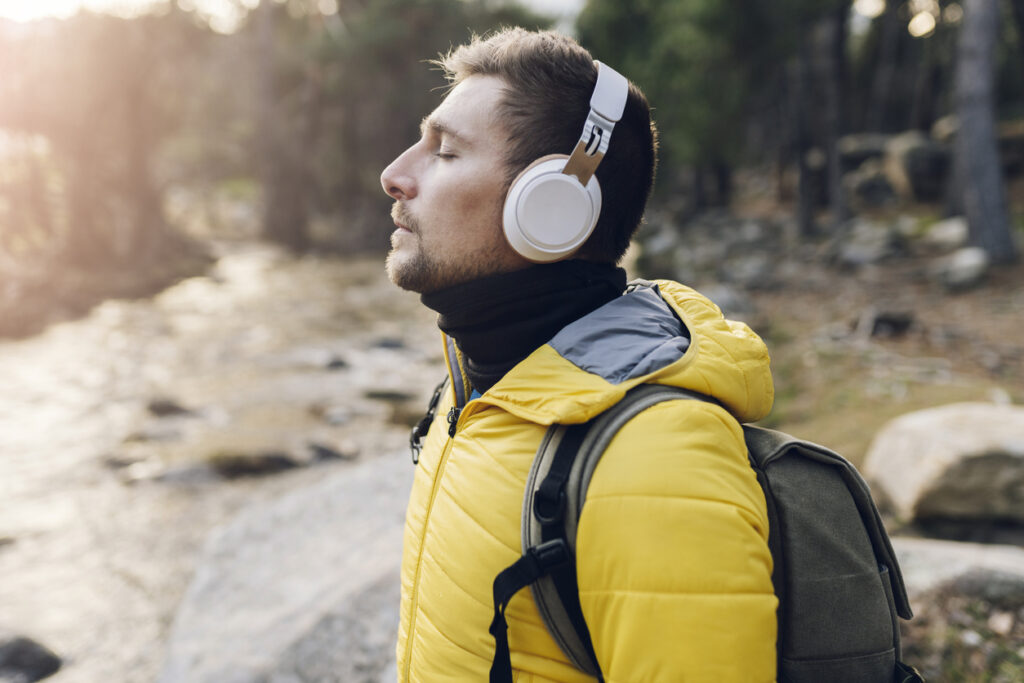
People assume that playing music outside is harmless, but noise carries far across valleys and water. Loud sounds stress wildlife, disrupt mating calls and scare off animals trying to feed. Even moderate noise can confuse birds that rely on sound for navigation. Parks encourage visitors to keep sound levels low, so nature stays peaceful. Quiet helps wildlife behave naturally and allows other visitors to enjoy the setting.
Some rivers and wetlands cannot be entered at all.
Wetlands look like open spaces, but they’re delicate environments full of hidden nests, eggs and young animals. Even light footsteps can crush habitats or disturb species that rely on still water. People often don’t realise they’ve stepped onto something important. To protect these areas, parks restrict entry unless a guide is present. This keeps fragile ecosystems safe from accidental damage.
Dogs must stay on leads in far more places than most people expect.
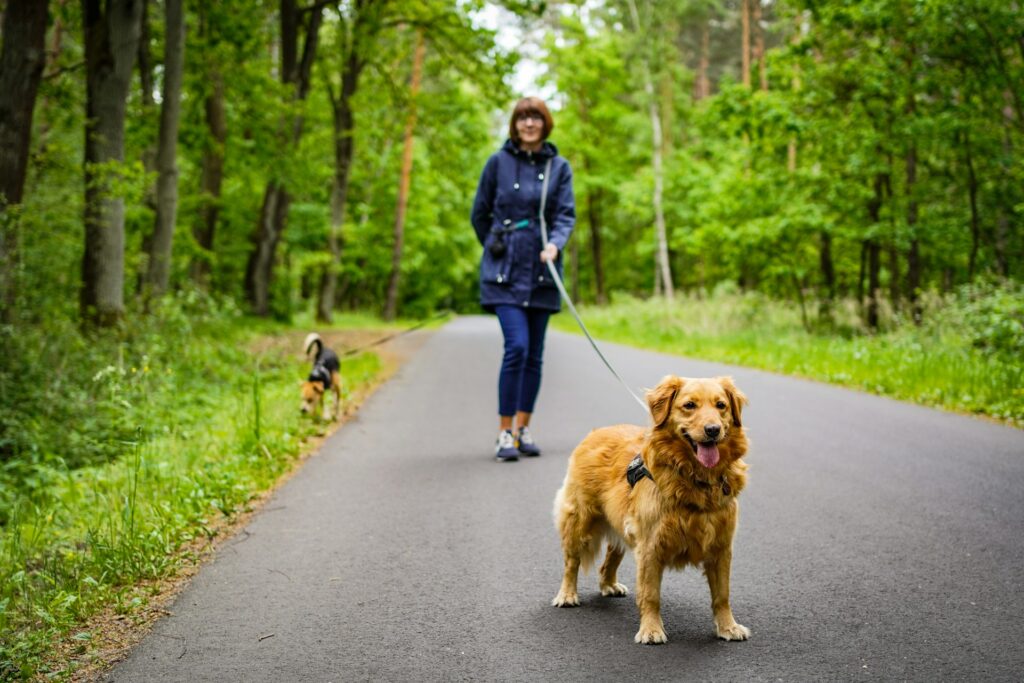
Even well-trained dogs can scare ground nesting birds, chase deer or disturb wildlife hiding in long grass. Most parks enforce lead rules far beyond the obvious spots because many species rely on low disturbance to survive. This isn’t about controlling pets. It’s about reducing stress on animals that are already fighting hard to survive in busy landscapes.
You can’t stack stones or move logs, even for photos.
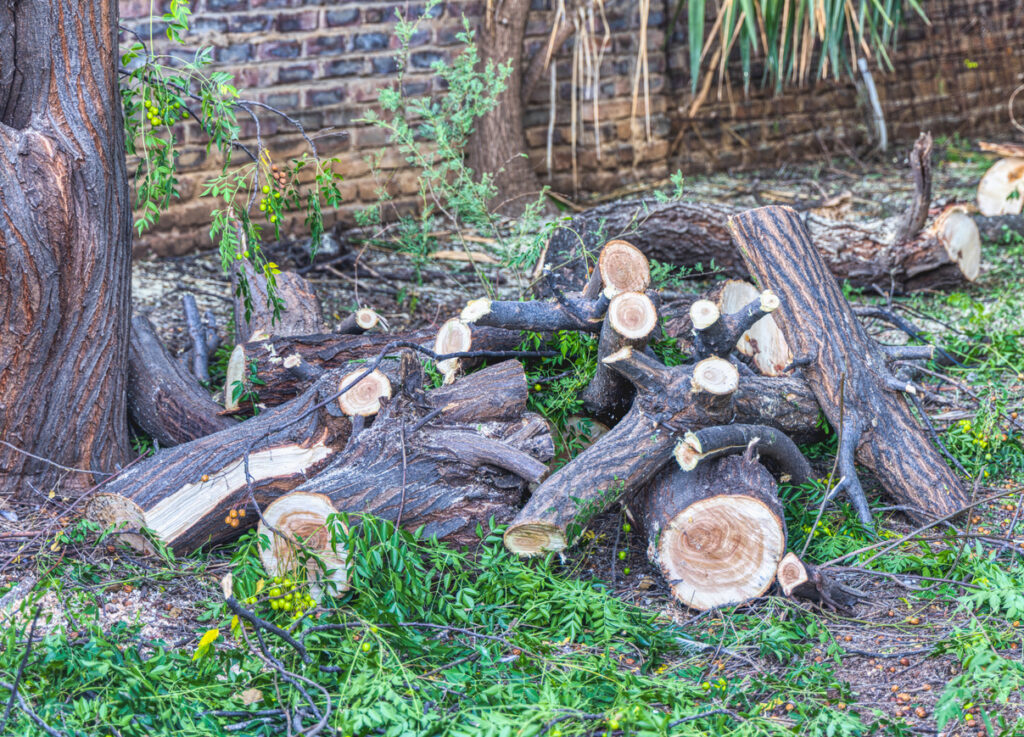
Stone piles, log stacks and rearranged rocks seem harmless, but they disrupt insect life, micro habitats and important hiding spots for small animals. These structures also encourage other people to copy the behaviour, causing widespread damage. Leaving everything untouched helps keep the landscape natural. Parks enforce this rule quietly because the impact builds up over time, not in a single day.
These rules might seem strict, but they’re the reason National Parks stay wild, healthy and worth visiting. Most of the work happens quietly in the background, but every rule protects something fragile that would otherwise disappear under the weight of millions of footsteps each year.