Dinosaurs might be long gone, but plenty of the things that helped them survive didn’t vanish with them.
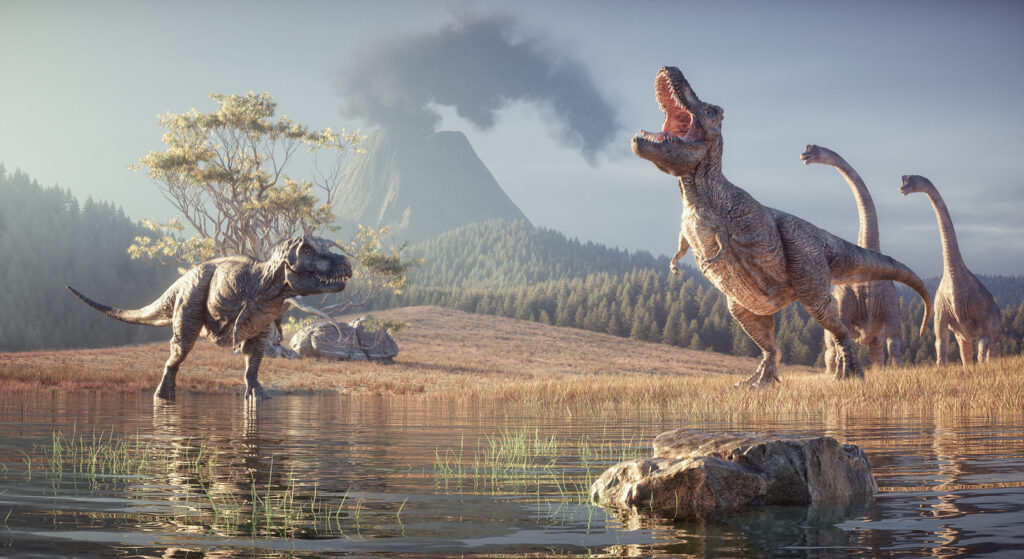
If you look closely at modern wildlife, you can still spot features, behaviours, and body structures that first showed up in prehistoric creatures. It’s a strange thought, but some of the animals wandering around today are carrying traces of the same world the T. rex and Triceratops lived in.
We tend to imagine dinosaurs as these mysterious giants that have nothing to do with present-day life, yet loads of traits stuck around and quietly evolved into something new. Birds are the obvious link, but they’re not the only ones showing off that ancient inheritance. From bone structures to parenting styles, the past is still hiding in plain sight if you know where to look.
1. Birds are literally living dinosaurs with feathers.

Birds aren’t just related to dinosaurs, they actually are dinosaurs, according to scientists. They evolved from small theropod dinosaurs during the Jurassic period and survived the extinction event that killed off their larger relatives. Every bird you see, from pigeons to eagles, is technically a living dinosaur that’s adapted to modern conditions.
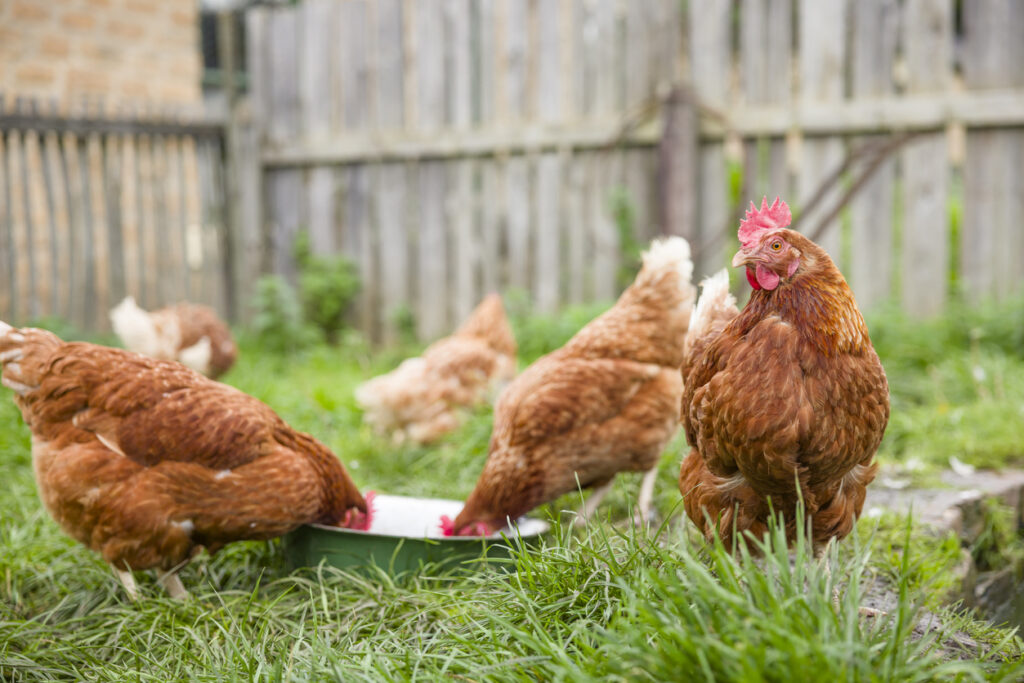
The connection is so direct that scientists now classify birds as avian dinosaurs, while calling the extinct ones non-avian dinosaurs. Birds inherited loads of traits from their dinosaur ancestors, including hollow bones, three-toed feet, and their method of reproduction through hard-shelled eggs. When you’re watching a chicken scratch around your garden, you’re literally watching a dinosaur.
2. Crocodiles have barely changed in 200 million years.
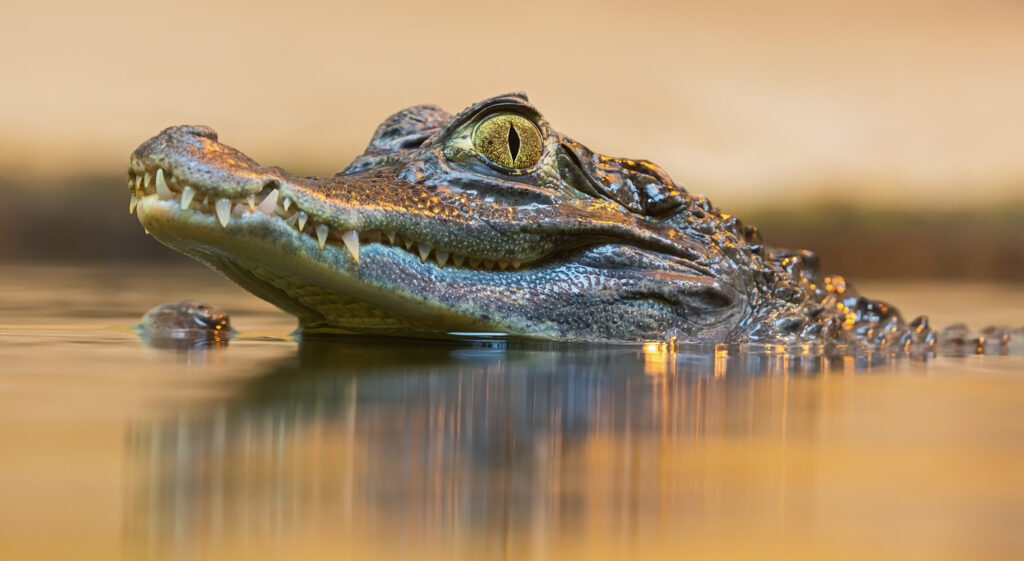
Crocodiles and alligators are about as close to living dinosaurs as you can get without actually being birds. They shared a common ancestor with dinosaurs and have kept the same basic body plan for over 200 million years because it works so well. Their armoured skin, powerful jaws, and ambush hunting style are all traits that existed during the dinosaur era.
These reptiles survived the same extinction event that killed the dinosaurs, proving their design is absolutely brilliant for what they do. The way they regulate their body temperature, their method of walking, and even their parenting behaviours are all ancient traits that haven’t needed updating.
3. The wishbone in chickens came from dinosaurs.
That wishbone you pull apart at Christmas dinner is actually a dinosaur feature called a furcula. Scientists have found the same V-shaped bone in loads of theropod dinosaur fossils, proving it existed long before birds evolved. The bone helps with breathing during flight by acting as a spring that stores energy.
Dinosaurs like Velociraptor and Tyrannosaurus rex had wishbones, just like modern birds do. This bone is one of the clearest pieces of evidence linking birds directly to their dinosaur ancestors. Every time you snap a wishbone, you’re interacting with a body part that’s been around for over 150 million years.
4. Brooding behaviour exists in birds and reptiles.
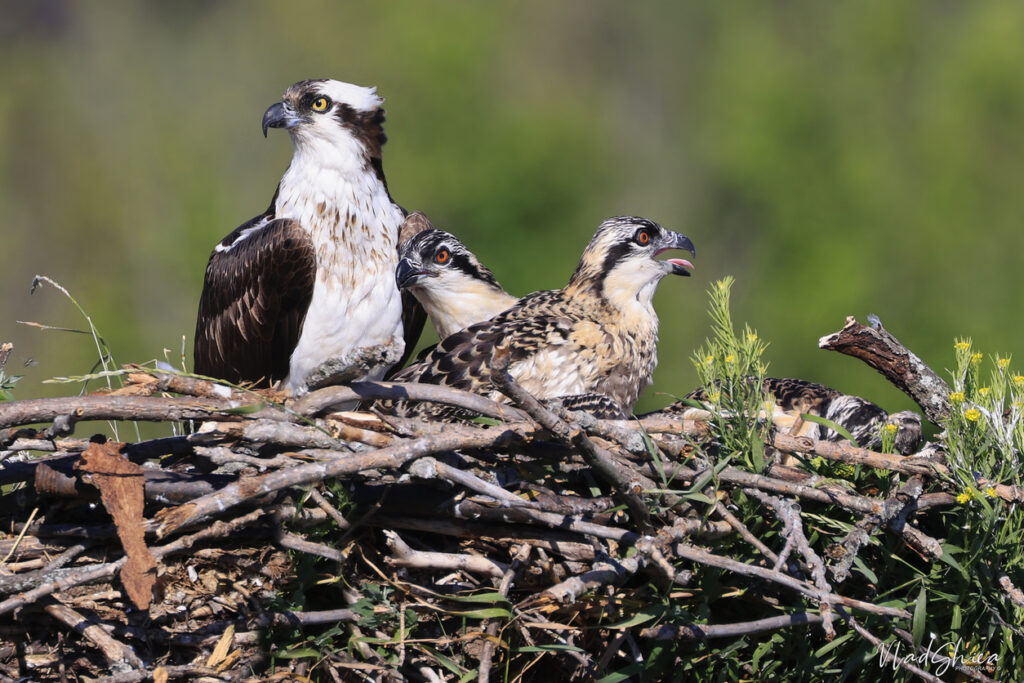
The way birds sit on their eggs to keep them warm is a behaviour inherited directly from dinosaurs. Scientists have found fossils of dinosaurs literally frozen in the act of sitting on their nests, positioned exactly like modern birds do. Some dinosaurs even had feathers that would’ve helped insulate their eggs while brooding.
Such parental care was surprisingly common among dinosaurs, especially the theropods that gave rise to birds. They didn’t just lay eggs and abandon them like many reptiles do today. Instead, they actively protected and incubated their eggs, showing a level of parental investment that survives in modern birds.
5. Hollow bones make both dinosaurs and birds lightweight.
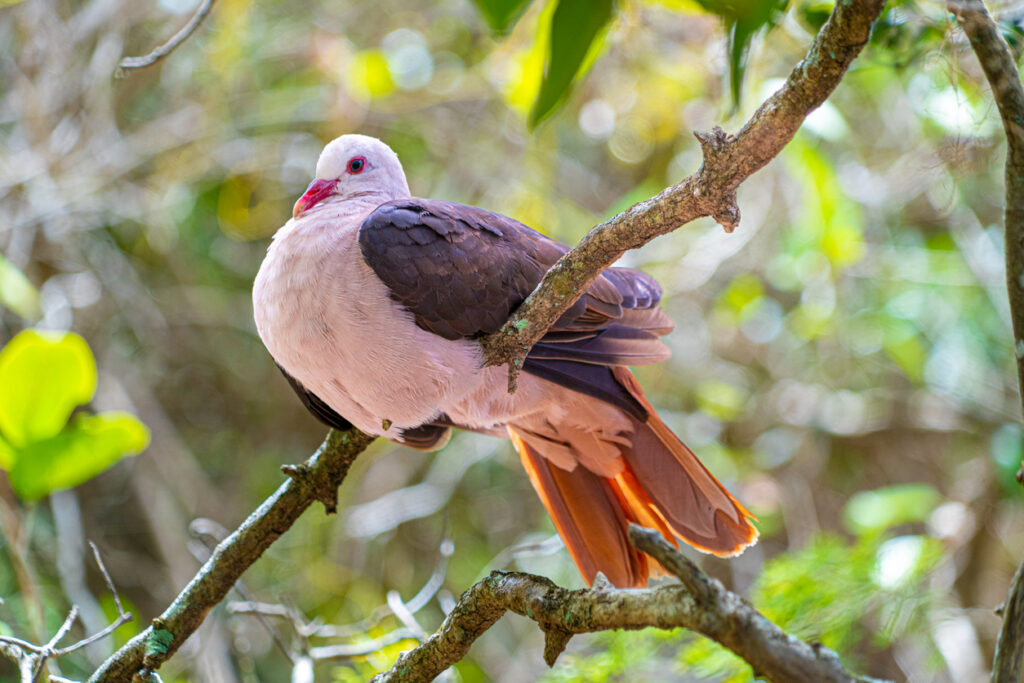
Birds have hollow bones filled with air sacs that make them light enough to fly, and this feature came straight from their dinosaur ancestors. Many dinosaurs had pneumatic bones that were hollow and connected to their respiratory system. It wasn’t just about weight reduction, it also made their breathing more efficient.
These hollow bones are surprisingly strong despite being filled with air, using internal struts that provide support without adding much weight. Large dinosaurs benefited from this because it let them grow to massive sizes without becoming too heavy to move.
6. Three-toed feet appear in both dinosaurs and ground birds.

Look at a chicken’s foot, and you’re seeing the exact same three-toed structure that dinosaurs walked on millions of years ago. This foot design with three forward-facing toes is incredibly efficient for walking and running on the ground. Dinosaur footprints preserved in rock show the same pattern, proving the connection.
The similarity is so strong that early dinosaur footprints were sometimes mistaken for giant bird tracks before scientists understood the evolutionary relationship. The foot structure provides excellent balance and traction, which is why it’s persisted for so long. Birds that spend time on the ground show this dinosaur trait most clearly.
7. Scales and feathers are basically the same thing.
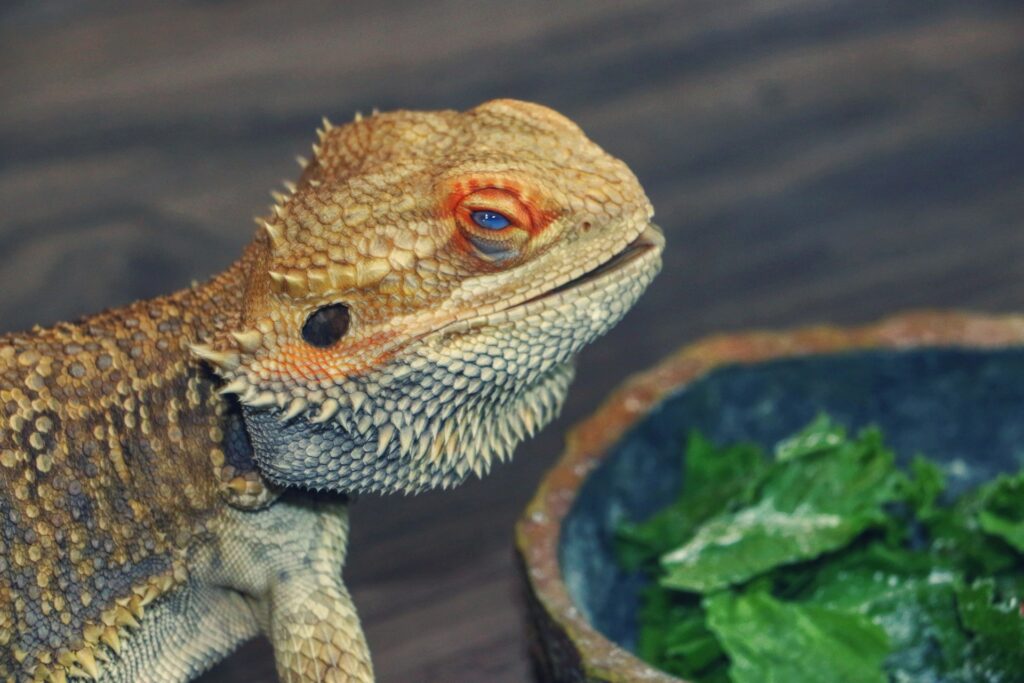
Scientists have worked out that feathers evolved from the same cells that produce scales in reptiles. Both structures are made from keratin, the same protein in your hair and nails. Dinosaurs had a mix of scales and proto-feathers, with some species showing the transition between the two types of covering.
Modern birds still have scales on their legs and feet, showing the connection to their scaly dinosaur ancestors. The evolution from scales to feathers wasn’t a sudden jump, but a gradual process where scales became more elaborate and branched. Variety like this still exists in different bird species today.
8. Gizzards help birds digest food like dinosaurs did.
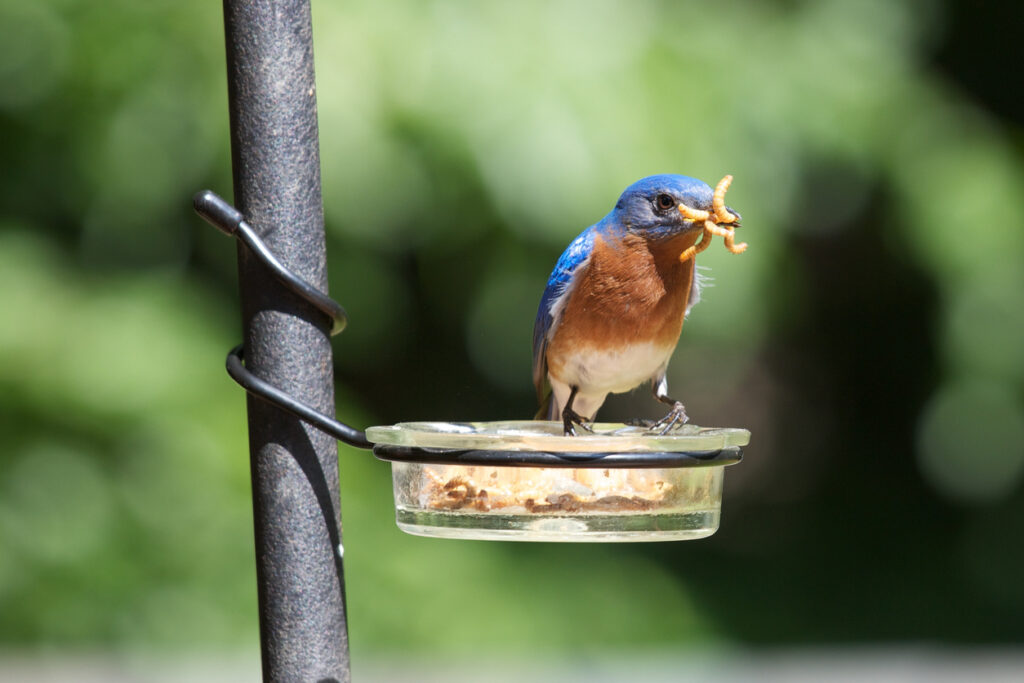
Birds have a muscular stomach called a gizzard that grinds up food using small stones they swallow. This is the exact same digestive system that many dinosaurs used, and scientists have found smooth stones called gastroliths in dinosaur fossils. These stones would’ve sat in their gizzards, helping to break down tough plant material.
Their digestive strategy lets birds eat seeds, grains, and other hard foods without having teeth to chew them first. Dinosaurs that lost their teeth during evolution relied increasingly on their gizzards to do the work. It’s a brilliantly simple solution that works just as well today as it did 100 million years ago.
9. Nesting in colonies was a dinosaur behaviour.
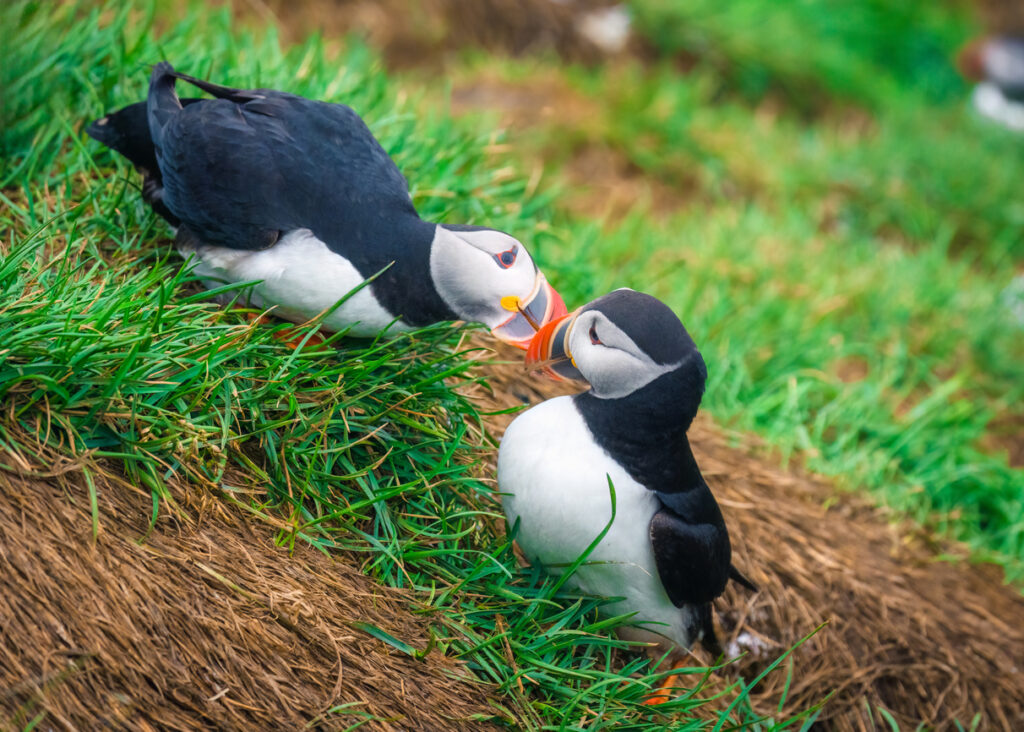
Some dinosaurs nested in large colonies just like modern seabirds do, with hundreds of nests grouped together in the same area. Scientists have found massive nesting sites with dozens of dinosaur nests clustered together, showing they returned to the same spots year after year. Their social nesting behaviour provided protection through numbers.
Birds inherited this tendency to nest colonially, with species like penguins, gulls, and gannets creating huge breeding colonies. The advantages are the same now as they were then, with more eyes watching for predators and safety in numbers.
10. The way birds move their heads when walking is pure dinosaur.

Watch a pigeon walk, and you’ll see its head bobbing back and forth with each step. That distinctive head movement is thought to help stabilise their vision even though their body is moving. Scientists reckon dinosaurs moved their heads in exactly the same way based on their skeletal structure and balance.
Head-bobbing isn’t just a quirky bird behaviour, it’s a practical solution to keeping your vision steady while moving. The way the head stays still for a moment as the body moves forward is exactly what you’d expect from a dinosaur trying to spot prey or predators.
11. Sharp claws on bird feet are modified dinosaur weapons.
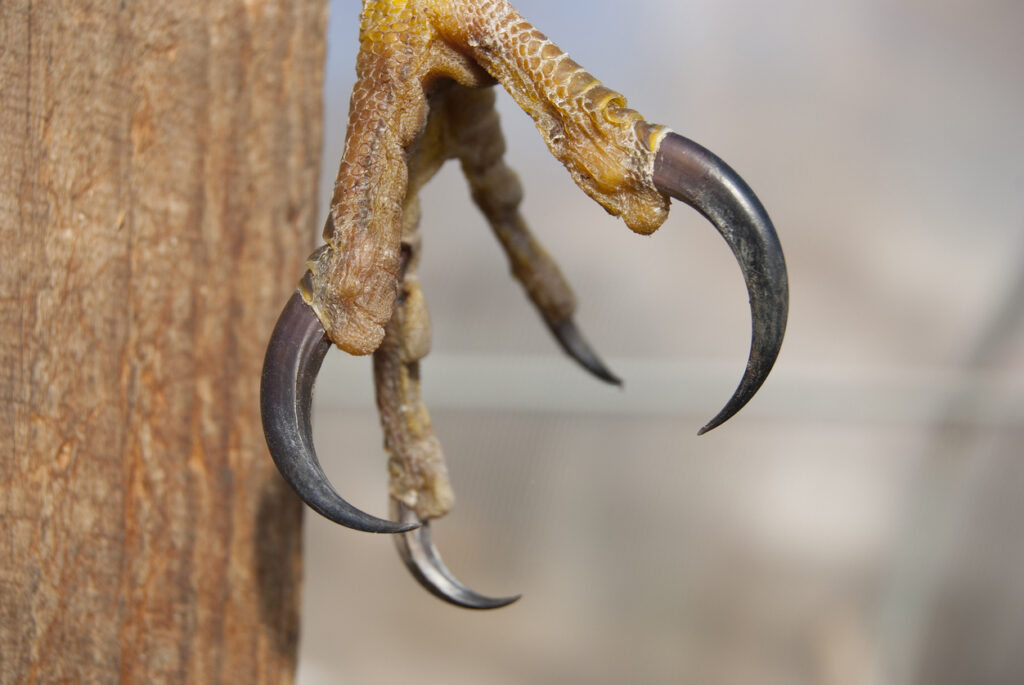
The talons on birds of prey and the claws on chicken feet are direct descendants of the killing claws that dinosaurs had. Raptors like Velociraptor had enlarged claws on their feet for slashing prey, and modern birds have kept these weapons but adapted them for different uses. Eagles use theirs for grabbing prey, chickens use theirs for scratching.
The basic structure is identical to dinosaur claws, with a curved shape and sharp point that’s perfect for gripping or attacking. Some modern birds like cassowaries have absolutely massive claws that look terrifyingly dinosaur-like. These birds are genuinely dangerous and have killed people with their dinosaur claws.
12. Air sacs in bird lungs came from dinosaurs.
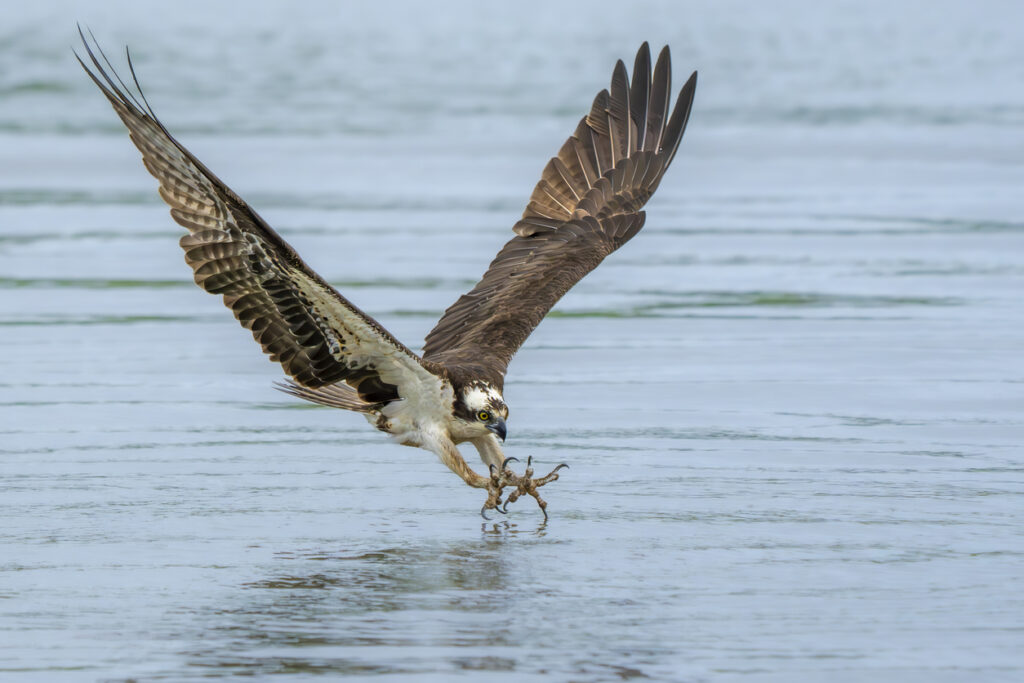
Birds have a unique respiratory system with air sacs throughout their body that makes their breathing incredibly efficient. This system lets air flow through their lungs in one direction continuously, giving them more oxygen than mammals can extract. Dinosaurs had the same system, which helped them stay active and grow to enormous sizes.
It’s one of the reasons why birds can fly at high altitudes where the air is thin. The air sacs leave marks on bones where they connected, which is how scientists know dinosaurs had them too. It’s one of the most important dinosaur traits that made both ancient giants and modern flyers successful.