Rats showing up under your bird feeder can make the whole thing feel a bit less cheerful, especially if you’ve put that feeder out to help garden birds.
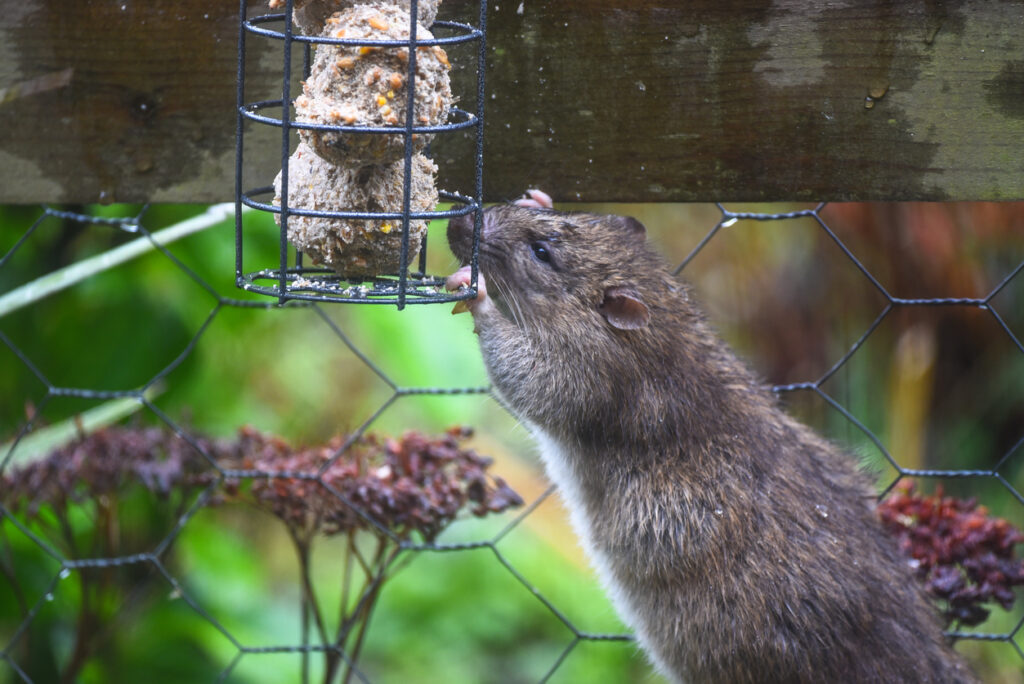
Once they realise there’s an easy meal waiting, they’re more than happy to climb, jump or scramble their way up to it. You don’t need to get rid of the feeder, but you might need to change a few small things to make it less appealing to them.
Most people want to feed birds without inviting extra pests, so it helps to know what actually draws rats in and what sends them elsewhere. A few adjustments in the garden can make a real difference and still let you enjoy watching birds visit. What follows are practical ways to stop rats climbing up, while keeping your bird guests happy and well-fed.
Use a feeder pole with a baffle.
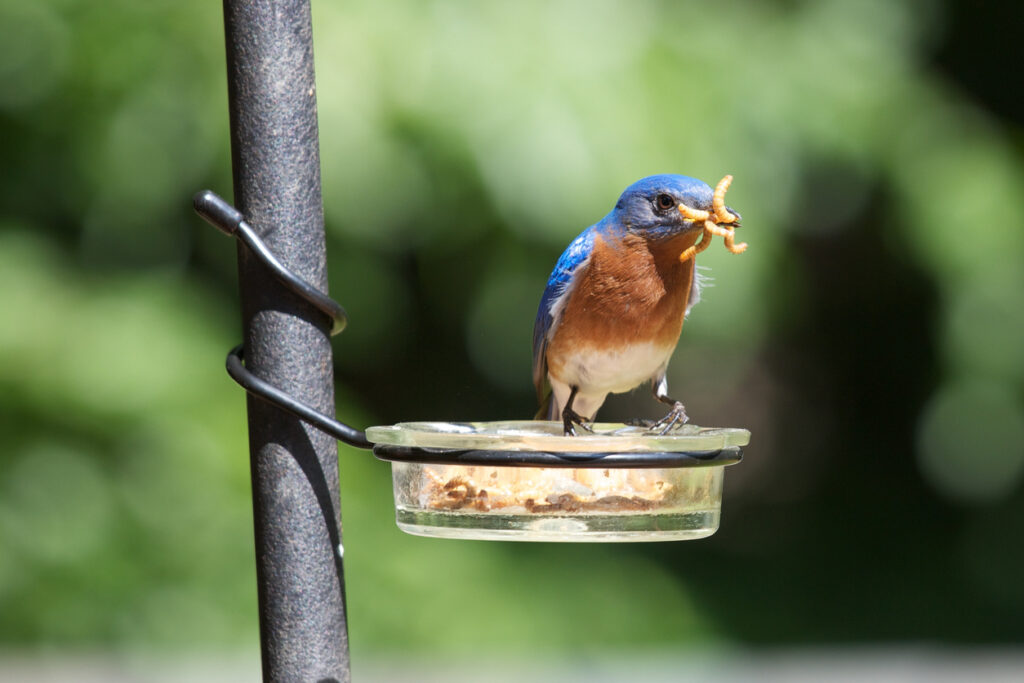
A baffle is a smooth, curved barrier that rats can’t grip. When it’s fixed halfway up a feeder pole, rats slide straight off it. Many people skip this step, but it’s one of the most effective ways to stop rats climbing. Choose a wide plastic or metal baffle and place it high enough that rats can’t jump above it. Once it’s fitted properly, most rats give up fast.
Move the feeder away from fences and branches.

Rats don’t always climb the pole. They often jump from nearby objects like fences, bins, sheds, or tree branches. If the feeder is too close to anything solid, rats will use it as a launch point. Place your feeder pole at least two metres away from walls and trees. The extra space stops rats reaching it with a single jump.
Choose a feeder with weight sensitive perches.
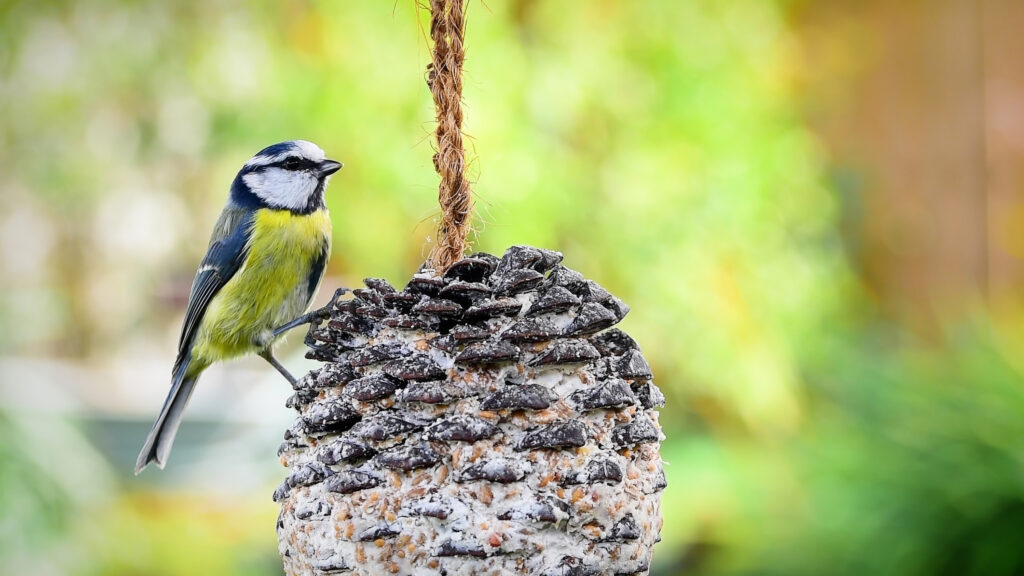
Some bird feeders close automatically when something heavy sits on them. Birds are light, so the feeder stays open. Rats are heavier, so the feeding ports shut instantly. This stops them getting food even if they manage to climb up. These feeders cost more, but they save money in the long run because less seed gets stolen by pests.
Use finer mesh feeders that rats can’t reach into.
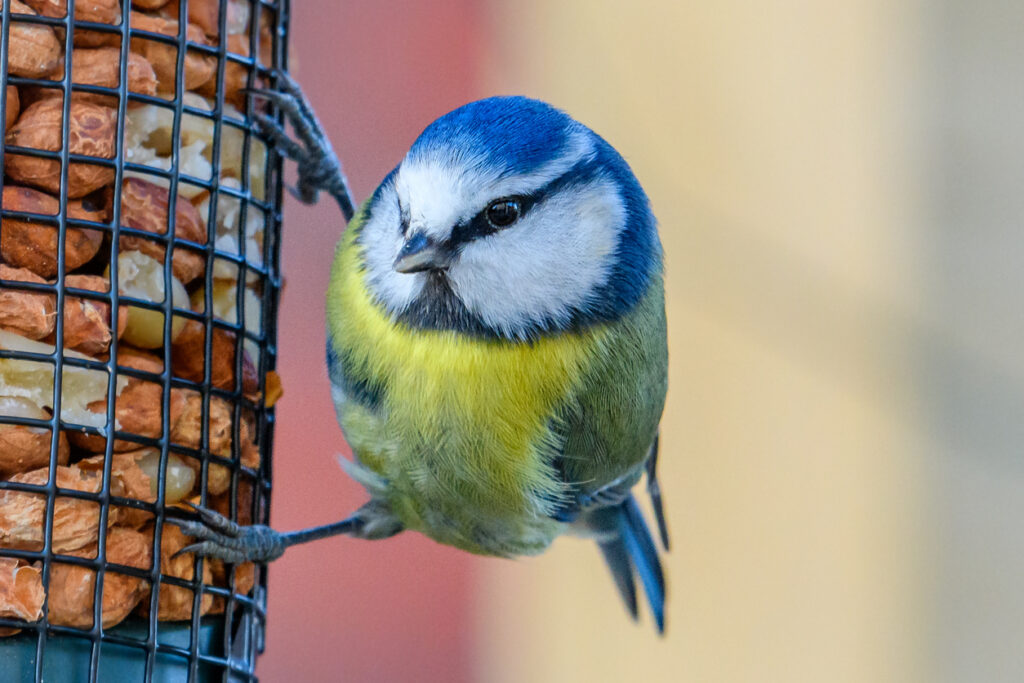
Wide openings make it easy for rats to grab seed with their paws. Mesh feeders with very small gaps stop rats reaching inside. Birds can still feed normally, but rats get frustrated and move on. Pairing a mesh feeder with a baffle gives you double protection. Rats find it harder to stay interested when every attempt fails.
Clear fallen seed from the ground every day.
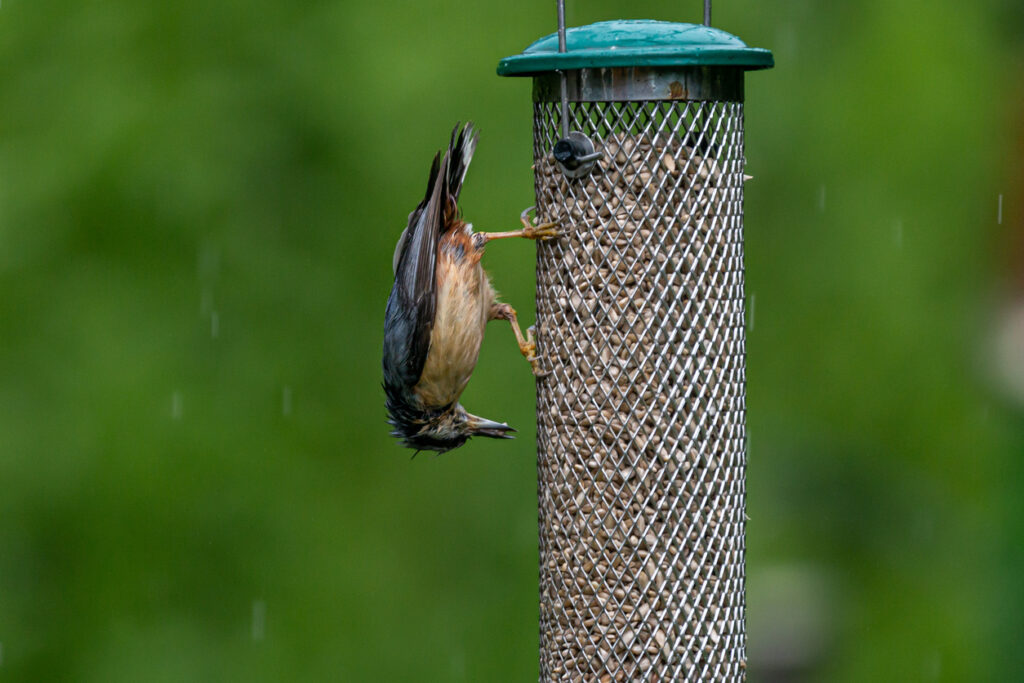
Rats often come for the dropped seed, not the feeder itself. Once they find food on the ground, they’ll return every night and eventually try climbing the feeder too. Cleaning the area breaks the habit fast. A quick sweep or rake each day removes temptation. When there’s nothing to scavenge, rats lose interest in the area altogether.
Switch to no mess seed mixes.
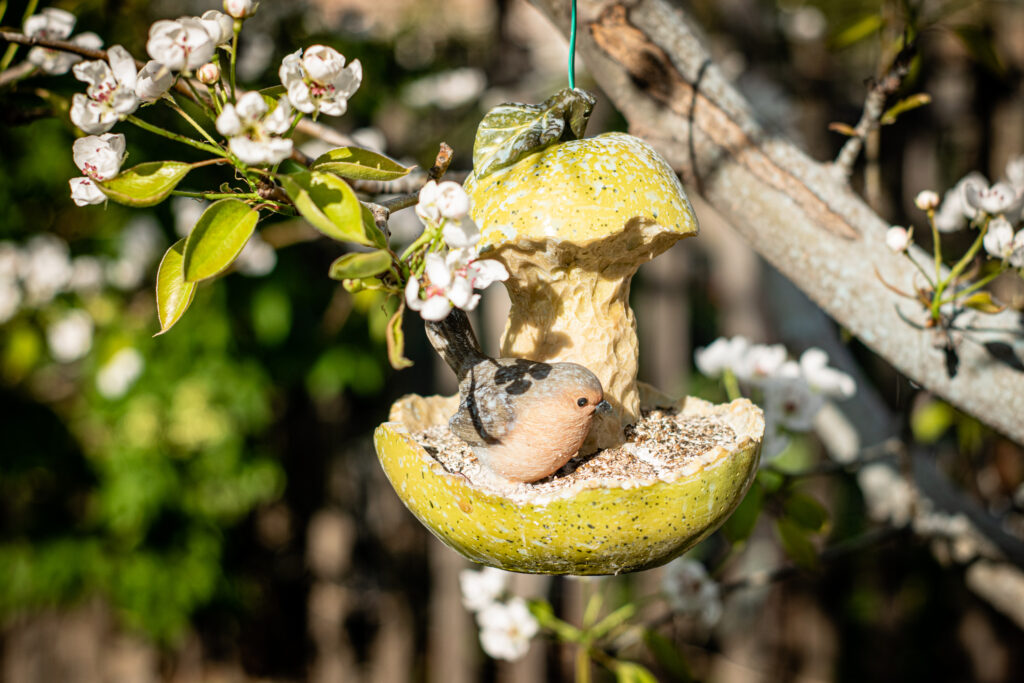
Cheap seed mixes create waste because birds drop the bits they don’t like. Those leftovers attract rats. No mess mixes are designed so birds eat almost everything, which means far less spillage. These mixes keep the ground cleaner and stop rats being drawn in by scraps. It’s a simple switch that makes a big difference.
Place feeders higher than usual.
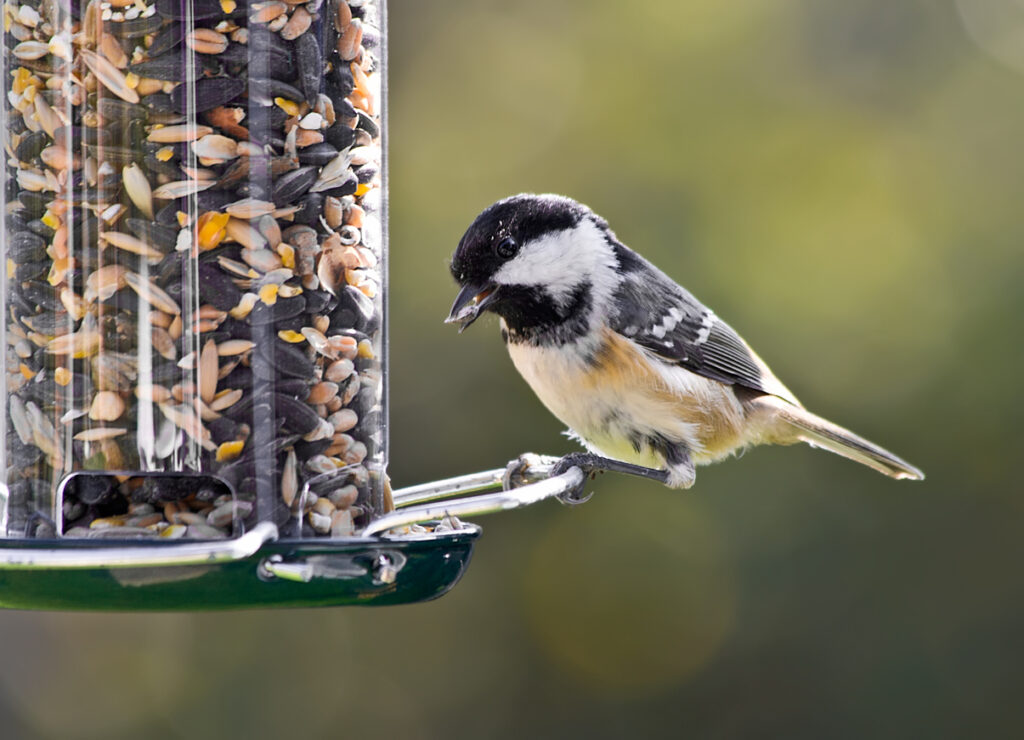
Rats can jump surprisingly high, often up to half a metre. If your feeder is too low, it becomes easy access. Raising it forces rats to rely entirely on climbing, which makes baffles and smooth poles far more effective. A feeder height of around one and a half to two metres is ideal. Birds reach it easily and rats stay on the ground.
Use a metal pole instead of wood.
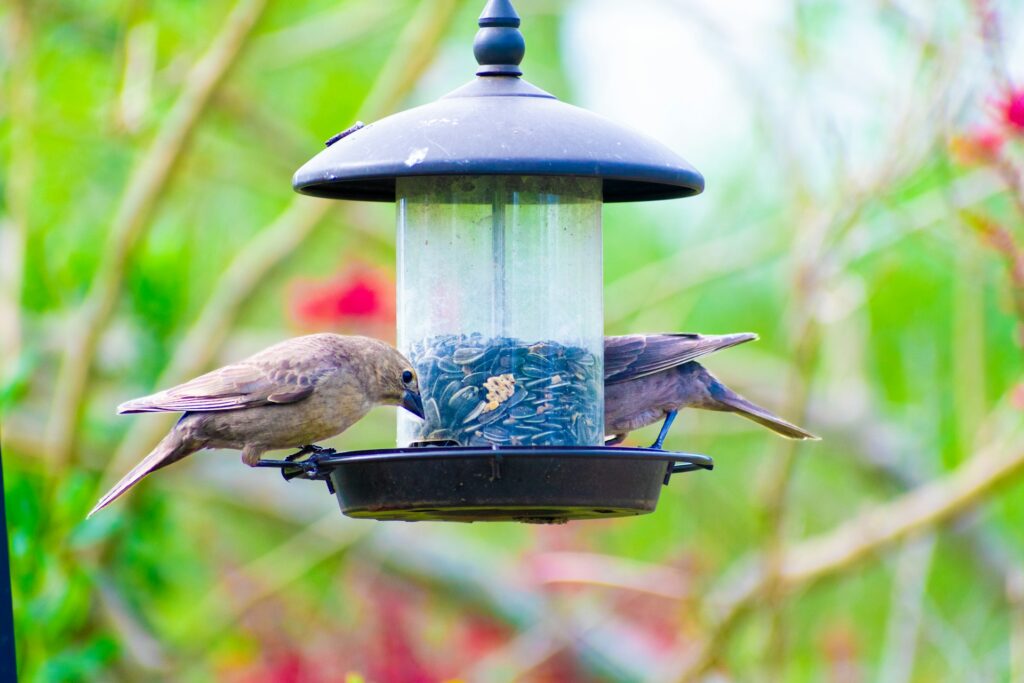
Wooden poles give rats grip, which makes climbing effortless. Metal poles are much harder for them to scale because they can’t get traction. Smooth surfaces slow them down or stop them completely. Combining a metal pole with a baffle and distance from fences creates a setup most rats can’t beat.
Add a seed catcher tray under the feeder.
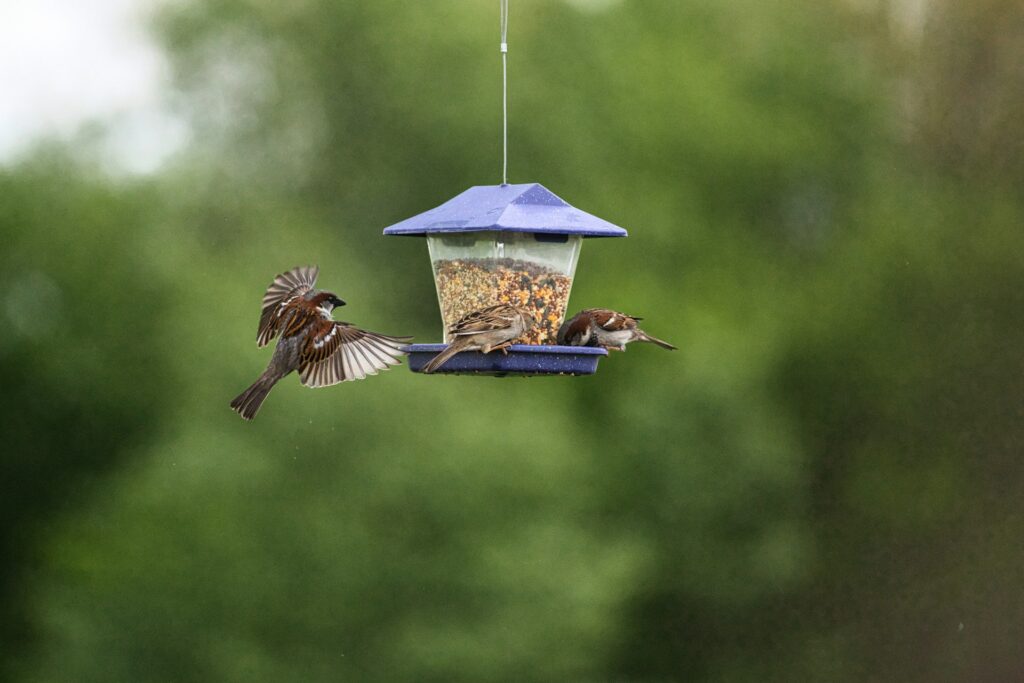
Trays collect fallen seeds before they hit the ground. Less food on the floor means fewer rats visiting. Birds still get extra feeding space from the tray, so it benefits them too. Choose a tray with drainage holes so rainwater doesn’t collect. This keeps the seed clean and stops mould building up.
Remove other food sources in the garden.
Rats stay where food is easy. Compost piles, open bins, pet food bowls and leftover bird feed all encourage them. Even if your feeder is rat proof, other snacks will keep them returning. Secure lids, tidy up scraps and place compost in sealed containers. When the general food supply drops, rats stop exploring and move on quickly.