Taking your cat home after surgery can feel a bit stressful, especially if you’re not sure what’s normal and what needs attention.
Your cat will probably be groggy, quiet, and not quite themselves for a day or two, and it’s hard not to worry when you’re trying to look after them. Having a clear idea of what to expect makes the whole recovery feel a little easier and helps you notice anything that might need a vet’s advice.
You don’t have to be an expert to support them, but they will need a calm space, the right care and a bit of patience while they heal. Every cat recovers differently, and some bounce back faster than others, so try not to panic if they seem slow to perk up. Here’s how to cover the basics and give yourself a good starting point for helping your cat get back to their usual self.
Keep them confined to a small, quiet space.

Your cat needs rest, not adventure. Set up a small room like a bathroom or spare bedroom with everything they need. No stairs, no jumping, no other pets bothering them. They’ll want to roam, but movement can tear stitches or cause swelling.
Think of it like enforced bed rest. Put their litter tray, food, water, and a comfy bed all within easy reach. Close the door and ignore the sad meowing. They’ll be annoyed, but they’ll heal faster. A bored cat is better than one with burst stitches.
Check the incision site twice a day.
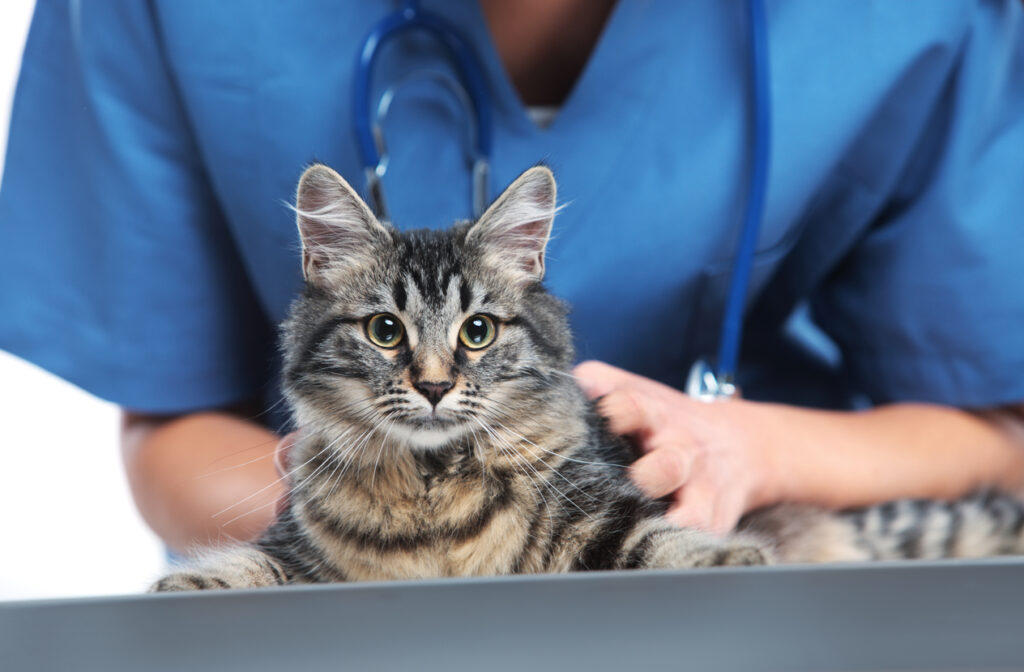
You need to look at the wound every morning and evening. It should be clean, dry, and the edges should be touching. A little redness right at the stitches is normal. What’s not normal is swelling, oozing, gaps in the wound, or a bad smell.
Don’t touch it, just look. If something seems off, call your vet. Don’t wait to see if it gets better. Infections move fast, and your cat can’t tell you when something’s wrong. Take a photo each day so you can compare and spot changes you might miss otherwise.
Stop them licking or biting the wound.

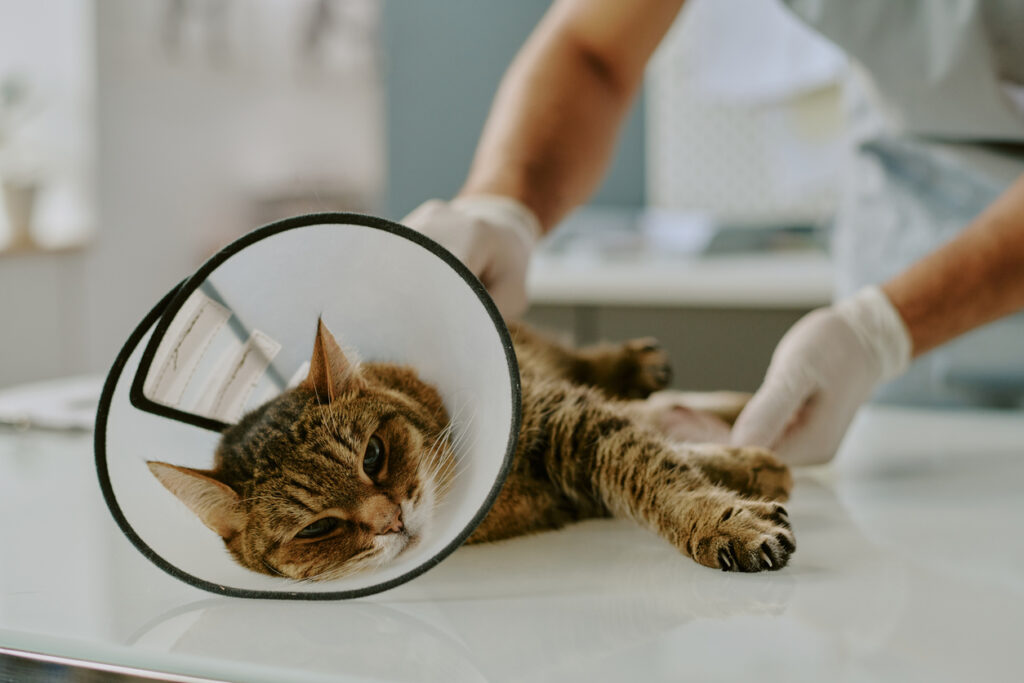
Your cat’s going to hate the cone, but they need it. Their mouth is full of bacteria, and licking the incision can cause infection or pull out stitches. If they’re really distressed by the cone, ask your vet about alternatives like surgical suits or soft collars.
Watch them constantly if they’re not in the cone. Cats are sneaky and fast. One good licking session can undo everything. If you catch them going for the wound, redirect them with a toy or a treat. The cone stays on until the stitches come out, no exceptions.
Manage their pain properly.
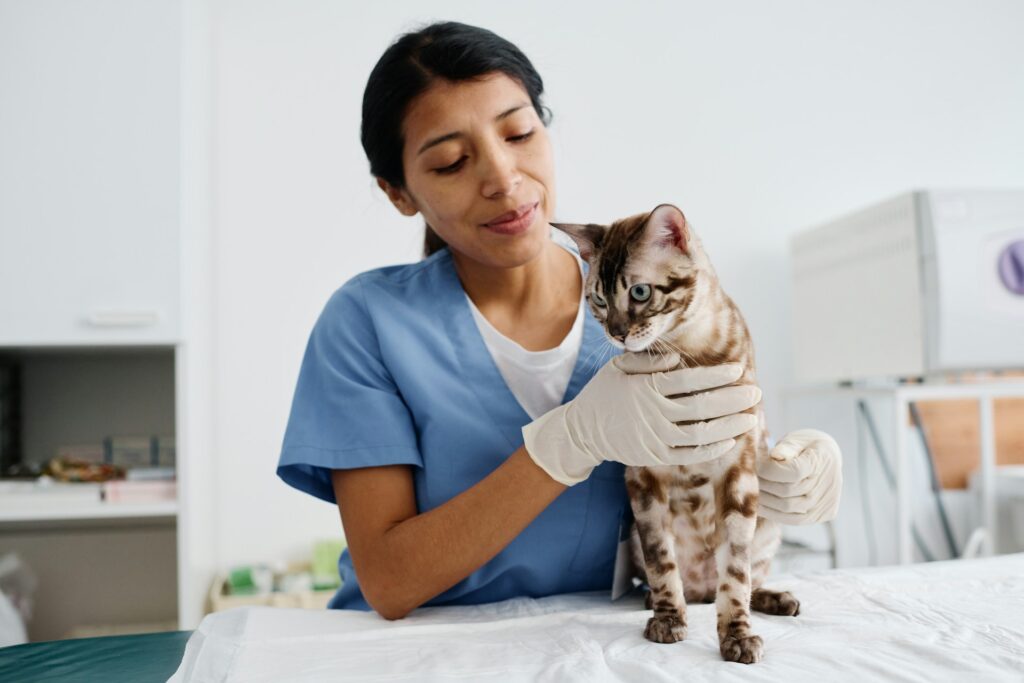
Your vet should’ve sent you home with pain medication. Give it exactly as prescribed, even if your cat seems fine. They’re good at hiding pain, and just because they’re not screaming doesn’t mean they’re comfortable. Missing doses can make them miserable.
If they still seem really uncomfortable despite the meds, call your vet. Don’t give them human painkillers. Paracetamol and ibuprofen are toxic to cats. Stick to what the vet prescribed and keep track of doses so you don’t accidentally double up or miss one.
Keep food and water easily accessible.
Put their bowls right next to where they’re resting. They might not have much appetite for the first day or two, and that’s normal. Anaesthesia makes them nauseous. Offer small amounts of their regular food, nothing new or rich that could upset their stomach.
If they haven’t eaten anything after 24 hours, call your vet. Same if they’re not drinking. Dehydration becomes a problem quickly. You can try warming their food slightly to make it smell stronger, or offer something really appealing like plain chicken or their favourite treat.
Watch their toilet habits closely.
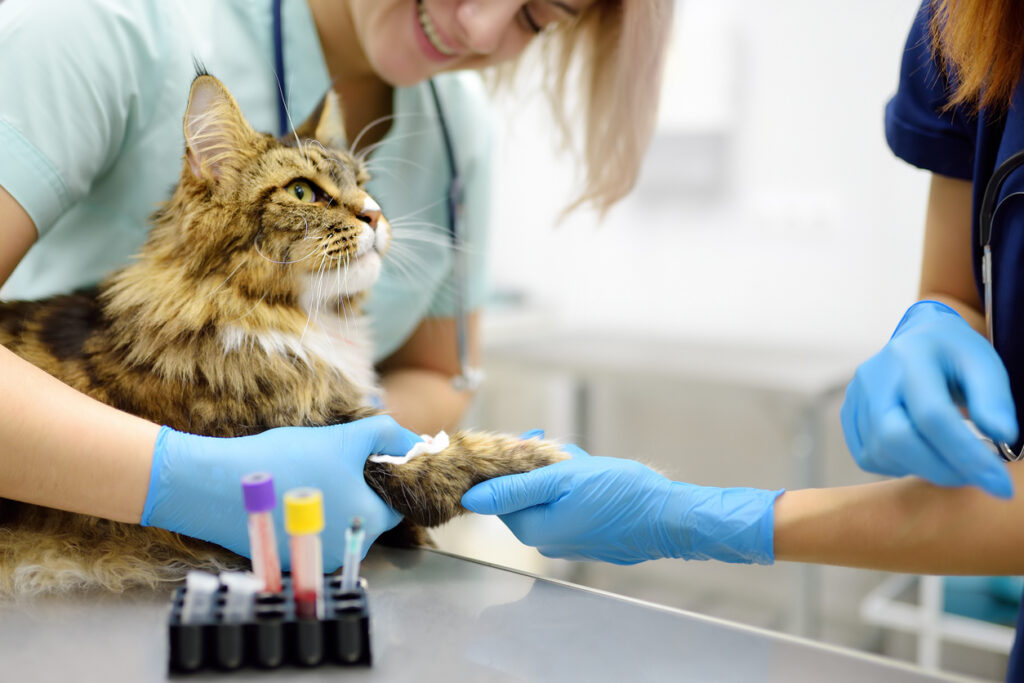
They should wee within 24 hours of getting home. If they don’t, that’s a problem. Straining to go, crying in the litter tray, or blood in their urine means you need to call the vet immediately. Don’t wait until morning.
Poos might take a day or two longer to show up, especially if they’ve not been eating much. That’s fine. What’s not fine is diarrhoea, which can be a reaction to the anaesthetic or antibiotics. Keep the litter tray very clean so you can monitor what’s happening easily.
Don’t let them jump or climb.
No sofas, no beds, no cat trees, nothing. Jumping puts strain on the incision and can cause internal bleeding or tear stitches. If they’re determined to get on the furniture, block access or move them to a room where there’s nothing to climb.
This is usually the hardest part because cats don’t understand why they’re suddenly not allowed to do normal cat things. You might need to rearrange furniture or put up temporary barriers. It’s annoying, but it’s only for a week or two. Burst stitches mean another surgery and more recovery time.
Monitor their behaviour for warning signs.
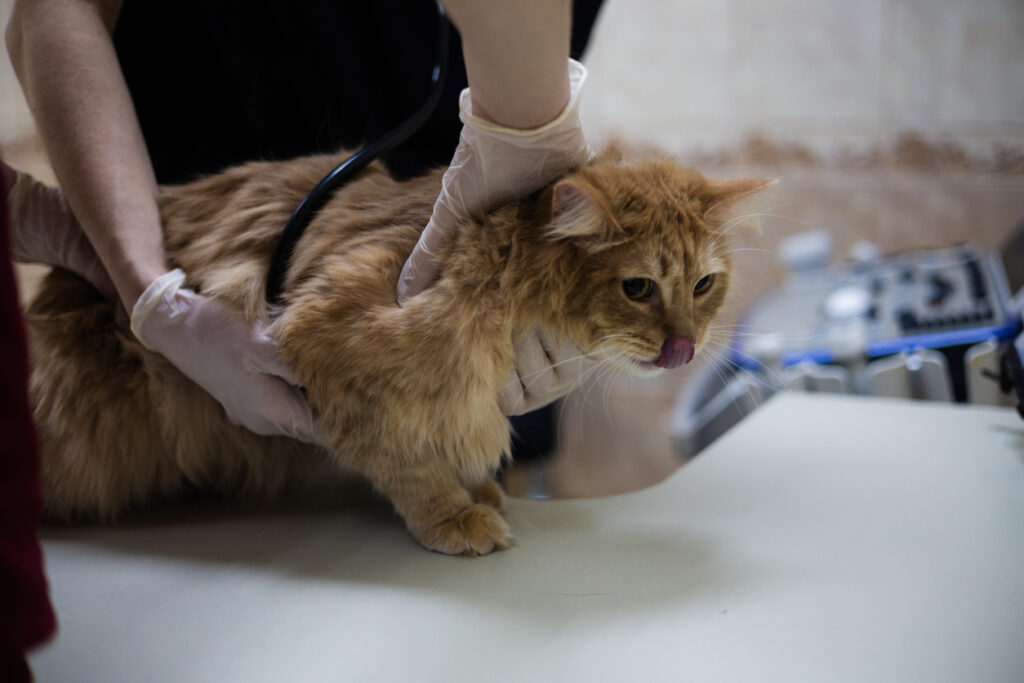
Grogginess for the first 24 hours is normal. After that, they should start acting more like themselves, even if they’re quieter than usual. If they’re completely lethargic, won’t move, or seem disoriented beyond the first day, call your vet.
Also watch for vomiting, diarrhoea, not eating, hiding constantly, or being aggressive when they’re normally calm. These can all signal pain, infection, or a reaction to medication. Trust your gut. You know your cat. If something feels wrong, it probably is.
Follow all post-op instructions exactly.
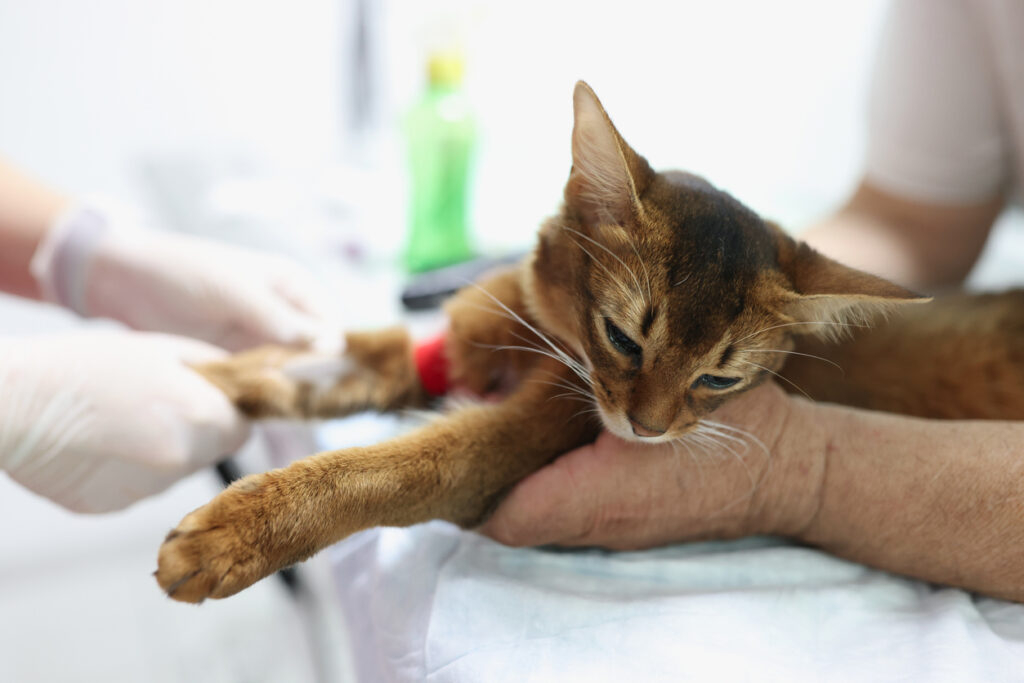
Your vet gave you specific instructions for a reason. If they said no baths, don’t give them a bath. If they said keep them indoors for two weeks, don’t let them out after one because they seem fine. Complications often happen because people don’t follow the rules.
Write down everything the vet told you while you’re still at the clinic, or ask them to write it down. You’re stressed and you won’t remember everything. Set phone reminders for medication times. Tick off tasks as you do them. Make it foolproof so nothing gets missed.
Know when to call the vet.
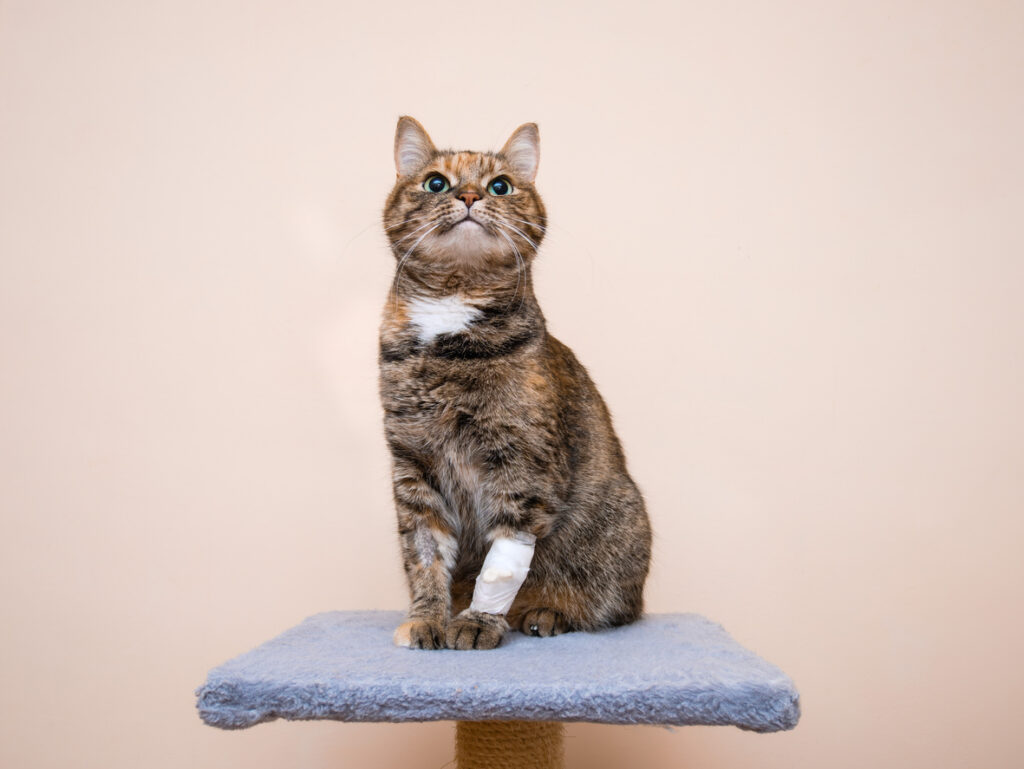
Some things can wait until morning. Others can’t. Call immediately if the wound opens up, if there’s heavy bleeding, if they’re struggling to breathe, if they collapse, or if they’re clearly in severe pain despite medication. Don’t mess about hoping it’ll sort itself out.
Also call if they’ve not eaten in 24 hours, not used the litter tray, if there’s foul-smelling discharge from the wound, or if they’re running a fever. You’re not being dramatic. Post-op complications are serious. It’s better to call and be told everything’s fine than to wait and end up in an emergency situation that could’ve been caught earlier.