Most people see a spider in the corner and immediately reach for a shoe or a glass, but you’re actually looking at the most effective, low-maintenance security guard you could ask for.

They’re not there to bother you or crawl into your mouth while you’re sleeping; they’re busy clearing out the real pests like flies, moths, and mosquitoes that actually want a piece of your dinner. You don’t have to feed them, they don’t make a racket, and they’ve spent millions of years perfecting a pest control system that’s far more efficient than any chemical spray you’d buy at the shops. If you can get past the extra legs, you’ll realise they’re essentially doing all your dirty work for free and asking for absolutely nothing in return.
They eat the insects you really do not want around.

Spiders are basically tiny pest control teams working the night shift for free. Flies, mosquitoes, moths, ants, and other crawling things that sneak in through windows often end up tangled in a web before you even notice them. That means fewer bites, fewer buzzing noises at 2am, and fewer insects landing in your drink. Instead of reaching for sprays or traps, you’ve already got a natural system in place that quietly deals with the problem in the background. A single spider can catch dozens of insects over time, and that adds up in ways you probably never see.
They help reduce the need for chemical sprays.

When insects become a nuisance, many people turn straight to aerosol sprays or plug in repellents. The trouble is those chemicals hang in the air and settle on surfaces where pets, children, and you yourself breathe them in. Spiders offer a much cleaner solution. They target only what they can catch and leave the rest of your home untouched. You’re not filling your space with artificial scents or residue, just letting a natural predator keep numbers down. It is simple, low effort, and far better for the overall feel of your home.
Most house spiders are harmless to people.
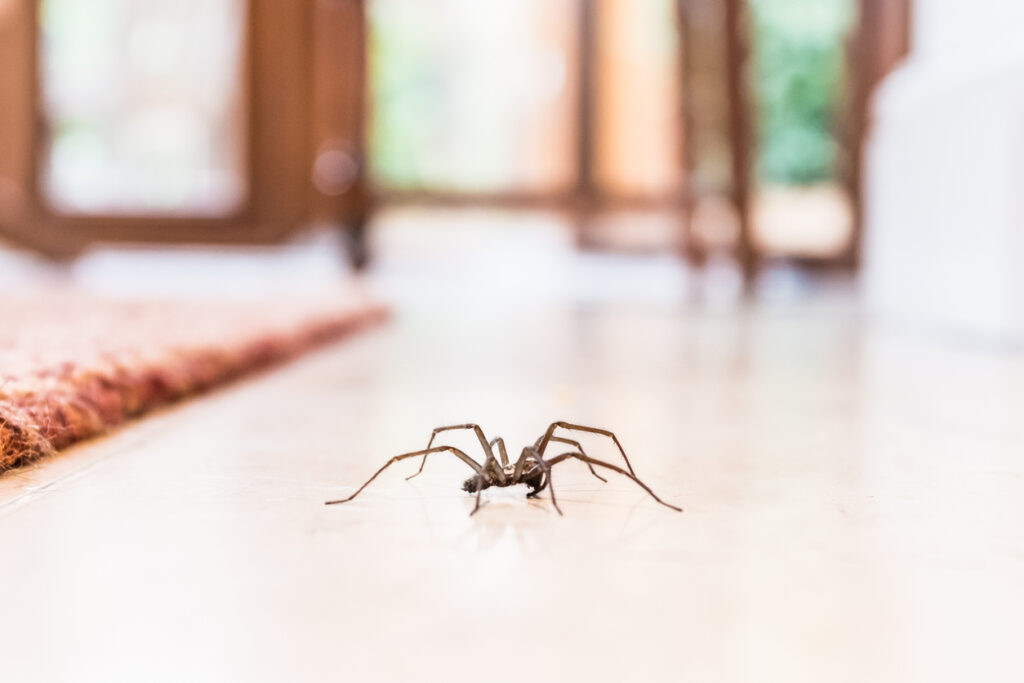
The common house spiders found in the UK look dramatic, especially the larger ones that appear in autumn, but they’re really not interested in attacking you. They don’t see humans as prey, and bites are rare. In fact, they spend most of their time trying to avoid contact. If one runs across the floor, it is usually heading for shelter, not chasing you. The fear tends to be bigger than the risk, and once you understand that, they feel less like invaders and more like shy flatmates who keep to themselves.
They’re incredibly tidy hunters.

Unlike some pests that leave droppings, chew wires, or burrow into walls, spiders create a web and stay within their small territory. They don’t damage furniture or food. They don’t gnaw through packaging. Their mess is minimal and usually confined to a corner that you can easily clear if it gets out of hand. Compared to rodents or insects that multiply rapidly and spread across rooms, spiders are surprisingly contained and low maintenance.
They keep other spiders in check too.

It might sound strange, but spiders often compete with and even eat each other. That means you’re unlikely to end up with a huge build up in one area because space and food are limited. Nature regulates itself. If there are only so many insects to eat, only so many spiders will survive. That balance stops your home turning into anything close to the horror stories people imagine. Most houses host only a handful at any one time, even if you rarely see them.
They’re a sign that your home isn’t overrun with serious pests.
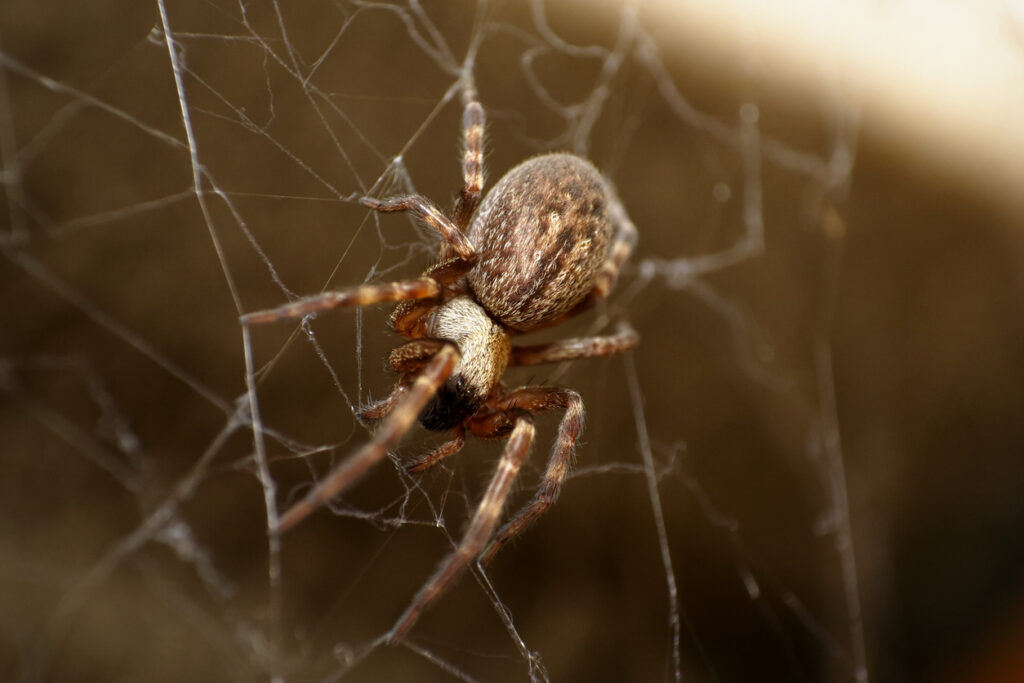
Spiders go where there is food. If you have the odd one or two, it often means there are some insects around, which is normal in any building. If you had a major infestation of something larger, you would notice that long before the spiders became the main issue. In a strange way, seeing the occasional web can reassure you that the ecosystem inside your home is small and manageable rather than chaotic. It is a subtle indicator that things are ticking along as they should.
They’re fascinating to watch once you slow down.

If you have ever taken a moment to watch a spider build a web, it is surprisingly impressive. The precision, the patience, the way it moves from anchor point to anchor point without hesitation all show a level of instinct that feels almost engineered. Even the way they sense vibrations through silk is clever. You don’t have to love them to appreciate that they’re complex, well-designed creatures that have survived for millions of years by doing one job very well.
They rarely bother your daily routine.

Unlike flies that circle your head or wasps that make you nervous in summer, spiders tend to stay out of the way. Many are active at night, moving through quiet spaces while you sleep. During the day, they tuck themselves into corners, behind furniture, or near ceilings. If you’re not actively looking for them, you might forget they’re even there. That makes them one of the least disruptive animals you could share space with.
They cost you absolutely nothing.

No food bowls, no vet bills, no cleaning up after them in obvious ways. They survive entirely on what your home already attracts. You’re not responsible for feeding or caring for them. In a world where even small conveniences come with subscription fees, it is oddly refreshing to have a creature providing a service without demanding anything in return. They move in, do the job, and ask for nothing more than a quiet corner.
They remind you that your home is part of a wider world.

It is easy to think of our houses as sealed boxes, separate from nature. Spiders are a gentle reminder that we are still connected to the outdoors. Air flows in, insects slip through, and small ecosystems form in the background. Instead of seeing that as something to panic about, you can see it as normal. Sharing space with a few spiders means your home isn’t a sterile bubble, but a lived in place within a much bigger environment.