Most of us have spent so much time sucking in exhaust fumes and city smog that we’ve forgotten what air is actually supposed to taste like.

You’re likely living in a bit of a haze without even realising it, but there are still a few spots on the map where the air is so crisp it feels like a physical reset for your lungs. These aren’t just slightly less dusty parks; they’re remote corners of the planet where the wind has travelled thousands of miles across open ocean or ice without hitting a single factory or motorway. If you can get to one of these places, you’ll find that the sky looks a bit sharper and your head feels a lot clearer, simply because you’re not filtering out the usual urban gunk with every breath.
Svalbard, Norway

Svalbard sits in the Arctic Ocean between Norway and the North Pole, and its air quality is consistently among the best recorded anywhere on the planet. There’s almost no industry, very little traffic, and the population is tiny. The wind that reaches the archipelago has often travelled thousands of miles across open ocean before it gets there, which means it carries almost none of the pollutants associated with human activity. Scientists actually use Svalbard as a baseline measurement point, precisely because the air is so uncontaminated.
Tasmania, Australia
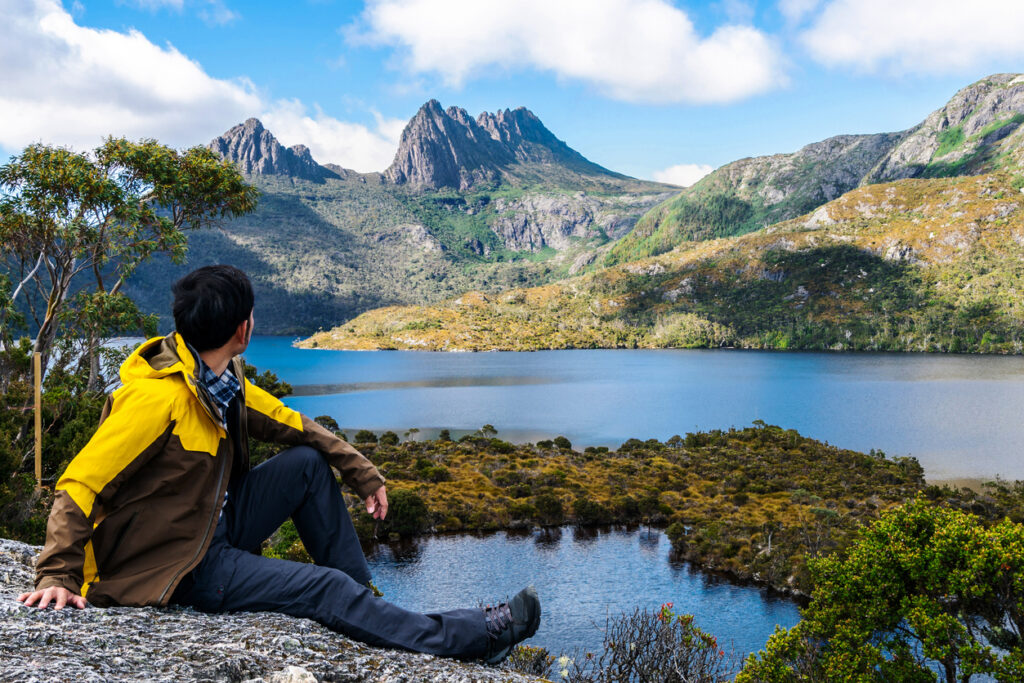
The southern tip of Tasmania receives air that has crossed the Southern Ocean from Antarctica without passing over any significant landmass. That journey strips out most contaminants, and what arrives is some of the cleanest air measurable anywhere in the world. Cape Grim on Tasmania’s northwest coast has been an official air monitoring station since the 1970s, and the readings there regularly set the global benchmark for background air quality. The landscape itself is largely wilderness, which only adds to how pristine the environment feels.
The Faroe Islands
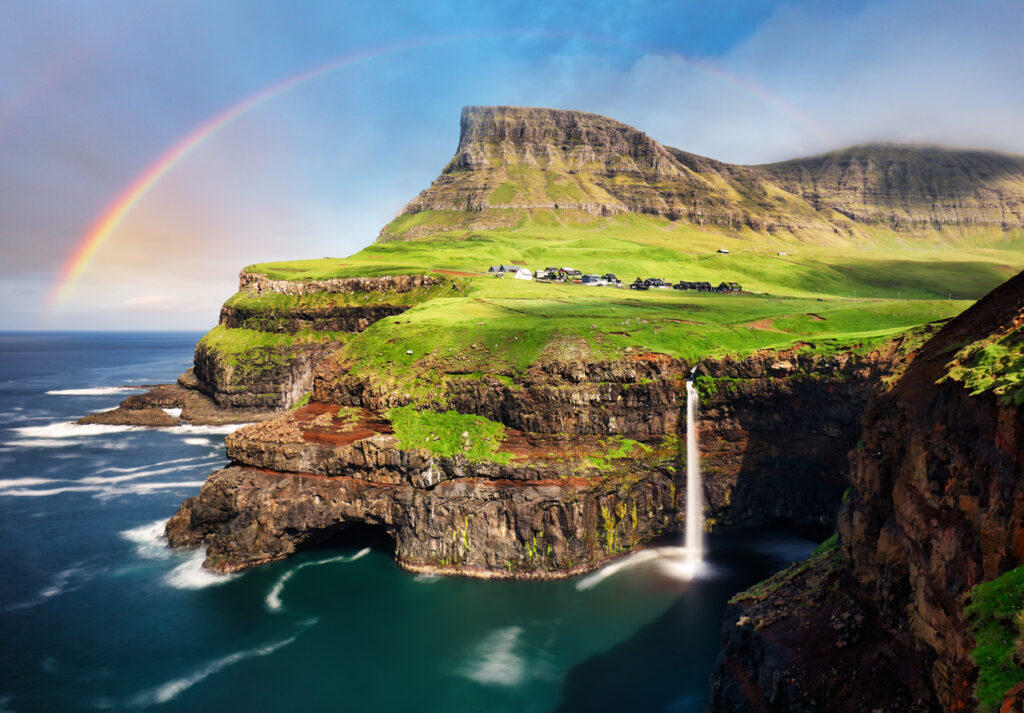
The Faroe Islands sit in the North Atlantic between Iceland and Norway, exposed to strong oceanic winds that keep the air constantly refreshed. There’s no heavy industry, and the population of around 55,000 is spread across a rugged, largely undeveloped landscape. The air has a clarity to it that visitors frequently mention, partly because of the wind and partly because there are so few pollution sources anywhere nearby. It’s one of those places where the air genuinely feels different, sharper and cleaner in a way that’s hard to describe until you’ve experienced it.
Iceland
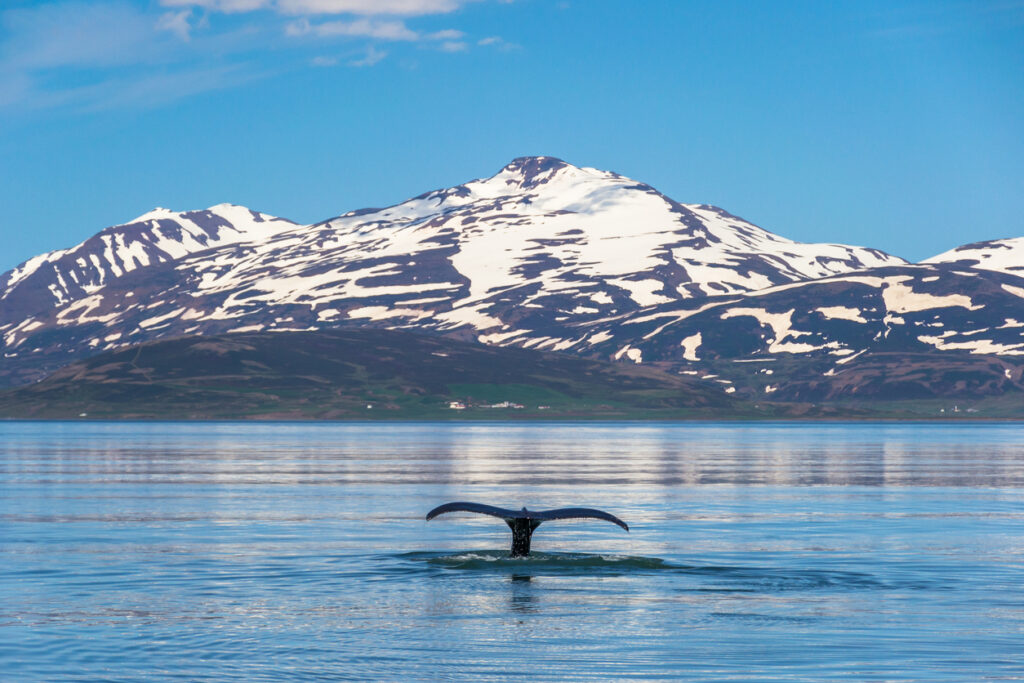
Iceland’s air quality benefits from its geography, its climate, and the fact that it’s an island sitting in the middle of the North Atlantic with very few neighbours. The country runs almost entirely on geothermal and hydroelectric energy, which means the usual industrial pollution sources are largely absent. There are some volcanic emissions to contend with in certain areas, but the baseline air quality across most of the country is exceptionally high. The combination of clean energy, low population density, and constant Atlantic winds makes it one of the freshest environments on earth.
Northern Canada
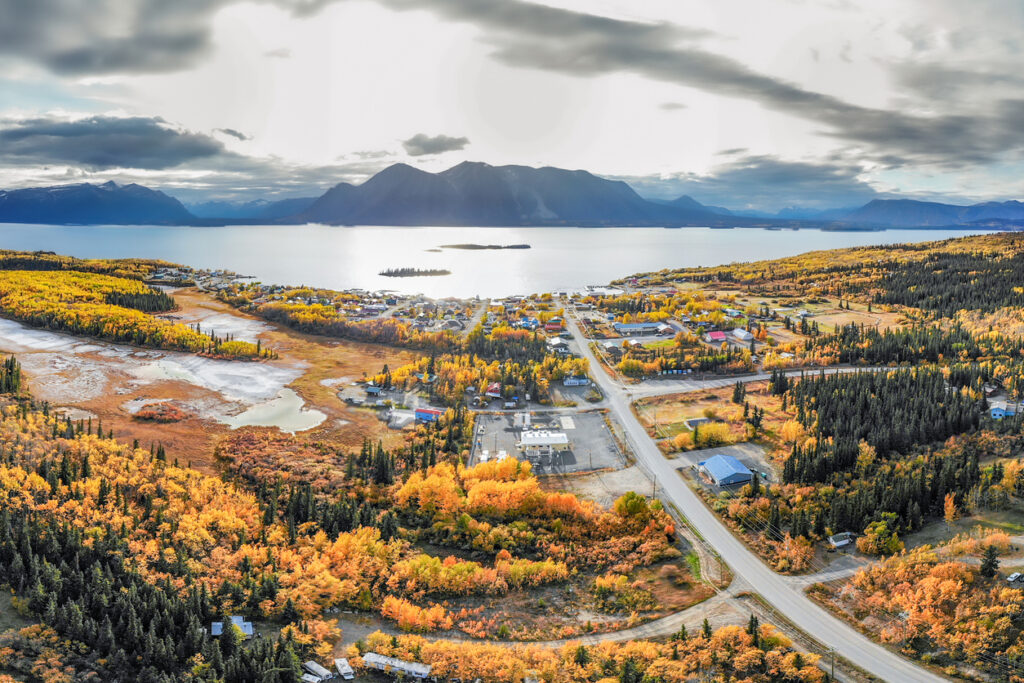
The vast boreal forests and tundra of northern Canada produce and filter air across millions of square kilometres with almost no human interference. Towns are sparse, industry is minimal in most regions, and the sheer scale of untouched wilderness means the air has room to clean itself naturally. Areas like the Northwest Territories and Yukon consistently record some of the lowest pollution levels anywhere in the world. The forests themselves act as a constant air filter, absorbing carbon and releasing oxygen across an area so large it’s difficult to fully comprehend.
Antarctica
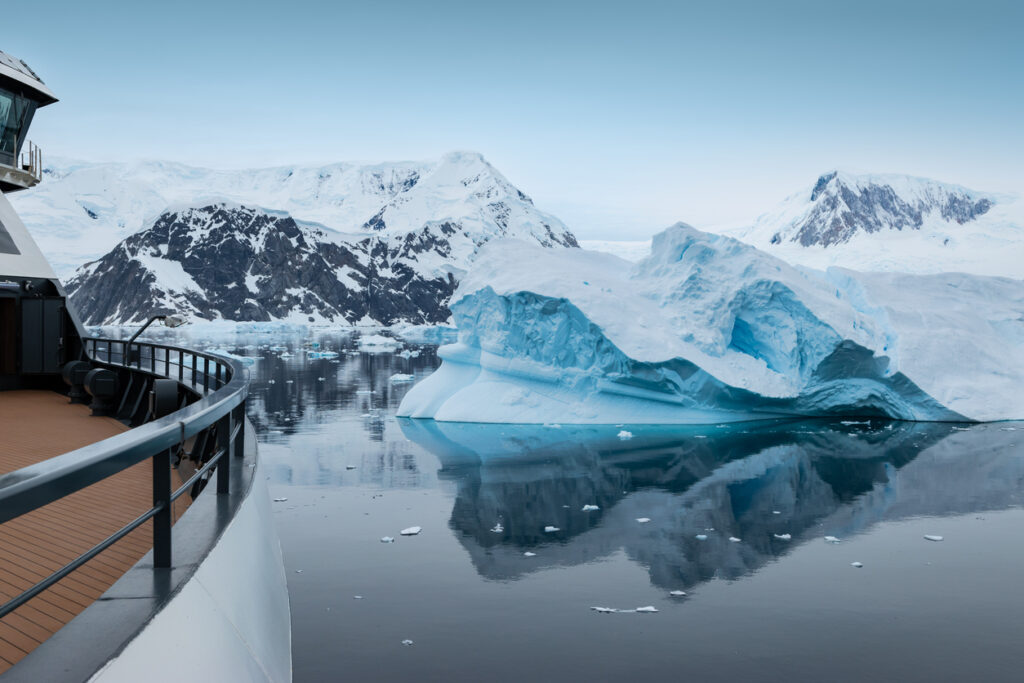
Antarctica has the cleanest air on the planet by almost every scientific measure. There’s no permanent human population, no agriculture, no industry, and the nearest major pollution sources are thousands of miles away. The air over the interior of the continent has been described by researchers as the closest thing to a pre-industrial atmosphere that still exists. Even the research stations dotted around the coastline barely register as a disturbance in the broader air quality picture. It’s one of the last places on earth where the air is essentially unchanged from what it would have been before humans began altering the atmosphere.
Finnish Lapland

Finnish Lapland stretches across the far north of Finland into the Arctic Circle, and the air quality there is consistently exceptional. The region is covered in old-growth forest, lakes, and open tundra, with very low population density and almost no industry to speak of. The forests filter the air constantly, and the cold climate limits the kind of bacterial and particulate activity that can affect air quality in warmer regions. Locals and visitors alike often talk about a particular freshness to the air that feels noticeably different from further south.
New Zealand’s South Island
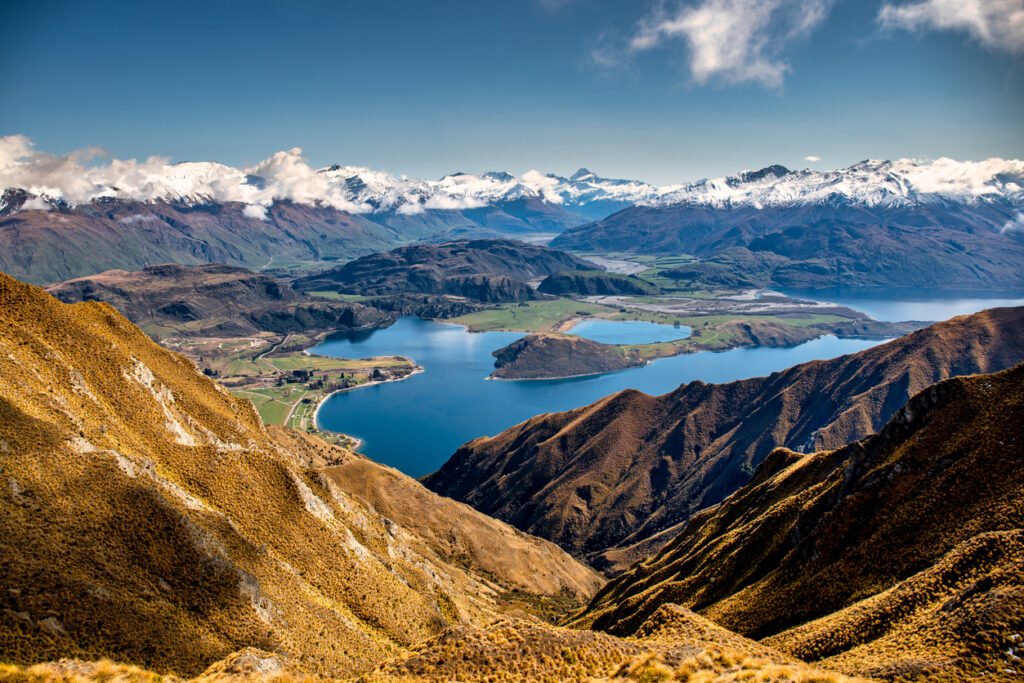
The South Island of New Zealand receives some of its air directly from the Southern Ocean, which arrives clean after crossing vast stretches of open water. The island itself is sparsely populated, heavily forested in places, and geographically separated from the major pollution sources of Asia and Australia by significant distances. Fiordland in particular, with its deep valleys and ancient rainforest, has air that feels genuinely untouched. New Zealand as a whole consistently ranks well in global air quality comparisons, and the South Island sits at the cleaner end of that picture.
The Azores, Portugal
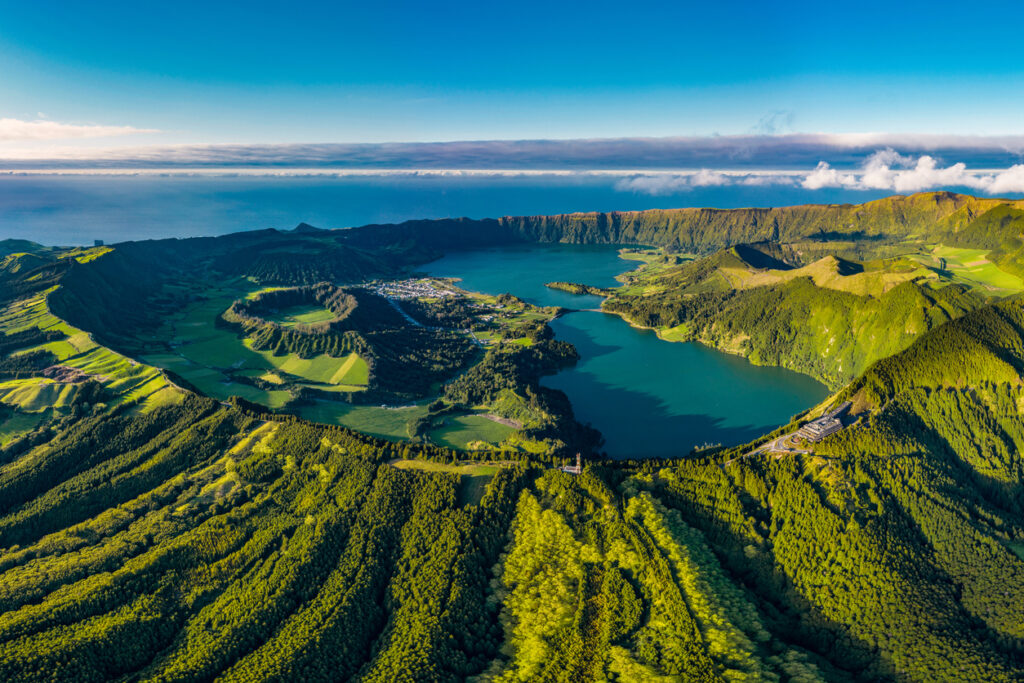
The Azores are a group of volcanic islands sitting in the middle of the Atlantic Ocean, roughly 1,500 kilometres from mainland Portugal. They receive air from the open ocean on almost every side, and there’s very little industry or dense urban development to compromise it. The islands are green, lush, and largely agricultural, and the combination of Atlantic winds and minimal pollution sources makes the air quality there consistently high. Visitors often remark on how clean and oxygen-rich the air feels, particularly in the more forested interior areas of the larger islands.
Siberia’s Lake Baikal region, Russia
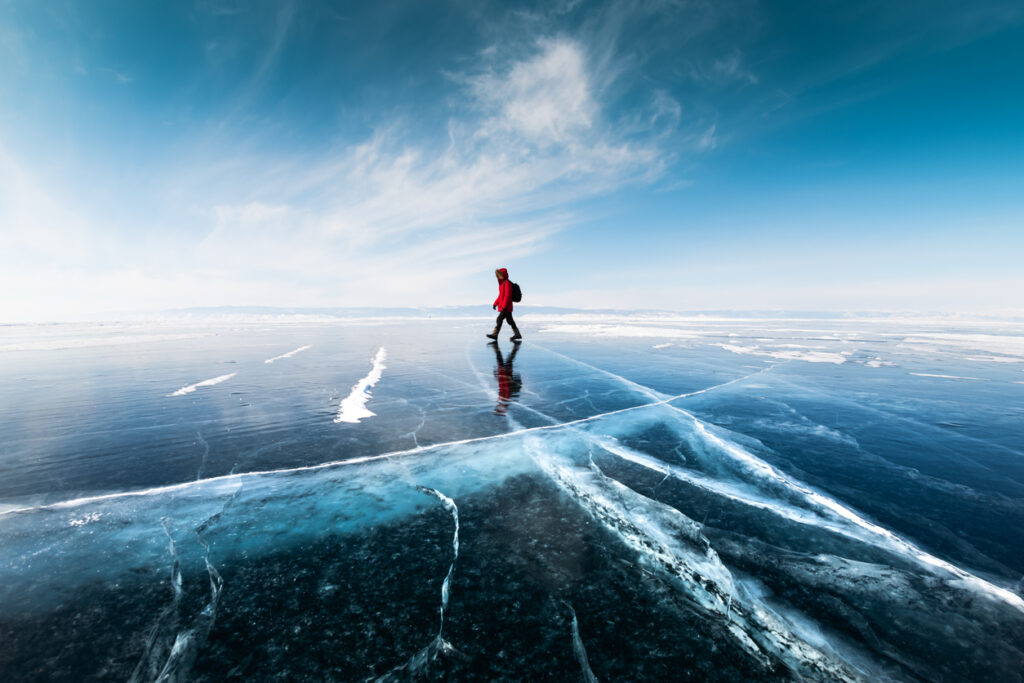
Lake Baikal is the world’s deepest lake and sits in a region of Siberia that remains largely undeveloped and sparsely inhabited. The surrounding forests and mountains create a natural buffer from the pollution that affects more populated parts of Russia, and the prevailing winds tend to carry clean air down from the north. The lake itself has a moderating effect on the local environment, and the air quality in the surrounding protected areas is notably clean. It’s a remote and demanding place to visit, but the environmental conditions there are genuinely exceptional.