We usually think of nature as a brutal free-for-all, but there are a few species that put our own parenting skills to shame.

You’re likely used to the idea of animals dropping their young and moving on, but these lot are effectively running a 24-hour security firm just to keep their offspring from being eaten. From frogs that carry their tadpoles on their backs like tiny rucksacks to octopuses that literally starve themselves to death just to guard their eggs, the level of commitment is massive. It’s a lot more than just instinct; it’s a high-stakes grind where the parents often risk their own lives just to give the next generation a fighting chance. These are some of the most dedicated and defensive animal parents out there.
African elephant mothers never leave a calf’s side.

Elephant mothers don’t raise babies alone. A whole herd of females forms a tight family unit, and when a calf is born, it’s surrounded by aunties and older sisters within minutes. The mother stays incredibly close for years, guiding, shielding, and teaching her calf everything from where to find water to how to respond to danger. If a predator approaches, the adults form a wall around the young, facing outward with tusks ready. That level of teamwork makes it almost impossible for a calf to be taken without a serious fight.
Polar bear mothers fast for months to guard their cubs.
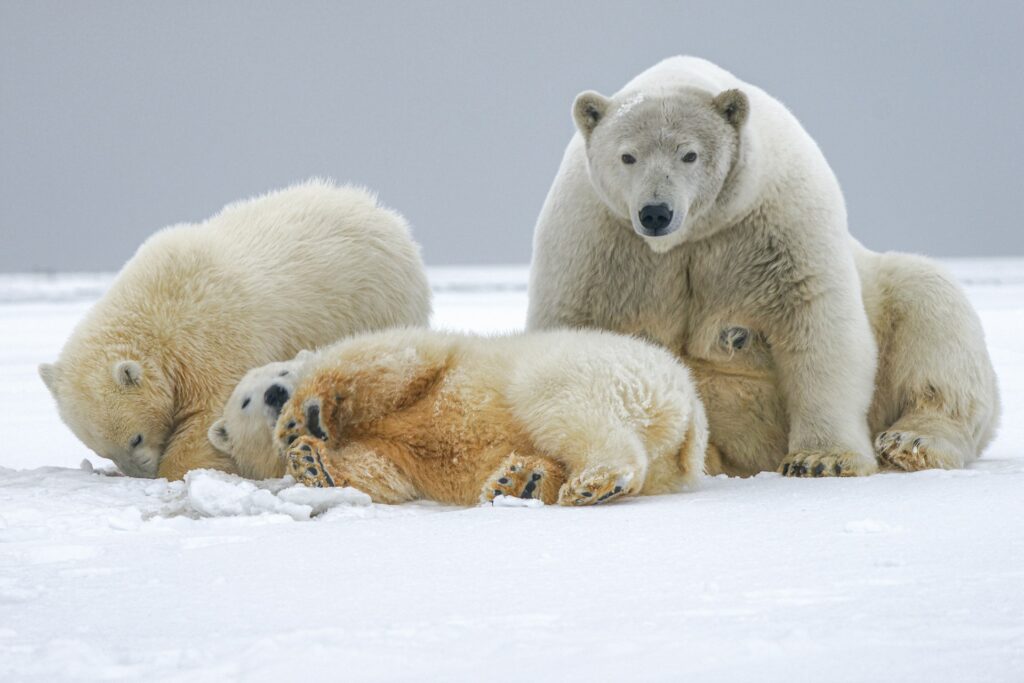
A polar bear mother gives birth in a snow den and then stays inside with her cubs through the harsh Arctic winter. During that time, she doesn’t hunt and survives entirely on stored body fat. When she finally emerges, she is thinner and weaker, but still focused on protecting her young at all costs. She keeps them close for over two years, teaching them to hunt seals and survive in one of the toughest climates on Earth. Any threat is met with instant aggression.
Nile crocodile mothers carry babies in their mouths.

Crocodiles have a terrifying reputation, but mothers are surprisingly gentle with their hatchlings. When eggs begin to crack, the mother carefully digs them up and may carry the babies to the water in her mouth. She guards them for weeks, staying nearby and responding instantly if a predator approaches. Considering how many animals would happily eat baby crocodiles, that early protection makes the difference between life and death.
Grizzly bear mums will charge anything.
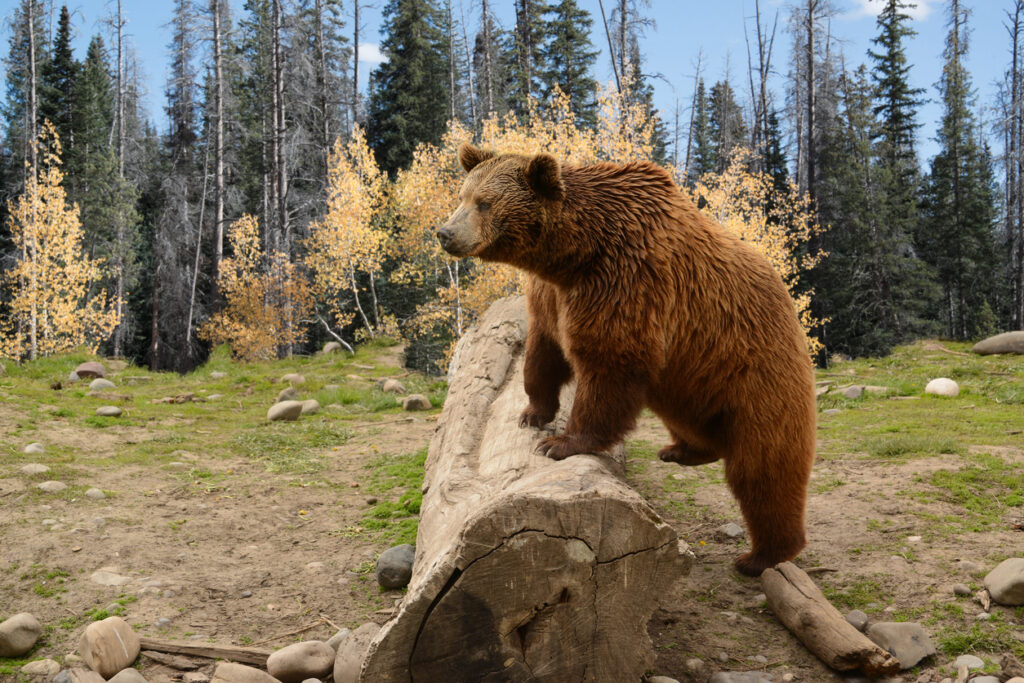
A grizzly bear with cubs is one of the most dangerous animals in the wild, and it’s entirely down to instinctive protection. Cubs stay with their mother for up to three years, learning what to eat and how to avoid danger. If she senses a threat, she doesn’t hesitate. Even much larger males back off rather than risk a fight with a mother defending her young.
Emperor penguin fathers brave Antarctic winters.
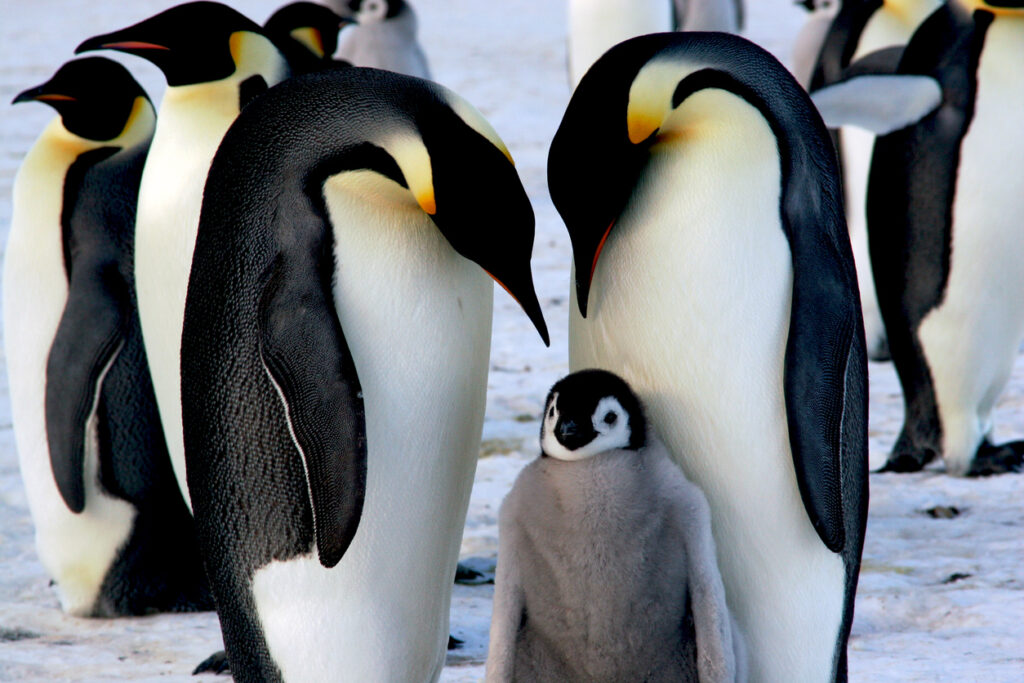
In emperor penguins, it’s the fathers who take centre stage early on. After the female lays a single egg, she heads back to sea to feed, and the male balances the egg on his feet for about two months in brutal winter conditions. He huddles with other males for warmth, protecting the egg from freezing winds that can kill it in minutes. He doesn’t eat during this time, losing a huge amount of body weight, all to keep that one egg alive.
Orangutan mothers rarely let go.
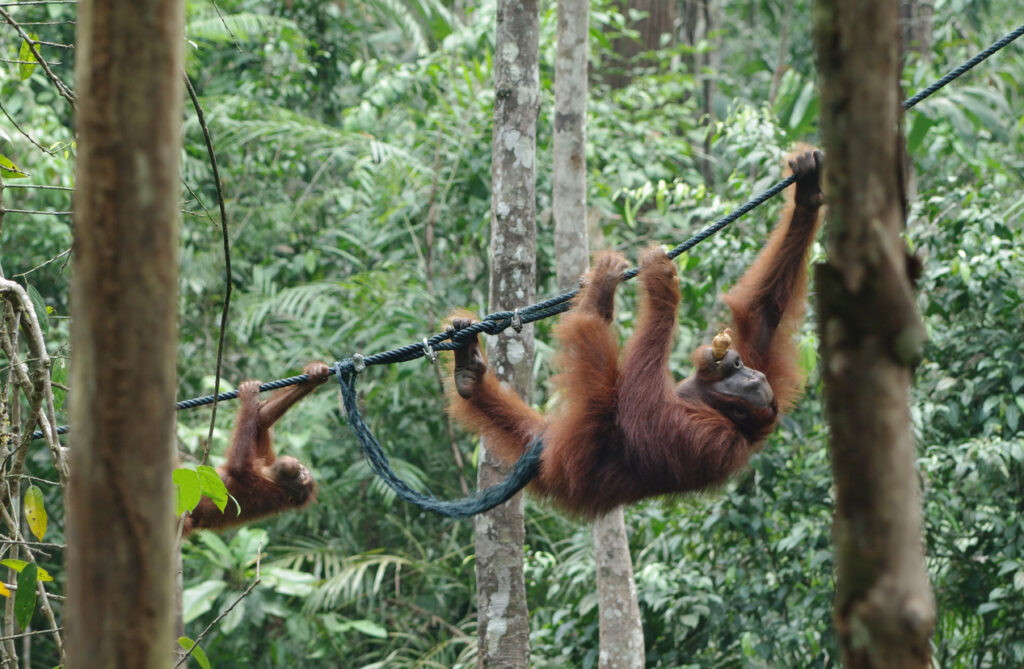
Orangutans have one of the longest childhoods in the animal kingdom. A baby can stay with its mother for up to eight years, clinging to her fur as she moves through the treetops. She teaches it which fruits are safe, how to build nests for sleeping, and how to navigate the forest. Because they live mostly alone rather than in groups, that bond is intense and constant. For years, the young depend entirely on her experience and protection.
Black mamba mothers guard their nests fiercely.

While many snakes abandon their eggs, black mamba females may remain near the nesting site for a time, ready to defend it if disturbed. Considering how venomous and fast they are, that isn’t something predators take lightly. The presence of a watchful mother increases the chances that more hatchlings survive those first vulnerable days before they disperse.
Musk oxen form defensive circles around calves.

In the Arctic tundra, musk oxen use a simple but powerful strategy. When wolves approach, the adults form a tight circle with their horns facing outward and the calves gathered safely in the middle. The formation turns the herd into a living shield. It’s a crystal clear sign that getting to the young won’t be easy, and it often forces predators to give up.
Octopus mothers starve while guarding eggs.

Some octopus mothers lay thousands of eggs and then spend months guarding them inside a den. During this time, she rarely leaves and often doesn’t eat at all. She gently cleans the eggs with water currents to keep them oxygenated and free from debris. By the time they hatch, she is usually exhausted and near death, having poured everything into protecting the next generation.
Mountain gorilla mothers keep infants close at all times.

Gorilla infants are almost always in physical contact with their mothers during the first few months of life. She carries them, grooms them, and reacts instantly to any sign of danger. Although the dominant male also protects the group, the mother is the constant presence, offering both physical security and emotional comfort in a complex social world.
Swan parents defend their cygnets with fierce loyalty.

Swans may look calm and elegant on the water, but during breeding season they’re intensely protective. If someone gets too close to their cygnets, they hiss, flap, and sometimes charge. Both parents take part in guarding the nest and young, patrolling the area and responding quickly to threats. Their size and strength make them far more intimidating than people expect.
Wolf parents teach and protect as a team.

Wolf packs revolve around family. The alpha pair lead, but raising pups is a group effort. Adults bring food back to the den and take turns watching over the young. If danger appears, the entire pack responds. That shared responsibility means pups grow up surrounded by protection and guidance, rather than being left to survive alone.
13. Alligator mothers who answer their babies’ calls.

When baby alligators hatch, they make high-pitched sounds that signal their mother. She often digs them out of the nest and may carry them gently to water. For months afterward, she stays nearby, reacting to distress calls and chasing off threats. Despite their tough exterior, that early care shows a level of awareness and defence that surprises many people.
Across land, sea, and ice, protective parenting shows up in different forms, but the instinct is clear. For these species, raising young isn’t a casual task. It’s a full commitment, backed by strength, sacrifice, and a readiness to defend what matters most.