We’ve spent so long rebuilding the planet to suit ourselves that we’ve forced the rest of the animal kingdom into a bit of an evolutionary sprint.

You’re likely used to the idea of animals losing their habitat, but many are actually redesigning themselves on the fly just to keep up with our mess. From city birds developing a different musical range to cut through the din of traffic, to elephants born without tusks because it’s the only way to stay off a poacher’s radar, the changes are happening right in front of us. It’s a weird, high-stakes adaptation where creatures are effectively rewriting their own DNA just to survive in a world that’s become one giant human building site.
Urban birds are singing at a higher pitch.

City noise is so constant and so low in frequency that birds in urban areas have started shifting their songs to cut through it. Research across multiple species has found that birds living near traffic and construction produce higher-pitched calls than their rural counterparts. It’s not a conscious decision, it’s just that the birds who can be heard are the ones who reproduce, so the trait spreads. Over generations, entire urban populations end up sounding noticeably different from the same species living in quieter areas.
Fish are evolving to mature faster.

Commercial fishing tends to target the biggest, oldest fish, which has created an unusual pressure on populations. The fish that survive long enough to reproduce are increasingly the smaller, younger ones, and that’s being passed on. In some heavily fished species, individuals are now reaching sexual maturity earlier and at a smaller body size than they did decades ago. It’s a direct genetic response to the way humans have been selectively removing fish from the water.
Elephants are being born without tusks.

In parts of Mozambique, the proportion of tuskless elephants has risen sharply since the civil war, during which ivory poaching was intense. Because tusked elephants were targeted and killed, tuskless individuals were far more likely to survive and pass on their genes. The shift has happened remarkably quickly by evolutionary standards. In some populations, over half of younger female elephants are now born without tusks, a trait that would have been far less common before heavy poaching began.
Some lizards have developed stickier feet.

In parts of the Caribbean, researchers noticed that lizards living in urban environments had developed larger toe pads with more adhesive scales than those in natural habitats. The thinking is that smooth, man-made surfaces like concrete and glass require more grip than natural vegetation, and lizards better equipped to cling to those surfaces thrived. It’s a small change, but a meaningful one, and it happened within just a few decades of urban development spreading through the region.
Coyotes in cities are becoming more nocturnal.
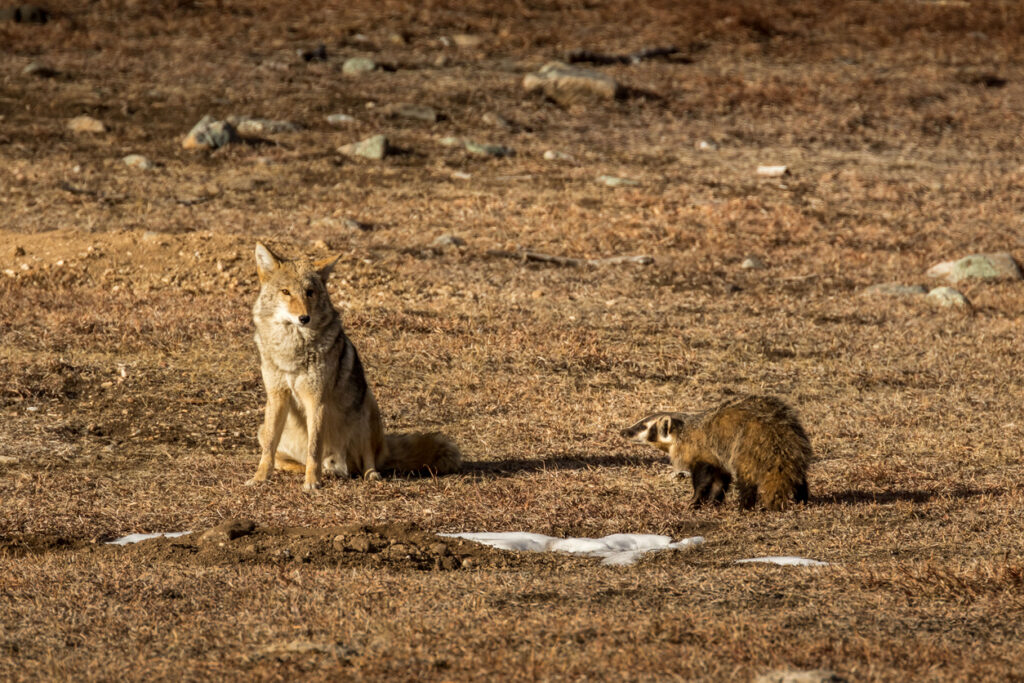
Coyotes have spread into urban areas across North America, and in doing so, they’ve quietly shifted their behaviour to avoid people. City coyotes are significantly more active at night than their rural relatives, even in areas where they’re not being actively hunted or disturbed. They’ve essentially rearranged their entire daily schedule to move through human spaces when fewer humans are around. It’s a behavioural adaptation that’s happened quite rapidly as coyote populations have expanded into cities.
Mice are developing resistance to poison.

House mice in parts of Europe have developed a genetic mutation that makes them resistant to common rodent poisons. The mutation actually originated in a different species, the Algerian mouse, and passed into house mouse populations through interbreeding. It’s spread quickly because mice carrying it survive pest control measures that kill the others. Resistance has now been found across several countries, and it’s considered a direct consequence of decades of widespread rodenticide use.
Wolves near roads have different pack structures.

Studies on wolf populations in areas with heavy road networks have found that pack dynamics are shifting. Roads fragment territories, which makes it harder for packs to maintain the large ranges they’d naturally use. Smaller, more fractured territories mean more competition and different social arrangements than you’d typically see in undisturbed wolf populations. In some areas, this has also led to more inbreeding, which brings its own set of challenges for long-term population health.
Moose are getting smaller.

Moose in warming regions are shrinking in body size, and researchers believe rising temperatures linked to climate change are a significant factor. Larger bodies retain more heat, which becomes a disadvantage in warmer conditions, so smaller individuals cope better and are more likely to survive and reproduce. It’s a pattern seen in other species too, and it’s happening faster than traditional evolutionary timescales would predict. The change is subtle enough that it’s only visible when you compare body size data across several decades.
Some snake species have changed their diet.
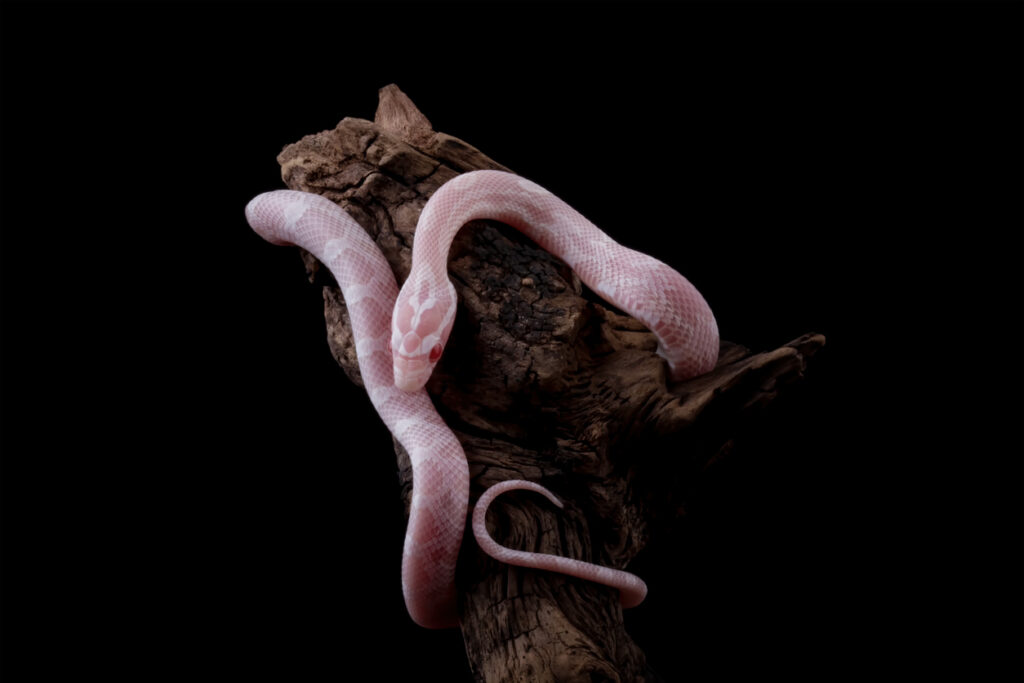
In areas where humans have dramatically altered the local food chain, some snake populations have shifted what they eat. Corn snakes in parts of the southeastern United States, for instance, have shown dietary changes that correspond with shifts in rodent availability caused by agriculture and land use. Snakes are quite flexible feeders, but sustained changes in prey availability over generations do seem to produce measurable differences in what individual populations tend to hunt and how they hunt it.
Sparrowhawks are evolving shorter wings.

In urban environments, sparrowhawks need to navigate around buildings, gardens, and obstacles rather than hunting across open land. Studies have found that urban sparrowhawks tend to have shorter, more rounded wings than rural birds, which makes them more manoeuvrable in tight spaces. Longer wings are better for speed and soaring, but in a city that’s less of an advantage. The shift is a clear example of habitat directly influencing physical traits across a population within a relatively short time frame.
Salmon are adapting to earlier snowmelt.
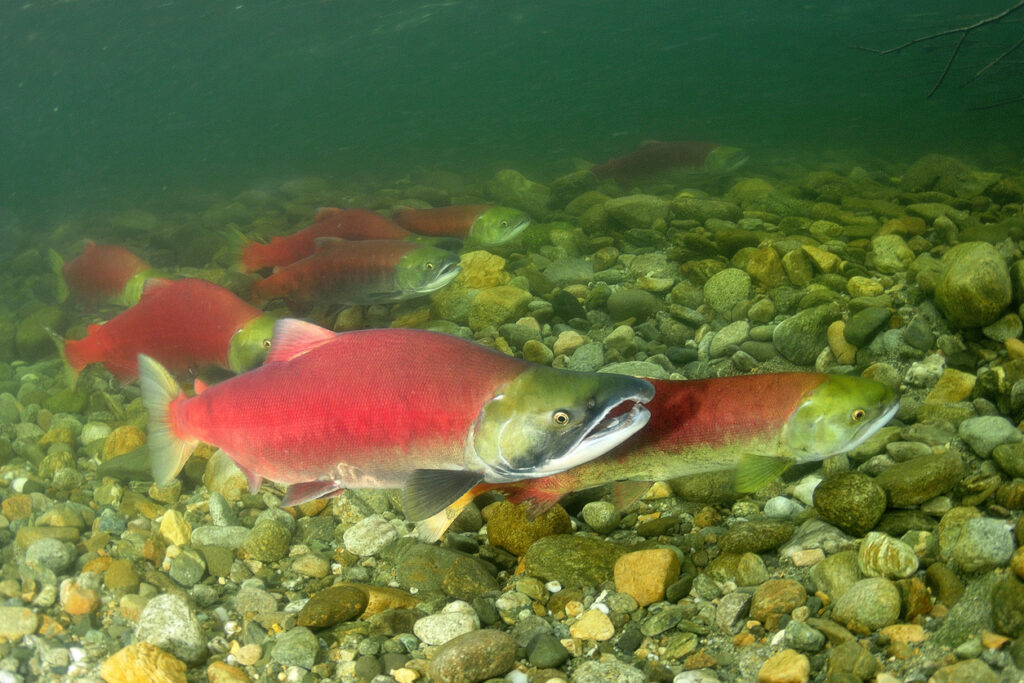
As winters become shorter and snowmelt happens earlier in the year, some salmon populations have shifted the timing of their migration. Fish that return to rivers earlier in the season are better matched to conditions, and over time that timing is being selected for. It’s a major change because salmon rely on very precise environmental cues, and the fact that some populations are adjusting suggests the pressure is strong enough to produce real evolutionary change within a relatively small number of generations.
Pigeons have altered gut bacteria from human food.

Urban pigeons eat a diet that’s almost entirely made up of human food waste, and that’s changed the bacterial communities living in their digestive systems. Research comparing city pigeons to wild rock doves found meaningful differences in their gut microbiomes, which affects how they digest food, how they respond to pathogens, and potentially their overall health. It’s an invisible change, but it reflects just how completely urban life has restructured the biology of one of the world’s most familiar birds.