A lot of people head to a National Trust property thinking it’s just a pretty place for a wander and a scone.

In reality, there are quite a few things you’re not allowed to do, and most of them make a lot more sense once you’ve spent time around these places. They’re not theme parks. They’re old houses, fragile landscapes, working farms, and wildlife habitats all rolled into one. The rules are there for a reason, even if you only notice them when a sign politely tells you to stop doing something. The next time you’re out on your travels, don’t be tempted to do these things, as they’re strictly forbidden.
Climb on ruins just because they look Instagram-worthy
Those crumbling walls and castle towers might look sturdy enough for a quick scramble and a photo, but most of them are far more fragile than they seem. I’ve seen people treat ruins like climbing frames, only to be gently but firmly asked to get down. These structures have survived centuries of wind and rain. They don’t need trainers grinding into the stone or extra weight on weakened edges.
It’s not just about preserving history, either. Bits fall off, and the mortar gives way. What looks solid can move or crumble without warning. The Trust would rather keep both the buildings and the visitors intact, so climbing is usually a straight no.
Let your dog wander wherever it pleases
Yes, many National Trust sites are dog-friendly. No, that doesn’t mean your dog gets full access to everything. Formal gardens, wildlife meadows, and certain paths are often lead only, and historic houses are usually off limits altogether.
There’s a reason for that. Ground nesting birds don’t stand a chance against an excitable spaniel. Sheep and cattle can be easily stressed. Other visitors might be nervous around dogs. It’s less about being strict and more about keeping the balance between everyone who uses the space.
Cycle down every scenic footpath you spot

If it’s not clearly marked for cycling, assume it’s for walking. Woodland paths in particular can be narrow, uneven, and busy, especially at weekends. Mixing bikes with families, older visitors, and small children doesn’t end well. Designated routes exist for a reason. They’re chosen because they can handle the wear and tear. The rest are often maintained with conservation in mind, not speed.
Set up a picnic wherever the view looks best
There’s nothing wrong with bringing sandwiches, but you can’t just spread out on any lawn you fancy. Some of those lawns are historic features in their own right, carefully maintained to look exactly as they did decades ago. You’ll usually find clear picnic areas, and it’s worth sticking to them. It keeps the formal gardens tidy and avoids crumbs attracting wildlife into places they shouldn’t be.
Fly a drone over the estate for a cinematic shot
Drones are one of the quickest ways to get told off at a National Trust site. They might seem harmless, but they’re noisy, intrusive, and often distress wildlife. They also spoil the atmosphere for everyone else who came for a peaceful walk. On top of that, you’ve got privacy issues and the risk of crashing into a listed building. So unless you’ve got written permission, it’s almost always banned.
Light a barbecue or any kind of open flame

Even if the weather feels calm, one spark in dry grass can spread frighteningly fast. A lot of Trust land includes woodland, heath, and ancient grassland. Fire risk is taken seriously. It’s not just about big wildfires, either. Even small burns scar the ground and damage habitats. If you’re hungry, bring cold food or use the café. Fire pits and disposable barbecues are not part of the deal.
Pick flowers or take home natural souvenirs
It can feel harmless to pluck a wildflower or pocket an interesting stone. One person doing it doesn’t seem like much. Multiply that by thousands of visitors and you start to see the problem. Some sites protect rare plants that have taken years to re-establish. Even moving dead wood can disrupt insects and small mammals. Leave it where you found it. The landscape is meant to stay whole.
Step beyond ropes and barriers inside historic houses
Those ropes are not decorative. They’re there because the carpets are delicate, the furniture is original, and the floors can be uneven. It only takes one person leaning too heavily on a chair from the 1700s to cause real damage. Staff tend to be polite, but they’re serious about it. These objects have survived wars, damp, and decades of use. They don’t need modern hands adding wear.
Run commercial activities without permission.

You can’t just turn up and start filming content, running a paid fitness class, or staging a photoshoot. Even small commercial setups need approval. It’s about managing numbers and protecting the setting. If everyone decided to monetise a corner of the grounds, it would stop feeling like a heritage site and start feeling like a marketplace.
Feed the deer, ducks, or any other wildlife
Feeding animals is one of those things people do with good intentions and bad outcomes. Human food isn’t suitable for most wild species, and once animals get used to being fed, their behaviour changes. Deer can become pushy. Ducks can become dependent. The whole ecosystem shifts slightly in the wrong direction. The Trust generally prefers wildlife to stay wild.
Camp overnight without booking something official
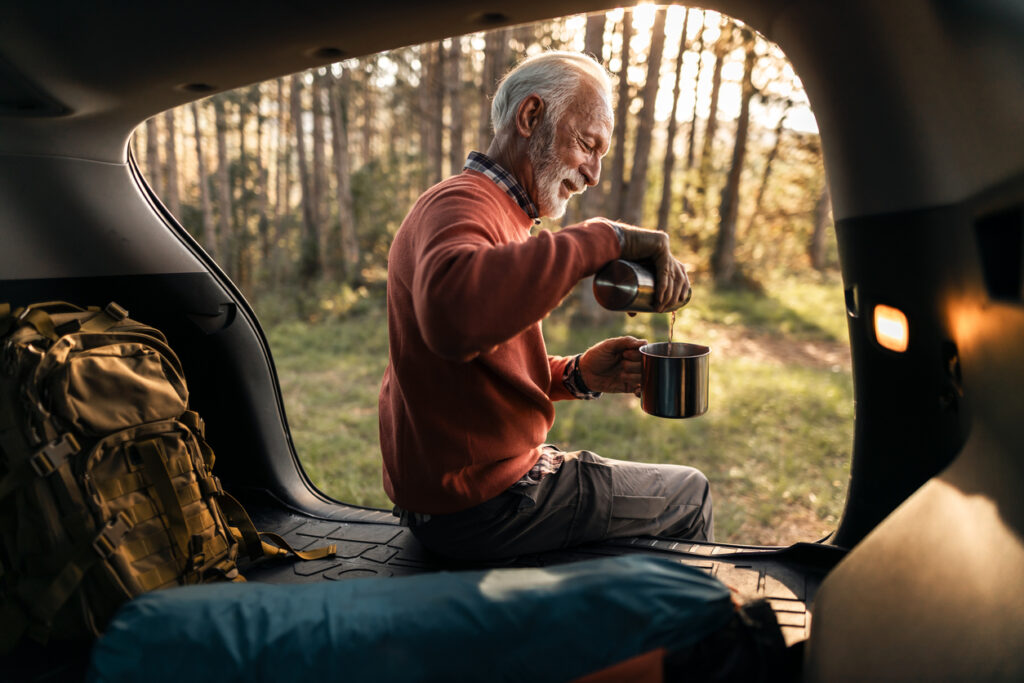
Once closing time hits, that’s it. Hanging around after hours or parking up to sleep in a van isn’t allowed unless there’s a designated campsite you’ve booked. There are security and safety reasons for this, but it also protects the land. Less unsupervised activity means less damage, litter, and disturbance.
Ignore staff instructions or closing times
When staff ask you to move along, shut a gate, or leave an area, they’re not being awkward. They’re managing livestock, weather risks, fragile ground, and visitor flow all at once. It’s easy to forget that these places are working environments as well as beauty spots. Listening to instructions keeps things running smoothly and avoids unnecessary damage or accidents.
At the end of the day, none of these rules are exist to suck the joy out of a day trip. They’re about protecting places that have lasted far longer than we have. If anything, following them is part of the experience. You’re not just visiting; you’re stepping into a shared space that needs a bit of care from everyone who walks through the gate.