
A lot of people don’t realise metal detecting is restricted in some parts of the countryside, and it usually catches them off guard when they first hear it. The issue isn’t the act of sweeping a detector over the ground. It’s what happens once someone digs into areas that hold old artefacts, protected landscapes, or bits of history sitting just below the surface. Some sites are far more sensitive than they look, and a small hole in the wrong place can disturb things that should never have been touched.
The rules are there to make sure important finds end up in the right hands and that protected land stays intact. Some fields or woodlands hold layers of history that haven’t been moved for centuries, and even casual digging can muddle that up. Knowing where detecting is allowed helps keep those places safe while still letting the hobby thrive in the right spots. Here’s why you can’t just treasure hunt wherever you’d like.
Many areas sit on protected archaeological sites.
Large parts of the countryside hide buried remains from Roman, Viking or medieval times. If people dig without knowing what is underneath, they can destroy evidence that cannot be replaced. Even a small hole can ruin layers that archaeologists rely on to understand the past. This is why detecting is banned on scheduled monuments and other protected land.
These rules help make sure the stories buried underground stay intact. When professionals work on these sites, they follow strict methods that preserve everything properly. Casual digging often removes items without recording where they came from, which destroys valuable information forever.
National parks often restrict detecting to protect the land.
National parks aim to protect scenery, wildlife and historic areas, which means certain activities are not allowed. Metal detecting is restricted because it involves digging, which can damage habitat or disturb hidden features. Parks hold many ancient earthworks, old settlements and fragile landscapes that need careful treatment.
These bans do not mean people cannot enjoy the parks. They simply stop activities that could harm hidden history or wildlife. Detecting in these areas usually needs permission, and many requests are refused to keep the land safe.
Some farmland contains ancient burial grounds.
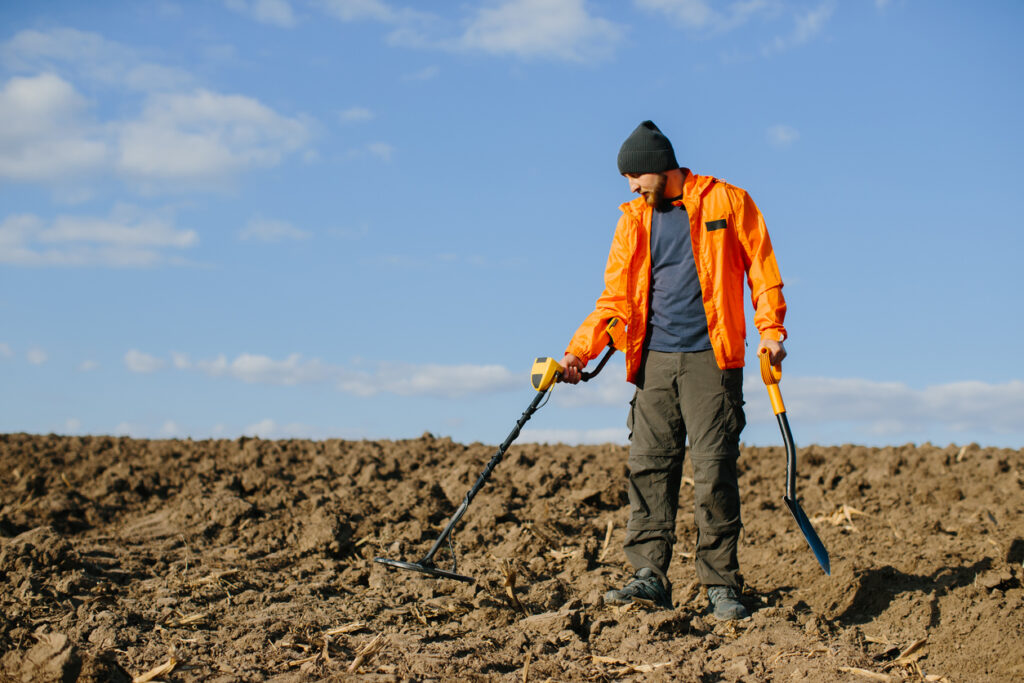
Farm fields often hide barrows, burial mounds and old religious sites. Detecting on these areas without knowing what lies below can disturb graves or historic remains. The law protects these sites strongly, and landowners can get into trouble if digging takes place without proper checks.
Because many of these places are unmarked, bans help prevent accidental damage. The goal is to respect the history buried there and avoid disturbing areas that still hold cultural importance.
Wildlife reserves restrict digging to protect sensitive species.
Nature reserves often ban metal detecting because digging can disrupt soil, plant roots and animal homes. Species like ground-nesting birds, insects and small mammals rely on the land staying undisturbed. Even small holes can ruin nests or destroy protected plants.
Reserves focus on conservation, so any activity that damages the ground is kept to a minimum. Detecting can only happen with strict permission, which most reserves do not grant because the risks are too high.
Many areas are privately owned with strict land rules.
Most countryside in the UK is private land. Owners have the right to decide what happens on their property, and many do not allow metal detecting because of the risk of damage or legal issues. Without written permission, detecting is classed as trespassing.
Landowners also worry about disputes over valuable finds. UK law gives them a share of anything discovered, so banning detecting helps avoid complicated arguments or accidental breaches of the Treasure Act.
Some land still contains military remains.

Parts of the countryside, especially old training grounds, contain spent ammunition, unexploded shells or military equipment. Detecting is banned to keep people safe because digging could uncover dangerous items that still pose a risk. These areas are often clearly marked, but some historic sites are not obvious. Banning detecting prevents accidents and ensures unsafe items are handled by professionals who know how to deal with them safely.
Scheduled monuments are legally off-limits.
Scheduled monuments include hillforts, castles, ruined abbeys and ancient settlement sites. These locations are legally protected, and digging without permission is a criminal offence. Metal detecting is banned outright because even light disturbance can damage fragile remains.
The law treats these places as national heritage. Protecting them ensures future generations can study and experience them intact. Detecting bans are one of the strongest ways to defend these sites.
Some land still holds unexplored historic value.
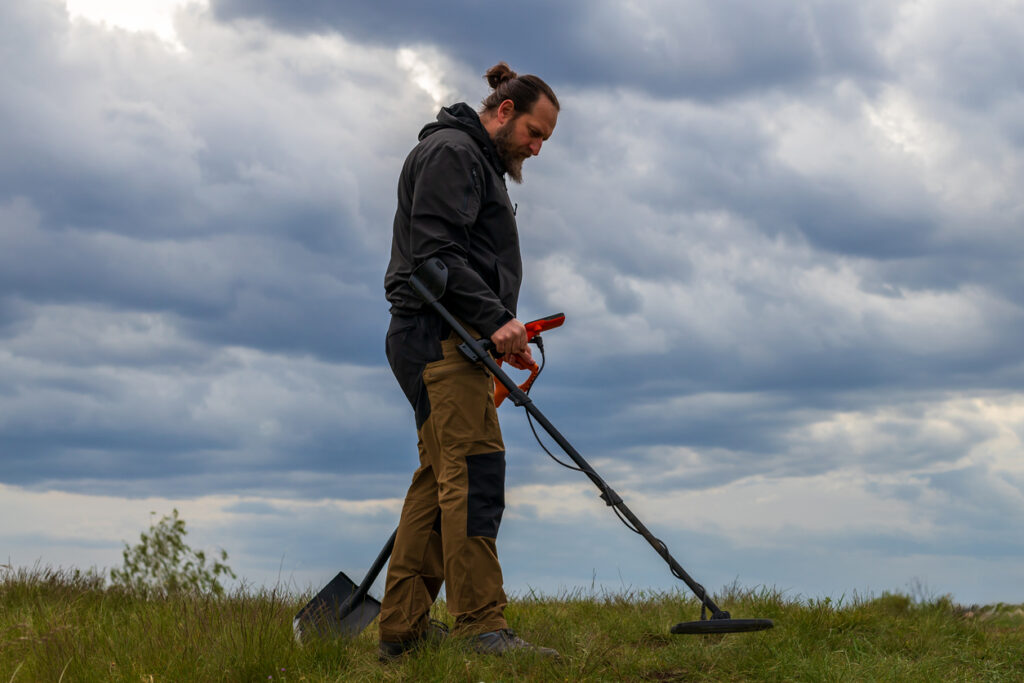
Areas with high archaeological potential are often protected even if nothing has been fully excavated. Experts block metal detecting to prevent people from disturbing clues before research teams can study them. This is especially common on land linked to ancient paths, battlefields, or settlements. These bans act like a safety net. They protect the area until experts can confirm what is hidden underground. This avoids damage to history that has not yet been documented.
Local councils use bans to protect community heritage.
Councils sometimes ban metal detecting in parks, commons or public fields because these areas contain historic layers. Detecting could uncover items people view as belonging to the community, not individuals. Councils want to keep these finds safe and properly recorded. These bans encourage responsible handling of historic objects. Councils often work with museums and archaeologists to manage any finds, ensuring they stay in local collections instead of disappearing into private hands.
The Treasure Act requires proper reporting, which not everyone follows.
UK law says that valuable or historically important finds must be reported to the Portable Antiquities Scheme. Some people ignore this rule, which leads to the loss of important objects. To prevent this, many areas ban detecting altogether. The reporting system helps experts record discoveries and protect museum-quality items. Bans reinforce these responsibilities and make sure the country’s history remains properly cared for rather than going missing.