Some animals thrive in gardens that look a bit wild because those spaces give them exactly what they need.
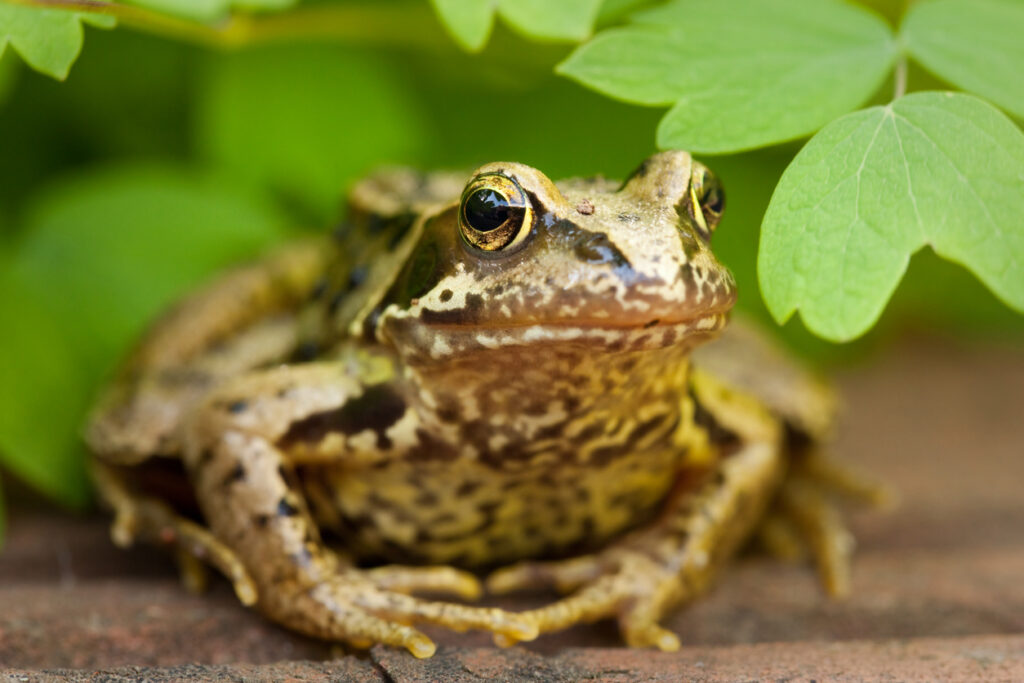
Fallen branches, piles of leaves, long grass, and half-forgotten corners create shelter and hiding spots they can’t get in neat, perfectly managed gardens, not to mention opportunities for food. What looks messy to us feels safe to them. It gives them cover from predators, somewhere to rest and a steady supply of insects to feed on.
Tidy gardens have their place, but they don’t offer the same variety of little nooks and cosy gaps. When a space has texture and layers, animals can move around without feeling exposed, and that’s when you start seeing more visitors. A bit of natural clutter turns a garden into a proper habitat rather than a showpiece, and many species, from hedgehogs to beetles to small birds, respond to that immediately.
Messy gardens have more insects for animals to eat.
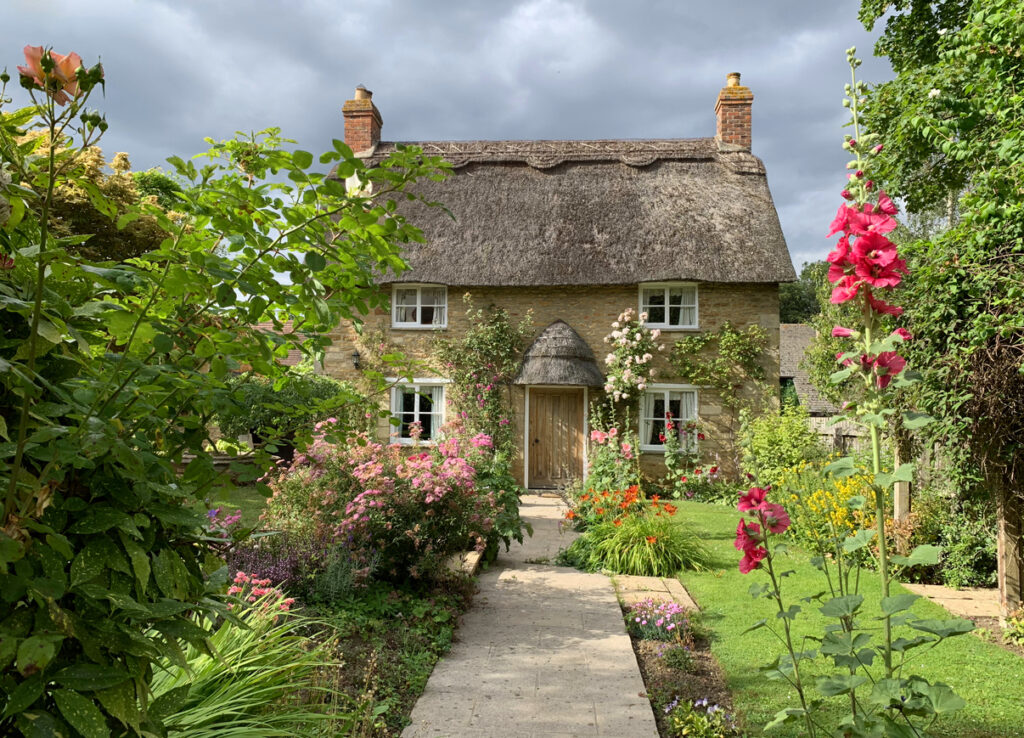
When leaves, sticks, and old plant matter stay on the ground, insects move in quickly. Beetles, worms, and woodlice thrive in these patches. This creates a natural buffet for birds and hedgehogs, and maybe even some frogs. A tidy garden removes these small creatures, which makes the whole space less appealing to wildlife.
Animals follow the food. If they know your garden offers plenty of insects, they visit more often and stay longer. A messy corner becomes an easy feeding spot for species that rely on insects for energy and survival.
Clutter creates hiding places from predators.
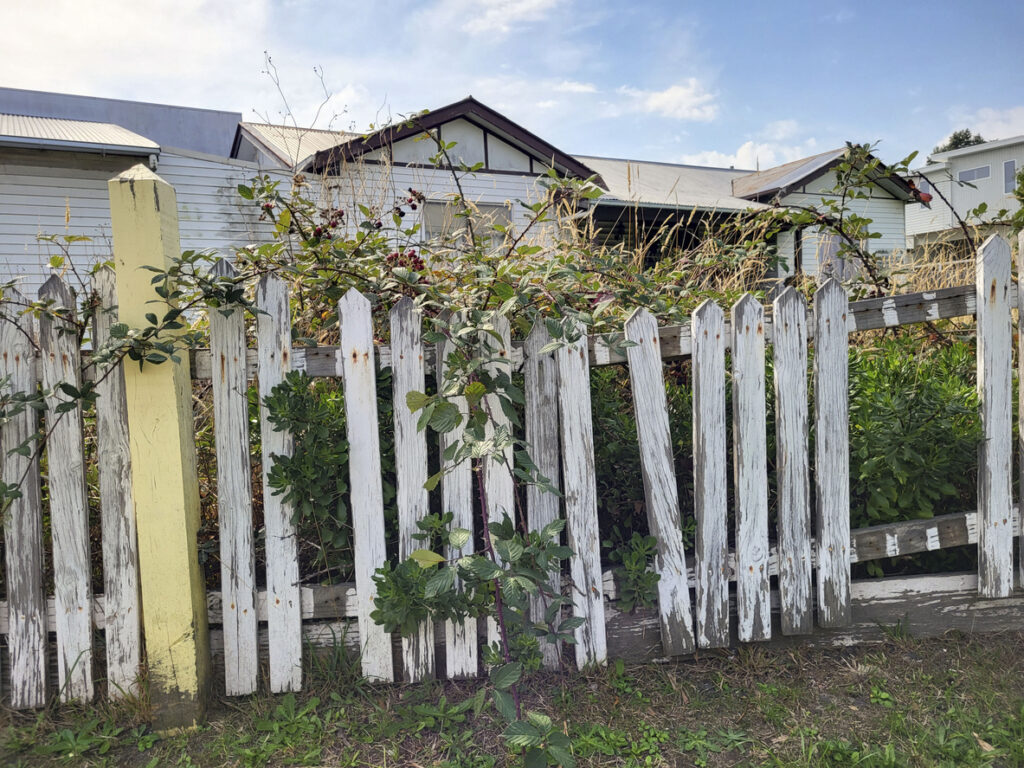
Small animals need somewhere to dive into when danger comes. Piles of leaves, stacked logs and thick plants give instant cover. These messy patches help hedgehogs, frogs and small birds avoid cats, foxes or other predators in the area. Without these hiding spots, animals feel exposed. Even a single log pile can make the difference between safety and stress. The clutter helps them relax and return to your garden regularly.
Long grass offers shelter for insects and tiny mammals.
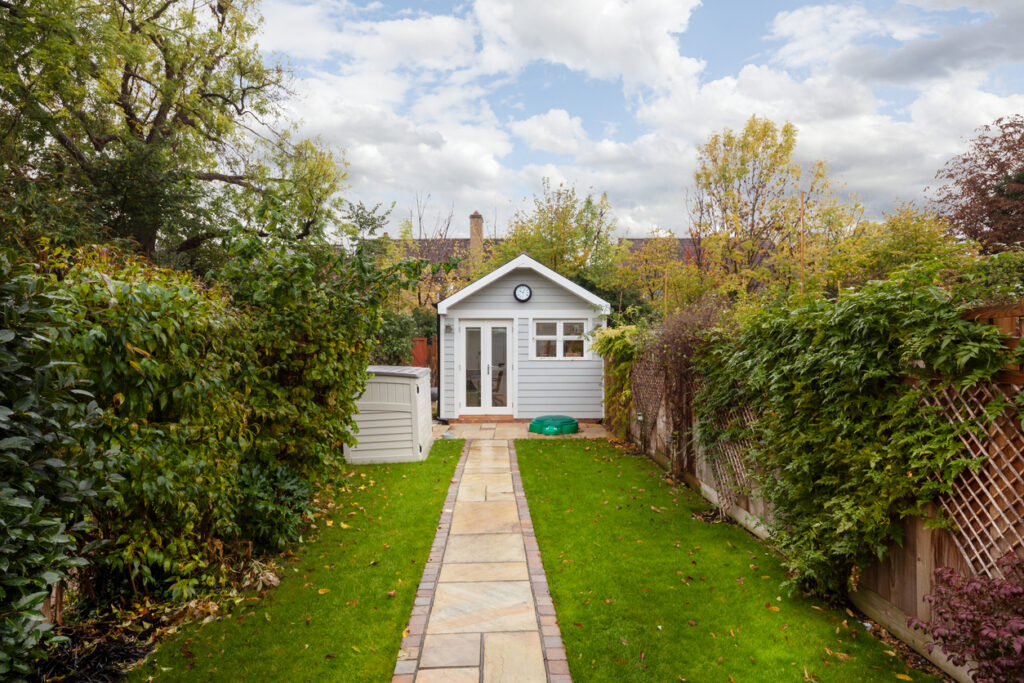
Short lawns look neat, but they offer nothing for wildlife. Long grass provides warmth, shade, and a safe home for insects and small mammals. Bees rest in it, butterflies use it to hide, and voles move through it without being seen. This simple change supports the whole food chain. When insects thrive, birds and mammals thrive too. Long grass turns your garden into a small ecosystem instead of a flat, empty space.
Dead wood attracts useful creatures that keep the garden healthy.
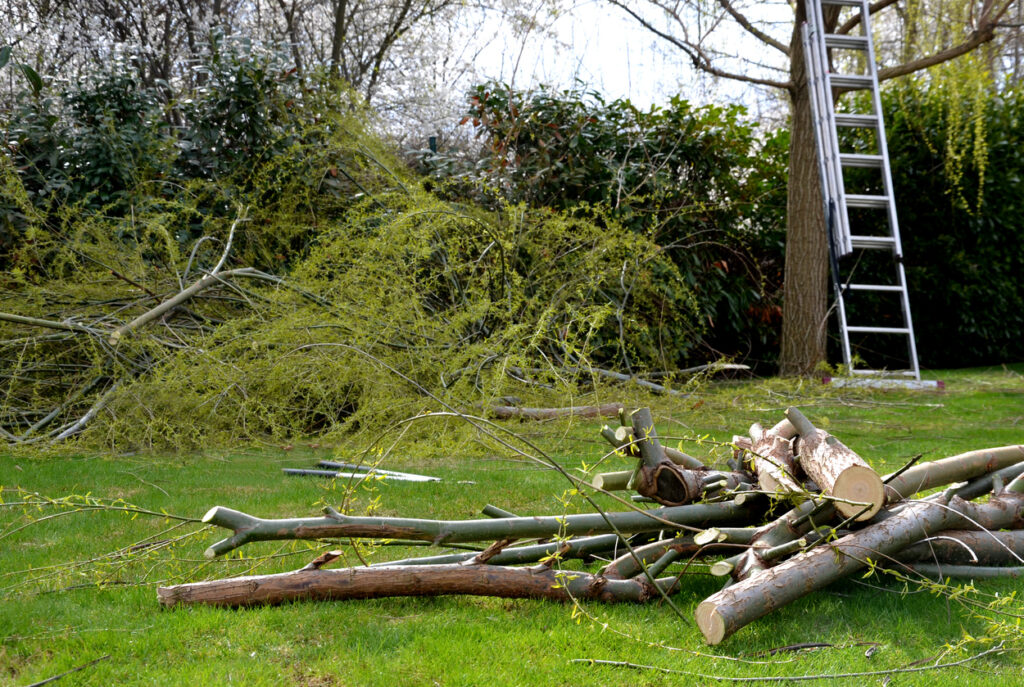
Rotting logs and fallen branches attract beetles, fungi, and worms. These creatures break down old wood and return nutrients to the soil. Birds eat the insects in the wood, and hedgehogs hunt around it for their favourite foods. A tidy garden removes these natural recycling centres. Dead wood supports both wildlife and soil health, which helps the rest of the garden grow stronger and richer over time.
Leaf piles help animals during cold weather.
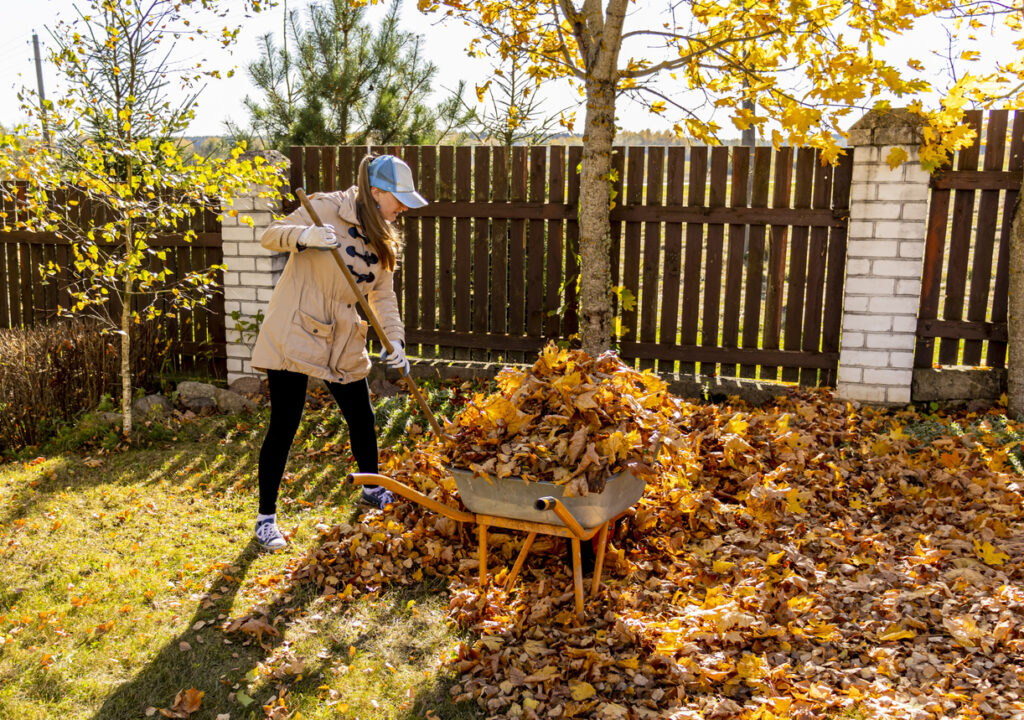
During autumn and winter, animals look for warm places to shelter. Leaf piles create natural insulation that keeps heat in. Hedgehogs, frogs, and insects rely on these piles for survival during colder nights. Removing leaves too early leaves these animals exposed. Keeping a corner of the garden a bit messy gives them a safe place to ride out the cold months without being disturbed.
Messy borders give birds safe spots to forage.
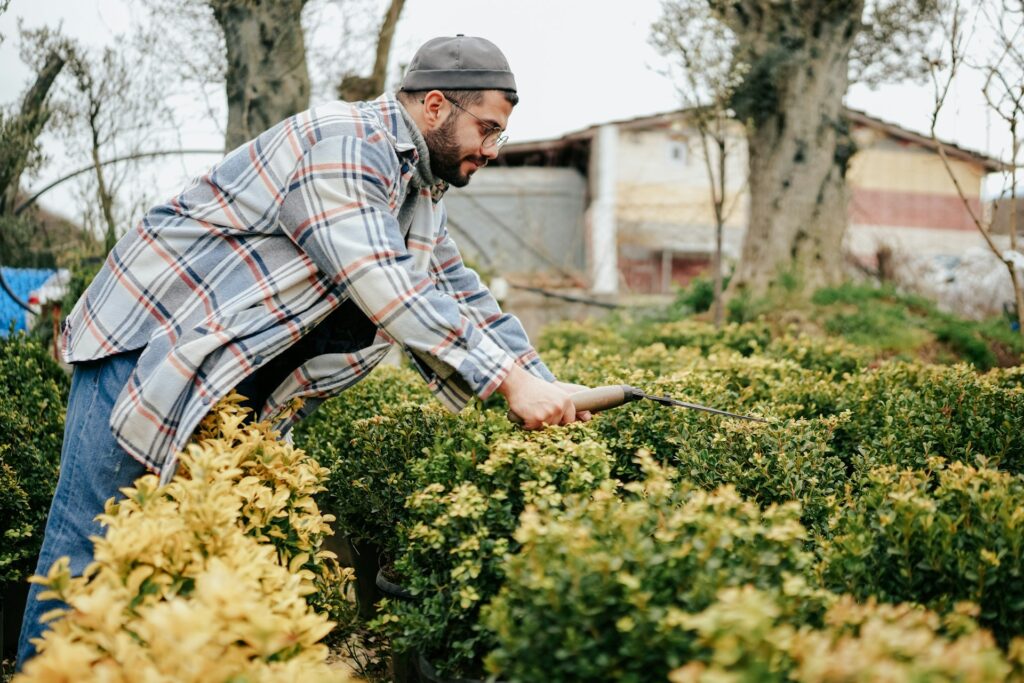
Bare soil offers nothing, but messy borders full of weeds and old flowers give birds many places to search for insects. They poke between fallen leaves and stems for hidden food. This makes messy areas some of the most active parts of the garden for birdlife. Neater borders often lack the layers birds need for feeding. By keeping things a little overgrown, you create a natural café that birds remember and return to daily.
Overgrown corners help animals feel protected from people,
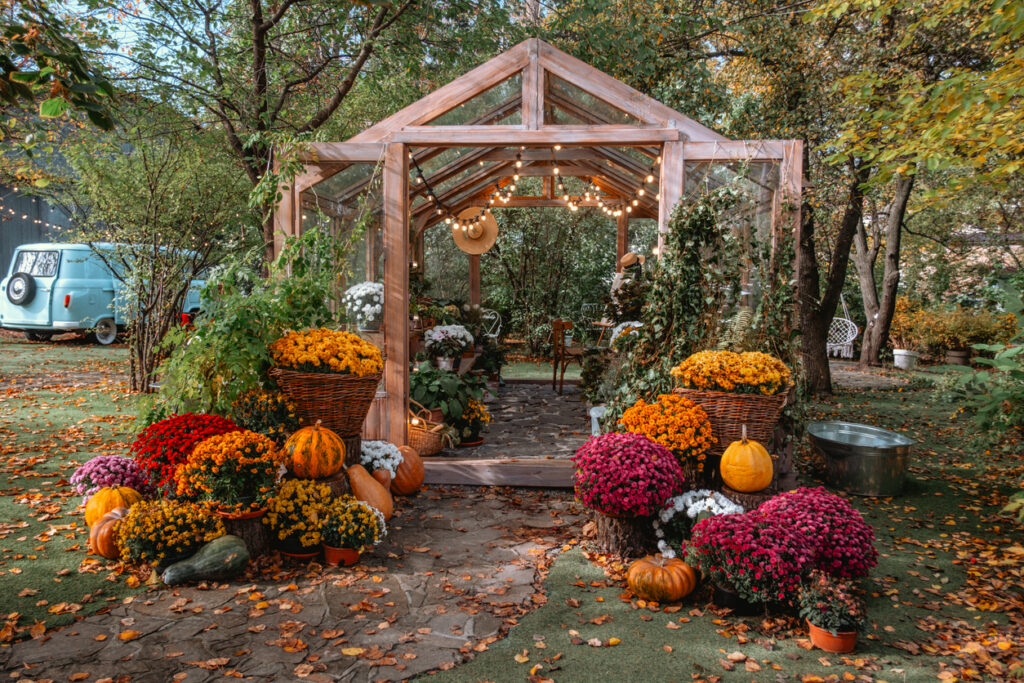
Wild animals often feel nervous in wide open areas. Overgrown corners help them move without being seen, which makes the garden feel safer for them. Even shy species visit gardens with hiding places they can slip into quickly. This privacy encourages more natural behaviour. Animals explore freely when they do not feel watched. A cluttered garden offers that sense of calm, which brings more wildlife in over time.
Untidy hedges and shrubs create nesting spaces.

Birds prefer dense shrubs and untrimmed hedges when choosing nesting spots. These areas protect eggs from weather and predators. Trimmed or shaped hedges often feel too open, which makes birds avoid them. Leaving shrubs slightly wild increases the chance of nesting activity in your garden. More nests mean more birds, and more birds mean a healthier balance of insects and seeds throughout the garden.
Fallen fruit attracts a variety of species.
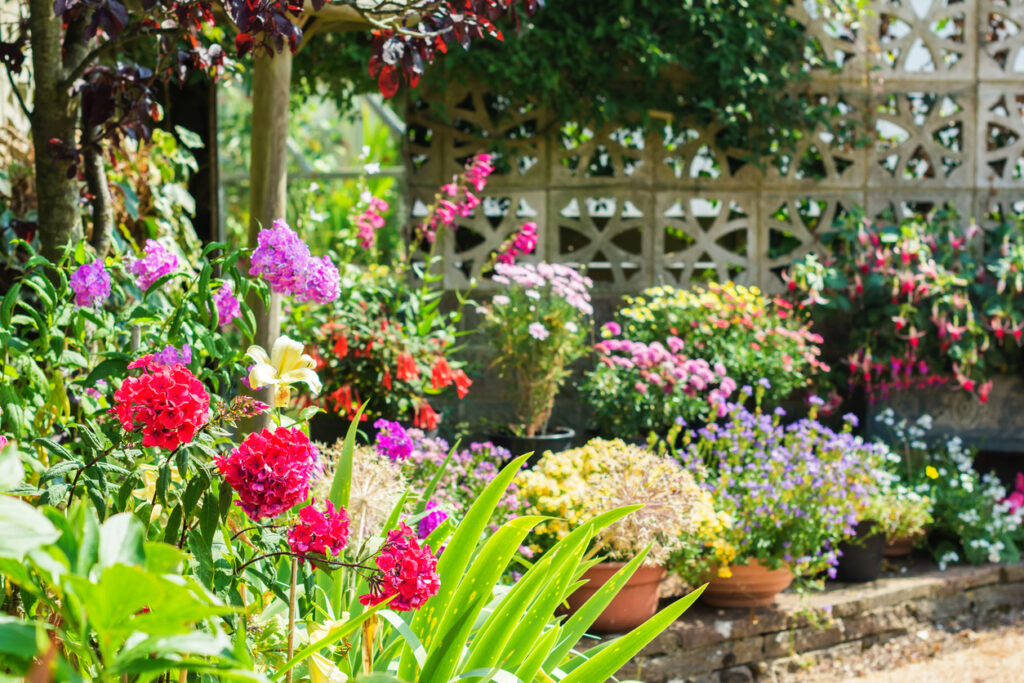
Fruit that drops onto the ground becomes food for many animals. Birds, foxes, badgers, and insects all feed on fallen apples or berries. These natural food sources support animals during seasons when other food is scarce. Removing every fallen fruit too quickly removes these feeding opportunities. A small amount of natural mess helps wildlife survive and keeps your garden buzzing with activity.
Cluttered corners help hedgehogs move safely between gardens.

Hedgehogs travel long distances at night, and cluttered gardens give them sheltered routes. Logs, plants, and leaf piles offer cover as they move between feeding spots. Bare gardens leave them exposed and at risk from predators or cars. When your garden has places to hide, hedgehogs feel confident passing through. This supports local populations and helps them find food, shelter and mates more safely.
Mess supports natural pest control.
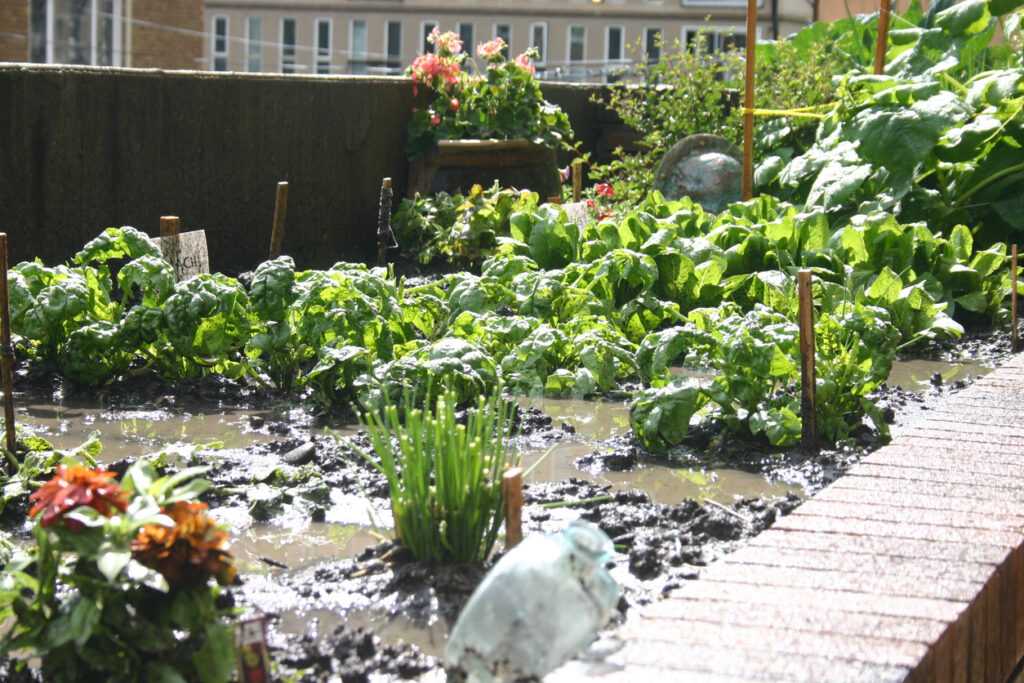
Clutter attracts frogs, birds and beetles that help control pests like slugs or aphids. These animals hunt naturally and keep pest numbers steady without chemicals. A tidy garden often relies on sprays instead. By letting the garden stay a bit wild, you invite natural helpers. They manage pests in a balanced way that protects plants while keeping the ecosystem healthy.
Wild plants feed insects that other animals depend on.
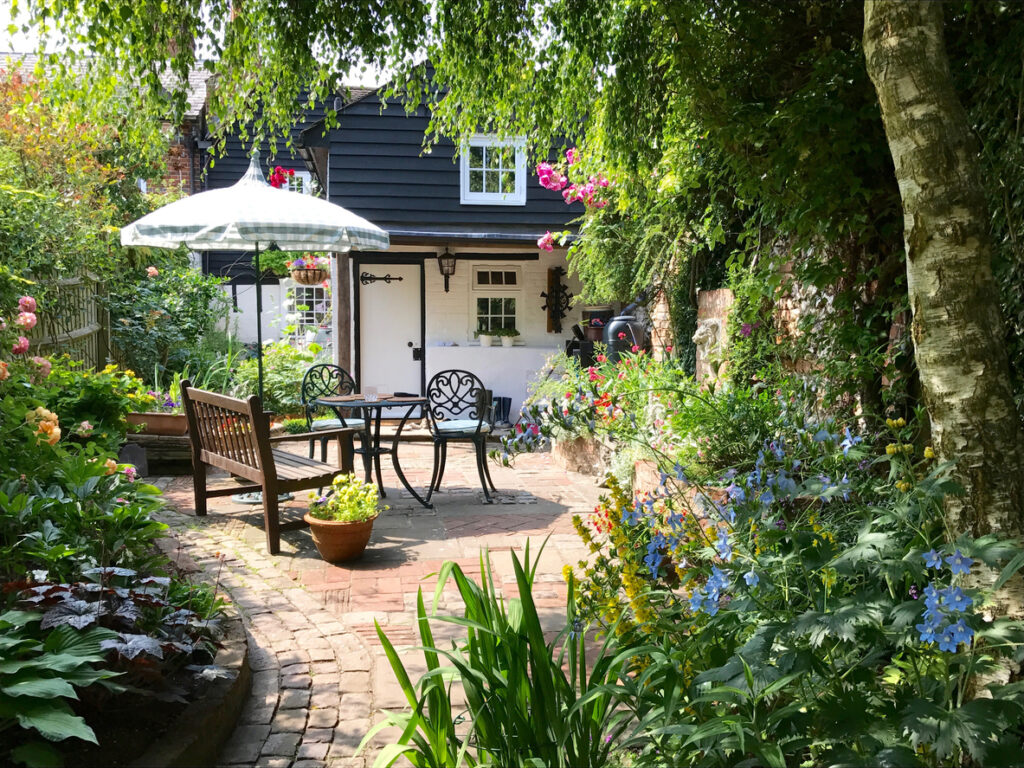
Weeds, wildflowers and overgrown plants provide nectar, seeds, and shelter. Insects rely on these plants, especially when gardens are too neat. These insects then become food for birds, bats and small mammals. When you remove every weed, you cut off part of the food chain. Allowing natural growth supports life at every level and keeps your garden lively and diverse.
Messy gardens mimic natural habitats animals trust.
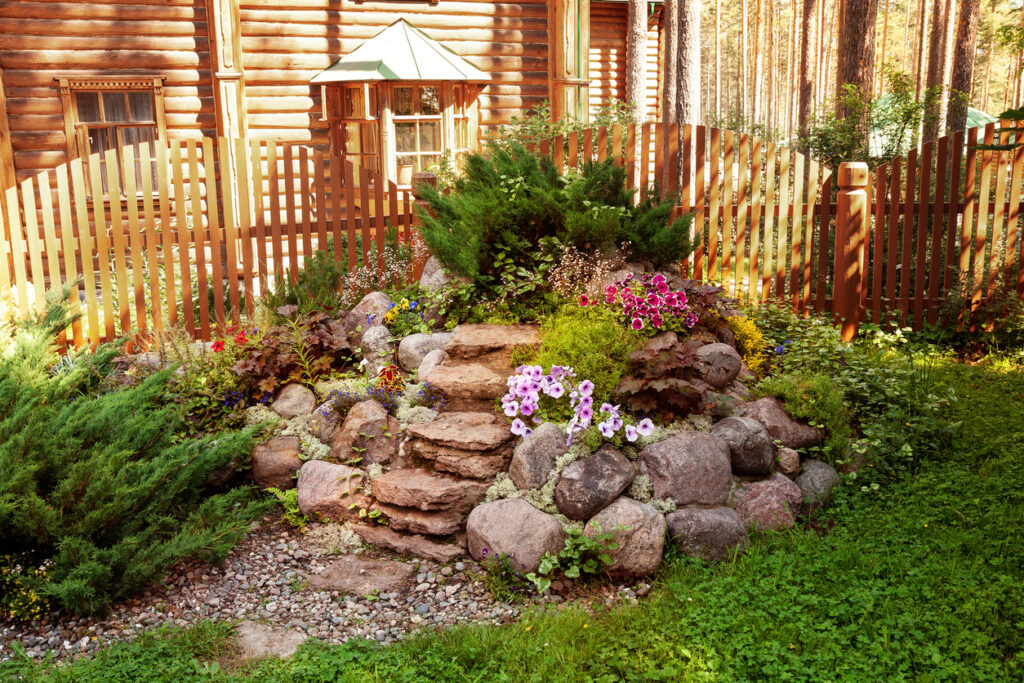
Wildlife does not live in neat rows or carefully trimmed spaces. Natural habitats are layered, cluttered and full of cover. Animals feel at home in gardens that resemble these environments, which makes them more likely to settle in and return often. The more your garden reflects nature, the more wildlife it attracts. A little mess creates comfort, safety and food, making your garden a welcoming home for many species.