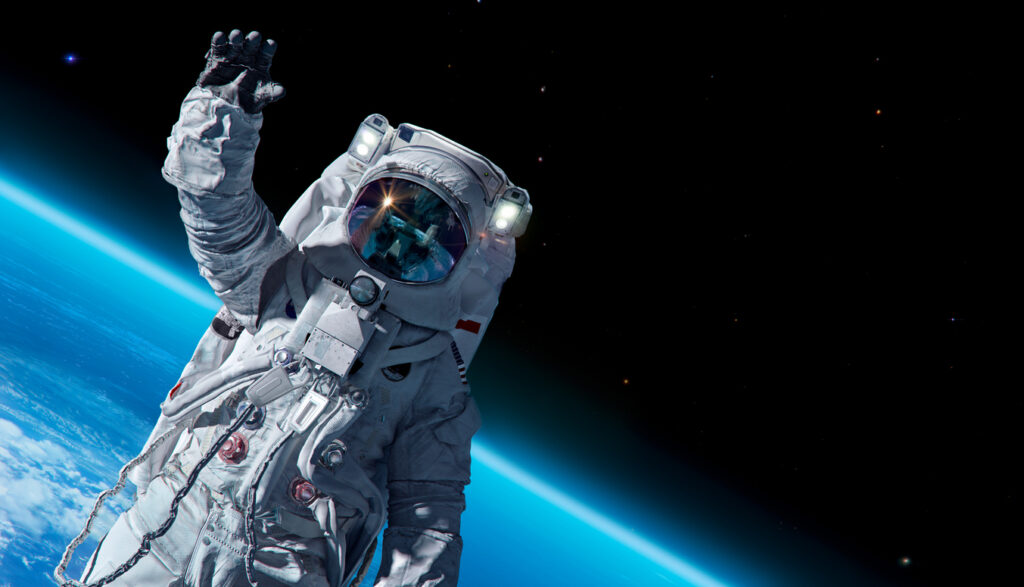
Space might look empty and silent, but astronauts often say it has a very strange smell. When they return to their spacecraft after a spacewalk and remove their helmets, many describe a scent that reminds them of burnt steak, hot metal, or welding fumes. That might sound odd considering space is a vacuum where smells can’t ravel. However, this strange scent has been reported by astronauts from several different missions, and scientists now have a good idea why it happens.
Space itself can’t carry smells.
In the vacuum of space, there’s no air, which means smells can’t travel the way they do on Earth. Odours move through the air as tiny particles that float toward our noses. Without air, that process simply can’t happen. What that means is that astronauts don’t actually smell space while floating outside the spacecraft. Instead, the scent appears after they return inside and remove their helmets, when particles that stuck to their suits finally reach the air inside the cabin.
Tiny particles cling to the outside of space suits.
During a spacewalk, astronauts move through an environment filled with extremely fine particles created by solar radiation and micrometeorites. These particles can stick to the outer surface of their suits and equipment. When the astronaut comes back into the spacecraft, some of those particles come along for the ride. Once they’re exposed to oxygen inside the cabin, they begin reacting with the air and release a noticeable smell.
The smell is often compared to burnt steak.
Astronauts have described the scent in many ways, but one of the most common comparisons is burnt steak or charred meat. Others say it reminds them of welding fumes or hot metal. The smell is strong enough that astronauts notice it almost immediately after removing their helmets. It doesn’t usually last very long, but the unusual scent tends to stick in their memory.
@erikahamdenWhat smells like burnt almond cookies, hot metal, and brake pads???
The reaction with oxygen creates new chemicals.
When the particles collected on the space suit meet oxygen inside the spacecraft, chemical reactions begin almost instantly. These reactions create compounds that our noses can detect. This process is similar to how certain materials produce a smell when they heat up or burn on Earth. The chemical change releases molecules that give off the distinctive scent astronauts report.
Dying stars may contribute to the scent.
One theory suggests that some of the particles in space come from dying stars. When stars explode or break apart, they release carbon-rich material that drifts through space. These particles can include complex carbon compounds that produce smoky or burnt smells when they react with oxygen. That may be one reason astronauts compare the scent to cooked or charred food.
High-energy radiation constantly reshapes particles.
Space is filled with powerful radiation from the Sun and other stars. This radiation can break apart molecules and rebuild them into new chemical structures. When those altered particles later encounter oxygen inside a spacecraft, they may form compounds with strong smells. The burnt or metallic scent could come from these newly formed molecules.
Metal surfaces exposed to space also change.
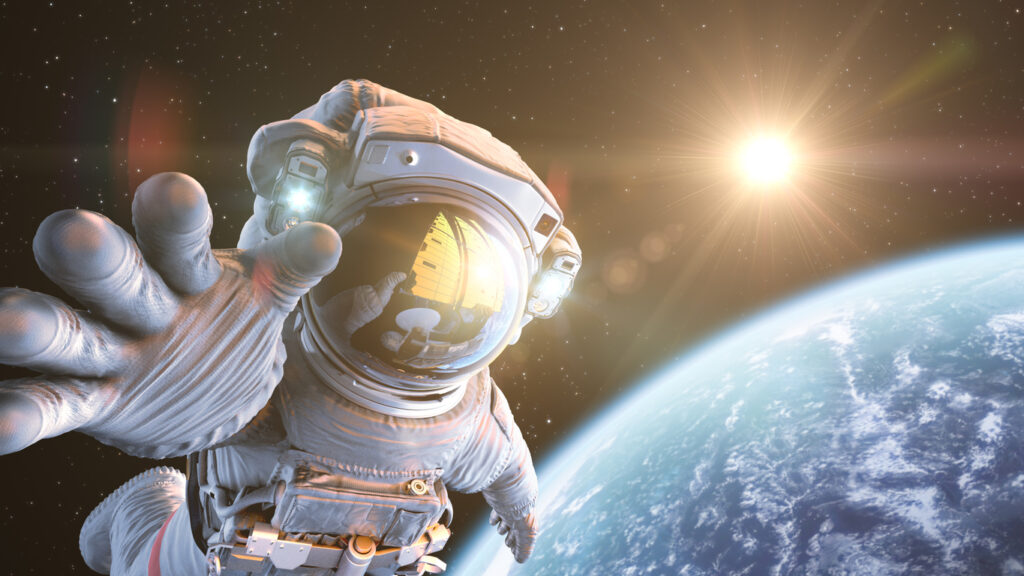
Spacecraft surfaces face extreme conditions such as radiation, tiny impacts from micrometeorites, and intense temperature swings. Over time, these conditions can alter the outer layers of metal equipment. When astronauts return inside, small bits of altered material may release a smell similar to hot metal or welding fumes. That’s another reason astronauts often describe the scent in industrial terms.
The smell is strongest right after a spacewalk.
Astronauts usually notice the scent immediately after coming back inside the spacecraft. Once the air circulates through filters and the particles disperse, the smell fades fairly quickly. Even though it doesn’t linger for long, it’s strong enough to make a clear impression. Many astronauts remember the scent for years after their mission.
Different astronauts describe it in slightly different ways.
Not everyone explains the smell exactly the same way. Some astronauts say it reminds them of burnt meat, while others compare it to gunpowder, metal, or welding sparks. These differences probably come from how individuals interpret unfamiliar smells. Even though the descriptions vary, they all point toward a similar sharp, smoky, metallic scent.
Scientists still find the phenomenon fascinating.
Although researchers understand the general chemistry behind the smell, it remains one of the more unusual details astronauts report about space travel. The idea that empty space can leave behind a scent surprises many people. It’s another reminder that the space environment is far from simple emptiness. Even in the vacuum beyond Earth, complex chemical processes are happening all the time, leaving strange clues for astronauts to notice when they return inside.