If dinosaurs suddenly showed up again, our first reaction would probably be pure panic.

We love the idea of them in films, where we can watch from a safe distance with popcorn and the comfort of knowing the chaos ends when the credits roll. Real life wouldn’t give us that luxury. Everything from city planning to travel to basic safety would be turned upside down overnight, and we’d have to figure out how to coexist with creatures that could outrun cars and flatten buildings without even noticing.
However, the chaos wouldn’t stop with the big predators. Even the plant eaters would create massive problems. Imagine traffic having to reroute because a herd of triceratops decided to nap on the motorway, or farmers scrambling to protect their crops from giant hungry dinosaurs with zero awareness of property lines. As exciting as the idea sounds, we’d quickly realise that bringing back dinosaurs wouldn’t feel like a cool adventure.
They’d struggle to breathe properly.
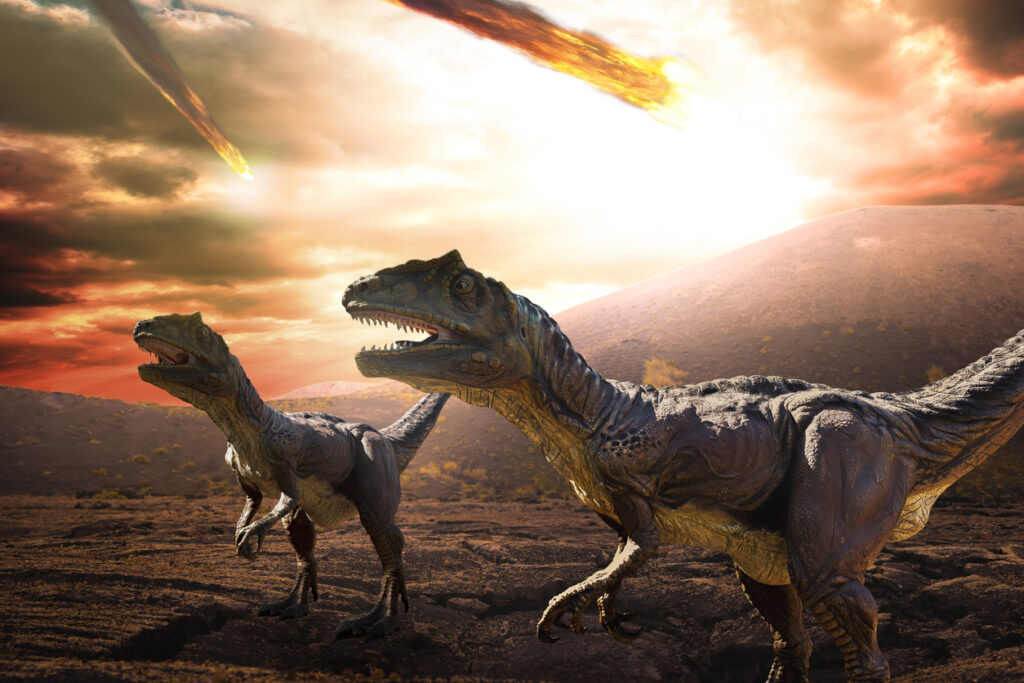
The atmosphere during the Mesozoic Era contained significantly more oxygen than today, around 30% compared to our current 21%. Dinosaurs evolved with respiratory systems designed for that richer air, and their lungs and circulatory systems were built around those conditions.
In fact, many dinosaurs would likely suffer from chronic respiratory problems in our modern atmosphere. They’re massive creatures that couldn’t get enough oxygen to fuel their enormous bodies properly, leading to lethargy, weakened immune systems, and potentially shorter lifespans than they had millions of years ago.
Modern diseases would devastate them immediately.

Dinosaurs would have zero immunity to contemporary pathogens, bacteria, and viruses that have evolved over the past 66 million years. Everything from common bird flu to fungal infections would be completely foreign to their immune systems.
Any reintroduced dinosaur population would likely face immediate epidemic-level die-offs. They’d essentially be sitting ducks for every modern microbe, with no evolutionary defences against diseases that wouldn’t pose much threat to animals that evolved alongside them.
The largest species couldn’t support their own weight.
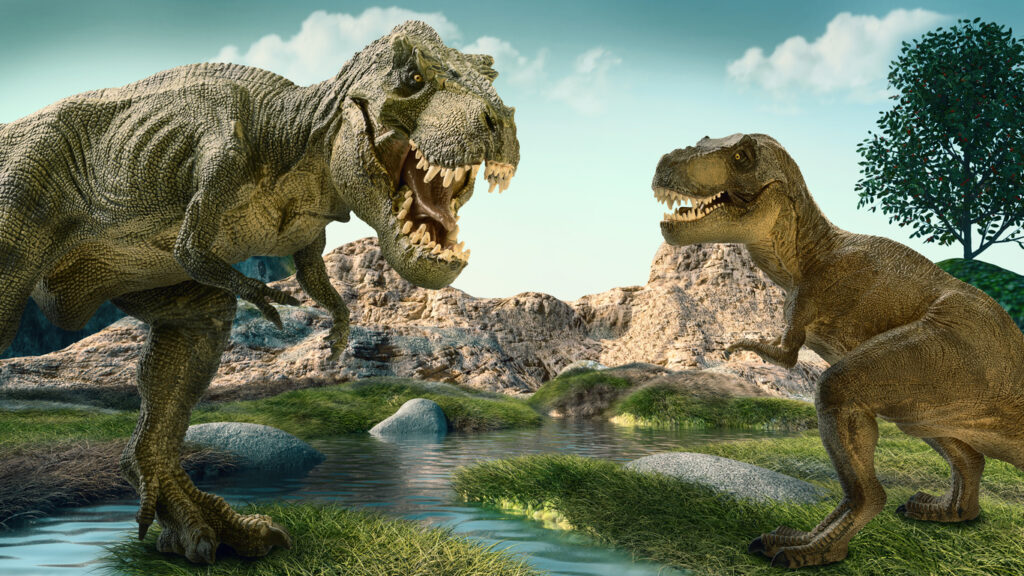
Earth’s gravity hasn’t changed, but the biomechanics that allowed sauropods to reach 30–40 metres in length depended on specific environmental conditions we no longer have. Lower oxygen levels, different atmospheric pressure, and changes in available nutrition all play into whether these giants could actually function.
Absolutely massive dinosaurs might not even be viable in the modern world. They’d be creatures whose skeletal structure and musculature can’t adequately support their bulk under current conditions, resulting in joint problems, circulatory issues, and potential organ failure.
They’d find our plant life largely inedible.
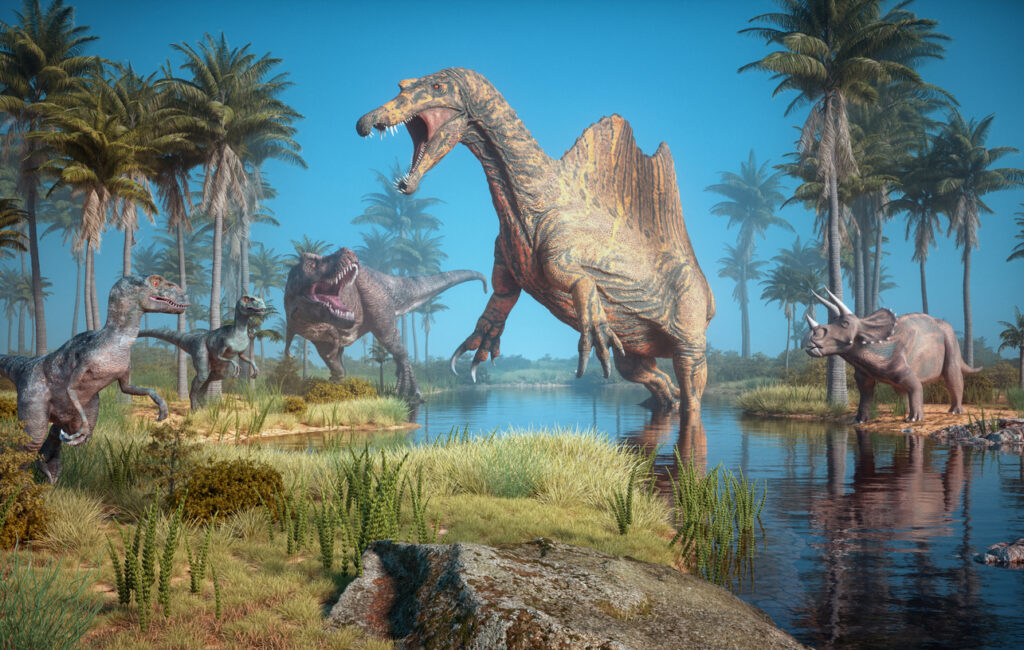
Modern flowering plants are dramatically different from the ferns, cycads, and conifers that dominated the dinosaur era. Herbivorous dinosaurs had digestive systems specifically adapted to break down Mesozoic vegetation, not the plants we have today.
Even successful herbivores like hadrosaurs would struggle to find adequate nutrition. They couldn’t properly digest what’s available, so they’d end up with malnutrition even in environments with abundant plant life. Their gut bacteria would be completely wrong for modern flora.
Temperature regulation would be nearly impossible.
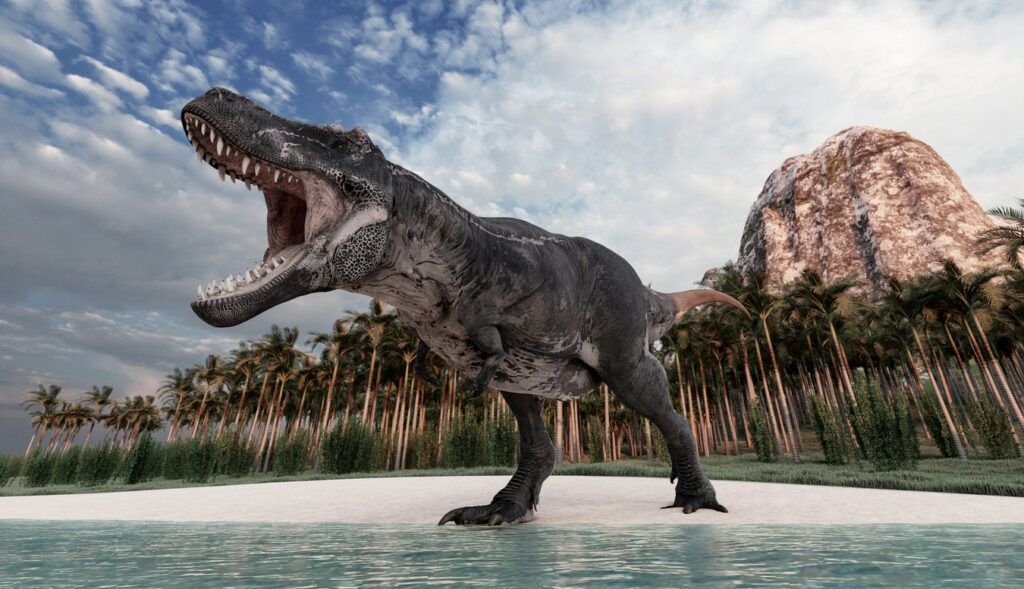
Whether dinosaurs were warm-blooded, cold-blooded, or somewhere in between is still debated, but they definitely evolved for a world that was considerably warmer and had less extreme temperature variation between seasons. Modern climate zones would present challenges they’re simply not equipped for.
Dinosaurs would struggle in most contemporary habitats. They have thermoregulation systems that are calibrated for a completely different climate, meaning they’d face constant stress trying to maintain body temperature in environments that swing too cold or don’t stay warm enough consistently.
Modern predators would target the young and weak.
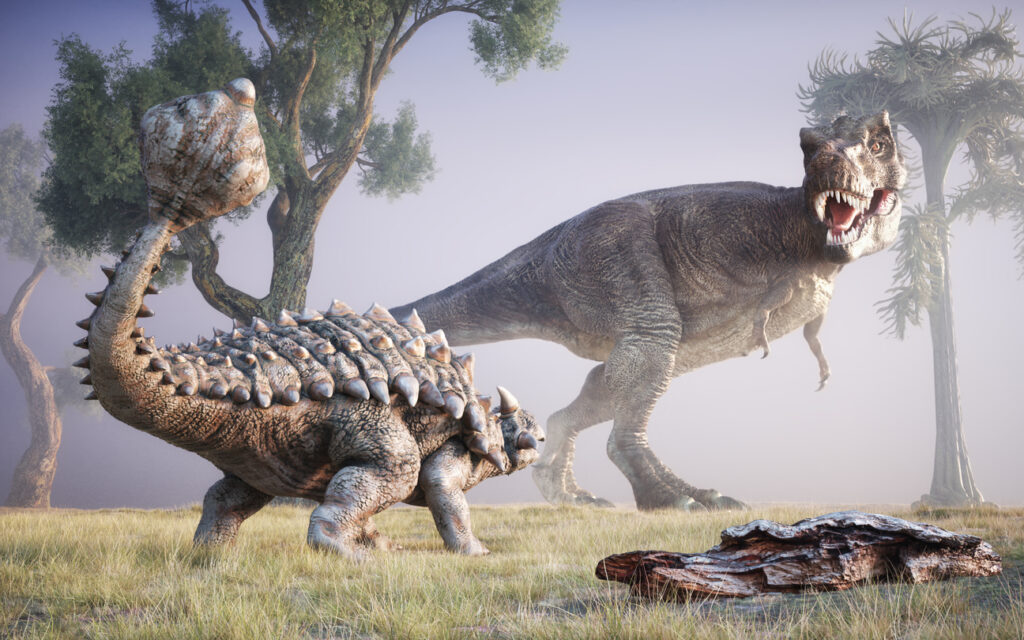
Whilst adult tyrannosaurs might not fear much, juvenile dinosaurs would be vulnerable to contemporary predators like big cats, wolves, and crocodilians. These modern hunters have millions of years of evolutionary refinement that dinosaurs haven’t experienced.
Dinosaur populations would struggle to establish themselves as a result. Young dinosaurs would be picked off by predators that are faster, smarter, and better adapted to hunting in modern ecosystems before they can reach maturity and reproduce.
They’d cause immediate ecological collapse wherever they appeared.

Introducing any large animal into a modern ecosystem causes disruption, but dinosaurs would be catastrophic. They’d compete with existing megafauna for resources, destroy habitats with their size and feeding habits, and throw food webs into complete chaos.
The areas where dinosaurs appeared would see rapid biodiversity loss. You’d end up with native species unable to compete with these massive newcomers for food and space, leading to local extinctions and ecosystem collapse that would ripple outward from the introduction point.
Humans would hunt them to extinction frighteningly quickly.

We drove woolly mammoths and countless other megafauna to extinction with far more primitive technology than we have now. A real dinosaur would be an irresistible target for trophy hunters, governments concerned about public safety, and opportunistic poachers.
Any dinosaur population would face immediate human predation on an industrial scale. Creatures that survived 165 million years would be wiped out in decades by humans with helicopters, high-powered rifles, and economic incentives to kill them.
Their gut bacteria wouldn’t exist anymore.

Herbivorous dinosaurs relied on specific gut microbiomes to break down their food, symbiotic bacteria that evolved alongside them and died out when they did. Without these microscopic helpers, even if they could eat modern plants, they couldn’t digest them properly.
Reintroduced herbivores would essentially starve with full stomachs. These animals would be eating constantly but unable to extract nutrients because the biological tools they need for digestion went extinct 66 million years ago.
They’d be completely confused by modern landscapes.

Navigation and migration for many dinosaurs likely relied on magnetic fields, star patterns, and geographical features that have all changed dramatically. Continental drift alone means the world looks nothing like it did in the Mesozoic, and the magnetic poles have shifted.
Migratory species would be utterly lost in the modern world. Their biological compasses would point them in wrong directions, towards resources and breeding grounds that no longer exist in those locations, if they existed at all.
Social species couldn’t establish proper hierarchies.
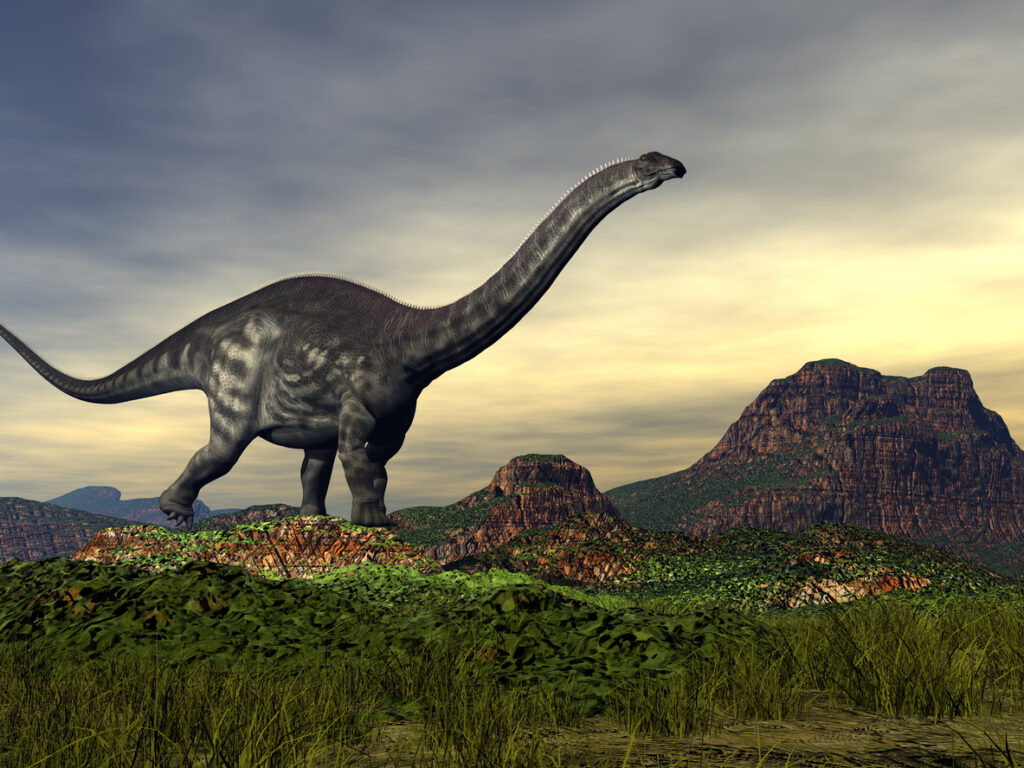
Many dinosaurs were social animals with complex group dynamics learned from parents and herd members. Reintroduced dinosaurs would lack this cultural knowledge, having no adults to teach them proper behaviour, communication, or social structure.
Even successfully surviving dinosaurs would struggle to form functional groups. They might have the instinct for social living, but none of the learned behaviours that make it work, leading to dysfunctional groups that can’t cooperate effectively for hunting, defence, or reproduction.
Parasites and insects would torture them relentlessly.
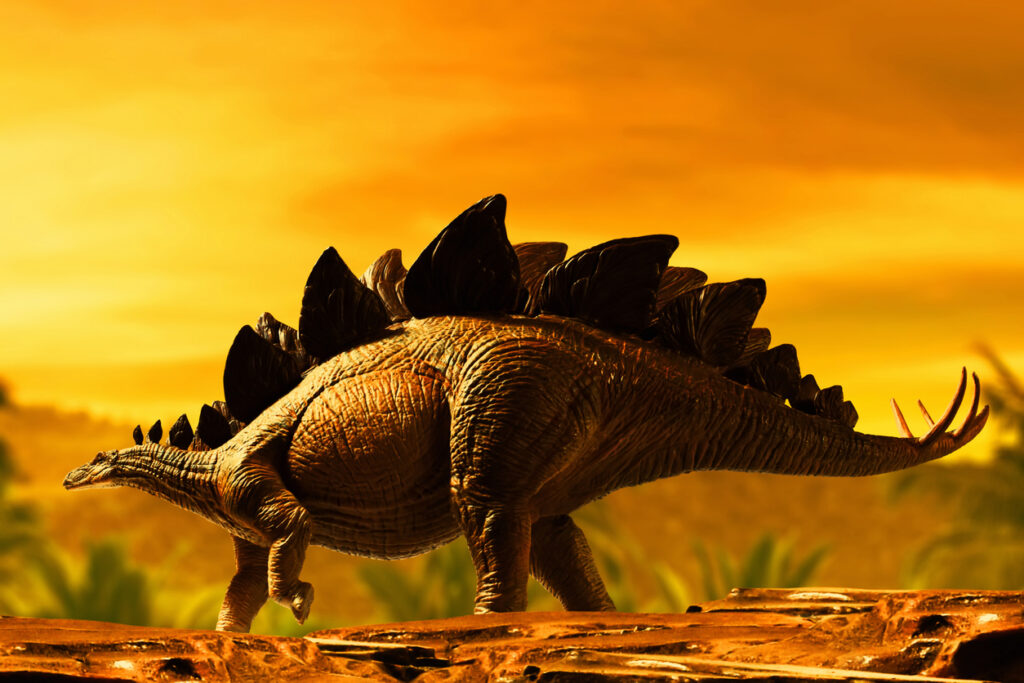
Modern parasites, ticks, mosquitoes, and biting insects have had millions of years to perfect their feeding strategies on contemporary animals. Dinosaurs would have no behavioural or physiological defences against these pests that didn’t exist in their original era.
Dinosaurs would be plagued by parasites they can’t effectively combat. They’d end up covered in ticks and bitten constantly by insects, transmitting diseases and weakening them further, with no grooming behaviours or immune responses adequate for the modern pest line up.
Their reproductive cycles would be completely out of sync.

Dinosaur breeding was likely triggered by specific environmental cues like day length, temperature patterns, and seasonal food availability. Modern seasons and climate patterns are different enough that these cues might not trigger properly, or might trigger at the wrong times.
Establishing breeding populations would be incredibly difficult. Their reproductive timing would be off, with eggs being laid when conditions aren’t suitable for incubation, or individuals simply never entering breeding condition because the environmental signals they need don’t occur in the modern world.
We’d immediately weaponise or militarise them.
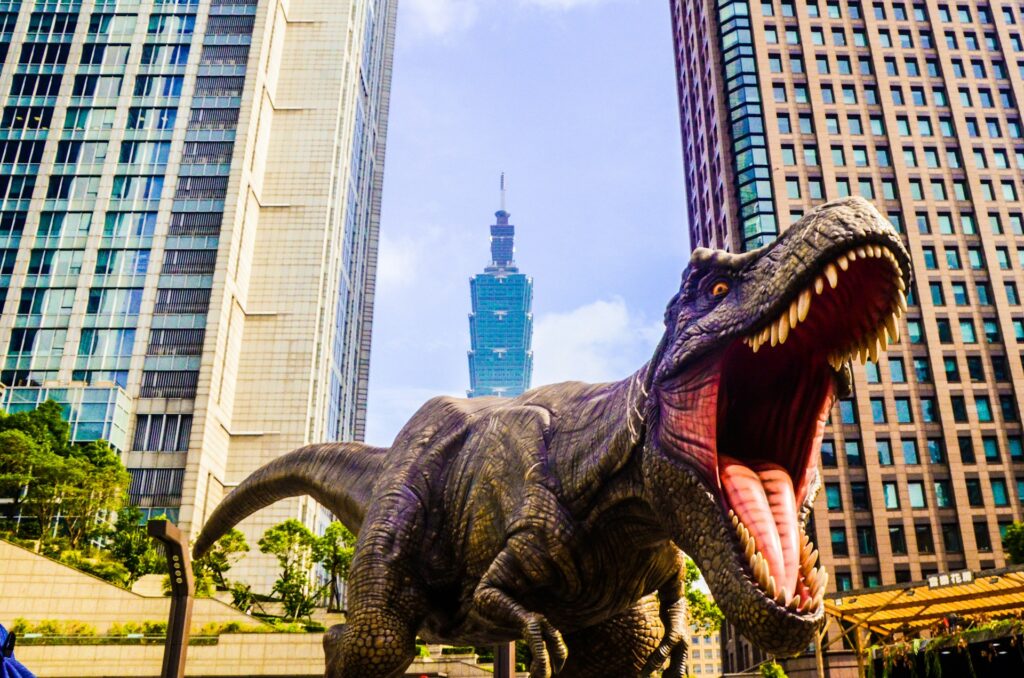
The moment dinosaurs proved viable, governments and militaries worldwide would attempt to control, study, and potentially weaponise them. The geopolitical scramble for dinosaur resources would make oil conflicts look tame by comparison.
Any dinosaur reintroduction would immediately become a security and political nightmare. You end up with international incidents over dinosaur custody, black market trade in eggs and DNA, and quite possibly armed conflicts over access to these creatures, ensuring they never exist peacefully in the modern world.