They look like raccoons, they’re called dogs, but tanuki are actually neither.
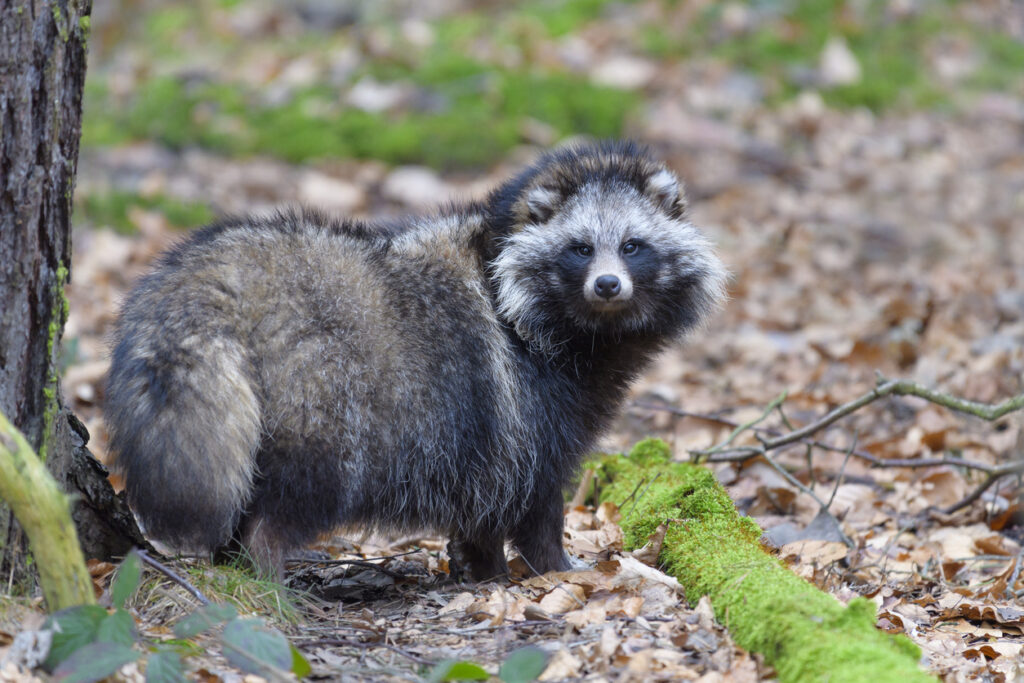
These peculiar creatures have been capturing imaginations in Japan for centuries, and they’re starting to pop up in other parts of the world too. If you’ve only seen them in Studio Ghibli films or as Mario power-ups, here’s what makes these animals so genuinely fascinating.
They’re not raccoons or dogs, despite the name.
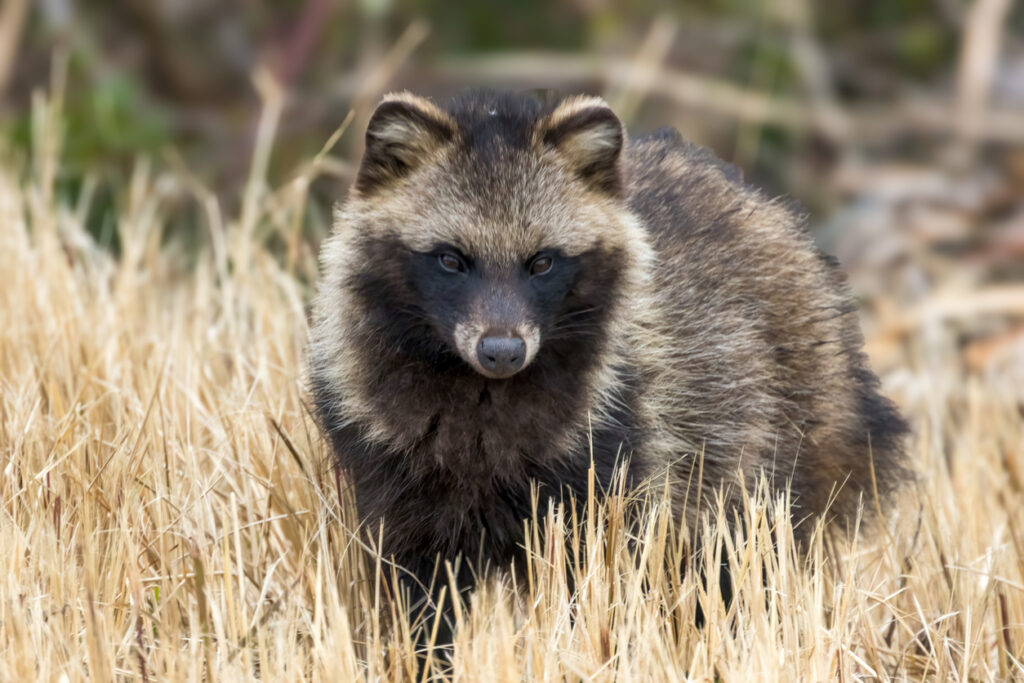
Tanuki might be called raccoon dogs, but they’re actually members of the canid family, more closely related to foxes than anything else. They just happen to look remarkably like raccoons with their masked faces and stocky bodies, which is pure evolutionary coincidence.
The name is so confusing for anyone encountering them for the first time. The tanuki is stuck with a misleading label because early European naturalists couldn’t quite work out what they were looking at and just went with the closest visual match.
They’re the only canid that hibernates.
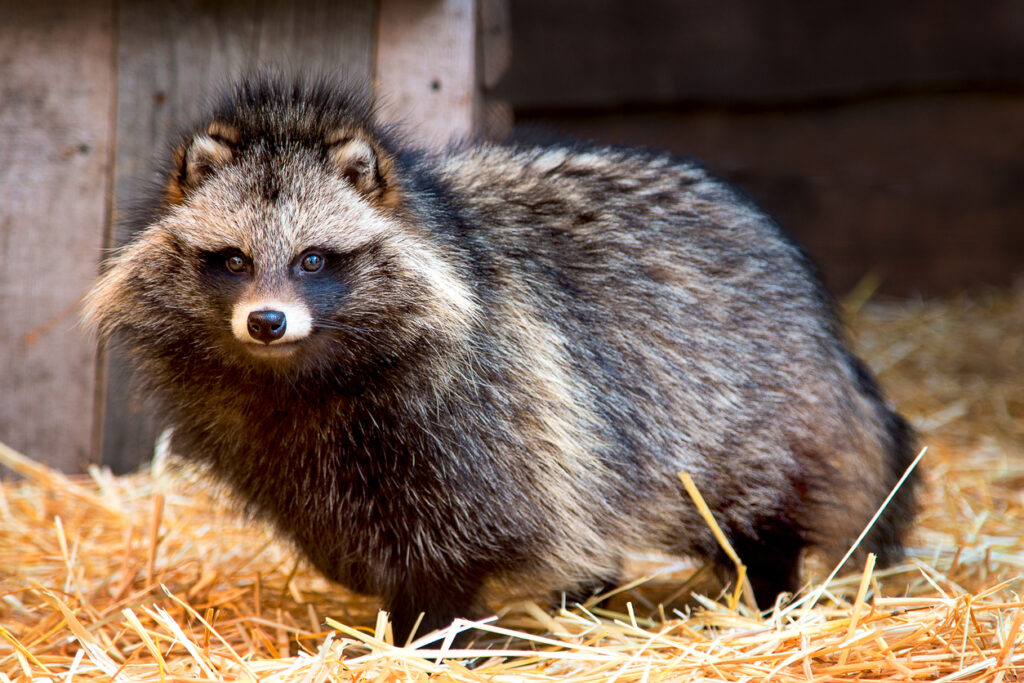
While other dogs and foxes stay active through winter, tanuki actually hibernate when the weather gets harsh. They’ll bulk up in autumn, sometimes doubling their body weight, then settle into a den and sleep through the coldest months. That’s why they look so rotund before winter arrives. They’ve developed a survival strategy completely unique among canids, more similar to bears than to any of their closer relatives.
Japanese folklore considers them shapeshifting tricksters.

In Japanese mythology, tanuki are magical creatures that can transform into humans, objects, or other animals. They’re often portrayed with comically oversized testicles, which sounds bizarre but is actually linked to folklore about flexibility and adaptability.
You’ll see tanuki statues outside Japanese restaurants and shops with rather prominent anatomical features. It’s a cultural tradition where these animals represent good fortune and transformation, though the testicle symbolism comes from an old metalworking practice where tanuki leather was used to beat gold leaf thin.
They’re one of the few monogamous canids.
Unlike most of their canid cousins, tanuki mate for life and raise their pups together as devoted partners. Both parents share duties equally, from denning to feeding and protecting the young, which is relatively rare in the animal kingdom. Tanuki families are so successful at raising offspring as a result. Both parents are fully invested in the pups’ survival, which gives them better odds than species where only one parent does the heavy lifting.
They’ve become an invasive problem in Europe.
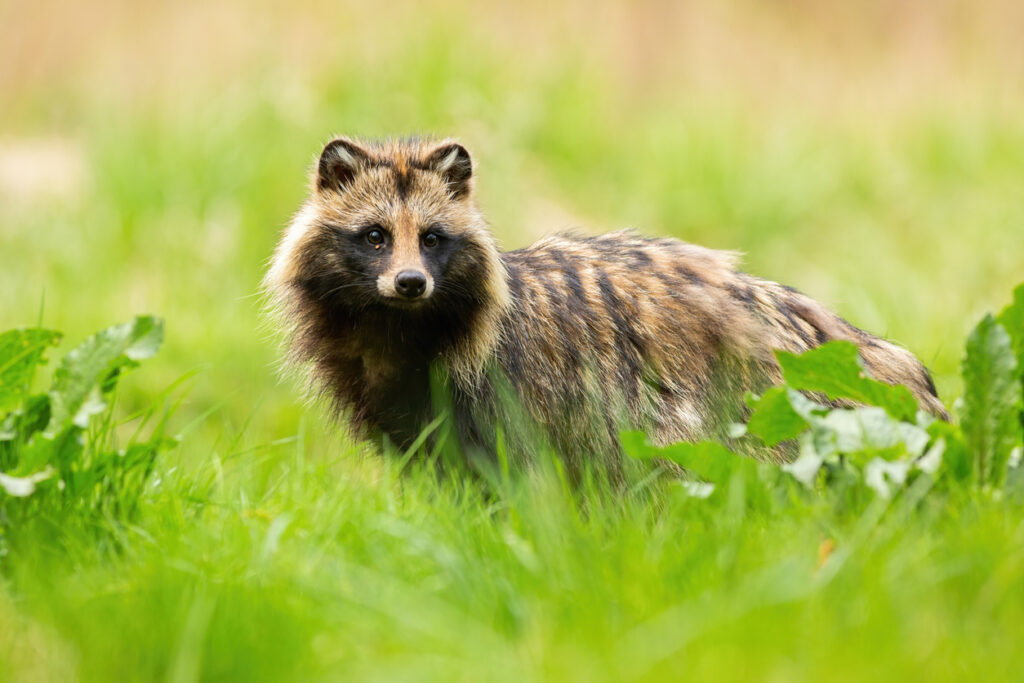
Tanuki were introduced to Russia in the 1920s and 30s for their fur, and they’ve since spread across much of Europe. They’re now considered invasive in countries like Germany, France, and Poland, where they compete with native species and raid ground-nesting birds.
European conservationists are increasingly concerned about their impact. The animal is thriving in ecosystems where it doesn’t belong, disrupting local wildlife populations and proving difficult to control because they’re so adaptable.
Their fur changes dramatically with the seasons.
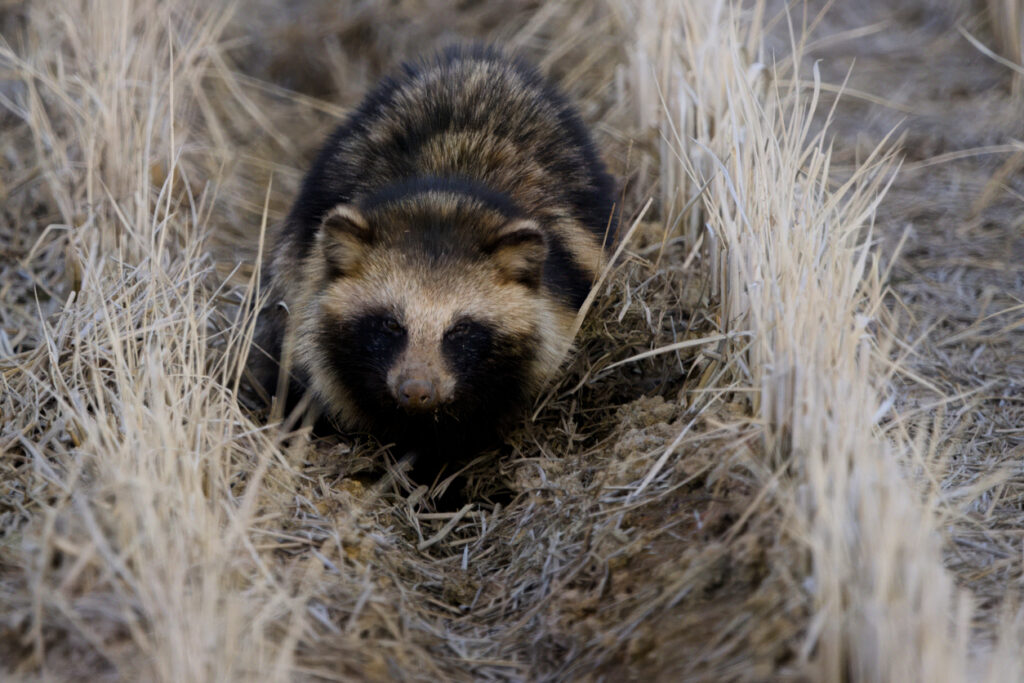
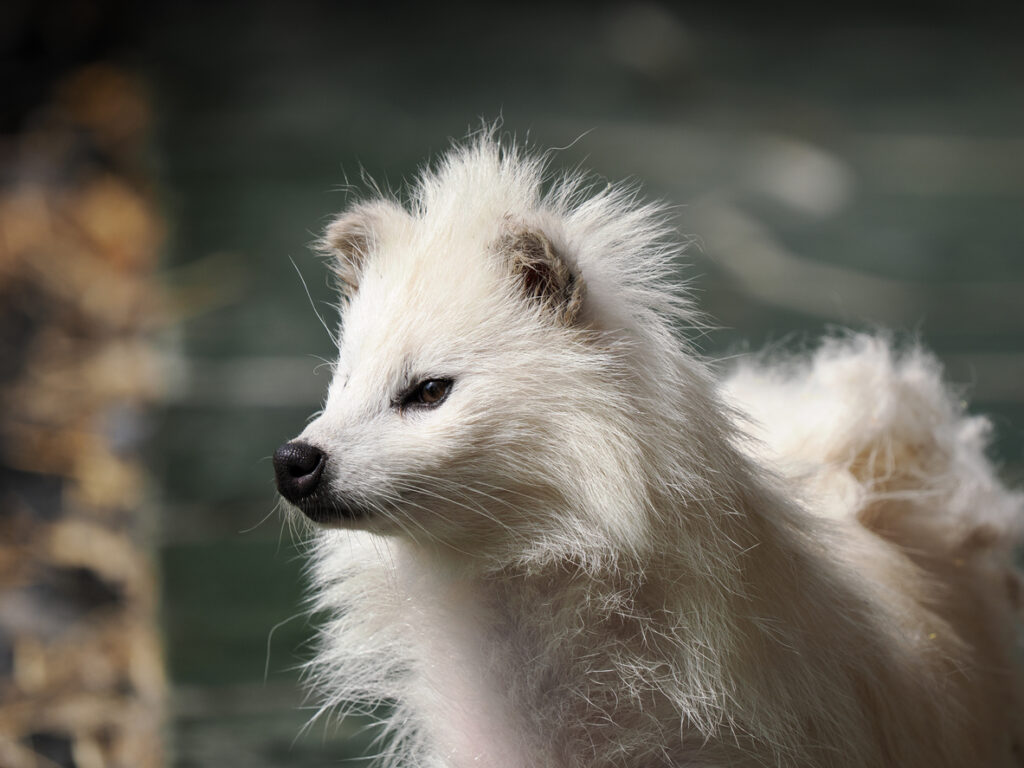
Tanuki grow thick, luxurious winter coats that are significantly longer and denser than their summer fur. The seasonal transformation is so dramatic that they can look like completely different animals depending on the time of year you see them.
As a result, they were incredibly valued in the fur trade historically. It has a winter pelt that’s incredibly warm and dense, which unfortunately made them targets for commercial harvesting. Their ability to regulate body temperature through fur changes is part of what makes them such successful hibernators.
They’re omnivores with surprisingly broad tastes.
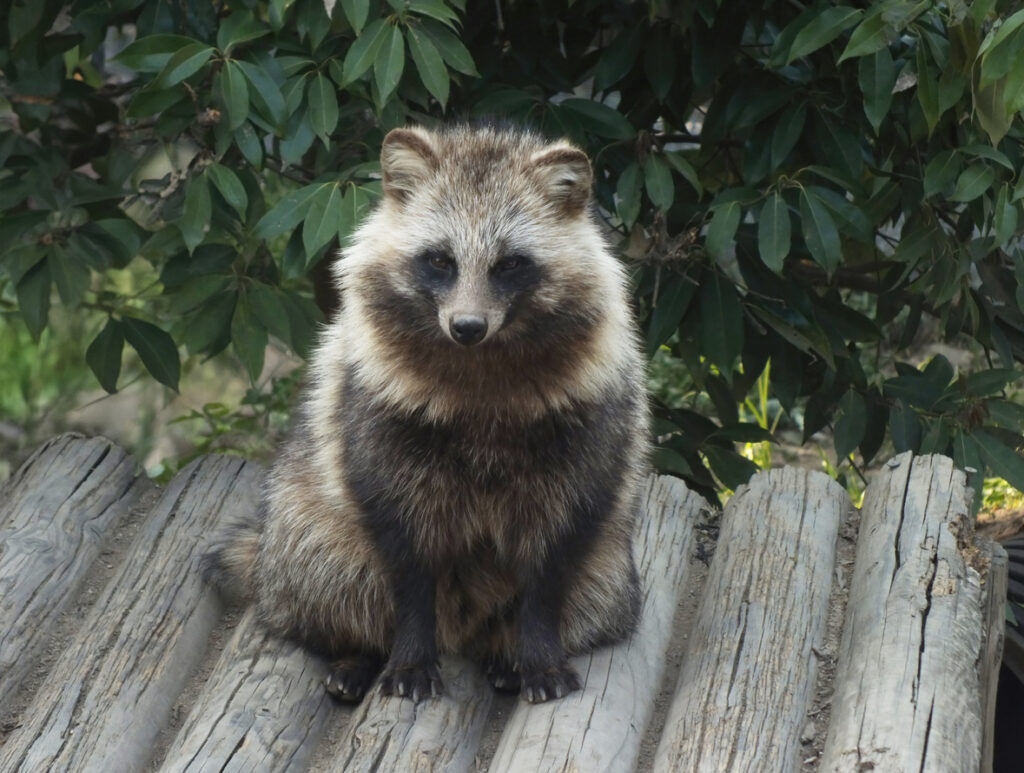
Tanuki will eat pretty much anything they can find, from insects and frogs to fruits, nuts, and carrion. They’re opportunistic feeders who adapt their diet to whatever’s seasonally available, making them incredibly resilient in varied environments.
They’ve managed to establish themselves in so many different habitats. Because of this, they rely on any specific food source, so if one thing becomes scarce, they just switch to something else without missing a beat.
They’re surprisingly vocal, with a range of strange sounds.
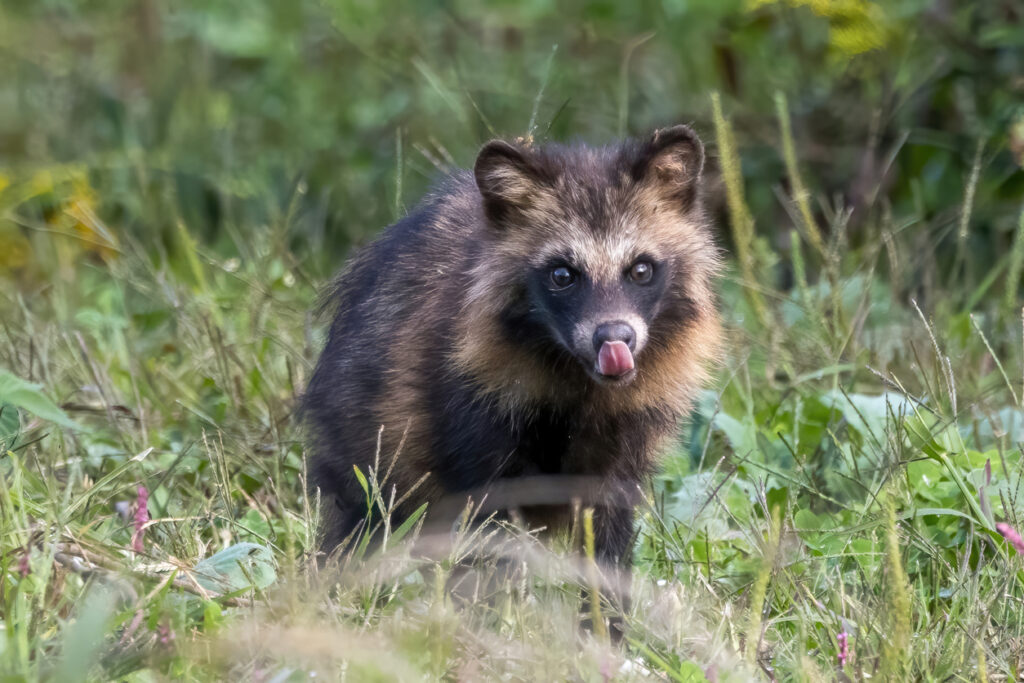
Tanuki don’t bark like domestic dogs but instead make an array of peculiar vocalisations including growls, squeals, whines, and a distinctive mewing sound. Their communication repertoire is more varied than most canids, with different sounds for different social situations.
That’s why people who encounter them are often startled by the noises they make. They make sounds that don’t quite match what you’d expect from a dog-like animal, adding to the tanuki’s general air of being somewhat otherworldly.
They’re excellent climbers despite their stocky build.
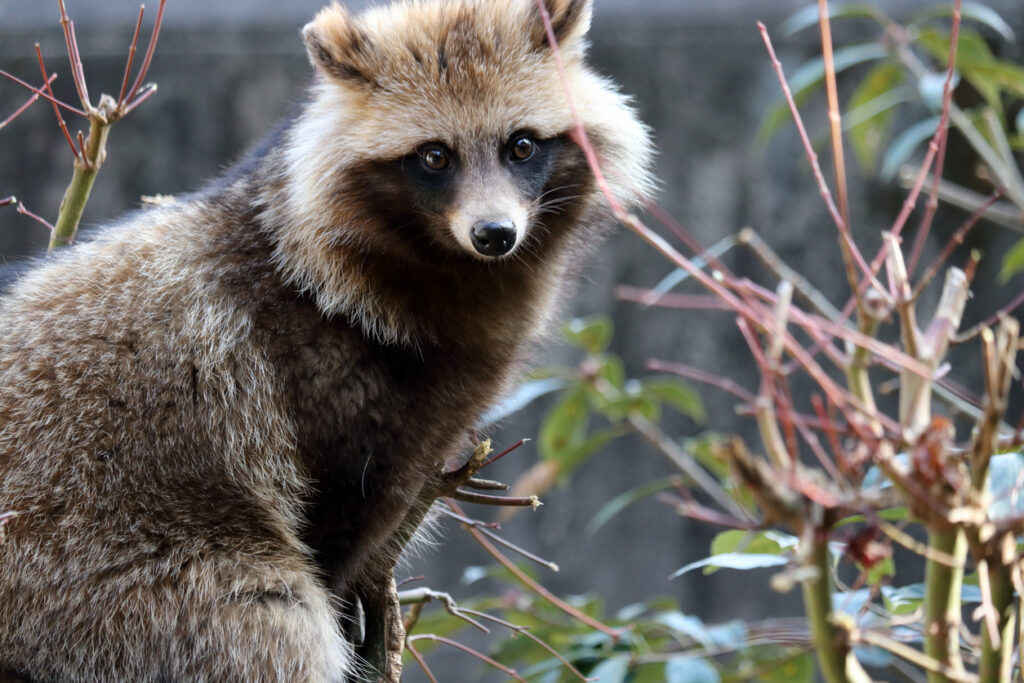
Unlike most canids who stay firmly on the ground, tanuki are surprisingly adept at climbing trees. They’ll scale trunks to escape predators, raid bird nests, or simply find a good vantage point, using their curved claws for grip.
They’re more versatile than many other canids in terms of habitat use, largely because they can exploit resources both on the ground and up in trees, giving them access to food sources that wolves, foxes, and dogs can’t easily reach.
They have remarkably short lifespans in the wild.
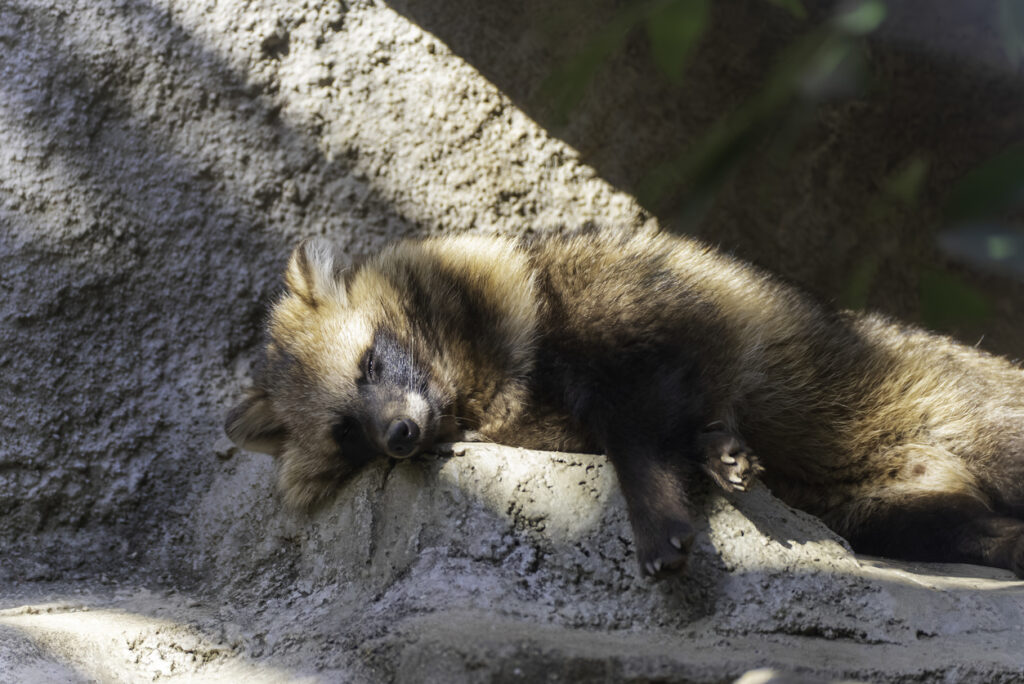
Despite being successful survivors, wild tanuki typically only live three or four years, though they can reach 10 to 12 years in captivity. High predation rates, disease, and the challenges of surviving harsh winters all contribute to their relatively short lives in nature.
Their reproductive strategy involves having fairly large litters and reaching maturity quickly. Basically, they compensate for high mortality through rapid reproduction, ensuring the population continues even though individual tanuki don’t stick around very long.