When a massive asteroid slammed into Earth around 66 million years ago, it marked the end of an era that had lasted for more than 160 million years.
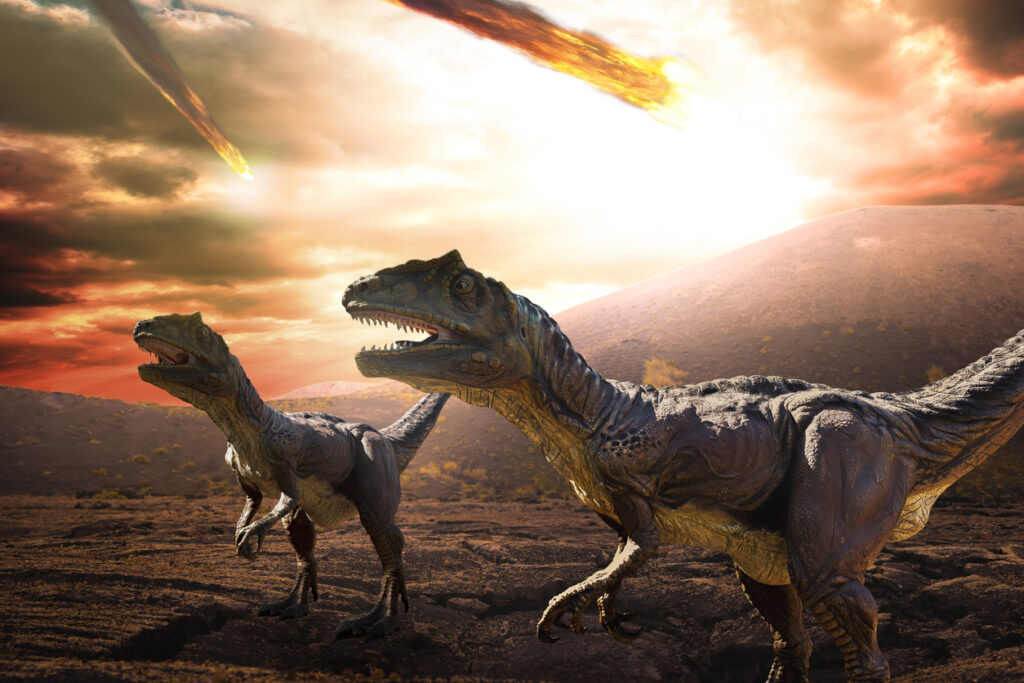
The dinosaurs had ruled the planet, but the collision that formed the Chicxulub crater changed everything. While most species vanished, some may have survived for a while, and their descendants are still with us today. Here’s what life was like for dinosaurs after the asteroid hit, and why only a few managed to hang on.
The impact changed the planet almost instantly.

When the asteroid struck what’s now the Yucatán Peninsula, it released energy billions of times greater than an atomic bomb. Fires spread across continents, shockwaves flattened forests, and massive tsunamis swept through the oceans. In a matter of hours, the entire planet was thrown into chaos.
Even species far from the impact zone weren’t safe. Debris filled the atmosphere, blocking sunlight for months or even years. The temperature dropped, plants died, and everything that depended on them began to crumble. The world that dinosaurs knew disappeared almost overnight.
Not every dinosaur died straight away.
While most species were wiped out quickly, a few might have survived for a short period. Fossil evidence suggests that some dinosaurs may have persisted in isolated areas where the destruction was slightly less severe. They may have lived for tens of thousands of years before finally dying out.
These survivors were likely the smaller, more adaptable species that could scavenge or eat anything available. But with food chains collapsing and habitats destroyed, even they couldn’t last for long. The environment simply became too hostile for large land animals to survive.
Birds were the only dinosaurs that truly survived.
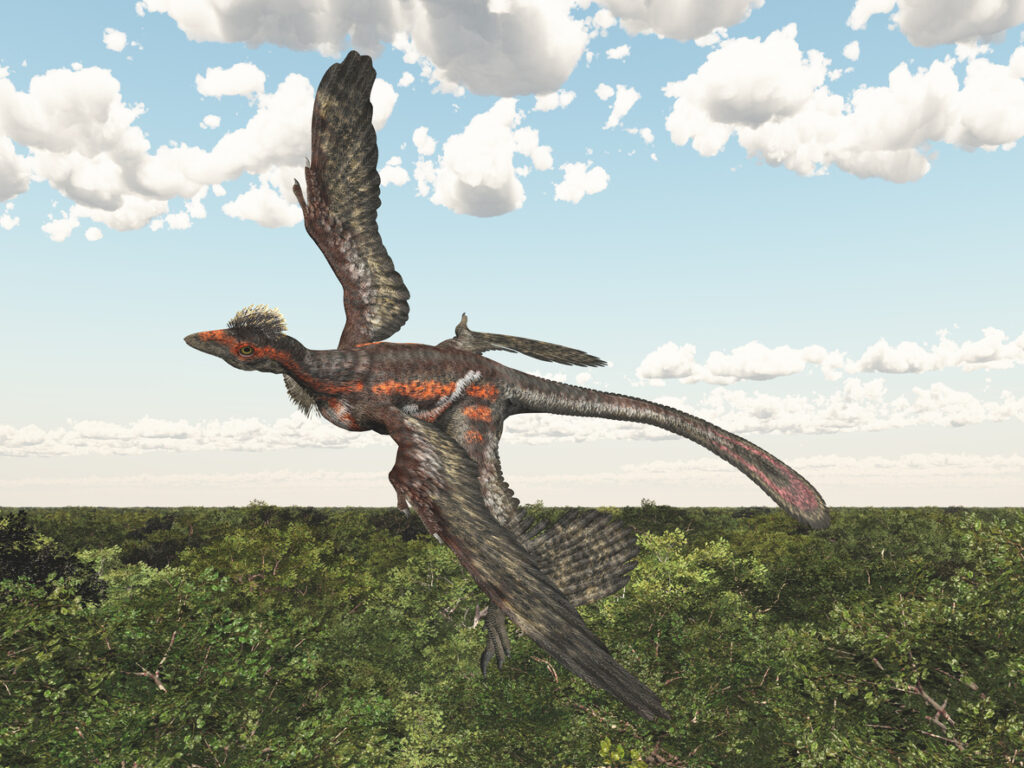
Modern birds are direct descendants of small, feathered dinosaurs that lived during the late Cretaceous. These early birds had several advantages in that they could fly to new areas, eat a variety of foods, and reproduce quickly. Those traits helped them survive when most of their relatives couldn’t.
That’s why scientists now refer to birds as “avian dinosaurs.” Every sparrow, owl, and penguin is a living link to that ancient world. They may look different, but genetically and evolutionarily, they’re still part of the dinosaur family tree.
The food chain collapsed almost overnight.
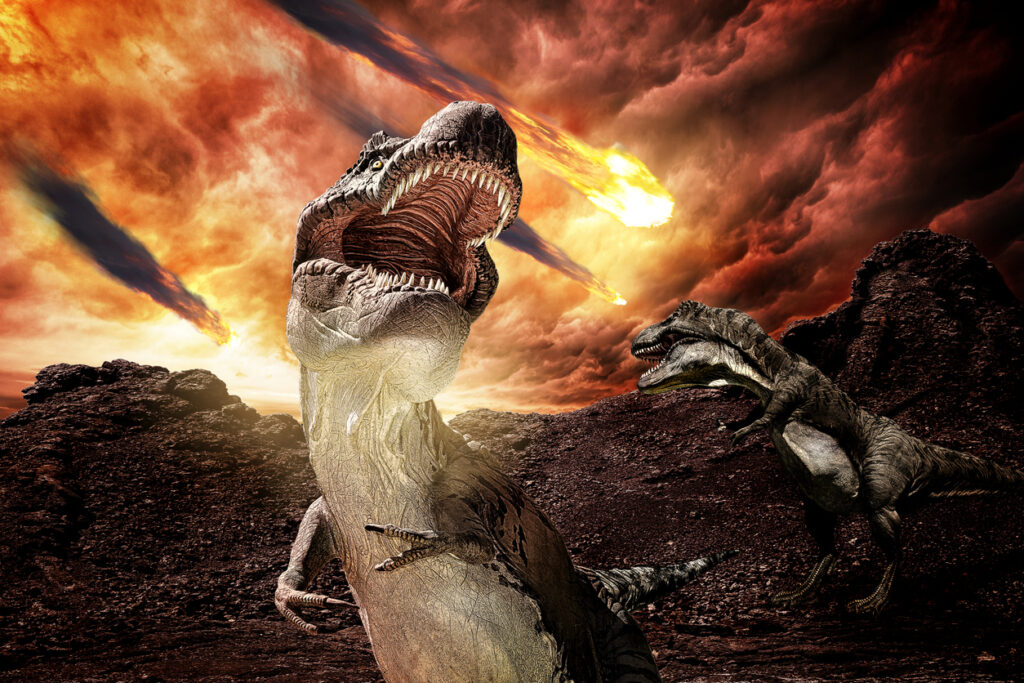
After the asteroid hit, clouds of dust and ash covered the sky, cutting off sunlight. Without light, plants stopped growing, and herbivores ran out of food. Once they started dying, carnivores had nothing left to hunt. In a matter of months, entire ecosystems were destroyed.
Even if some dinosaurs managed to survive the initial impact, starvation and freezing temperatures would have followed. The planet plunged into what’s often called a “nuclear winter,” and it lasted long enough to finish off nearly all of the remaining species.
Small, flexible animals had the best chance.
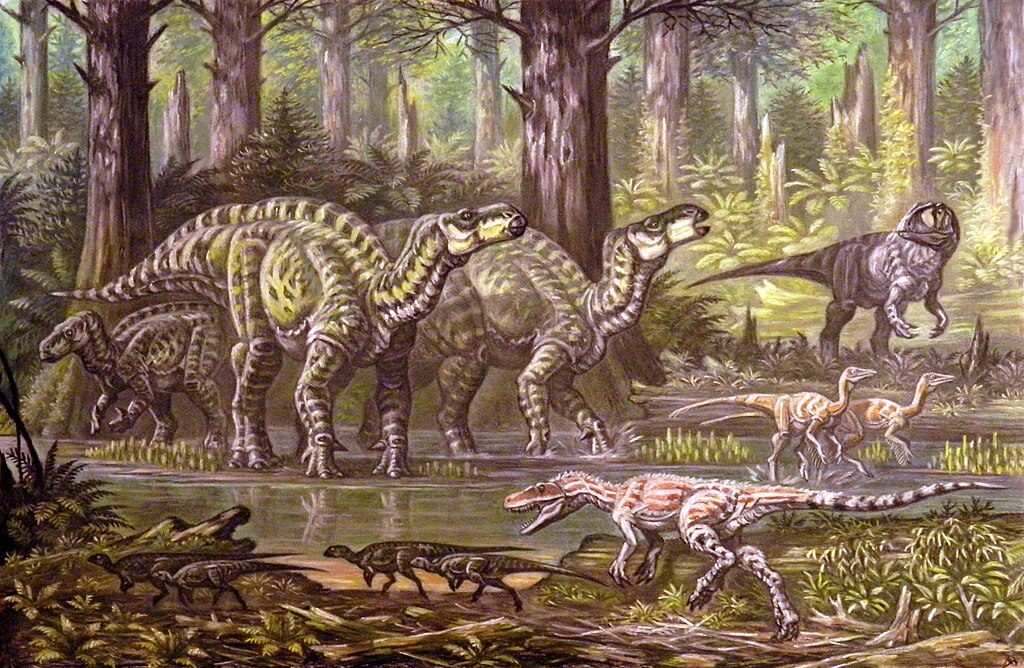
Creatures that could hide, hibernate, or eat a wide range of foods fared much better than the massive reptiles. Birds, mammals, and some reptiles managed to outlast the initial chaos by staying underground or adapting to what little food was left.
Flexibility became the difference between survival and extinction. Animals that could live off seeds, insects, or decaying matter were the ones that carried life through that dark period. Dinosaurs, by comparison, were too specialised and too large to adapt quickly enough.
A few species lived surprisingly close to the end.
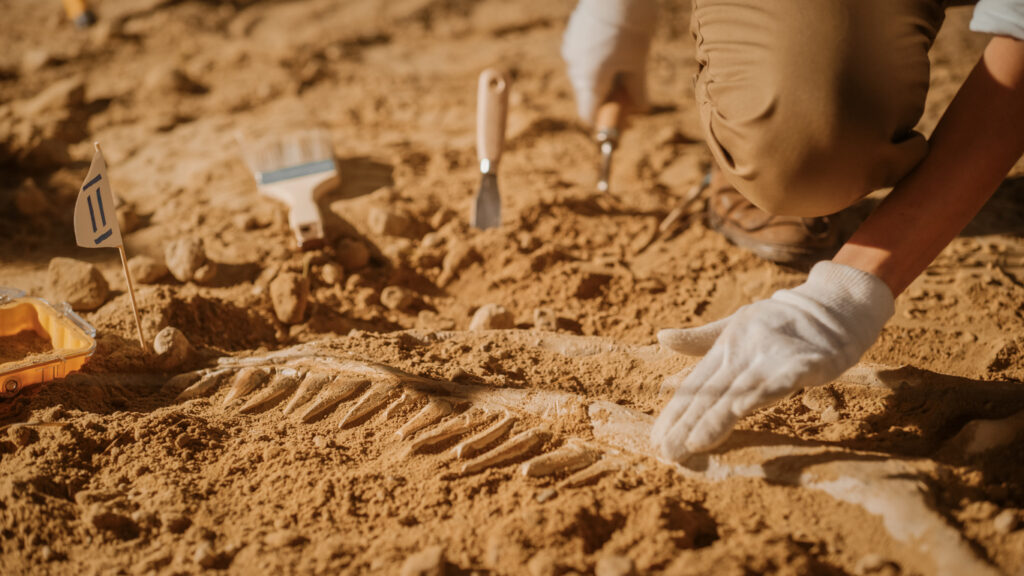
Fossils found in places like North America show that some dinosaurs were alive right up until the final moments before extinction. There’s even limited evidence suggesting that small groups may have lived briefly after the impact in isolated pockets.
These stragglers didn’t rebuild or evolve into new forms, though. They were remnants of a collapsing world, holding on for a few generations before disappearing completely. Their fossils serve as a final snapshot of an empire on the edge of extinction.
The asteroid made the Earth unrecognisable.
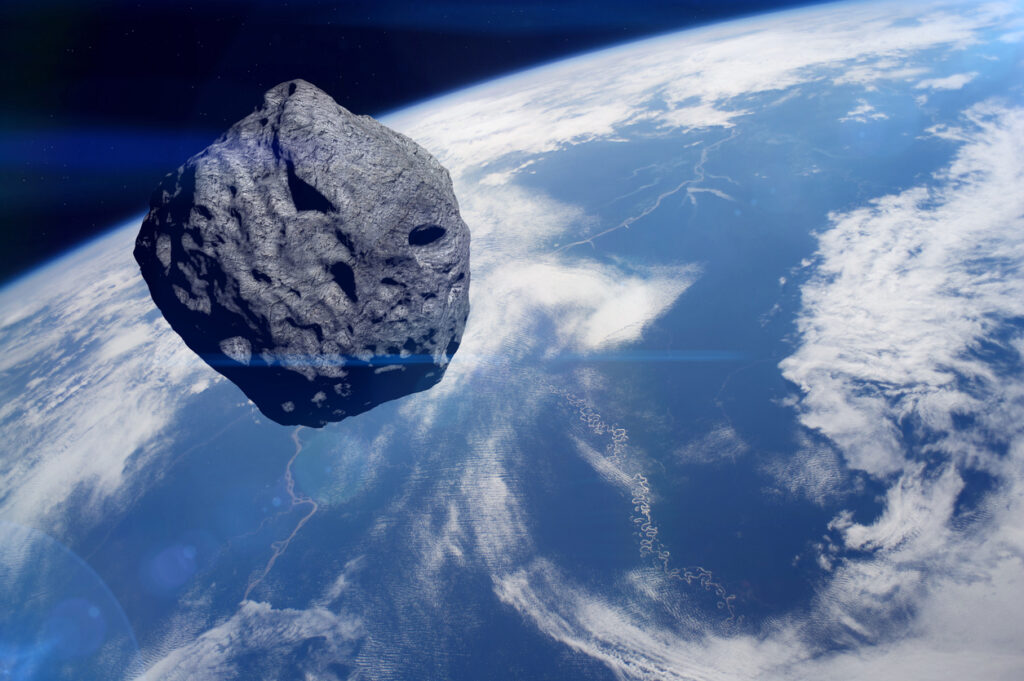
In the years after the impact, the atmosphere stayed thick with soot and chemicals. Rain became acidic, oceans changed composition, and temperatures swung wildly between freezing and boiling. The delicate balance that once supported lush forests and giant reptiles was gone.
Even millions of years later, traces of that event can still be found in the Earth’s rocks. A thin layer of iridium-rich clay, rare on Earth but common in asteroids, marks the boundary between the age of dinosaurs and the age of mammals.
Birds carried the torch forward.
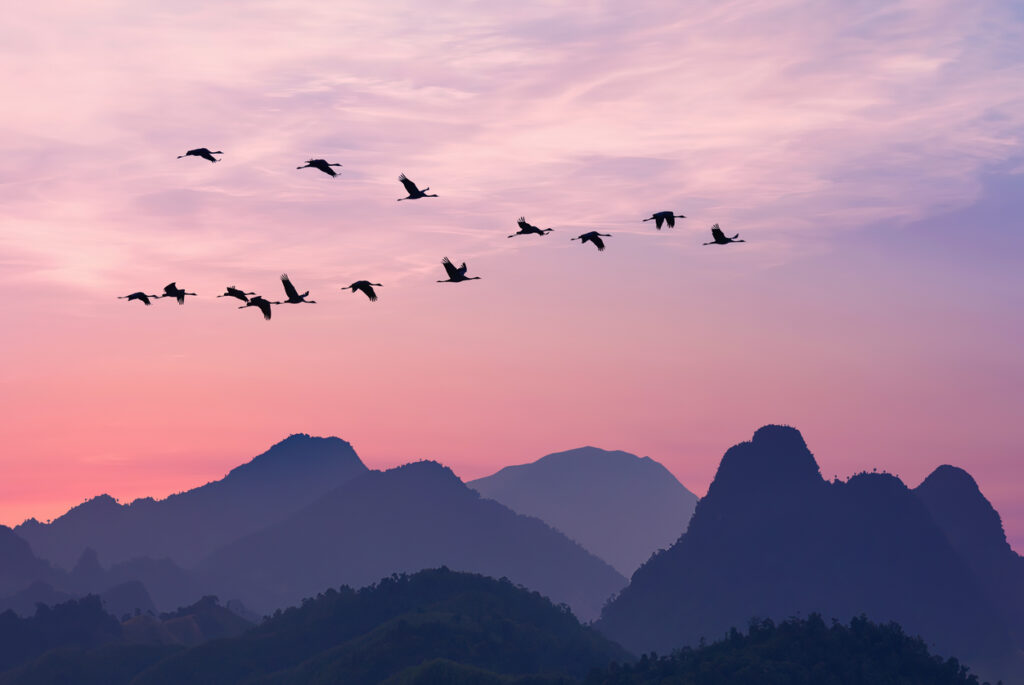
The few bird species that made it through the extinction went on to diversify into the thousands of forms we see today. They filled the ecological gaps left by their ancestors, becoming hunters, scavengers, and seed spreaders across the planet.
Every time you see a robin or seagull, you’re looking at a direct descendant of the dinosaurs that survived the end of the Cretaceous. They’re proof that even in total destruction, life finds a way to adapt and continue.
Mammals rose when dinosaurs fell.
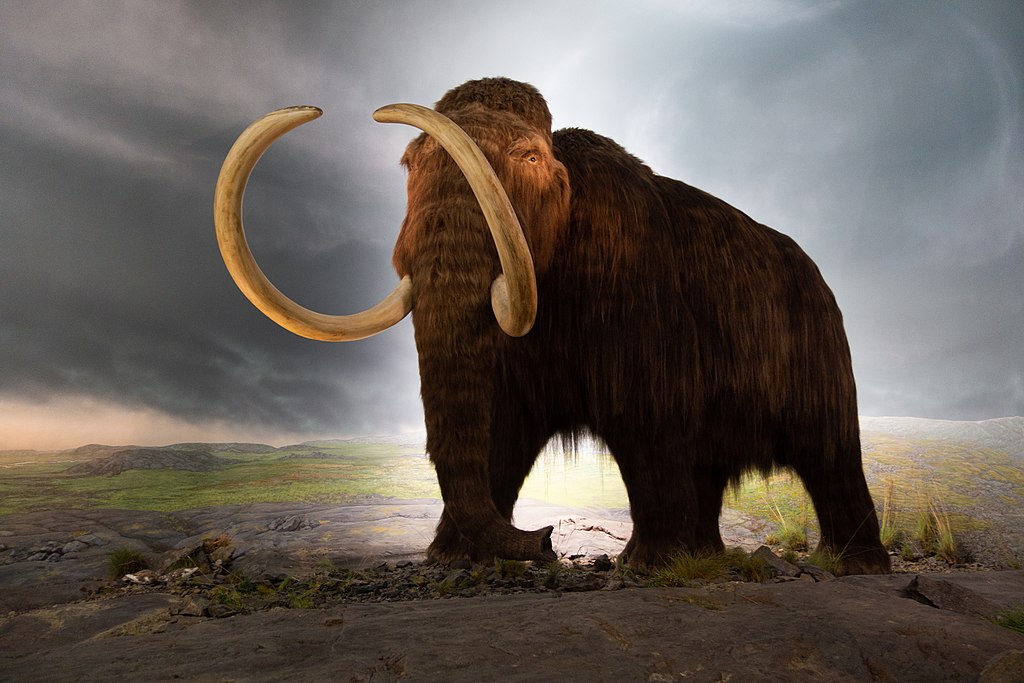
With the large reptiles gone, mammals quickly took advantage of the empty habitats. They grew in size and number, evolving into new species that would eventually dominate the planet. As time went on, they became the world’s top predators, herbivores, and eventually, humans.
If dinosaurs hadn’t disappeared, mammals might have stayed small and hidden forever. In a strange way, the asteroid that destroyed one form of life made space for another to rise.
The dinosaurs’ story never truly ended.
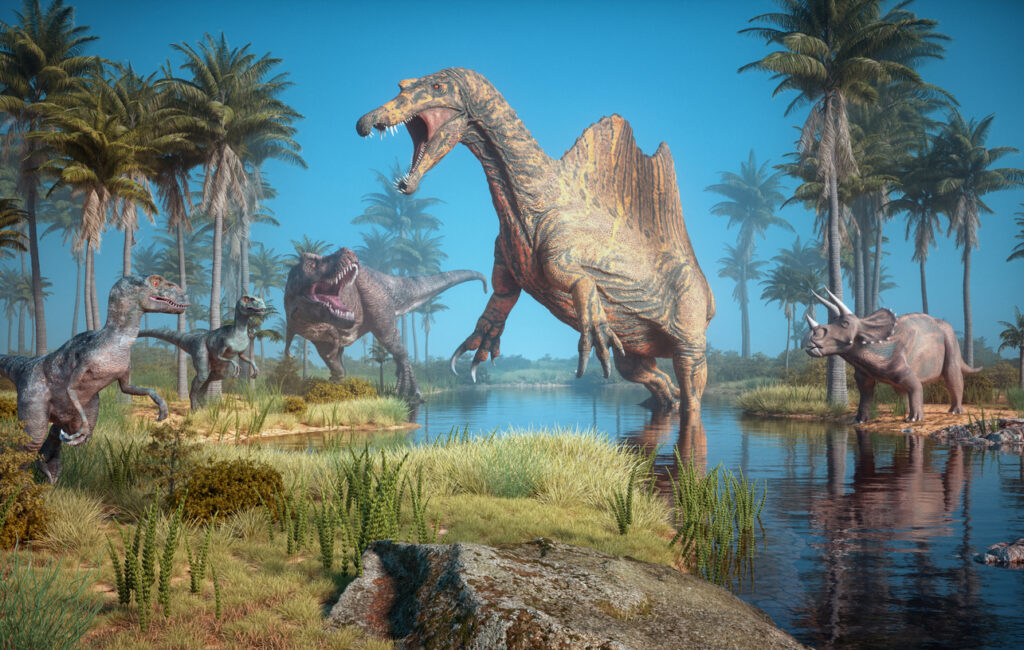
Although the non-bird dinosaurs died out, their influence never vanished. They shaped ecosystems, inspired the evolution of birds, and left behind fossils that still capture our imagination today. In many ways, their legacy still defines how we understand life on Earth.
So, while the asteroid brought the age of dinosaurs to a close, it didn’t erase them completely. Their descendants are still flying above us, and their fossils remind us that even the most dominant species can fall when the world suddenly changes.