For decades, scientists have been scanning the skies for any sign that we’re not alone.
We’ve found thousands of planets that could, in theory, support life, but so far, there’s no solid proof that aliens exist. Still, every new discovery brings us closer to understanding whether we’re truly alone in the universe. Here’s how close we’ve really come to finding alien life, and why the search isn’t over yet.
We’ve found thousands of planets that could host life.
Only a few decades ago, we didn’t even know other solar systems existed. Now, astronomers have discovered thousands of exoplanets, many in the “habitable zone,” where temperatures might allow liquid water to exist. These discoveries proved that Earth isn’t unique. There could be billions of worlds out there with the right conditions for life to start and evolve, even if we haven’t seen it yet.
We’ve started detecting hints of life in distant atmospheres.
Modern telescopes can now study the light passing through a planet’s atmosphere and identify what gases are present. Certain combinations, like methane and oxygen, could suggest biological activity. Some planets have already shown promising results, but so far none have been strong enough to confirm life. It’s progress, but it’s not proof.
Mars still offers the most realistic hope.

Of all the worlds we’ve explored, Mars remains the top contender. Evidence of dried-up riverbeds, ice under the surface, and traces of methane in the air suggest that life might once have existed there. Scientists are still trying to work out whether that methane comes from geological activity or living organisms. Future missions are expected to bring back samples that could finally answer the question.
Some of our solar system’s moons might already have life.
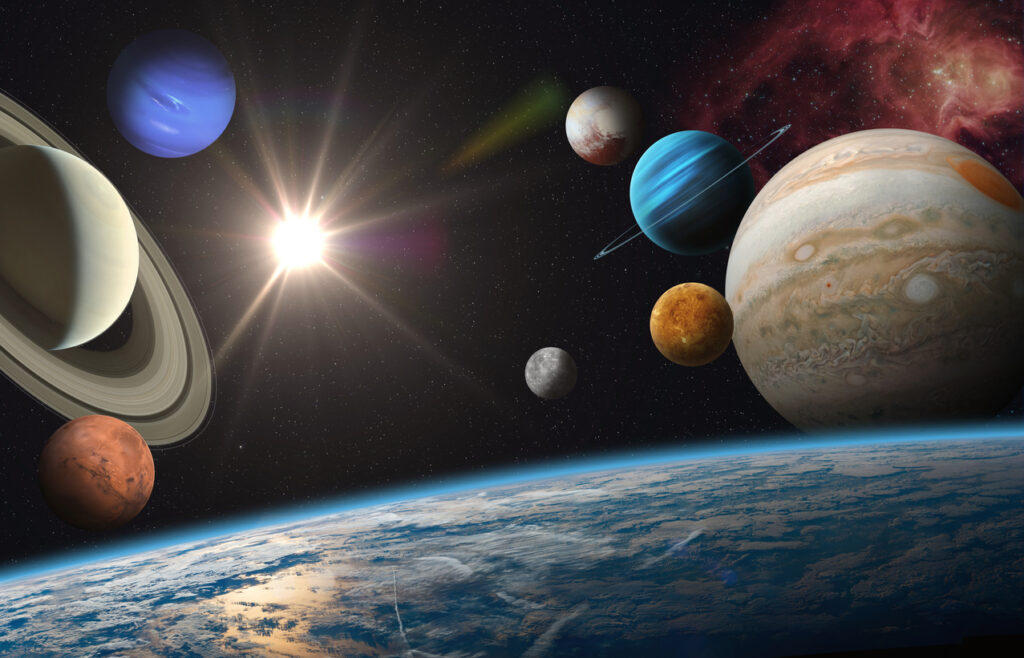
Europa, one of Jupiter’s moons, and Enceladus, which orbits Saturn, both have vast oceans hidden beneath thick layers of ice. These oceans are in contact with the moons’ rocky cores, creating the right conditions for life. Spacecraft have detected water plumes spraying into space from both moons, and upcoming missions will test those plumes for organic material. If microbes exist anywhere nearby, that’s where we’ll find them.
We’ve been listening for alien signals for over 60 years.
The SETI project began in the 1960s, scanning the universe for strange radio signals that might come from advanced civilisations. While the equipment has improved dramatically, no verified message has ever been received. There have been a few mysterious blips, including the famous “Wow!” signal in 1977, but nothing has ever repeated or been confirmed as intelligent in origin.
Scientists are now looking for alien technology too.
Instead of just listening for messages, researchers are searching for signs of alien technology, known as “technosignatures.” This could include unusual heat patterns, artificial lights, or atmospheric pollution caused by machines. It’s a new way of thinking about the problem, but it also makes the search more complicated since natural phenomena can often look artificial from a distance.
Strange cosmic events often spark debate.
Every so often, scientists spot something so odd it gets labelled a potential sign of life. Things like flickering stars or bursts of radio energy often cause excitement until they’re explained as natural events. Even though every one of these “alien” discoveries has turned out to have a natural cause, each one teaches us more about what to look for next time.
Earth reminds us how rare life might be.
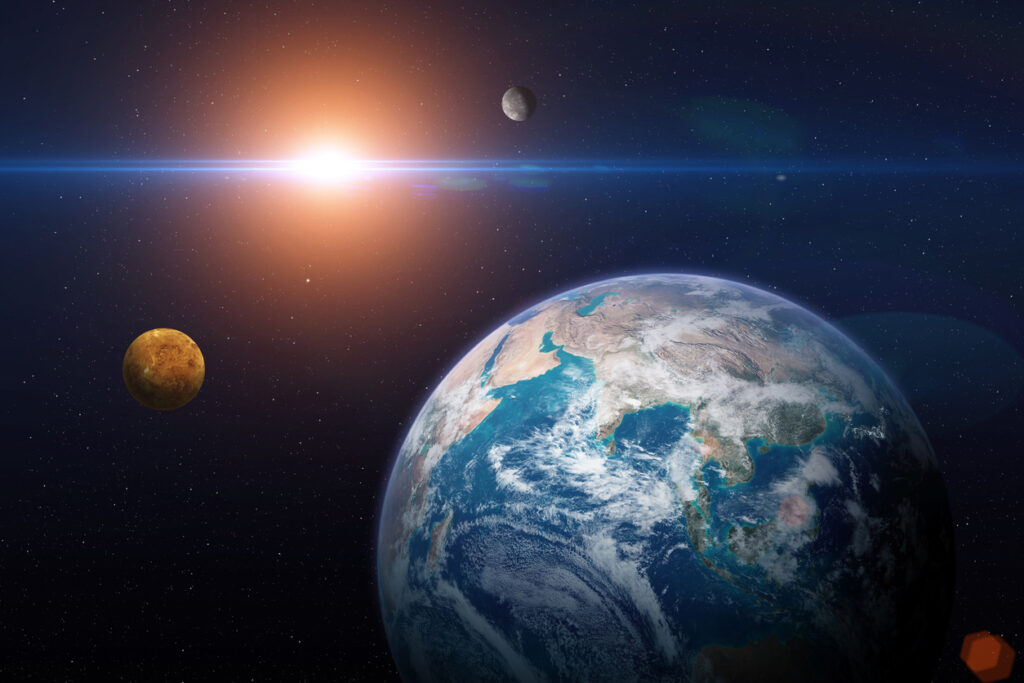
Earth is the only planet we know of with confirmed life, and even here, it’s incredibly fragile. Our planet has the perfect mix of atmosphere, water, and stability, and that balance might be rarer than we think. It makes sense to assume that if life is possible elsewhere, it’s probably simple, microbial life rather than anything complex or intelligent.
Distance makes the search even harder.
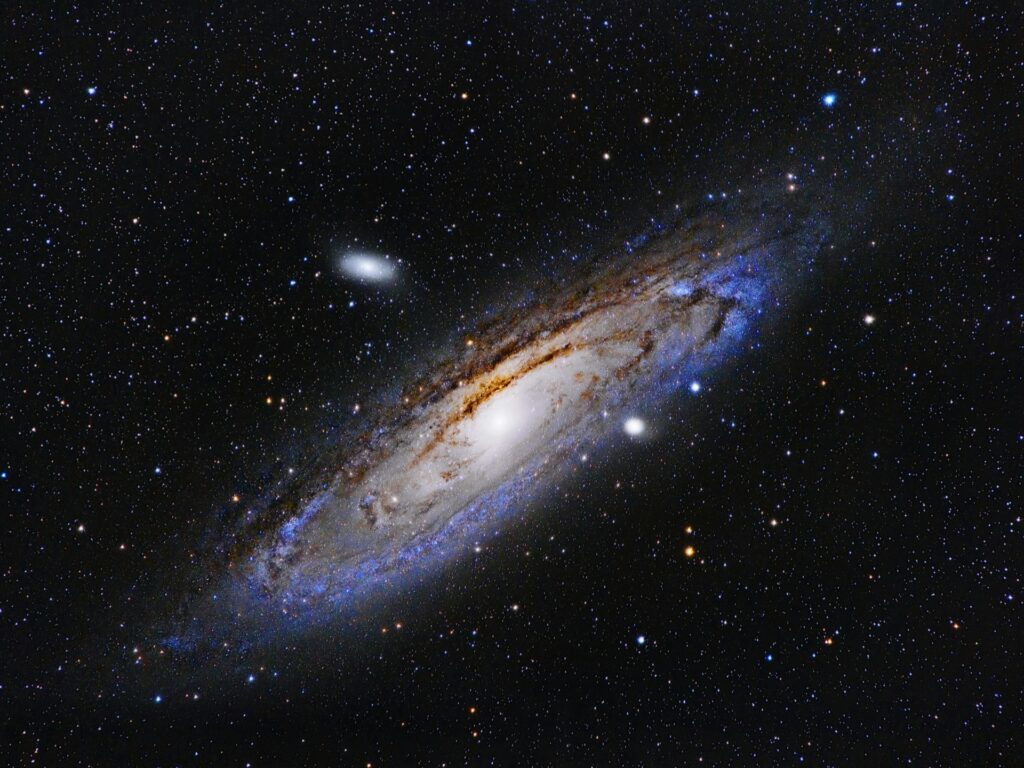
Even our nearest star system, Proxima Centauri, is over four light-years away, which equals roughly 25 trillion miles. At that distance, even sending a signal takes years, and travelling there is far beyond our current abilities. That’s why most searches rely on telescopes rather than spacecraft. We can’t visit these worlds yet, but we can study their light and atmosphere from afar.
Alien life might be unrecognisable.
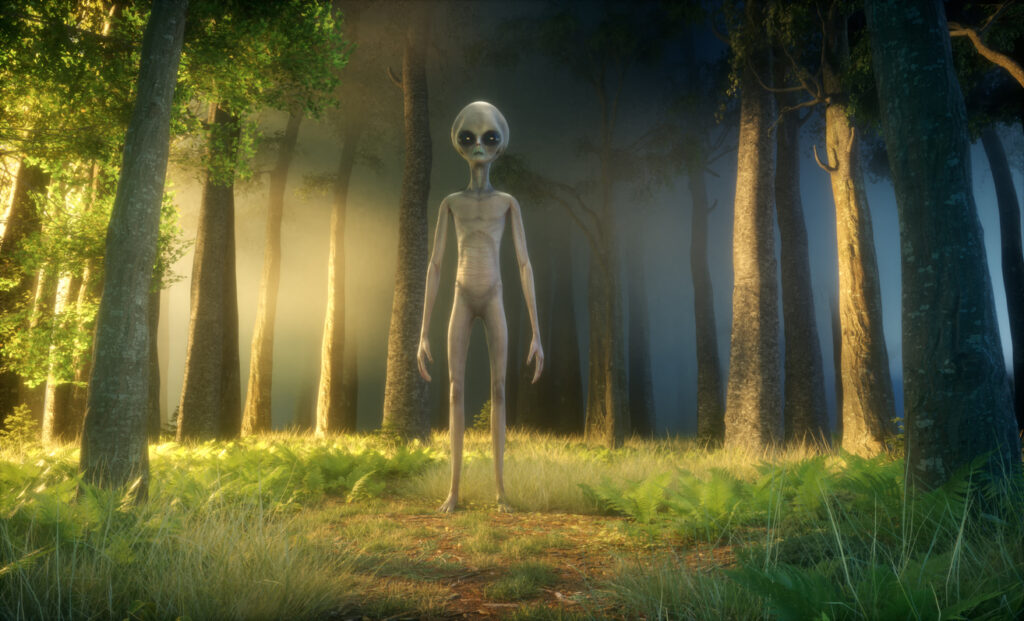
We often picture aliens as something vaguely human or animal-like, but life elsewhere could be completely different. It might not rely on water, carbon, or oxygen at all. If that’s true, we could be missing evidence that’s right in front of us simply because it doesn’t match what we expect life to look like.
Extreme life on Earth gives us new ideas.
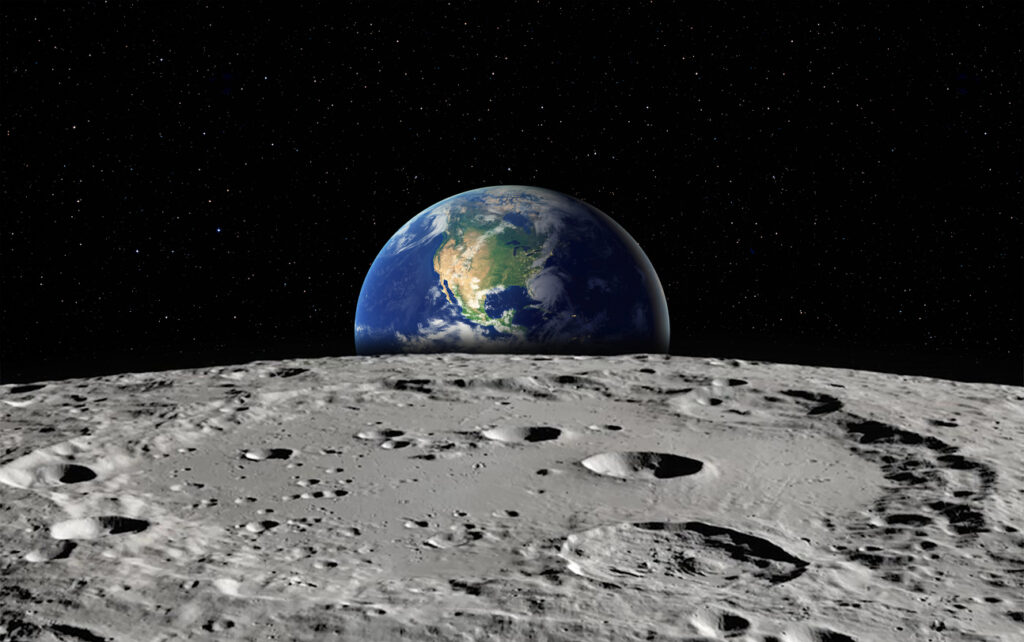
Scientists have found microbes living in boiling volcanic vents, deep under ice, and in toxic lakes on Earth. These discoveries prove that life can survive in environments once thought impossible. That’s why places like Mars and Europa are so fascinating; if life can handle Earth’s extremes, it might also exist in equally harsh places elsewhere.
We’ve built spacecraft designed specifically to search for life.
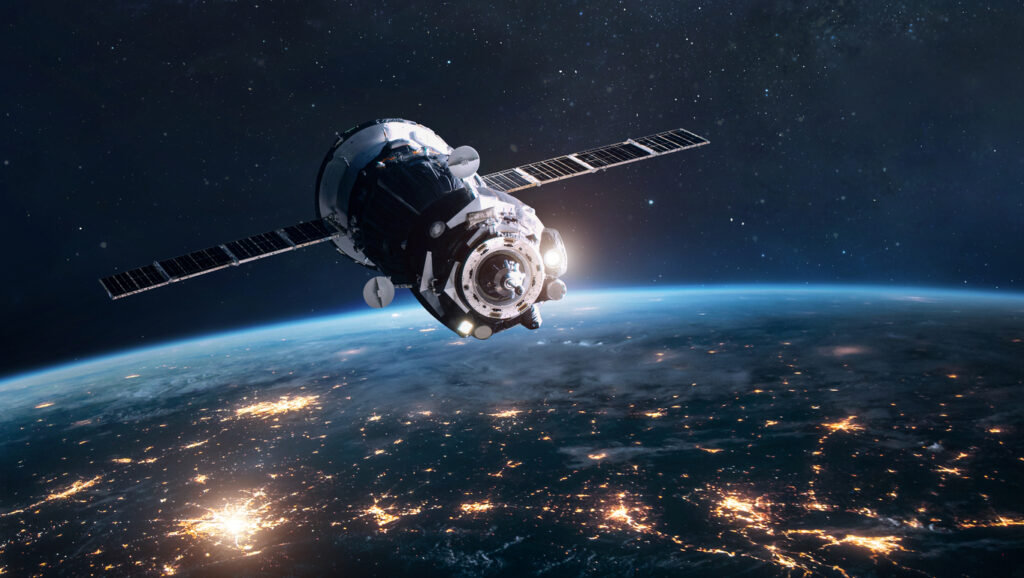
NASA’s Perseverance rover is already searching for signs of ancient microbes on Mars, and the upcoming Europa Clipper mission will look for organic material on Jupiter’s moon. Each new mission gathers vital data about where to look next. Even if they don’t find life directly, they’ll help scientists understand what conditions make a planet or moon capable of supporting it.
It’s possible we’re just early in the universe’s story.
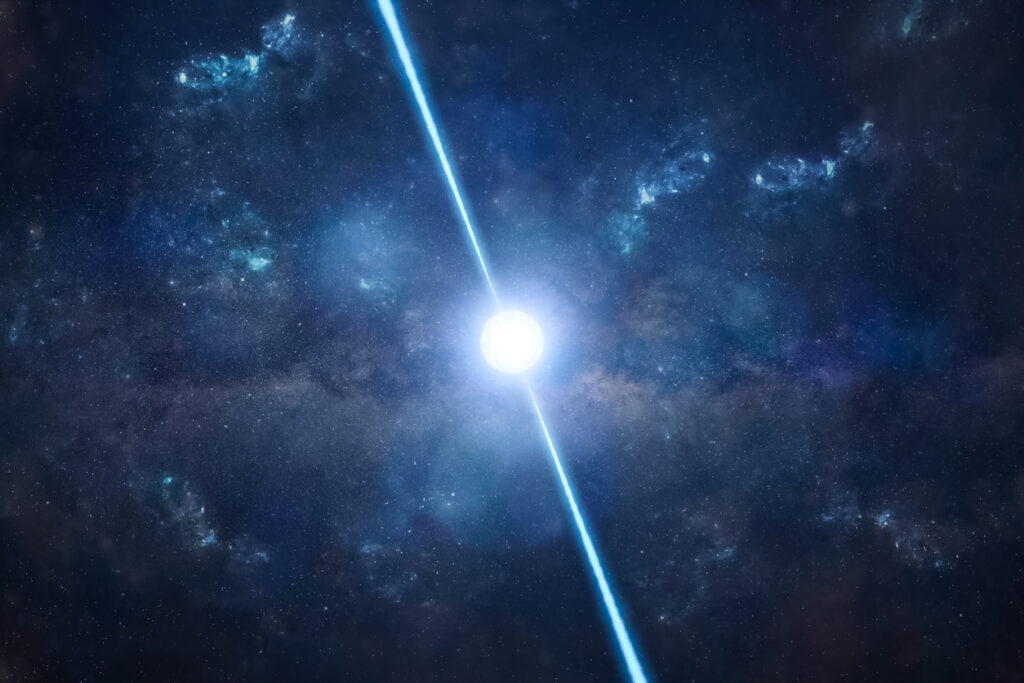
Some scientists believe intelligent life may still be rare because the universe isn’t old enough for many civilisations to develop yet. In other words, we might be among the first to reach this stage. If that’s true, there could be others out there, but they’re either too far away or haven’t evolved the technology to contact us yet.
We’re closer than ever, but we still don’t have proof.
We’ve identified countless worlds, found chemical hints of life, and even explored places in our own solar system that could host living organisms. Yet, after all that effort, no one has found clear evidence of life beyond Earth. That might sound discouraging, but it’s also what makes the search so exciting. With every new discovery, we’re one step closer to answering one of humanity’s biggest questions: are we truly alone, or is someone else out there waiting to be found?