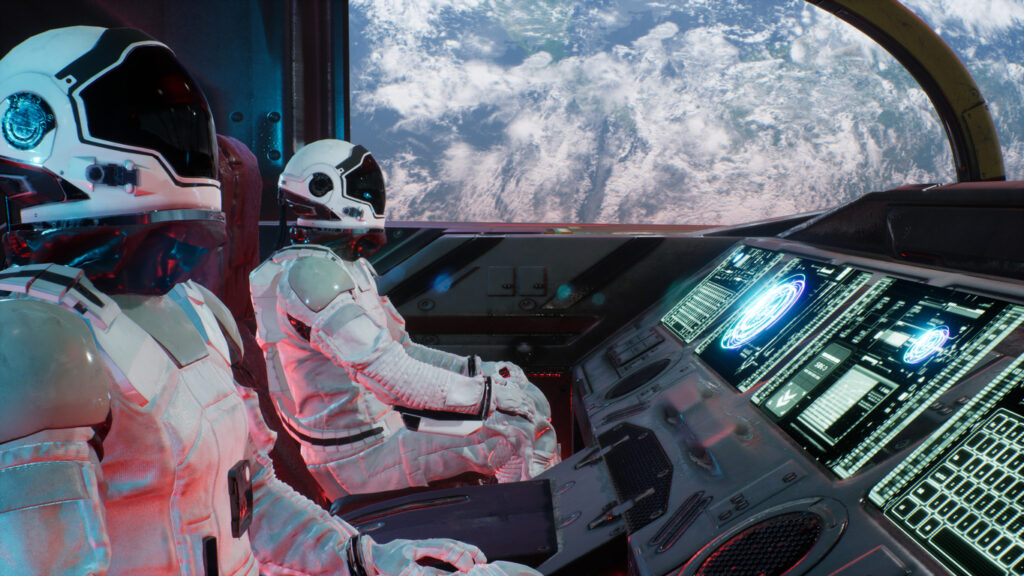
Space travel sounds exciting until you realise how harsh it is on the human body. Without gravity, normal biological systems start to behave in strange ways, and some of the damage can’t be fully undone once astronauts return home. Here are 13 lasting effects space can have on the human body that scientists still struggle to reverse.
1. Bones start breaking down faster than they can rebuild.
In microgravity, bones don’t bear weight the way they do on Earth. This lack of pressure causes calcium to leach from them, leading to rapid bone density loss. Astronauts can lose up to 1% of bone mass every month in space. Although some recovery happens back on Earth, it’s never complete. Long missions leave many astronauts with permanently weaker bones and a higher risk of fractures later in life.
2. Muscles shrink from lack of resistance.
Without gravity, simple movements like walking or standing don’t require effort. Over time, muscles, especially in the legs and lower back, begin to weaken and waste away. Exercise routines in space help slow this process but can’t stop it entirely. Many astronauts return home struggling with stiffness, fatigue, and reduced strength for months.
3. Vision problems can become permanent.
One of the most worrying discoveries from space travel is a condition called Spaceflight-Associated Neuro-ocular Syndrome (SANS). It happens when fluid builds up in the head, pressing on the eyes and flattening the eyeballs. Even after returning to Earth, some astronauts report lasting changes to their eyesight. Scientists still don’t know how to fully prevent or reverse it.
4. The heart becomes less efficient.
In space, the heart doesn’t need to work as hard to pump blood because there’s no gravity pulling fluids downward. As time goes on, it weakens and loses muscle mass. Once back on Earth, the heart has to readjust to normal circulation, and some people struggle with dizziness or fainting as their cardiovascular system relearns how to function properly.
5. The immune system becomes unreliable.
Spaceflight weakens the immune system, making astronauts more vulnerable to infections. Latent viruses that the body usually keeps under control can reactivate during missions. Even after returning, the immune response can remain off balance for months, increasing the risk of illness or delayed healing from minor injuries.
6. The body’s fluid balance changes permanently.
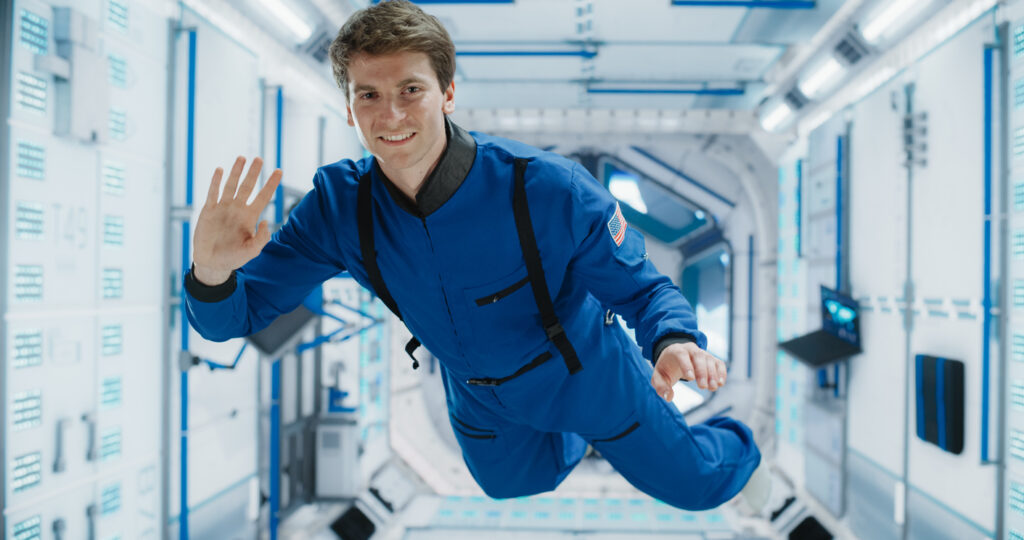
Without gravity pulling fluids downward, they drift toward the upper body and head. That’s why astronauts often look puffy-faced in photos taken on the International Space Station. That change can affect organs, blood pressure, and even how the brain processes movement. Some effects linger even after returning to Earth.
7. The inner ear forgets how to balance.
Our balance system relies on tiny sensors in the inner ear that detect gravity. In space, those sensors become confused because there’s no “up” or “down.” When astronauts return, they often feel dizzy and disoriented for days or weeks. Some experience long-term balance issues or motion sickness that never fully disappears.
8. DNA can change under radiation exposure.
Earth’s atmosphere protects us from most cosmic radiation, but in space, astronauts are constantly exposed to it. Over time, this radiation can damage DNA, increasing cancer risk and speeding up ageing processes. Protective shielding helps, but no material can block all radiation completely. Some genetic changes that occur during missions appear to stay in the body for life.
9. The brain rewires itself in strange ways.
Studies show that prolonged time in space can physically alter the brain’s structure. The areas responsible for movement and coordination often change shape due to fluid shifts and sensory deprivation. Although most brain functions return to normal, some astronauts report long-lasting concentration issues, memory lapses, and slower reaction times.
10. Sleep patterns become disrupted.
On the International Space Station, astronauts experience 16 sunrises and sunsets every Earth day. This confuses the body’s internal clock and leads to irregular sleep cycles. Even after returning home, some struggle to regain normal sleep routines. The brain can take weeks to trust a stable day-night rhythm again.
11. Wounds heal more slowly.
In space, the body’s ability to repair itself is reduced. Cuts and bruises take longer to heal, and inflammation behaves differently, sometimes worsening rather than helping recovery. Scientists think the immune and circulatory changes in space are partly to blame. Some astronauts still report slower healing long after returning to Earth.
12. The spine stretches, then causes pain later.
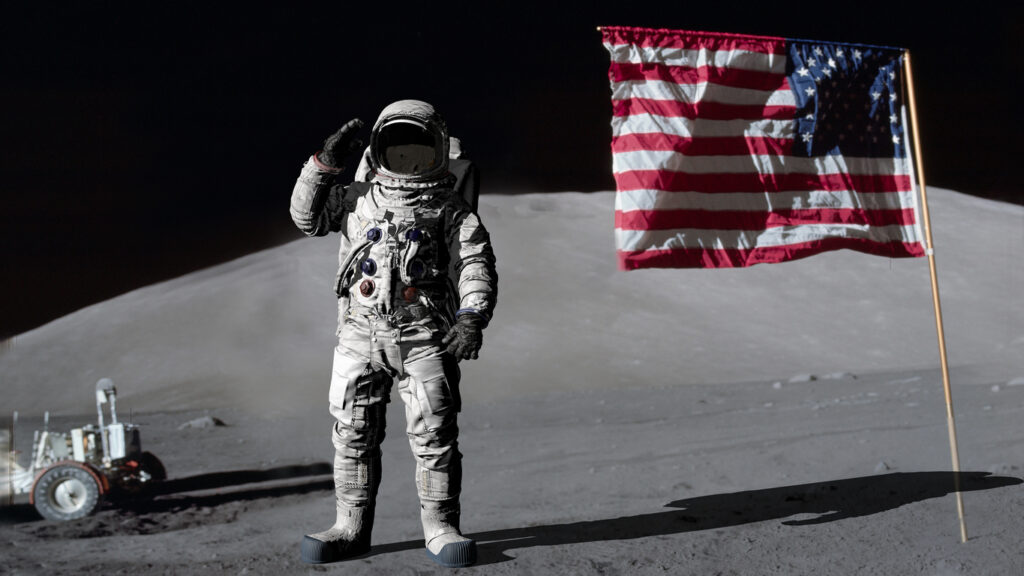
With no gravity compressing the spine, astronauts can grow up to two inches taller while in orbit. It sounds fun, but it’s actually painful when they return. The spine compresses back to normal under Earth’s gravity, often leaving lingering back pain and joint stiffness. Some say it never feels quite the same again.
13. Mental strain leaves lasting effects.
Isolation, confined spaces, and constant stress all take a toll on mental health. Astronauts often describe emotional flatness, irritability, or anxiety even after they’re home. Space travel pushes both the body and the mind to limits we still don’t fully understand. Every mission brings us closer to learning how to protect humans in space, but some changes might simply be the cost of leaving Earth behind.