When it comes to dogs, size really does make a difference.
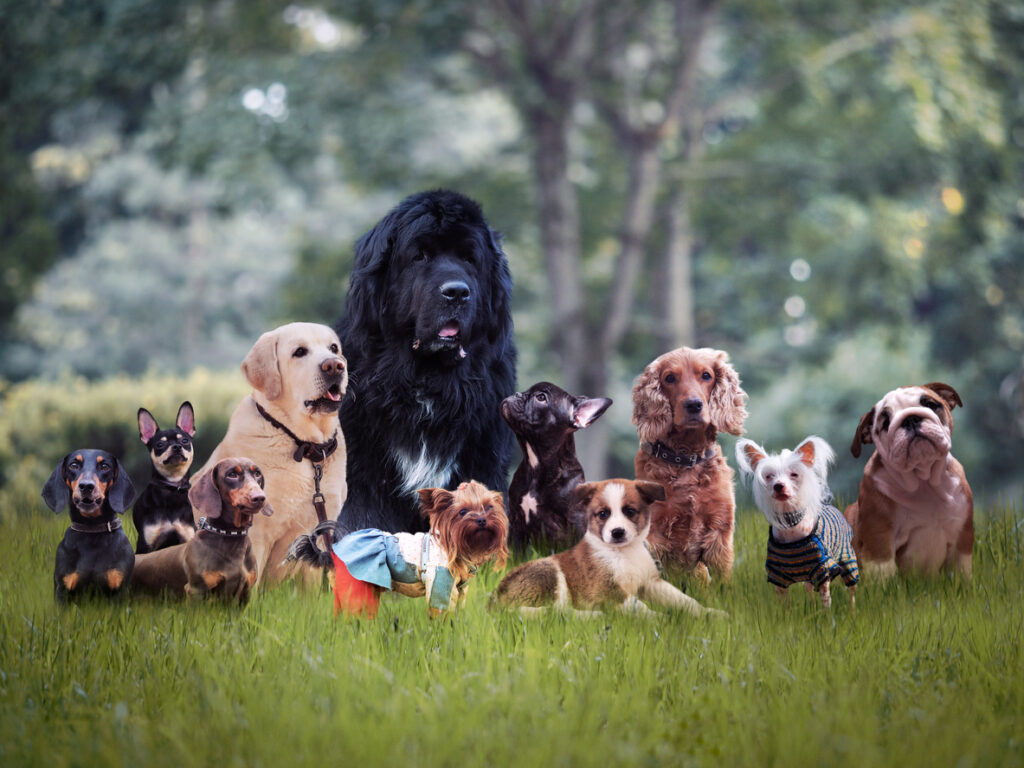
It’s not just in how much space they take up on the sofa, but in their energy, lifespan, and even their attitude. From pocket-sized companions that fit in your bag to gentle giants that take up half the living room, every size comes with its own kind of charm (and challenges).
Whether you’re a fan of tiny lapdogs or you’ve always dreamed of owning a dog you could practically saddle, it’s fascinating to see how breeds compare. Here’s a look at some of the most popular dogs, ranked from the smallest to the biggest, and what makes each size bracket so unique to live with.
1. Chihuahuas are the smallest breed at around 15 cm tall.
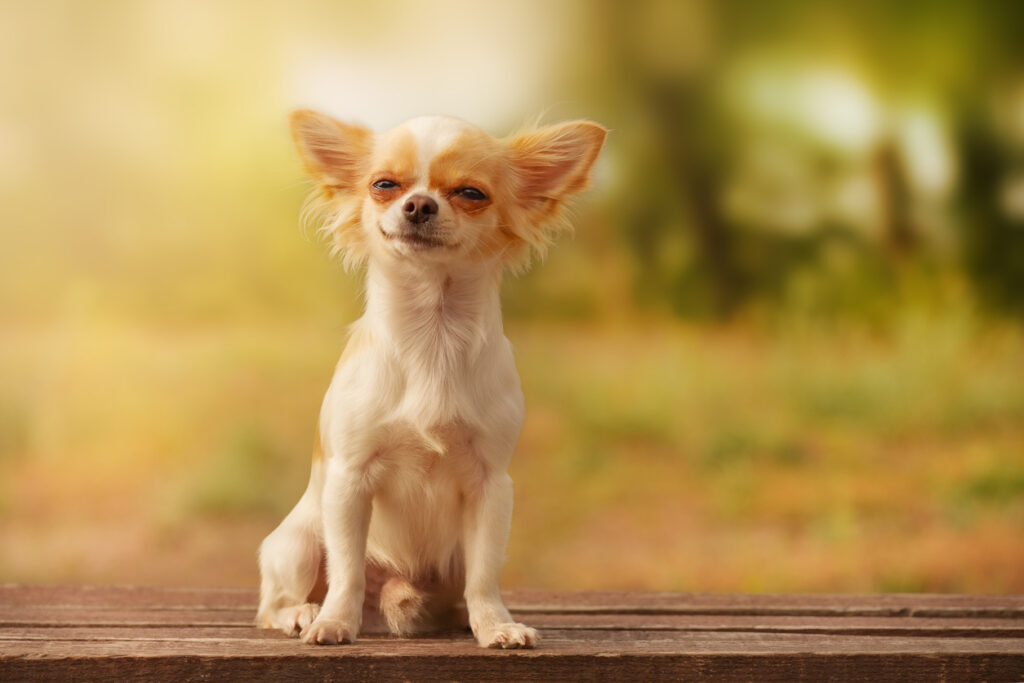
These tiny dogs weigh between 1.5 and 3 kg and can fit in your hand when they’re puppies. Despite their size, they’ve got massive personalities and don’t seem to know they’re small. They’re named after a Mexican state and were bred as companion dogs. Their small size made them perfect lapdogs for ancient civilisations, and they’re still brilliant for flat living today.
2. Yorkshire Terriers stand at about 18 cm.
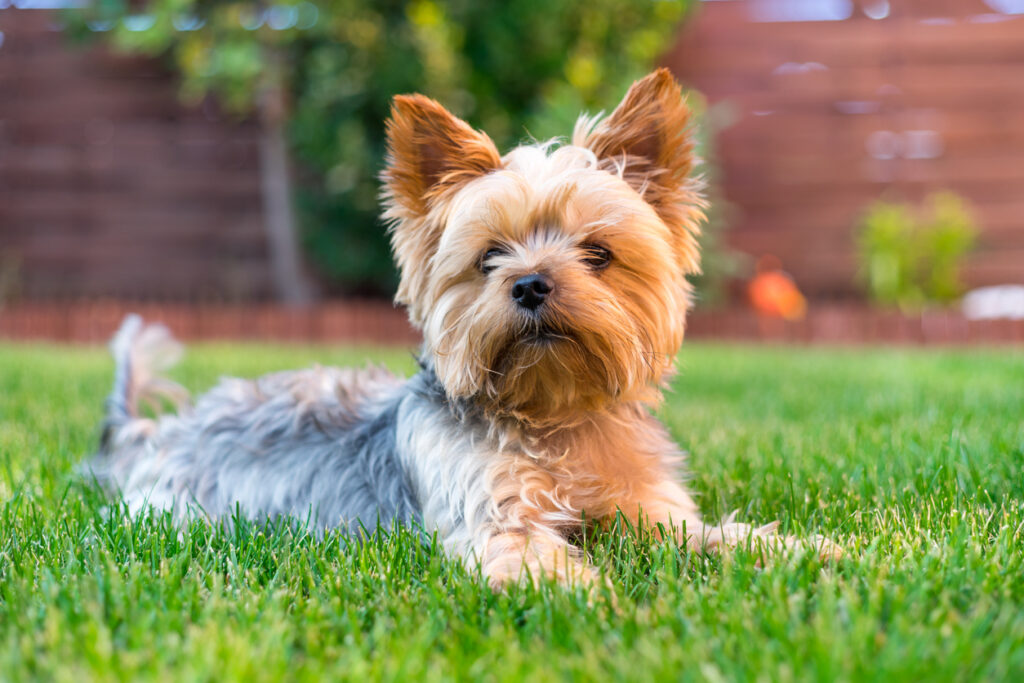
Yorkies weigh around 3 kg and were originally bred to catch rats in clothing mills. Their small size meant they could get into tight spaces where rodents were hiding. They’ve got long, silky coats that need loads of grooming. Despite being tiny, they’re proper terriers with fearless attitudes and way more energy than you’d expect from something that small.
3. Pomeranians reach about 20 cm in height.
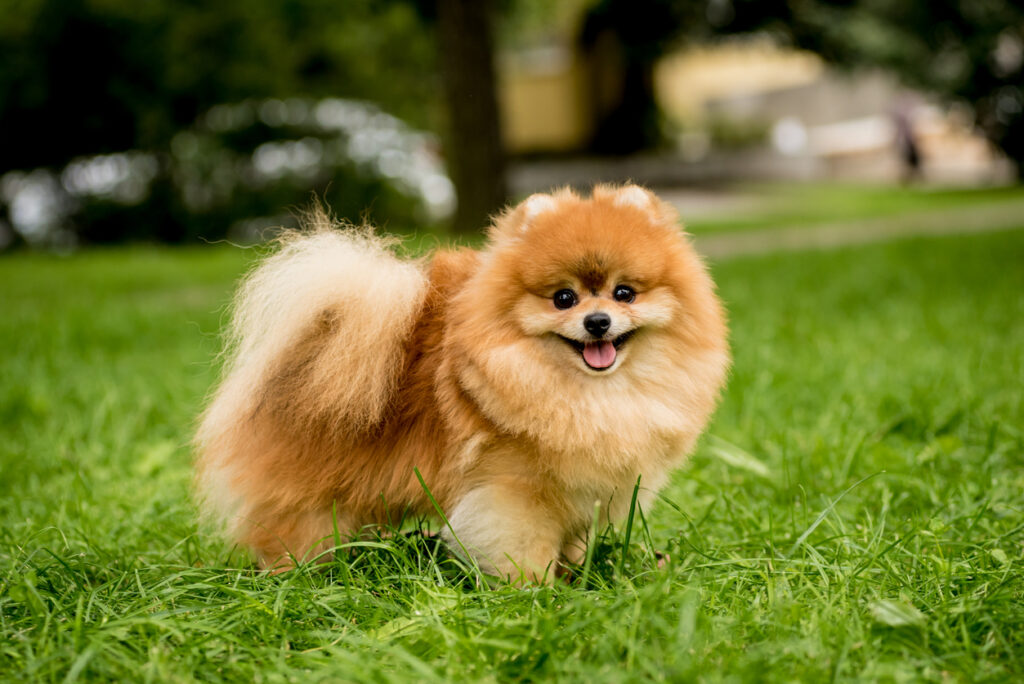
These fluffy little dogs weigh between 1.8 and 3.5 kg and look like tiny lions with all that fur. They’re actually descended from much larger sledding dogs from Arctic regions. Queen Victoria owned Pomeranians and helped make them popular in Britain. They’re vocal little things and make surprisingly good watchdogs despite being pocket-sized.
4. Dachshunds are around 20 cm tall but much longer.
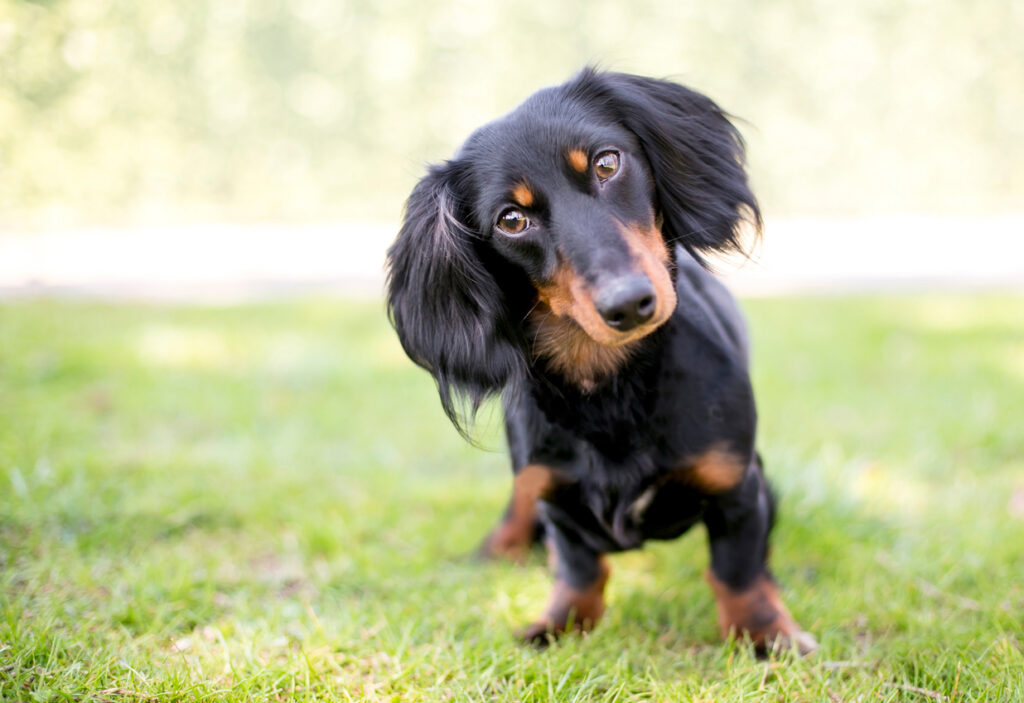
These sausage dogs weigh between 7 and 14 kg, depending on whether they’re miniature or standard size. They were bred in Germany to hunt badgers, which is why they’re so low and long. Their shape means they can follow prey into burrows. This also means they’re prone to back problems, so you need to be careful about them jumping off furniture or going up stairs too much.
5. French Bulldogs stand at about 30 cm.

Frenchies weigh between 8 and 14 kg and have become massively popular in the last decade. They’re compact, muscular dogs with those distinctive bat ears. They were bred as companion dogs and don’t need much exercise, which makes them perfect for city living. Their flat faces mean they can struggle with breathing, especially in hot weather.
6. Pugs are roughly 30 cm tall.

These wrinkly faced dogs weigh between 6 and 8 kg. They’re one of the oldest dog breeds and were kept by Chinese emperors thousands of years ago. Like Frenchies, their flat faces can cause breathing issues. They’re proper couch potatoes and don’t need loads of exercise, but they do need their facial wrinkles cleaned regularly to prevent infections.
7. Beagles reach about 38 cm in height.
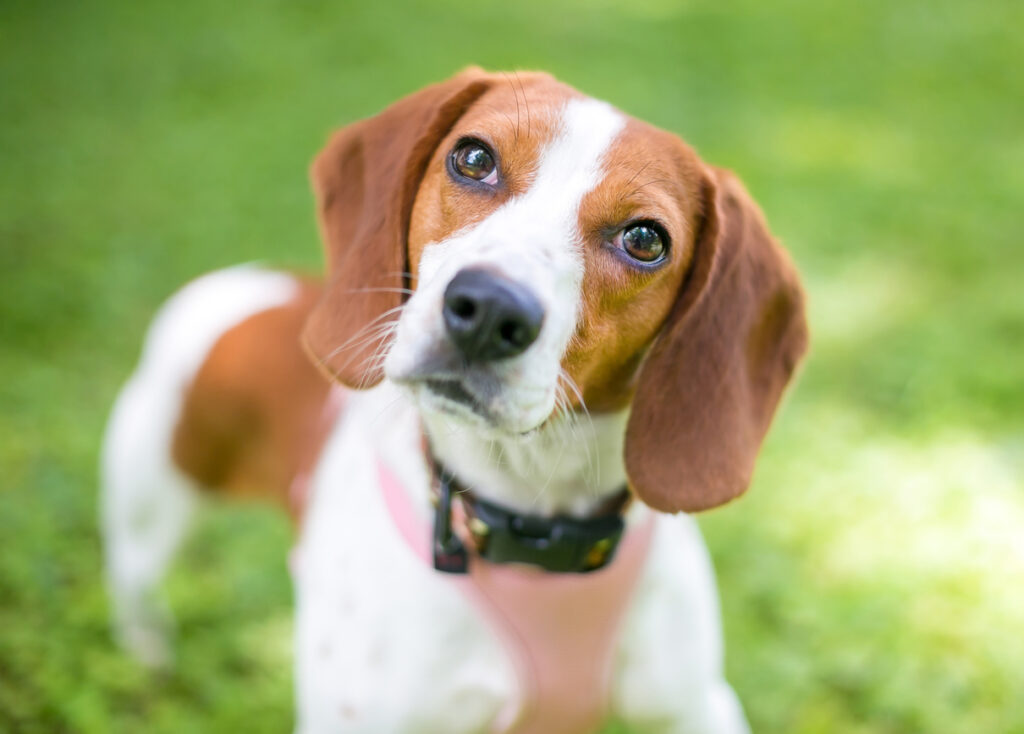
Beagles weigh between 9 and 11 kg and were bred as hunting dogs to track rabbits and hares. They’ve got incredible noses and will follow scents for miles if you let them. They’re pack animals so they’re generally friendly with other dogs and people. The downside is they can be quite vocal and have a distinctive howl that your neighbours might not appreciate.
8. Cocker Spaniels stand at around 40 cm.
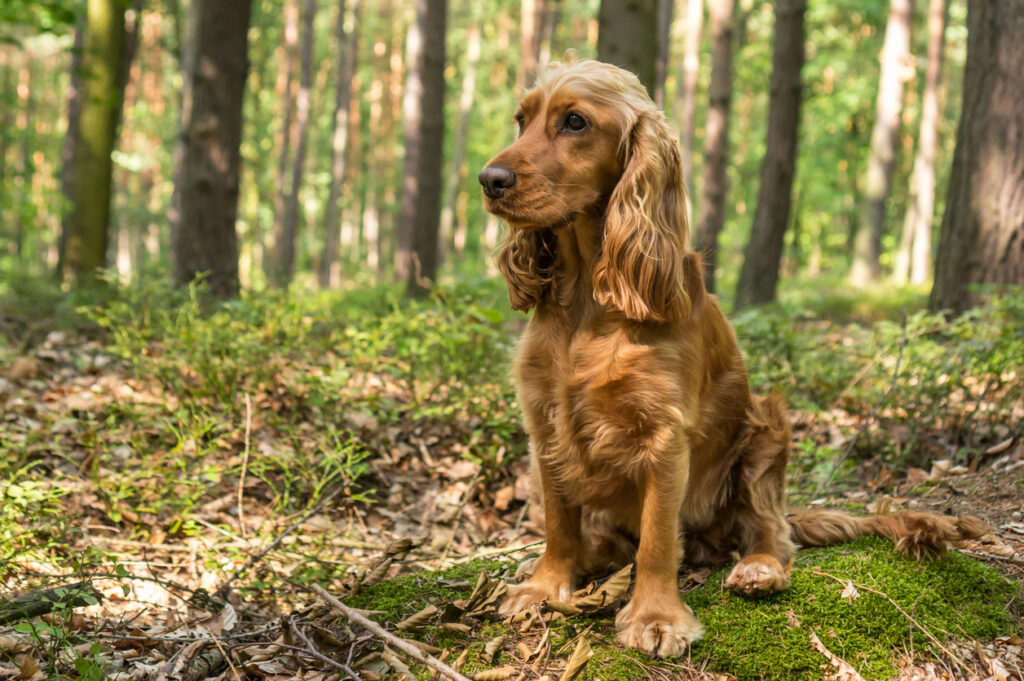
These dogs weigh between 12 and 15 kg and were originally bred as gun dogs for hunting birds. They’ve got long, floppy ears and lovely silky coats. They’re gentle, affectionate dogs that make brilliant family pets. Their ears need regular cleaning because they’re prone to infections, and their coats need proper grooming to stop them getting matted.
9. Border Collies are about 50 cm tall.
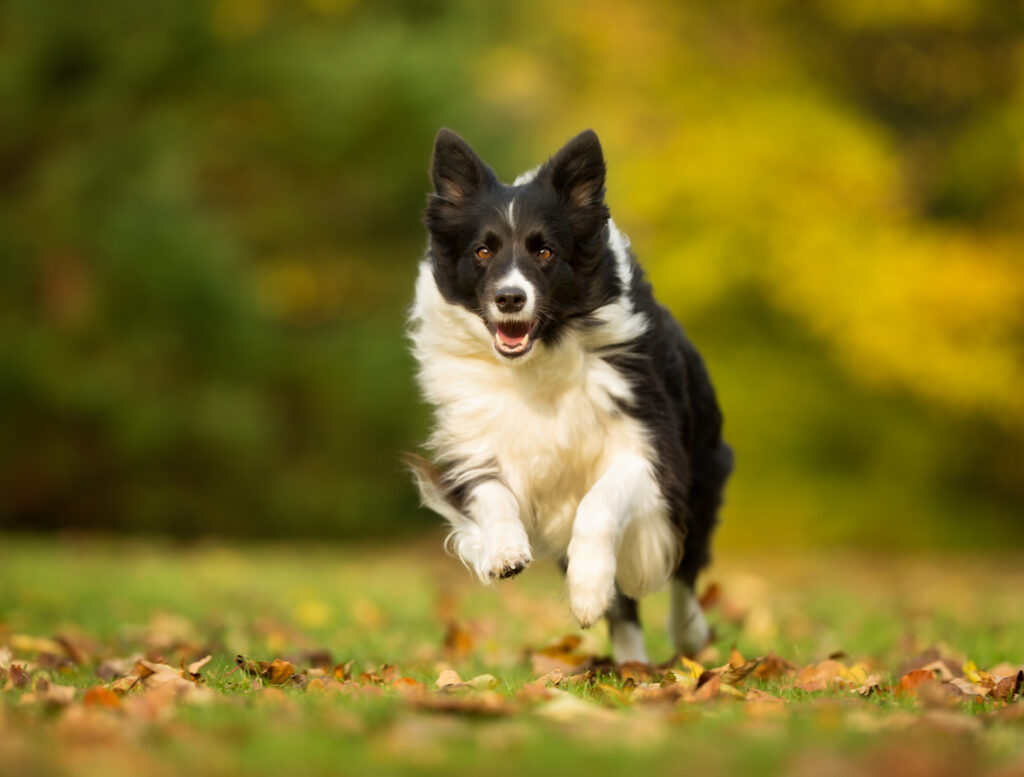
These working dogs weigh between 14 and 20 kg and are often called the most intelligent dog breed. They were bred to herd sheep in the hills between England and Scotland. They need loads of mental and physical exercise, or they’ll get bored and destructive. They’re not suited to lazy owners because they’ve got energy for days and need proper jobs to do.
10. Springer Spaniels reach around 51 cm.
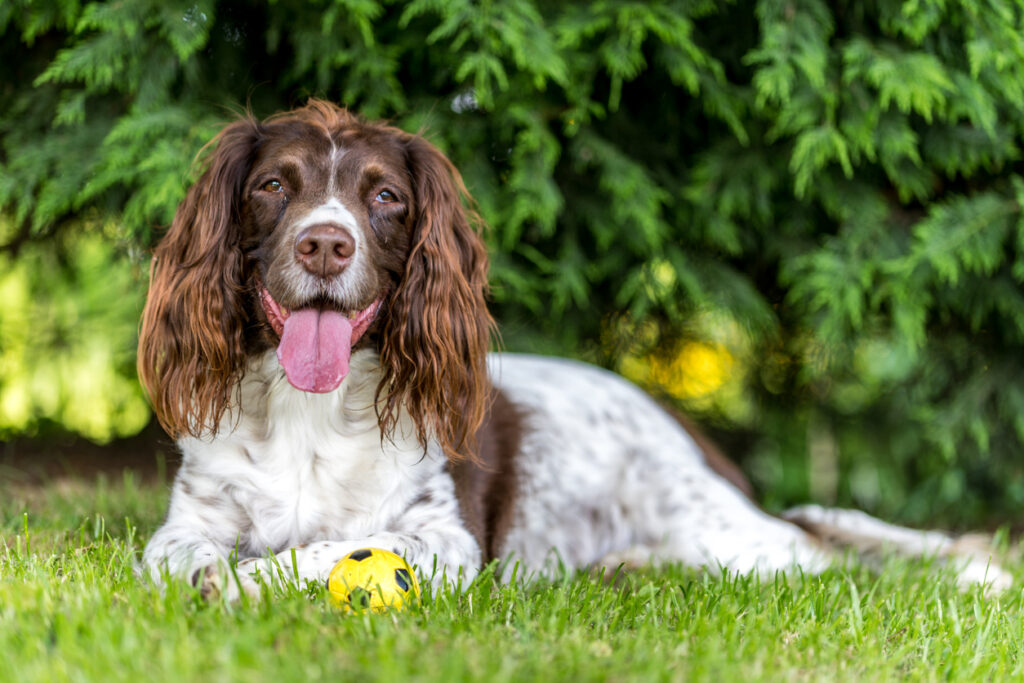
Springers weigh between 18 and 25 kg and are slightly bigger than their Cocker cousins. They were bred to flush game birds out of bushes, which is where the name comes from. They’re enthusiastic, energetic dogs that love swimming and retrieving. They need plenty of exercise and their coats need regular attention, especially after muddy walks.
11. Labradors stand at about 57 cm.
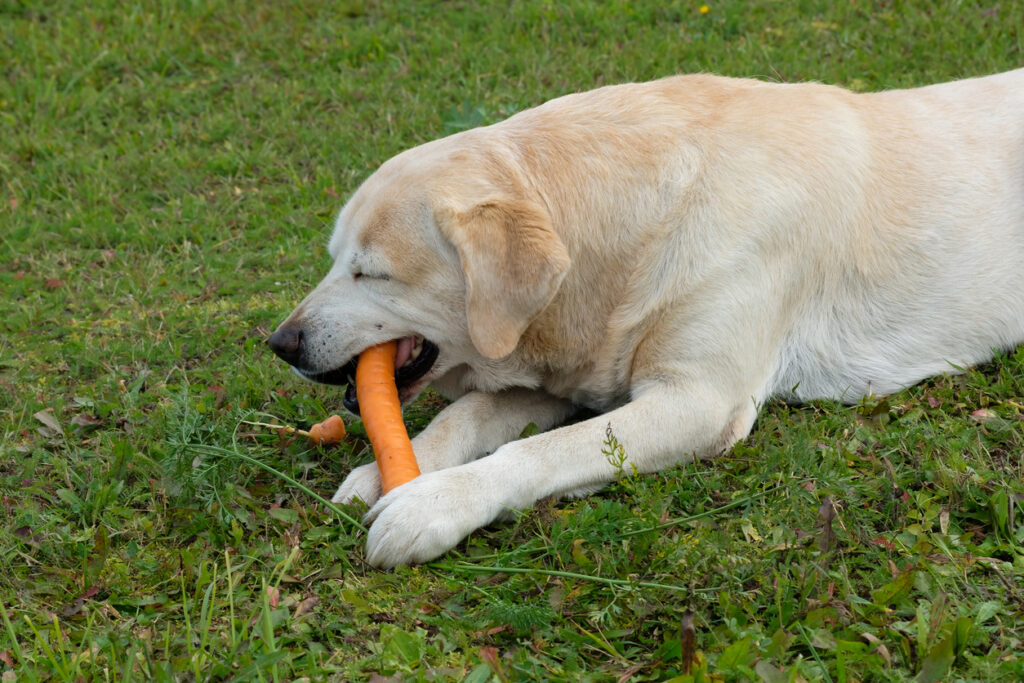
Labs weigh between 25 and 36 kg and are consistently one of the most popular breeds in Britain. They were bred in Newfoundland to help fishermen retrieve nets and fish. They’re friendly, easy to train, and brilliant with kids, which is why they’re such common family dogs. The downside is they love food way too much and can easily become overweight if you’re not careful.
12. Golden Retrievers are around 58 cm tall.

These dogs weigh between 25 and 34 kg and were bred in Scotland to retrieve shot game birds. They’ve got water-resistant coats and love swimming. They’re gentle, patient dogs that are brilliant with children. They shed loads, though, so be prepared for golden fur on everything you own. They’re also prone to certain health issues as they get older.
13. German Shepherds reach about 63 cm.

These dogs weigh between 22 and 40 kg and were originally bred for herding sheep. Now they’re commonly used as police and military dogs because they’re intelligent and trainable. They’re loyal and protective, but need proper training and socialisation from puppyhood. They’re not the kind of dog you can just stick in the garden and ignore.
14. Rottweilers stand at around 65 cm.

Rotties weigh between 35 and 60 kg and were bred to drive cattle and pull carts in Germany. They’re powerful, muscular dogs with a reputation that’s often unfair. With proper training and socialisation, they’re calm, confident, and loyal family dogs. But they need experienced owners who understand how to handle strong, protective breeds.
15. Dobermanns are about 68 cm tall.
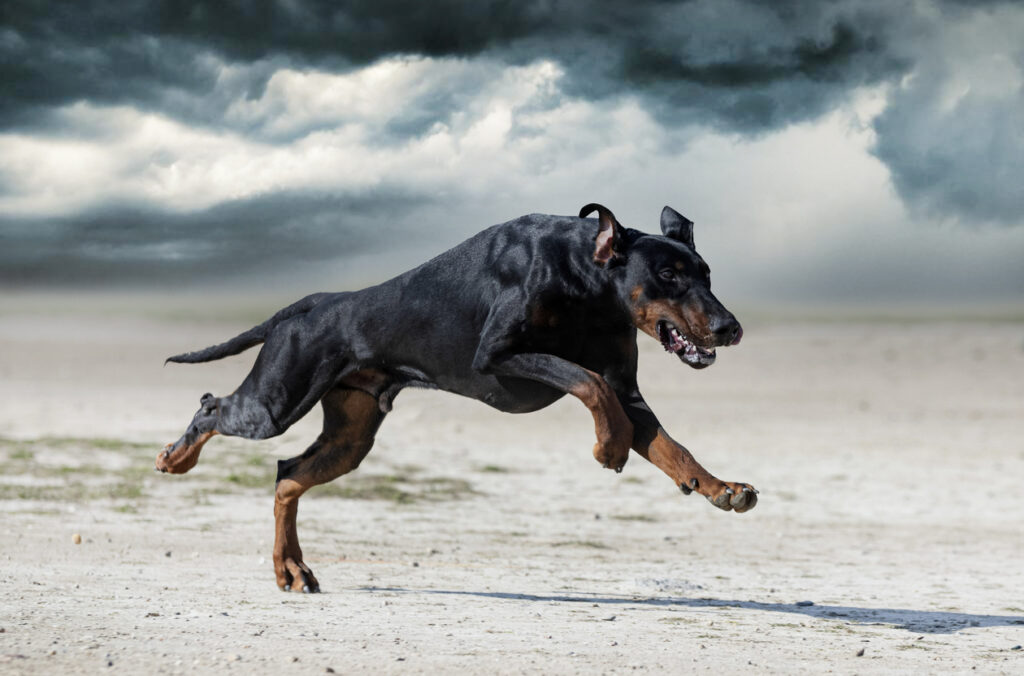
These sleek dogs weigh between 32 and 45 kg and were bred in Germany as guard dogs. They’re athletic, intelligent, and naturally protective. They look intimidating, but they’re actually quite sensitive dogs that bond closely with their families. They need plenty of exercise and mental stimulation to stay happy.
16. Great Danes can reach 80 cm or more.
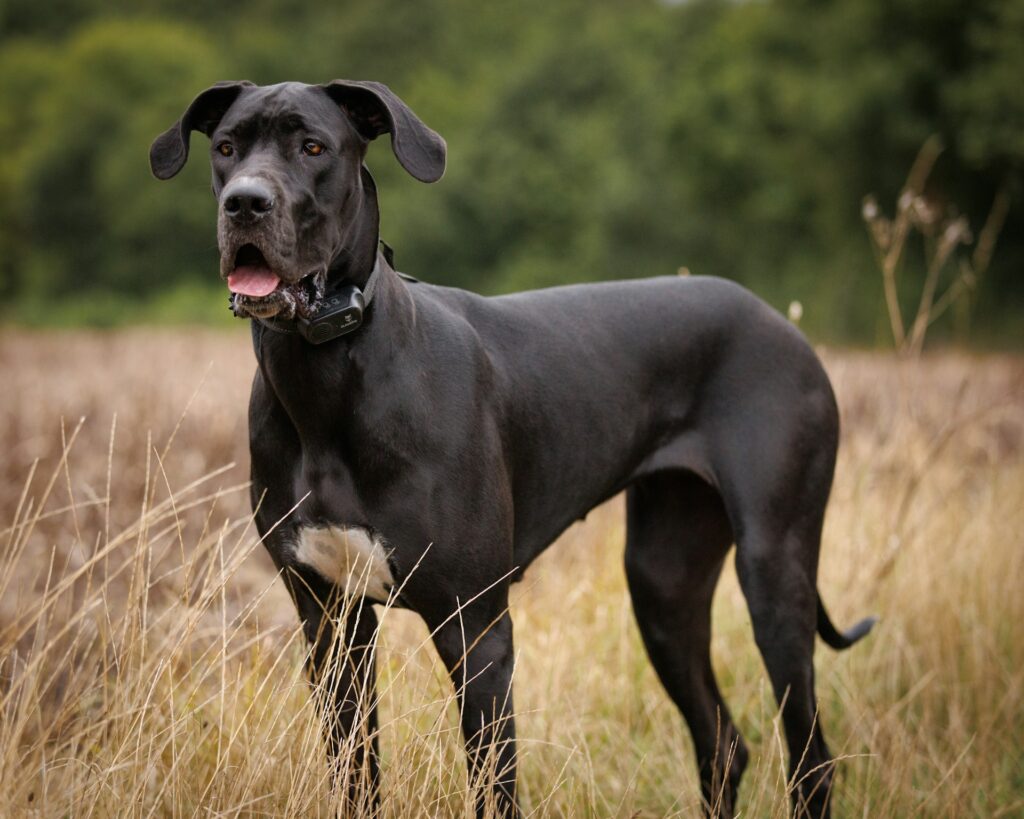
Despite the name, these massive dogs actually come from Germany and can weigh between 50 and 90 kg. They were bred to hunt wild boar, which required serious size and strength. They’re often called gentle giants because despite their size, they’re generally calm and friendly. The downside is they don’t live as long as smaller breeds, typically only 7 to 10 years.
17. Irish Wolfhounds are the tallest breed at up to 86 cm.
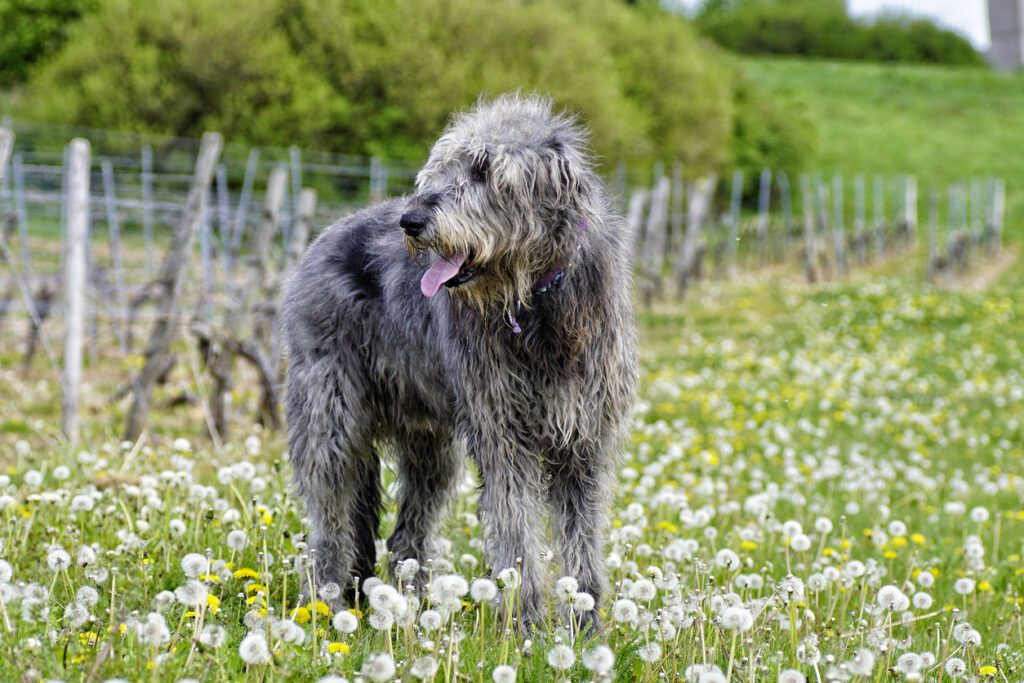
These massive dogs can weigh between 50 and 85 kg and were bred to hunt wolves in Ireland, which is exactly what their name suggests. They’re proper giants. Despite their size and hunting background, they’re gentle, quiet dogs that are surprisingly laid back. They need space though, and like Great Danes, they tend to have shorter lifespans than smaller breeds.
18. English Mastiffs are the heaviest breed.
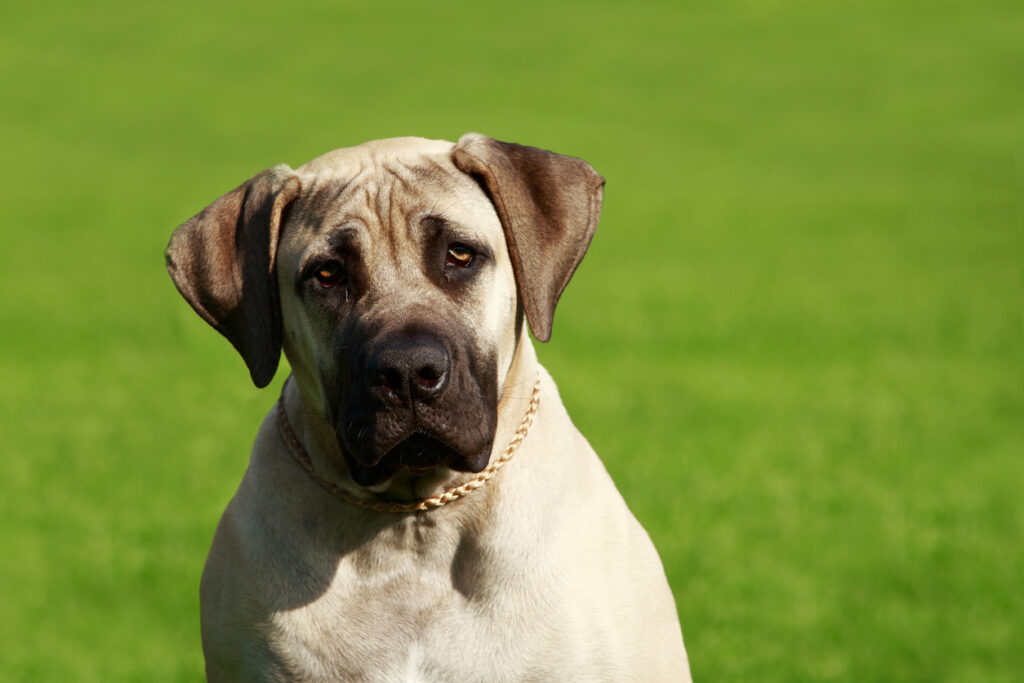
While not always the tallest at around 76 cm, Mastiffs can weigh an incredible 54 to 100 kg. They were bred as guard dogs and war dogs going back to Roman times. They’re calm, gentle giants that drool a lot and take up most of your sofa. They don’t need as much exercise as you’d think, but feeding them costs a fortune because of how much they eat.
Size affects lifespan significantly.
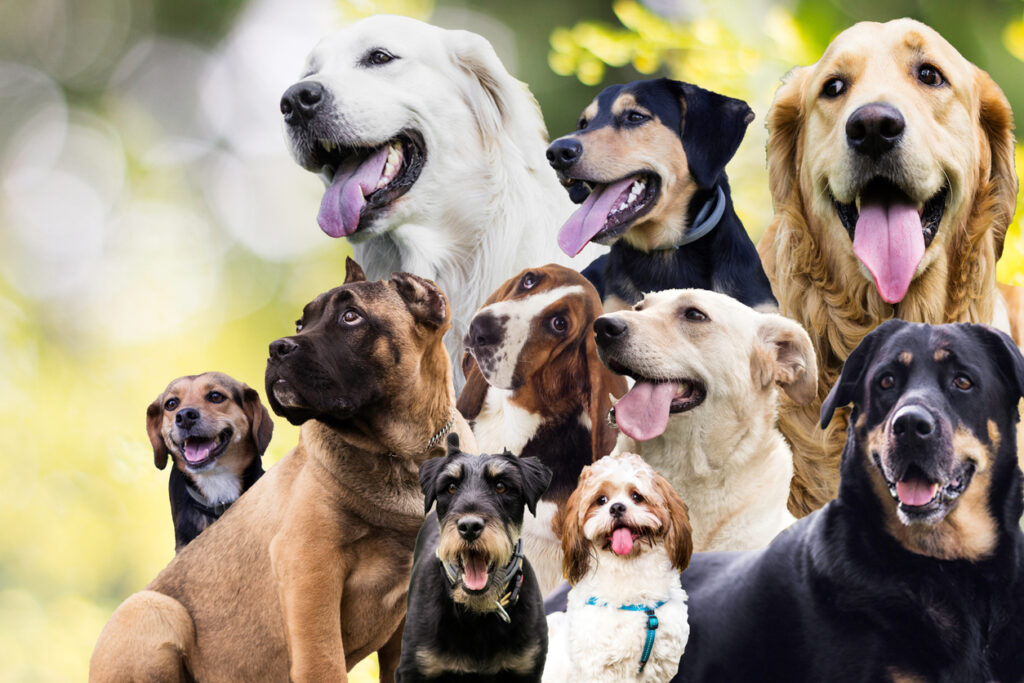
Generally speaking, smaller dogs live much longer than bigger ones. A Chihuahua might live 15 to 20 years, while a Great Dane is doing well to reach 10. Scientists aren’t entirely sure why this happens, but it’s thought that larger dogs age faster. Their bodies work harder and wear out quicker, which is sad but something to consider when choosing a breed.
Size doesn’t determine temperament.
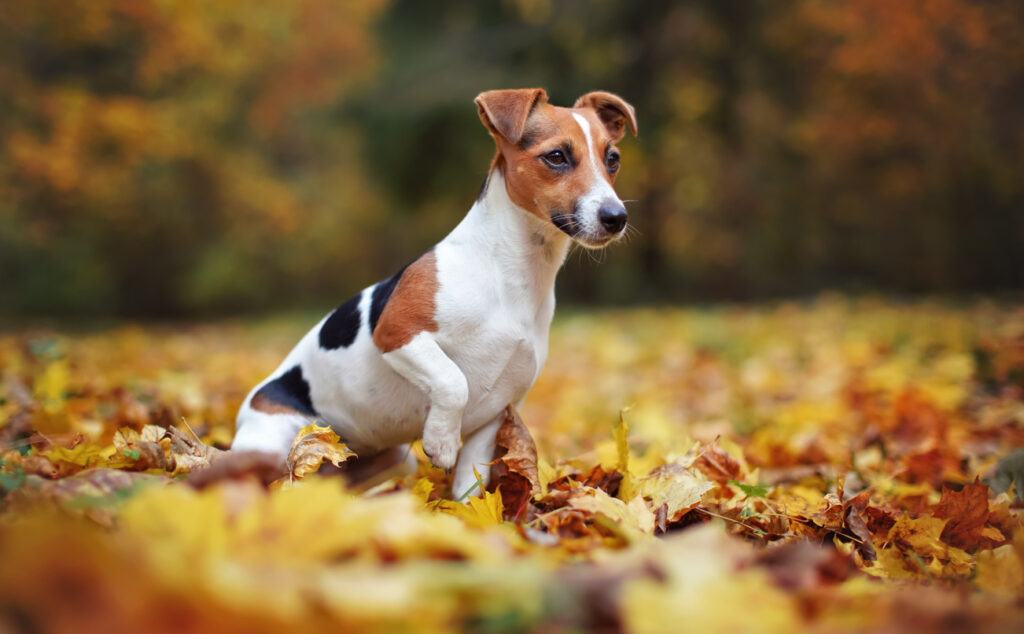
Some tiny dogs are aggressive little terrors, while some massive dogs are complete softies. Size doesn’t tell you about personality, energy levels, or how much training they’ll need. The most important thing is matching a breed to your lifestyle, not just picking based on size. A small flat isn’t automatically fine for small dogs if they’re high-energy breeds that need loads of exercise.