When predators go after each other, it changes everything.
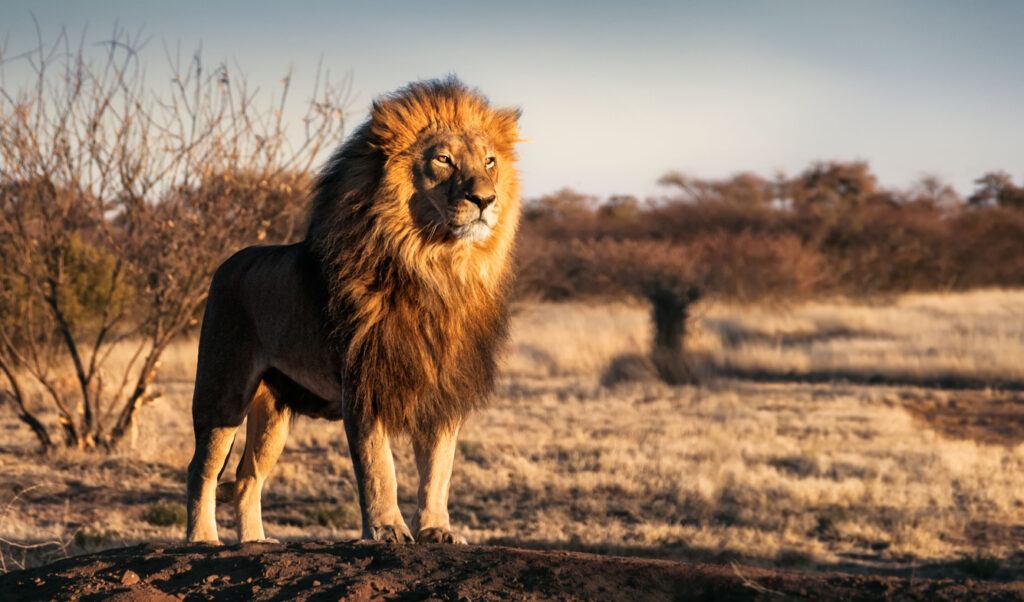
These aren’t simple hunts for food, but clashes for dominance, territory, or the right to survive. Lions will take down hyenas just to remove the competition, crocodiles turn on each other when food runs short, and even sharks aren’t safe from their own kind. It’s raw, unpredictable, and far more common than people realise. When the hunters become the hunted, the rules of nature look very different.
It’s called intraguild predation.
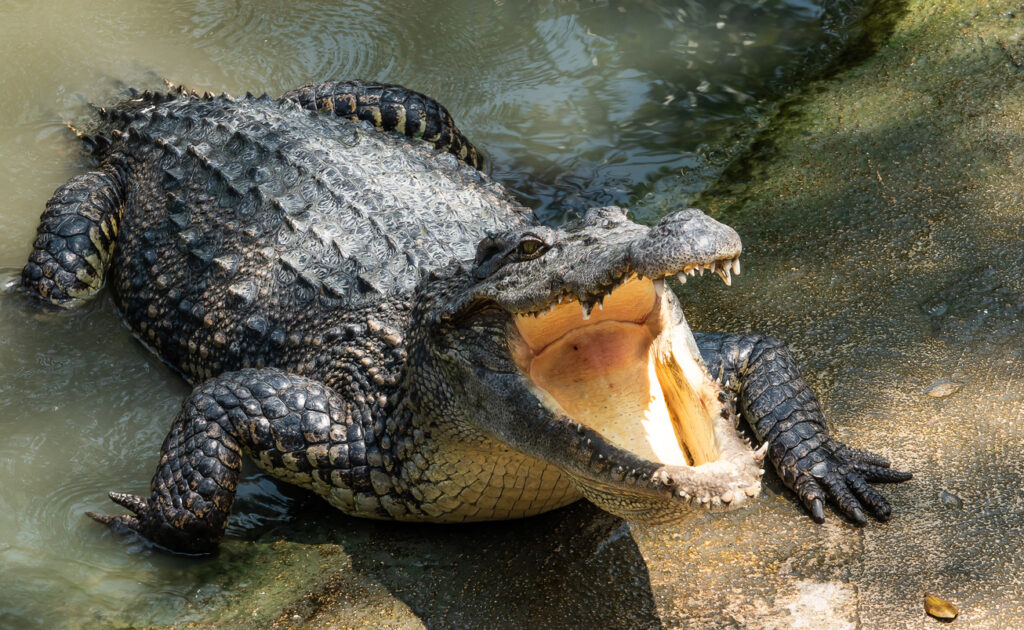
Scientists use the term “intraguild predation” to describe when one predator kills another that competes for the same resources. It’s not simple competition; it’s an evolutionary strategy for reducing rivalry. Instead of just fighting for food, these animals remove their competitors entirely. It’s brutal but efficient, and it helps the victor secure more hunting territory and resources.
It creates power changes in ecosystems.
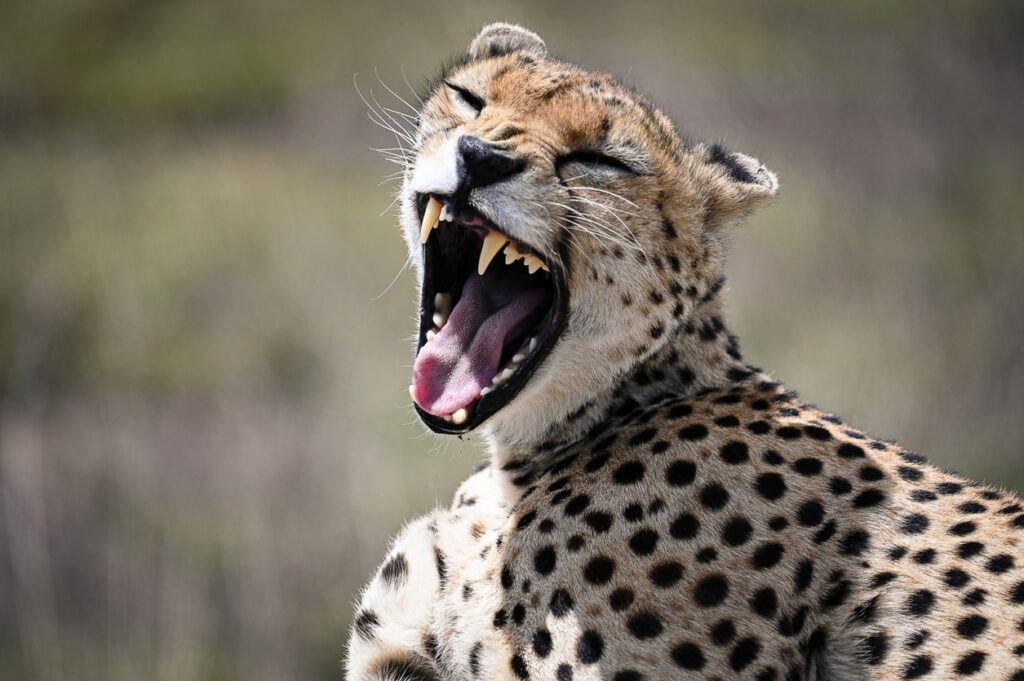
When top hunters turn on each other, entire food webs change. Removing one dominant predator allows mid-level species to grow in number, which can then affect smaller prey populations. For example, when lions kill cheetahs in Africa, it reduces cheetah numbers, allowing herbivores to increase. The ripple effect continues across plant and animal communities.
It’s often about territory, not food.
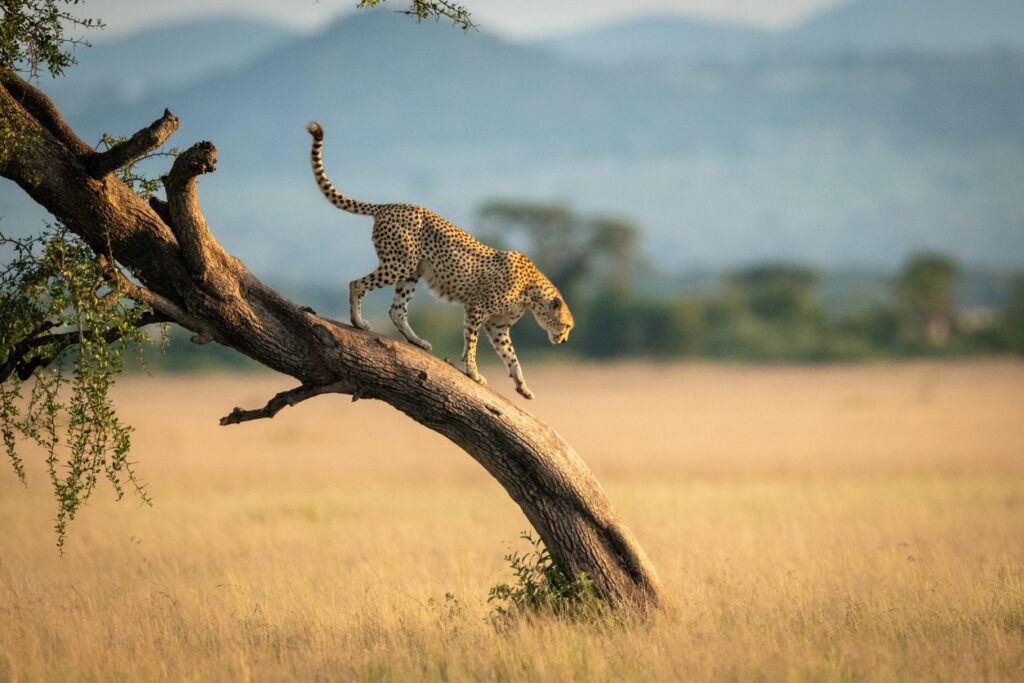
Predators rarely eat their rivals. Most attacks happen over hunting grounds or mating rights rather than hunger. It’s nature’s way of establishing dominance in competitive habitats. This behaviour prevents overcrowding and keeps territories balanced. In some regions, removing one predator species leads to chaos because others expand too quickly.
It strengthens evolutionary advantage.
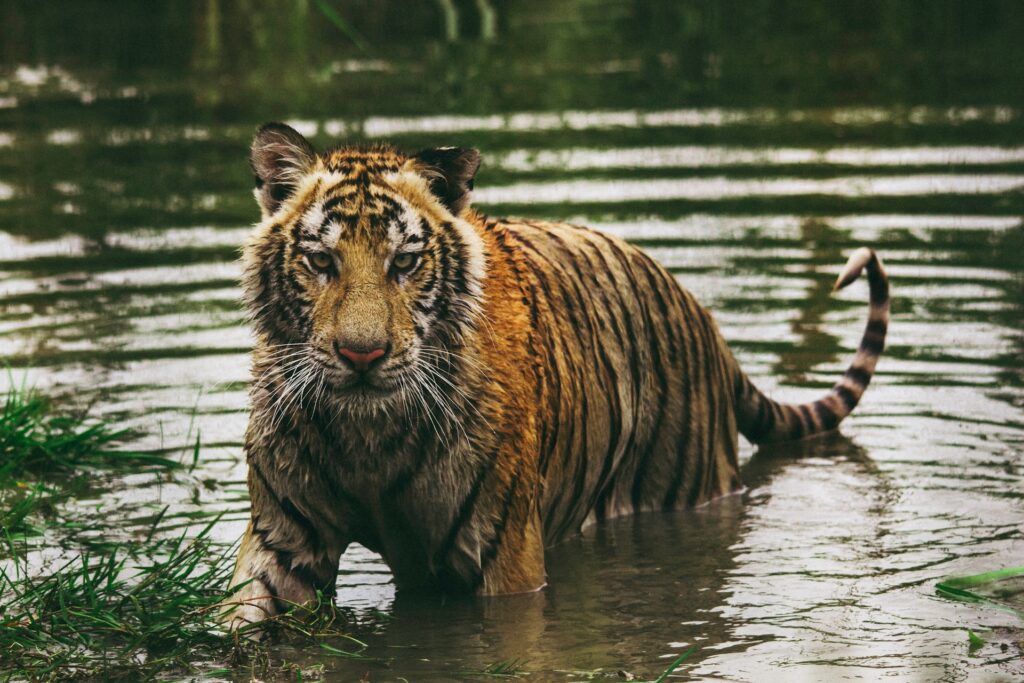
By targeting rivals, predators drive each other to adapt. The constant pressure for survival sharpens hunting skills, stealth and defensive instincts. Over generations, species evolve to become faster, smarter or more cooperative. Predator-on-predator conflict fuels the evolutionary arms race that keeps ecosystems dynamic.
Big cats are prime examples.

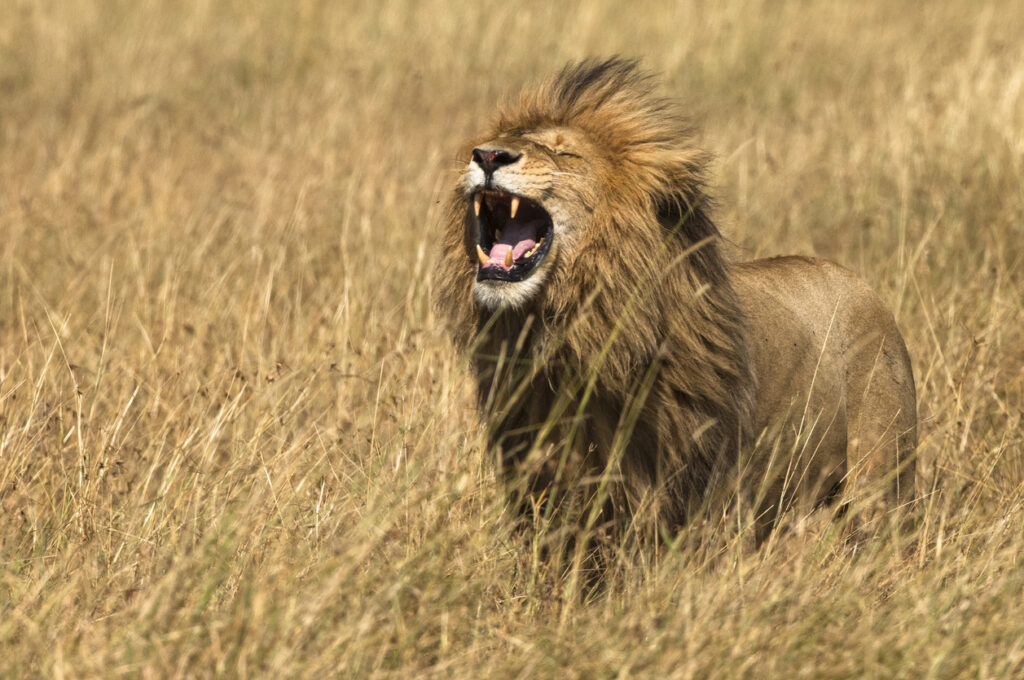
Lions, leopards and cheetahs often clash in overlapping territories. Lions dominate, sometimes killing cheetahs or leopards to reduce competition for prey. These confrontations can seem wasteful, but they’re part of the balance. Each species evolves around the strengths of the others, shaping behaviour and survival tactics in the process.
Wolves and bears sometimes collide.

In North America, wolves and bears occasionally fight when food is scarce. Wolves may gang up on a lone bear, while bears often steal wolf kills. These interactions determine which predator controls key hunting grounds. Over time, the dynamic changes with food availability, population growth and human interference.
Crocodiles are known to hunt big cats.
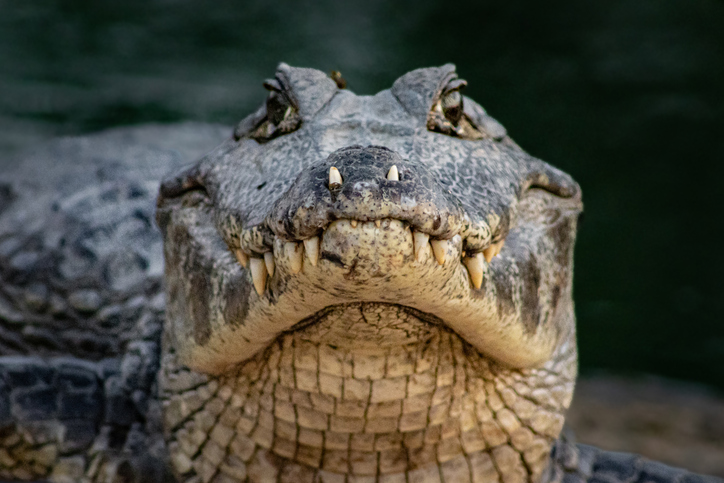
In parts of Africa, crocodiles sometimes kill lions or leopards that come too close to the water’s edge. They strike fast, using ambush tactics designed for any unsuspecting animal. These attacks remind researchers that even apex predators have vulnerabilities. Crossing into another predator’s territory often comes with fatal consequences.
Killer whales dominate the ocean hierarchy.

Orcas, or killer whales, are known to hunt great white sharks. They target the liver, which is rich in nutrients, and often leave the rest of the carcass behind. This behaviour has reshaped marine ecosystems. In areas where orcas prey on sharks, seal and sea lion populations can suddenly rise due to reduced shark pressure.
Predators sometimes use intimidation instead of violence.
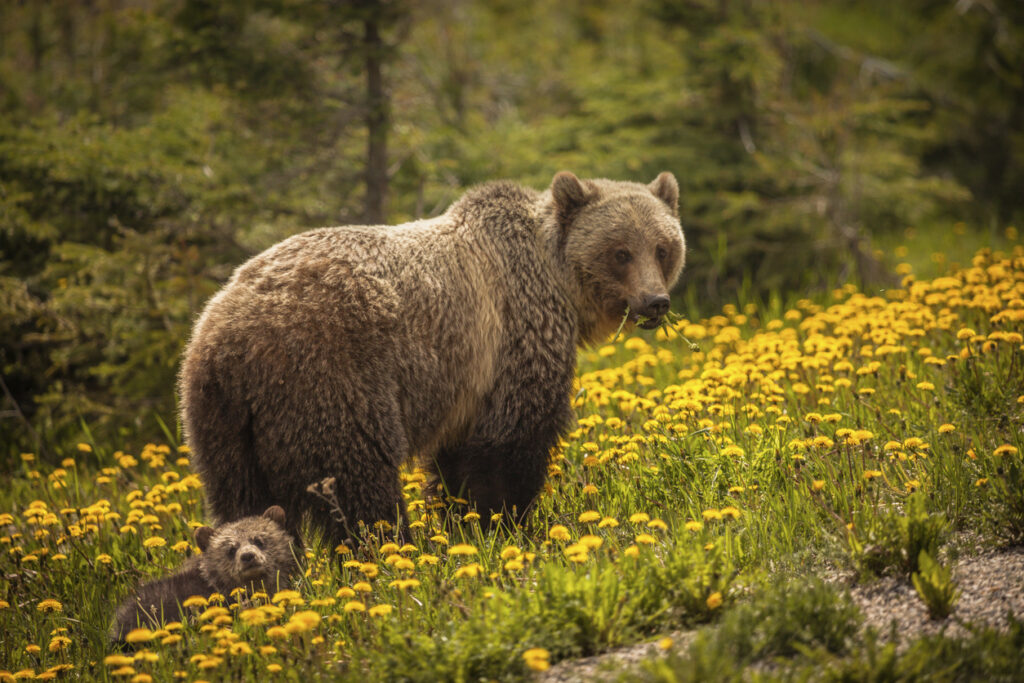
Not every confrontation ends in death. Some species rely on displays of dominance like vocal threats, size comparisons or bluff charges to push competitors away. This saves energy and reduces risk. When predators learn each other’s signals, they can coexist in shared environments without constant bloodshed.
It can trigger chain reactions down the food web.
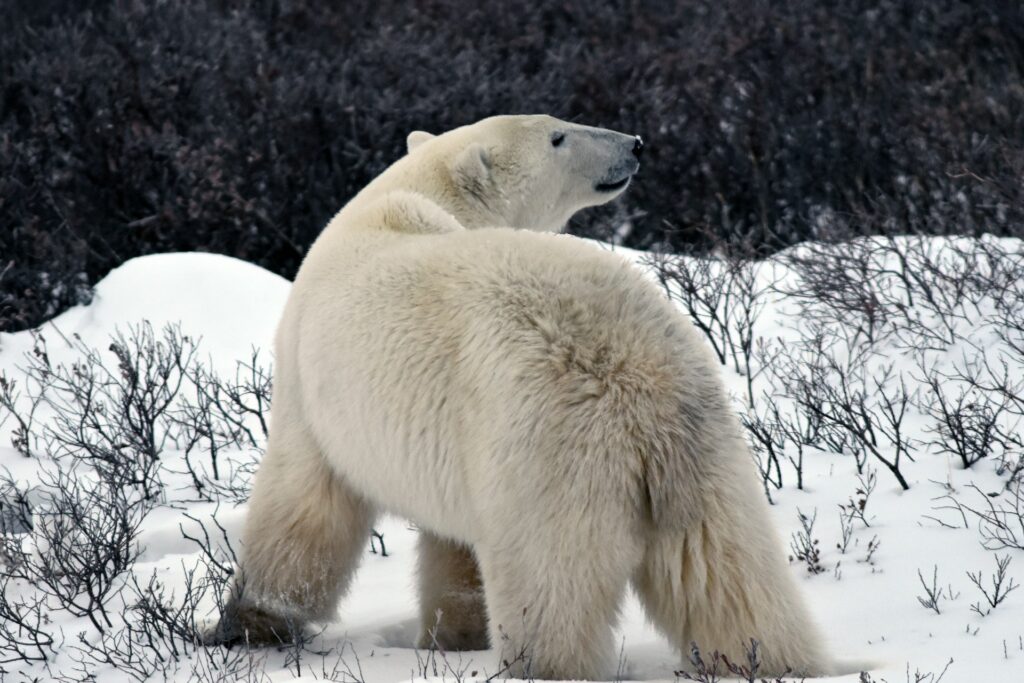
When one predator kills another, the effects ripple downward. More herbivores may survive, leading to overgrazing and habitat loss. These chain reactions show how fragile ecological balance can be. Even one missing predator can set off population explosions that transform entire landscapes.
Some predators cooperate across species.
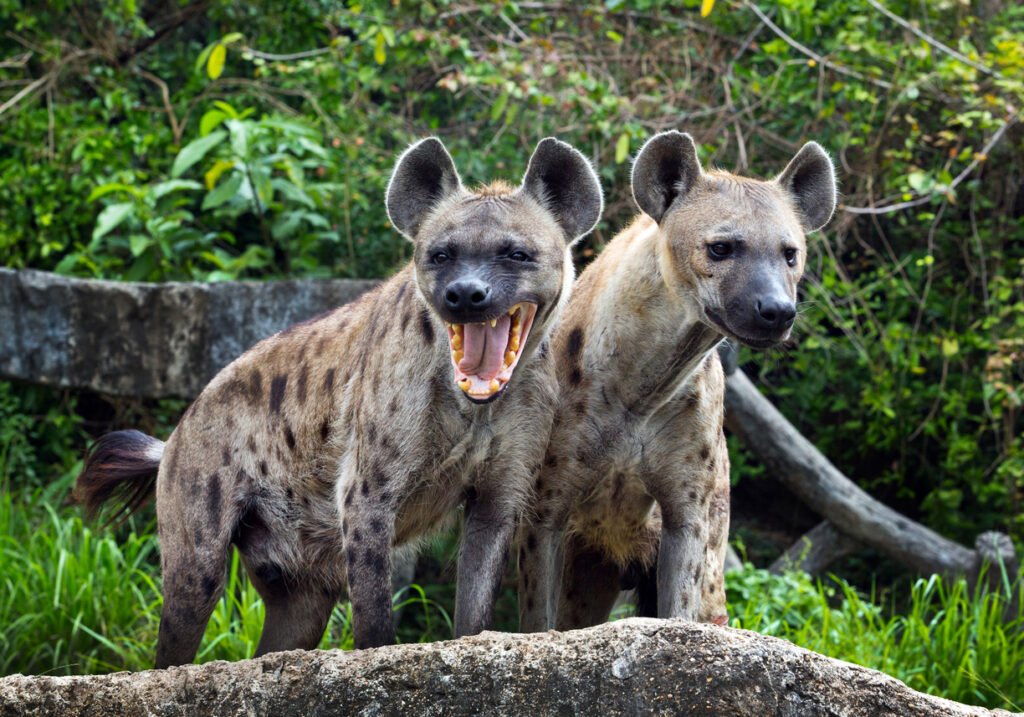
Occasionally, rival predators form temporary truces. For instance, hyenas and jackals sometimes scavenge the same carcass without conflict, taking turns rather than fighting. These moments of tolerance happen when food is abundant. It’s a reminder that survival isn’t always about dominance; sometimes, coexistence works better.
Cannibalism adds another layer.
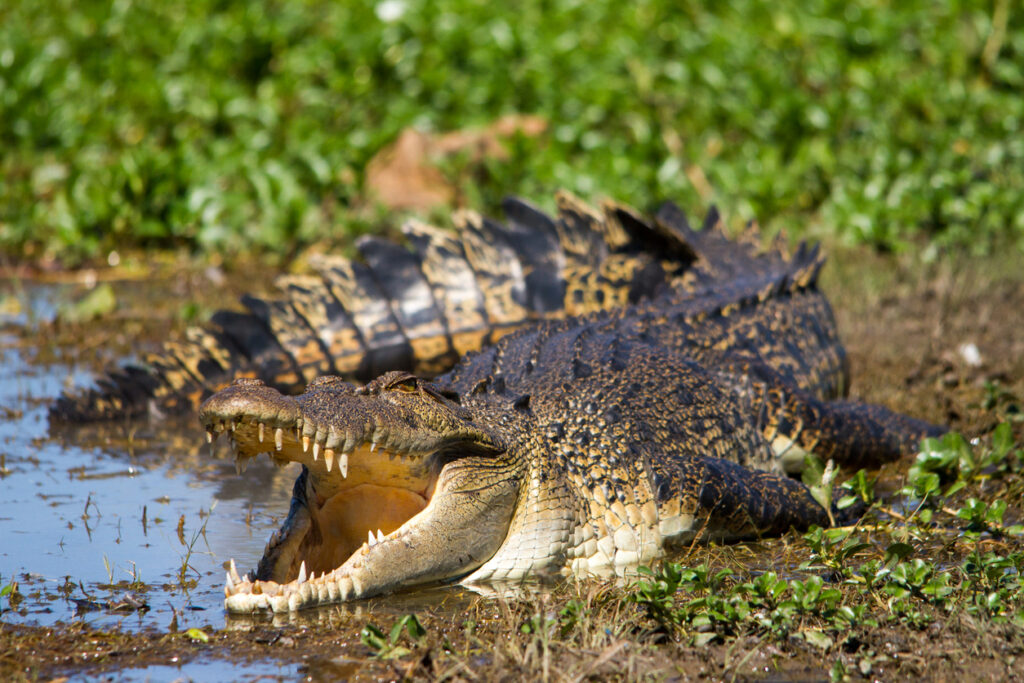
In some species, predators hunt members of their own kind. Crocodiles, spiders, and even polar bears are known for cannibalistic tendencies during food shortages. This behaviour reduces competition and ensures the strongest individuals survive. Though disturbing, it’s one of nature’s oldest and most effective survival mechanisms.
Humans have influenced these rivalries.
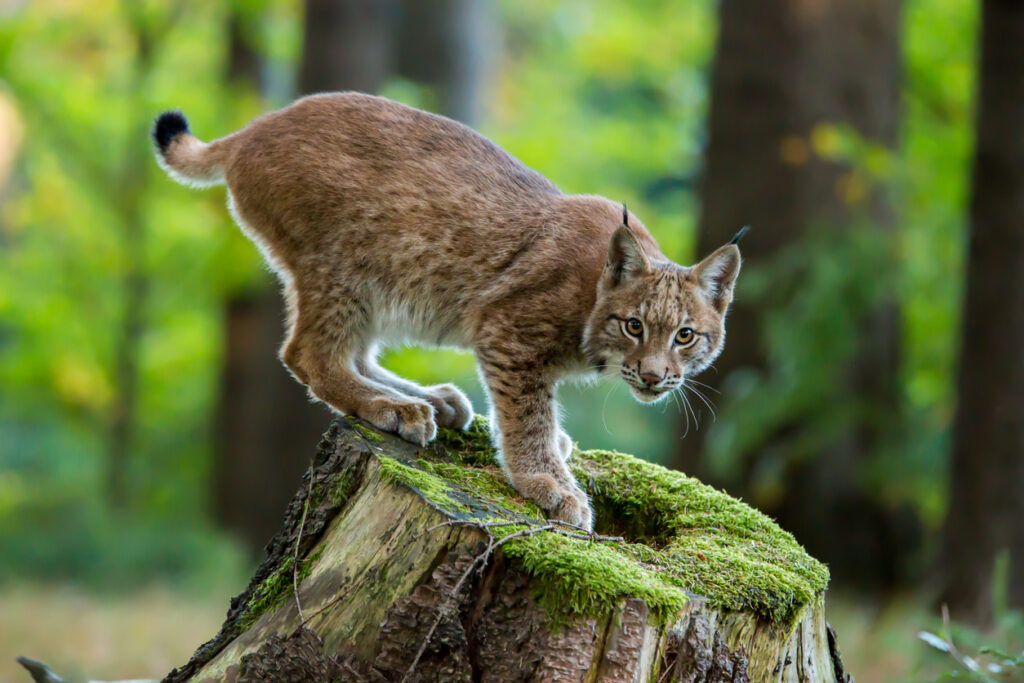
Hunting and habitat loss have changed predator interactions worldwide. When humans remove one top predator, others either expand unchecked or clash more often. For example, when wolves disappeared from parts of Europe, lynx populations changed and deer numbers soared. Restoring predators often restores balance to damaged ecosystems.
It proves there’s no single “top” predator.
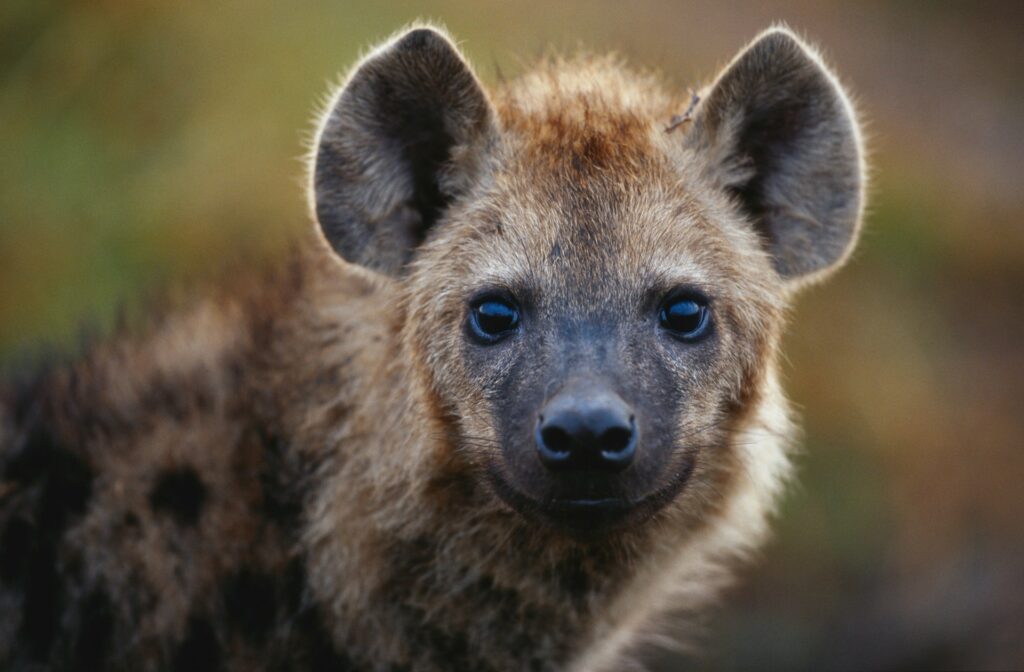
No predator is invincible. Even the most dominant hunter depends on balance, resources, and timing. When rivals collide, the outcome can change who sits at the top. These battles keep nature fluid rather than fixed. Every victory or loss shapes future generations, reminding us that even apex predators must adapt to survive.
Why predator rivalries are so important
When predators hunt each other, it’s not chaos, it’s regulation. These clashes maintain diversity, limit overpopulation and push species to evolve smarter survival strategies. It’s a reminder that the food chain isn’t a simple ladder but a constantly shifting web. Every encounter between hunters reinforces one truth: in nature, balance is born through competition, not control.