British gardens are changing faster than you think, and the changes happening now will fundamentally alter what gardens look like within two decades.
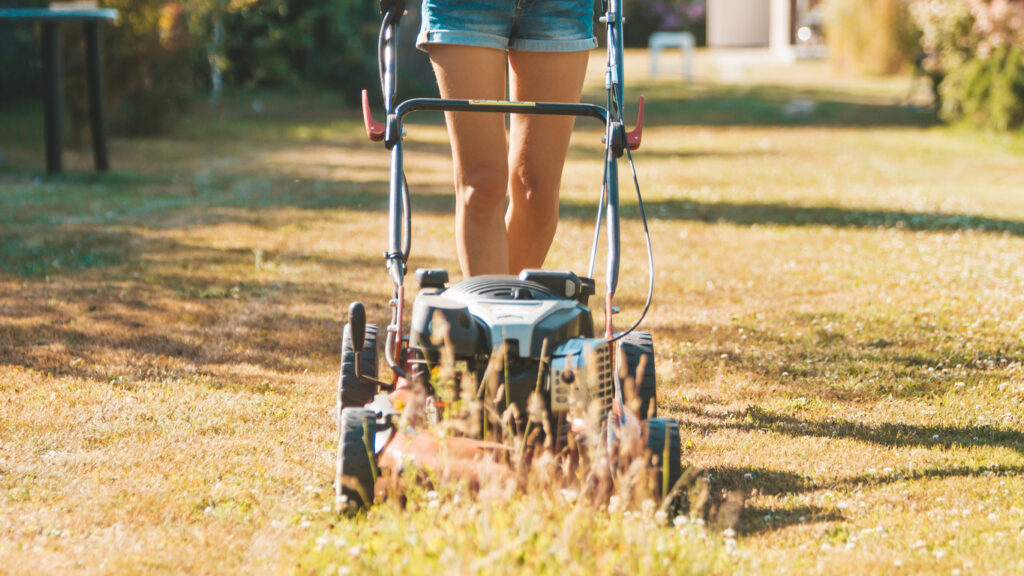
Climate change, water restrictions, biodiversity collapse, and changing cultural attitudes are pushing gardening away from the traditional lawns and borders that have defined British outdoor spaces for generations. These changes aren’t optional tweaks, they’re necessary adaptations to environmental realities that will make familiar garden styles impractical or impossible to maintain.
Lawns will become luxury items most people can’t justify.
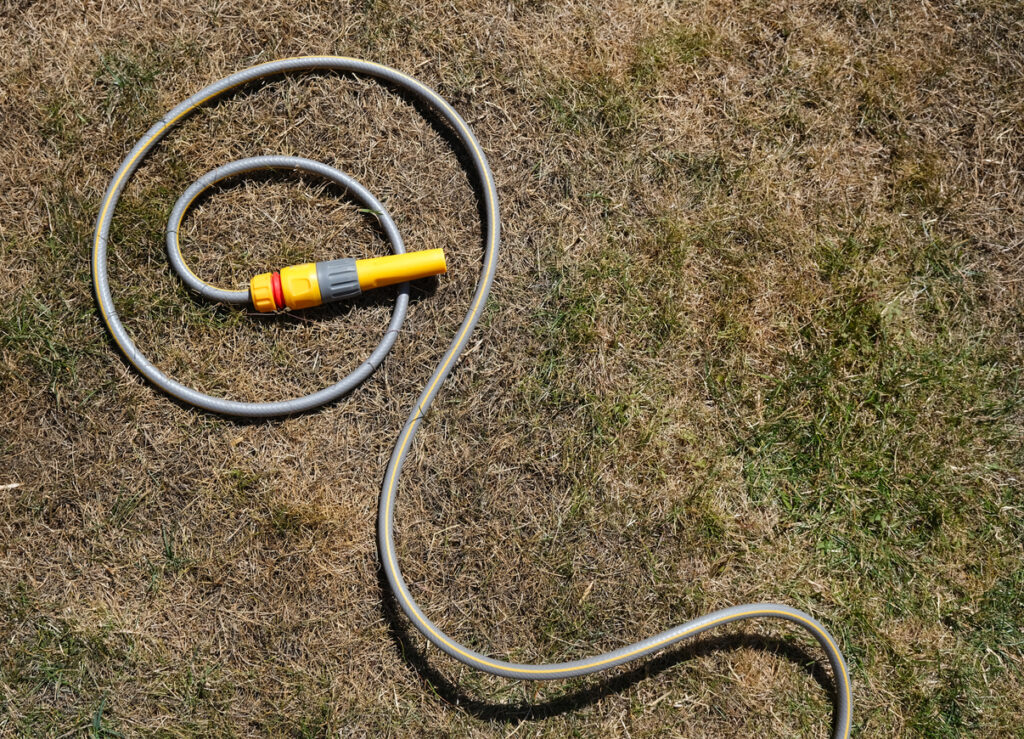
The perfect green lawn that’s been central to British gardens for centuries will increasingly become unsustainable as water becomes scarce and expensive. Hosepipe bans are already regular occurrences, and they’ll only become more frequent as summers get hotter and drier.
Maintaining a lawn will require significant water input that most households won’t be able to afford or justify environmentally. Gardens will transition toward drought-tolerant ground covers, gravel, or wildflower meadows that don’t need constant watering, and the classic striped lawn will become a nostalgic memory rather than a standard feature.
Mediterranean plants will replace traditional British favourites.

The plants that thrive in British gardens are changing as the climate warms, and species that once struggled will become reliable when traditional choices fail. Lavender, rosemary, cistus, and other Mediterranean plants will dominate because they’re adapted to hot, dry conditions that increasingly match British summers.
Classic English garden plants like delphiniums and primroses will become difficult to grow as they need cooler, wetter conditions that are disappearing. The move will fundamentally change the aesthetic of British gardens, making them look more like southern European landscapes than the lush green spaces people currently expect.
Front gardens will be rewilded or converted to parking.
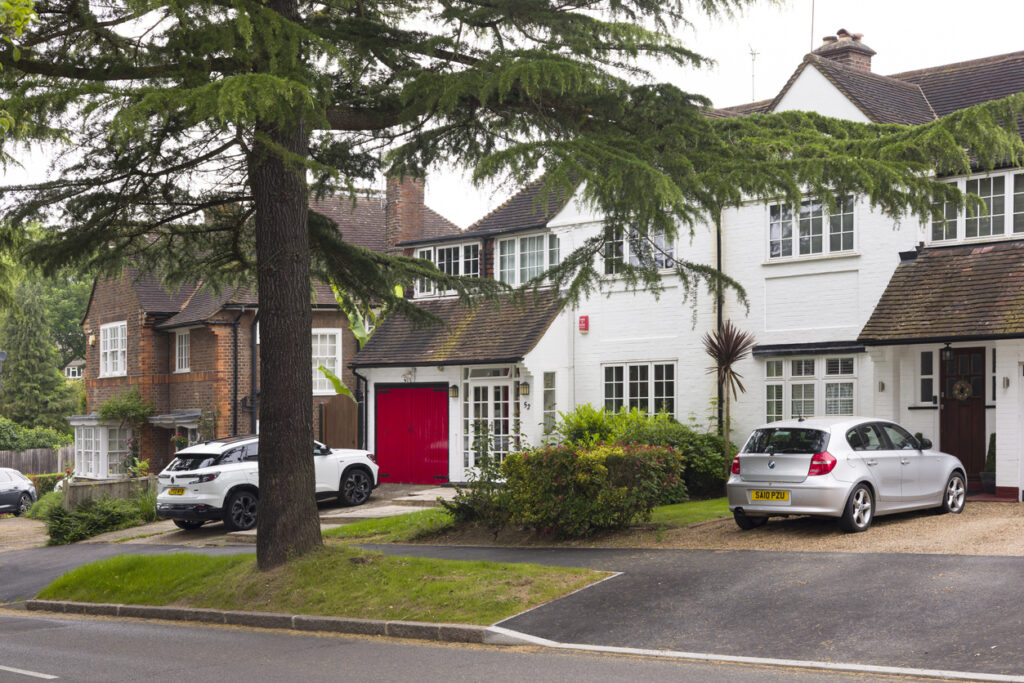
The neat, maintained front garden is already disappearing, replaced either by paving for cars or by deliberate rewilding for biodiversity. Councils are increasingly restricting paving over front gardens due to flooding concerns, while environmental awareness is pushing others to let front spaces become mini nature reserves.
The compromise position of tidy flower beds is labour-intensive and increasingly seen as pointless, so front gardens will polarise between functional parking and deliberately wild spaces. The traditional approach of keeping the front neat for appearances will fade as people choose either practicality or ecology over aesthetics.
Native wildflowers will replace ornamental borders.
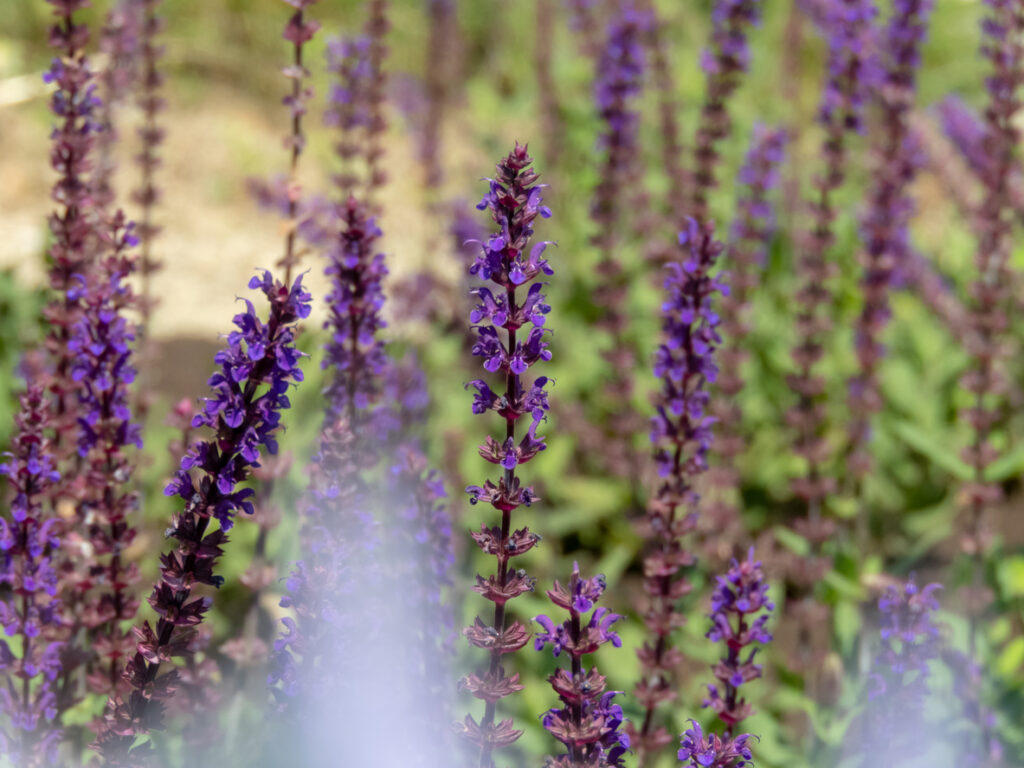
Gardeners are recognising that exotic ornamental plants often provide little value to native wildlife, and there’s a growing push toward planting species that support local insects and birds. Wildflower meadows and native plant borders will become standard as people prioritise ecological function over visual impact.
The change means that gardens will look messier and less controlled, with plants allowed to self-seed and spread naturally rather than being arranged in neat patterns. The cottage garden aesthetic will evolve into something wilder that many traditional gardeners will find too untidy or chaotic.
Year-round interest will become impossible to maintain.

Traditional British gardens aimed for something in bloom throughout the year, but changing seasons and unpredictable weather are making this increasingly difficult. Plants that once flowered reliably in specific months now bloom erratically or not at all, and cold snaps or droughts kill specimens that should have thrived.
Gardens will transition toward plants that perform well during the growing season but might be bare or dormant for longer periods. The expectation of constant colour and interest will give way to accepting that gardens have productive and dormant phases that you can’t control.
Ponds and water features will be essential, not decorative.
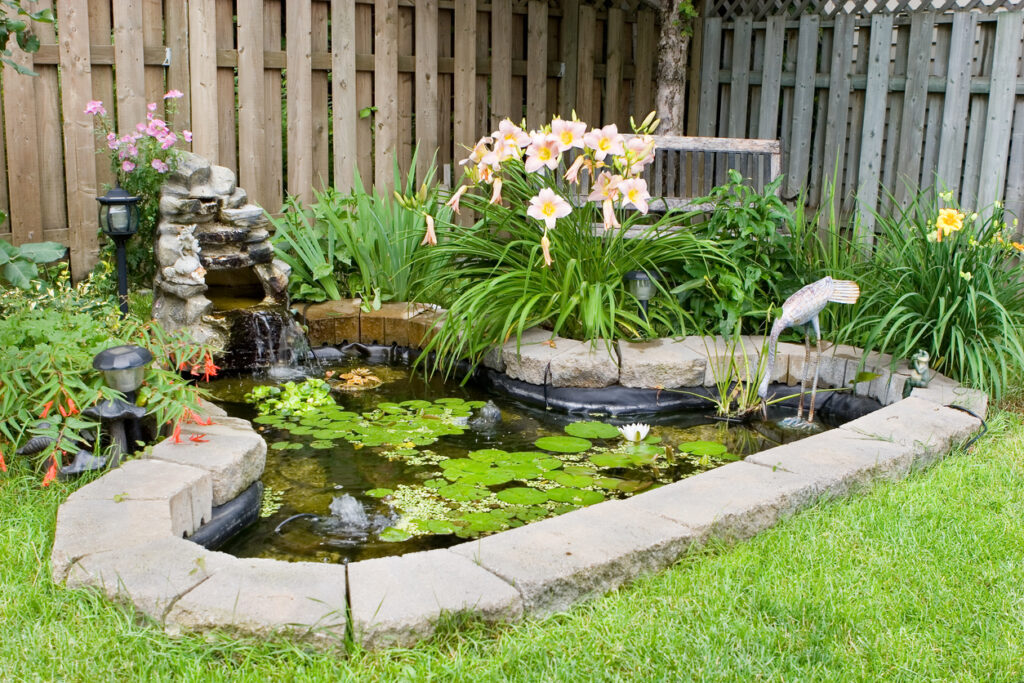
Every garden will need some form of water source to support wildlife, as natural water bodies are disappearing and insects, amphibians, and birds are struggling. What were once optional decorative features will become necessary components of functional gardens.
These won’t necessarily be ornamental koi ponds, but rather wildlife ponds with native plants and muddy edges that look quite different from traditional water features. The move from aesthetics to function means gardens will include elements that serve ecological purposes, even if they’re not particularly attractive.
Hedges will replace fences as boundaries.
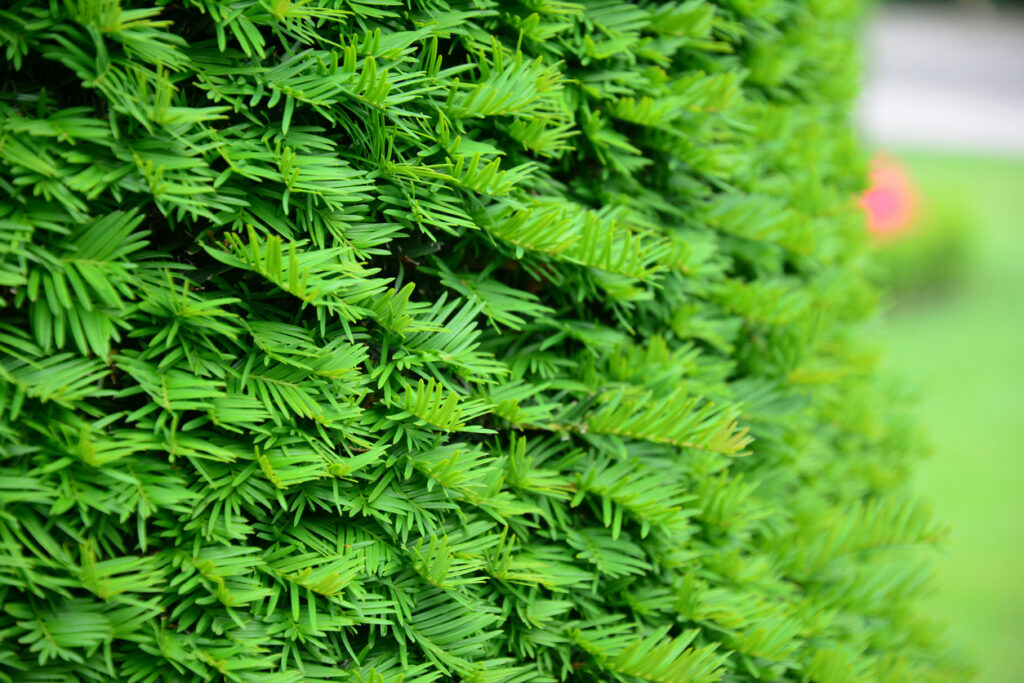
Fences and walls create barriers that fragment habitats and prevent wildlife movement, while hedges provide food, shelter, and corridors for species moving through landscapes. There’s growing pressure both from environmental groups and councils to use living boundaries instead of hard barriers.
Native hedges of hawthorn, blackthorn, and beech will become standard, changing the appearance of neighbourhoods as solid fences give way to green boundaries. This will inevitably reduce privacy initially, though mature hedges eventually provide better screening than most fences do.
Vegetable growing will move from hobby to necessity.

Rising food costs and supply chain disruptions are making home food production practical again, rather than just a hobby for enthusiasts. Gardens will increasingly include productive areas for vegetables and fruit, taking up space that previously went to purely ornamental planting.
This won’t look like traditional allotments with neat rows but rather integrated edible landscaping where productive plants mix with ornamentals. That means gardens will look more functional and less designed, with aesthetics taking second place to food production.
Hard landscaping will use permeable materials exclusively.
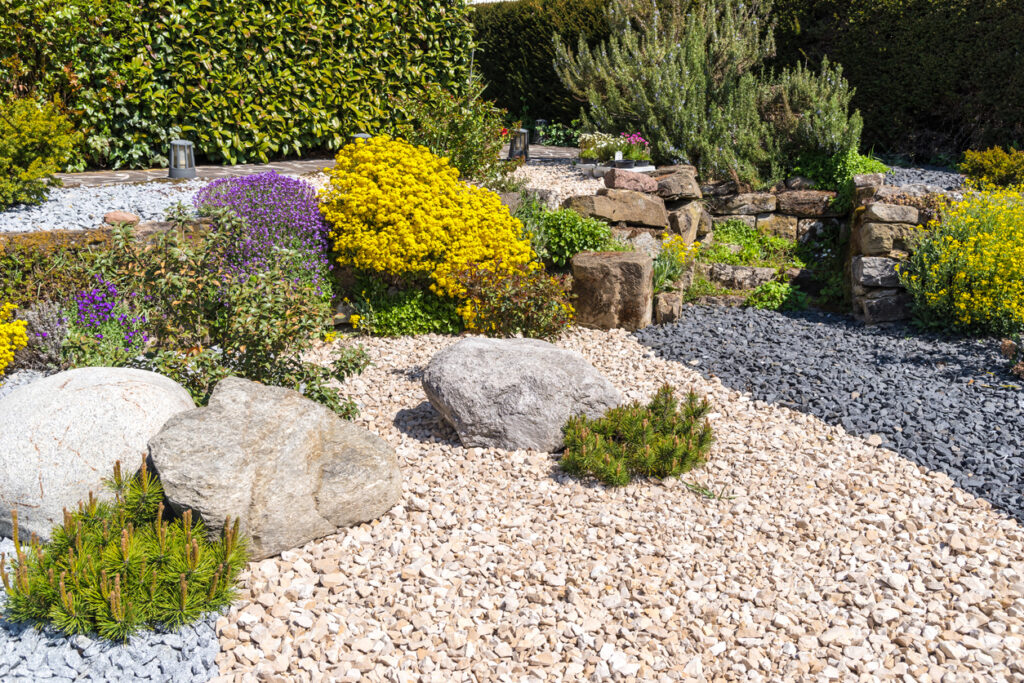
Solid paving and concrete create run-off problems that contribute to flooding, and regulations are increasingly requiring permeable surfaces that allow water to drain naturally. Gravel, permeable paving, and other water-friendly materials will replace traditional patios and paths.
These materials look different and feel different underfoot, changing the character of garden spaces and making them less formal. The environmental necessity of managing water on-site rather than sending it into overwhelmed drainage systems will force this change, regardless of aesthetic preferences.
Garden maintenance will happen less frequently.
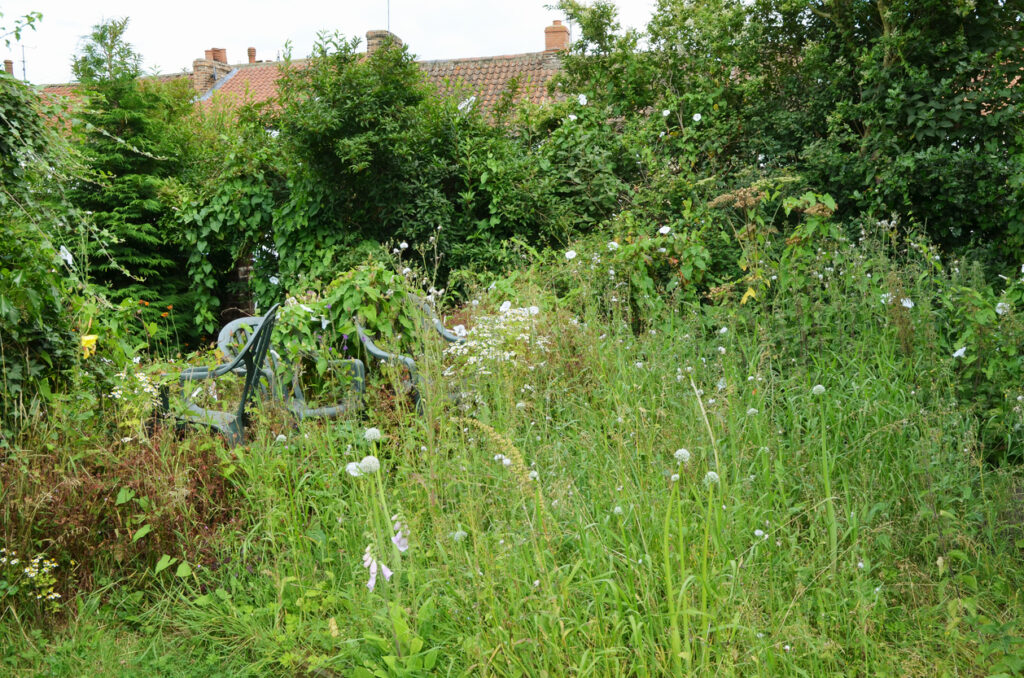
The labour-intensive approach to gardening that involves constant tidying, deadheading, and trimming is falling away as people recognise it harms wildlife and wastes time. Gardens will be left messier through winter to provide habitat for insects, and seed heads will stay on plants instead of being cut back.
Reduced intervention will make gardens look scruffier by traditional standards, with dead material visible and plants allowed to sprawl naturally. Going from manicured to managed will be stark, and many people will struggle with gardens that look unkempt by previous standards.
Chemical treatments will be banned or socially unacceptable.
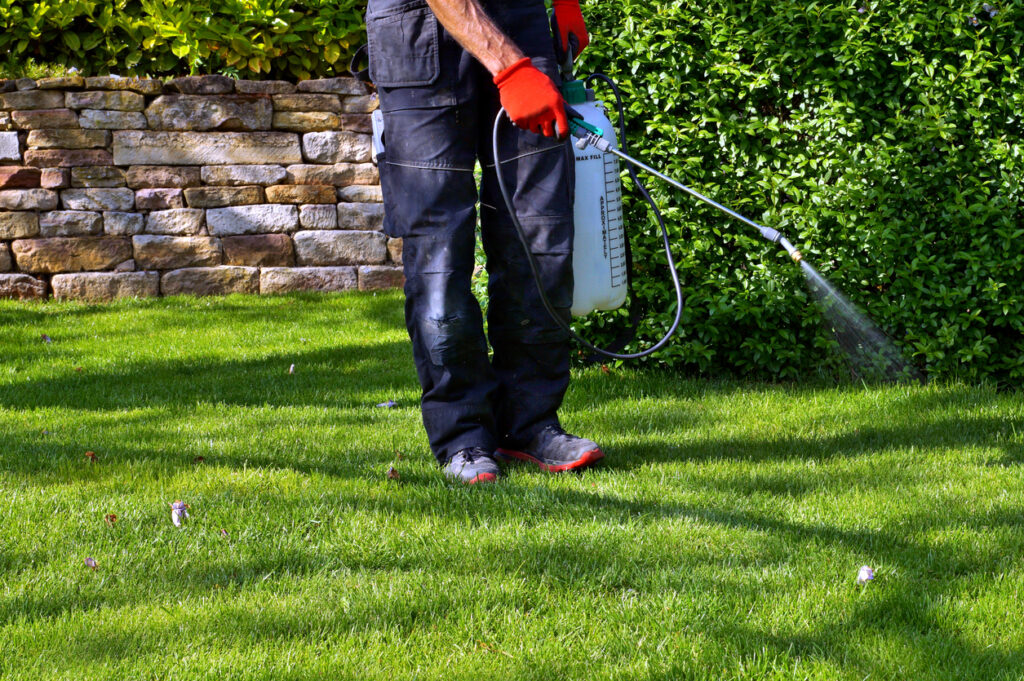
Pesticides, herbicides, and synthetic fertilisers are increasingly restricted or avoided due to environmental harm, fundamentally changing how gardens are maintained. Without chemical controls, gardens will include more pest damage, more weeds, and less perfect-looking plants.
Organic gardening methods require accepting imperfection and sharing your garden with insects rather than eliminating anything that eats your plants. This chemical-free approach will make gardens look more wild and less controlled, which conflicts directly with traditional British gardening aesthetics that prize tidiness.
Community gardens will replace private ones in new developments.
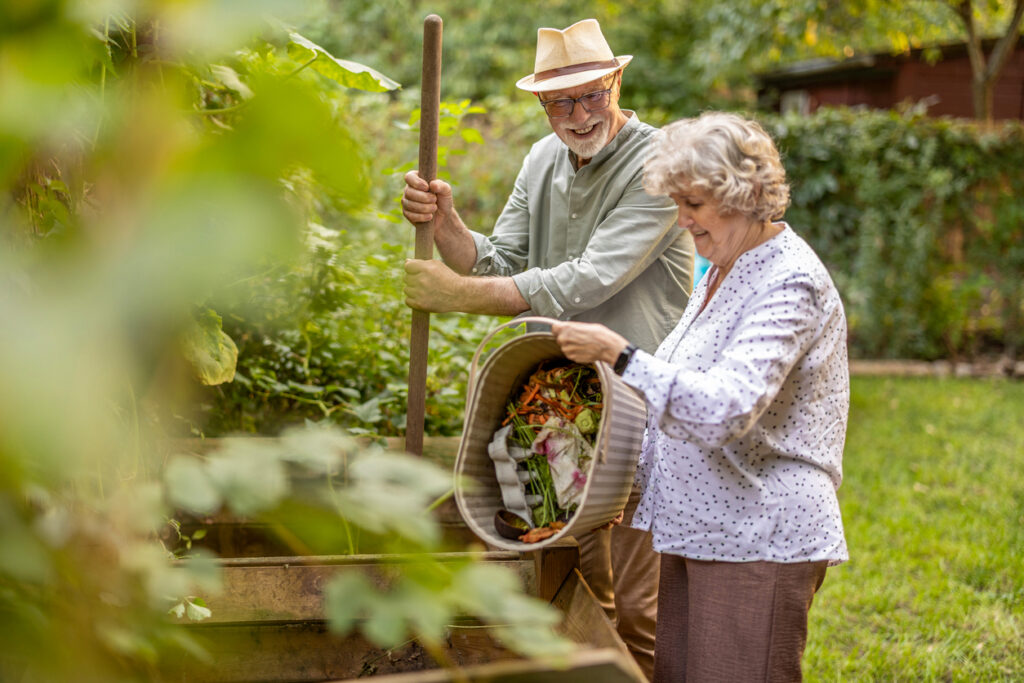
New housing developments increasingly include shared green spaces rather than individual gardens, both to save space and to create larger wildlife corridors. Residents will have access to communal areas instead of private plots, changing the relationship people have with outdoor space.
Shared gardens require cooperation and compromise rather than complete control, and they’ll be managed for collective benefit rather than individual preference. The move from private to communal will frustrate people who want their own space to garden as they choose, but it reflects the reality of higher-density housing and ecological priorities.