The UK loves to talk a good game about protecting nature, but the reality on the ground is often a lot messier.

Plenty of environmental crimes technically break the law, yet keep happening because enforcing the rules would be awkward, expensive, or politically unpopular. When the choice is between upsetting powerful interests or quietly looking the other way, nature usually loses.
What makes these cases especially frustrating is that they’re rarely secret. Many of them happen in plain sight, known by regulators, councils, and sometimes the public too. They just sit in that uncomfortable space where action would mean confrontation, paperwork, or admitting long-standing failures. Here are some of the British nature crimes that keep slipping through the cracks, not because they’re harmless, but because dealing with them properly would be a headache.
1. Illegal hedge cutting during nesting season

Between March and August, it’s an offence to cut hedges that may contain nesting birds, yet people do it every year without consequence. Councils don’t have the resources to check every garden or farmland boundary, so most cases slip by unnoticed. Meanwhile, countless nests are destroyed long before chicks can fledge. Unless someone reports a clear violation with evidence, it rarely goes anywhere. Hedge cutters know this, which is why the rule is broken far more than it’s enforced.
2. Dumping garden waste in woodlands

People treat nearby woodland edges like a free compost heap, tipping grass cuttings, branches, and even whole shrubs. It might look harmless, but it spreads invasive species and disrupts fragile woodland ground layers. Catching offenders is almost impossible since most dumping happens quietly and out of sight. By the time councils discover the pile, the damage is done. Enforcement relies on catching people in the act, which rarely happens.
3. Removing stones, shells, or driftwood from protected beaches

Many coastal areas ban taking natural materials because it affects erosion and wildlife habitats, yet tourists collect bags of shells every summer. Rangers can’t monitor every visitor, so these small thefts add up over time and slowly strip beaches of important features. Educating the public matters more than chasing fines, which is why this nature crime is almost never punished.
4. Letting dogs chase wildlife in reserves

Most reserves have strict rules that dogs must stay on leads, but plenty of owners ignore them. Disturbed birds abandon nests, mammals burn precious energy fleeing and sensitive species disappear from popular walking spots. Rangers can’t be everywhere, and challenging owners often leads to arguments. Even when signs are clear, enforcement is minimal. Protected areas suffer because nobody wants a confrontation.
5. Taking plants or fungi from protected sites

Foraging in certain woodlands and meadows is illegal, but people still pick rare flowers, dig up ferns or collect mushrooms that should stay in place. These actions harm species already under pressure, yet rangers rarely catch anyone because the activity happens quietly among dense vegetation. Most offenders never realise how fragile these sites are, and without proper monitoring, the problem grows every year.
6. Using fishing magnets in prohibited rivers
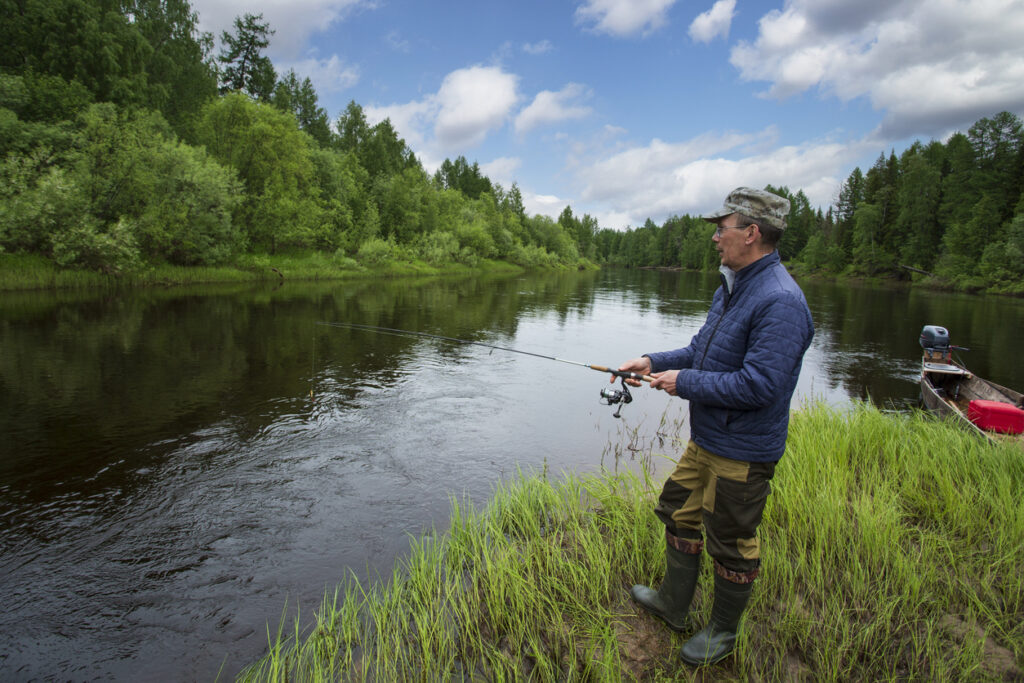
Magnet fishing can disturb sediments, damage riverbeds and pull out items that should remain undisturbed for ecological or safety reasons. Some rivers have clear bans, but enforcement is patchy because it requires regular patrols and manpower councils don’t have. People see it as a harmless hobby, so the rule gets ignored. Rivers pay the price in disrupted habitats and broken flood defences.
7. Leaving out harmful bird feeders

Rotting food, dirty feeders and overcrowded bird tables spread disease, yet few people realise this counts as an environmental offence when done repeatedly or irresponsibly. Councils avoid penalising residents because it feels heavy-handed, even though outbreaks wipe out local finch populations. Most problems could be prevented with education, but without enforcement, poor feeding habits continue to harm wildlife quietly.
8. Disturbing bat roosts during home renovations

It’s illegal to disturb or destroy bat habitats, but small building projects often do exactly that without anyone reporting it. Builders may block entrances or remove roof tiles without checking for bats, and by the time anyone notices, the roost is gone. Investigating requires time and evidence that councils rarely have. The species is protected, yet protection means little without active enforcement.
9. Flying drones in protected nature reserves

Drones can disturb nesting birds, stress animals and disrupt conservation work, which is why many reserves ban them. But visitors still launch drones because rangers can’t be everywhere, and tracking offenders once the drone is in the air is difficult. Most users don’t realise the harm they cause, and even when they’re told, fines are rarely issued because identification is tricky.
10. Digging for “wild treasure” on ancient sites
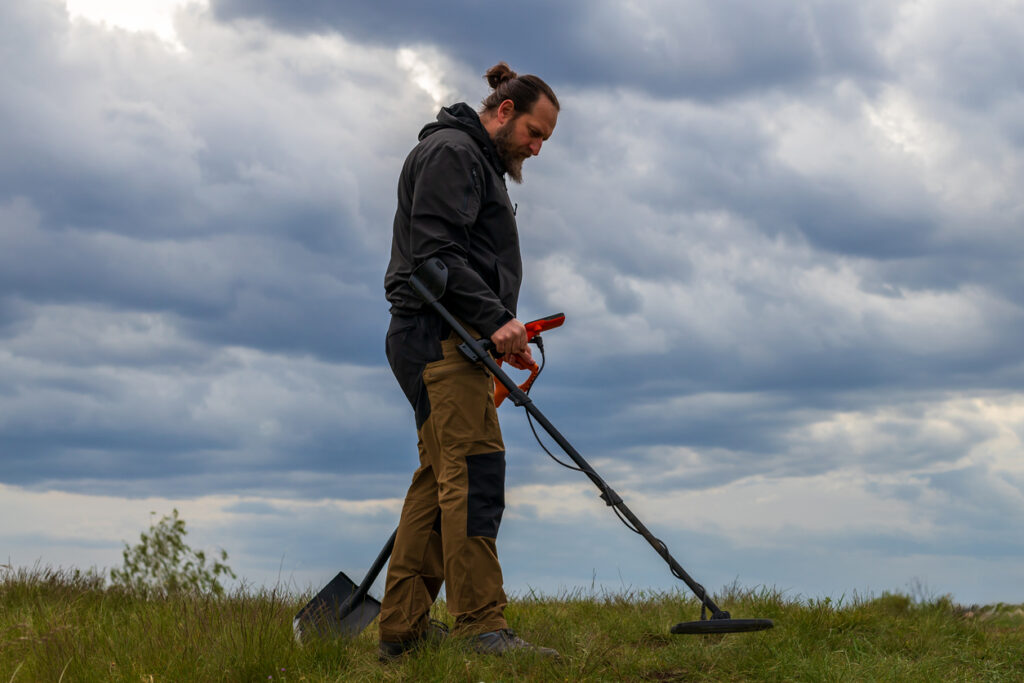
Metal detecting and digging on protected land can damage archaeology, disturb soils and harm rare plant roots. Yet, many people still do it, especially at night or in remote areas where wardens rarely patrol. Even when holes are found, proving who caused them is almost impossible. The crime continues because enforcement requires constant monitoring nobody can afford.
11. Letting invasive plants spread from private gardens

Plants like bamboo, cotoneaster, and cherry laurel escape into nearby nature reserves and choke out native species. Homeowners aren’t meant to let this happen, but proving responsibility is difficult, so councils almost never intervene unless it’s something extreme like Japanese knotweed. The quiet spread changes whole ecosystems, but it’s one of the least enforced nature-related issues in the UK.
12. Lighting fires in banned areas
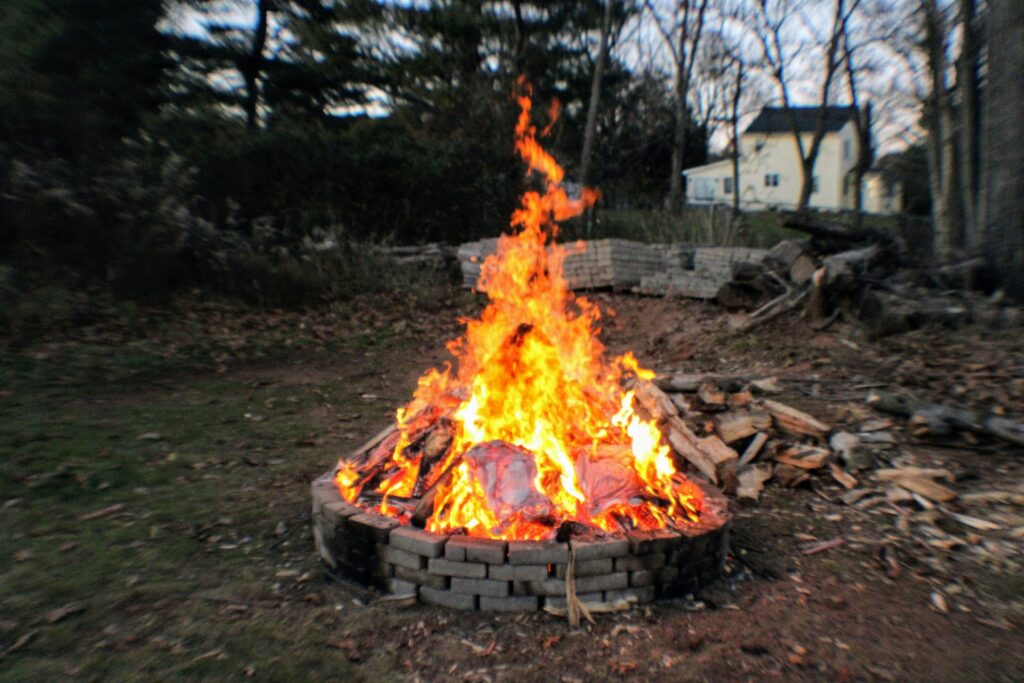
From moorlands to beaches, open fires damage soil, kill small wildlife and spark devastating wildfires. Many areas have strict bans, yet people still light makeshift barbecues or campfires because the chance of being caught feels low. By the time smoke is spotted, the offenders are usually gone. It leaves rangers dealing with the aftermath and no realistic way to enforce the rule.