Space often feels distant and unreachable, but some of its strangest spectacles can be seen right here in Britain.
With clear skies and a little patience, you don’t even always need a telescope to witness them. While these won’t always be visible in all areas of the UK, if you’re lucky, here are the unusual phenomena you can actually spot.
1. The northern lights
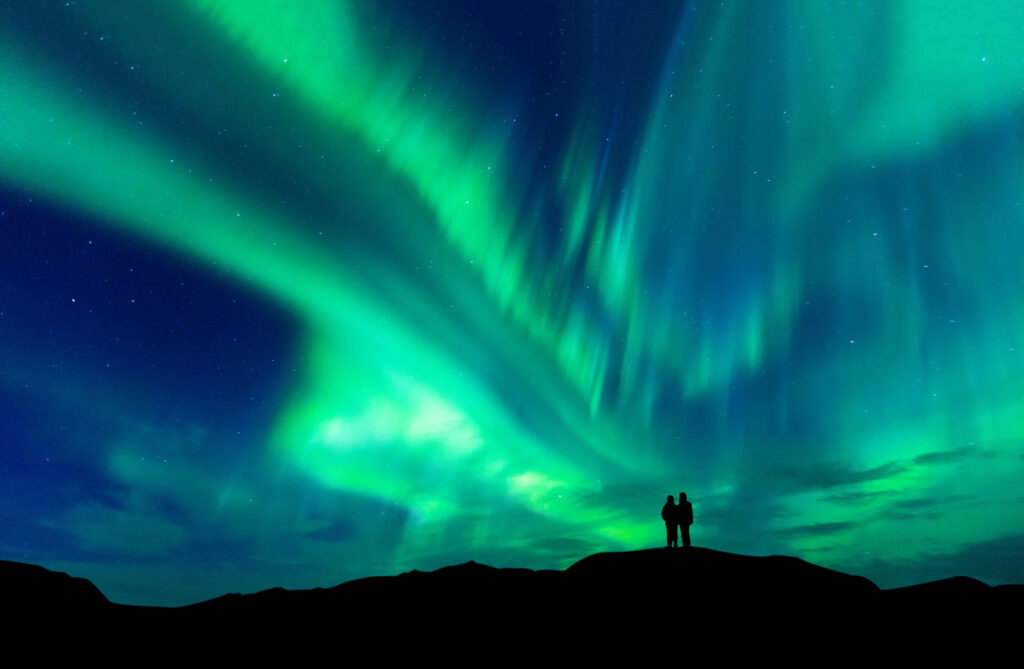
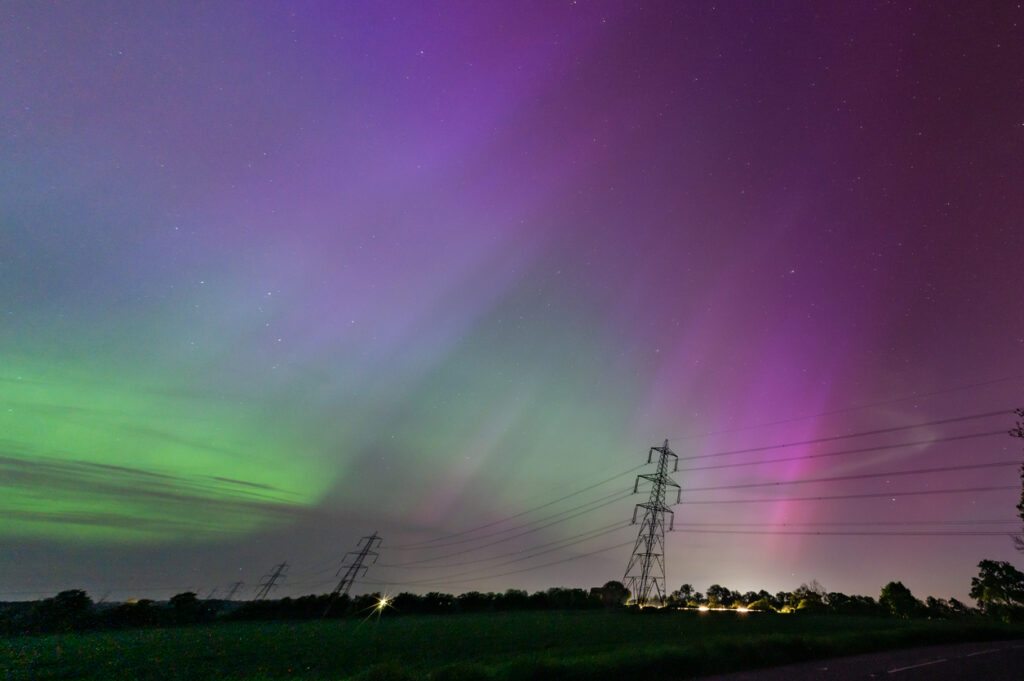
The northern lights, or aurora borealis, are perhaps the most famous space phenomenon visible from the UK. They appear when charged particles from the Sun collide with Earth’s atmosphere, creating shifting green and sometimes red or purple lights in the sky.
Although often linked to the Arctic, strong solar activity can make them visible in Scotland and occasionally further south. Keeping an eye on aurora forecasts increases your chances of catching this unforgettable display overhead.
2. The Milky Way
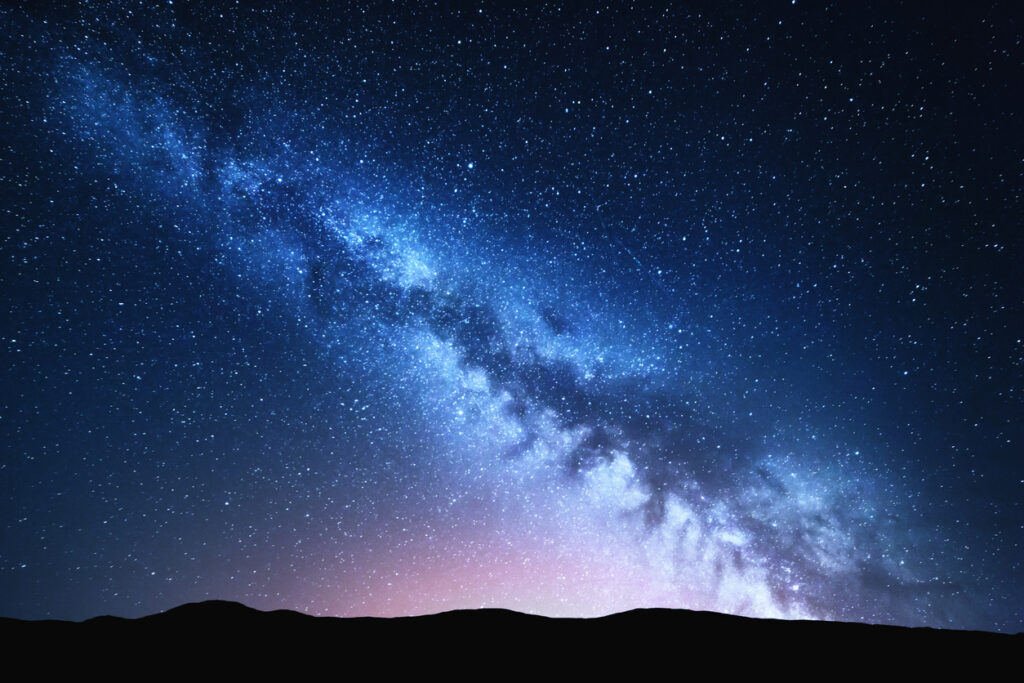
Most people forget that the streak of the Milky Way across the night sky is part of our galaxy. From dark areas in the UK, especially rural Wales or northern Scotland, you can see its band of stars stretching from horizon to horizon.
To spot it clearly, go to a location with little light pollution on a moonless night. Seeing the Milky Way with the naked eye makes you realise just how vast our galaxy really is.
3. Meteor showers
Several times a year, Earth passes through trails of comet dust, leading to meteor showers. Streaks of light flash across the sky as particles burn up in the atmosphere. Well-known ones include the Perseids in August and the Geminids in December.
Finding a dark, open spot improves visibility. With patience, you can see dozens of meteors an hour during peak nights, making meteor showers one of the most dramatic space events accessible to beginners.
4. The zodiacal light
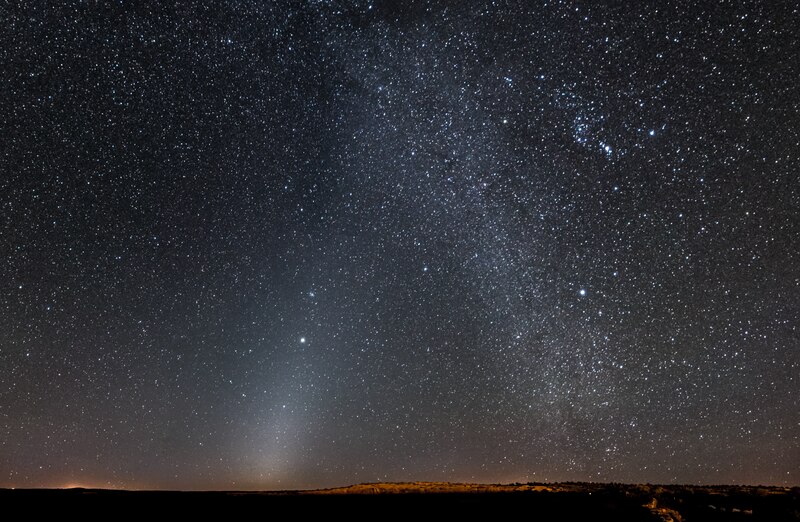
This faint glow sometimes appears before dawn or after sunset, stretching up from the horizon. It’s caused by sunlight scattering off dust left behind by comets. Few people in the UK realise it can be seen under the right conditions.
Look for it in very dark skies during spring or autumn. It appears as a cone of light in the east before sunrise or in the west after sunset, a strange but beautiful reminder of how much space dust surrounds us.
5. Satellite flares
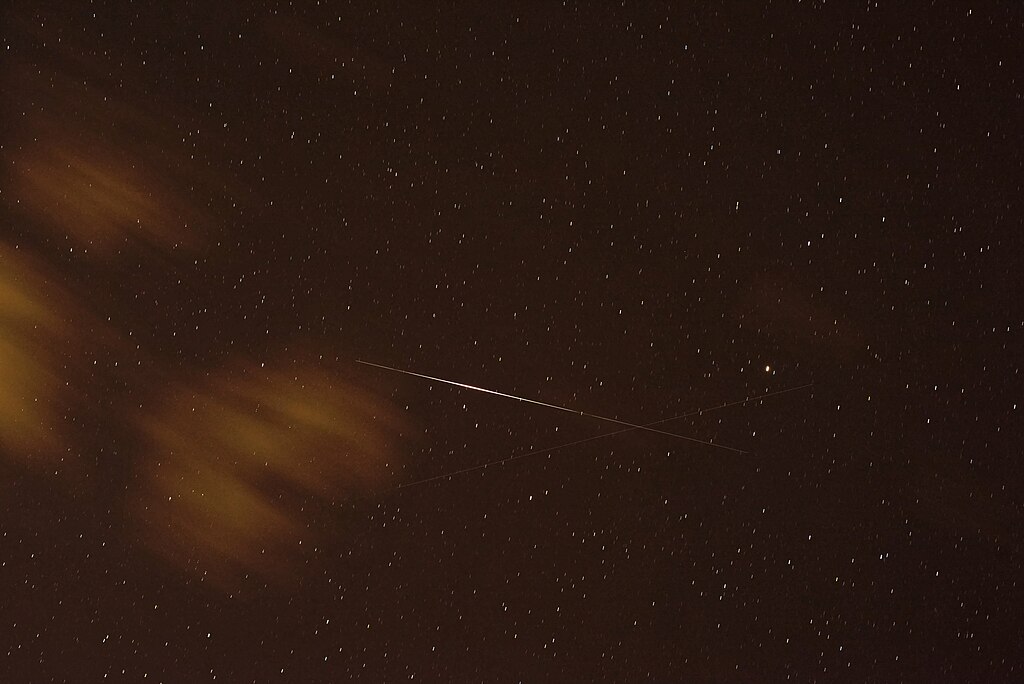
Some satellites reflect sunlight strongly enough to appear as bright flashes in the sky. These brief flares can be brighter than most stars and often surprise people who don’t know what they’re seeing. They appear suddenly and vanish just as quickly.
Tracking apps can tell you when and where to look for them. Watching a sudden flare feels like a secret glimpse of human technology at work high above the Earth.
6. The International Space Station
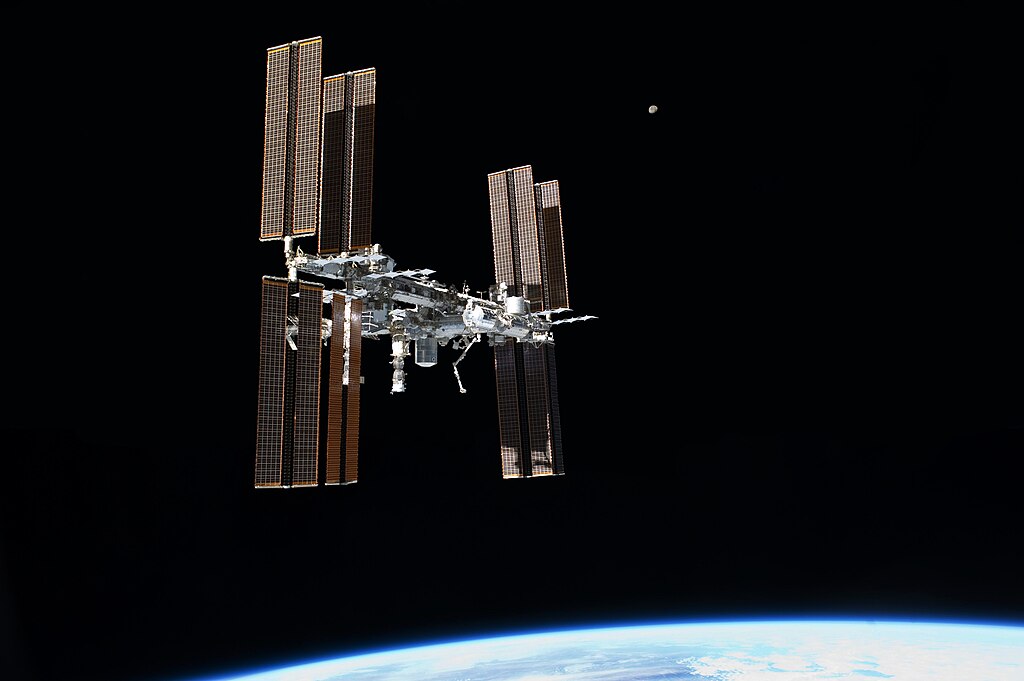
The ISS is one of the easiest space objects to spot with the naked eye. It looks like a bright, fast-moving star crossing the sky in just a few minutes. Its steady light makes it distinct from aircraft or meteors.
Check schedules online to know when it will pass over your area. Spotting it reminds you that people are actually living and working in space right now, visible from your back garden.
7. Lunar halos
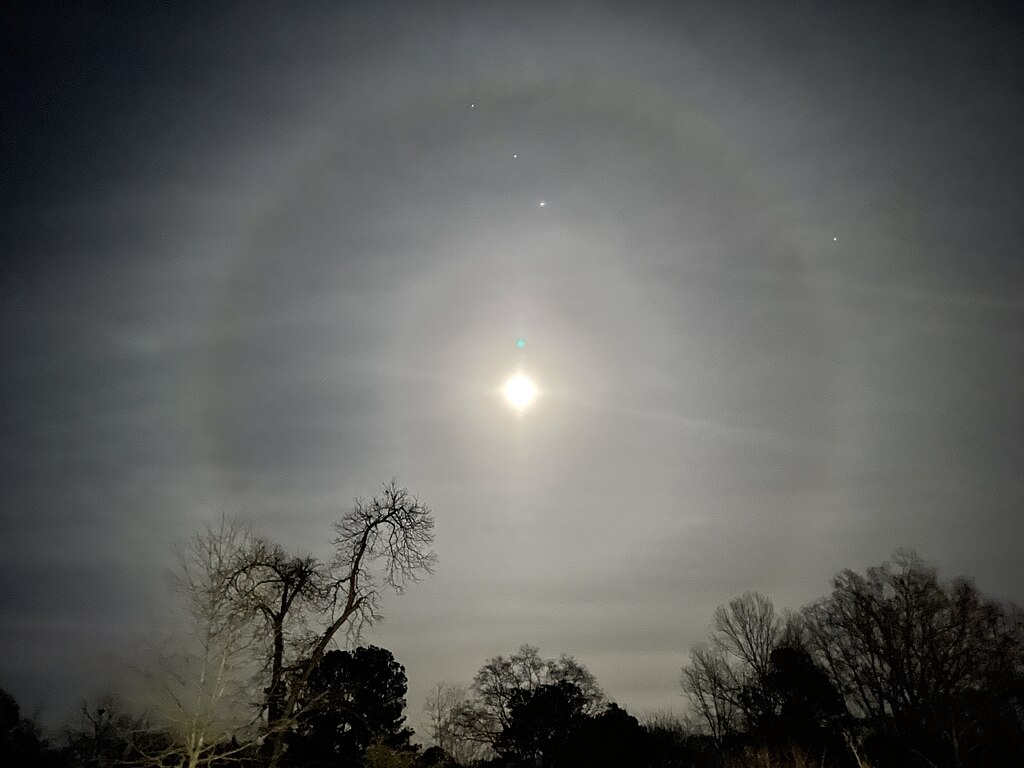
Sometimes, a ring of light forms around the Moon, known as a halo. It happens when moonlight passes through ice crystals high in the atmosphere. While not rare, it often feels magical and gives the Moon a strange, otherworldly appearance.
These halos can be seen anywhere in the UK on cold, clear nights. They’re not just beautiful, but also a reminder of how Earth’s atmosphere interacts with space light to create striking effects.
8. Planetary conjunctions
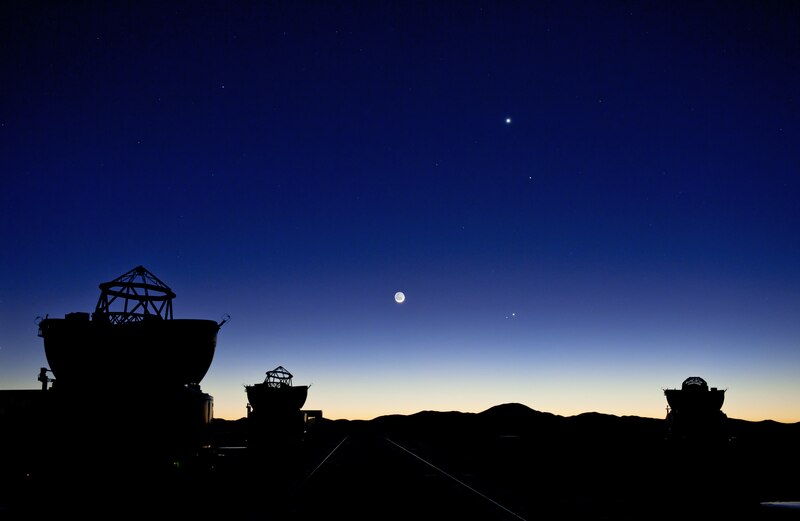
From time to time, planets align closely in the sky, creating eye-catching conjunctions. Bright dots like Venus, Jupiter, or Saturn can appear side by side, sometimes with the Moon joining in for dramatic views.
With a bit of planning, you can see these events with the naked eye. They’re striking reminders that the planets are always moving, and now and then, their paths line up for us to admire.
9. Noctilucent clouds
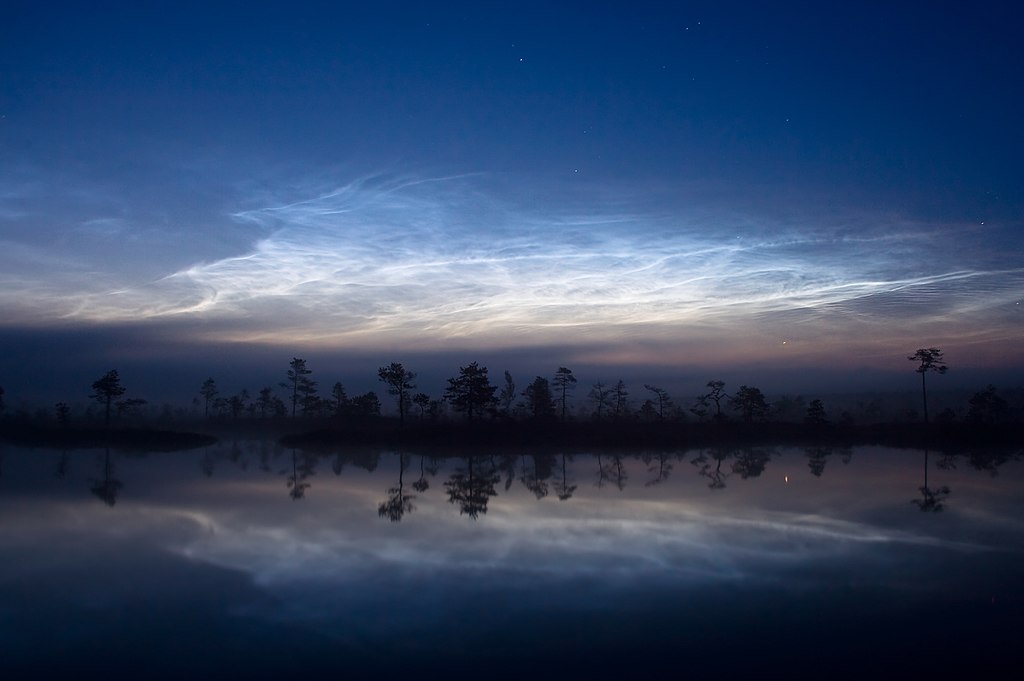
These shimmering clouds appear on summer nights at very high altitudes, glowing blue or silver. They’re formed by ice crystals in the upper atmosphere catching sunlight long after sunset. They look eerie, almost like something out of science fiction.
Best seen in June and July from northern parts of the UK, they add a surreal glow to the night sky. Their beauty comes from being both rare and fleeting, making them all the more special.
10. Total lunar eclipses
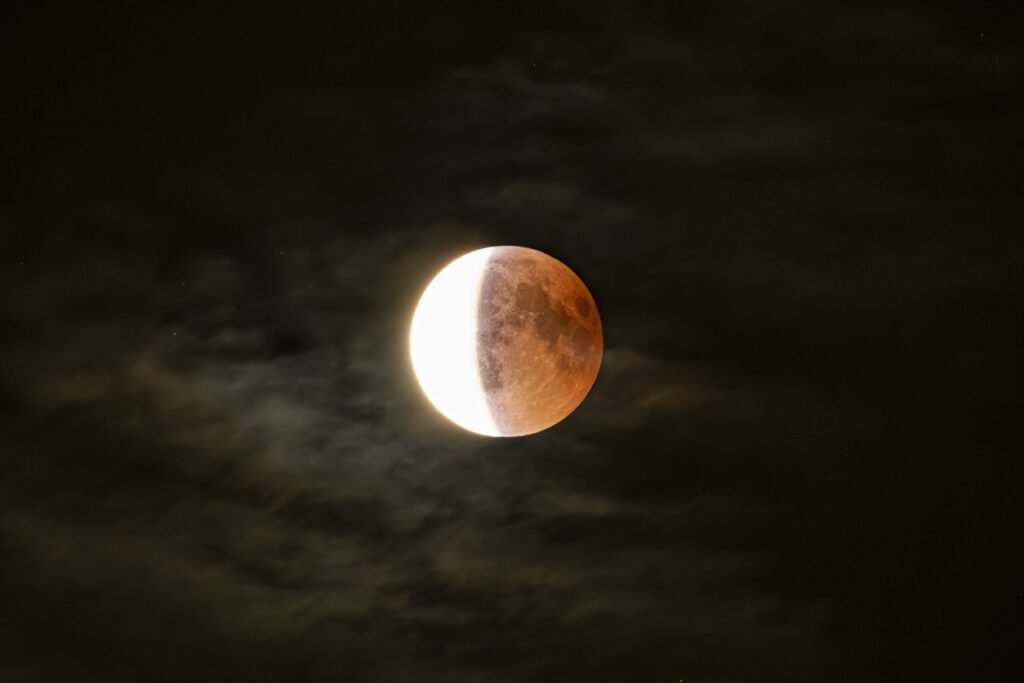
When Earth moves between the Sun and the Moon, it casts a shadow that can turn the Moon a deep red colour. These “blood moons” are dramatic and fully visible without any equipment, provided the skies are clear.
Lunar eclipses are visible from the UK every few years. Marking the dates ahead of time ensures you don’t miss one of the most spectacular natural shows visible from your doorstep.
11. Comets
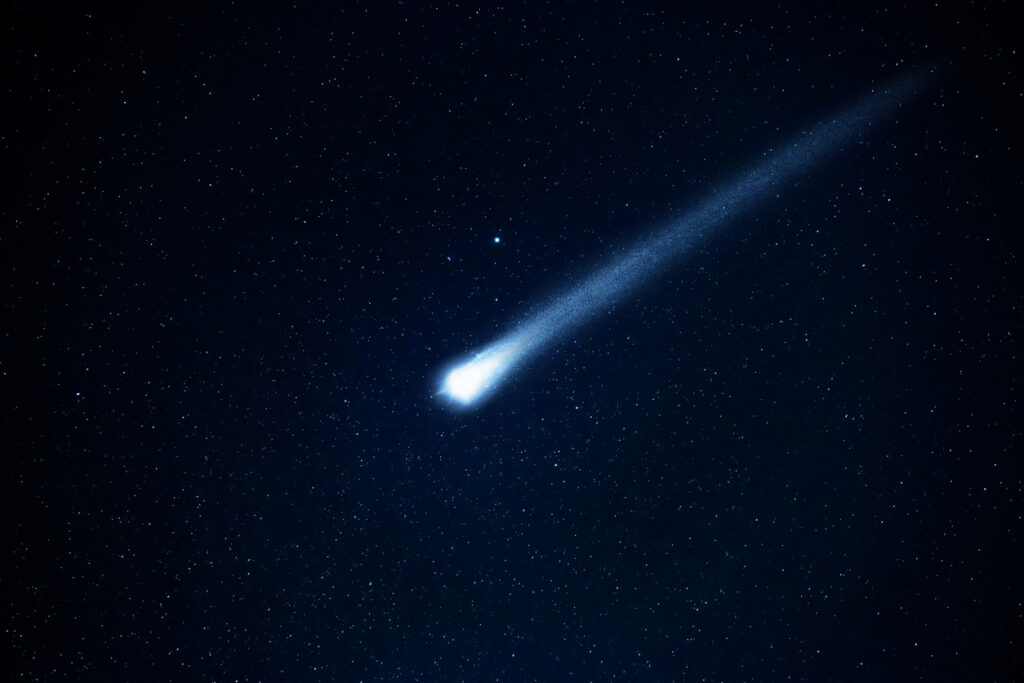
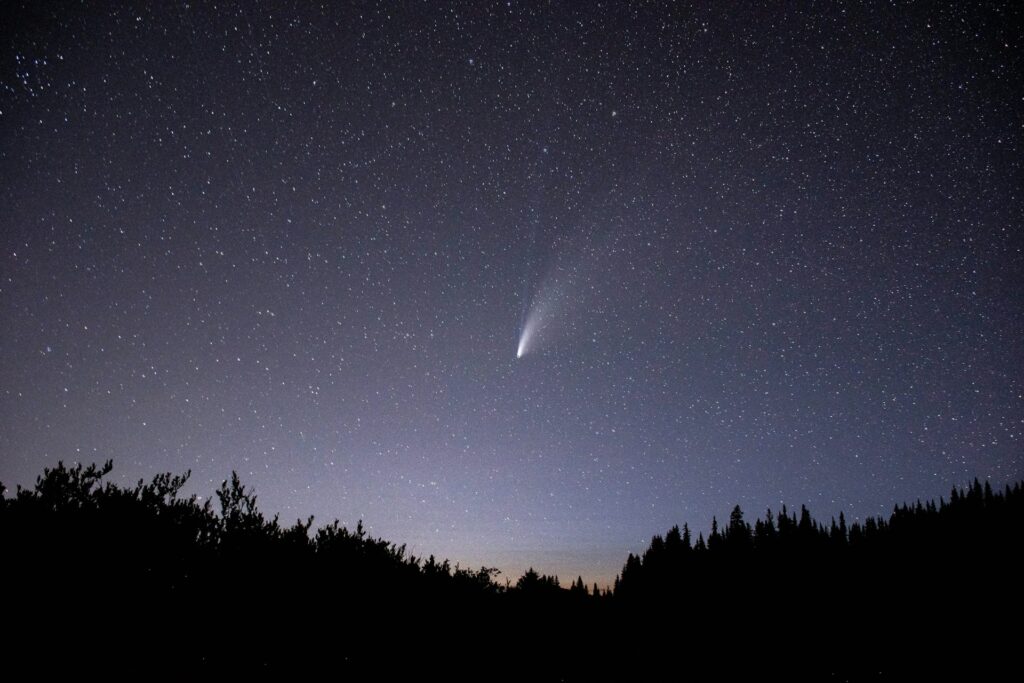
While not everyday events, comets occasionally pass close enough to Earth to be visible. Their glowing heads and long tails make them some of the most exciting sights in the night sky. They often become talking points when they appear.
Staying updated with astronomy news helps you catch them. Binoculars enhance the view, but some comets are bright enough to spot unaided, making them rare but unforgettable phenomena.
12. Iridescent clouds
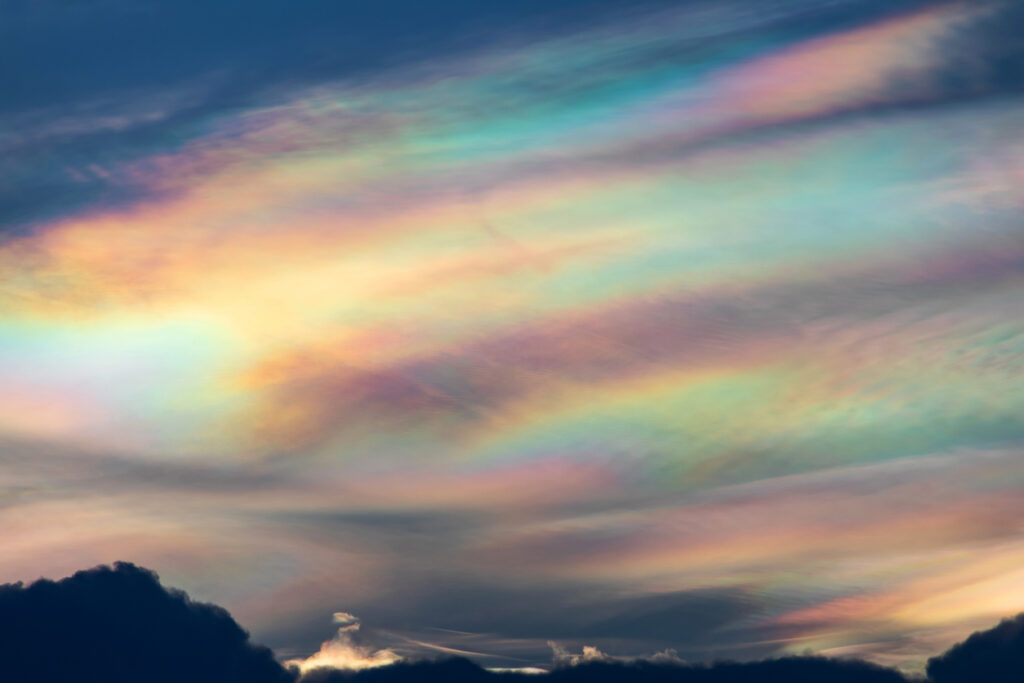
Sometimes, thin clouds near the Sun or Moon display rainbow-like colours. This happens when light scatters through tiny droplets or ice crystals. The effect looks strange and dreamlike, often surprising those who spot it by accident.
You can see them in the UK when conditions are right, especially in colder months. They add an unusual twist to ordinary skies, showing how even simple clouds can create rare space-related spectacles.