Even if you’re a lover and protector of wildlife, there are likely certain animals you don’t actually want in your back garden.
Whether it’s because they’re disturbing your flower beds, leaving their droppings behind, or even starting to invade your home, you might be tempted to get rid of them by any means possible. However, most gardeners don’t realise that killing certain creatures in their gardens, even ones they consider pests, can land them with hefty fines or even criminal charges under UK law.
1. All bats are completely protected and can’t be disturbed.
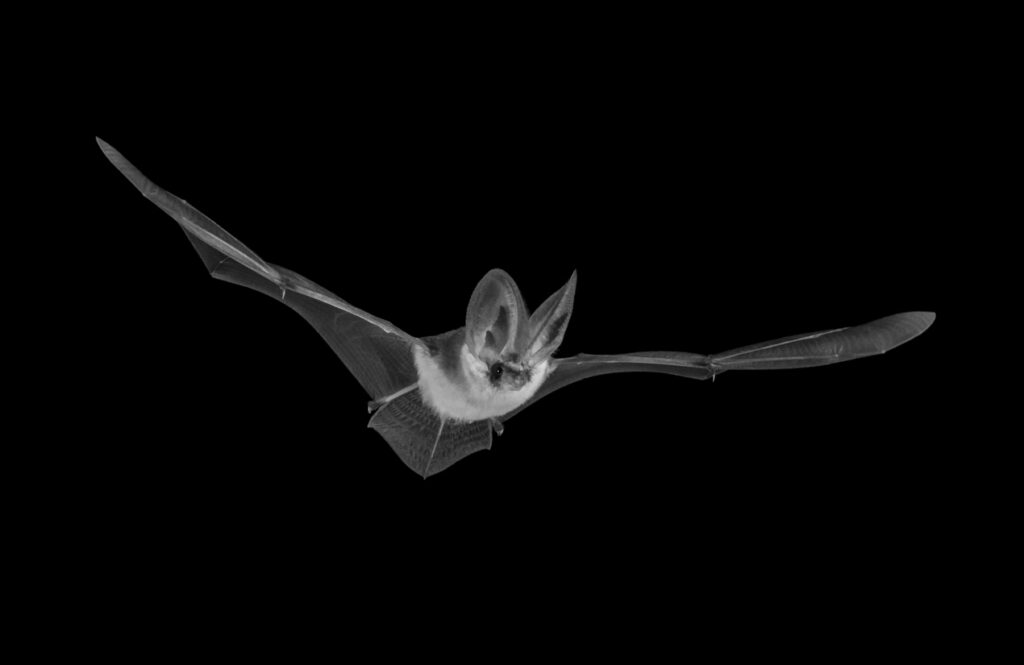
Every single species of bat in the UK is protected under multiple laws, making it illegal to kill, injure, or even disturb them. If bats are roosting in your garden shed, garage, or roof space, you can’t just remove them yourself or block their access, even if they’re causing problems with droppings.
You need a special licence from Natural England to do anything that might affect bats or their roosts. If you discover bats in your garden buildings, contact a licensed bat worker or Natural England for advice. Even putting up new lighting or doing repairs that might disturb a bat roost requires proper licences.
2. Hedgehogs are protected from cruel treatment and certain killing methods.
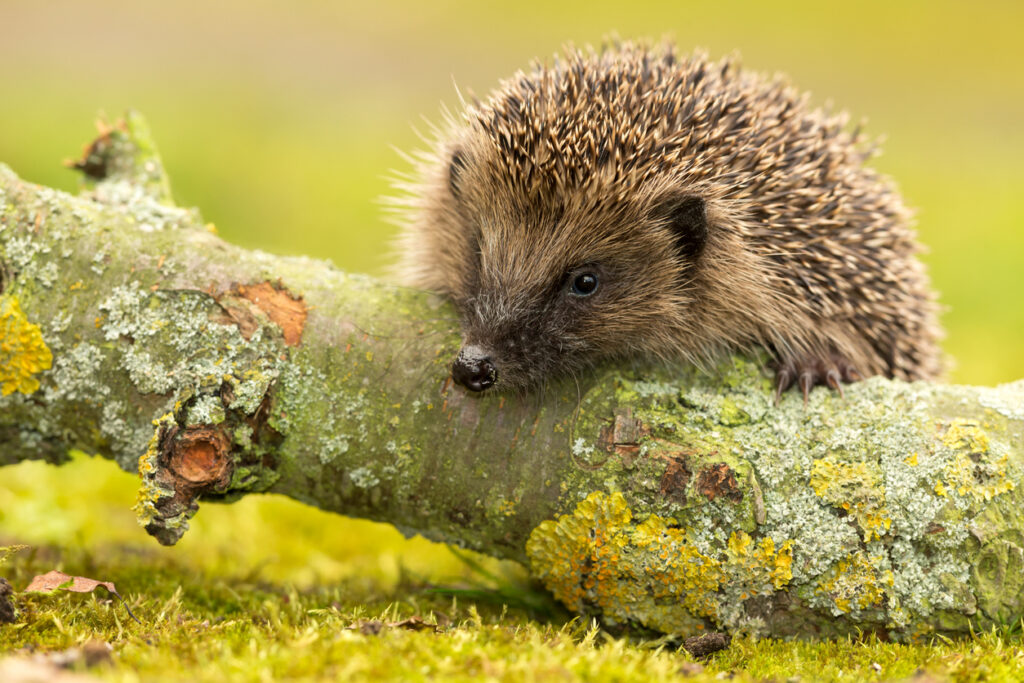
Under the Wildlife and Countryside Act 1981 and the Wild Mammals Protection Act 1996, it’s illegal to kill or capture hedgehogs using certain methods, and you can’t treat them cruelly. This means you can’t poison, trap, or deliberately harm hedgehogs even if they’re digging up your lawn or eating pet food.
If hedgehogs are causing problems in your garden, focus on humane deterrents rather than removal or killing. Secure your compost bins, bring pet food indoors at night, and create barriers around vulnerable plants. Remember that hedgehogs actually help by eating slugs, snails, and other real garden pests.
3. All wild birds nesting in your garden are protected.

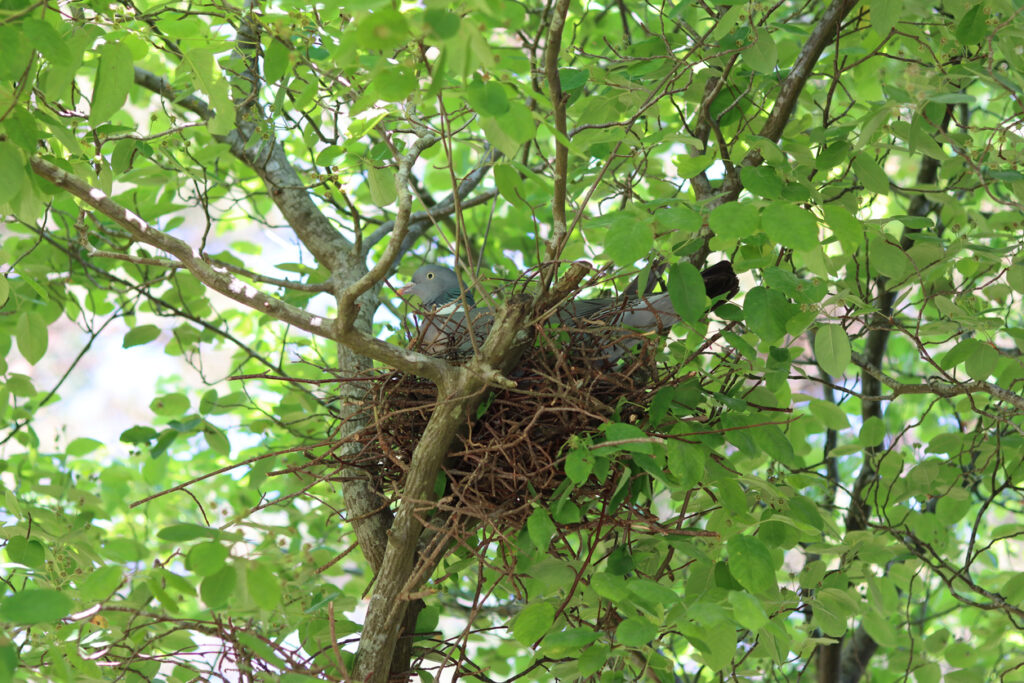
Under the Wildlife and Countryside Act 1981, it’s illegal to kill, injure, or disturb any wild bird, including species you might consider garden pests like crows, magpies, or wood pigeons. You also can’t destroy active nests in your hedges, sheds, or trees, even from species that seem to be causing damage.
Some species can be controlled under general licences, but you need to check you’re covered and try non-lethal methods first. For most garden bird problems, bird-proof netting, deterrent devices, and timing hedge trimming outside nesting season work better than trying to control bird numbers.
4. Slow worms living in compost heaps are protected.
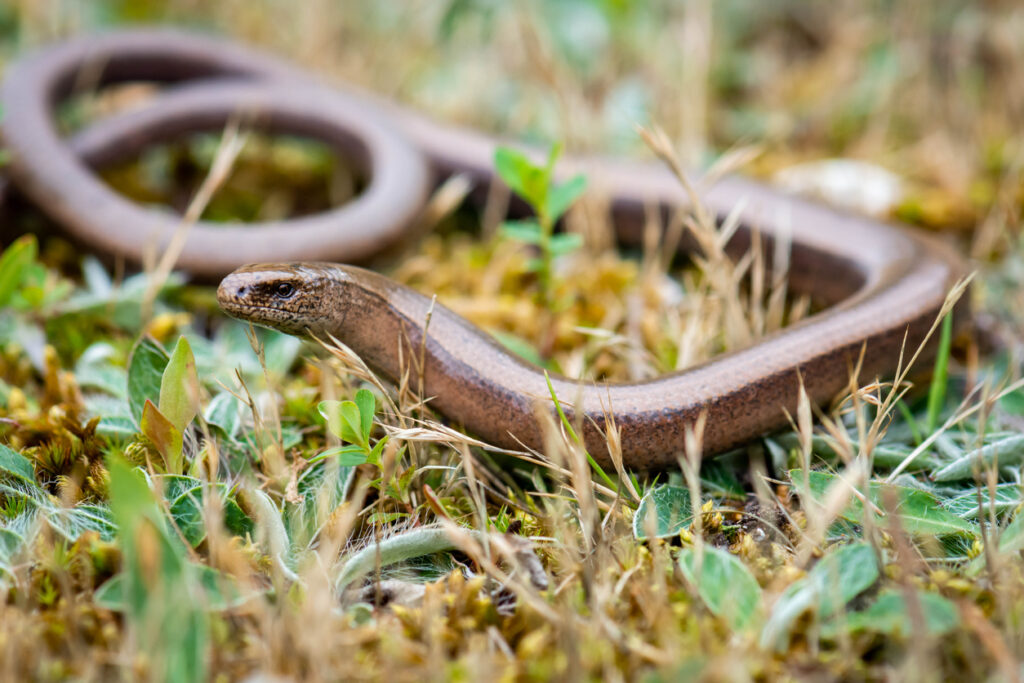
Despite their name, slow worms are actually legless lizards, and they’re protected under the Wildlife and Countryside Act 1981. It’s illegal to intentionally kill or injure them, even though many gardeners mistake them for snakes and try to remove them from compost heaps or rockeries.
Slow worms are actually brilliant garden residents that eat slugs, snails, and other genuine pests. If you find them in your compost heap or under garden debris, just leave them alone. They’re completely harmless to humans and do far more good than harm by controlling garden pests.
5. Common frogs and toads in garden ponds can’t be killed.
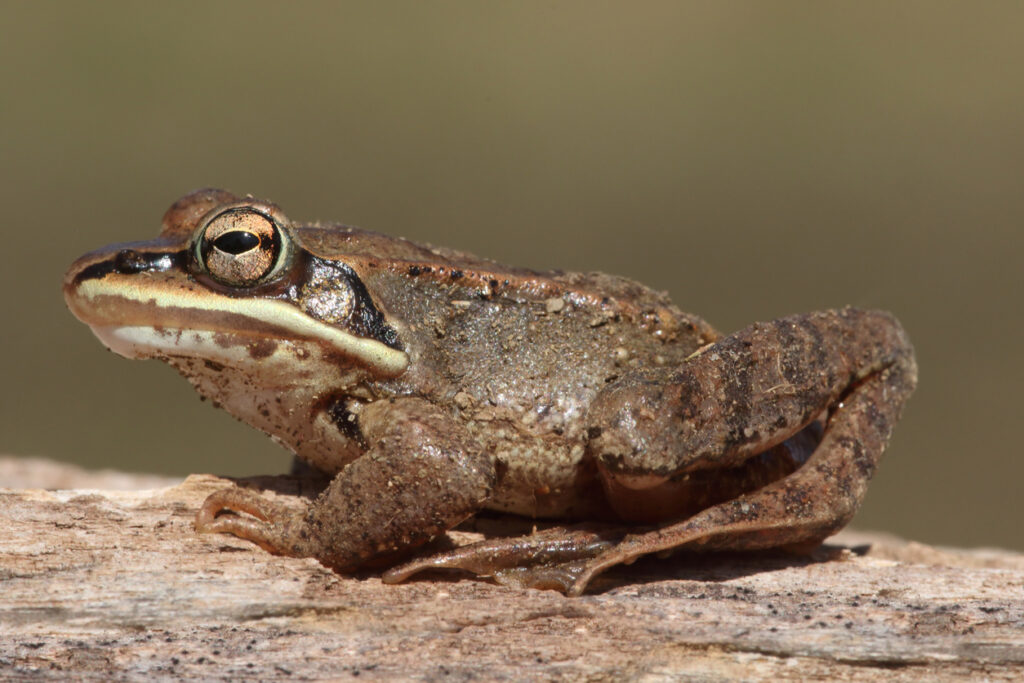
Common frogs and toads are protected from intentional killing under general wildlife protection laws, and you can’t sell them or deliberately harm them. Many gardeners try to remove them from ponds because they think they’re messy or noisy, but this could land you in legal trouble.
Garden ponds with amphibians are valuable wildlife habitats that benefit your garden ecosystem. Frogs and toads eat enormous numbers of insects, slugs, and other pests. If you find frog or toad spawn in your pond, leave it alone, as it’s actually helping your garden’s natural pest control.
6. House sparrows and other declining bird species need protection.
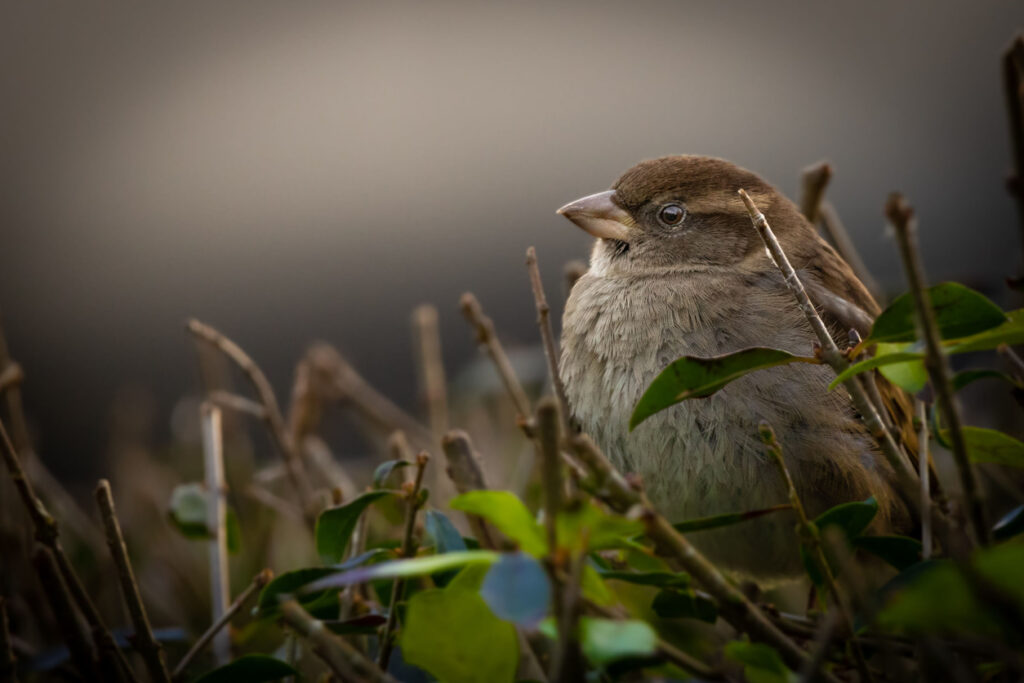
House sparrows might seem common, but they’re actually on the red list for conservation concern, and like all wild birds, they’re protected from intentional killing or nest destruction. You can’t remove their nests from eaves, sheds, or hedges, even if they’re being messy or noisy.
Instead of trying to exclude sparrows, consider providing proper nest boxes away from areas where mess is a problem. House sparrows eat huge numbers of aphids and other garden pests during breeding season, making them valuable garden allies rather than pests.
7. Grass snakes basking in sunny garden spots are protected.
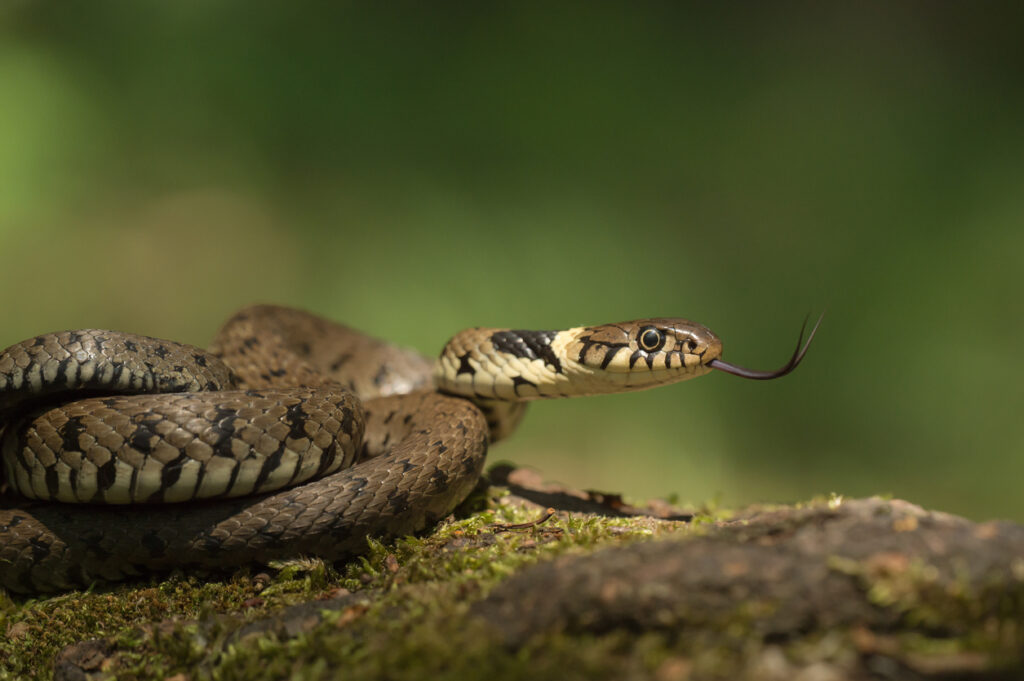
Grass snakes are protected from intentional killing or injury under the Wildlife and Countryside Act 1981. Many people panic when they see snakes in their gardens and try to kill them, not realising they’re breaking the law and removing beneficial predators.
Grass snakes are completely harmless to humans and help control rodent and amphibian populations around gardens. They’re actually quite shy and will usually leave if undisturbed. If you’re concerned about snakes, remove cover like long grass and debris piles rather than trying to harm them.
8. Common lizards sunning themselves on garden walls are protected.
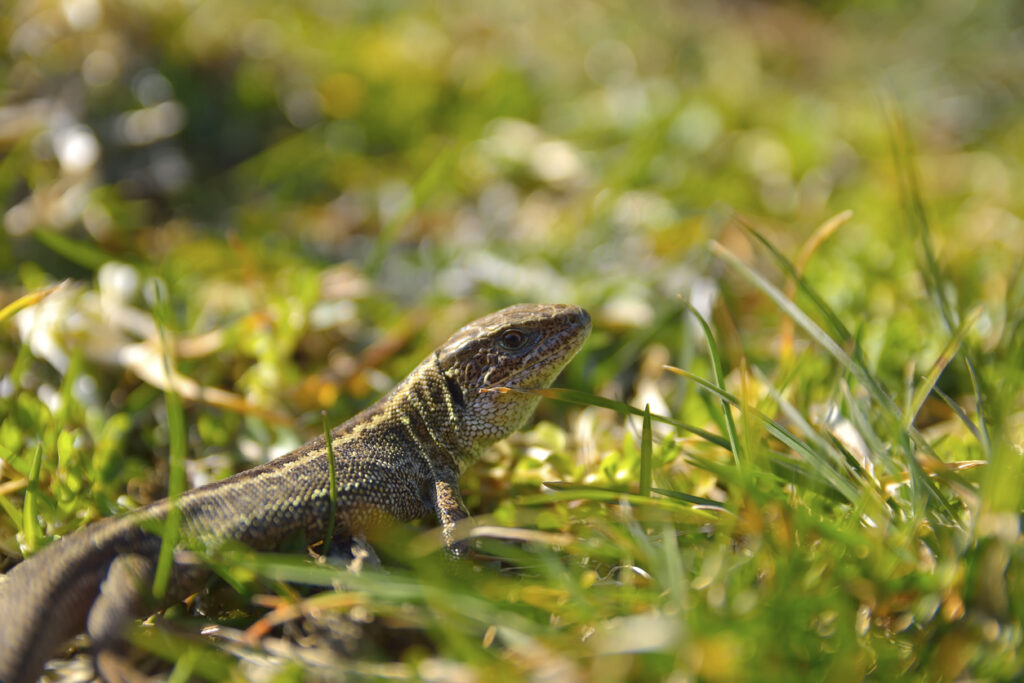
Common lizards are protected from intentional killing or injury under the Wildlife and Countryside Act 1981. They’re often found basking on garden walls, rockeries, or sunny spots, and while they might seem like pests to some people, they’re actually beneficial garden residents.
Lizards eat spiders, insects, and other small creatures that many people consider garden pests. They’re completely harmless and quite shy, usually disappearing quickly when disturbed. Having lizards in your garden is a sign of a healthy ecosystem rather than a pest problem.
9. Newts in garden ponds have varying levels of protection.
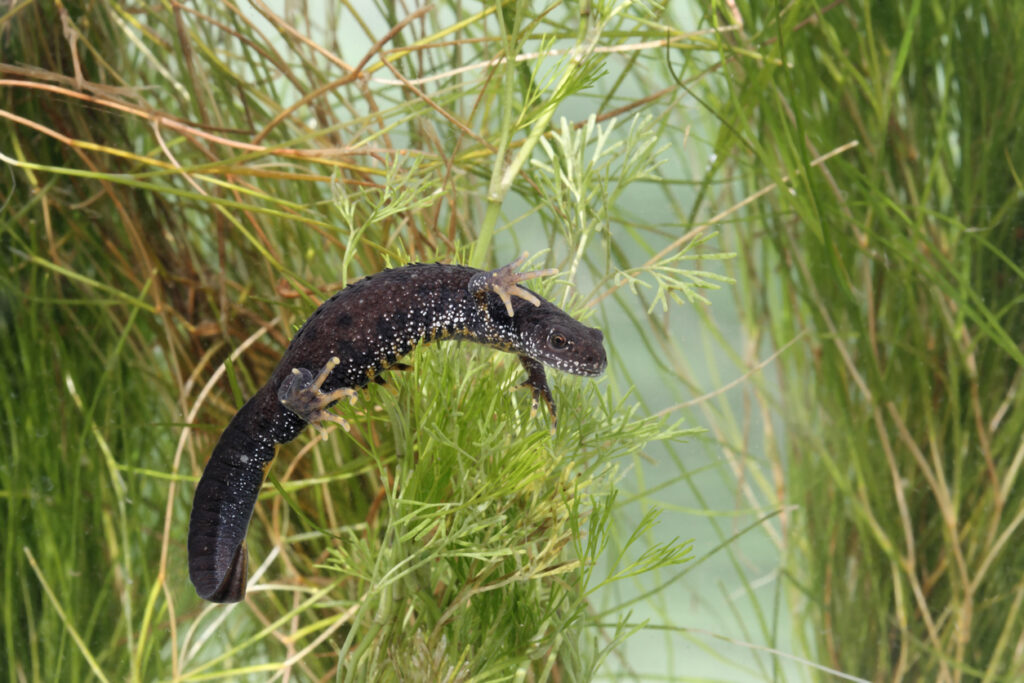
While common smooth newts have basic protection, great crested newts are European Protected Species with much stricter protection. It’s often difficult to tell species apart, so any pond work that might affect newts should be approached with caution and possibly professional advice.
If you suspect great crested newts in your garden pond, get proper identification before doing any maintenance work. Even routine pond cleaning can require licences if protected newts are present. The safest approach is to work with pond wildlife rather than against it.
10. Nesting birds can’t be disturbed during hedge trimming season.
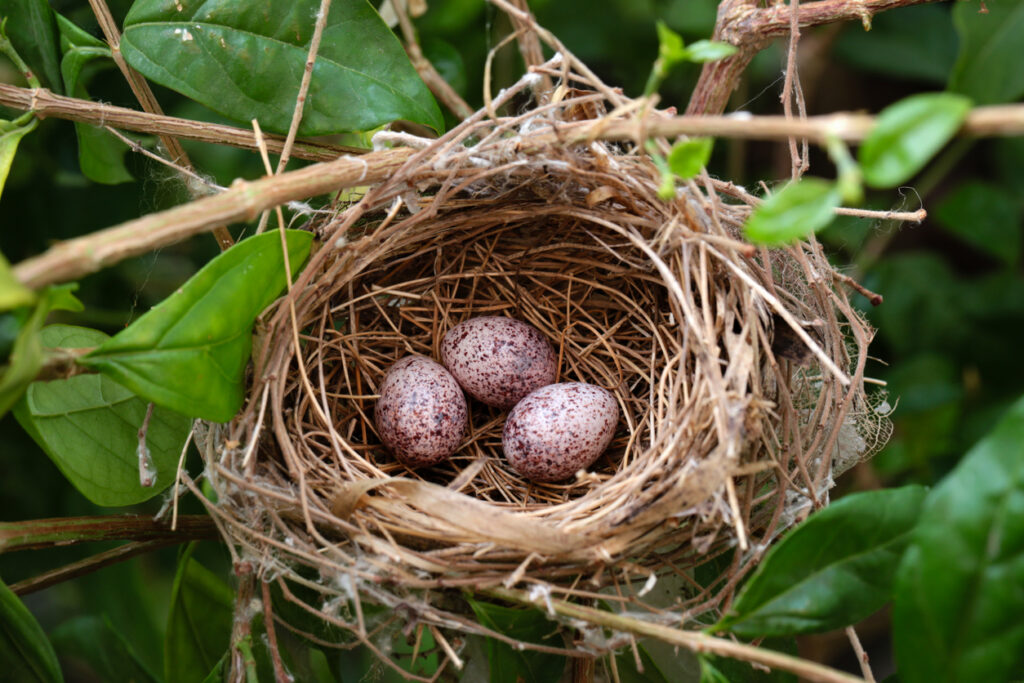
It’s illegal to disturb any wild bird while it’s nesting, which means you can’t trim hedges or cut trees between March and September if there are active nests present. This applies to all species, including ones you might consider pests, such as magpies or crows.
Check carefully for nests before doing any hedge or tree work during breeding season. If you find an active nest, you legally have to wait until the young have fledged before continuing. Plan major hedge trimming for winter months when most birds aren’t nesting.
11. Stag beetles in garden compost are protected in some areas.
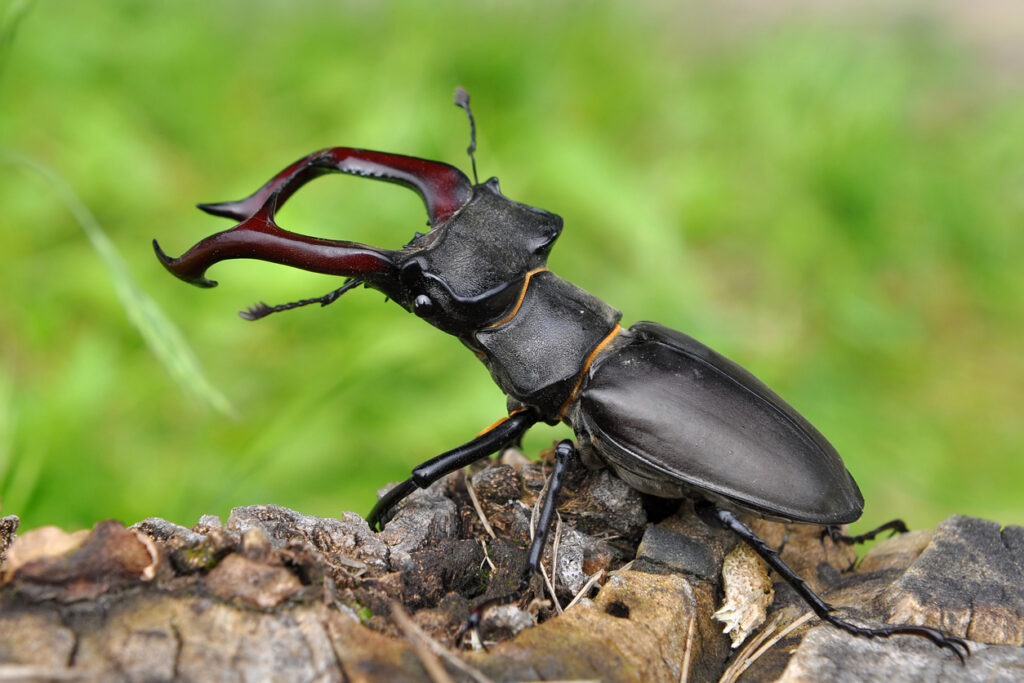
Stag beetles are protected from sale and their larvae often live in garden compost heaps, rotting wood, and mulch piles. While they might look scary, they’re completely harmless and actually beneficial for breaking down organic matter in your garden.
If you find stag beetle larvae in compost or rotting wood, leave them alone, as they’re doing important recycling work. Adult stag beetles are impressive but short-lived, and they don’t cause any garden damage. Having them indicates a healthy, organic garden environment.
12. Garden wildlife can’t be harmed during pest control activities.
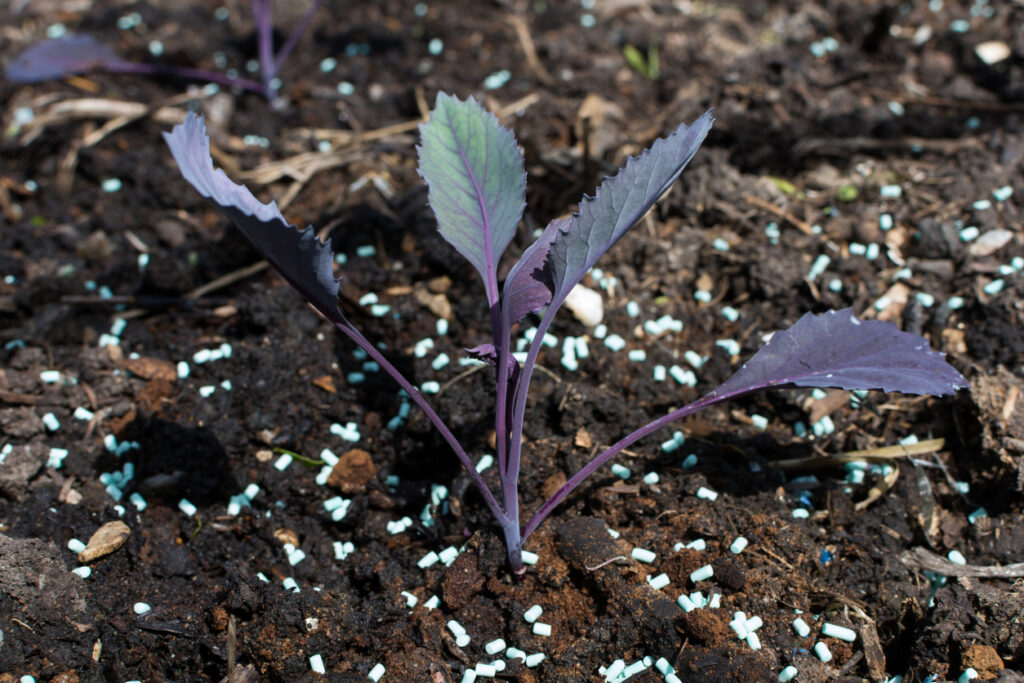
When using traps, slug pellets, or other pest control methods in your garden, you must take precautions to prevent protected species from being harmed. This means using covered traps and targeted treatments that won’t affect non-target wildlife like hedgehogs, birds, or amphibians.
Choose wildlife-friendly pest control methods and always read labels carefully to ensure you’re not putting protected species at risk. If you find dead protected wildlife that might have been affected by pest control products, you could face prosecution even if it wasn’t intentional.
13. Red squirrels visiting bird feeders are fully protected.
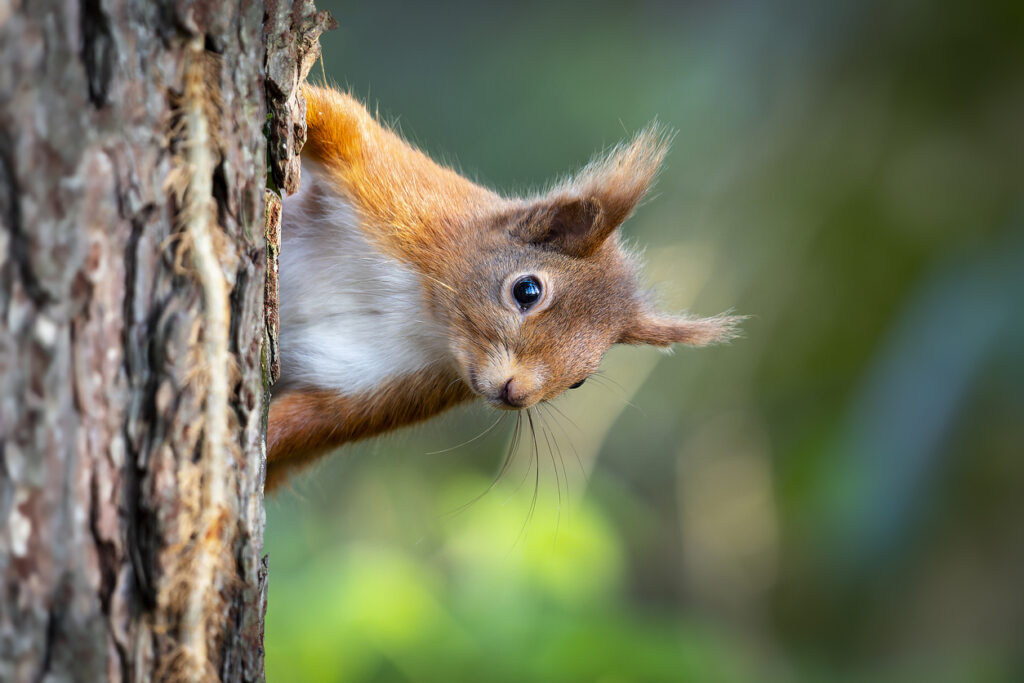
If you’re lucky enough to have red squirrels visiting your garden bird feeders, they’re fully protected species that can’t be harmed, trapped, or disturbed. Unlike grey squirrels, red squirrels are endangered, and every individual is legally protected under Schedule 5 of the Wildlife and Countryside Act.
Red squirrel visits should be celebrated rather than discouraged. Provide appropriate food and nesting opportunities, and contact local red squirrel groups for advice on making your garden red squirrel friendly. Their presence indicates you live in an area of high conservation value.
14. Pigeon and bird control must follow licensing rules.
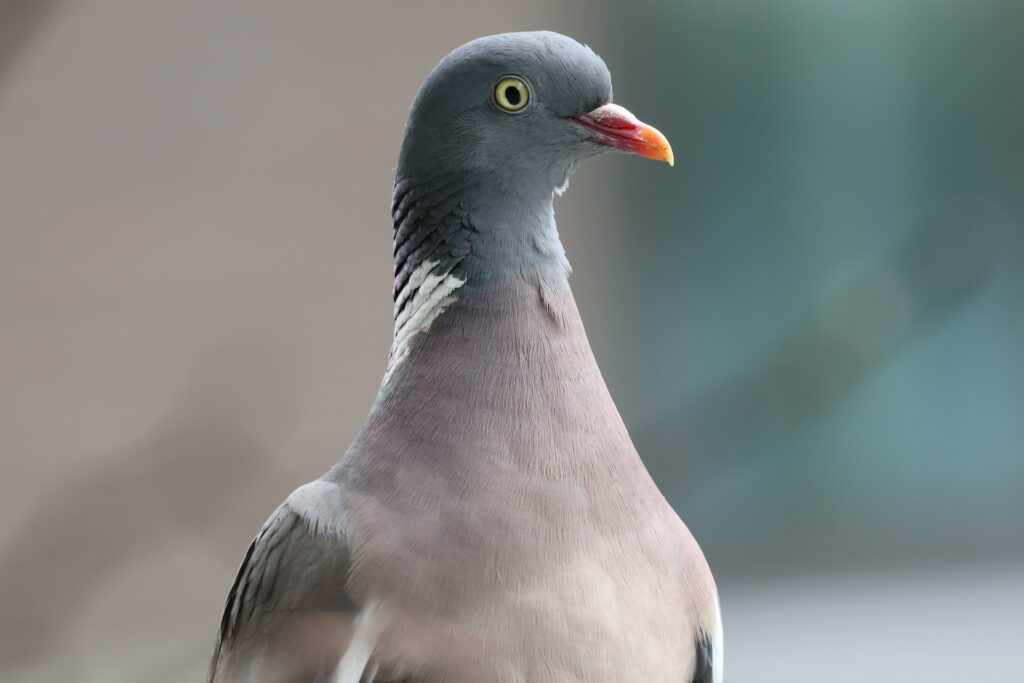
While some bird species can be controlled under general licences, you must ensure you’re acting within licence conditions and have tried non-lethal methods first. You also need to be certain about species identification, as harming protected species while targeting pest birds is still illegal.
For most garden bird problems, deterrents like netting, spikes, and scare devices work better than lethal control and don’t risk accidentally harming protected species. If birds are causing serious damage, consult with licensed pest controllers who understand the legal requirements.