When autumn hits, gardens, driveways, and pavements quickly fill with fallen leaves.
While it might feel tempting to sweep them into a bag and forget about them, there are smarter and safer ways to deal with them. Sure, they can block storm drains and cause slipping hazards so they can’t be left to decompose naturally in many places. However, here’s what you should and shouldn’t do as the trees go bare for winter.
1. Do make leaf mould.
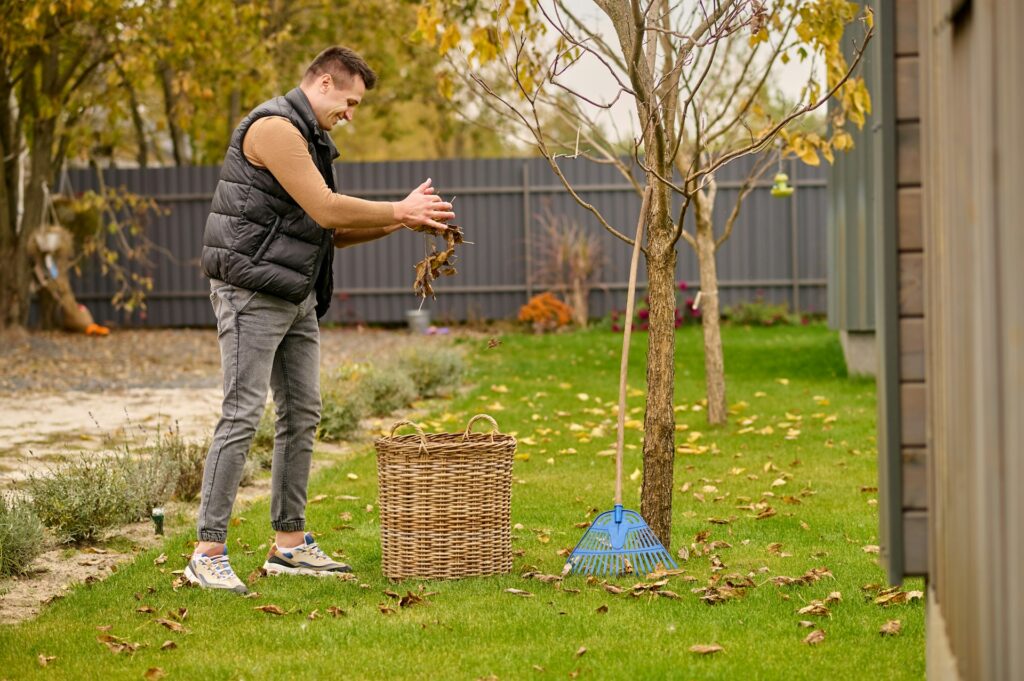
Leaf mould is one of the simplest soil improvers you can make. Collecting leaves in a pile or bag and letting them break down creates a dark, crumbly material that helps soil retain moisture and structure. It’s free and needs little effort.
All you need to do is bag up damp leaves or create a wire bin in a shady corner. Leave them for a year or two, and you’ll have a valuable soil conditioner that works especially well for woodland plants.
2. Don’t leave thick piles on the lawn.
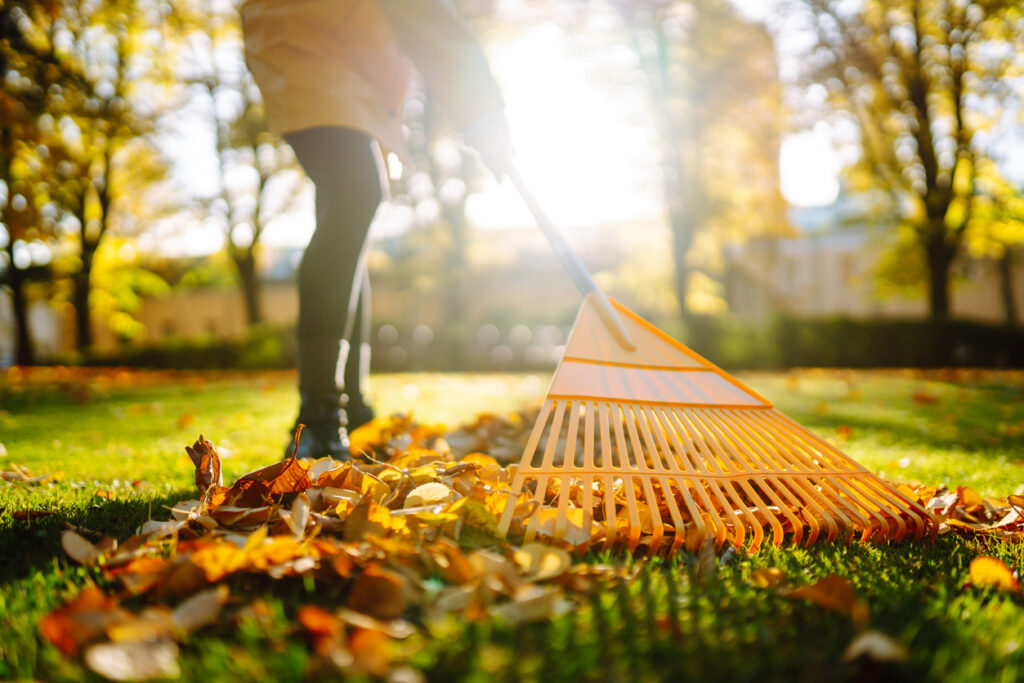
While leaves are natural, leaving them to pile up thickly on the grass blocks light and air. Over time, this can kill patches of lawn, leaving you with yellow spots or bare soil that takes effort to repair in spring.
Rake them regularly or use a mower with a collection bag to keep lawns clear. Thin layers can break down naturally, but heavy build-ups should always be moved to compost bins or borders, where they’re more useful.
3. Do add them to compost.
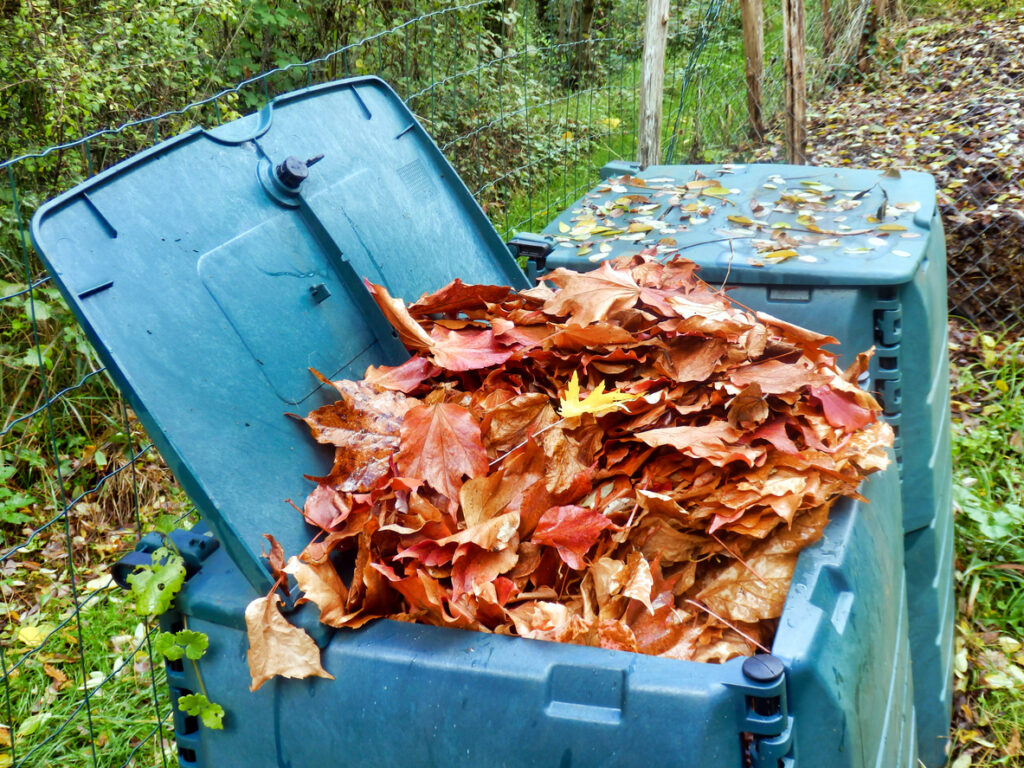
Leaves break down slowly on their own, but when mixed with other garden waste, they make excellent compost. Combining them with grass clippings or kitchen scraps balances their carbon-rich content, helping create nutrient-filled compost for beds and borders.
Shred or tear leaves if possible before adding them. This speeds up decomposition and makes the pile easier to manage. Over time, you’ll end up with a rich compost that gives plants a real boost.
4. Don’t block drains or pavements.
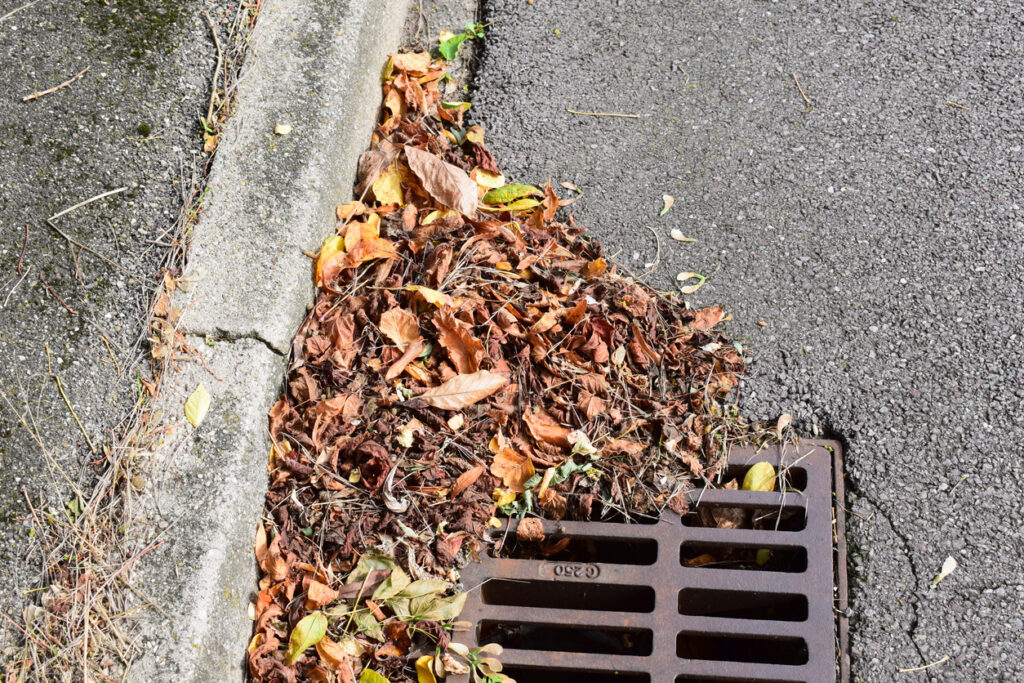
Letting leaves clog drains or cover pavements is both unsafe and unhelpful. Blocked drains can cause flooding during heavy rain, and slippery pavements increase the risk of falls. Leaving them piled up creates problems for neighbours too.
Make it a habit to clear leaves from drains and paths as soon as you notice them. Even a quick sweep with a brush helps prevent bigger issues later, keeping shared spaces safe and clear.
5. Do mulch flower beds.
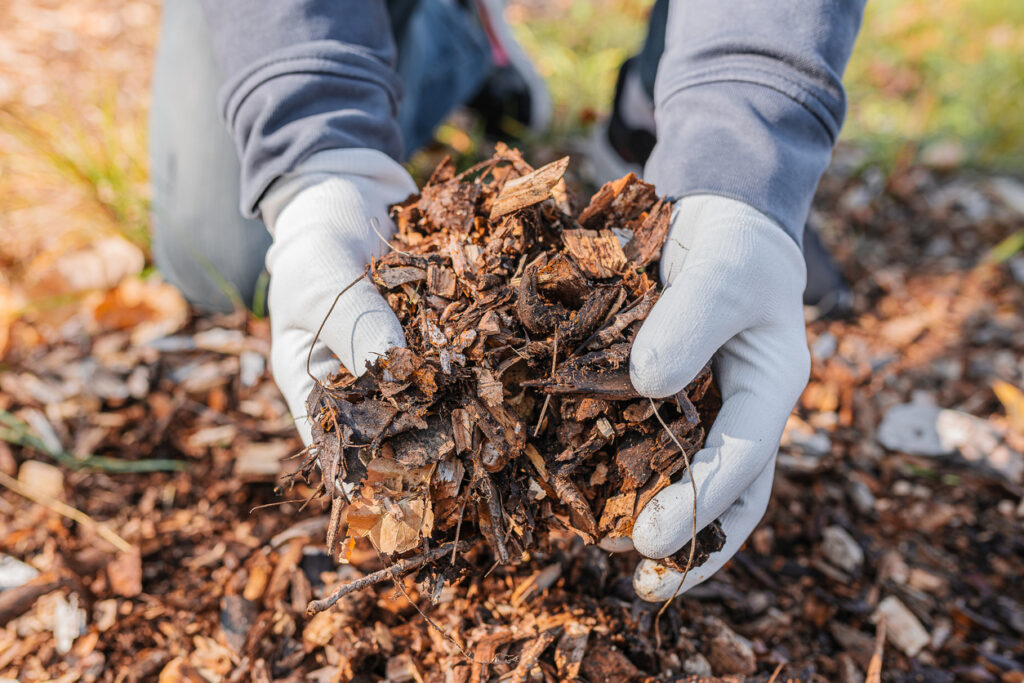
Shredded leaves make excellent mulch for flower beds. Spread over the soil, they lock in moisture, suppress weeds, and protect roots from frost. As they break down, they also add organic matter to the soil below.
Apply a layer of shredded leaves a few centimetres thick around plants in autumn. This protects the soil through winter and sets your garden up for healthier growth once spring arrives.
6. Don’t burn them in the garden.
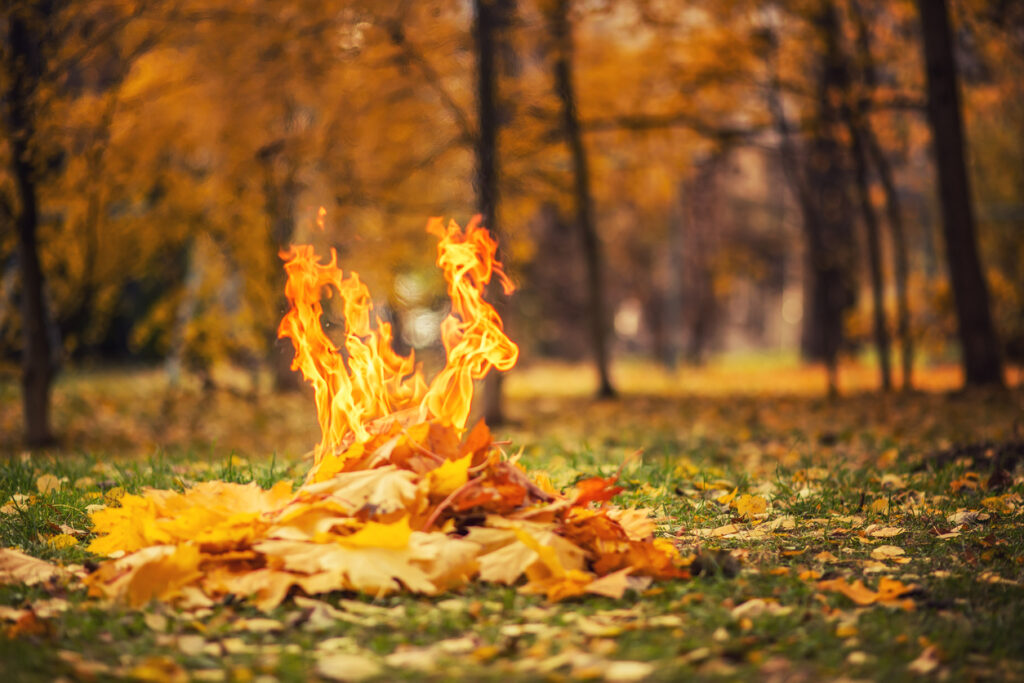
Bonfires might seem like a quick way to clear leaves, but burning them creates smoke and pollution. In many areas, it can also cause complaints from neighbours or even break local rules. Burning is rarely the best choice.
Instead, focus on composting, mulching, or creating leaf mould. These methods put the leaves to use and avoid the air pollution and wasted potential of simply setting them alight.
7. Do leave some for wildlife.
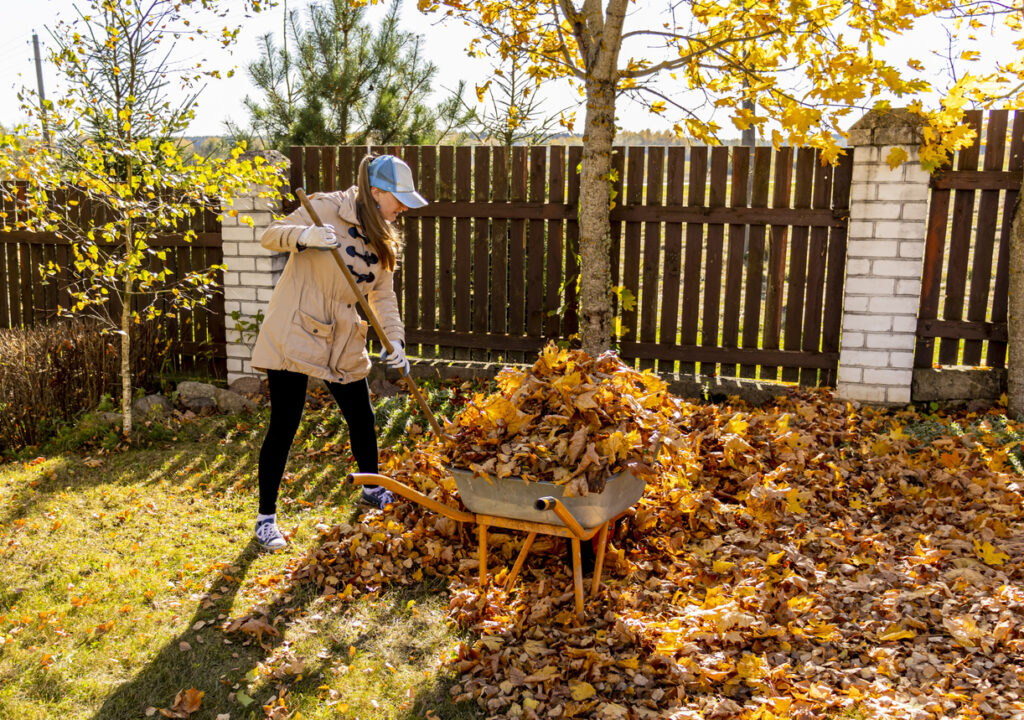
Not every leaf needs clearing. Many creatures, from hedgehogs to insects, use piles of leaves for shelter through winter. Leaving some in quiet corners of the garden provides valuable habitats for wildlife during colder months.
Choose areas away from paths and lawns where the leaves won’t cause issues. Even small piles can make a big difference to the survival of beneficial creatures that help keep your garden balanced.
8. Don’t bag them in plastic for the bin.
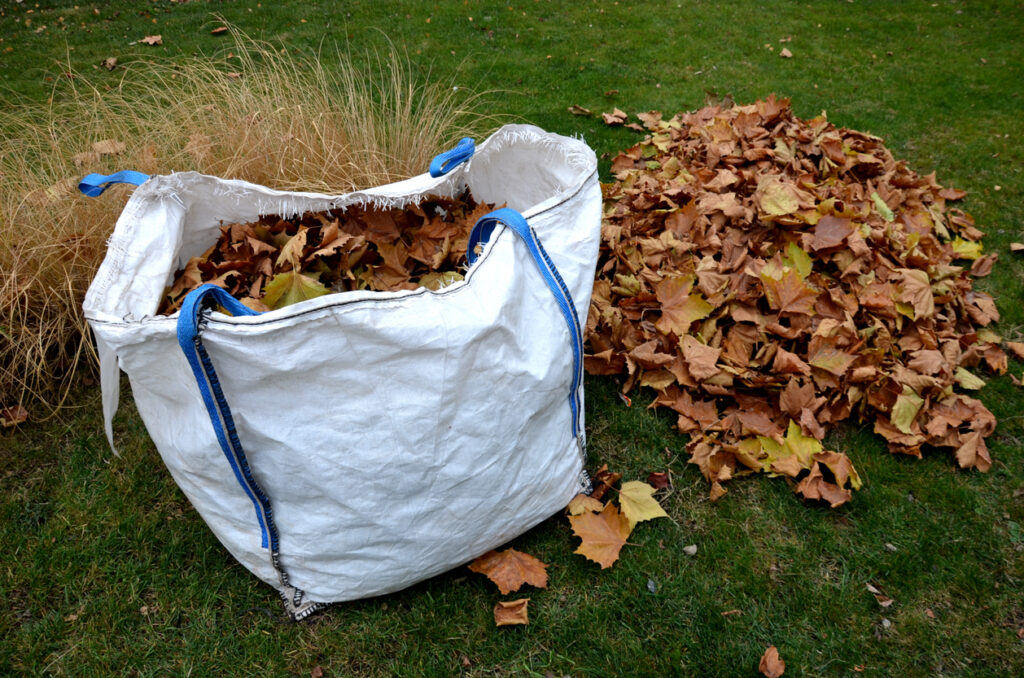
Throwing leaves away in plastic bin bags wastes a free resource and takes up space in landfill. Once sealed inside plastic, they take years to break down, losing their natural benefits to the garden entirely.
Whenever possible, recycle leaves through composting or garden waste schemes. This way, they’re returned to the soil cycle instead of being locked away in rubbish tips.
9. Do create paths or ground cover.
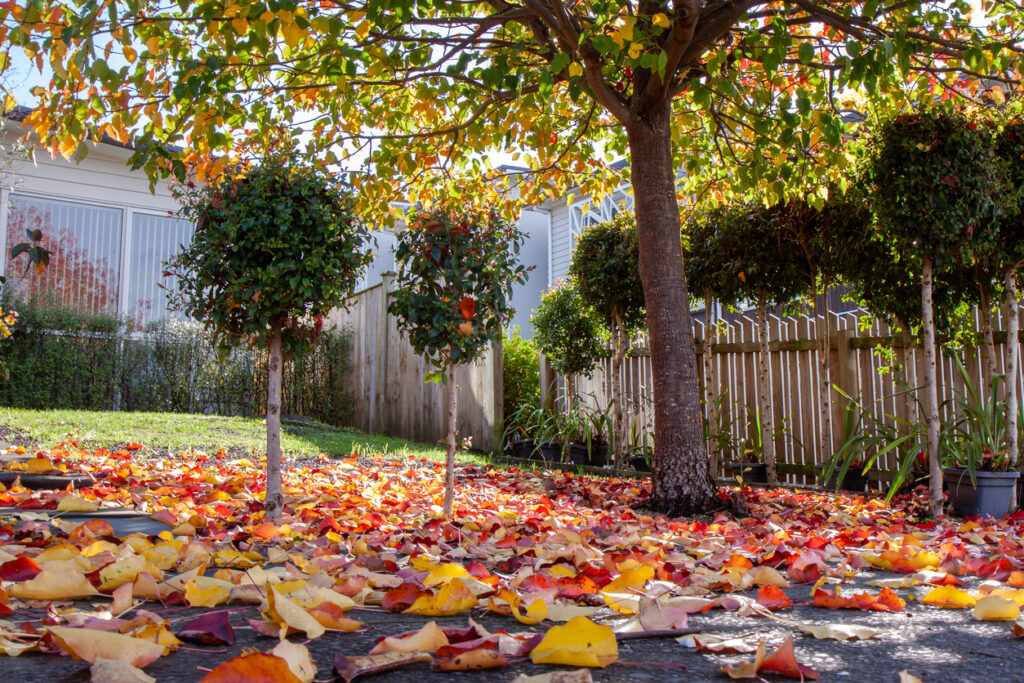
In woodland-style gardens, a layer of leaves can form natural paths or ground cover. Walking on them compresses them into a soft, insulating carpet that looks natural and suits informal garden spaces well.
Spread leaves where you want informal walkways or to protect soil in unused beds. Over time, they’ll break down, enriching the soil beneath while reducing weeds on the surface.
10. Don’t forget gutters.
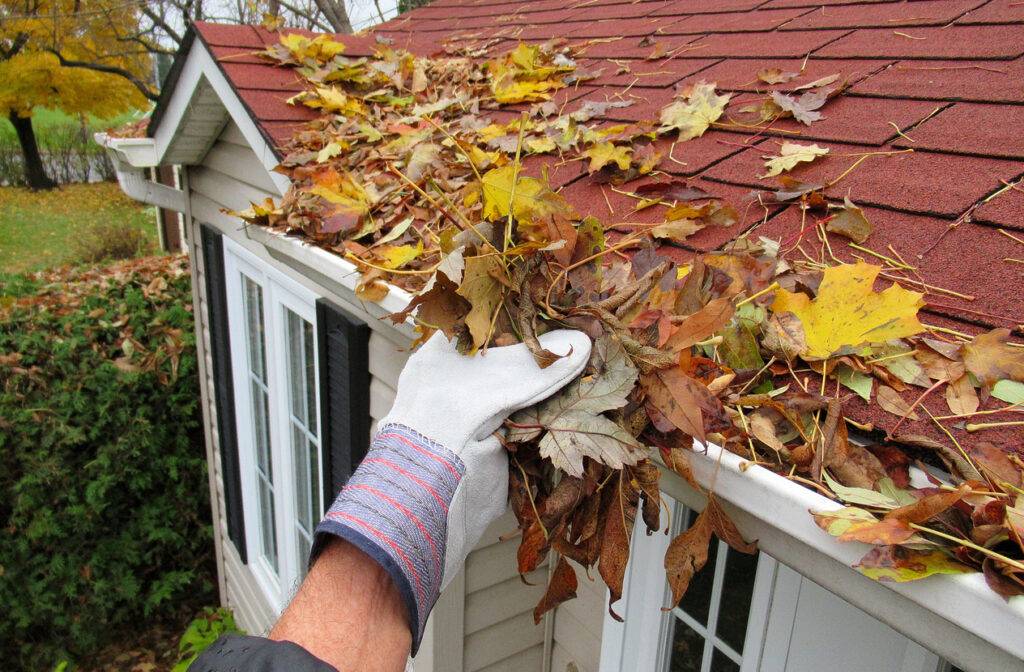
Leaves falling onto roofs often wash into gutters, where they can cause blockages. If left, this leads to overflowing water and even damage to walls or foundations. Gutters packed with leaves are a hidden but common problem in autumn.
Clear gutters regularly during leaf-fall season, especially if your home is near trees. Doing so saves expensive repairs later and keeps your drainage system working properly through winter storms.
11. Do use a mower to shred.
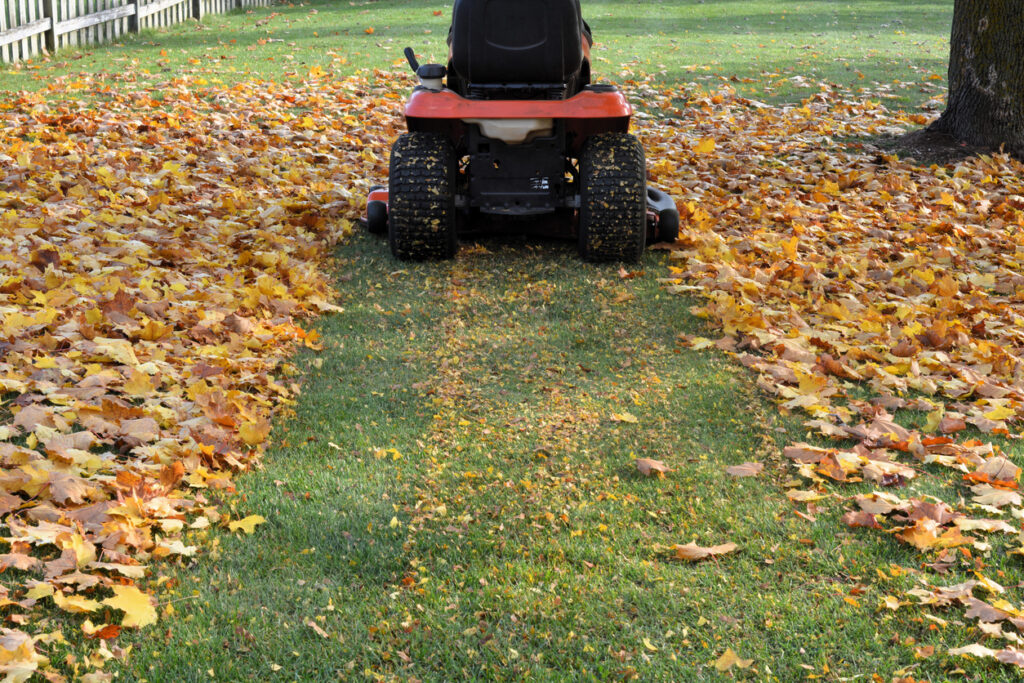
If raking feels like too much work, a mower can make short work of leaves. Running them over shreds them into small pieces that break down faster, either in compost bins or when left as a light mulch on the lawn.
Make a habit of mowing fallen leaves before they pile up. This keeps lawns tidy, speeds decomposition, and saves you time compared with manual raking and bagging.
12. Don’t ignore slippery surfaces.
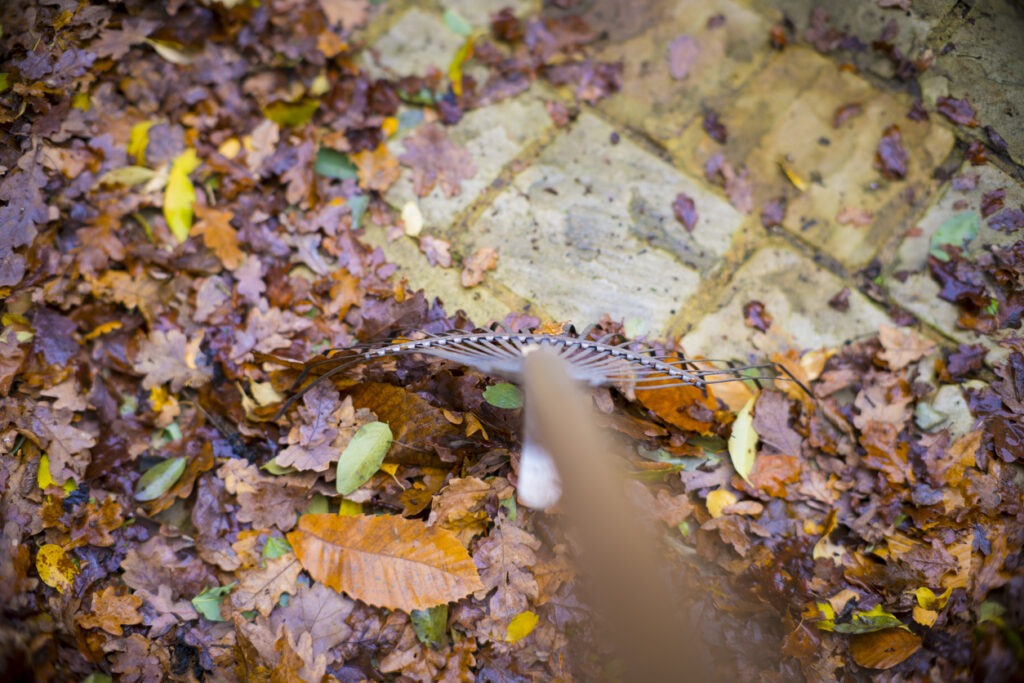
Wet leaves quickly become slippery hazards on steps, patios, or drives. Ignoring them risks accidents, especially in damp autumn weather. Even if they’re harmless in the garden, they can be dangerous on hard surfaces.
Sweep these areas regularly and dispose of the leaves safely in compost or bins. Staying on top of it helps prevent slips and keeps walkways safe for everyone.
13. Do join council recycling schemes.
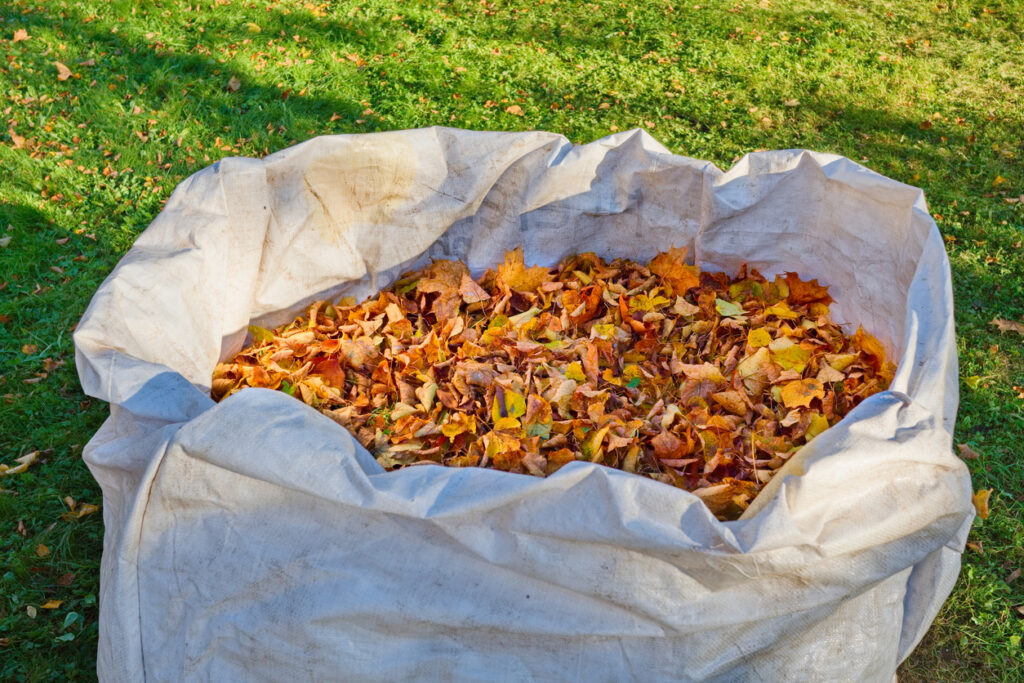
Many councils in the UK run garden waste collections where leaves are taken to be composted on a larger scale. Using these schemes ensures leaves are recycled properly, even if you don’t have space to compost at home.
Check your local council’s website for details on collection dates and requirements. Making use of these services saves effort and ensures fallen leaves are turned into something useful rather than wasted.