Generally speaking, most gardening advice would say not to mess on with your plants any more than necessary if you want them to grow well.

That may be the case for many of the fruits and veg you’ve got planted, but it’s not the case across the board. Some plants are basically masochists that produce their best work when you make their lives a bit difficult, and learning which vegetables thrive on stress can transform your garden game.
1. Tomatoes need water stress for maximum flavour.
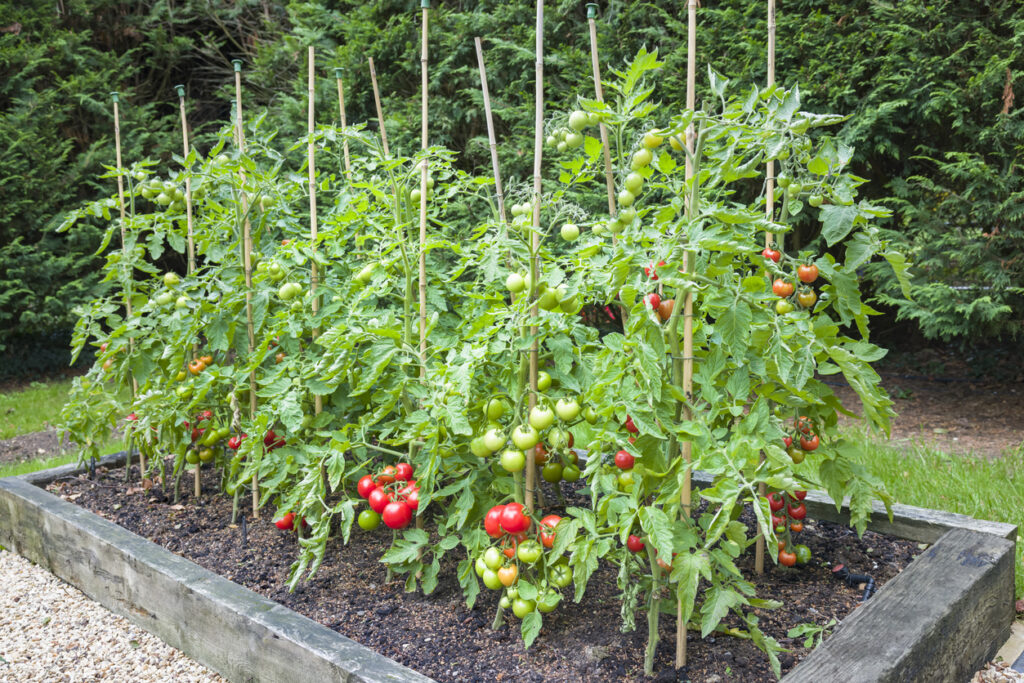
Giving tomatoes slightly less water than they want forces them to concentrate their sugars and develop that intense, sweet flavour that makes shop-bought tomatoes taste like watery disappointment. When they’re a bit thirsty, they put more energy into making delicious fruit rather than growing enormous but bland tomatoes.
Start reducing water once the fruits begin forming, and let the soil dry out a bit between waterings. Your tomatoes might look slightly stressed with droopy leaves, but they’ll reward you with fruit that actually tastes like something worth growing.
2. Carrots get sweeter when they struggle in poor soil.
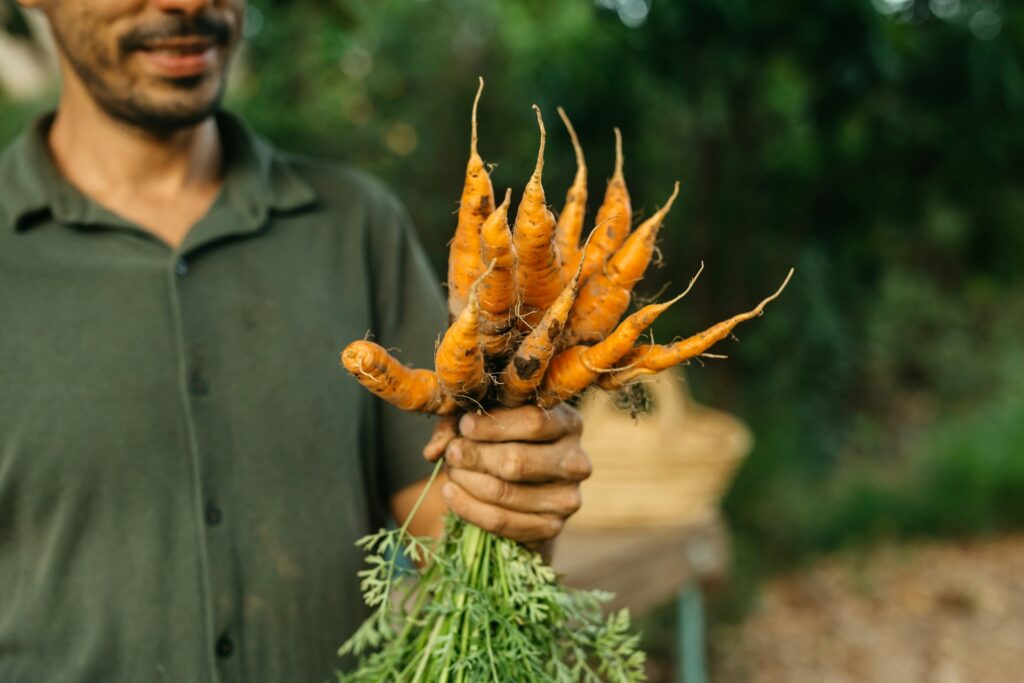
Carrots that grow in rich, fertile soil often end up hairy, forked, and bland because they’ve had everything handed to them on a silver platter. Plant them in sandy, slightly poor soil, and they’ll work harder to find nutrients, resulting in smoother, sweeter roots with better texture.
Rocky or clay-heavy soil forces carrots to develop character as they push through obstacles, creating those sweet, tender carrots that make you wonder why you ever bothered buying them from the supermarket. Give them a challenge and they’ll rise to meet it.
3. Radishes develop heat when grown in warm weather.
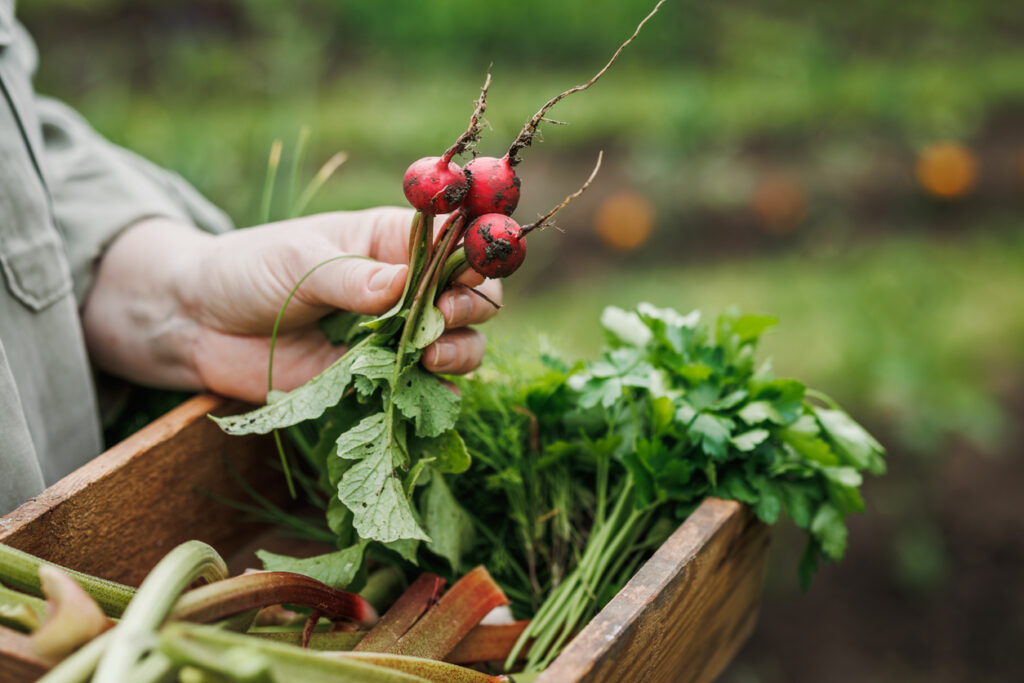
Most people think radishes only grow in cool weather, but subjecting them to warmer temperatures makes them develop that proper peppery bite that turns them from boring salad filler into something with actual personality. The heat stress triggers their natural defence mechanisms, creating those spicy compounds that make radishes worth eating.
Plant them in late spring or early summer and let the warmth work its magic, but make sure they still get adequate water. The result is radishes with enough kick to wake up your taste buds instead of those mild, watery things you get from pampered cool-weather growing.
4. Lettuce produces better leaves under light stress.
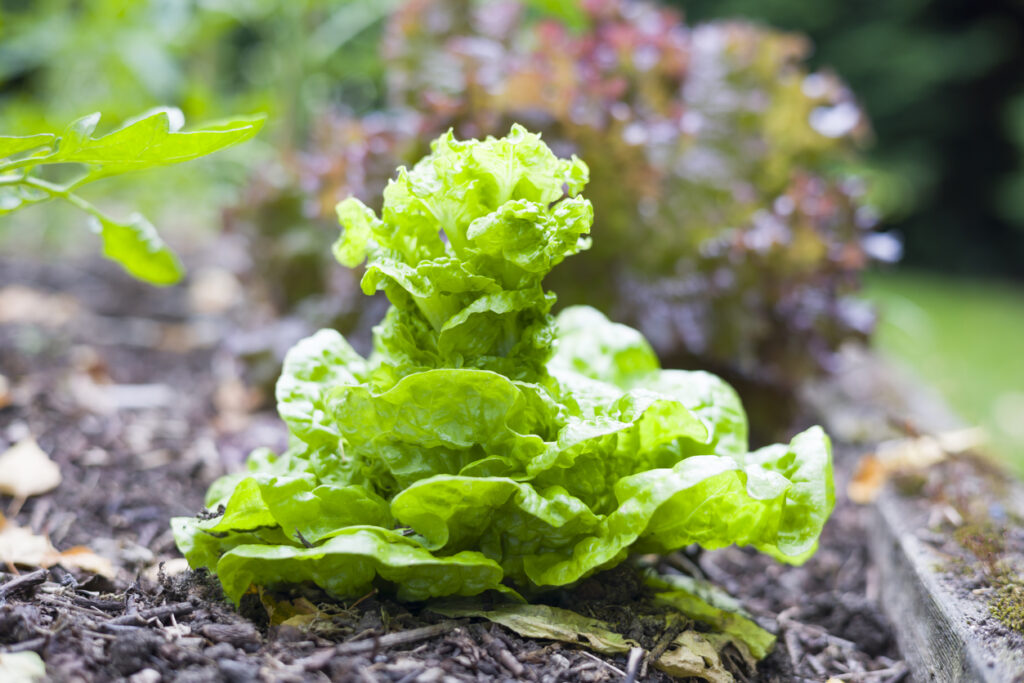
Lettuce that gets slightly less than perfect growing conditions develops stronger flavours and more interesting textures than the bland, watery leaves that come from coddled plants. A bit of heat stress or irregular watering creates lettuce with character and crunch that actually adds something to your salads.
Don’t completely neglect them, but let them experience some ups and downs rather than maintaining perfect conditions. Stressed lettuce develops those slightly bitter, complex flavours that make salads interesting instead of just providing something green to chew on.
5. Herbs concentrate their oils when water-stressed.
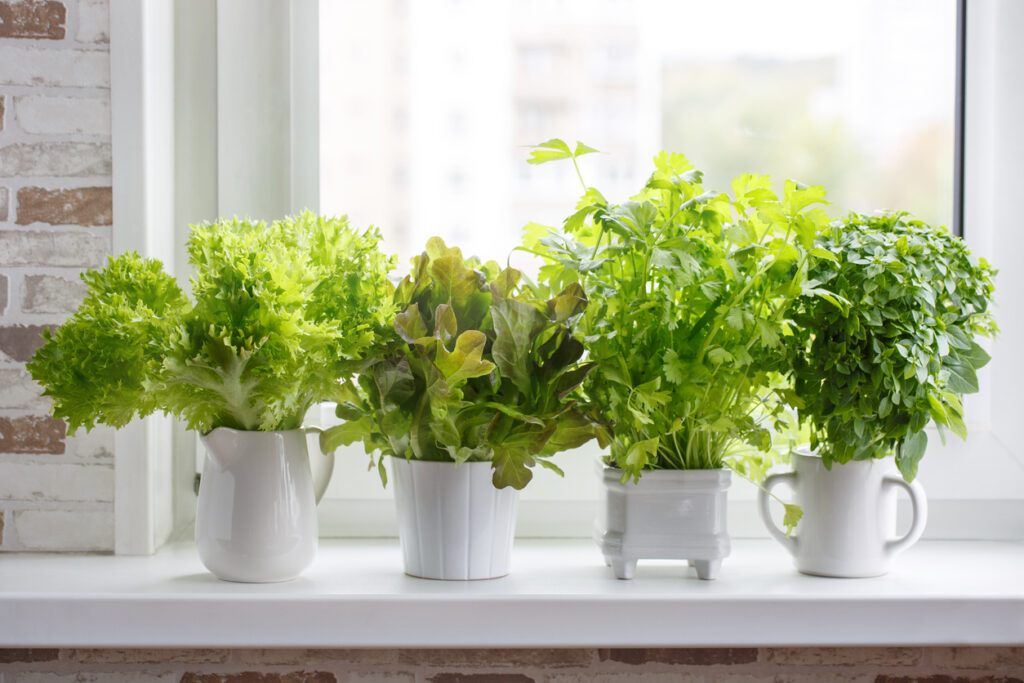
Basil, oregano, thyme, and other herbs produce much stronger flavours when they’re kept slightly on the dry side because stress triggers them to concentrate their essential oils as protection. Well-watered herbs often taste weak and grassy compared to their stressed-out cousins.
Let the soil dry out between waterings and watch your herbs develop those intense flavours that actually make a difference in cooking. Stressed herbs might look a bit wilted sometimes, but they’ll pack enough flavour punch to transform your cooking from bland to brilliant.
6. Peppers get spicier with drought stress.
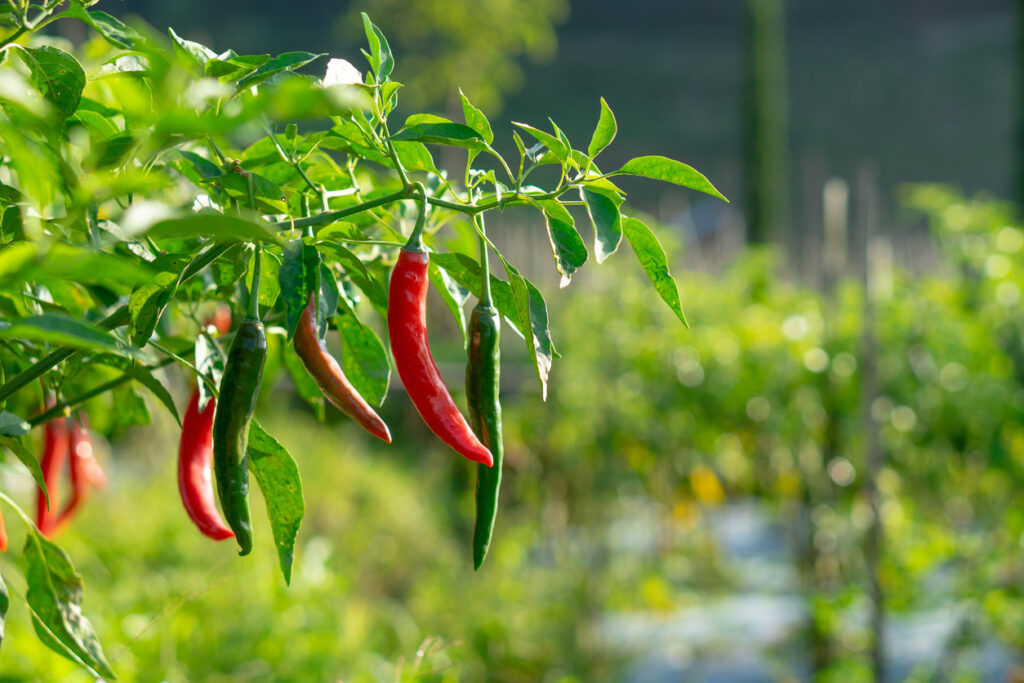
Hot peppers develop more capsaicin when they’re subjected to water stress, so if you want proper heat in your chillies, you need to make them work for it. Comfortable peppers produce mild, disappointing fruit that barely registers on the heat scale.
Reduce watering once the peppers start forming and let the plants struggle a bit, which triggers their natural defence mechanisms and ramps up the heat production. Your pepper plants might look unhappy, but your taste buds will thank you when you bite into properly fiery chillies.
7. Brussels sprouts sweeten up after frost stress.
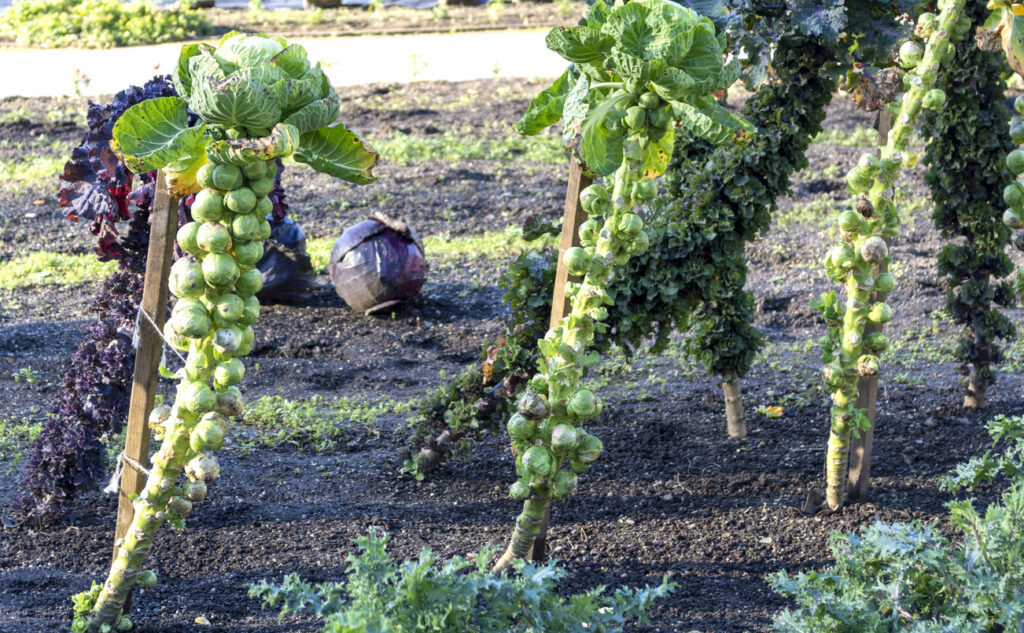
Brussels sprouts that never experience cold weather often taste bitter and sulphurous, but those that get hit with a few frosts develop sweet, nutty flavours that convert even the most dedicated sprout-haters. The cold stress breaks down bitter compounds and concentrates sugars.
Plant them so they’ll mature during cold weather and let Jack Frost do his work on them before harvesting. Frost-kissed Brussels sprouts taste completely different from their warm-weather counterparts and might actually make you understand why some people genuinely enjoy eating them.
8. Kale becomes sweeter and more tender after cold stress.
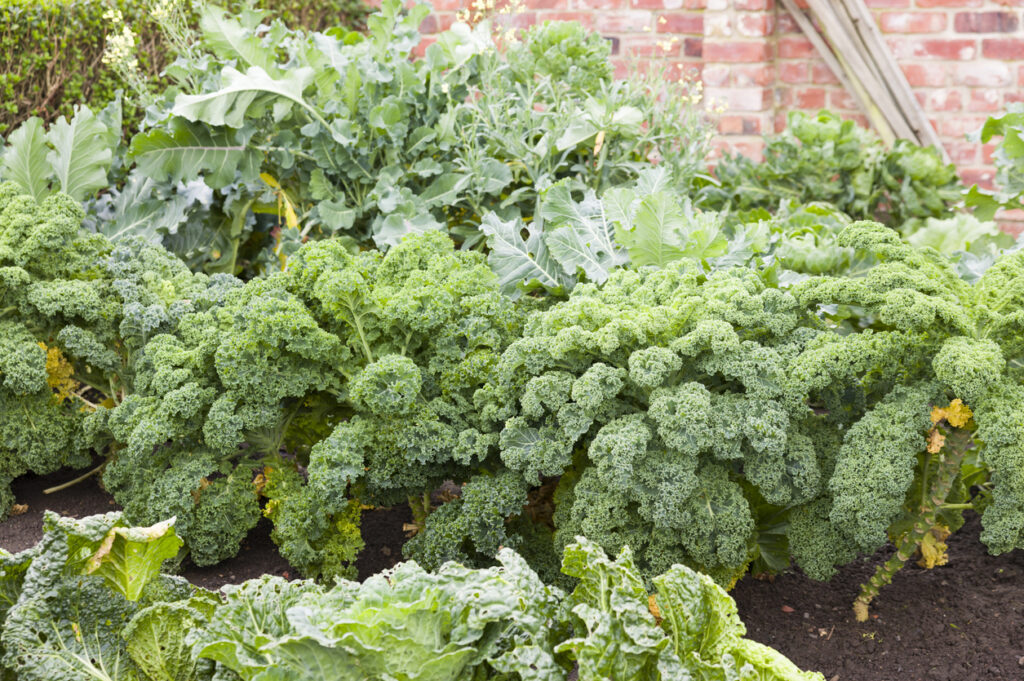
Kale that’s never experienced proper cold weather can be tough, bitter, and generally unpleasant to eat, but kale that’s been through some frosts transforms into something sweet and tender that doesn’t require massaging to be palatable. Cold stress changes the entire character of the leaves.
Leave your kale in the ground through the first few frosts and harvest it after cold weather has worked its magic. The difference in taste and texture is so dramatic that you’ll wonder if you’re eating the same vegetable.
9. Beets concentrate their sugars under stress.
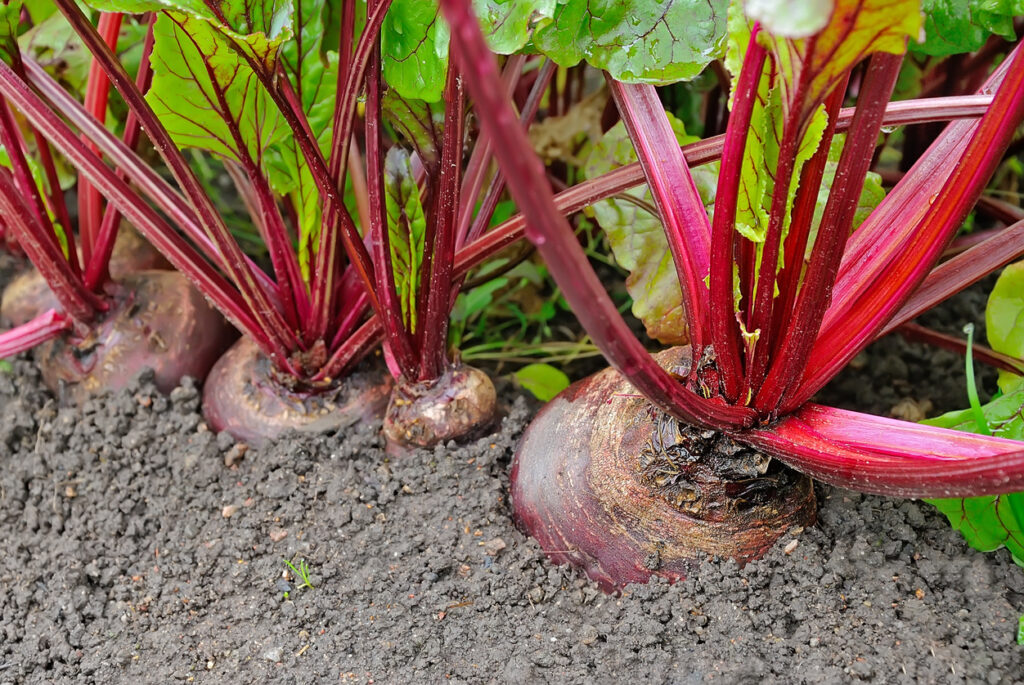
Beets that grow in less-than-ideal conditions often develop more concentrated flavours and higher sugar content than those grown in perfect soil with perfect watering. A bit of drought stress or poor soil makes them work harder and develop that sweet, earthy intensity that makes beets worth growing.
Don’t give them the VIP treatment and let them struggle a bit with irregular watering or challenging soil conditions. Stressed beets develop character and flavour that makes them taste like something special rather than just another root vegetable.
10. Onions develop stronger flavours in challenging conditions.
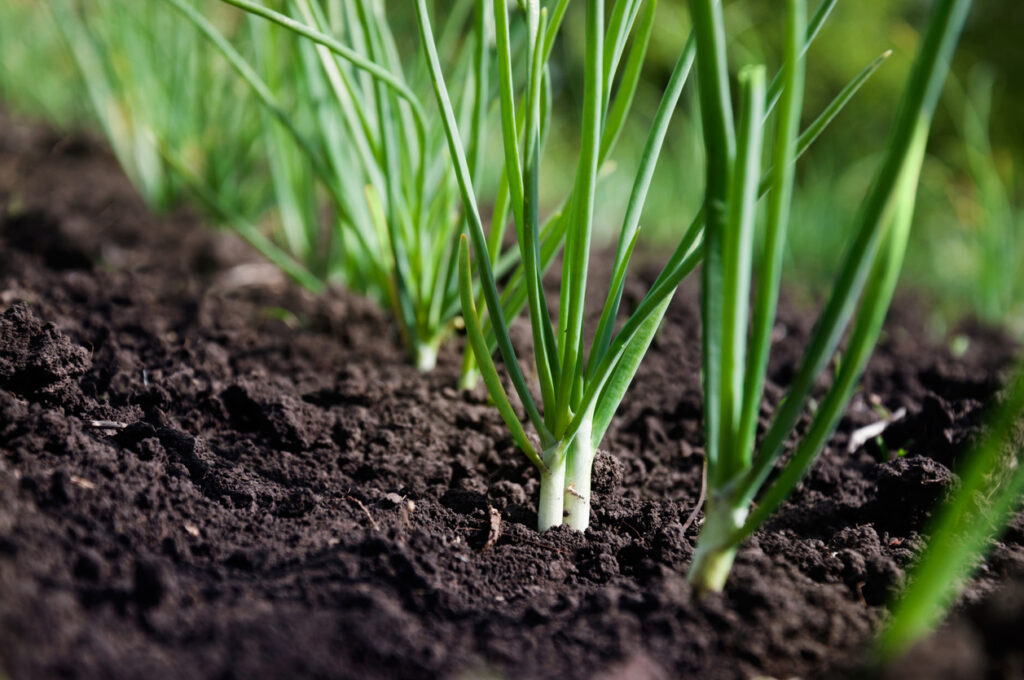
Onions that have an easy life often end up mild and watery, but those that face some adversity develop the strong, complex flavours that make cooking worthwhile. Stress triggers the production of sulphur compounds that give onions their characteristic bite and depth.
Plant them in soil that’s not quite perfect and don’t baby them with constant watering, and you’ll get onions with enough flavour to make you cry tears of joy instead of just tears. A bit of struggle builds character in onions, just like it does in people.