You might picture a prehistoric Earth overrun with enormous T. rex at every turn, but the truth is less crowded than you’d think.
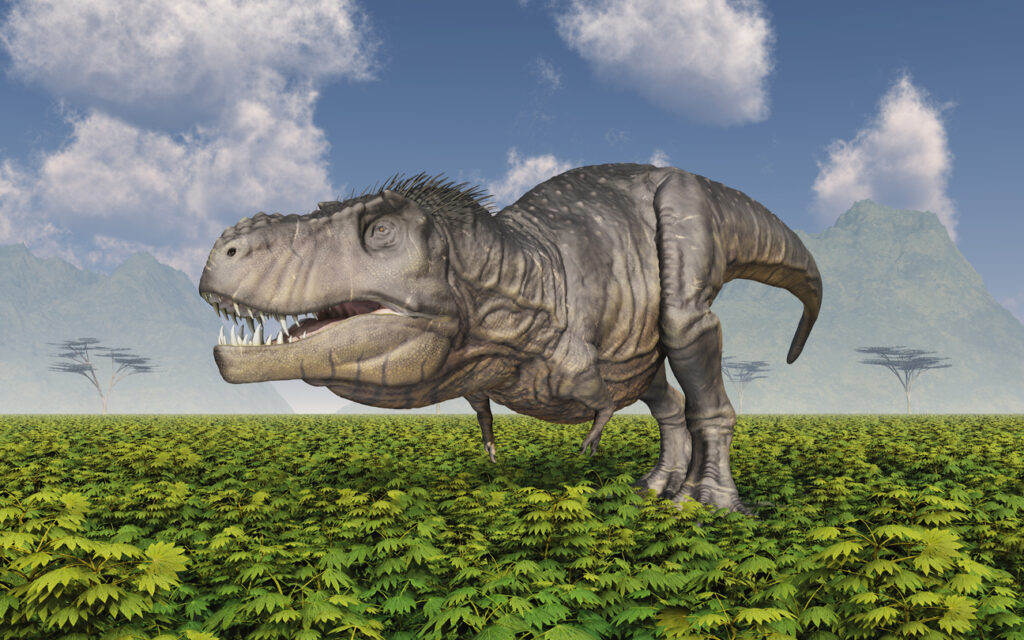
New research suggests these giants were spread out far more thinly, and the numbers change how we imagine their world. Here is what scientists now believe about their real population, and why it matters for our understanding of dinosaurs and their lives on this planet all those millions of years ago.
1. Billions lived, but never all at once.
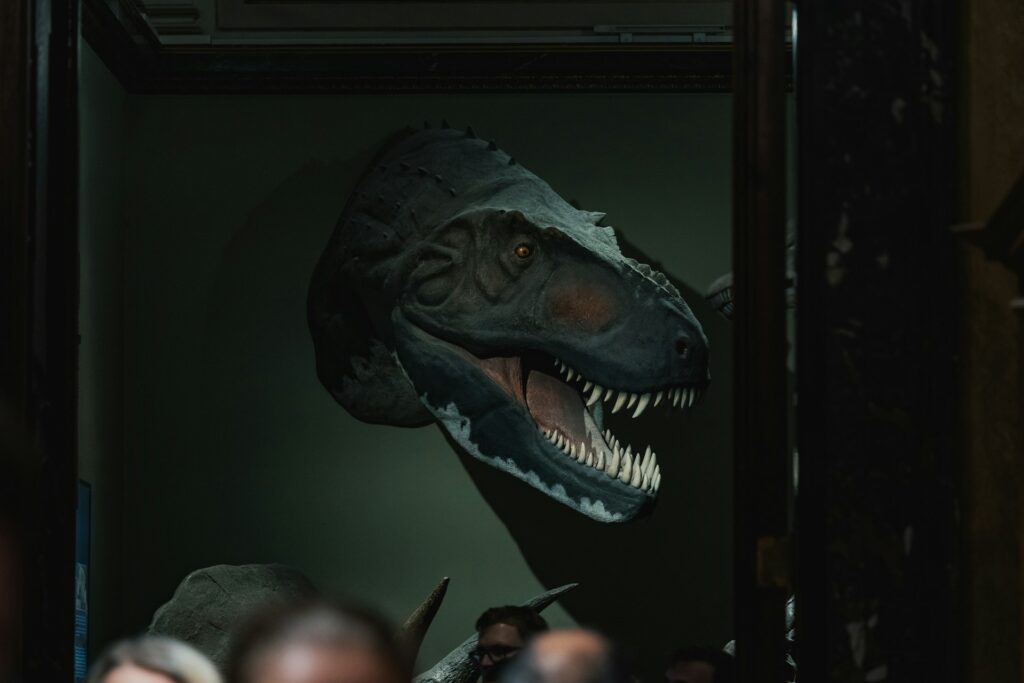
Scientists estimate that about 2.5 billion Tyrannosaurus rex lived during the species’ 2.4 million years on Earth. That sounds overwhelming, yet stretched over millions of years it becomes far less dramatic. At any single moment in time, only a small slice of that total existed.
Studies suggest around 20,000 adult T. rex roamed the planet at once. It means that while they were apex predators, their numbers were surprisingly limited, and spotting one would have been far less common than films often suggest.
2. Picture just two in the size of Washington, D.C.

The idea of huge herds is misleading. Based on population density models, there would have been just one T. rex per 100 square kilometres. That translates into only a couple of individuals across an area the size of a city, making them relatively rare on the landscape.
Even in a large region such as California, there might only have been around 3,800 at the peak. Spread across that kind of space, they would have been hard to encounter, and their scarcity helped maintain their top position in the food chain.
3. New research trimmed that total even more.
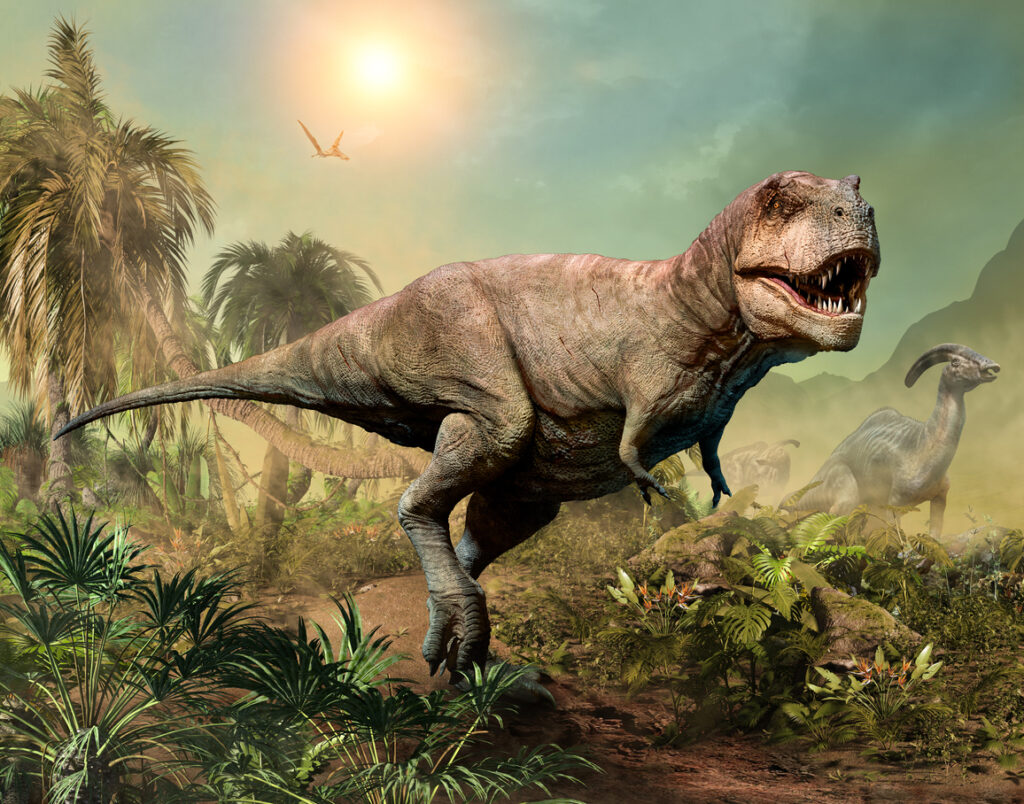
Some newer models suggest the 2.5 billion estimate may be on the high side. Adjusted calculations bring it down closer to 1.7 billion across the entire existence of the species. It still shows that many lived and died, but it reinforces how few were alive at once.
Those refinements make it clearer that these predators were always rare, and their presence would have been remarkable to witness rather than routine. The adjusted numbers don’t change the picture of them as dominant, but they do highlight how exclusive their role was.
4. Fossils are dropping needles in a haystack.
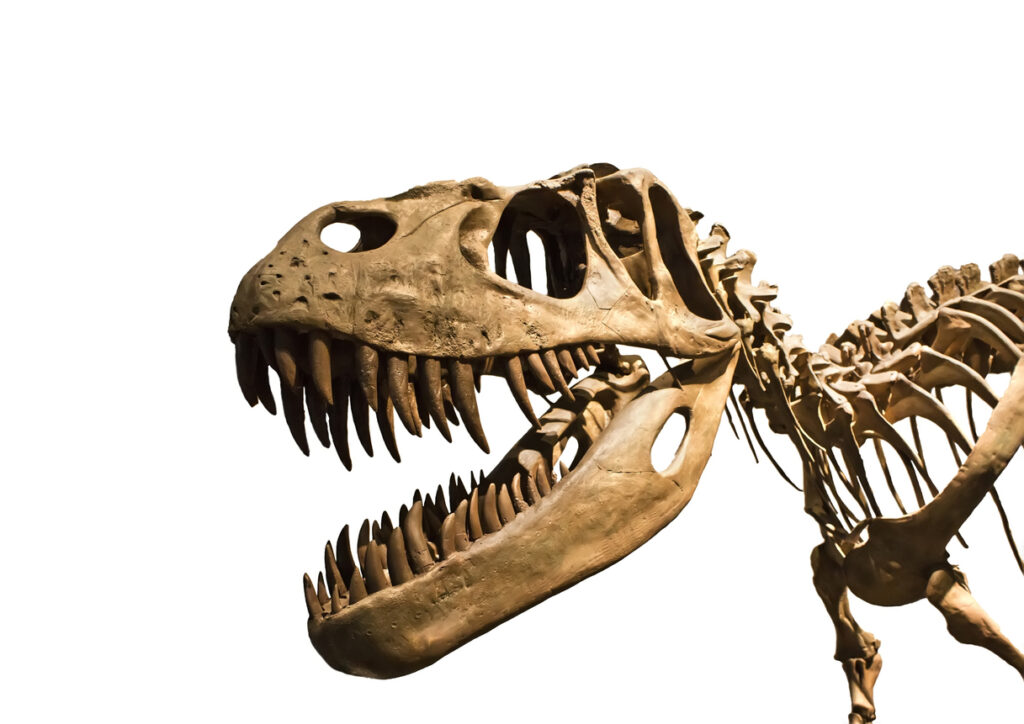
Billions of T. rex once lived, but scientists have only found about 100 specimens, and just 32 of those are considered nearly complete adults. That means the chance of one becoming a fossil was unbelievably slim. Most simply vanished without a trace.
Every discovery feels extraordinary because it truly is. With odds that tiny, unearthing a single skeleton is like finding a winning ticket, and that rarity explains why museums treat them as such prized exhibits.
5. Calculations rely on body size rules in living animals.

To get these numbers, scientists leaned on patterns observed in modern species. Larger animals, like elephants today, live at lower densities because their size demands greater resources. The same principle was applied to T. rex, whose massive size meant they couldn’t exist in huge groups.
By combining lifespan estimates, body mass, and hunting range, researchers produced models that made sense for such an enormous predator. It shows that size alone shaped their scarcity, because only so many giants could survive in one region at a time.
6. Uncertainty is baked into the numbers.
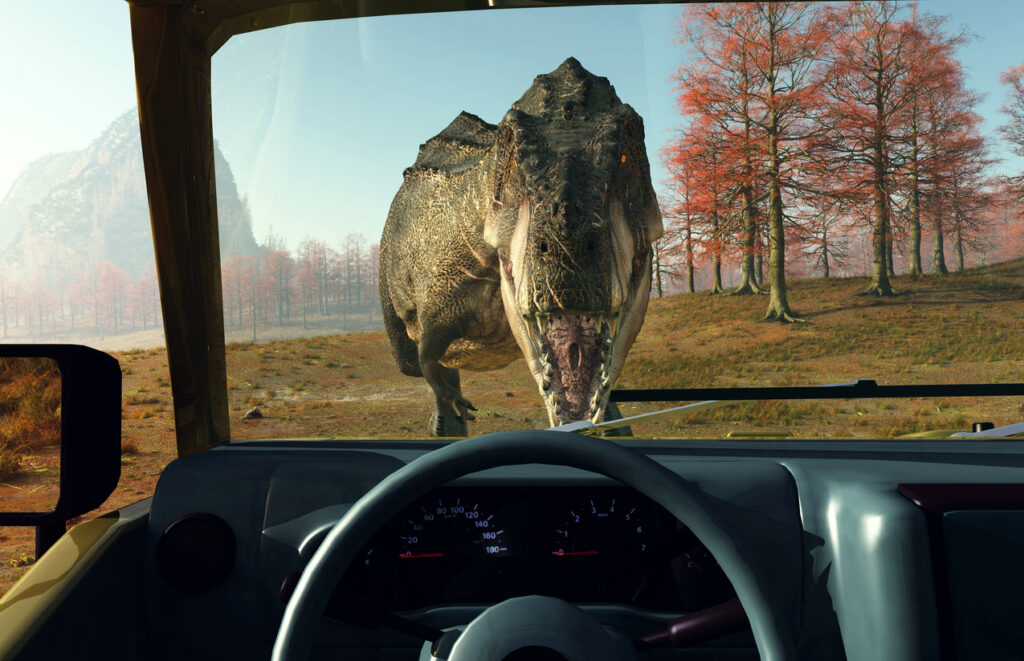
The range of estimates is wide, spanning from as low as 140 million to as high as 42 billion over the species’ lifetime. This reflects how tricky it is to pin down details about an animal that vanished 66 million years ago. Fossils give us clues, but not a full picture.
Even so, every calculation, whether conservative or generous, lands on the same truth. There were never as many of them alive together as popular culture suggests, which changes how we should imagine their daily reality.
7. Fossil odds change by region.

Some areas, like Montana’s Hell Creek Formation, have turned up far more T. rex remains than others. Conditions there favoured fossilisation, which increased the odds of their bones surviving long enough to be found. It’s one of the reasons so many iconic fossils come from the same few regions.
Yet even in those hotspots, the chance of a fossil forming was still incredibly rare. It helps explain why each find adds something genuinely new to our understanding, since the record remains thin despite all the years of searching.
8. There were only a few at a time, and they’re rare to find now.
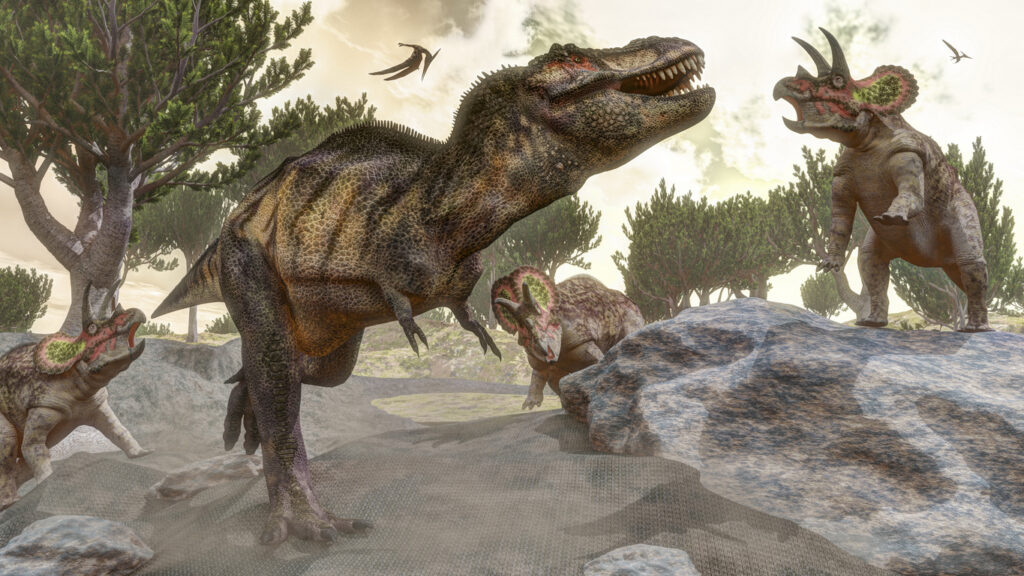
Billions may have existed overall, but only thousands lived at any given point. They were spread across huge areas, so encounters between individuals may have been infrequent, and humans discovering their bones millions of years later is even less likely.
This double rarity, both in life and in death, makes them fascinating to study. They were dominant when they were around, but they also highlight how fragile the fossil record really is.
9. Fossils we have are even more precious.
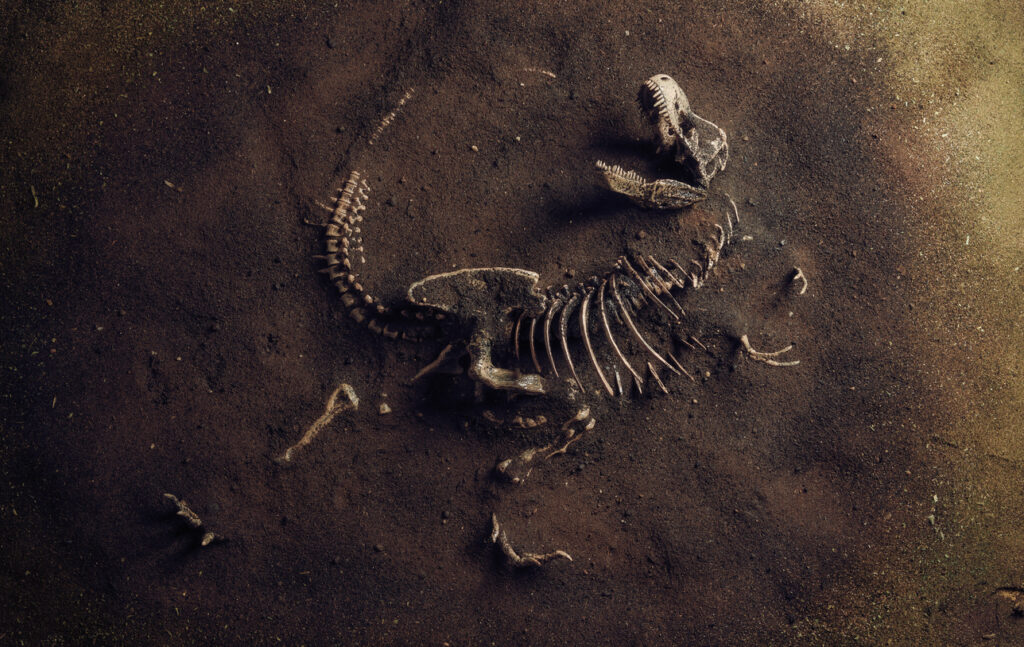
When you consider the ratio of living T. rex to the few fossils in our collections, you see how rare those bones truly are. They provide insight into growth, hunting behaviour, and even injuries that we could never guess at otherwise. That makes every new specimen a major event in science. Without them, T. rex might be little more than a legend, yet each discovery deepens the story and keeps them from fading into myth.
10. Models are improving continuously.
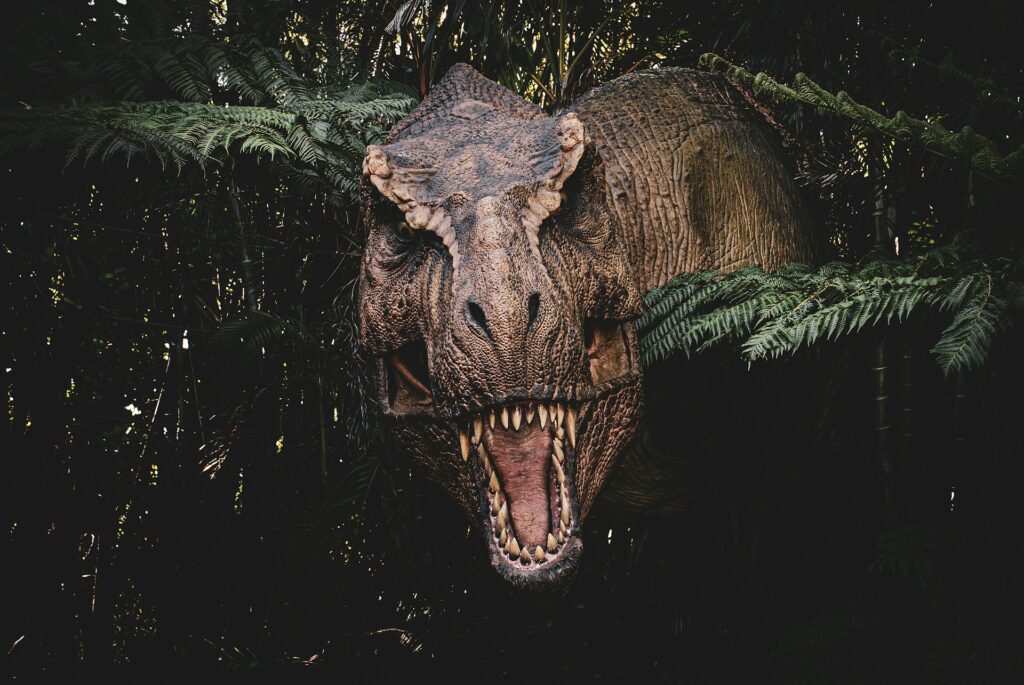
Early estimates were bold guesses, but newer models use better fossil records and more refined ecological data. As scientists add information about maturity rates and survival odds, the picture gets clearer, even if the core conclusion stays the same. With each revision, we get closer to understanding the reality of their existence. It shows science isn’t about one answer, but about gradually sharpening the lens through which we view the past.
11. Juveniles likely weren’t counted.
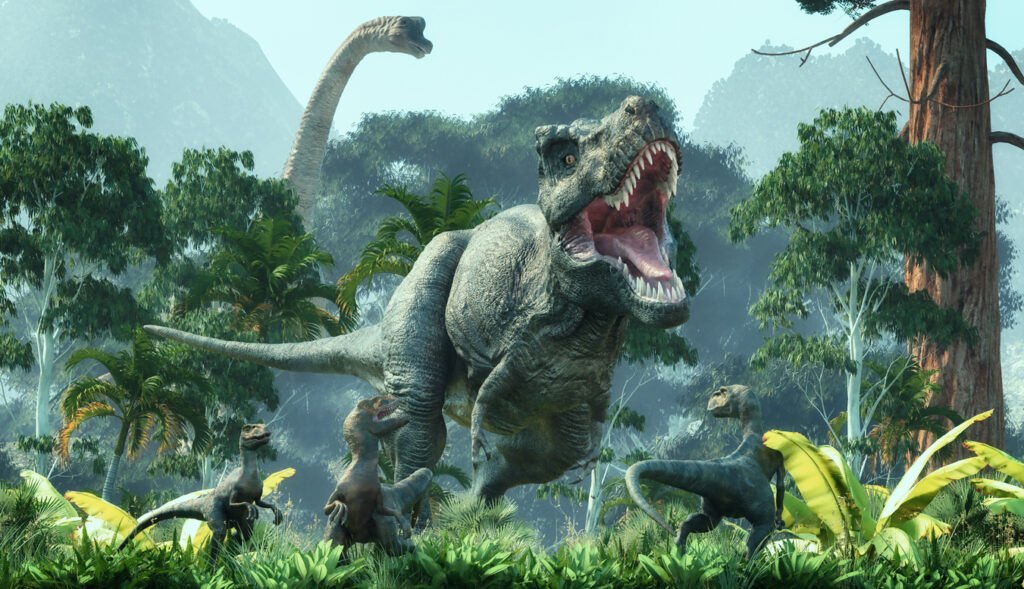
Most studies focused on adult populations, which leaves out the number of younger T. rex that once roamed. Juveniles may have filled different roles in the ecosystem, almost like separate predators altogether, so their numbers could have been significant.
This means the living population at any one time may have been larger than estimates suggest, yet still far less crowded than we once thought. It adds nuance to the idea of scarcity and changes how we view their impact on the landscape.
12. Context helps explain the gaps.
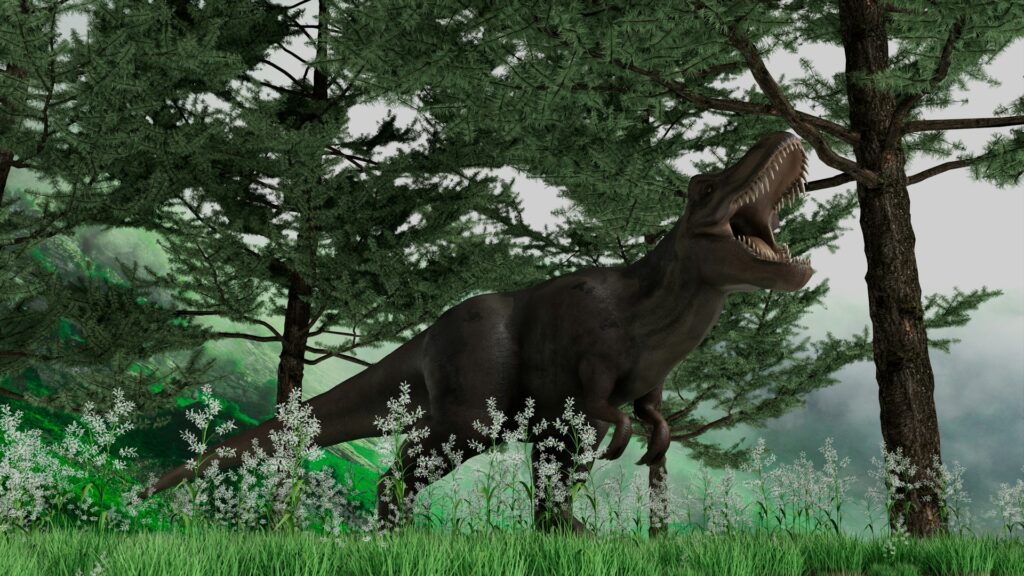
Fossilisation requires rare conditions. Bones must be buried quickly, survive erosion, and remain undisturbed for millions of years. Without those steps, even the most fearsome predator leaves no record, which is why so much is missing from the fossil trail.
Knowing this helps frame population studies as more than just numbers. It reminds us of the limits of the evidence, but it also highlights the brilliance of reconstructing entire species from such limited remains.
13. Densely dramatic scenes might be Hollywood fiction.

Films often show landscapes filled with T. rex hunting side by side, but in reality, you might have been lucky to see just one in a hundred square kilometres. That makes the prehistoric world less of a crowded battleground and more of a wide, empty wilderness. This more down-to-earth reality makes their survival even more impressive. They ruled not because of sheer numbers, but because their scarcity was matched with dominance, leaving a legacy that still captivates us today.