Loads of the vegetables we eat every day are actually quite dangerous in their raw form.
That’s pretty mental when you think about how much effort our ancestors put into figuring out how to make them safe to eat. These aren’t exotic weird plants, either. They’re stuff you probably have in your kitchen right now that could make you proper ill if you didn’t prepare them correctly.
1. Kidney beans can literally poison you if they’re undercooked.
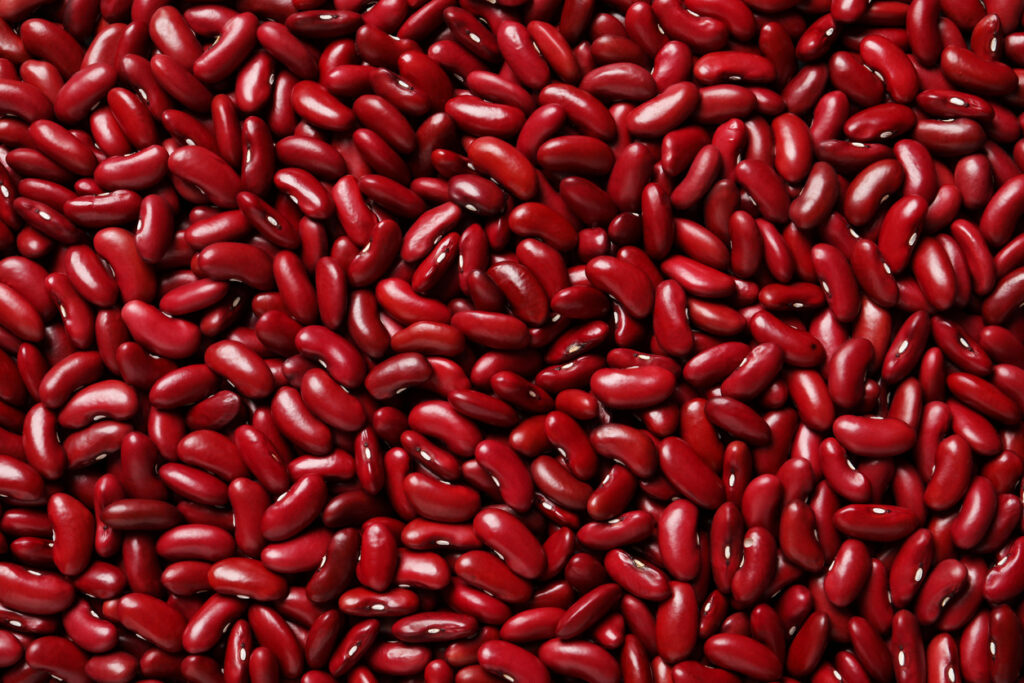
Raw kidney beans contain something called lectin that’s basically toxic to humans and can cause really nasty food poisoning with vomiting and stomach cramps. Just a few undercooked beans can make you seriously ill, which is why you need to boil them properly for at least 10 minutes.
The weird thing is that slow cooking kidney beans at low temperatures can actually make them more poisonous rather than less because it concentrates the toxins instead of destroying them. You need proper boiling heat to break down the dangerous compounds and make them safe to eat.
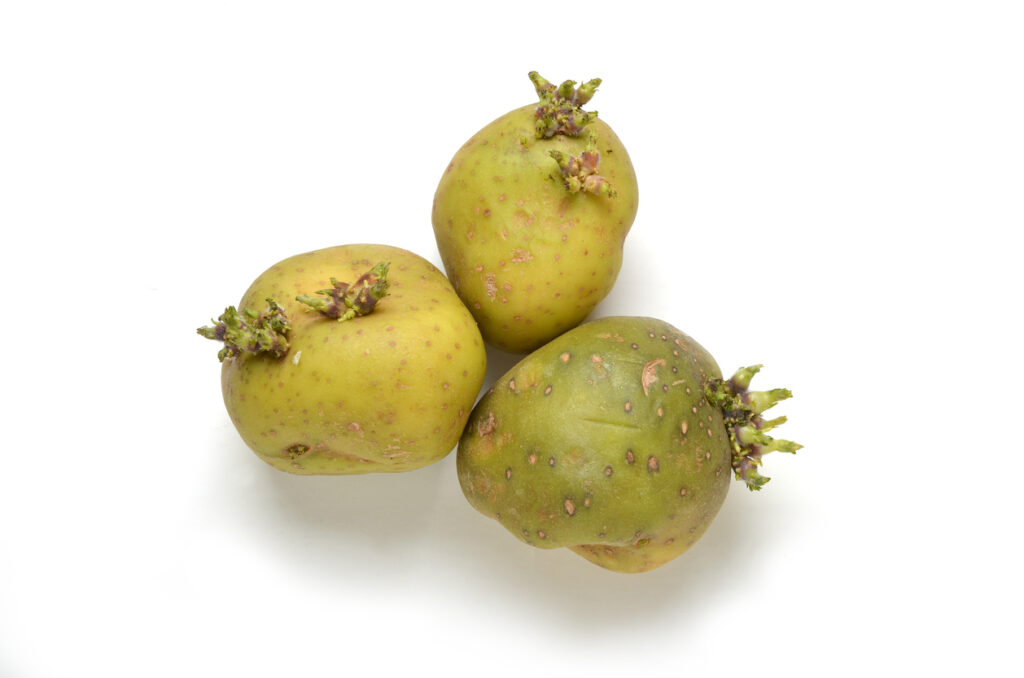
2. Potatoes turn toxic when they go green.
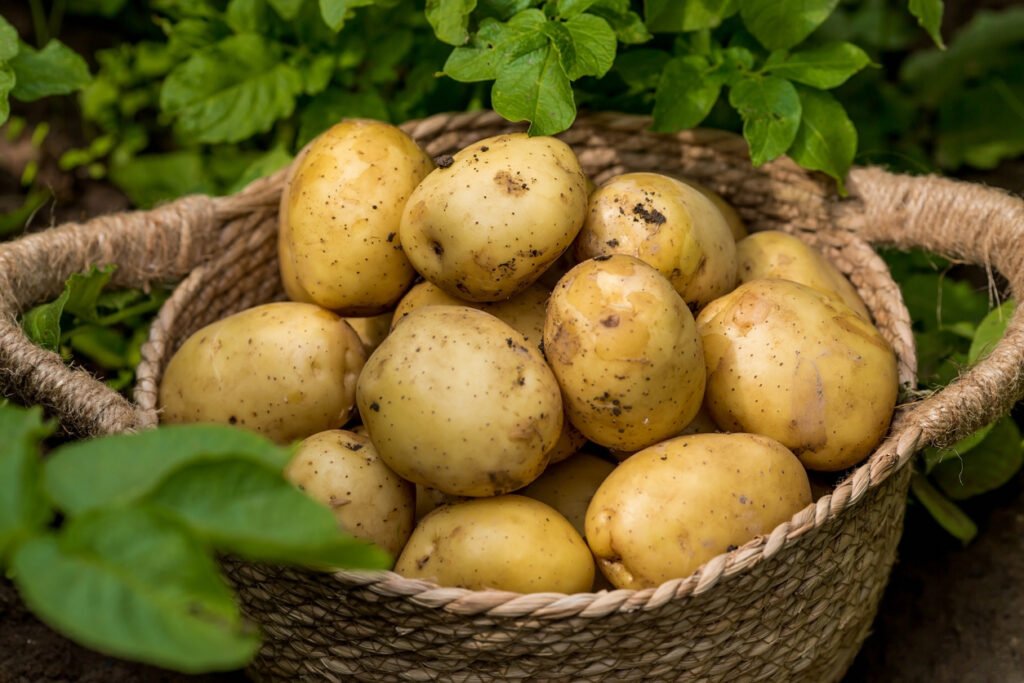
When potatoes are exposed to light, they start producing a compound called solanine that can make you really sick with headaches, nausea, and stomach problems. You can tell when this is happening because the potato skin turns green and tastes bitter.
Green potatoes aren’t just unpleasant to eat, they’re genuinely dangerous, and you should throw them away rather than trying to cut off the green bits. The toxins can spread throughout the potato, so even parts that look normal might not be safe to eat.
3. Rhubarb leaves are absolutely deadly.
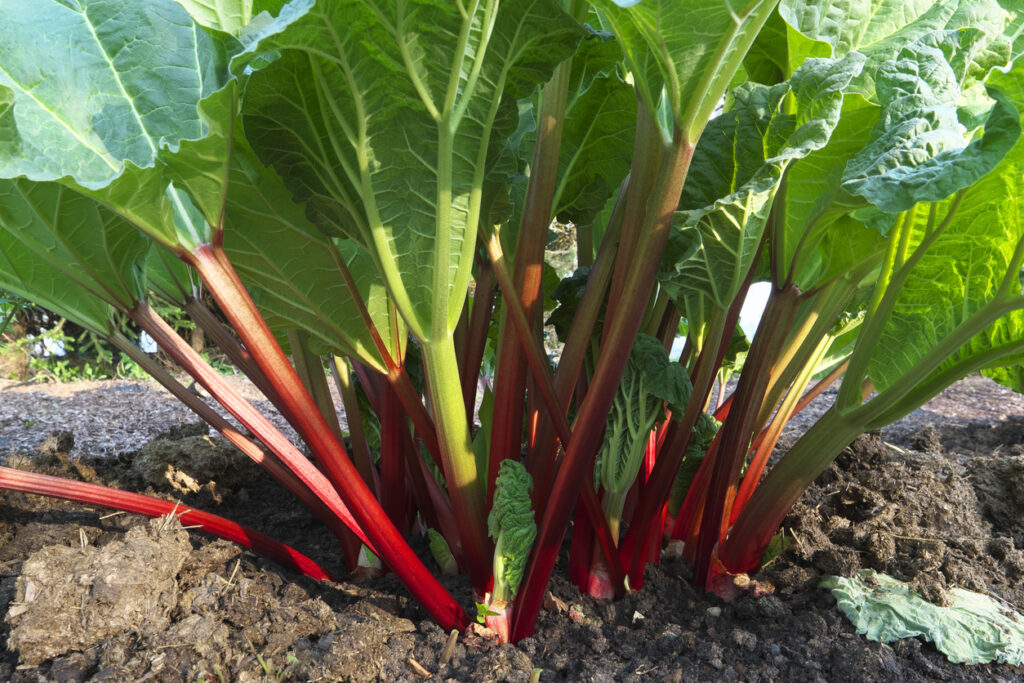
Everyone knows you can eat rhubarb stalks, but the leaves contain oxalic acid and other compounds that can cause kidney problems, breathing difficulties, and even death if you eat enough of them. It’s mad that such a normal garden plant has parts that are basically poisonous.
The stalks are completely fine to eat once you’ve removed all the leaves, but you need to make sure you don’t accidentally include any leaf bits in your cooking. Even small amounts of the leaves can make you feel pretty rough, so it’s not worth taking any chances.
4. Cassava needs proper processing, or it’ll poison you.
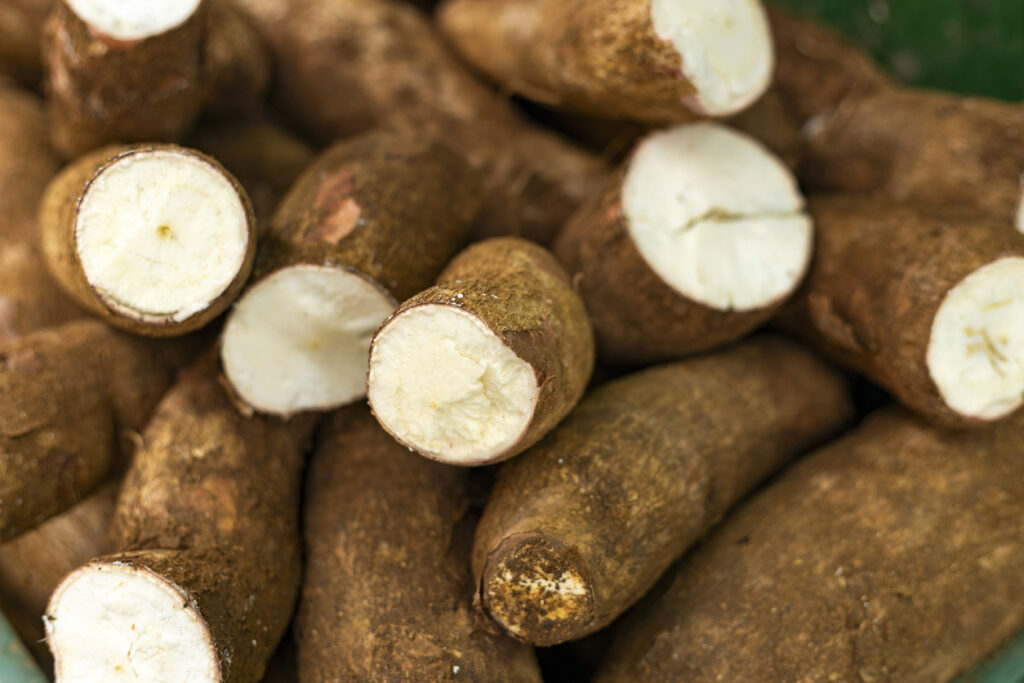
Cassava is a staple food for millions of people around the world, but raw cassava contains cyanide compounds that can literally kill you if you don’t process it correctly. Different varieties have different levels of toxins, but all of them need proper preparation.
Traditional methods involve soaking, fermenting, or cooking the cassava in specific ways to break down the dangerous compounds. In places where cassava is a main food source, people have developed really detailed techniques for making it safe that have been passed down for generations.
5. Raw elderberries will make you properly sick.

While elderberry products like cordials and jams are lovely, raw elderberries contain compounds that can cause nausea, vomiting, and digestive problems. The bark, seeds, and leaves are even more toxic and should never be eaten at all.
Cooking elderberries properly breaks down most of the harmful compounds and makes them safe to eat, which is why elderberry jam and cooked products are fine. But munching on raw elderberries straight from the bush is a recipe for feeling absolutely awful.
6. Lima beans can produce cyanide.
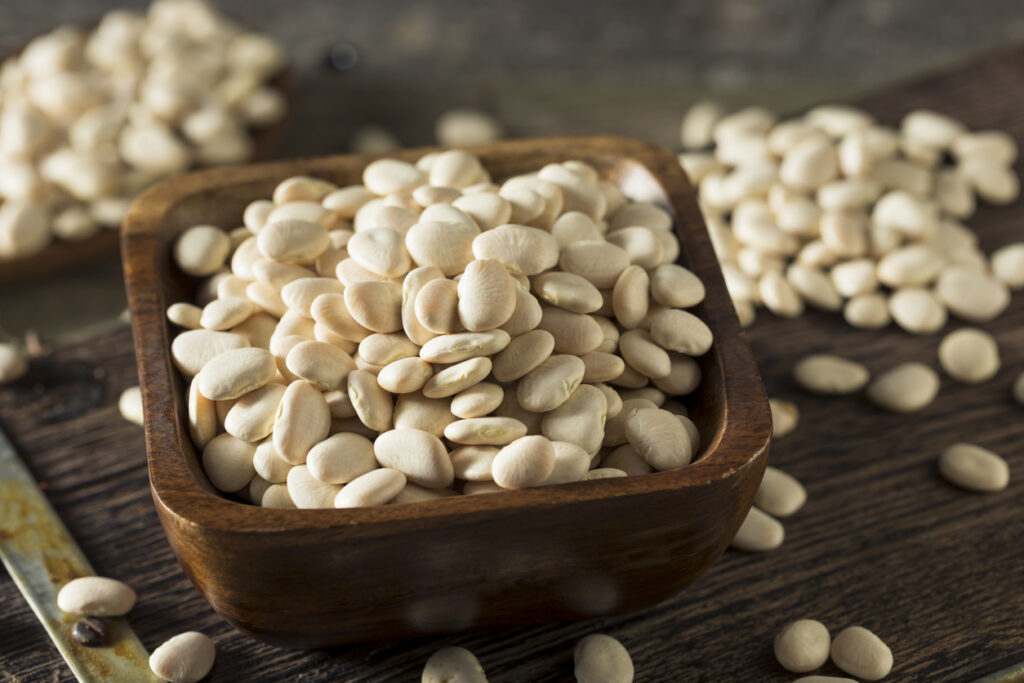
Some varieties of lima beans, especially the large white ones, contain compounds that release cyanide when you chew them. This is why lima beans need to be cooked thoroughly and why some people report feeling sick after eating them if they’re not prepared properly. The good news is that proper cooking destroys these compounds, and most lima beans sold in shops have been bred to have lower levels of toxins. But it’s still important to cook them well and not eat them raw or undercooked.
7. Raw cashews aren’t actually raw.
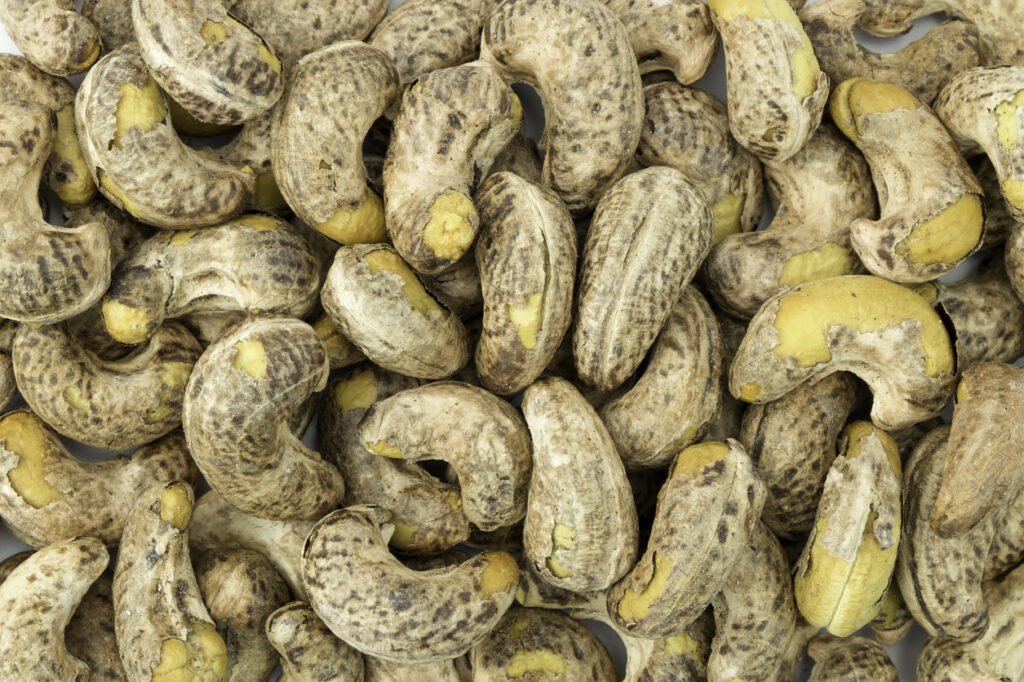
What we call “raw” cashews have actually been steamed or boiled to remove toxic compounds from the shell because truly raw cashews contain the same irritating chemicals found in poison ivy. Real raw cashews can cause skin burns and allergic reactions. The cashews you buy in shops are safe to eat because they’ve been processed to remove these toxins, but it’s interesting that what we think of as a “raw” nut has actually been treated to make it safe for human consumption.
8. Ackee fruit is banned in some countries.
Ackee is the national fruit of Jamaica, but it’s actually banned from import in many countries because unripe ackee contains toxins that can cause severe illness or death. Only the properly ripened fruit that has opened naturally is safe to eat. Even in Jamaica, where people know how to prepare ackee safely, there are still occasional cases of poisoning from eating unripe fruit. It requires really specific knowledge about when the fruit is ready and how to prepare it properly.
9. Apricot kernels contain natural cyanide.
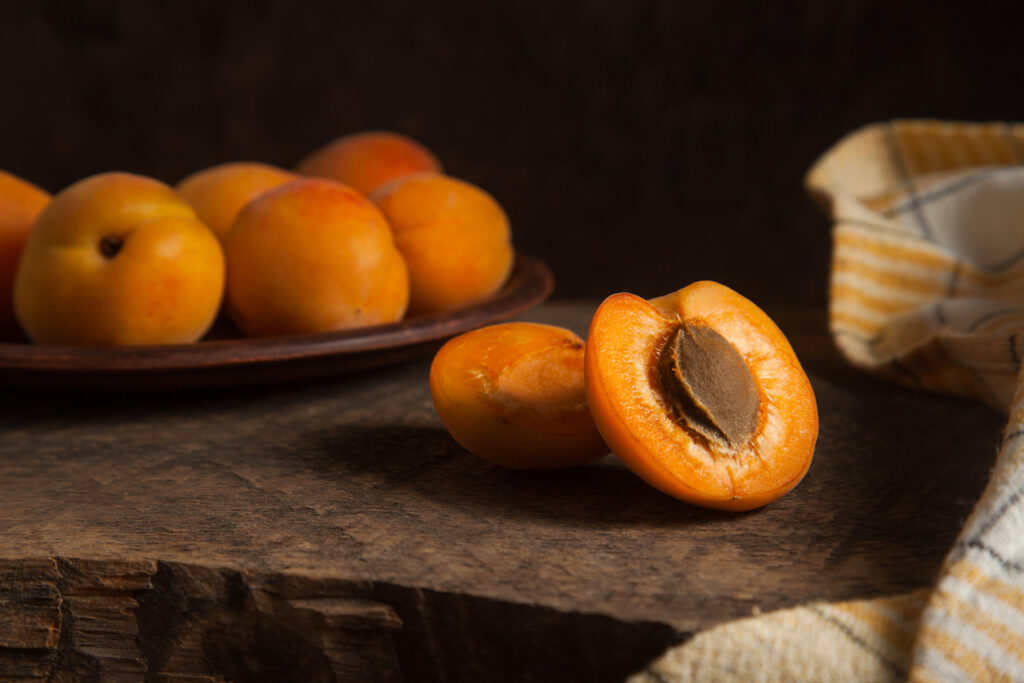
The kernels inside apricot stones contain compounds that release cyanide when digested, which is why you shouldn’t eat loads of them even though some people think they have health benefits. A few probably won’t hurt you, but eating too many can definitely make you ill.
Some traditional medicines use apricot kernels, but there’s a big difference between controlled medicinal use and just munching on them casually. The amount that might be helpful is very close to the amount that could be harmful.
10. Raw sprouts can be dangerous.
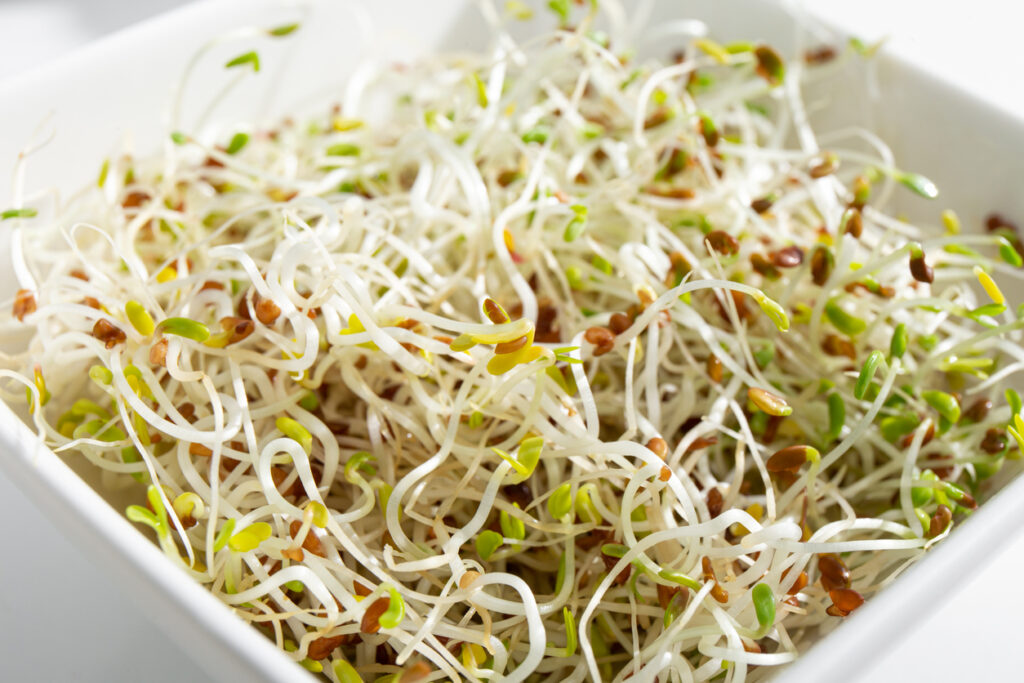
Bean sprouts, alfalfa sprouts, and other raw sprouted seeds can harbour dangerous bacteria like E. coli and salmonella because the warm, moist conditions perfect for sprouting are also perfect for growing harmful bacteria. Raw sprouts have caused loads of food poisoning outbreaks.
Even though sprouts seem like healthy, natural food, they’re actually quite risky to eat raw. Cooking them kills the bacteria and makes them much safer, but loads of people eat them raw in salads without realizing the potential danger.
11. Wild mushrooms are basically Russian roulette.
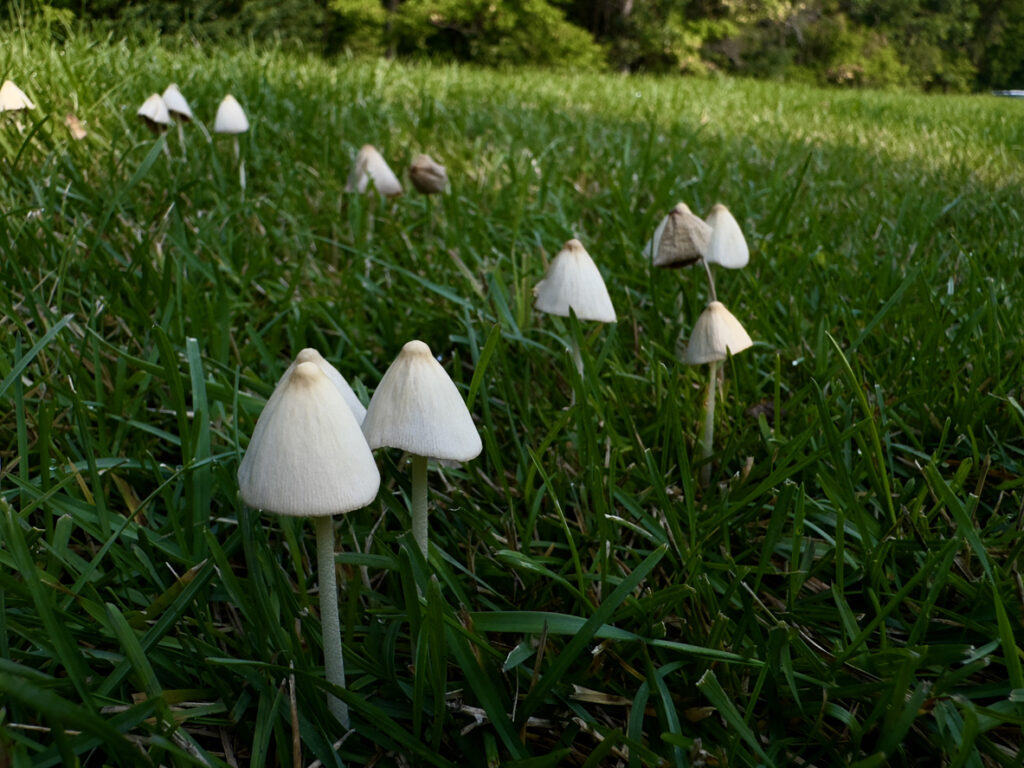
Obviously, this applies to wild mushrooms rather than ones you buy in shops, but it’s worth mentioning because some edible mushrooms have toxic look-alikes that can kill you. Even experienced foragers sometimes make mistakes that can be fatal.
Some mushrooms are only safe to eat after specific preparation methods, like boiling and discarding the water multiple times. Others that are safe in some countries are considered too risky in others because of the potential for misidentification.
12. Bitter almonds contain cyanide.
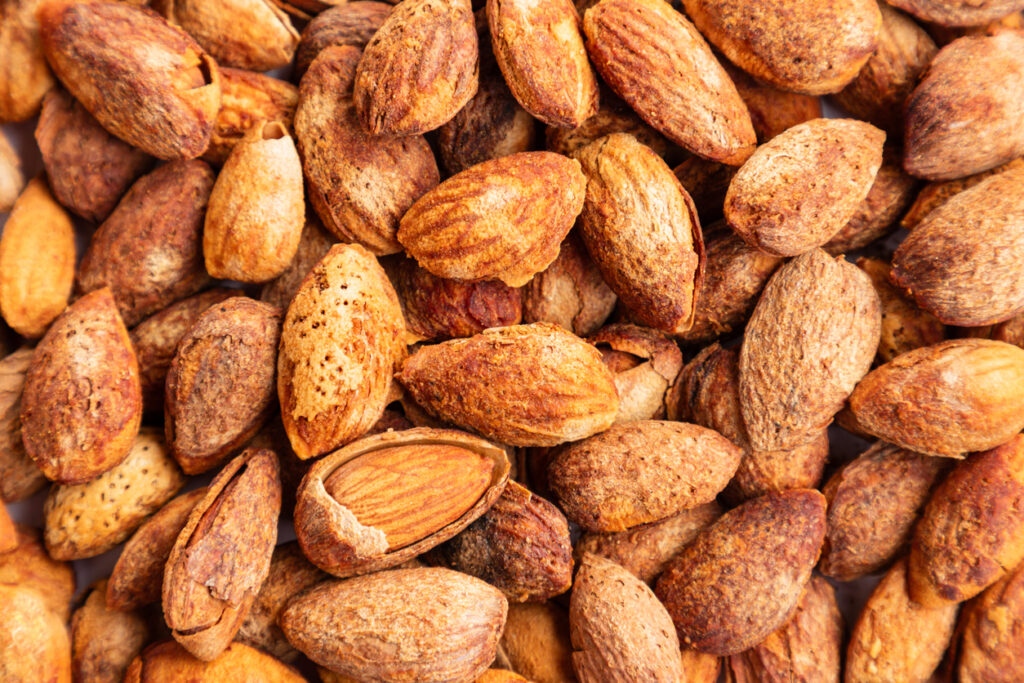
Sweet almonds that you buy in shops are fine to eat, but bitter almonds contain significant amounts of cyanide and can be dangerous if you eat too many. Bitter almonds are used to make almond extract, but they need to be processed to remove the toxins first.
You’re unlikely to encounter bitter almonds unless you’re foraging or growing your own almond trees, but it’s worth knowing that not all almonds are automatically safe to eat in their natural form. The processing makes a big difference to safety.