Space is supposed to be this silent, empty void, but there are loads of weird noises coming from out there that scientists have been picking up for decades.

These aren’t the kind of sounds you could hear with your ears if you were floating around in space, but radio signals and other weird transmissions that our equipment can detect and convert into audio. While many have an obvious explanation, others are so strange and different that they’re actually kind of freaky.
The Wow! Signal was so weird, they named it after an exclamation.

Back in 1977, a scientist was looking through radio telescope data when he found this incredibly strong signal coming from space that was so unusual he literally wrote “Wow!” next to it on the printout. The signal lasted 72 seconds and has never been detected again, despite loads of people looking for it.
What made it so special was that it seemed to come from the direction of the constellation Sagittarius and had all the characteristics that scientists would expect from an alien transmission. It’s still one of the best candidates for actual contact from extraterrestrial intelligence, but we’ll probably never know for sure what it was.
Fast Radio Bursts are like cosmic screams.

These are incredibly powerful bursts of radio waves that last only milliseconds but contain more energy than our sun produces in days. They come from random directions in space and happen completely unpredictably, which makes them really hard to study.
Scientists have only recently started detecting these regularly, and they have no idea what’s causing them. Some theories include colliding neutron stars, black holes doing weird stuff, or even alien technology, but honestly nobody knows what could produce such massive amounts of energy in such short bursts.
Radio signals from Jupiter sound absolutely terrifying.

Jupiter produces these radio emissions that, when converted to audio, sound like something from a horror film: weird whooshes, clicks, and sounds that are genuinely quite scary to listen to. These come from Jupiter’s massive magnetic field interacting with particles in space.
The creepy thing is that these sounds are so loud they can sometimes be picked up by amateur radio operators on Earth, so you could potentially tune in and listen to Jupiter’s spooky space noises from your bedroom. It’s like the planet is constantly broadcasting its own horror movie soundtrack.
Saturn’s hexagon makes musical tones.

Saturn has this bizarre hexagonal storm at its north pole that creates radio waves that sound like musical notes when converted to audio. The hexagon itself is already weird enough, really. It’s a perfectly geometric shape that’s bigger than Earth, but the fact that it makes music is even stranger.
Scientists think the musical tones come from the storm’s rotation and the way it interacts with Saturn’s magnetic field, but it’s still mind-blowing that a weather pattern on another planet can essentially compose its own soundtrack.
Mysterious radio signals repeat every 16 days.
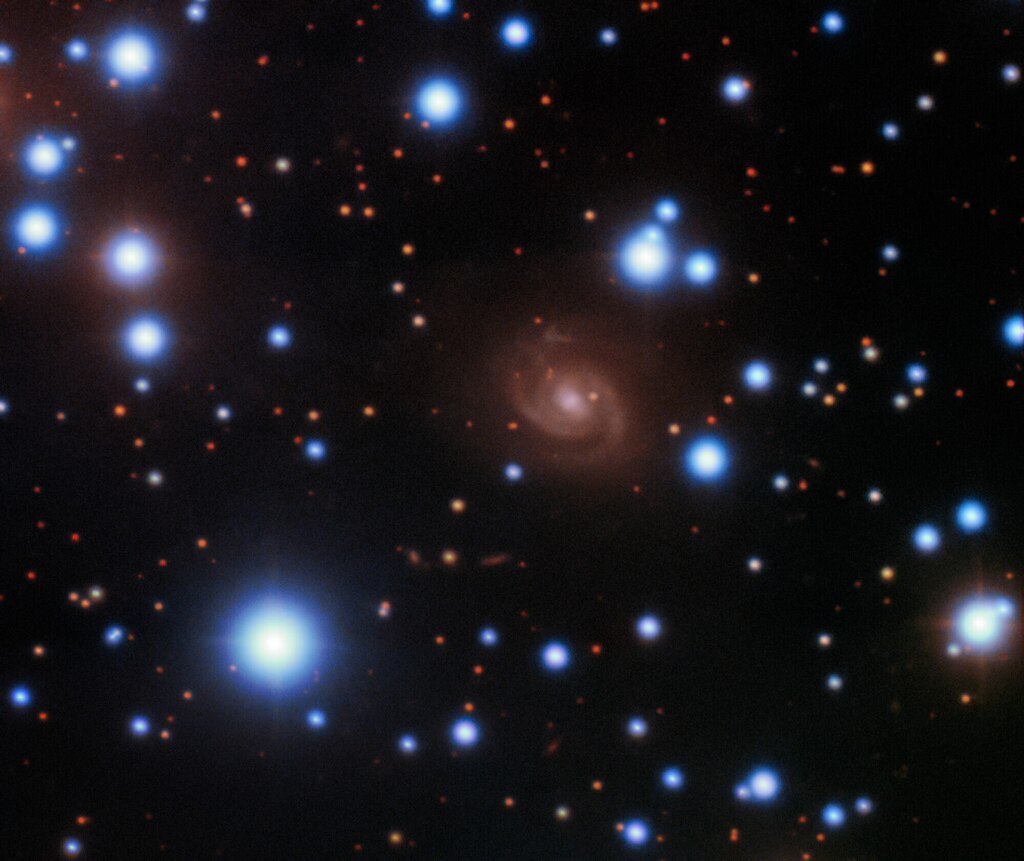
There’s a source called FRB 180916.J0158+65 that sends out fast radio bursts in a predictable pattern: it’s active for 4 days, then silent for 12 days, then active again for 4 days. This regularity is really unusual because most space phenomena are random.
The fact that it follows such a precise schedule makes scientists wonder if it could be artificial rather than natural. Natural processes in space don’t usually stick to such exact timetables, which is why this particular signal keeps researchers guessing about what could be causing it.
The Big Ear telescope detected signals that shouldn’t exist.

Besides the famous Wow! Signal, the Big Ear radio telescope in Ohio detected several other weird transmissions over the years that didn’t match any known natural phenomena. These signals had characteristics that suggested they might be artificial, but they were never strong enough or lasted long enough to be certain.
The telescope has since been torn down, which means we can’t go back and look for these signals again from the same location. It’s frustrating to think that we might have been getting messages from space that we just couldn’t quite decode or confirm.
Pulsar signals were first thought to be alien communications.

When scientists first discovered pulsars in 1967, the signals were so regular and precise that they genuinely thought they might be receiving messages from an alien civilization. They even called the first one LGM-1, which stood for “Little Green Men 1.”
It turned out that pulsars are actually rapidly spinning neutron stars that emit beams of radiation like cosmic lighthouses, but the fact that scientists initially thought they were alien signals shows how weird and artificial-sounding these natural phenomena can be.
Strange sounds come from the space between planets.

NASA’s Voyager spacecraft recorded these eerie sounds as they travelled through the space between planets, picking up electromagnetic vibrations that sound like whale songs or ghostly music when converted to audio. These come from charged particles interacting with magnetic fields.
The recordings are genuinely quite beautiful but also quite spooky, especially when you think about them as the actual sounds of empty space. It’s like discovering that the vacuum of space isn’t actually silent, but has its own weird soundtrack.
Radio telescopes pick up signals from unknown sources.
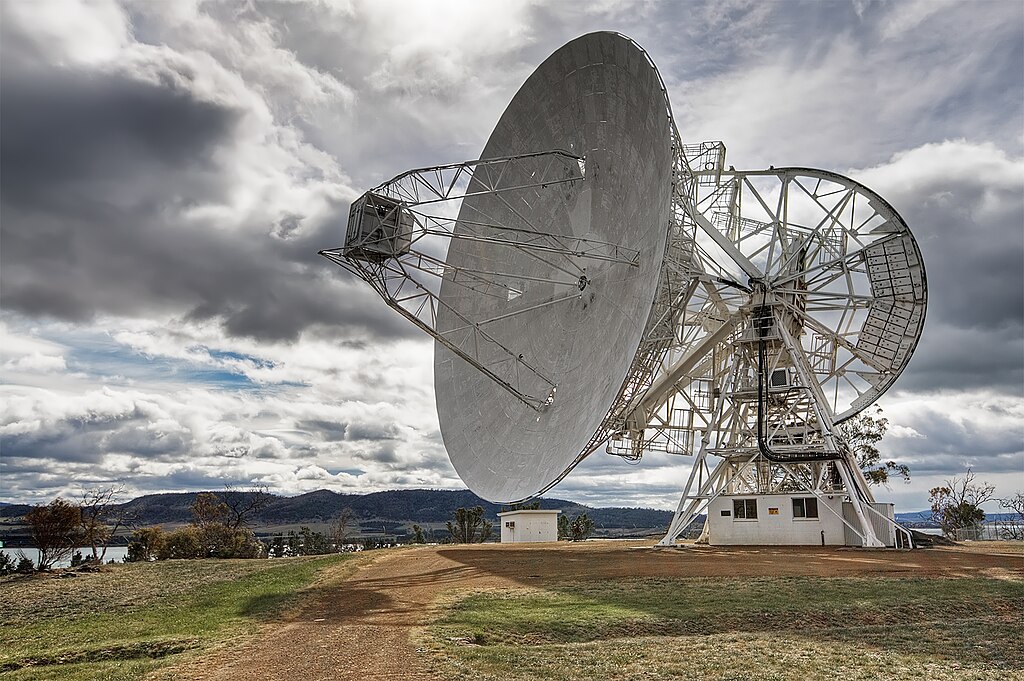
Every so often, radio telescopes detect strong signals coming from parts of space where there are no known stars, galaxies, or other objects that should be producing radio waves. These “empty” regions of space shouldn’t be making any noise at all, which makes these detections really puzzling.
Some of these signals have been traced to previously unknown objects like distant galaxies or neutron stars, but others remain completely mysterious. It’s like hearing voices in a room that you thought was empty, except the room is outer space.
The universe itself might be making noise.
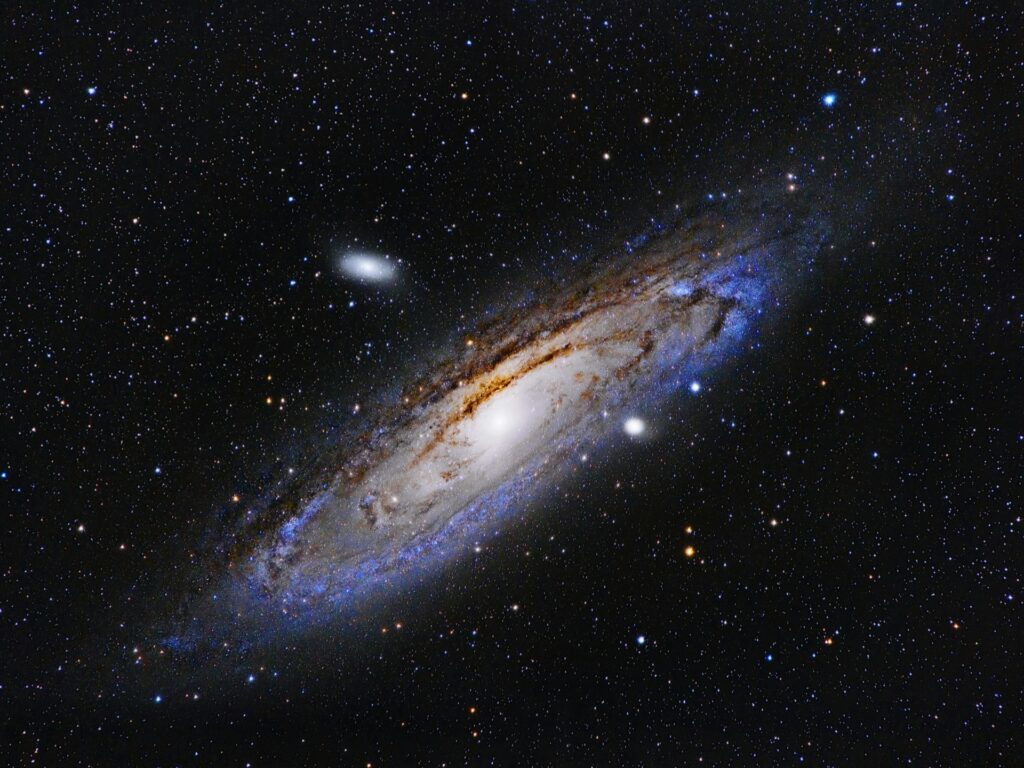
Some scientists think there might be a background hum or noise coming from the entire universe itself, created by the leftover radiation from the Big Bang or from countless cosmic events happening simultaneously. This would be like the universe having its own constant background soundtrack.
If this cosmic background noise exists, it would be incredibly faint and hard to detect because it would be everywhere at once. Scientists are still trying to figure out if they can separate this hypothetical universal hum from all the other radio noise coming from space, but it’s a mind-bending idea that the universe itself might be making sound.