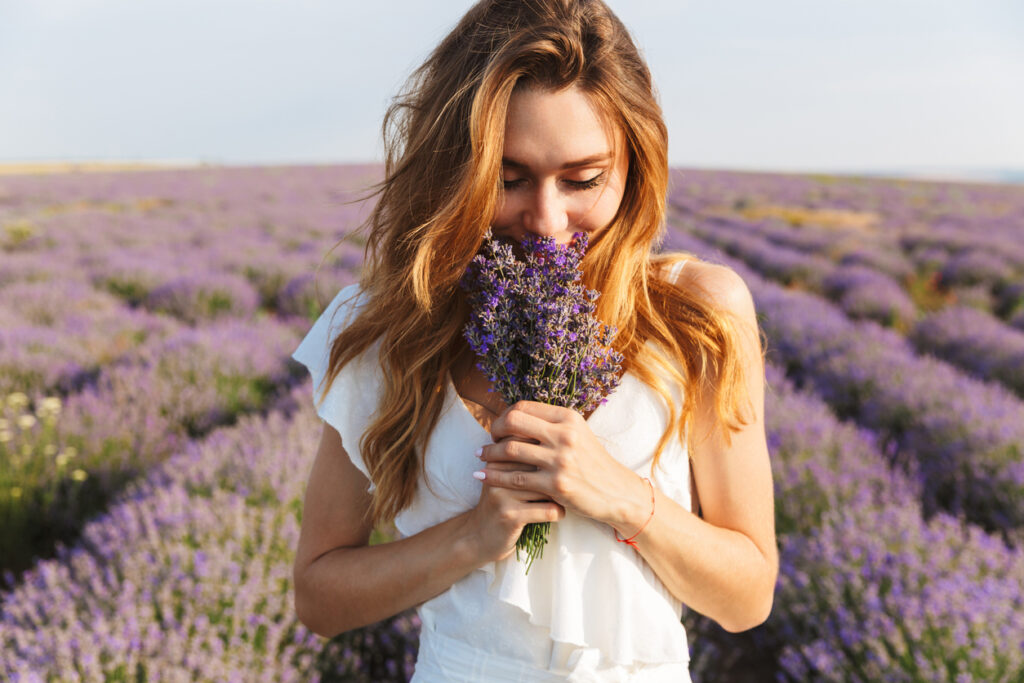
Flowers don’t smell good or bad by accident. In fact, they’ve actually evolved their scents specifically to attract certain types of animals and bugs that will help them reproduce. It’s basically nature’s version of advertising, where each flower is trying to appeal to its ideal customer, even if that customer happens to be flies that love the smell of rotting meat.
Flowers are basically advertising to their favourite pollinators.
Different flowers have evolved to attract different types of pollinators, and each pollinator has its own preferences about what smells good. Bees love sweet, fresh scents, while flies are attracted to smells that remind them of rotting things where they’d normally lay their eggs.
This means that flowers pollinated by flies smell absolutely awful to humans because they’re trying to smell like dead animals or poop to attract their target audience. To a fly, these flowers smell like the perfect place to set up shop, even though we think they’re disgusting.
Night-blooming flowers often smell stronger.
Flowers that bloom at night can’t rely on bright colours to attract pollinators, so they pump out really strong scents instead to help moths and other nighttime insects find them in the dark. These night flowers often have some of the most intense smells, both good and bad.
Jasmine and night-blooming cereus smell incredibly sweet and strong at night because they need to broadcast their presence across long distances to attract night-flying pollinators. The smell is basically their way of shouting “over here!” in the darkness.
Some flowers smell like rotting meat on purpose.
Corpse flowers and some orchids have evolved to smell exactly like dead animals because they’re pollinated by carrion flies and beetles that normally feed on rotting meat. These insects visit the flower thinking they’ve found a tasty meal, and accidentally pick up pollen in the process.
The titan arum, also called the corpse flower, can smell so bad that people have to leave the room when it blooms. But to carrion flies, it smells like the most impressive buffet ever, which is exactly what the plant wants to achieve.
Sweet-smelling flowers are targeting bees and butterflies.
Flowers that smell lovely to humans are usually trying to attract bees, butterflies, and other insects that prefer sweet, fresh scents. These pollinators have good eyesight and are looking for flowers that offer high-quality nectar as a reward for their pollination services.
Roses, lavender, and sweet peas all smell incredible because they’re advertising to pollinators that prefer clean, pleasant scents. These insects tend to be more reliable pollinators, so the flowers invest in smells that will attract them specifically.
The time of day affects how strong flower scents are.
Many flowers release their strongest scents at specific times when their target pollinators are most active. Evening flowers might smell strongest at dusk, while morning flowers pump out their best scents early in the day. This timing is really precise because flowers don’t want to waste energy producing scent when their pollinators aren’t around. It’s like a shop only turning on its neon signs when customers are likely to be walking past.
Some flowers change their smell as they age.
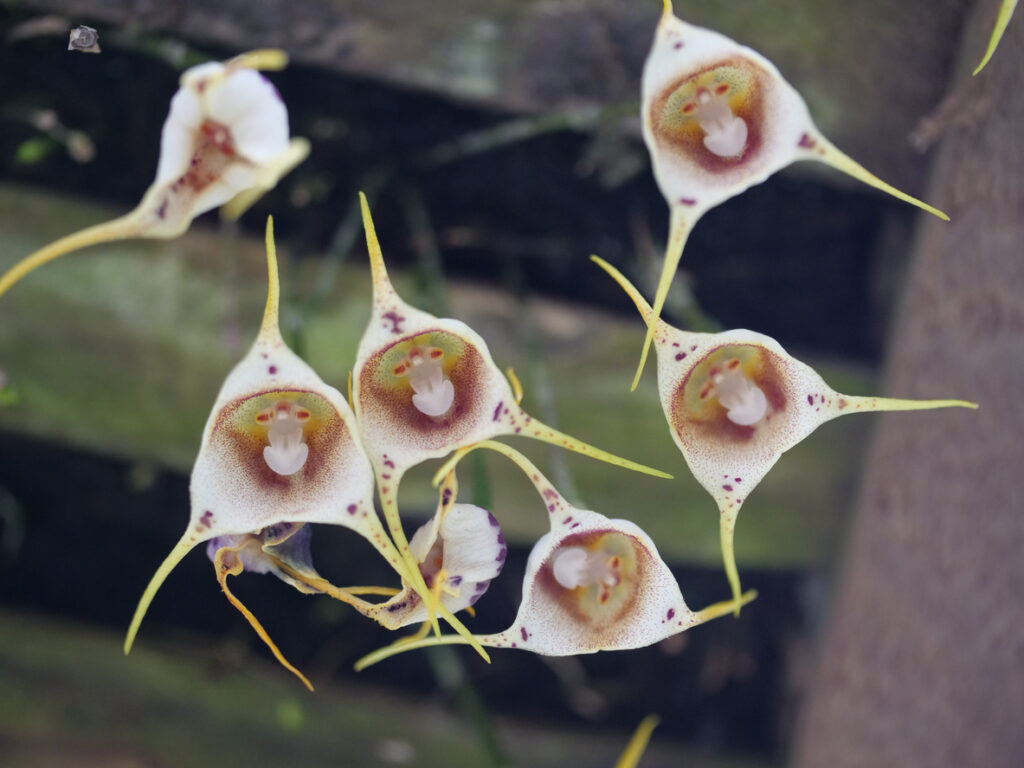
Flowers might smell different on different days because they’re trying to send different messages about whether they’re ready for pollination or have already been pollinated. Fresh flowers often smell stronger because they’re actively trying to attract visitors.
Once a flower has been successfully pollinated, it might stop producing scent altogether or even start smelling bad to discourage further visits. The plant doesn’t want to waste nectar on pollinators once it’s already got what it needs.
Temperature and humidity affect flower scents.
Flower scents are often stronger on warm, humid days because the molecules that create the smell can travel further through the air. Cold, dry weather makes it harder for scent molecules to move around, so flowers might seem less fragrant. This is why your garden might smell lovely on a warm summer evening, but barely have any scent on a cold winter day. The flowers aren’t necessarily producing less scent, it’s just not travelling as well through the air.
Some flowers smell like other things to trick pollinators.
Certain orchids have evolved to smell exactly like female insects to trick male insects into trying to mate with the flower. The male insect gets frustrated but picks up pollen in the process, which gets transferred to the next flower he visits.
Other flowers smell like alarm pheromones that insects produce when they’re in danger, which attracts predatory insects that come looking for an easy meal. These predators accidentally pollinate the flower while investigating the fake distress signal.
Flower scents can be poisonous or drugging.
Some flowers produce scents that are mildly toxic or psychoactive to their pollinators, making the insects drowsy or confused so they stay on the flower longer and pick up more pollen. It’s like the plant is getting its pollinators slightly drunk to make them more cooperative.
These flowers have to be careful not to make their scents too strong because they need their pollinators to survive and visit other flowers. It’s a delicate balance between drugging them just enough to be helpful without actually harming them.
Human noses aren’t the target audience.
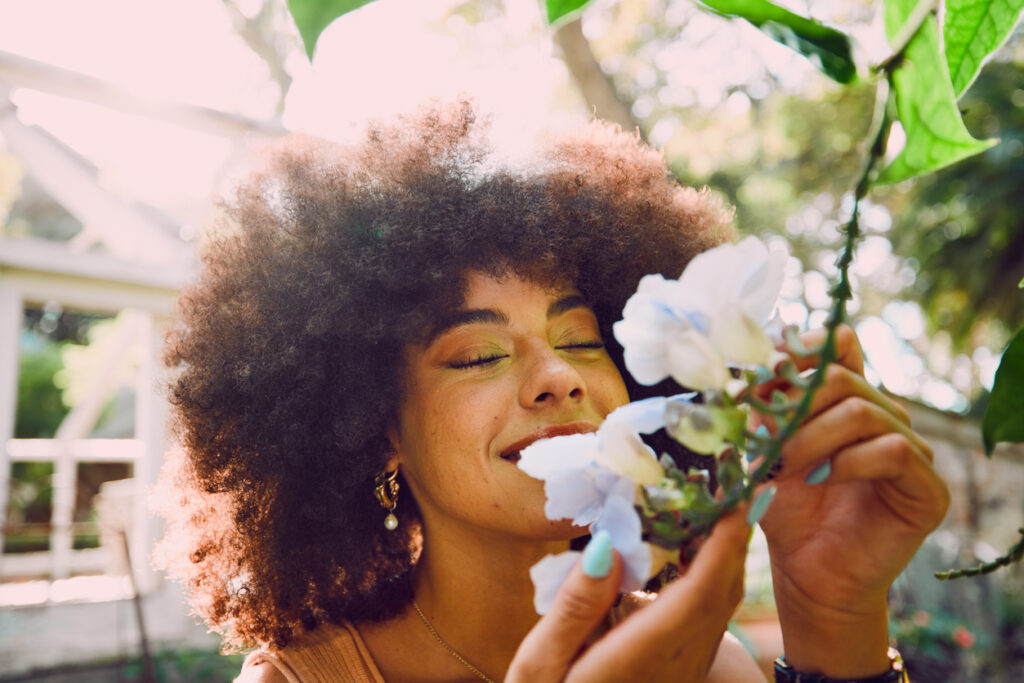
What smells good or bad to humans has nothing to do with what the flower is actually trying to achieve. We might love the smell of roses, but that’s just a coincidence because roses happen to be targeting pollinators with similar scent preferences to ours.
Many flowers that smell terrible to us are actually perfectly successful at attracting their intended pollinators. From the plant’s perspective, a flower that attracts the right pollinators is a good flower, regardless of whether humans find it pleasant.
Flower breeding has changed natural scents.
Many of the flowers we grow in gardens have been bred for stronger, more pleasant scents that appeal to humans rather than their natural pollinators. This means garden flowers often smell different from their wild relatives.
Some modern flowers have actually lost their natural scents entirely through breeding for other traits like bigger blooms or different colours. These flowers might look great but have no smell at all because scent wasn’t considered important during the breeding process.
Weather conditions before blooming affect scent strength.
Flowers that grow during stressful conditions like drought or extreme temperatures often produce stronger scents because the plant is working harder to attract pollinators when reproduction is more difficult. Stress can actually make flowers smell more intense.
Plants that have had perfect growing conditions might produce weaker scents because they can afford to be more relaxed about attracting pollinators. It’s like the difference between someone desperately shouting for help versus someone casually mentioning they need assistance.