While sunshine has its place, many vegetables grown in the UK rely on our trademark rainfall to develop proper flavour.

Too much heat or dryness makes them tough or bland, but steady rain creates the tender, tasty crops we love. Obviously, a lot depends on what the weather’s like in a given year, but under ideal conditions, you’ll get some great crops of these veg right here in the UK (and specifically thanks to the weather here).
1. Carrots
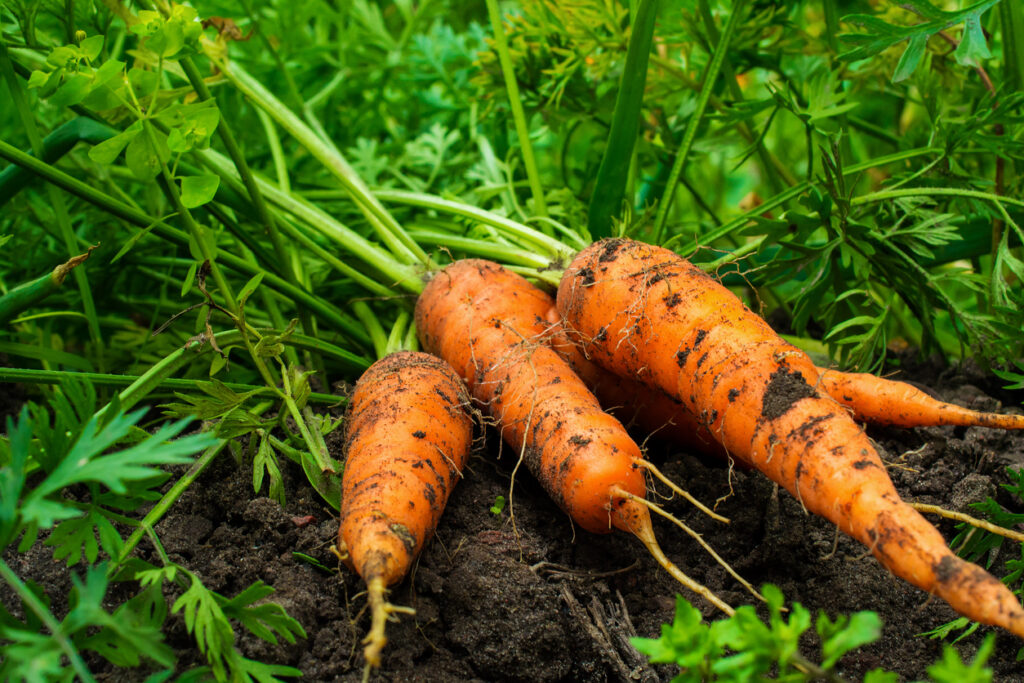
Carrots struggle when soil dries out, becoming woody and splitting as they force growth in poor conditions. They rely on consistent moisture to stay sweet and evenly shaped; otherwise, they lose the crisp bite that makes them so appealing.
British rain keeps the soil damp without constant irrigation, allowing carrots to grow slowly and evenly. That gentle pace draws out their natural sugars, giving you the crunch and flavour that make them worth pulling fresh from the ground.
2. Potatoes

Potatoes need water throughout the season to bulk up properly underground. Without steady rainfall, the tubers remain small or develop scabby, rough skins, which makes them harder to cook and less satisfying to eat.
Cool, damp British summers help them swell evenly and stay smooth. Regular rain means less manual watering, which keeps spuds floury or waxy in texture depending on the variety, and perfectly suited for roasting, mashing, or boiling.
3. Peas

Peas dislike hot, dry weather, which quickly turns their pods tough and fibrous. Without enough rain, they produce fewer pods and lose the sweetness that makes them so enjoyable straight from the vine.
British rain keeps the soil cool and moist, which peas love. This encourages plump, tender pods bursting with sweetness, ensuring they taste best when grown in our typically damp climate.
4. Broad beans

Broad beans wilt quickly in drought conditions, producing fewer flowers and pods. Dry soil makes the beans starchy and less tender, which takes away from their buttery flavour and soft texture.
Consistent rainfall helps the plants stay upright and healthy, filling pods with plump, soft beans. The cool, wet climate gives them their rich taste, making them a true spring and early summer favourite in Britain.
5. Cabbage
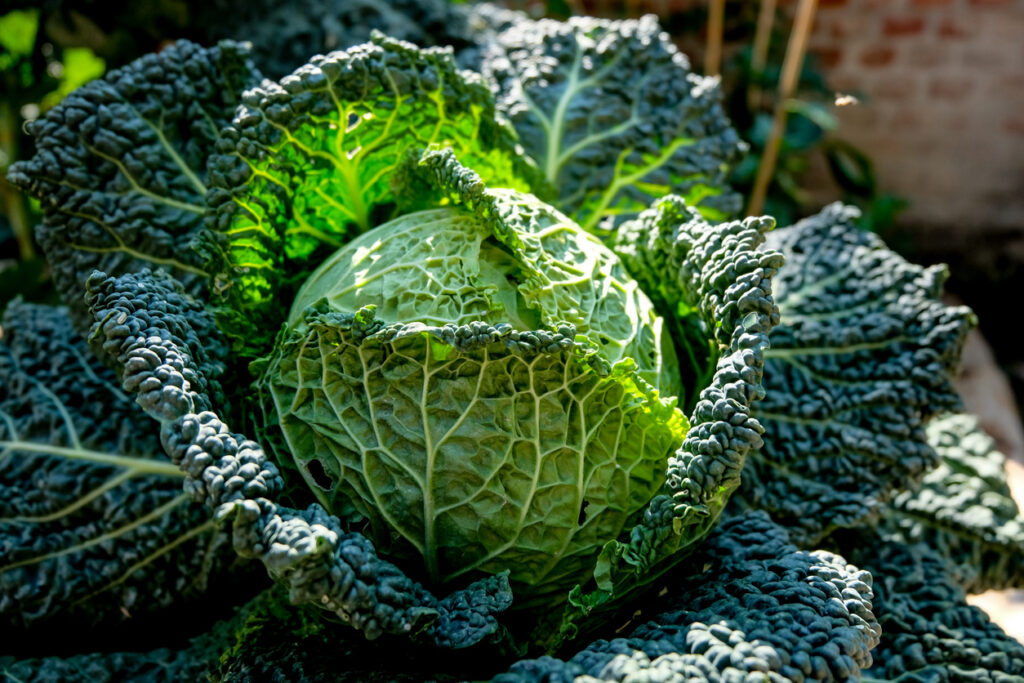
Cabbages are heavy feeders that need regular water to form dense, tight heads. In dry weather, they wilt, grow loosely, or bolt early, which makes the leaves bitter and unappealing in the kitchen.
Our damp climate supports slow, steady growth, helping cabbages form sweet, crisp leaves. Rainfall gives them the moisture they crave, making them perfect for everything from coleslaw to Sunday roasts.
6. Cauliflower

Cauliflower is notorious for failing in hot or dry conditions. Without enough moisture, the heads stay small and discoloured, with florets that separate rather than forming the creamy white curds gardeners look for.
British rainfall keeps growth cool and steady, allowing the heads to form tightly. The result is that smooth, mild flavour and dense texture that makes cauliflower a reliable staple in UK kitchens.
7. Brussels sprouts
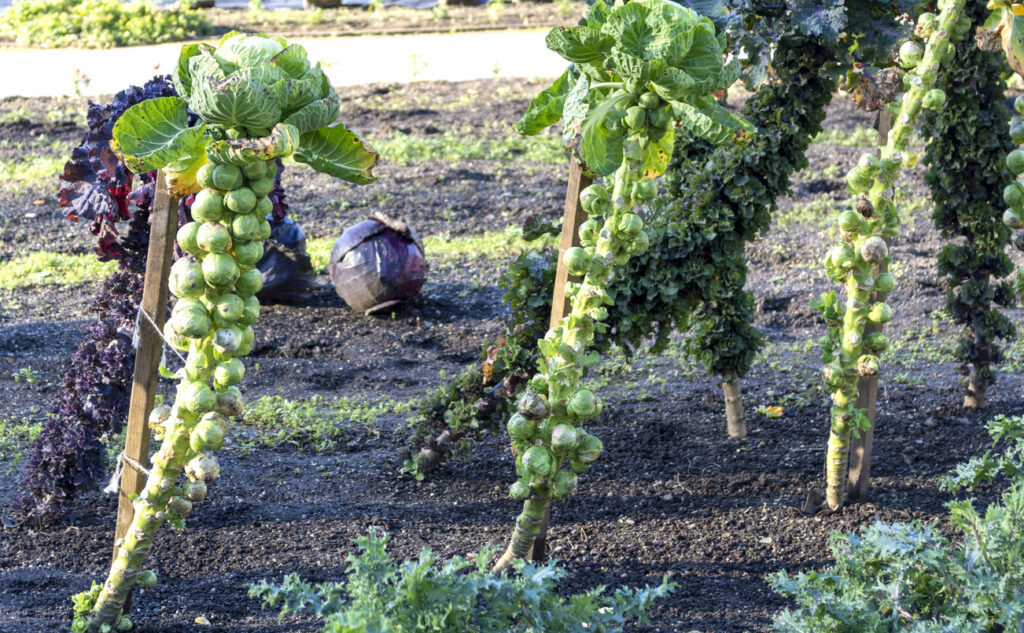
Brussels sprouts depend on long, cool, and damp conditions to form tight, sweet-tasting buttons. If the soil dries out, sprouts open up or develop a bitter edge that puts people off eating them altogether.
British rain provides the perfect environment for them to grow slowly and develop sweetness. Consistent moisture makes them plump, compact, and far tastier than their dry-weather counterparts.
8. Kale
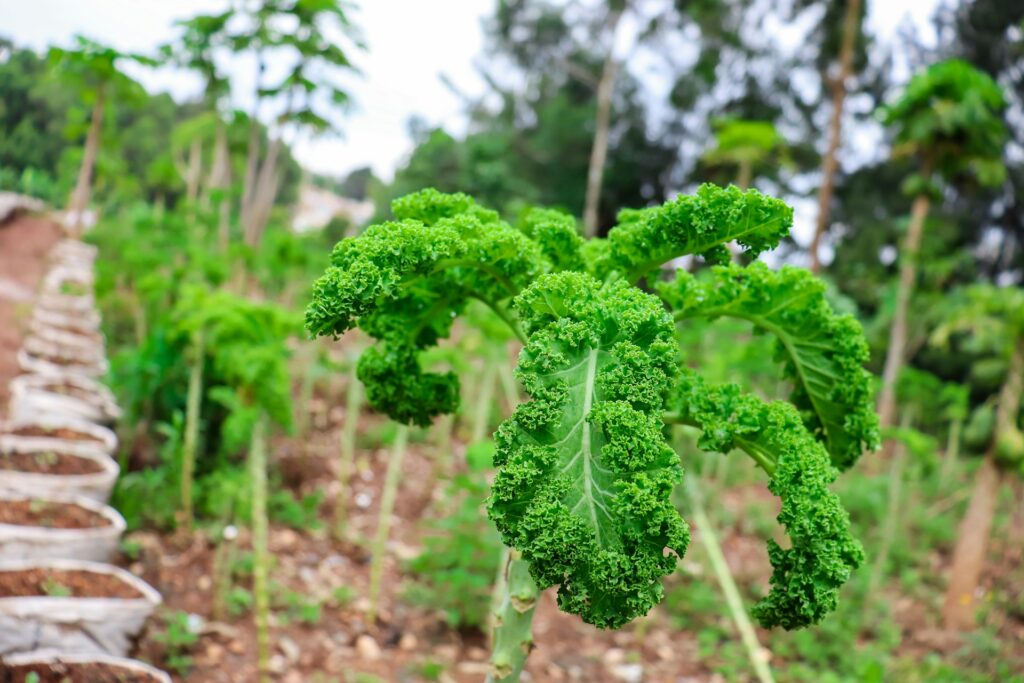
Kale can survive drought, but it loses tenderness quickly in hot, dry weather. Leaves become tougher and more bitter, which puts many people off this otherwise versatile vegetable.
Regular rainfall keeps kale lush and mild. With steady moisture, the leaves stay soft enough to enjoy raw in salads or cooked down in soups and stir-fries, making them far more enjoyable to eat.
9. Leeks
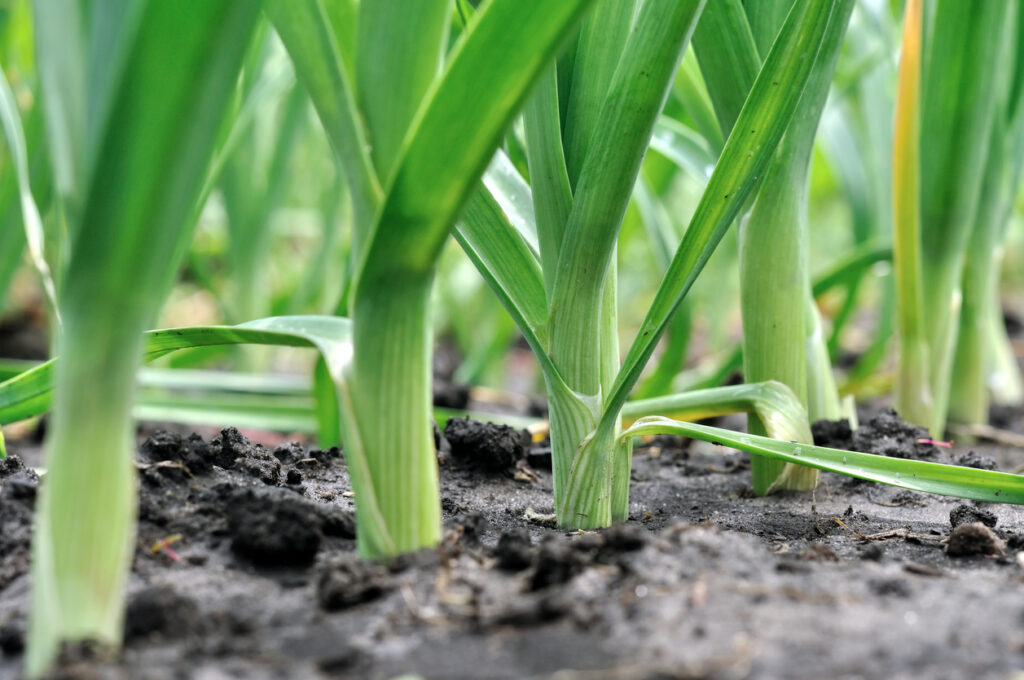
Leeks love moisture, and dry spells cause them to toughen and develop woody centres. Without enough rain, they stay thin and lack the sweet, onion-like flavour that makes them so popular in winter dishes.
British rain keeps leeks growing steadily, fattening them up into thick, tender stems. The result is a vegetable that cooks down sweetly in soups and pies, perfectly adapted to our wet climate.
10. Lettuce
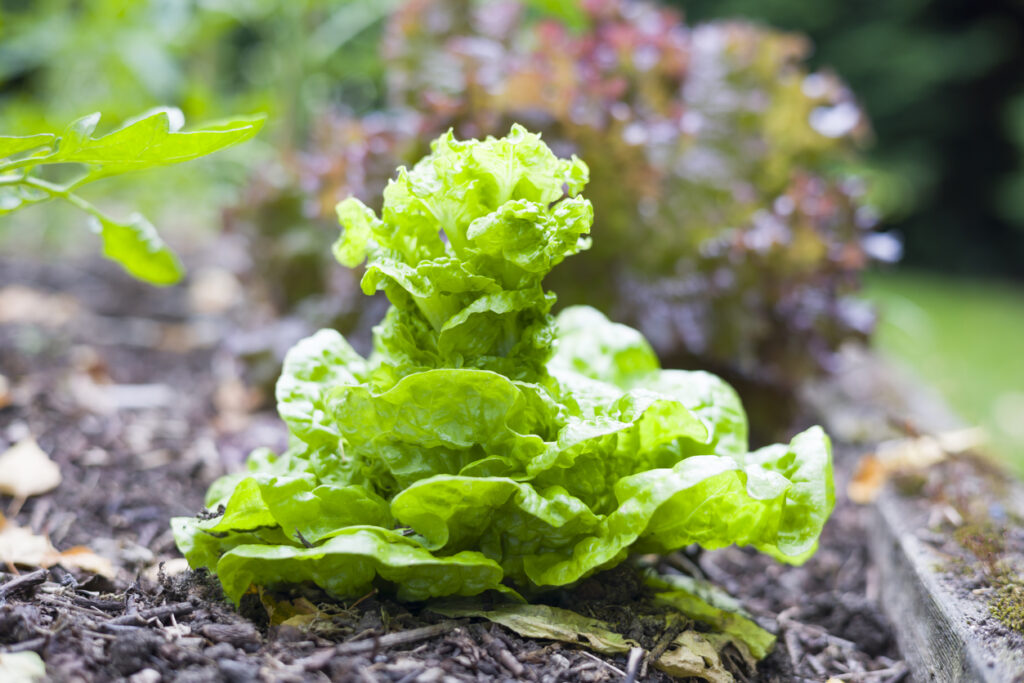
Lettuce wilts quickly in hot weather and bolts when soil dries out, producing bitter leaves and wasted crops. It simply doesn’t cope with prolonged dryness, making it one of the thirstier salad greens.
With plenty of rain, lettuce stays cool and hydrated, producing crisp, mild leaves. This makes it one of the easiest vegetables to grow in Britain, thriving in the damp climate without too much extra effort.
11. Spinach
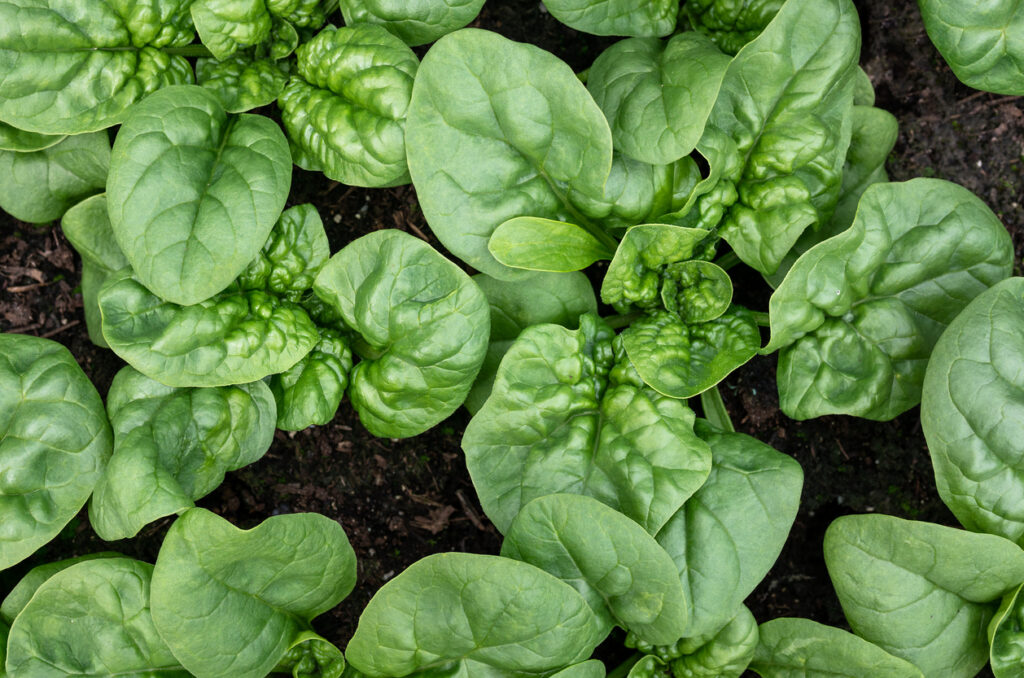
Spinach bolts in hot, dry conditions, sending up flowers instead of tender leaves. When this happens, it becomes bitter and unpleasant, which ruins its versatility as a salad or cooking green.
Consistent rainfall delays bolting and keeps spinach lush. The leaves stay soft and full of flavour, ensuring you can pick them for weeks without losing quality.
12. Celery
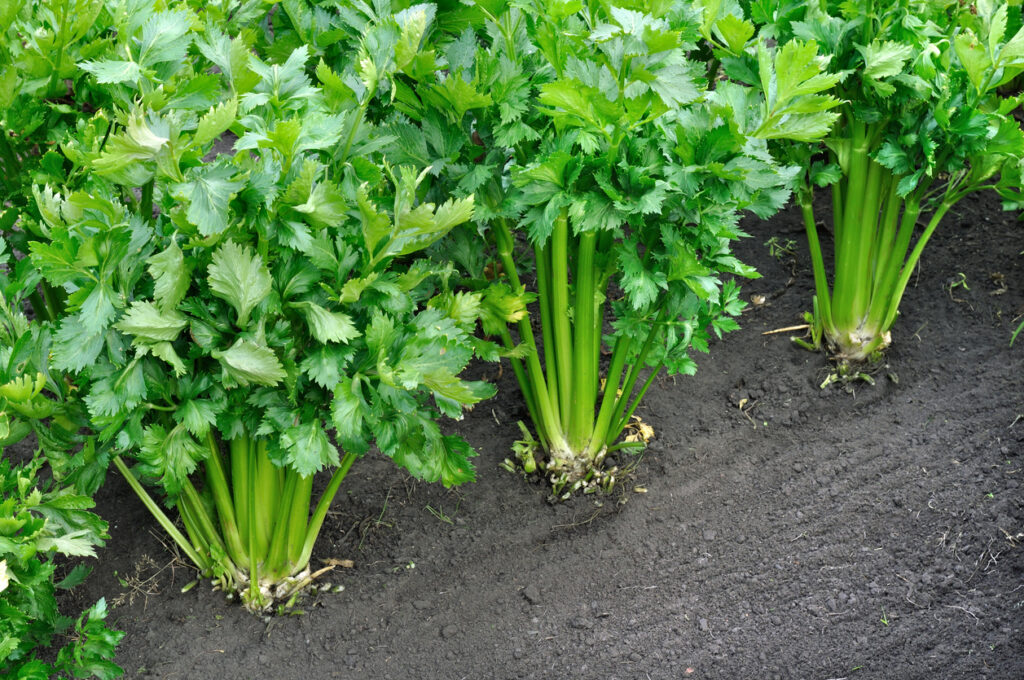
Celery is one of the thirstiest vegetables you can grow. Without constant water, the stems turn stringy and hollow, losing the crisp, refreshing crunch that makes them so distinctive.
British rain ensures celery absorbs enough moisture to stay tender and juicy. This steady supply of water gives the stems that snap and mild taste that make them perfect for soups, stews, and snacking.
13. Radishes
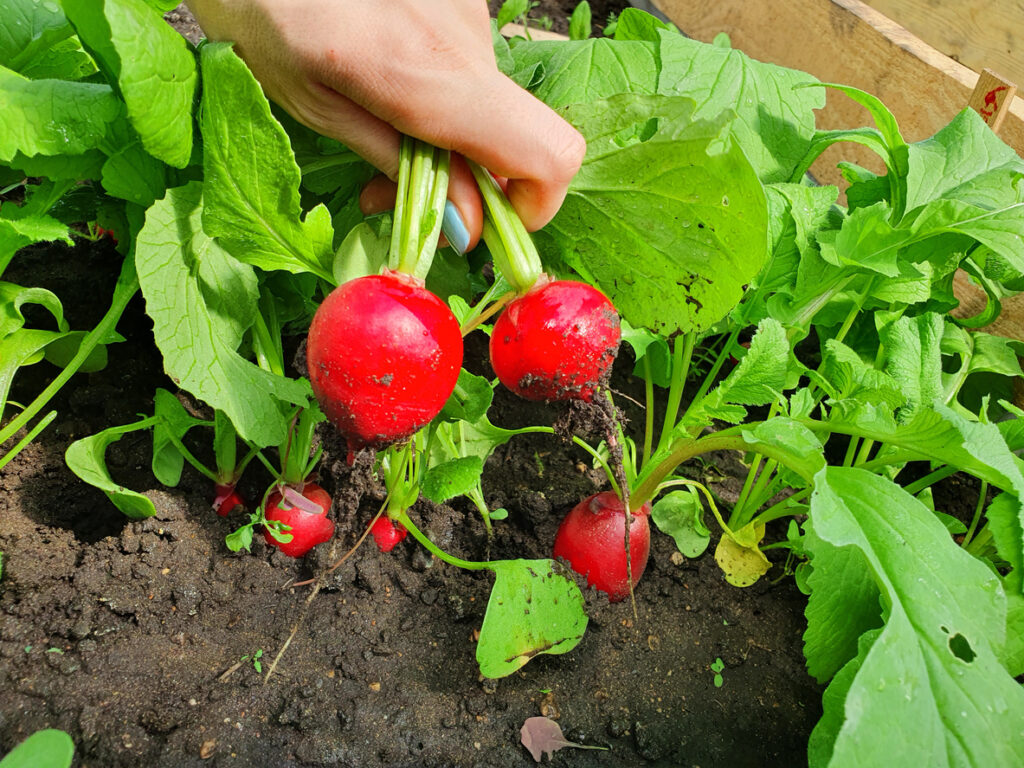
Radishes grow quickly, but without enough water, they become woody and overly spicy. Dry soil makes them unpleasantly hot and tough, which puts many people off growing them more than once.
Regular rainfall keeps radishes plump and crisp with a mild peppery bite. In Britain’s damp climate, they thrive, producing reliable crops that are perfect for quick harvests and fresh salads.