Some of the most popular plants in UK gardens aren’t as innocent as they look.
Many are non-native species that spread quickly, sometimes threatening local ecosystems. However, despite their invasive nature, they’ve charmed gardeners with their colour, resilience, or beauty. Now, many gardeners couldn’t imagine looking out into their gardens without seeing them!
1. Rhododendron
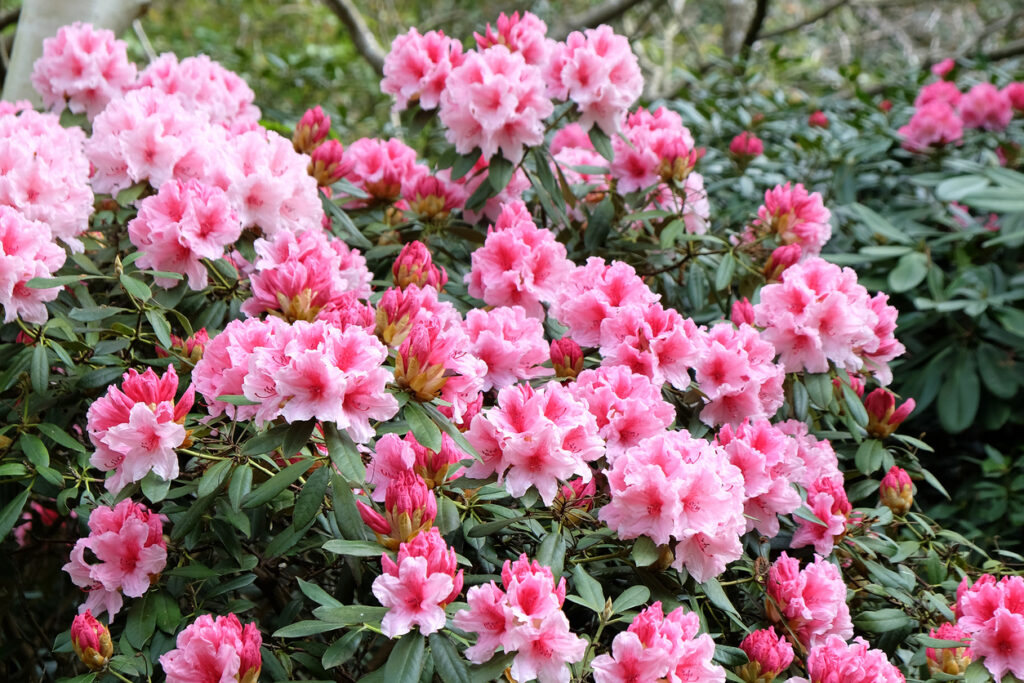
Rhododendrons are famous for their huge clusters of flowers, yet they’re also one of the most problematic invasive plants in Britain. Introduced from Asia, they’ve spread through woodlands, blocking light and pushing out native plants.
Gardeners still prize them for their showy blooms. When planted responsibly and managed carefully, they remain a favourite ornamental shrub, bringing bursts of colour to borders and landscapes each spring.
2. Buddleia

Buddleia, also called the butterfly bush, is loved for attracting pollinators. However, it spreads aggressively, particularly in urban areas, where it pops up in walls, pavements, and railway tracks, damaging structures as it grows.
Despite this, people cherish its long sprays of purple flowers. With regular pruning and thoughtful placement, it can be controlled, ensuring butterflies still flock to gardens without letting it take over entirely.
3. Japanese knotweed

Few plants carry a worse reputation than Japanese knotweed. It grows rapidly, damages property, and is notoriously difficult to remove. Its invasive nature has cost councils and homeowners millions in control efforts.
However, some still admire its bamboo-like stems and lush greenery. While it’s unsafe to plant deliberately, there’s no denying its striking appearance explains why it was once introduced as an ornamental species.
4. Montbretia (Crocosmia x crocosmiiflora)

Montbretia, a hybrid introduced from South Africa, adds fiery orange flowers to late summer gardens. Unfortunately, it spreads through underground corms and dominates hedgerows and riverbanks, often edging out wildflowers.
Gardeners continue to use it for its reliability and bold colour. When kept in contained beds, it offers a controlled way to enjoy its beauty without causing problems outside the garden fence.
5. Snowberry
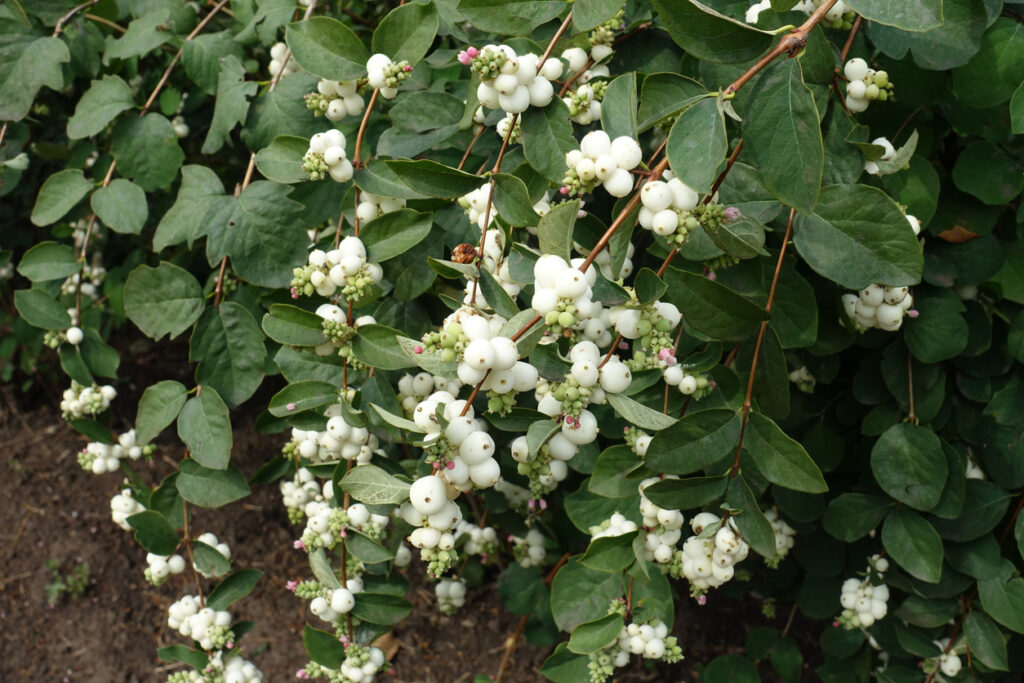
Snowberry shrubs produce pretty clusters of white berries in autumn, which many find charming. But in the wild, they form dense thickets that smother native plants and reduce biodiversity.
They still feature in gardens for their decorative value and hardiness. With pruning and careful placement, snowberries can bring seasonal interest without spiralling into a problem plant.
6. Himalayan balsam
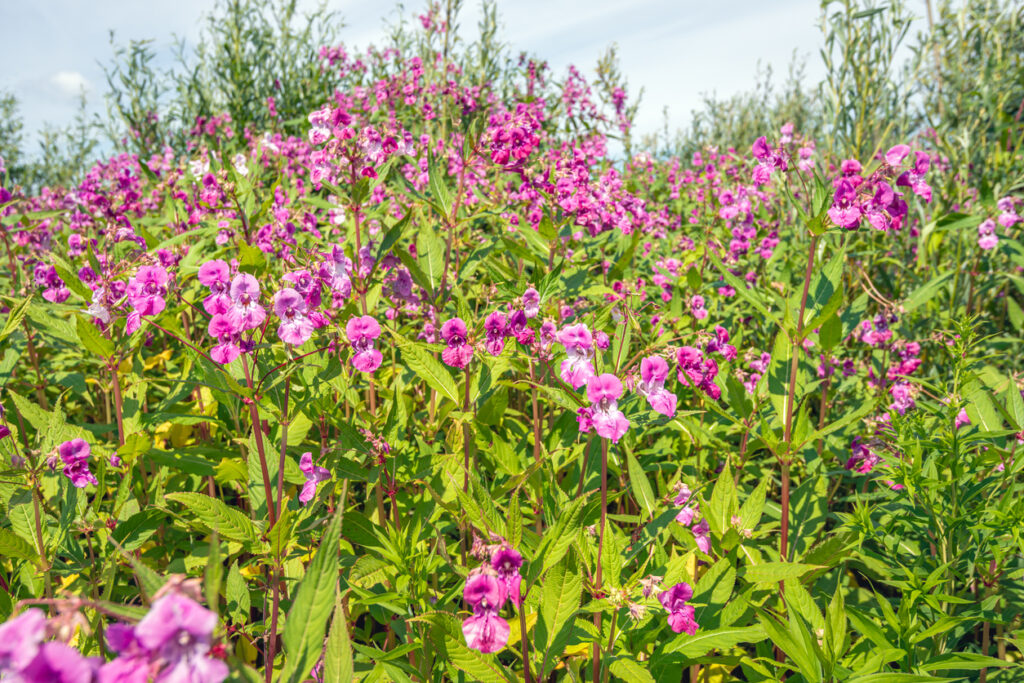
Himalayan balsam is striking with its tall stems and pink trumpet-like flowers. It was introduced in the 19th century as a “poor man’s orchid” but quickly became invasive, spreading along riverbanks and outcompeting native species.
Despite its reputation, many people still enjoy its floral display and sweet scent. Gardeners who want to admire it often grow it in pots or contained beds to keep it from escaping into the wild.
7. Cherry laurel
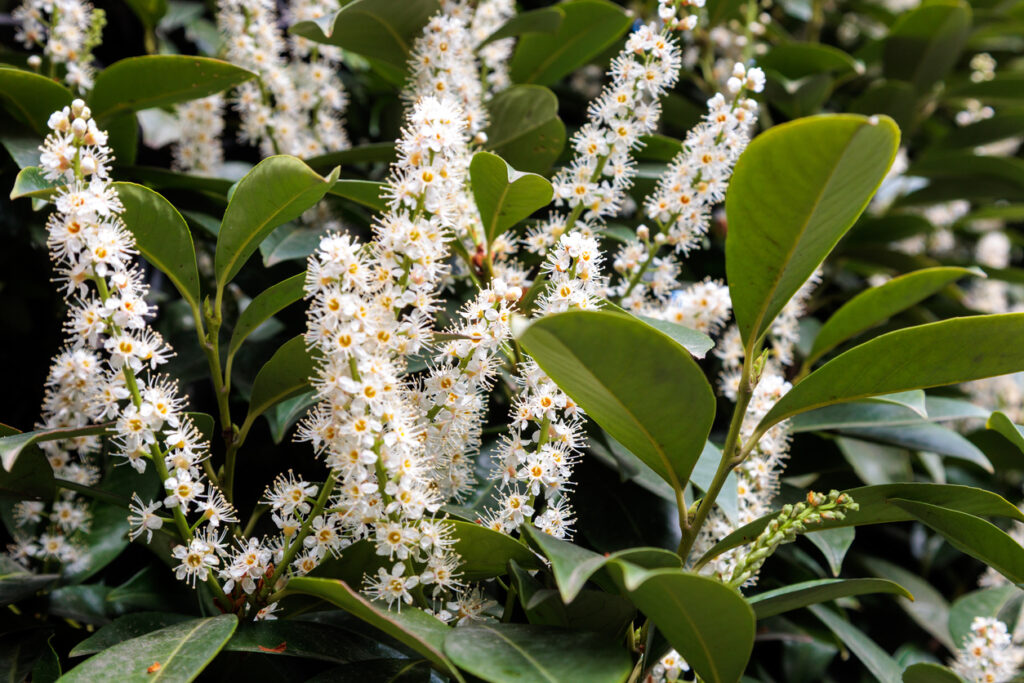
Cherry laurel is a popular hedge plant because it grows quickly and provides thick, evergreen cover. The problem is that it also spreads into woodlands, where its dense shade prevents other plants from thriving.
Its usefulness keeps it in demand, especially for privacy screens. When trimmed regularly and kept in check, cherry laurel delivers practical value without overwhelming local habitats.
8. Cotoneaster
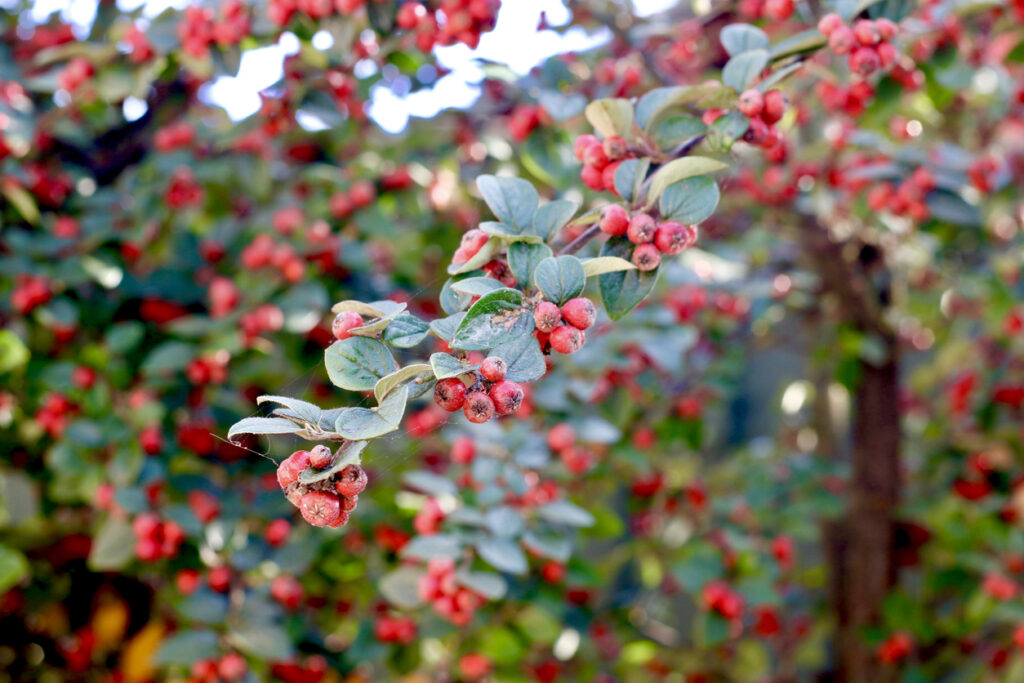
Cotoneasters are valued for their berries, which feed birds, and their low-maintenance nature. However, several species are invasive in the UK, spreading into limestone grasslands and competing with rare native plants.
They remain staples in gardens because of their resilience and year-round appeal. By choosing non-invasive varieties or keeping them carefully managed, gardeners can still enjoy their benefits responsibly.
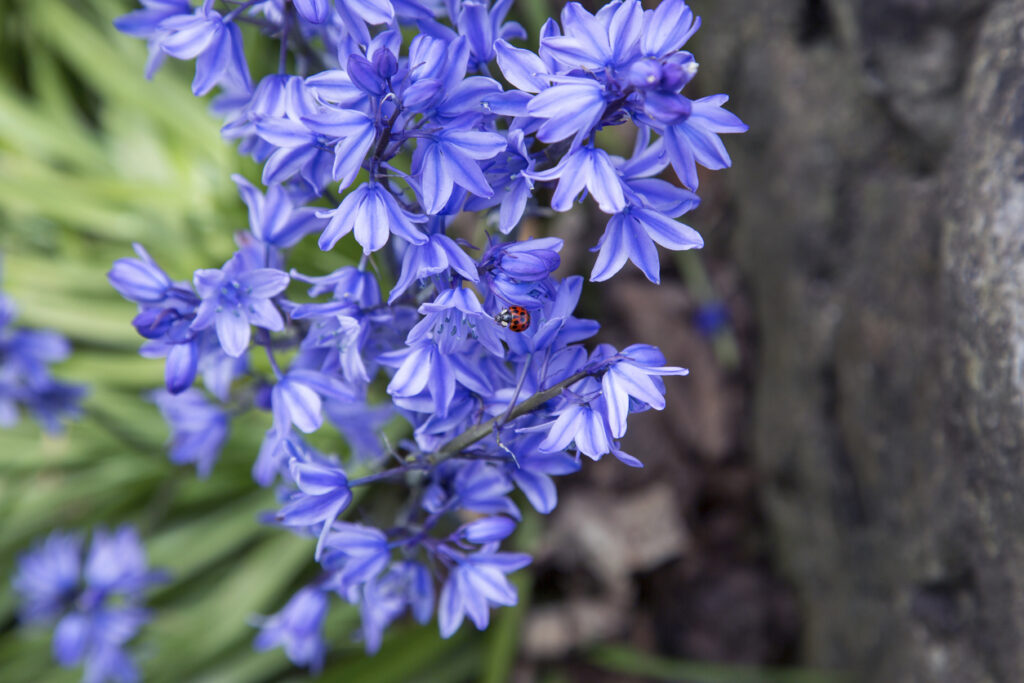
9. Spanish bluebells
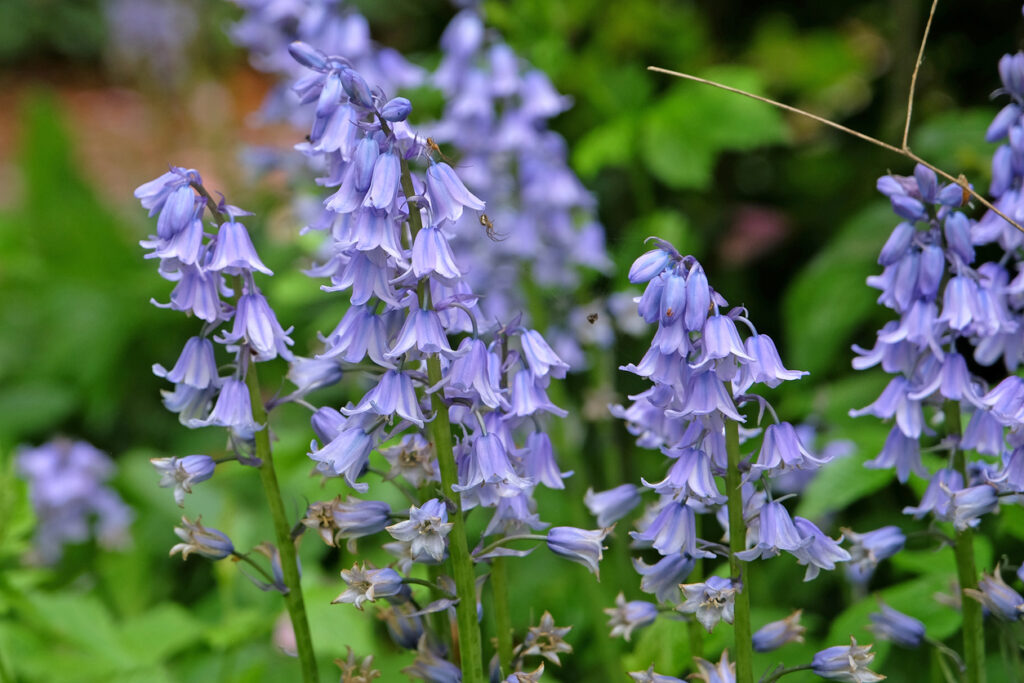
Spanish bluebells are hardy and attractive, but they hybridise with our delicate native bluebells. This threatens the distinct carpets of native blue that signal spring in woodlands across Britain.
Still, many gardeners plant them for their robust growth and ability to thrive in tough conditions. With care, separating them from native bluebells helps preserve both their beauty and the wild versions.
10. Gunnera
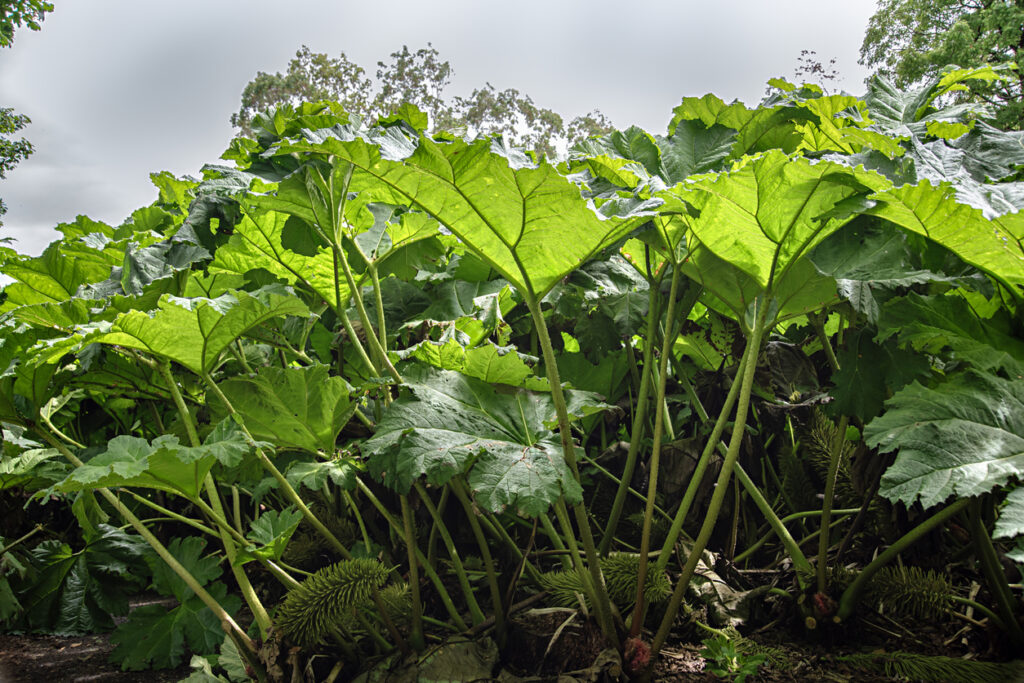
Gunnera, sometimes called “giant rhubarb,” is an architectural showstopper with huge umbrella-like leaves. However, it spreads aggressively in damp areas, crowding out native plants and dominating landscapes.
Its dramatic look keeps it popular in ornamental gardens and water features. With strict containment, it can be enjoyed safely as a striking centrepiece without causing havoc in the wider environment.
11. New Zealand flax (Phormium)

New Zealand flax has sword-like leaves and bold structure that fit well in modern garden designs. But in some parts of Britain, it self-seeds prolifically, creating dense patches that outcompete local species.
Gardeners still prize it for its exotic appearance and low-maintenance appeal. Planting it in managed beds or removing seed heads helps keep it under control while keeping the style it brings.
12. Winter heliotrope
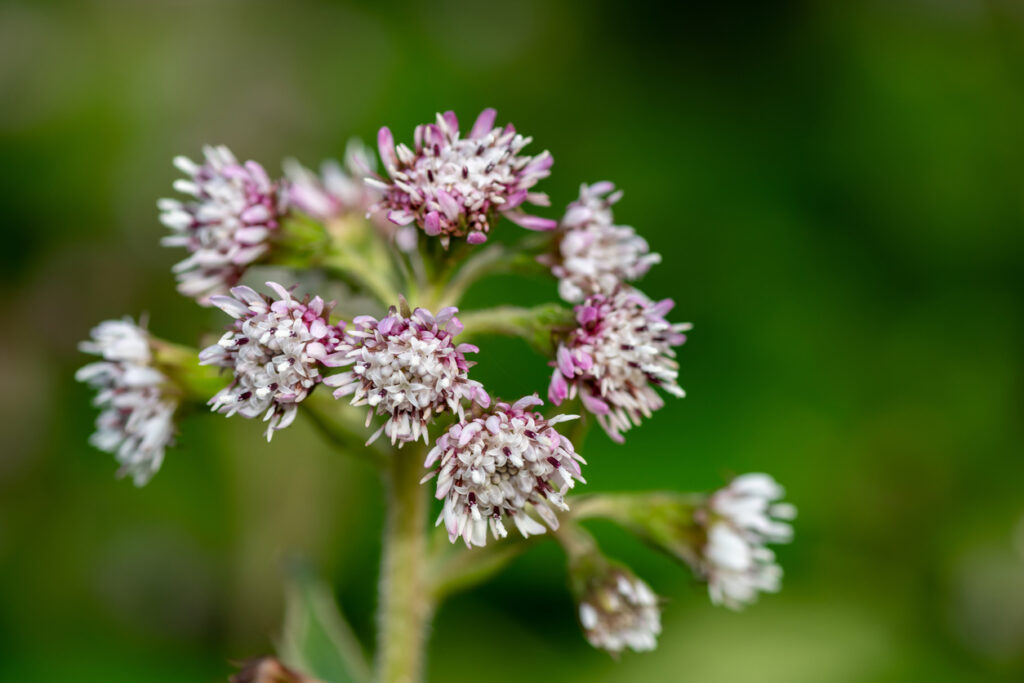
Winter heliotrope spreads rapidly through underground rhizomes and carpets woodlands with its broad leaves. It’s considered invasive, but its clusters of fragrant pink flowers in winter give it undeniable charm.
Some gardeners grow it deliberately for its off-season blooms. When contained carefully, it offers scent and greenery at a time when gardens often look bare.
13. Crocosmia ‘Lucifer’
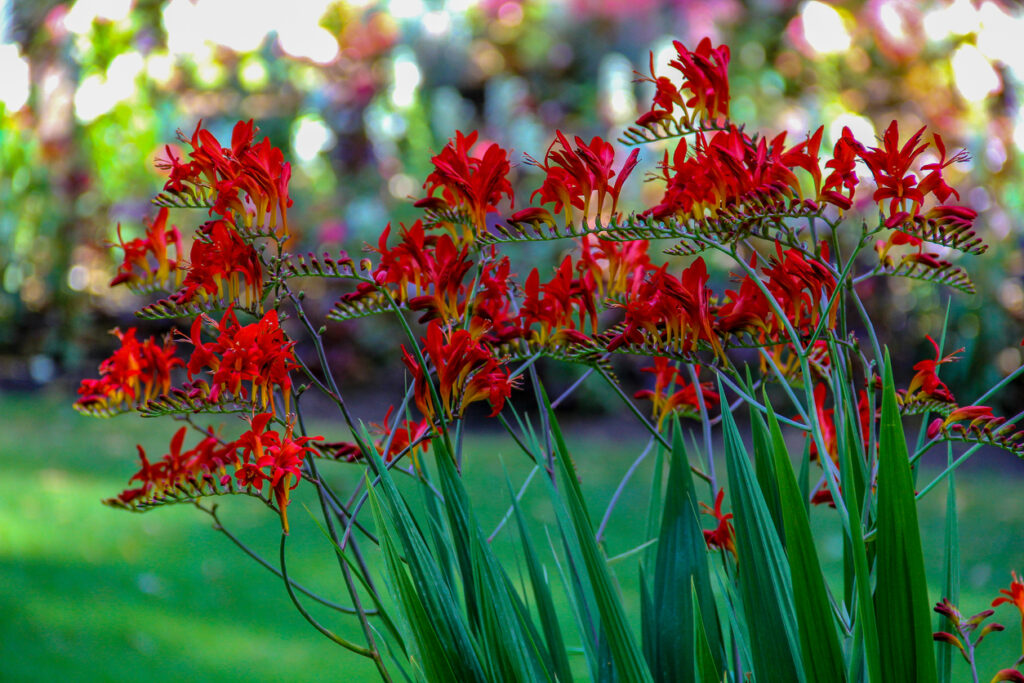
This popular Crocosmia variety is known for its brilliant red flowers. However, like Montbretia, it spreads through underground corms and can easily take over spaces, making it a problem plant in the countryside.
Despite its invasive tendencies, gardeners adore its fiery presence in summer borders. Growing it in pots or raised beds helps keep it under control while still showcasing its stunning display.