Foraging might feel like one of the simplest joys of the British countryside, but it’s not quite as free as it looks.
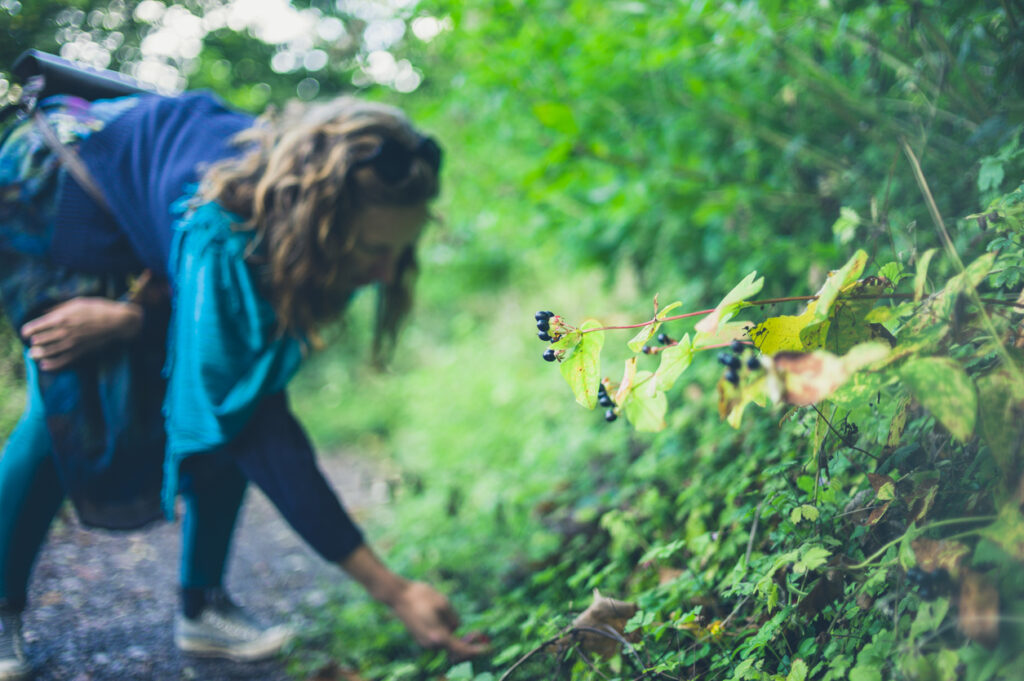
There are laws that protect wildlife, private land, and certain rare plants, and breaking them, even by accident, can lead to serious trouble. Here’s what you need to know about what you can’t legally forage in the UK. While it’s unlikely the police are going to come knocking and slap a pair of handcuffs on you, it’s still good to know what the rules are so you don’t run afoul of the law.
You can’t dig up plants or roots.
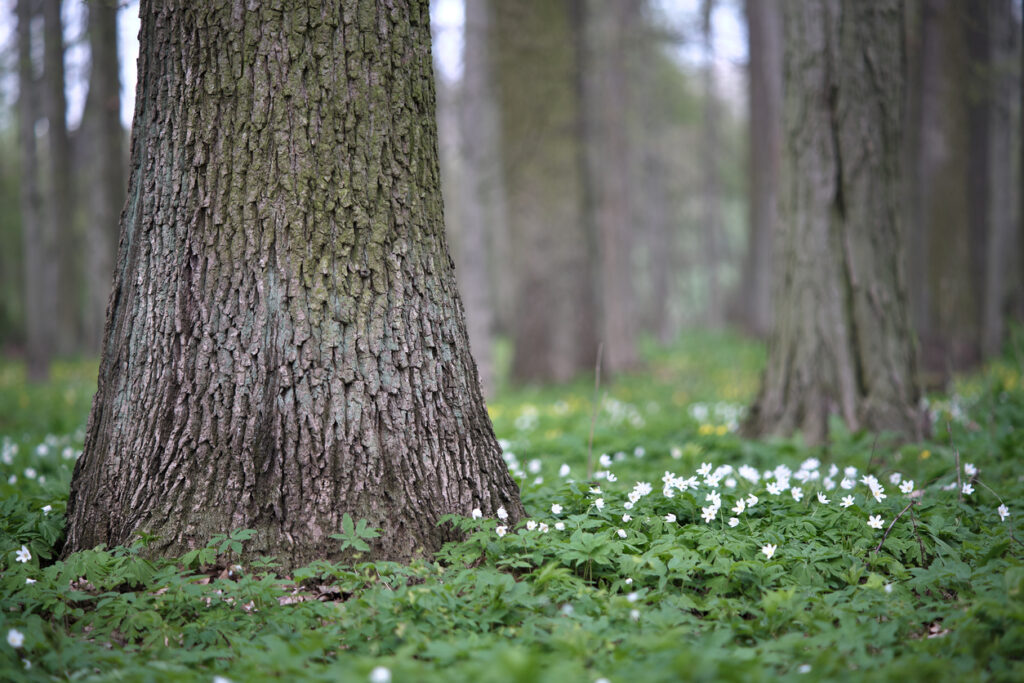
It’s illegal to uproot or dig up wild plants, including their roots or bulbs, unless you have permission from the landowner. That means things like wild garlic bulbs, bluebells, or wild orchids are completely off-limits.
You can pick leaves, flowers, and berries for personal use, but once you start disturbing the soil or removing the whole plant, you’re breaking the law. Always leave the roots where they are so they can regrow naturally.
Protected species are completely banned.
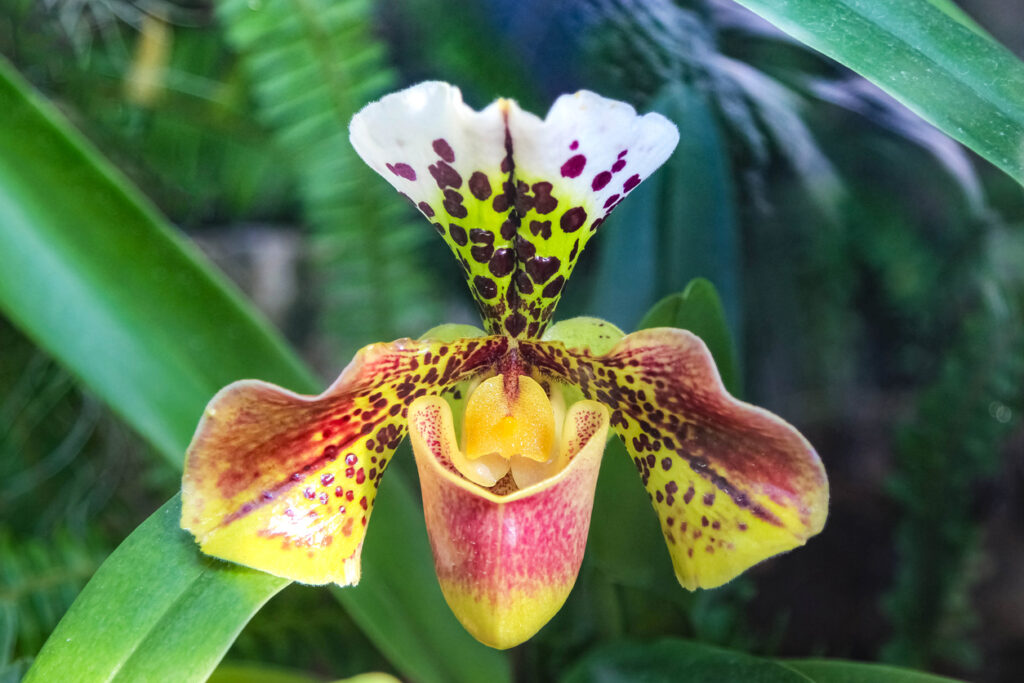
Some plants and fungi in Britain are so rare they’re legally protected under the Wildlife and Countryside Act 1981. Picking, uprooting, or damaging any species listed under Schedule 8 is illegal, no matter where you find them.
These include rare orchids, lady’s slipper orchids, and certain ferns. The best rule of thumb is simple, if you don’t know exactly what it is, don’t take it. When in doubt, admire and move on.
Commercial foraging needs permission.
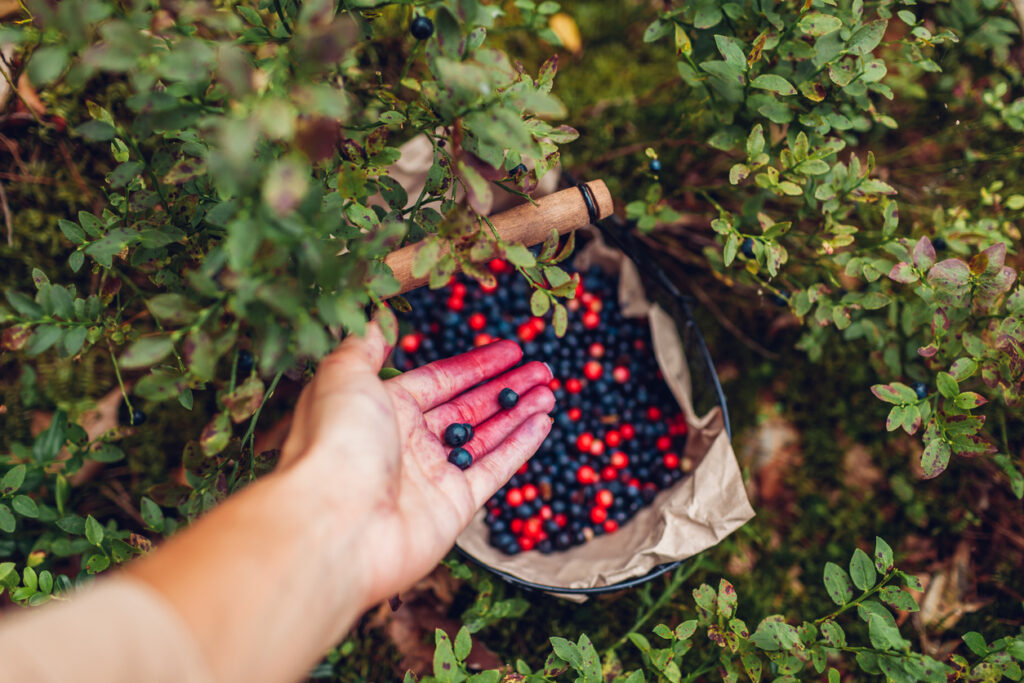
Picking berries or mushrooms for yourself is fine, but doing it for profit is not. As soon as you forage with the intent to sell or supply others, it can count as theft under the Theft Act.
Even if it’s from public land, taking wild plants or fungi for commercial gain without permission from the landowner is illegal. Personal foraging is about enjoyment, not business.
Nature reserves and protected sites have stricter rules.
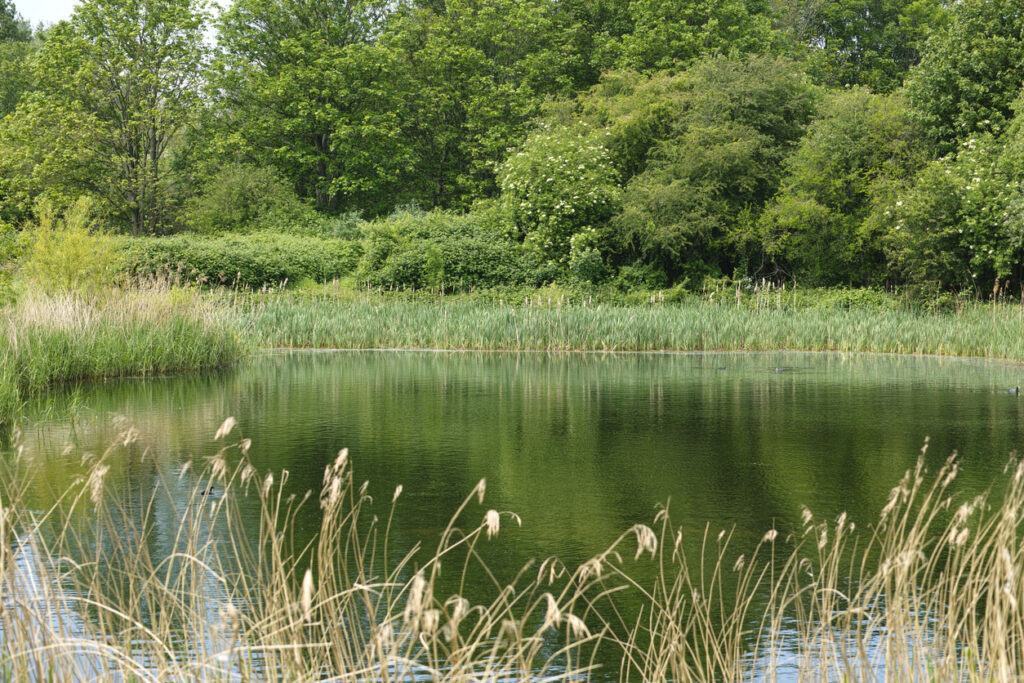
Sites like National Nature Reserves and SSSIs (Sites of Special Scientific Interest) often have clear restrictions on foraging. Collecting plants or fungi from these areas without consent can lead to fines or legal action.
These sites protect fragile ecosystems, so even small disturbances can cause big problems. Always check local signs before you pick anything, and if it’s a conservation area, it’s best to leave nature untouched.
You can’t take from private gardens or farmland.
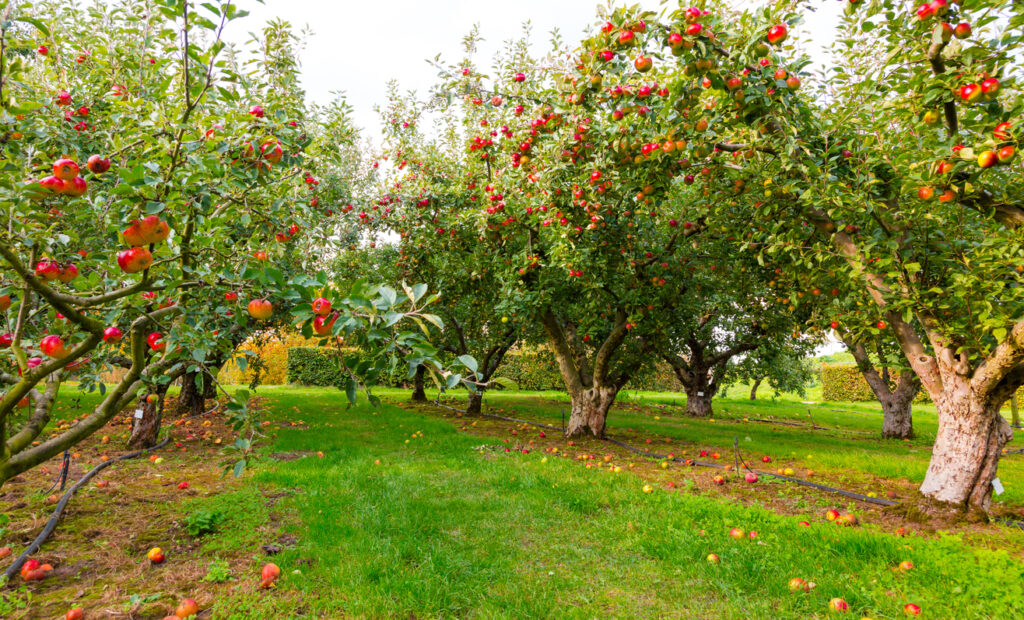
It might sound obvious, but picking from someone’s hedge, allotment, or orchard without permission is trespassing and theft. That includes fruit trees hanging over fences or plants that have clearly been cultivated by hand.
If you’re not sure whether a plant is wild or planted, assume it’s private. Most gardeners are happy to share if you ask first, so it’s worth checking before you take anything.
Some fungi are illegal to pick.
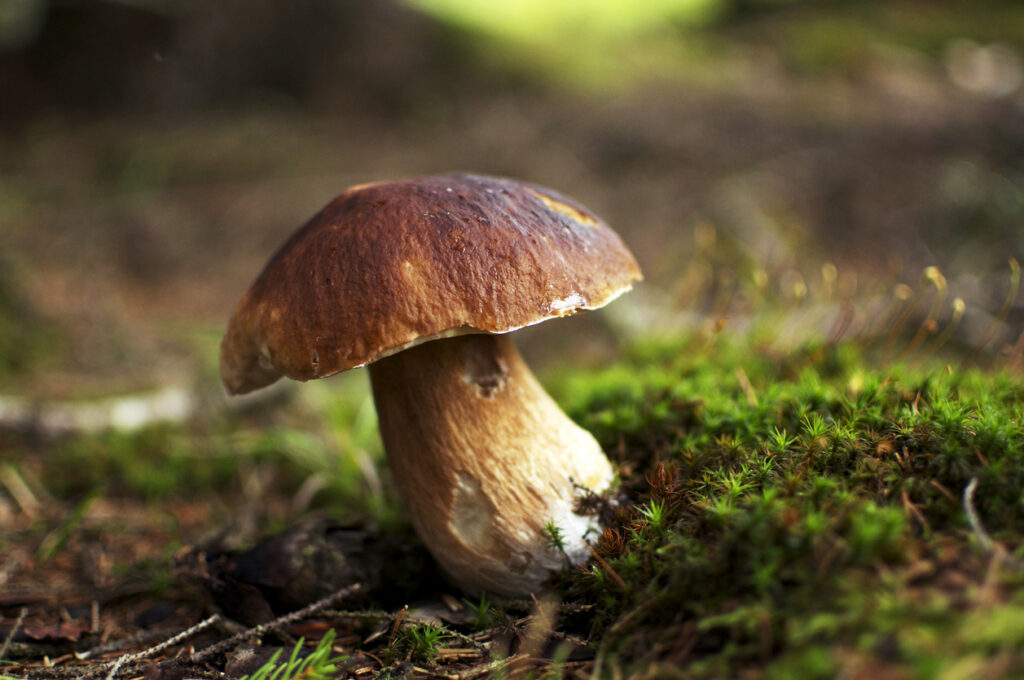
Not every mushroom you find is fair game. Certain species that contain controlled substances, like psilocybin, are illegal to pick or possess in the UK, even if they’re growing in the wild.
Always double-check what you’ve found before touching it. Aside from legal issues, many wild fungi are also toxic, so knowing what’s safe isn’t just smart, it’s essential.
The ‘Four Fs’ rule explains what’s usually fine.
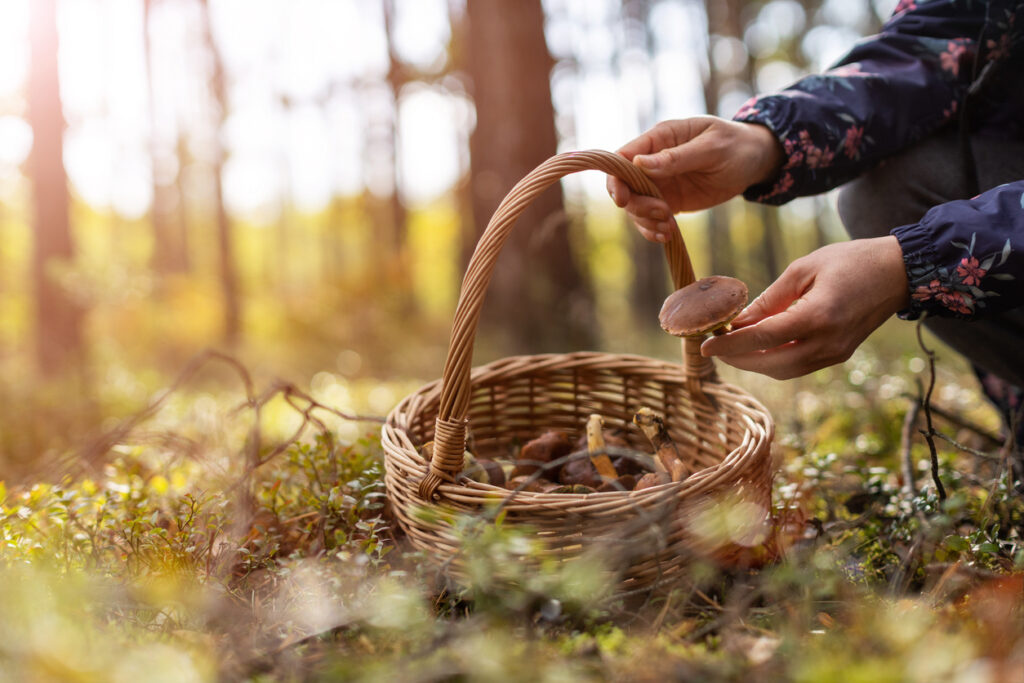
Most foragers follow the “Four Fs” rule, which stands for fruit, flowers, foliage, and fungi. You can collect small amounts of these for personal use if they’re from wild plants, and you’re not uprooting or damaging them.
That means things like blackberries, nettles, elderflowers, and wild garlic leaves are usually okay. Just remember that moderation matters because taking too much can harm the local ecosystem even if it’s legal.
Local by-laws can override national rules.
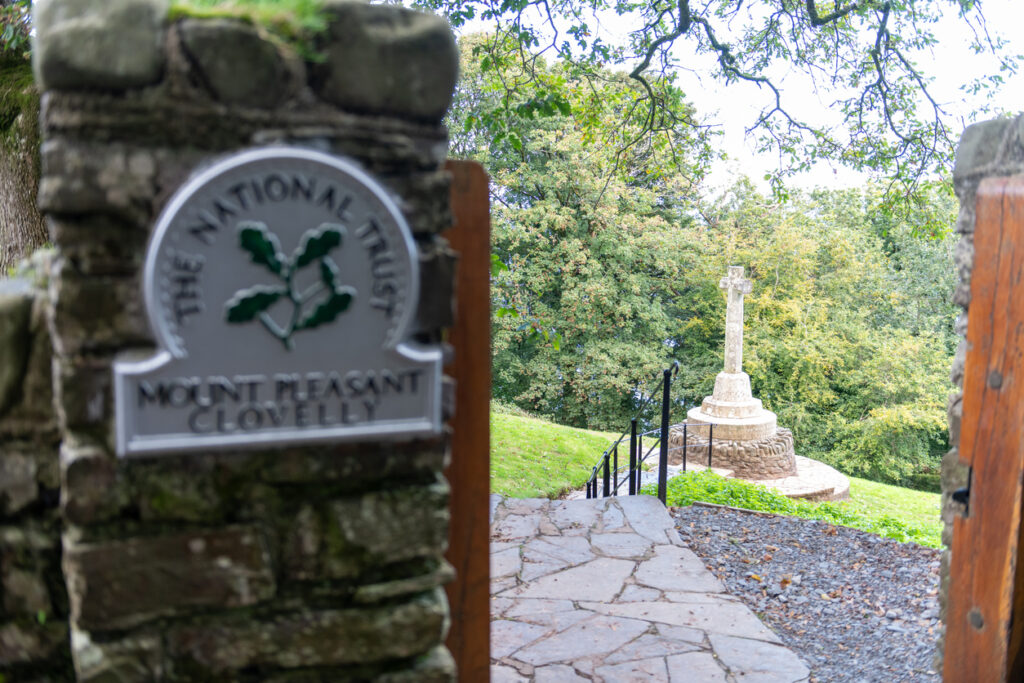
Even if something’s legal in general, local councils, conservation groups, and landowners can introduce their own foraging bans. National Trust sites, for example, often forbid picking anything at all to protect wildlife.
Look for signs or check the land’s website before you forage. Each area can have slightly different rules, especially in parks or woodlands where species are carefully monitored.
Foraging in Scotland follows different laws.
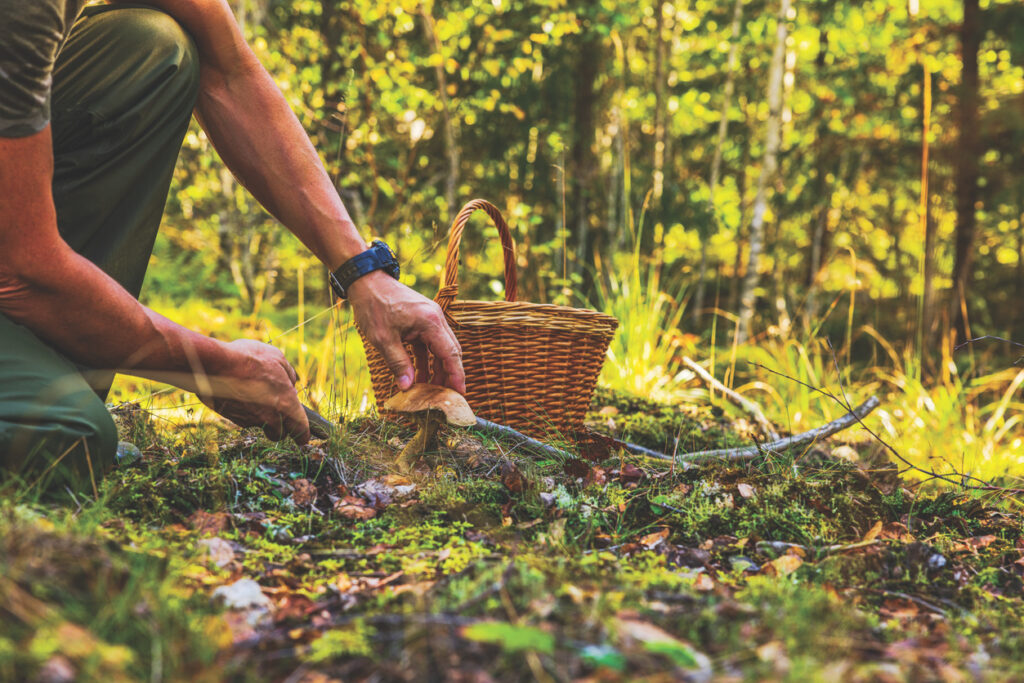
Scotland’s right-to-roam laws make it easier to access wild land, but there are still limits. You can pick wild plants and fungi for personal use, but the same rules apply about protected species and uprooting.
The Scottish Outdoor Access Code still expects people to be respectful and avoid damaging habitats. The freedom to roam doesn’t mean the freedom to take whatever you find.
Be extra careful in coastal areas.
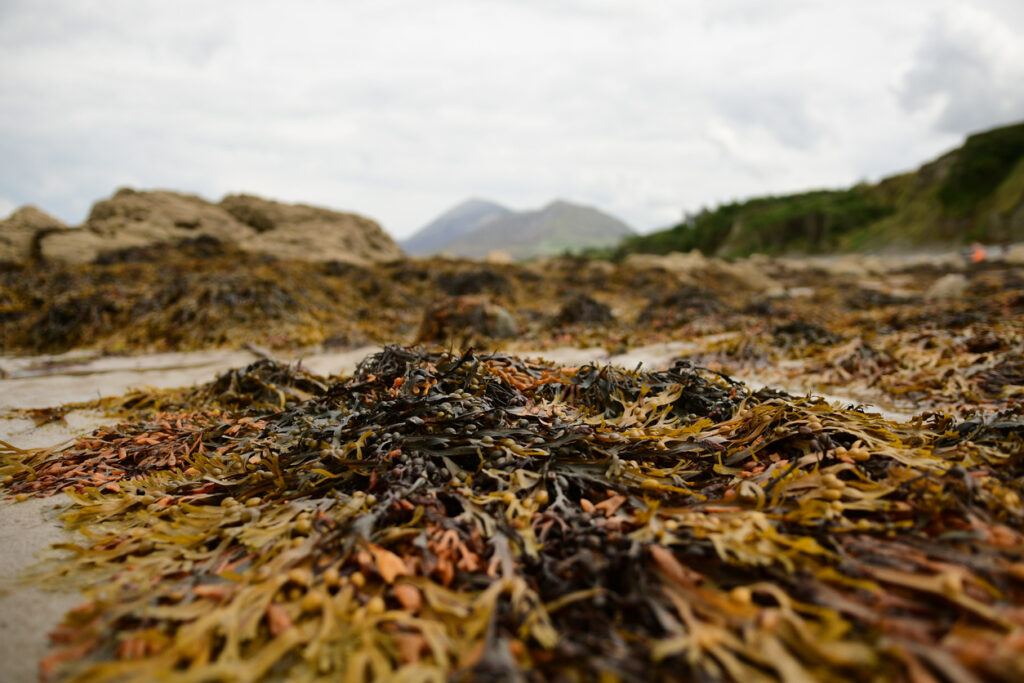
Seaweed foraging is becoming popular, but it’s not as simple as collecting what you see. Some areas of the coastline are protected, and taking too much seaweed can disrupt marine habitats and breeding grounds.
Always research the stretch of coast you’re visiting. Many conservation areas and private beaches have rules against taking live or attached seaweed, so stick to small amounts of what’s already washed up.
Never disturb nesting wildlife while foraging.
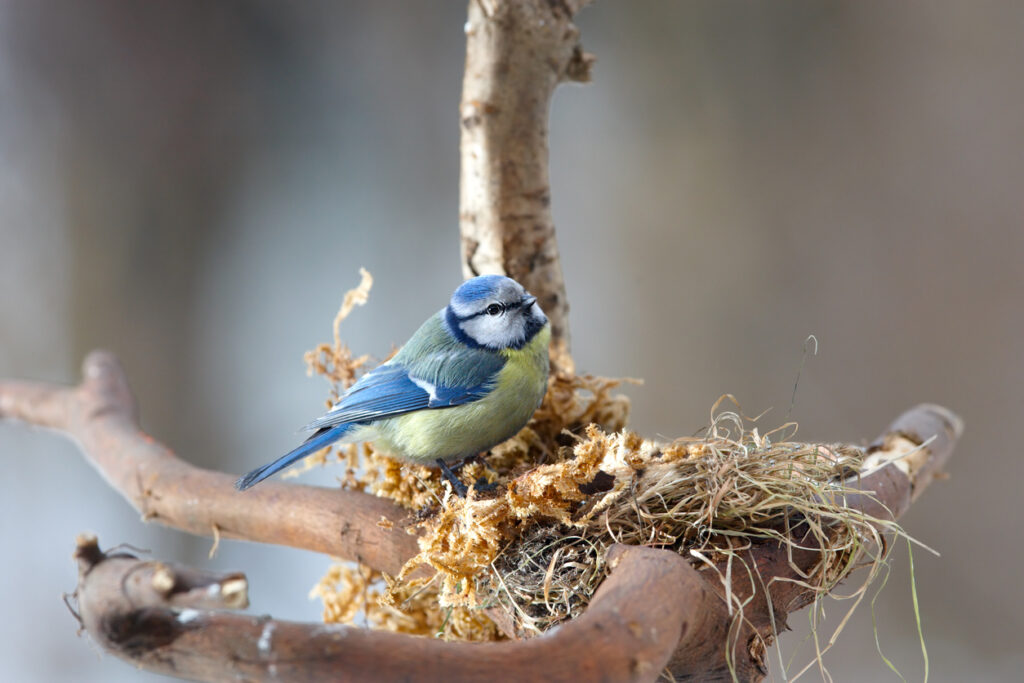
Even if the plant or fungus is fair to pick, it’s illegal to disturb nesting birds, bats, or other protected wildlife in the process. Moving logs, breaking branches, or lifting leaf litter can accidentally destroy habitats.
Keep your foraging light and gentle. If something looks like an animal home, leave it alone because the Wildlife and Countryside Act protects them for a reason.
Picking from roadsides isn’t always safe or allowed.
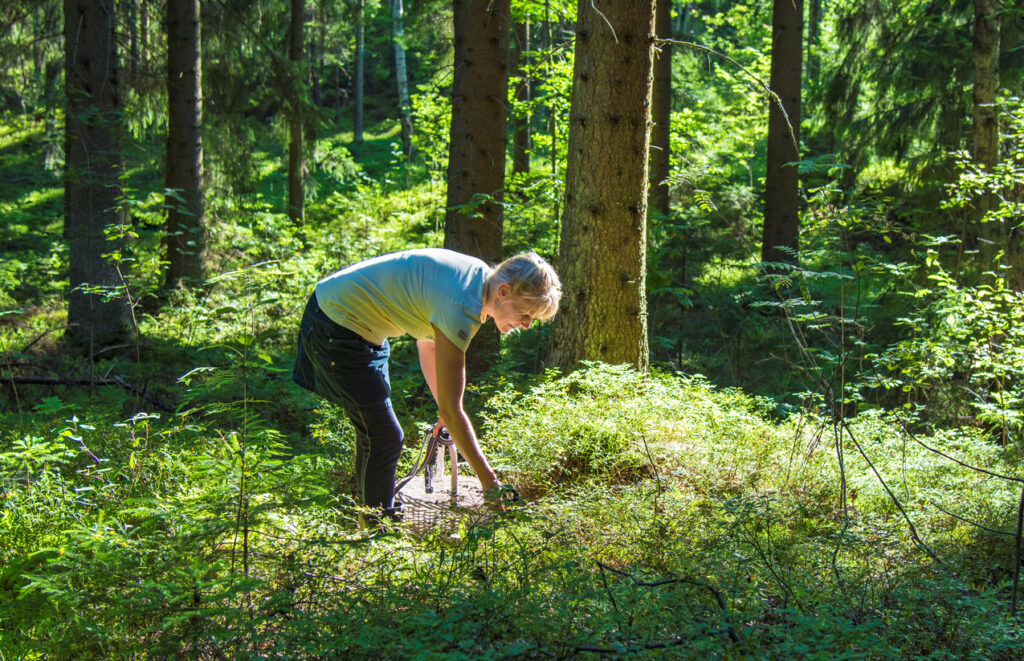
Some roadside verges are owned by local councils or protected as wildflower corridors. Picking plants there can technically count as theft or damage, depending on who manages the land.
It’s also risky because of pollution and vehicle fumes. Plants growing near busy roads may have absorbed chemicals that make them unsafe to eat, even if they look healthy.
Don’t take more than you need.
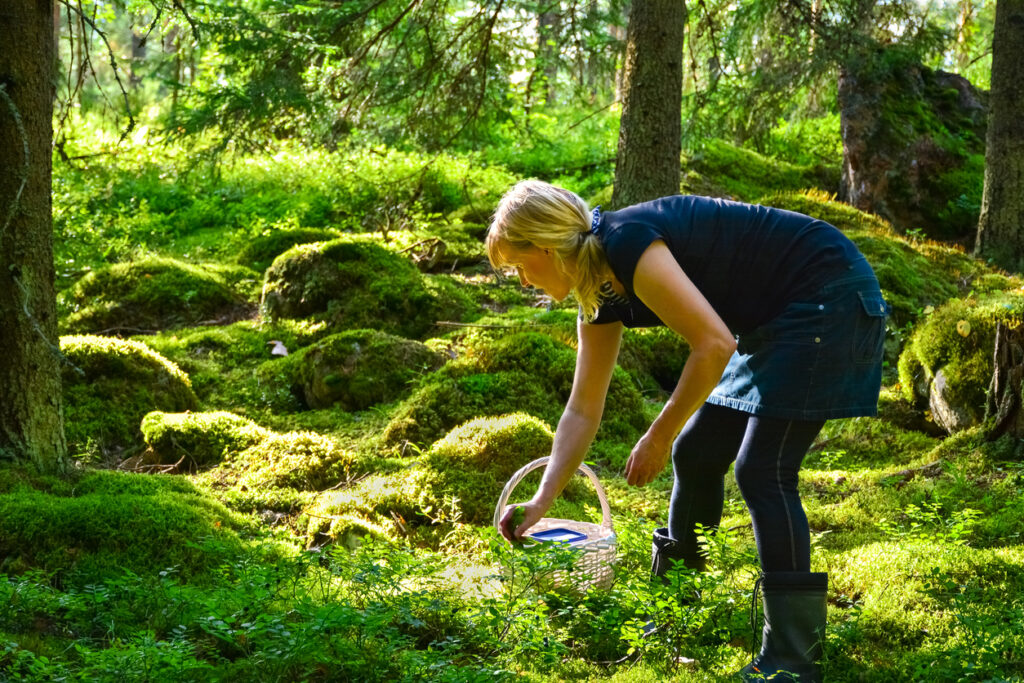
Even when it’s legal, over-picking can leave nothing for wildlife or other foragers. Berries, seeds, and flowers feed birds and insects, so taking just a small share helps keep the balance right.
Responsible foraging is about sustainability. The best rule is simple, if you wouldn’t notice it missing, you’re probably taking the right amount.
When in doubt, leave it be.
If you’re not completely sure whether something’s legal to pick, don’t risk it. Protected species, private land, or conservation areas can be tricky to identify without clear signs.
True foraging is about appreciation, not collection. Taking time to learn what belongs where helps keep Britain’s countryside alive and thriving for everyone who loves exploring it.