Throughout history, plants haven’t just been used for medicine and healing.
In fact, many were feared for their supposed power to curse, harm, or bring misfortune. In ancient folklore and witchcraft, certain species were said to carry dark energy, capable of withering crops, causing illness, or even influencing fate itself. Some earned their sinister reputation because of their toxicity, others because of the eerie legends that grew around them.
From the poisonous herbs used in rituals to the plants once believed to summon spirits, these species reveal the strange and superstitious side of humanity’s relationship with nature. Here are ten plants that, for centuries, have been associated with curses, bad luck, and the darker corners of folklore.
1. Belladonna (deadly nightshade)
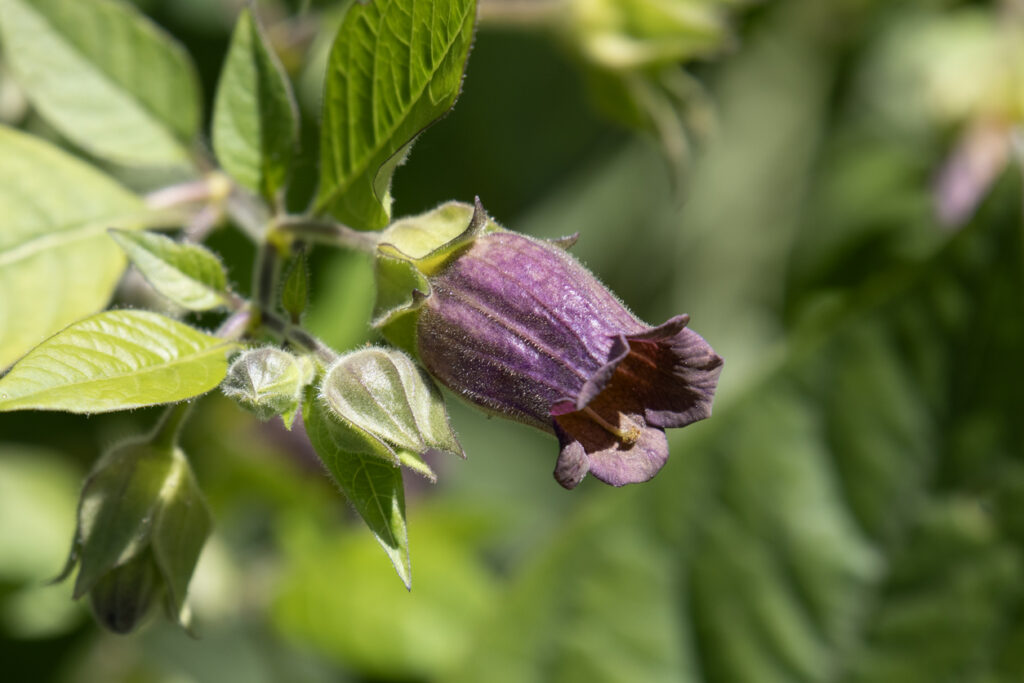
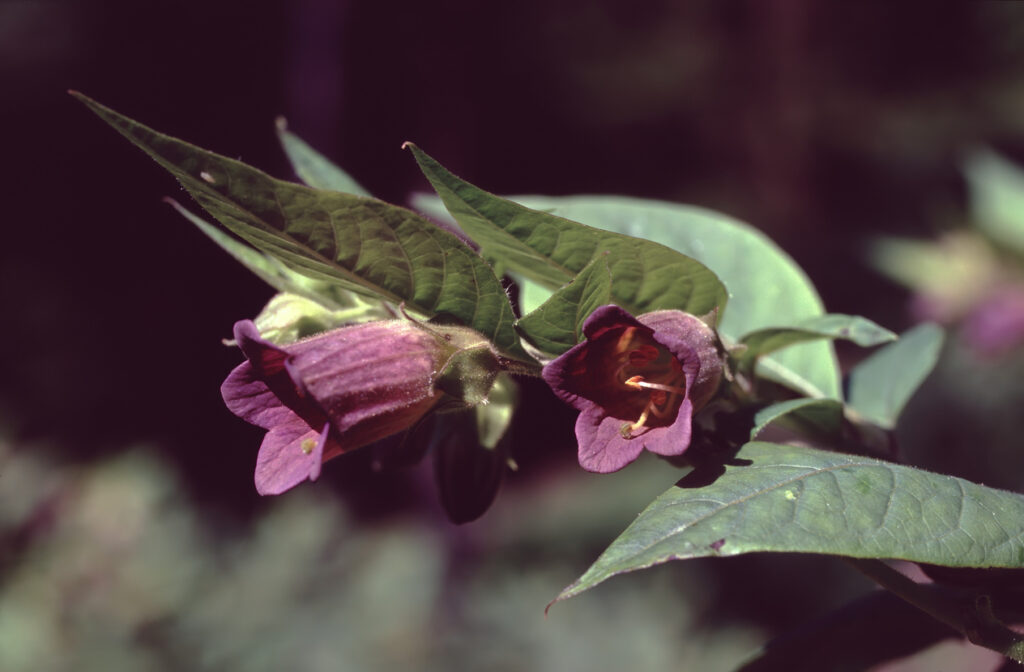
The name means “beautiful lady” in Italian, which is darkly ironic considering just a few berries can stop your heart. It’s called Atropa after Atropos, the Greek Fate who snips your life thread. Medieval witches allegedly used it in flying ointments, and it was sacred to Hecate, goddess of witchcraft.
The plant was used to poison enemies throughout history, from Ancient Rome to medieval Europe. Its berries look temptingly like small cherries, which made it perfect for slipping into someone’s food. Even touching it can be dangerous, which is probably why it developed such a sinister reputation over the centuries.
2. Hemlock
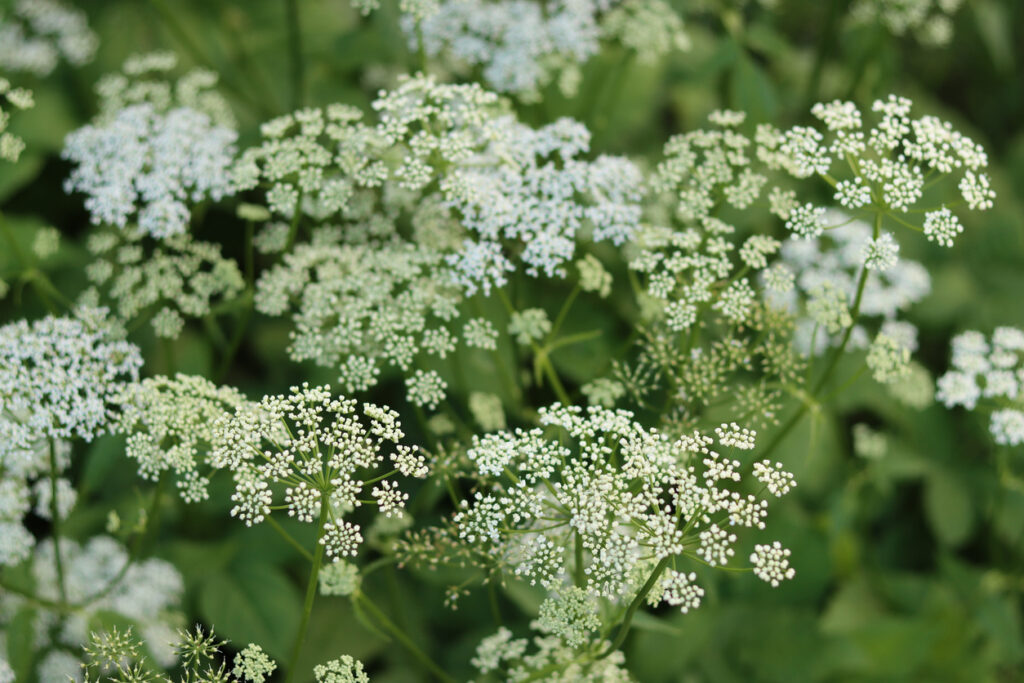
This is the plant that killed Socrates, so its reputation for being deadly is well-earned. In British folklore, hemlock was considered the most common “witchy” plant and was supposedly used in curses and poisons throughout the medieval period. It looks deceptively pretty with white umbrella-shaped flowers.
The problem is that it closely resembles cow parsley, which is completely harmless. That similarity probably led to quite a few accidental poisonings, which only added to its dark mystique. Witches were accused of using it to commune with the dead or to curse their enemies with a slow, painful death.
3. Henbane
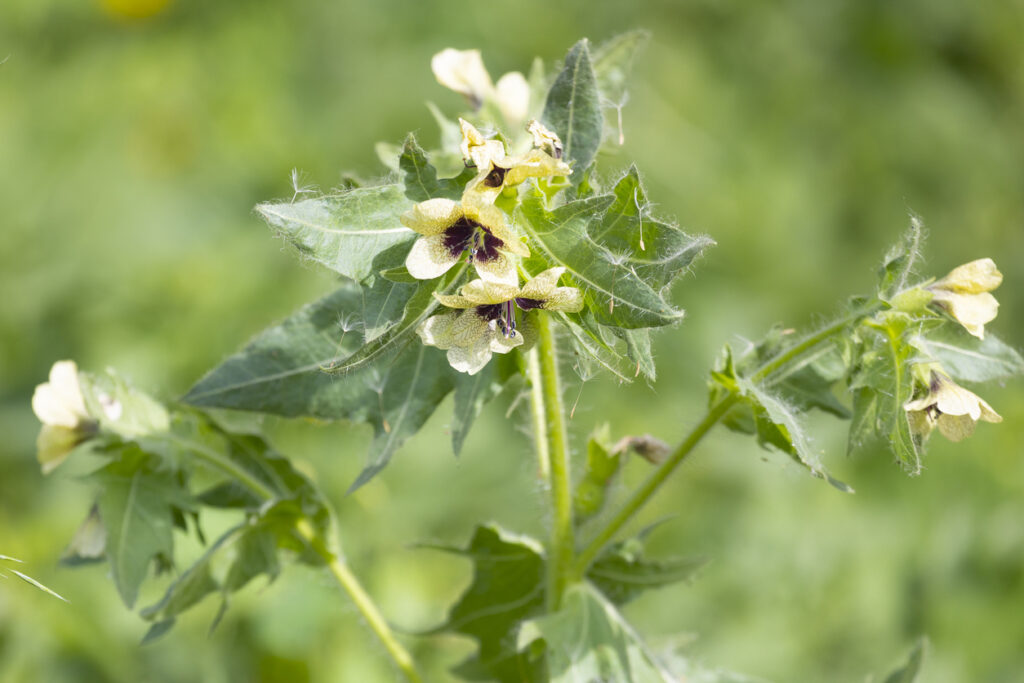
Known as “the witch’s plant,” henbane has creepy yellow flowers with purple veins and a genuinely unpleasant smell. It was used in medieval “flying ointments” that gave witches hallucinogenic visions. The name probably comes from an old Saxon word for “death plant” rather than anything to do with chickens.
Burning henbane creates smoke that causes hallucinations, which is why it was supposedly used in rituals to summon spirits. A bishop in the 1200s believed it could give you power over the dead. It’s toxic enough to kill you, but pigs can apparently eat it without any problems, which must have seemed properly weird to medieval folk.
4. Mandrake
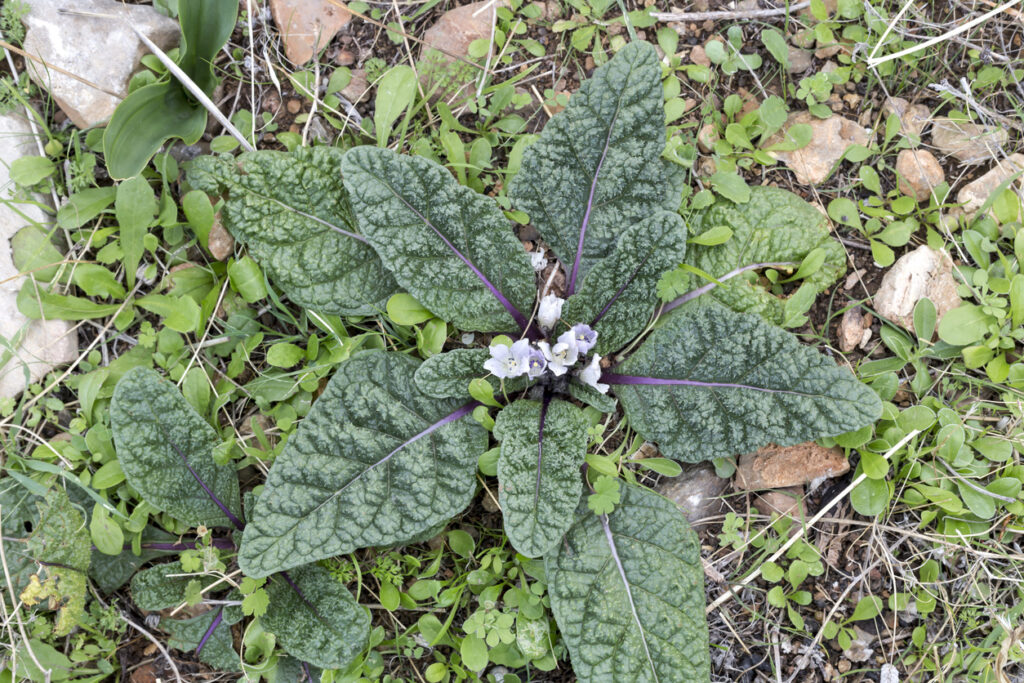
The mandrake root looks disturbingly human-shaped, which is why it’s got centuries of folklore about screaming when pulled from the ground. Legend said the scream would kill anyone who heard it, so people supposedly tied dogs to the plant and made them pull it up instead, which is rather grim.
It was used in love potions and fertility spells, but also in curses and dark magic. The plant contains hallucinogenic compounds, which explains some of the wild stories about it. In medieval times, fake mandrake roots (carved from other plants) were sold at high prices to people who believed in their magical properties.
5. Blackthorn
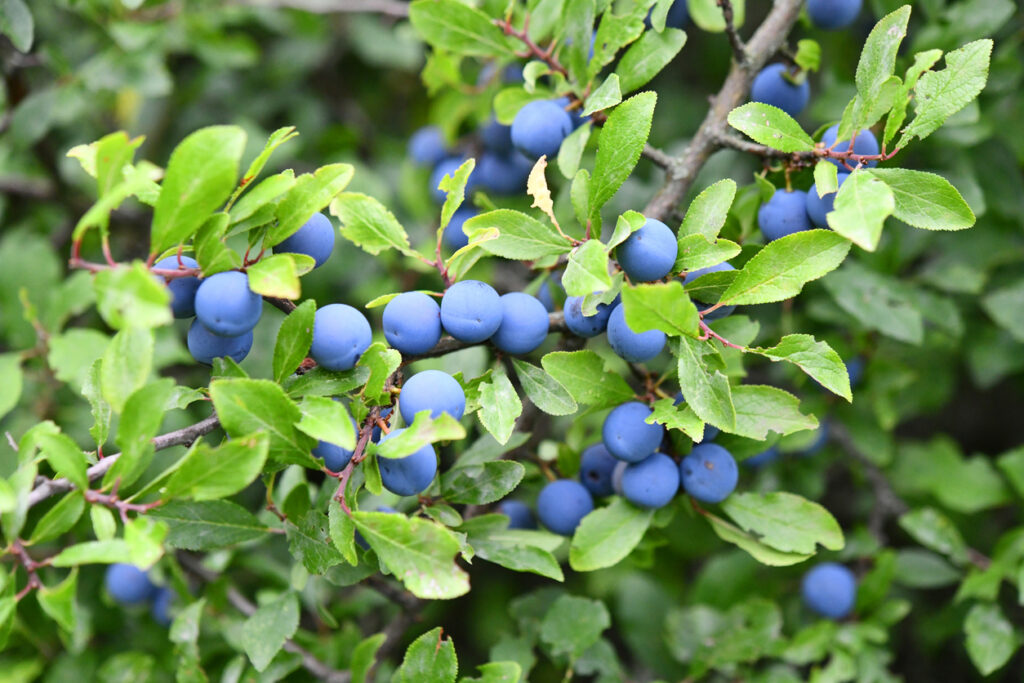
Blackthorn is still called “the witch’s tree” in many parts of Britain. As late as the 1940s, carrying a blackthorn walking stick could get you suspected of witchcraft. The thorns were supposedly used to prick wax poppets to curse victims, and pointing a blackthorn staff at a pregnant woman was said to cause immediate miscarriage.
Despite this dark reputation, blackthorn staffs are still carried as badges of civic office in some British towns, which is quite the contradiction. The tree blooms before its leaves appear, giving it an eerie, skeletal look in early spring that probably contributed to its sinister associations.
6. Elder
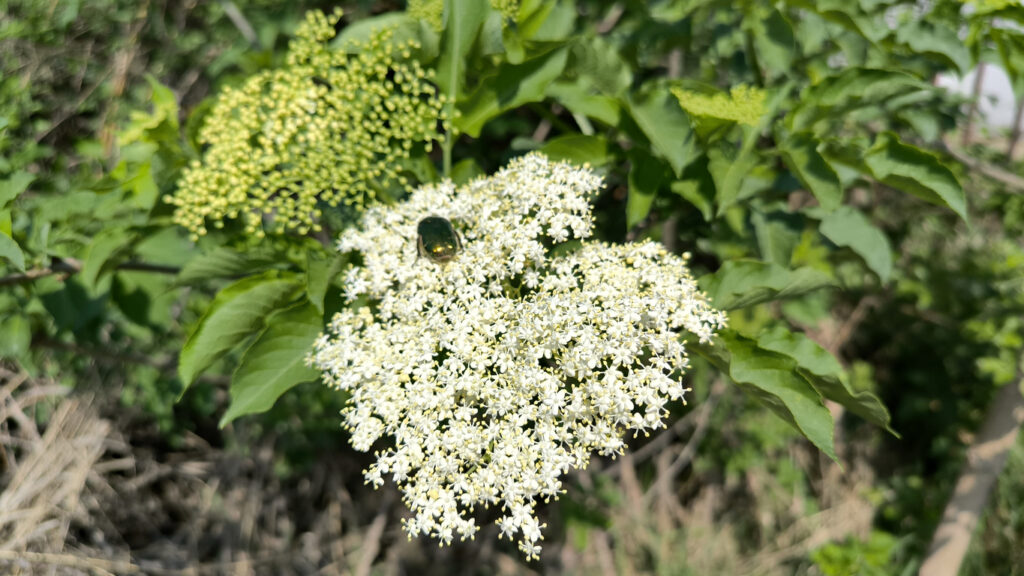
Elder has brilliant medicinal uses, but folklore says you should never burn elder wood or bring it indoors because it belongs to witches. There’s a legend at the Rollright Stones in Oxfordshire about an elder tree witch who turned a Danish king and his army into stone to prevent them reaching battle.
The tree was supposedly used by witches to transform themselves, and sleeping under an elder was considered dangerous due to its “narcotic smell.” Despite this, people also used elder to protect against witches, which shows how contradictory folklore can be. The tree is surrounded by so many superstitions it’s hard to keep track.
7. Yew

Yew trees are planted in churchyards across Britain, partly because they symbolise eternal life, but also because of their ancient association with death and the underworld. The tree belongs to Hecate in Greek mythology, and witches supposedly used it in curses to cause bad luck and ill health to their enemies.
Every part of the yew is poisonous except the red berry flesh, which made it perfect for covert poisoning. The wood was used to make longbows, so it’s associated with death in that way too. Some yew trees in British churchyards are over 2,000 years old, which adds to their mysterious, otherworldly reputation.
8. Foxglove

Foxglove is gorgeous but deadly, and in Welsh folklore, a black dye made from the leaves was used to paint lines and crosses on cottage floors to keep witches away. The plant is named after fairies (foxes being fairy creatures), and it was believed to have protective magical properties against evil spirits.
The problem is foxglove leaves look similar to comfrey, leading to accidental poisonings when people made herbal remedies. The plant contains digitalis, which affects the heart, so eating even a small amount can be fatal. Its connection to fairy folk gave it an ambiguous reputation, both protective and potentially dangerous.
9. Wormwood
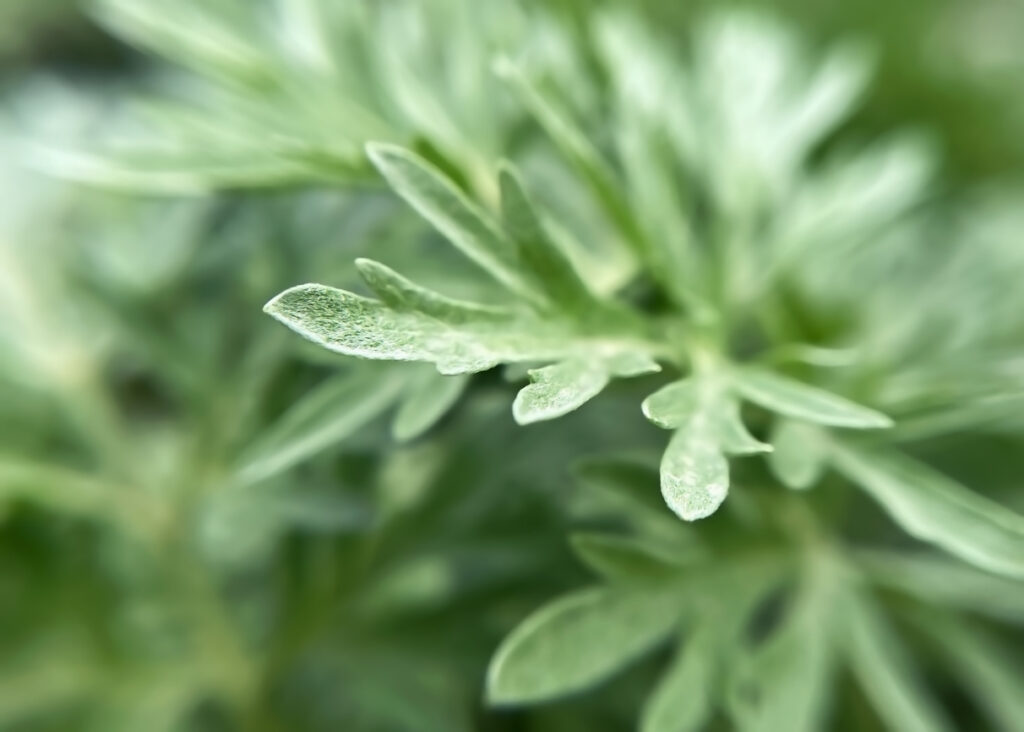
Wormwood has been used in curses and banishment spells for centuries. Its bitter taste and strong smell made it associated with punishment and suffering. Witches burned it with black candles while speaking their intentions, particularly when dealing with liars, cheaters, or people who’d betrayed them.
The plant was also used for spiritual protection after casting curses, to clear out lingering bad energy and prevent the cursed person from returning. It’s the main ingredient in absinthe, which has its own reputation for causing madness. The name even sounds ominous, which probably helped its dark reputation develop.
10. Mugwort

Mugwort was used in divination, dream magic, and curses throughout British history. It was burned as incense to aid in contacting spirits or to enhance psychic visions. The plant grows wild across Britain and has a distinctive silvery underside to its leaves that supposedly glows in moonlight.
Medieval witches used it in flying ointments alongside more toxic plants. It was also hung over doors to protect against evil spirits, showing that like many magical plants, it had both protective and malevolent uses depending on intention. Its connection to the moon and feminine magic made it particularly associated with witchcraft throughout the centuries.