For decades, scientists thought they had dinosaurs figured out, then someone would discover something new and everything would change. The theories about dinosaur brains and intelligence have been all over the place, and they’re still arguing about it now. Here’s how the ideas keep shifting.
From “stupid lizards” to maybe quite clever
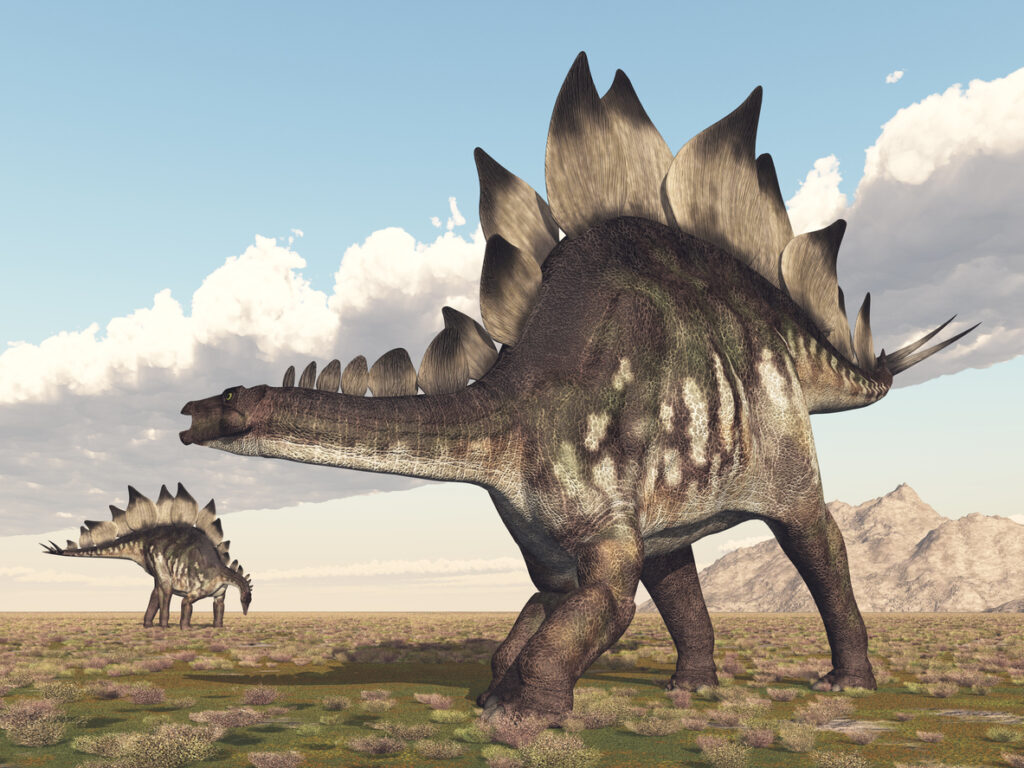
Early palaeontologists looked at dinosaurs and basically decided they were thick as bricks. Massive bodies, tiny brains, must be dim. The fact that Stegosaurus had a brain about the size of a walnut (actually more like a dog’s brain, but proportionally tiny) didn’t help their reputation at all.
Then in the 1970s, scientists developed the encephalization quotient (EQ) which measures brain size relative to body size. Suddenly, some dinosaurs, particularly theropods like T. rex, scored way higher than expected. They weren’t geniuses, but they weren’t the dumb reptiles everyone thought they were either.
The “brain the size of a walnut” myth
That famous line about Stegosaurus having a walnut-sized brain gets repeated constantly, but it’s not quite accurate. It had a brain about 80 grams, which is small for a 4.5-tonne animal, but it’s more like a dog’s brain in actual size, just not in proportion to its massive body.
The myth stuck around because it fit the narrative people wanted about dinosaurs being dim-witted creatures. But having a small brain relative to your body doesn’t automatically mean you’re stupid. Plenty of animals function perfectly well with brains that seem small for their size.
Maybe T. rex was as smart as a baboon?
In 2023, researcher Suzana Herculano-Houzel dropped a bombshell study suggesting T. rex might have had 2-3 billion neurons in its forebrain, similar to a baboon. If true, that would mean T. rex could potentially use tools, pass knowledge between generations, and plan for the future. Absolutely wild.
The study caused massive debate on social media and beyond. Some palaeontologists thought it was fascinating, others immediately said the neuron estimates were completely off. The idea of T. rex being baboon-smart is both terrifying and brilliant, but most experts reckon it’s probably wrong.
Actually, they were more like smart crocodiles
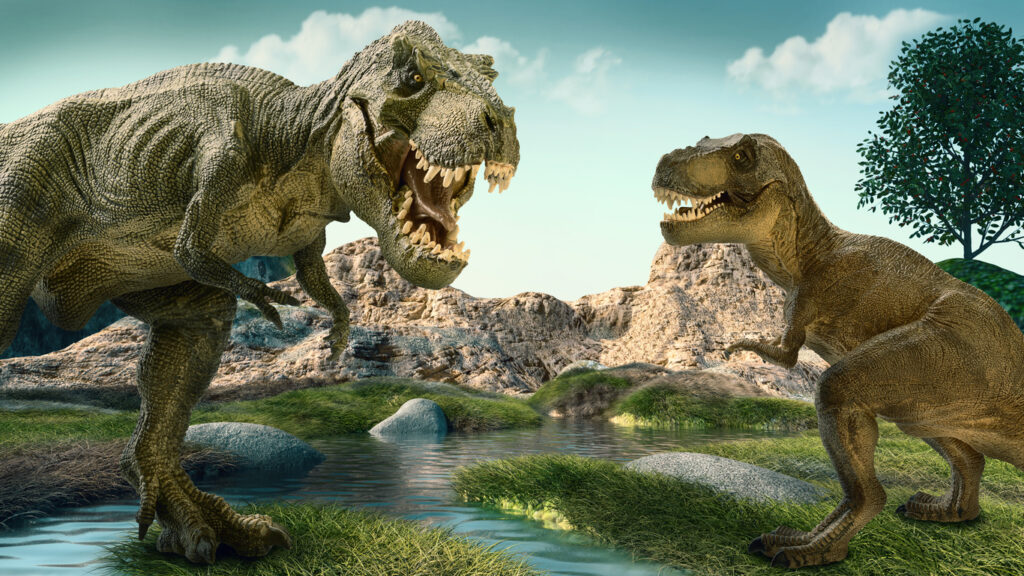
By 2024, another team had re-examined the data and basically said, “Hang on a minute.” They found that brain sizes had been massively overestimated, especially the forebrain. Their conclusion? Dinosaurs were more like intelligent crocodiles or lizards, not primates. Still interesting, just less revolutionary.
Turns out, you can’t just count neurons and declare something intelligent. Brain architecture matters too, and dinosaur brains were organised completely differently from mammal brains. They were clever for reptiles, which is still impressive, just not baboon-level clever.
The bird brain connection changes everything
Once scientists realised birds evolved from theropod dinosaurs, it completely changed how they thought about dinosaur brains. Instead of comparing them to modern reptiles like crocodiles, maybe they should be compared to birds, which are actually quite intelligent despite the insult “bird brain.”
Birds like crows and parrots can use tools, solve puzzles, and even plan ahead. If dinosaurs had bird-like brain structures rather than reptile ones, that would suggest they were capable of more complex behaviours than anyone previously thought. The debate about which comparison is more accurate continues.
Neuron density vs brain size
For ages, scientists focused on brain size as the key to intelligence. Bigger brain equals smarter animal, right? Except that doesn’t always work. Some small-brained animals are surprisingly clever, and some large-brained ones aren’t particularly bright. It’s more complicated than simple size.
Newer research looks at neuron density instead. How many neurons are packed into that brain space? That’s supposedly a better indicator of intelligence than raw brain size. This shift in thinking completely changed the calculations for dinosaur intelligence, though scientists still argue about whether it’s more accurate.
The “could they have evolved human-level intelligence?” question
In 1982, palaeontologist Dale Russell suggested that if dinosaurs hadn’t become extinct, they might have evolved human-level intelligence. He even created a model of a “dinosauroid” that looked disturbingly humanoid. The idea captured imaginations but also sparked decades of controversy.
Recent research suggests it’s unlikely dinosaurs could have reached human intelligence levels because of how their brains were organised. The architecture was fundamentally different from mammal brains, which might have limited how complex their cognition could get. Still a fascinating what-if, though.
Maybe they could use tools?
If some dinosaurs really did have high neuron counts, the implication is they might have been capable of tool use, similar to how crows use sticks to fish out insects. That would be absolutely mental to imagine, a T. rex manipulating objects to solve problems or get food.
Most experts reckon this is far-fetched. There’s no fossil evidence of tool use, and even if they had the brain capacity for it, their physical build might not have allowed for the dexterity needed. But the possibility alone shows how much our understanding of dinosaur capabilities has shifted.
Social behaviour suggests intelligence
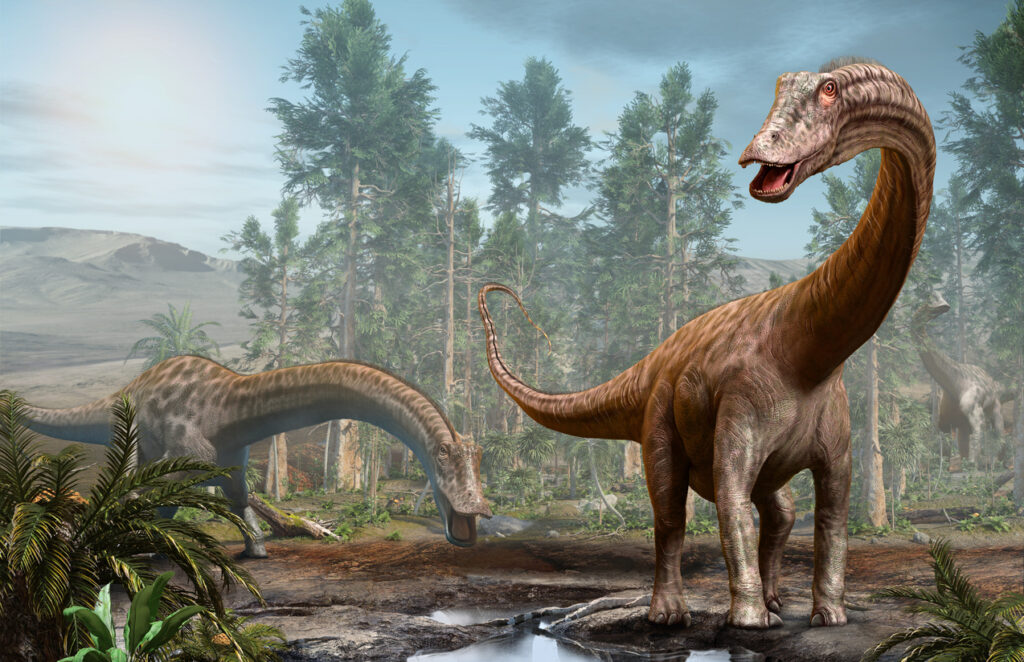
Evidence of pack hunting in velociraptors and possible family groups in other species suggests dinosaurs engaged in complex social behaviours. Social living usually requires more brain power because you have to navigate relationships, communicate, and cooperate. That implies more intelligence than solitary animals need.
The problem is interpreting fossil evidence for social behaviour is tricky. Finding multiple dinosaurs together doesn’t necessarily mean they lived in organised groups. They could have just died in the same place. But trackways showing coordinated movement suggest at least some species did hunt or travel together.
The cerebrum might have existed
A 2013 study created a generalised dinosaur brain map that suggested the possible existence of a cerebrum, the part of the brain that controls complex cognitive behaviours in mammals. If dinosaurs had cerebrums, they might have been capable of forming social groups, possibly communicating, and other sophisticated behaviours.
The map was based on comparing crocodile and bird brains, since crocodiles came before dinosaurs and birds came after. Scientists figured dinosaur brains probably shared features with both. But without actual dinosaur brain tissue, it’s all educated guessing based on skull cavities and related species.
Different dinosaurs, wildly different intelligence

Not all dinosaurs were equally smart. Large sauropods and armoured dinosaurs like Stegosaurus had EQ values around 0.2, making them among the least intelligent dinosaurs. Meanwhile, some theropods had EQ values as high as 6.0, potentially rivalling modern birds in intelligence.
This makes sense when you think about it. A massive plant-eating sauropod didn’t need to be particularly clever, it just needed to eat plants and not get killed. But a smaller predator that hunted in packs or stalked prey would benefit from being smart. Intelligence evolves when it’s useful for survival.
We’ll probably never know for certain
The frustrating truth is we’re working with fossilised bones and skull cavities, not actual living dinosaur brains we can study. Every theory is based on inference, comparison with modern animals, and educated guessing. New technology like CT scanning helps, but there’s only so much you can learn from a brain cavity.
Scientists will keep refining their estimates and arguing about whether dinosaurs were more like clever crocodiles or dim primates. The debate will probably continue for decades because proving anything definitively about extinct animal cognition is nearly impossible. At least the arguments are fascinating to watch unfold.