Some parts of the universe are so empty and still that almost nothing happens there at all.
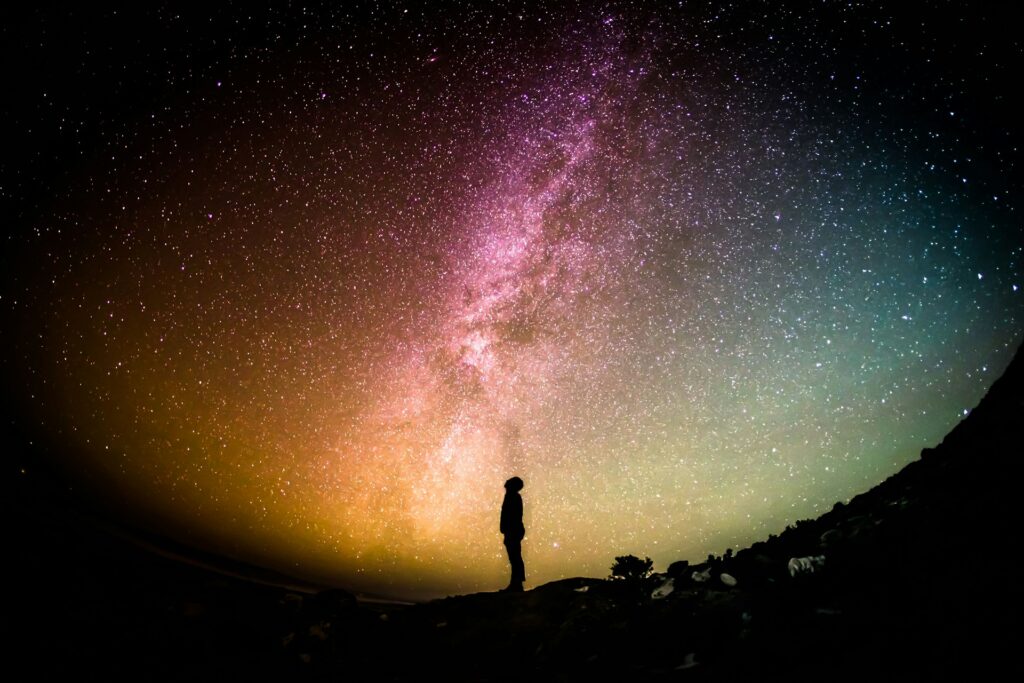
These regions sit far away from the busy areas filled with stars and galaxies, and the lack of movement makes them feel strangely calm. When scientists study these places, they often find long stretches of space where almost no activity takes place, giving a sense of vast, endless stillness that’s hard to imagine from Earth. These are some of the quietest places in existence, at least of those we’ve discovered.
1. The empty stretches between galaxies
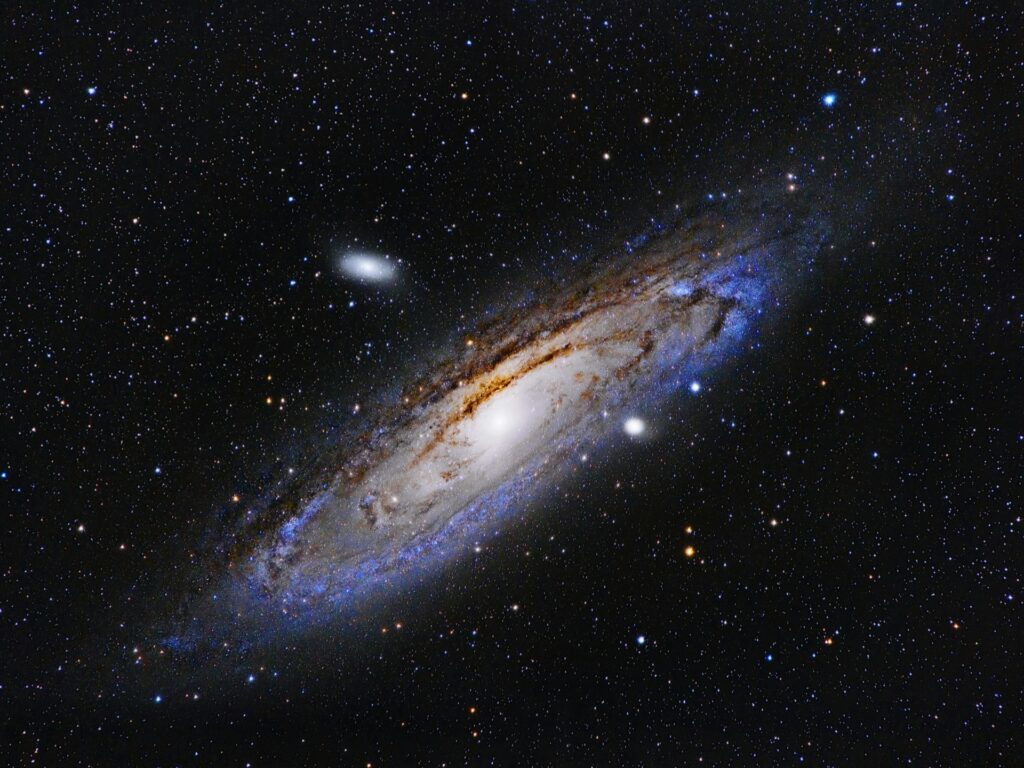
The space between galaxies is one of the most peaceful areas known. Galaxies sit far apart, and the space in between is made of long dark gaps where there are barely any particles, planets or star systems. You could travel through these areas for millions of years without coming across much at all because nothing forms or moves in the usual way.
Scientists see these huge gaps as some of the calmest zones in the universe. With so little happening, the space feels almost frozen, giving a sense of stillness you wouldn’t find anywhere near a lively galaxy like our own.
2. Massive cosmic voids
Cosmic voids are huge bubbles of almost empty space scattered across the universe. They’re enormous regions where galaxies are rare, leaving vast areas with very little inside. Some of these voids are so wide that they span hundreds of millions of light years, making them some of the largest empty zones ever discovered. Inside these enormous pockets, matter is spread so thin that nothing interesting takes place. With no new stars forming and barely any structures growing, they remain some of the most still regions ever found.
3. The Boötes Void
The Boötes Void is one of the most famous empty spaces known to science. It’s so large and so bare that people sometimes call it the Great Nothing. Even though it could easily hold thousands of galaxies, it contains only a very small number. From a distance, the lack of activity inside it looks almost eerie. If someone could travel there, they’d see barely any distant points of light at all. It would feel like being surrounded by endless darkness, with almost nothing changing from one moment to the next.
4. Galaxies that have stopped forming stars
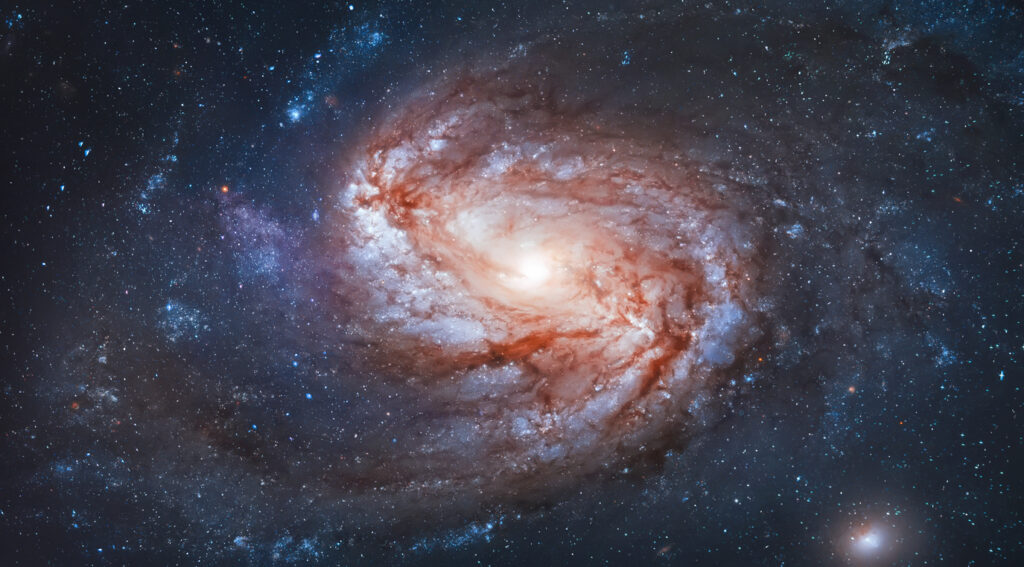
Some galaxies have burned through all their gas, leaving them unable to create new stars. Without fresh activity, they slowly fade as their old stars age and disappear. Over time, these galaxies lose the brightness and movement that make younger galaxies so lively. These faded systems act like old neighbourhoods where everything has already happened. With no new energy flowing through them, they drift in a state that barely changes at all.
5. The far outer edges of the Milky Way
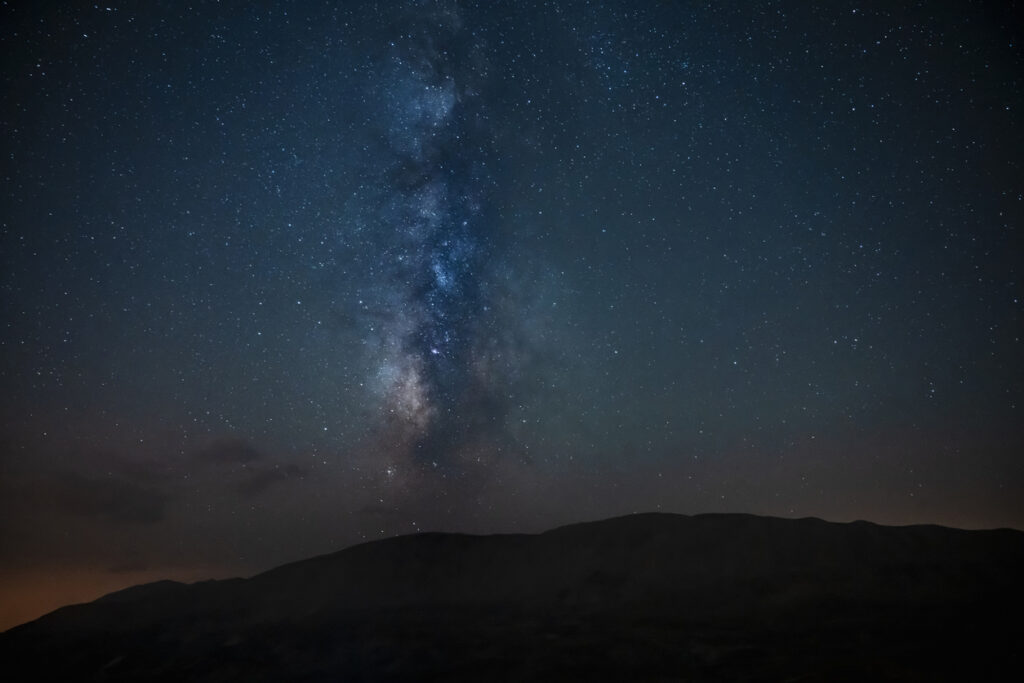
Our galaxy is busy near the centre, but the outer edges become much calmer. Stars are spread far apart, and most of the usual activity fades away. As you move further out, you would find fewer planets, fewer bright areas and almost no ongoing formation. These far-off zones feel like the edge of a large town, where the buildings stop and the open land begins. The further you go, the more still and empty the space becomes.
6. Cold dark clouds that never form stars
Some gas clouds float through space without ever building enough pressure to form stars. These clouds stay dim, cold and gentle, with barely any changes occurring inside them. They don’t glow, they don’t warm up, and they don’t show signs of activity. Because they don’t shine like other clouds, they blend into the background of space. They move slowly and calmly, acting like faint shadows drifting across the universe.
7. Regions with very little dark matter
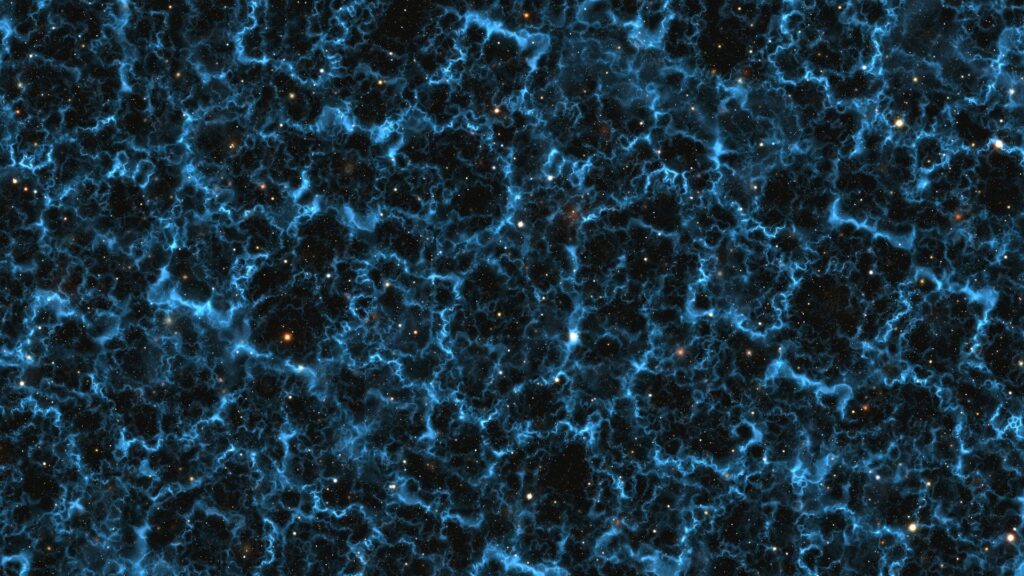
Dark matter helps pull things together in the universe, so regions with almost none of it struggle to form anything at all. Without this invisible pull, matter doesn’t gather into stars or galaxies, leaving wide areas that stay empty. These regions feel like open space with nothing to build or grow. Without the pull of gravity bringing things together, everything inside them stays thin, gentle and still.
8. The far edges of expanding space
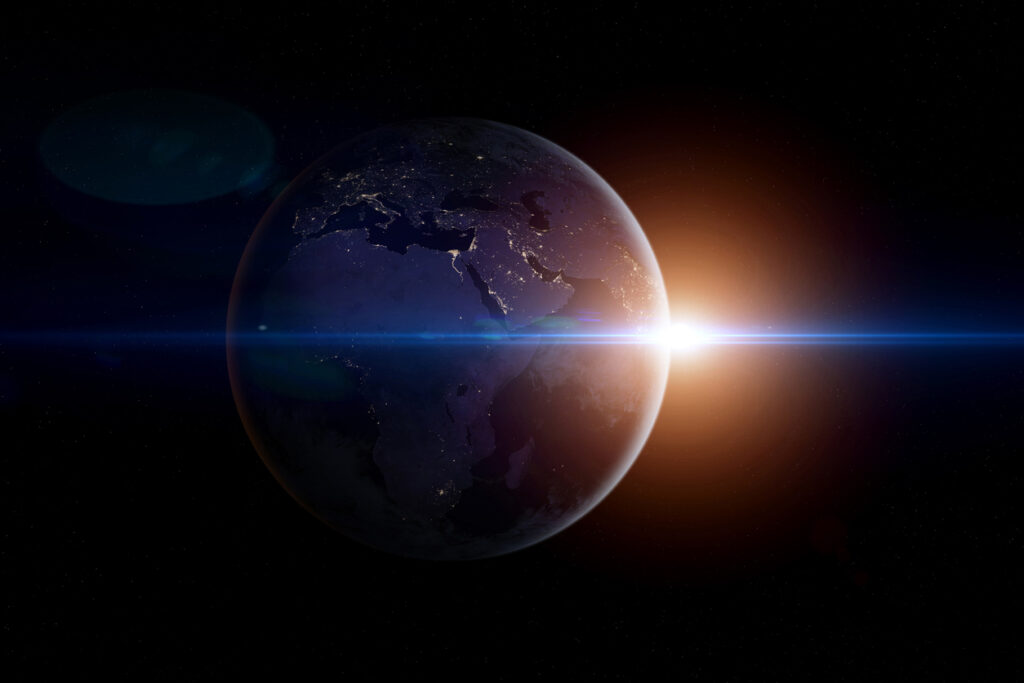
The universe keeps expanding, and the farthest edges are drifting away from us faster than light from those areas can ever reach us. This creates enormous dark regions where nothing from the rest of the universe can break through. They sit beyond our reach, far removed from the busy zones closer to home. If you could stand in one of these distant places, you’d see space stretching on with almost no signs of activity. Even the faint glow of far-off galaxies would vanish as distance swallows all light.
9. Areas near absolute zero
Some pockets of space reach temperatures close to absolute zero, where particles barely move. Without movement, reactions slow to almost nothing. These areas don’t have the heat or motion needed to spark new events, so very little ever changes there. This makes them some of the most still parts of the universe. With hardly any activity, they drift in a calm state that stays the same for long stretches of time.
10. Old star systems where everything has faded
In some distant star systems, the stars have grown old and dim, leaving behind only faint leftover light. With no new stars forming and no major events taking place, these systems move into a long, gentle slowdown. They don’t shine brightly and don’t produce sudden bursts of activity. These star systems become peaceful regions where time passes without much happening. They show what happens when a once active part of the universe settles into a slow, almost unchanging state.