If your cat’s been wandering around the house meowing non-stop, you have to wonder what on earth they’re trying to tell you.

Cats don’t make noise for no reason, and once they get going, it’s hard to ignore. Sometimes it’s harmless, sometimes it’s a sign they need something, and other times they’re just making a point in the only way they know how.
The tricky bit is working out what’s behind all that noise. Cats have their own little ways of communicating, and once you understand the patterns, the constant meowing starts to make a lot more sense. Whether it’s attention, discomfort, habit, or something in their environment winding them up, there’s always a reason. Once you spot it, solving it becomes a lot easier.
They’re hungry or want food sooner.

One of the most common reasons for extra meowing is hunger. Cats learn that making noise gets your attention, so they’ll repeat it when they want feeding. They may meow at their bowl, follow you around or start early morning wake ups because they know it works. Keeping a steady feeding schedule helps reduce this behaviour. If they know when food is coming, they feel more secure and less likely to shout for it.
They’re bored and want stimulation.
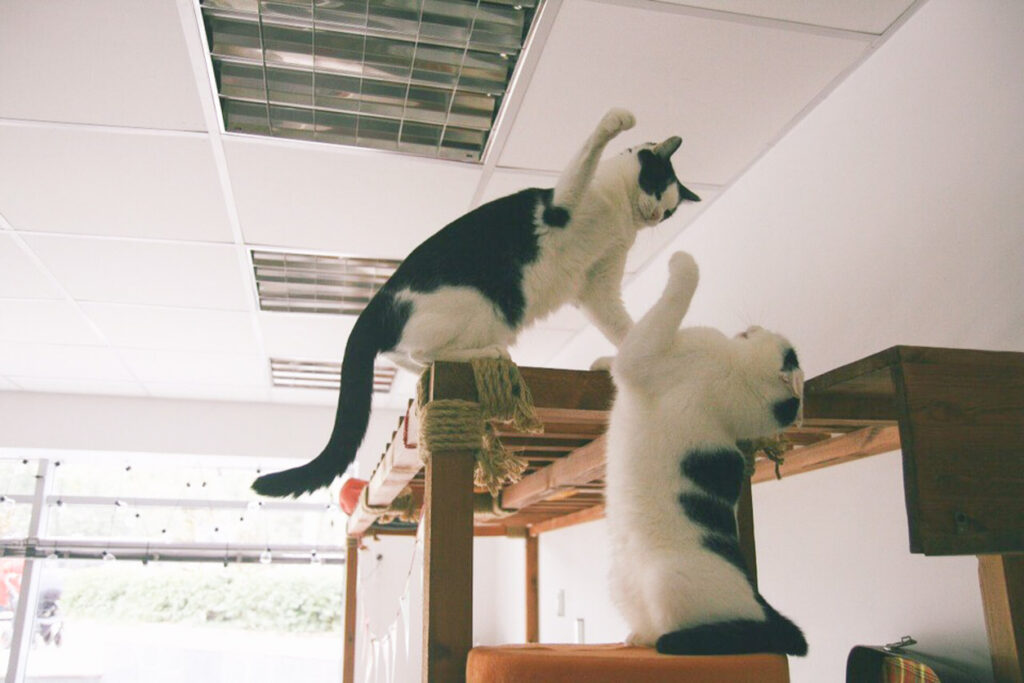
Cats get restless when they don’t have enough to do. Extra meowing can be their way of asking for playtime, movement, or something interesting to focus on. Indoor cats often do this more because their world is smaller. Adding toys, play sessions or places to climb can calm the noise. When their mind is busy, the constant meowing usually drops.
They’re wanting attention.

Some cats meow to get simple affection. If they’ve learned that you respond every time, they’ll keep doing it. They may rub against you or sit near you while making noise. Giving them short, regular moments of attention can help. It reassures them without teaching them to shout all day for more.
They’re feeling stressed or unsure.
Cats meow more when something changes. Moving home, new people, new pets or small changes in routine can all make them nervous. They use meowing to cope or to check if you’re nearby. Keeping their space calm and predictable helps reduce stress. A familiar blanket or hiding spot can also make them feel safer.
They want to go in or out.
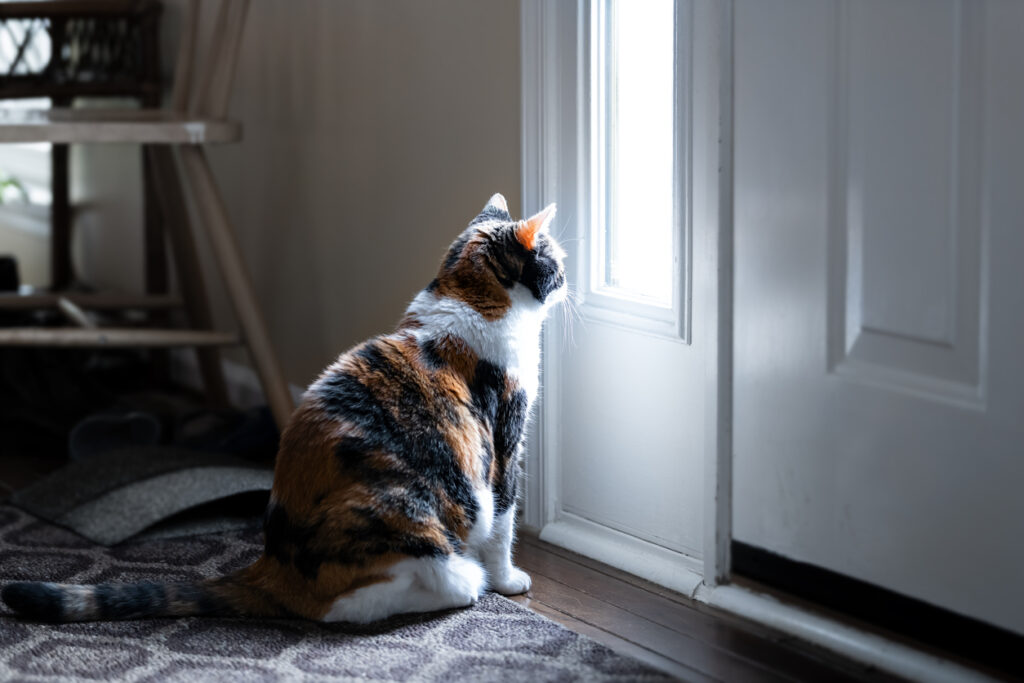
Cats that have access to the outdoors often meow at doors when they want to leave or come back in. They may do this repeatedly if their routine changes or if the weather is different from usual. Helping them have a clear routine or using a cat flap can reduce the noise. They feel less confused when access is easier to understand.
They’re feeling lonely.
Cats that spend long hours alone may start meowing for company. Even independent cats can feel isolated. The noise is their way of asking for interaction when you return. Leaving toys, soft music or things that smell like you can help. Extra affection when you’re home makes them feel less alone.
They’re getting older.
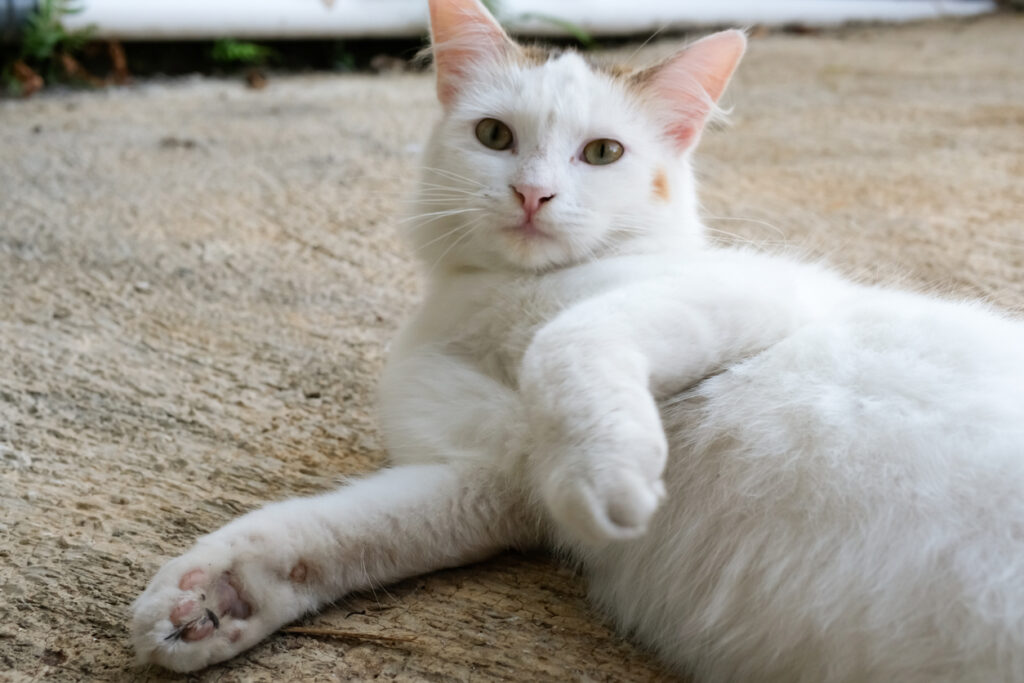
Older cats often become more vocal. Ageing can affect their memory, hearing, or sense of direction, which makes them meow to communicate confusion or discomfort. They might wander the house making noise for reassurance. Keeping lights on at night or guiding them gently can reduce anxiety. A vet check is helpful if the noise is new or sudden.
They’re in heat or reacting to other cats.
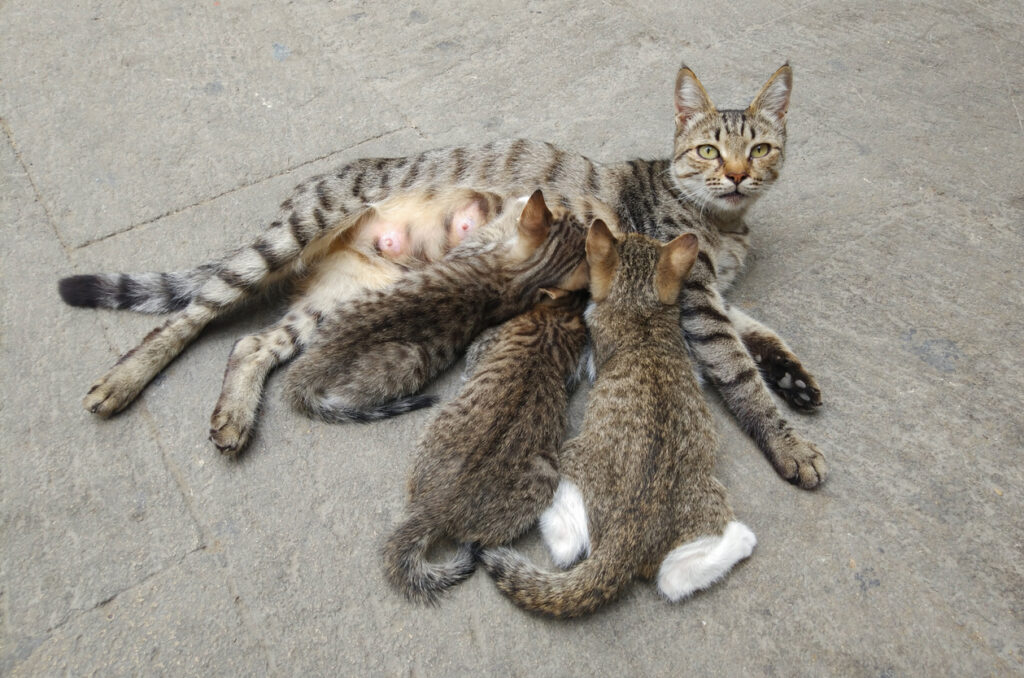
Unneutered cats meow loudly during mating cycles. They may cry at windows, pace, or act restless. This behaviour is natural but can be overwhelming inside a home. Neutering usually reduces this noise. It helps your cat feel calmer and prevents unwanted stress from other cats in the area.
They’re not well or in pain.
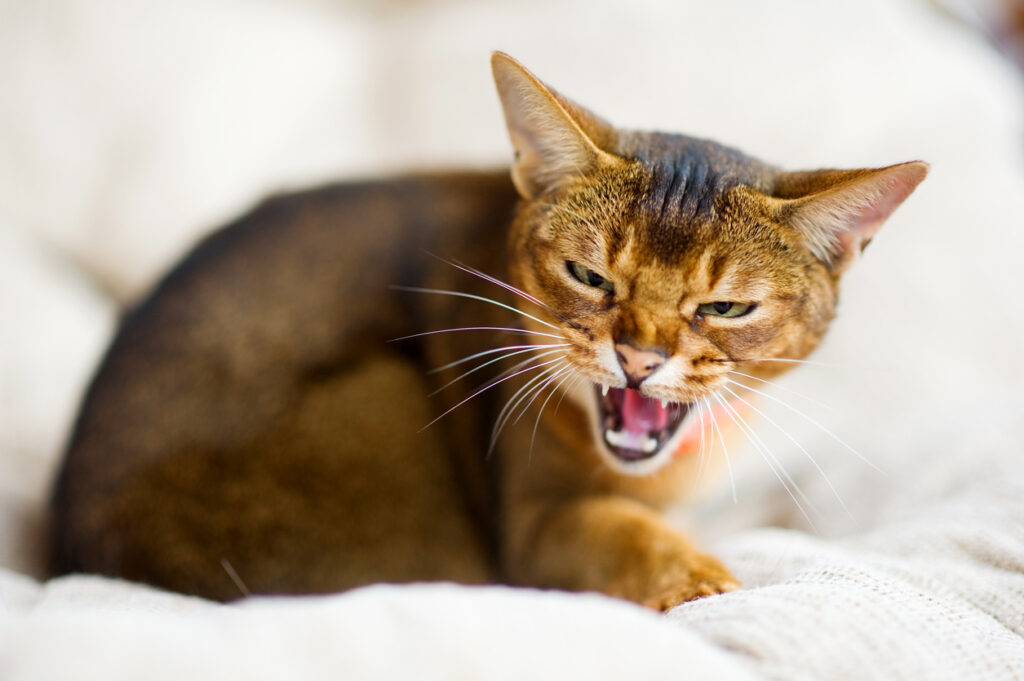
A sudden increase in meowing can be a sign of illness. Cats often make noise when something hurts or feels unusual. Because they hide pain well, meowing may be the only clue something is wrong. If the behaviour is new, lasts several days or comes with changes in eating or toilet habits, a vet visit is important. Early checks make a big difference.
They don’t like their litter box situation.
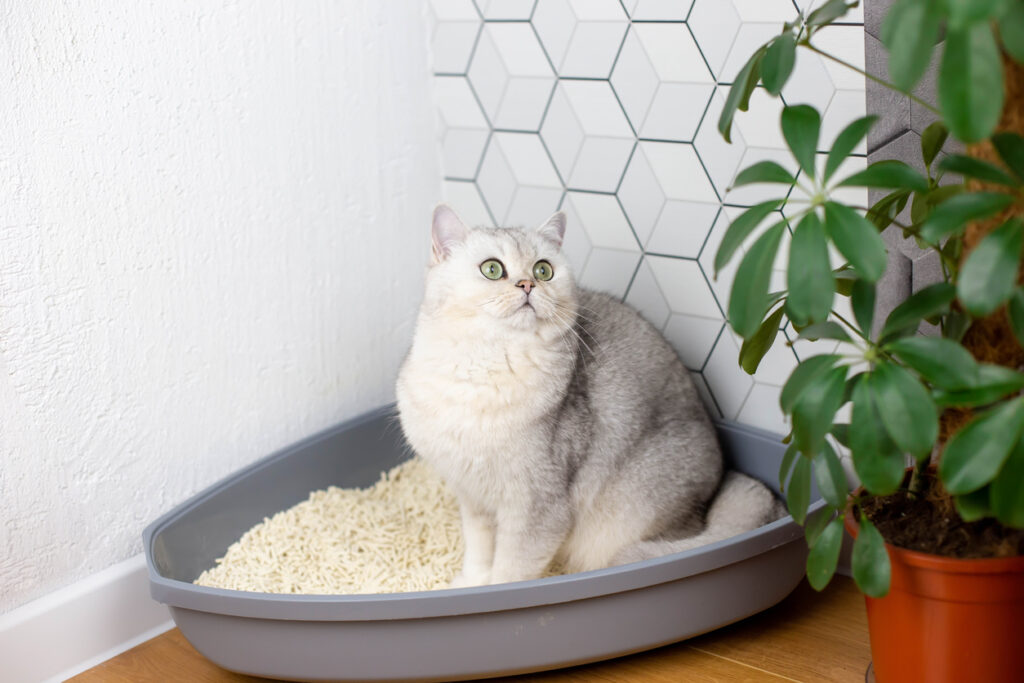
Cats can be very fussy about their litter box. If it’s dirty, in a noisy place or a type they dislike, they may meow to express discomfort. They might stand near the box or call out while using it. Cleaning the box more often or adjusting where it sits can calm the behaviour. A comfortable toilet setup makes most cats much quieter.
They’re reacting to outside noises.

Cats have sharp hearing, so sounds outside the home can trigger constant meowing. They may hear animals, people, or traffic and become alert or unsettled. This can lead to bursts of loud calling. Blocking outside views or adding soft background noise helps them feel safer. When the environment feels calmer, the meowing usually drops.
They’re simply trying to talk to you.
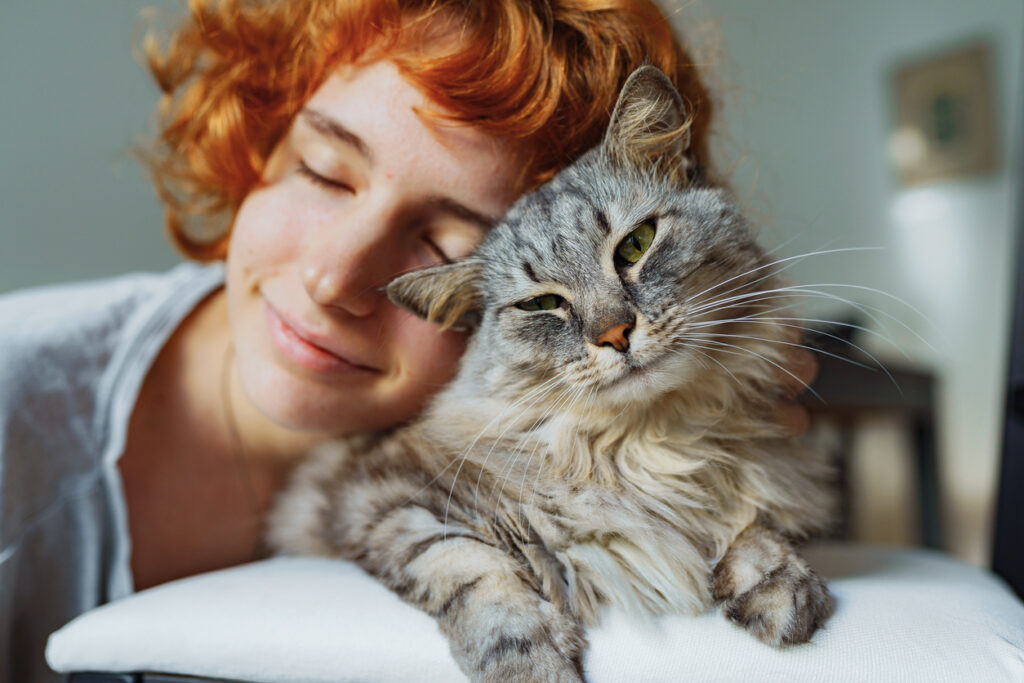
Some cats are naturally chatty. They meow more because it’s how they bond with their humans. They may follow you from room to room, making comments as they go. As long as they’re healthy and calm, this is usually nothing to worry about. It’s their personality showing through and a sign they feel connected to you.