Lobsters look pretty striking when you see them up close, and most people assume their colour is just part of the package.

In reality, the shade you see is shaped by a mix of genetics, diet, and a few odd biological quirks. That’s why you sometimes hear stories about bright blue or yellow lobsters turning up in fishing pots, even though the classic dark greenish brown is what you spot in the shops.
There’s a lot more going on under that shell than people expect. Different pigments, how they bind together, and how the lobster processes its food all play a part in the final colour. Once you understand what’s behind it, those rare colourful lobsters make a lot more sense, and the everyday ones seem a bit more interesting too.
They get their colour from the same stuff that makes carrots orange.

Lobsters get their colour from pigments called carotenoids, which are the same things that make carrots orange and flamingos pink. They get these pigments from eating algae, small crabs and other sea creatures, and the pigments end up stored in their shells.
In living lobsters, these pigments are stuck to proteins which changes their colour to browns, greens, and blues instead of orange. When you cook a lobster, the heat breaks those protein bonds and the pigments go back to their natural red orange colour, which is why cooked lobsters always look the same bright red.
A special protein turns them blue or green.

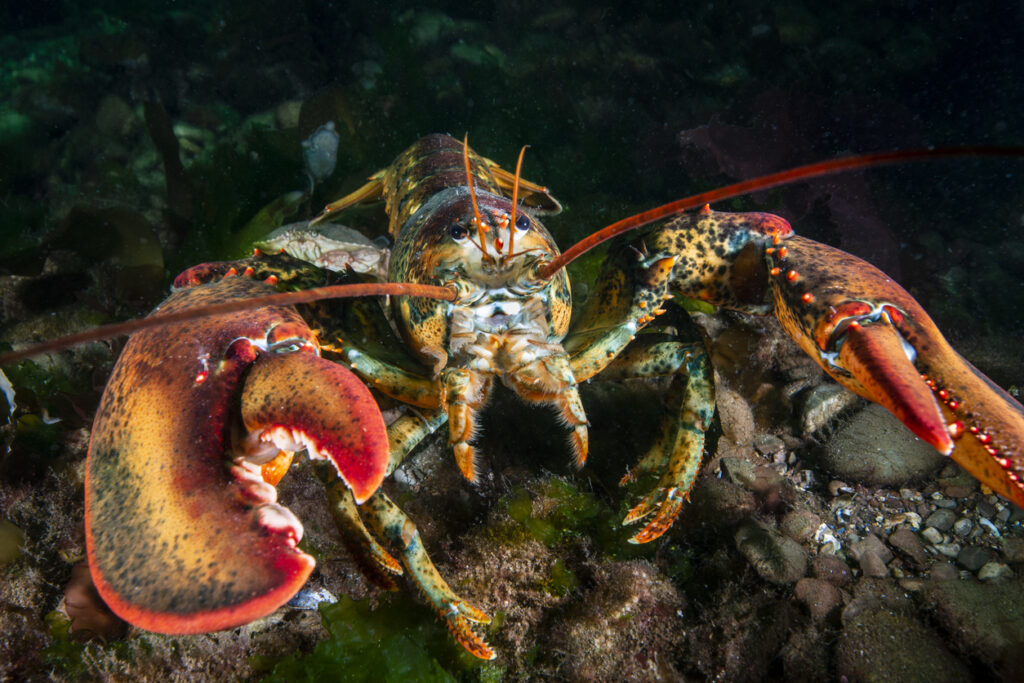
Most wild lobsters are blue-green or brownish, and that happens because of a protein that wraps around the red pigments and makes them look blue or green instead. It’s basically like putting a filter over the red colour so you can’t see it properly.
Different lobsters have different amounts of this protein, which is why some look more blue and others look more green or brown. This colour helps them blend into rocks and seaweed on the ocean floor so predators can’t spot them as easily.
Rare blue lobsters happen because of a genetic glitch.

Sometimes fishermen catch a really bright blue lobster that looks fake, and these happen because of a genetic mutation that makes the lobster produce way too much of the blue making protein. Only about one in two million lobsters are bright blue like this, so they’re incredibly rare.
The mutation just makes them overproduce the stuff that creates blue colour while cutting back on other pigments. These blue lobsters are perfectly healthy and normal, they just look absolutely stunning compared to their boring coloured relatives, which is why they usually end up in aquariums instead of cooking pots.
Yellow lobsters are even rarer.
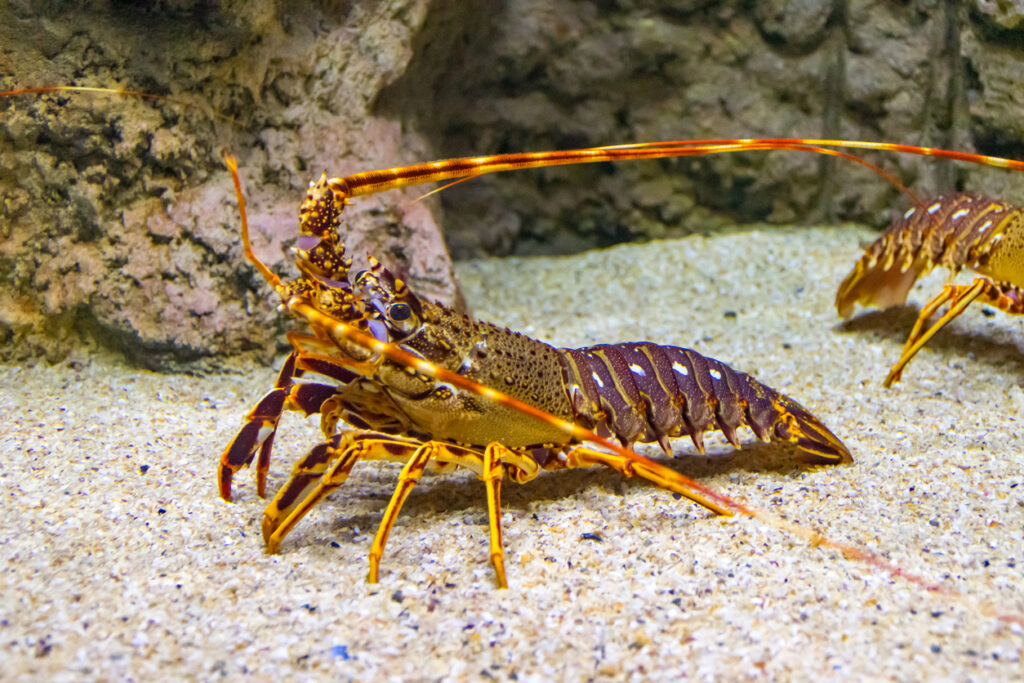
Yellow or orange lobsters are stupidly rare, only showing up in about one in 30 million lobsters. They’re caused by a different genetic thing that stops them making the usual mix of pigments, leaving mainly yellow and orange showing through.
These lobsters basically look like they’re already cooked even though they’re still alive, with bright yellow or golden shells. This colour is rubbish for hiding from predators, so it’s quite surprising they survive long enough to get caught, but when they do turn up it’s a massive deal.
Albino lobsters are the rarest of all.

True albino lobsters are probably the rarest, estimated at one in 100 million, and they can’t make any pigment at all. They end up looking ghostly white or see through, with none of the colours that other lobsters have.
Albino lobsters are sitting ducks in the wild because they’ve got zero camouflage and stick out massively against the sea floor. Most probably get eaten before they’re big enough to catch, which is why finding one is so rare it makes the news.
Split coloured lobsters are half one colour and half another.
The most mental looking ones are lobsters that are literally two different colours split right down the middle, like someone painted each half separately. This happens because the cells on each side of their body have different genetics, so each side produces different colours.
These half-and-half lobsters are about one in 50 million, and they look absolutely mad, often bright blue on one side and normal brownish green on the other. The split runs straight down the middle from their head to their tail, creating a perfect line between the two colours.
What they eat affects how bright their colour is.

What a lobster eats directly affects how vibrant they look because the colour pigments come from their food rather than being made by their own body. Lobsters that eat loads of shrimp, crabs, algae and other stuff packed with pigments have brighter, richer colours.
In places where there’s loads of varied food, lobsters generally look more colourful because they’re getting more pigments in their diet. In areas where food is scarce, lobsters might look paler or duller simply because they’re not eating enough of the stuff that gives them colour.
Their shell structure changes how the colour looks.

It’s not just what pigments they’ve got, the actual structure of their shell also affects how we see their colour. The shell has layers and the surface can scatter light differently, which changes whether they look matte or shiny and can alter how the colours appear.
Two lobsters with similar pigments might still look a bit different depending on their shell condition. Lobsters that just moulted have softer shells that show colour differently than older, harder shells, which adds another reason why they don’t all look identical.
Age doesn’t really change their colour.

You might think older lobsters would be different colours than young ones, but age doesn’t actually affect colour much at all. A massive old lobster and a tiny young one with the same genes will generally have similar colours if they’re eating the same diet.
What changes with age is more about the shell getting worn down or having barnacles and stuff stuck to it rather than the actual colour changing. The underlying colour stays pretty much the same throughout their whole life.
Where they live has a small effect on colour.

Where a lobster lives can influence their colour a tiny bit, though it’s nowhere near as important as their genes and diet. Lobsters in rocky weedy areas might be slightly different colours than ones living in sandy bits, and different depths might affect pigment production a little.
That said, lobsters can’t change their colour on purpose like octopuses can. Their colour is set by their genes, what they eat and the proteins in their shell, and it stays the same between moults. They’re not matching their surroundings in real time, they just evolved to have colours that work well for hiding in their usual spots.
Cooking breaks down the proteins and turns them all red.

When you cook a lobster, the heat destroys the proteins that were changing the colour of the pigments, which is why they all turn bright red, no matter what colour they started as. Once those proteins break down from the heat, you’re just left with the base red orange pigment showing through.
This is why a blue lobster, yellow lobster and normal brownish one all look exactly the same once cooked. The heat basically strips away all the fancy colour modifications and leaves just the basic reddish orange that we know as cooked lobster colour.
Scientists study weird coloured lobsters for research.

Rare coloured lobsters aren’t just cool to look at, they’re actually useful for scientific research into how genes control colour and how proteins work. Scientists study these unusual lobsters to understand colour production better, which actually has uses beyond just learning about sea creatures.
Research into lobster colour has helped scientists understand similar things in other animals and even some human conditions related to pigmentation. So when you see a rare blue or yellow lobster in the news, it’s not just a pretty oddity, it’s potentially helping scientists learn stuff that could be useful in unexpected ways.