Gardeners in the UK have spent decades being told to keep their lawns spotless, pull anything that looks “messy,” and treat weeds like a personal offence.
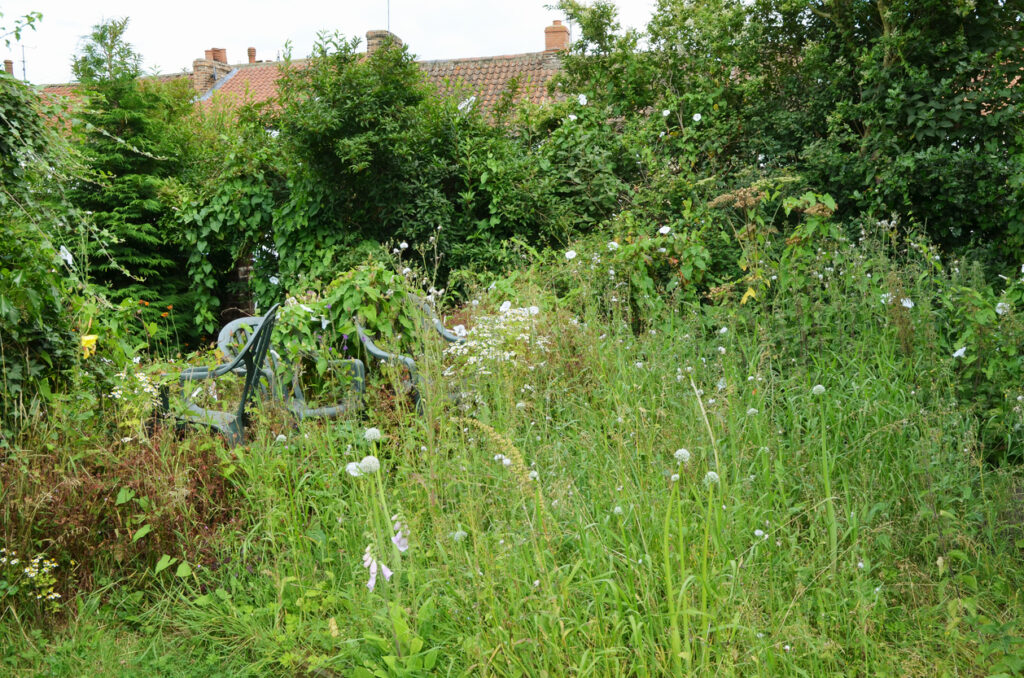
The problem is that a lot of those old rules don’t actually help your garden or the wildlife living in it. In fact, they often do more harm than good. Nature doesn’t work to a neat-and-tidy checklist, and many of the plants we’ve been trained to rip out are doing far more good than people realise.
If you’re someone who’s always felt slightly guilty about letting things grow a bit wild, here’s the good news: the science is very much on your side. Many of the so-called weeds are feeding bees, sheltering insects, rebuilding soil, and helping the wider ecosystem hold itself together. Once you understand what these plants are actually doing, the idea of a perfectly “managed” garden starts to feel outdated, and you can create a space that’s far better for wildlife without making life harder for yourself. Here are some old-school “rules” you should feel safe to ignore when it comes to weeds.
1. Treating every wild plant as a problem

For years, people were told that weeds ruin gardens, so they removed anything they didn’t plant. This has led to fewer flowers for insects and less cover for small creatures. Many weeds are actually vital food sources, but old habits make people clear them before they’ve had a chance to help the ecosystem.
Changing this mindset means recognising that not all wild plants are harmful. Leaving a few in place brings bees, butterflies, and birds back into the garden. It turns a plain space into a living one.
2. Pulling up plants before they’ve bloomed

Traditional gardening rules tell people to remove weeds as soon as they appear. This means many plants never reach the flowering stage. Without flowers, pollinators lose out on important food. It’s a small action that has a bigger impact on local wildlife than most people realise.
Letting some plants bloom provides colour and food in moments when nothing else is growing. It supports insects at times of year when resources are low. This simple change helps wildlife thrive.
3. Using strong chemicals to keep gardens tidy
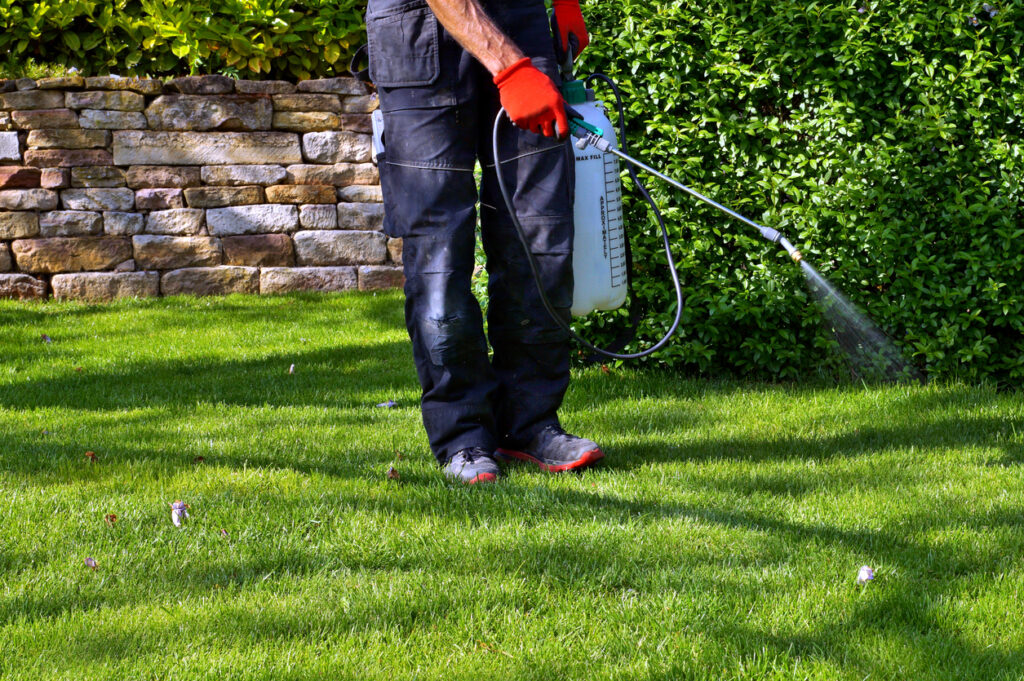
Years ago, chemical weed killers were encouraged as a quick fix. These products harm insects, soil life and even pets. They also push away the very wildlife many people are now trying to attract. The chemicals stay in the ground and affect creatures long after they’re used.
Choosing manual weeding or natural methods protects the garden environment. It allows insects, worms, and birds to return. Healthier soil leads to healthier plants overall.
4. Cutting grass too short to stop weeds appearing
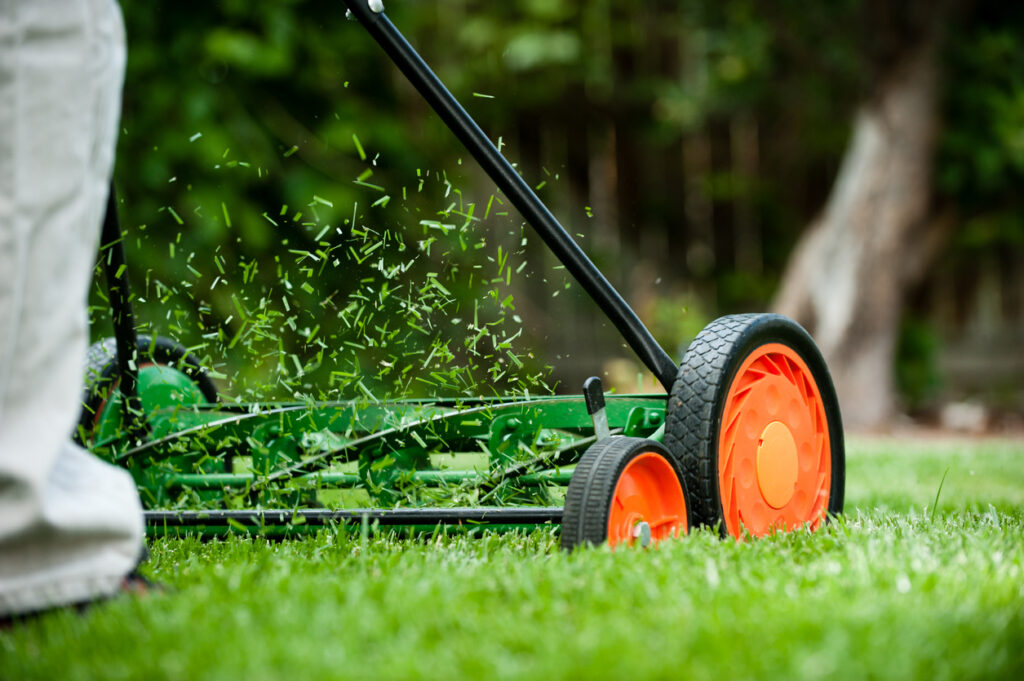
Short lawns were once seen as a sign of a well-kept garden. This habit reduces flowers like daisies, clover and dandelions, which are key food sources for pollinators. A lawn kept too short is almost a desert for wildlife.
Allowing the grass to grow a little longer creates a richer habitat. It brings more colour and supports bees, beetles, and birds, among other wildlife. A small change in mowing can make a big difference.
5. Removing nettles without understanding their value
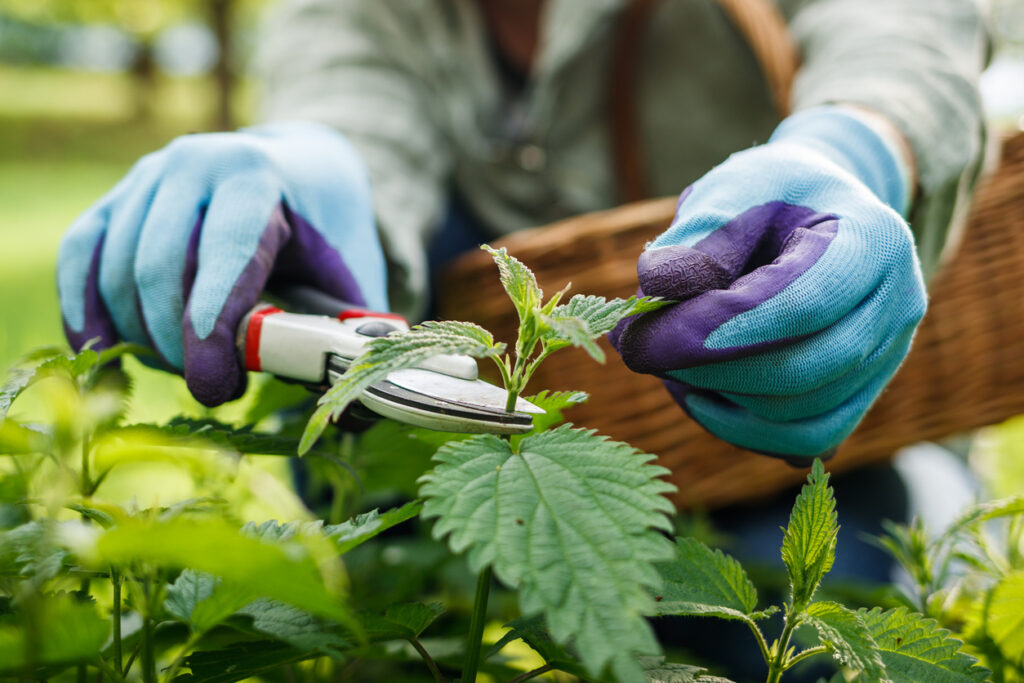
Nettles are often the first plants people remove because they see them as messy or painful. In reality, they’re essential for the caterpillars of many British butterflies. Without nettles, these species struggle to survive.
Keeping a small patch in a quiet corner of the garden helps support the full life cycle of butterflies. It encourages a more balanced and thriving wildlife community.
6. Treating dandelions as a sign of neglect
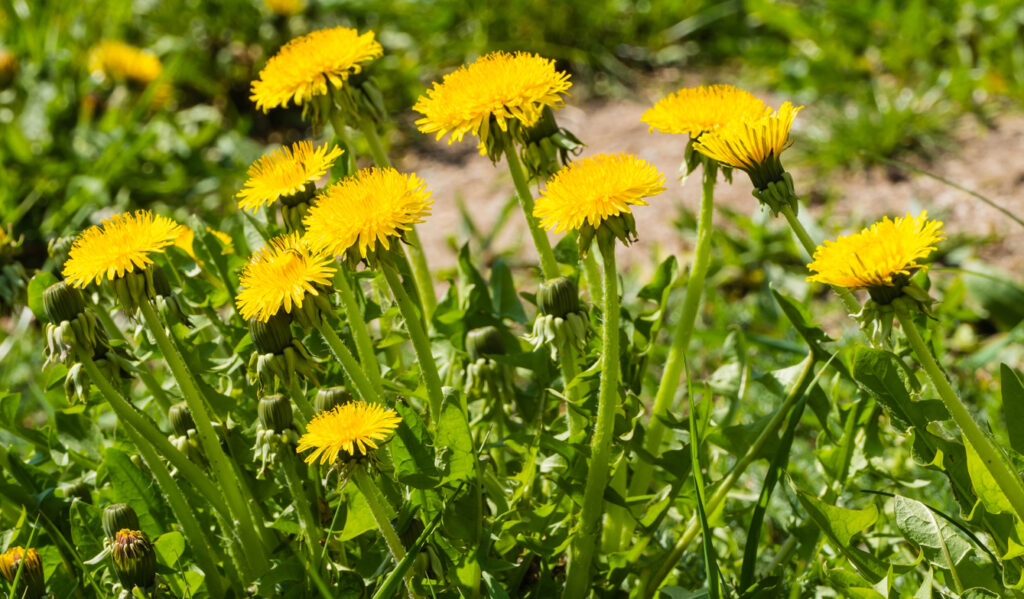
Dandelions have been labelled as weeds for decades, even though they’re one of the best early food sources for bees. Removing them too fast leaves pollinators hungry when other flowers haven’t opened yet. This old rule has caused more harm than most people realise.
Letting dandelions bloom for a few weeks gives wildlife a much-needed boost. They add bright colour and support the health of the whole garden.
7. Clearing out ivy to create a tidy look
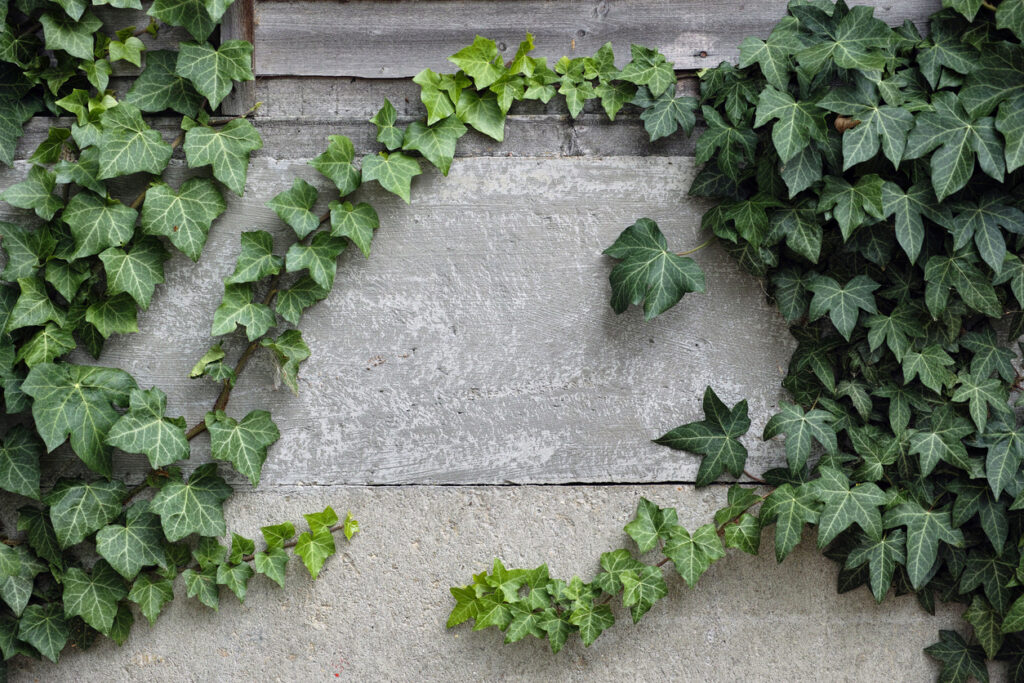
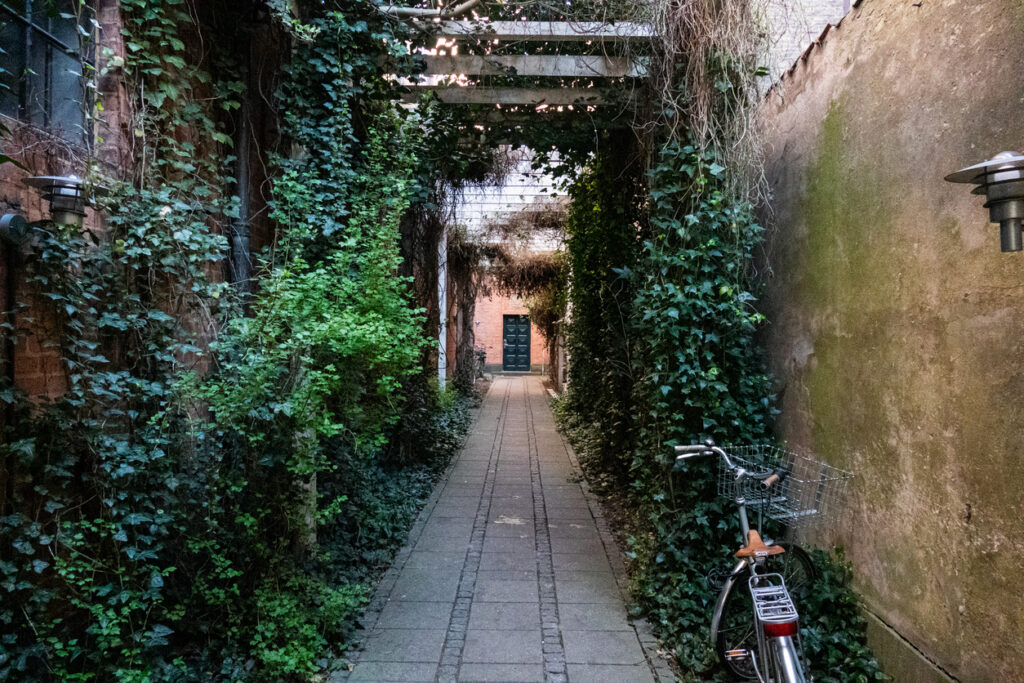
Ivy is often removed because people think it damages fences or looks unkempt. In reality, it provides cover, food and shelter for birds and insects. Removing it leaves wildlife with fewer safe places to rest and hide.
Keeping some ivy in controlled areas supports biodiversity. It attracts life all year round and helps the garden feel more alive.
8. Removing dead plants too quickly
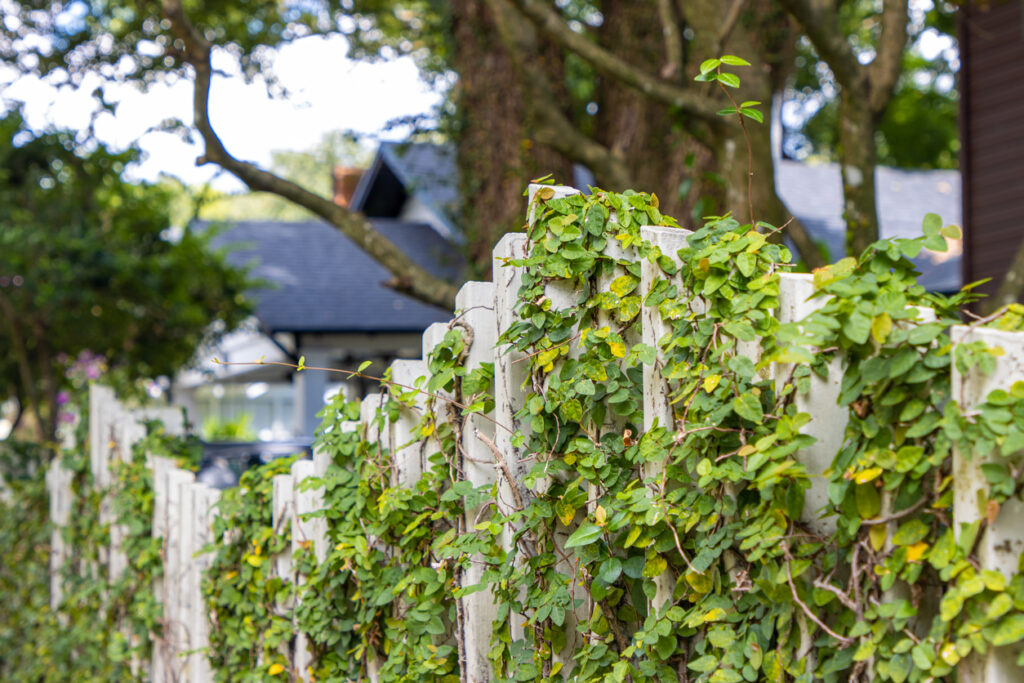
Old gardening advice encouraged clearing dead stems and leaves straight away. This removes essential shelter for insects during autumn and winter. Wildlife loses the protection it needs to survive colder months.
Leaving old stems until spring helps insects stay safe and complete their life cycle. It brings more pollinators into the garden each year.
9. Viewing overgrown corners as untidy
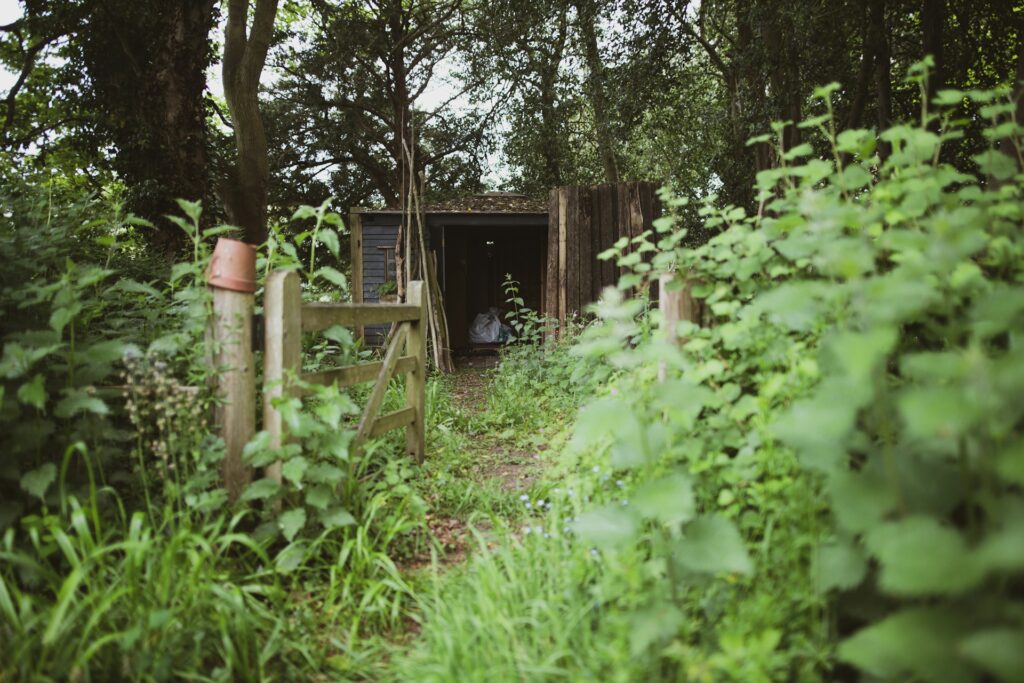
People have been taught to keep gardens neat, which means clearing every corner. These small wild spots are actually some of the most valuable areas for wildlife. They provide safe cover for hedgehogs, frogs, and insects, among other creatures.
Allowing one area to stay a little wild creates a natural refuge. It gives animals a place to hide and helps maintain a healthy ecosystem.
10. Ignoring the benefits of natural diversity
Old gardening rules aimed for uniform, tidy landscapes with few plant varieties. This reduces the mix of flowers and wild plants that wildlife depends on. It removes the natural balance that keeps gardens healthy.
Encouraging a wider range of plants creates a richer environment. It brings more birds and insects into the space. A diverse garden is stronger, livelier and far better for nature.