Most people hear about pollution in a general sense, but it’s only when you look at specific places that the scale of the problem really hits you.
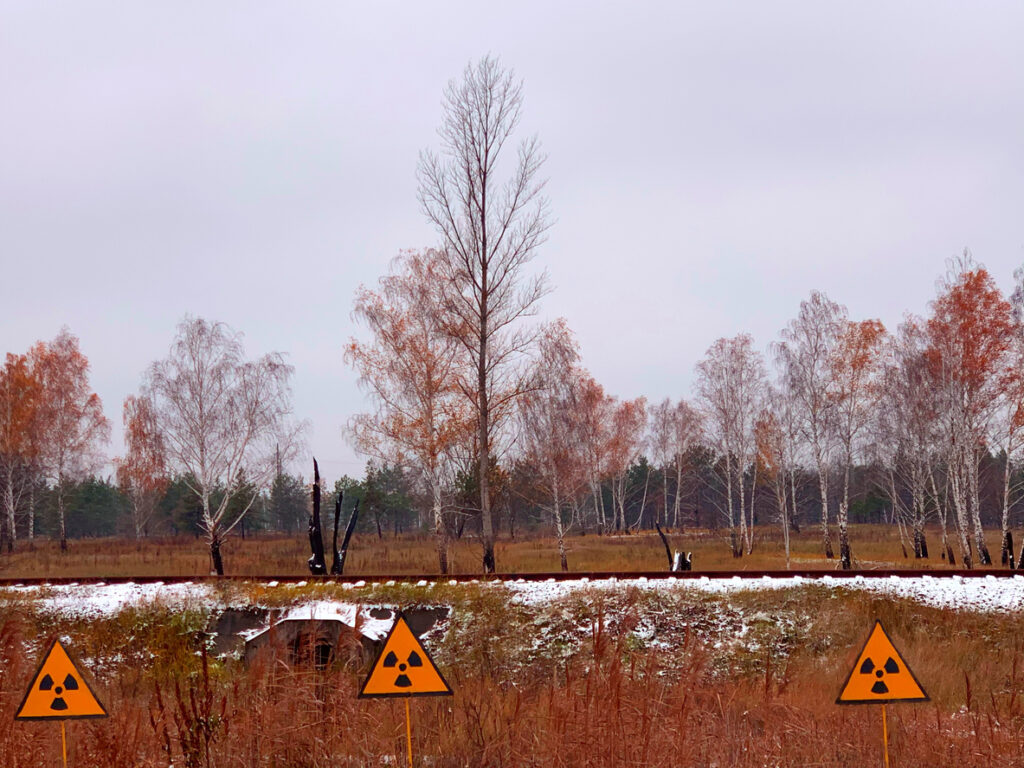
There are parts of the world where the air, water, or soil is so contaminated that daily life feels like a constant battle. People grow up breathing fumes, living beside toxic waste or drinking water that should never come near a human body, and it becomes their normal because they don’t have much choice.
These locations are harsh reminders of how quickly an area can be pushed past its limit once industry, waste and poor regulation pile up. Some of the damage comes from decades of neglect, while other places are suffering because of rapid development that has outpaced any kind of protection. When you see what people are living with, it puts the whole conversation about pollution into perspective.
1. Chernobyl, Ukraine
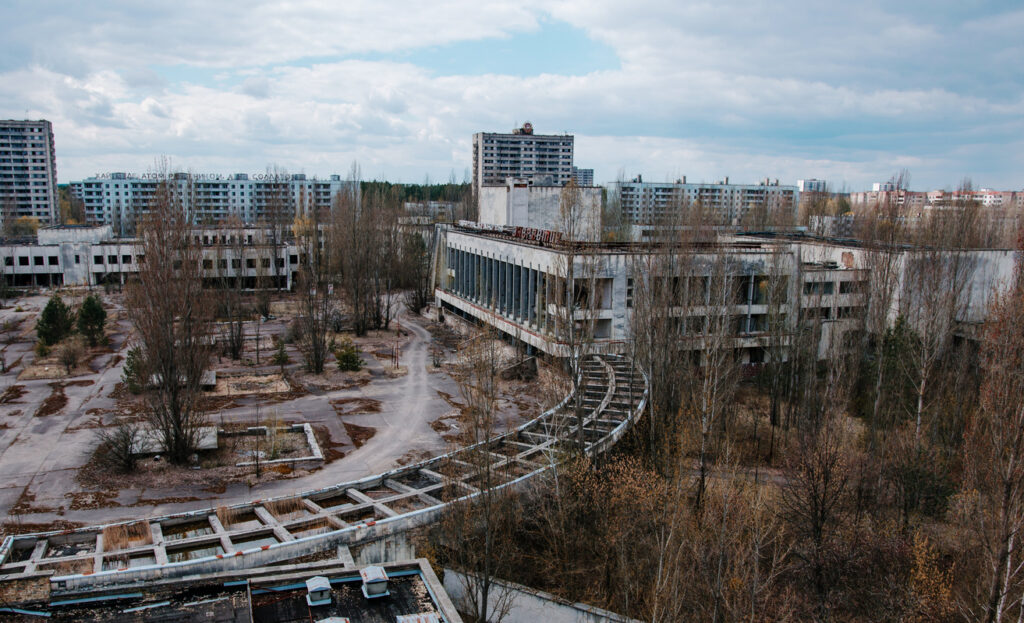
Chernobyl remains one of the most contaminated places on the planet because of the nuclear disaster in 1986. The explosion released dangerous particles into the air that settled across the land and soil. Even today, some parts are unsafe for long visits. The exclusion zone helps limit how many people enter, but cleaning the area fully would take many lifetimes. Nature has grown back, but the radiation buried in the soil still creates long-term danger.
2. Norilsk, Russia
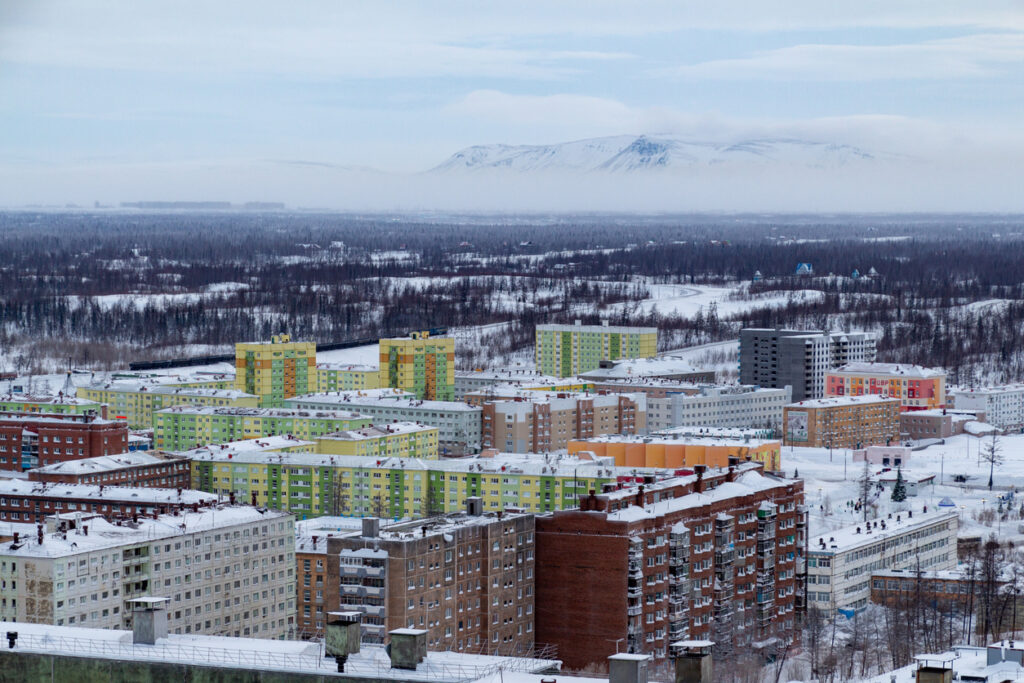
Norilsk is known for its heavy metal pollution. Years of mining and smelting have filled the air with toxic dust that settles on snow and soil. The town often has very poor air quality because of the industry around it. Cleaning the area is difficult because the pollution continues as long as the mines operate. The cold climate also traps pollutants in the air for longer periods.
3. Kabwe, Zambia
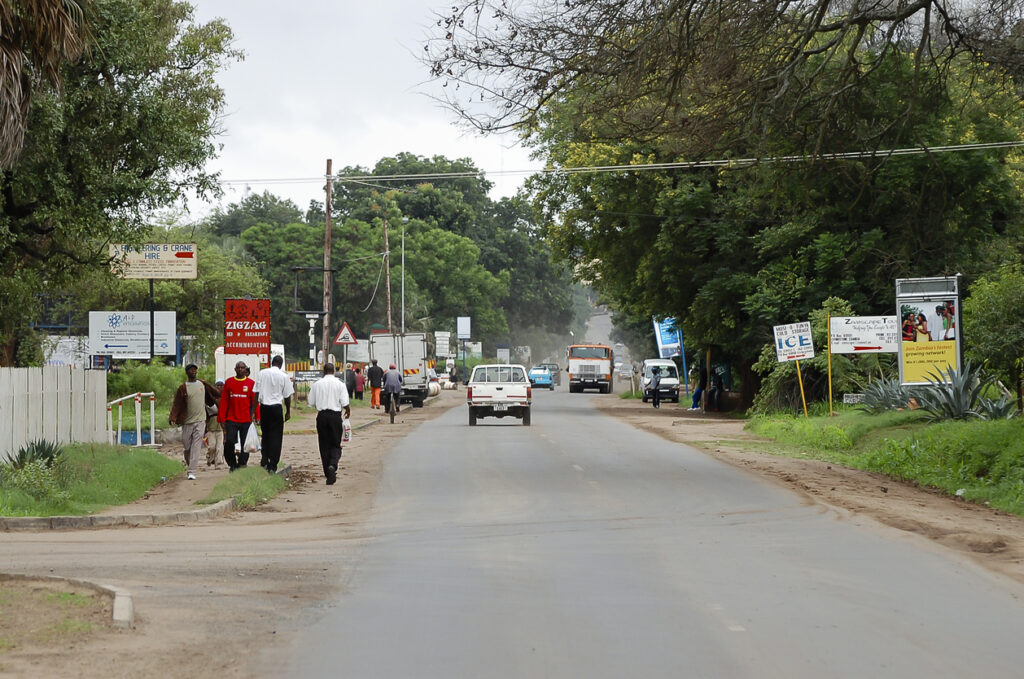
Kabwe became heavily polluted after decades of lead mining. Lead dust settled across the city, especially near the old mine, leaving the soil extremely contaminated. Many children living there show high levels of lead in their bodies. Even though the mine closed, the pollution remains. Full clean-up is slow because removing contaminated soil across such a large area is a very costly job.
4. Linfen, China
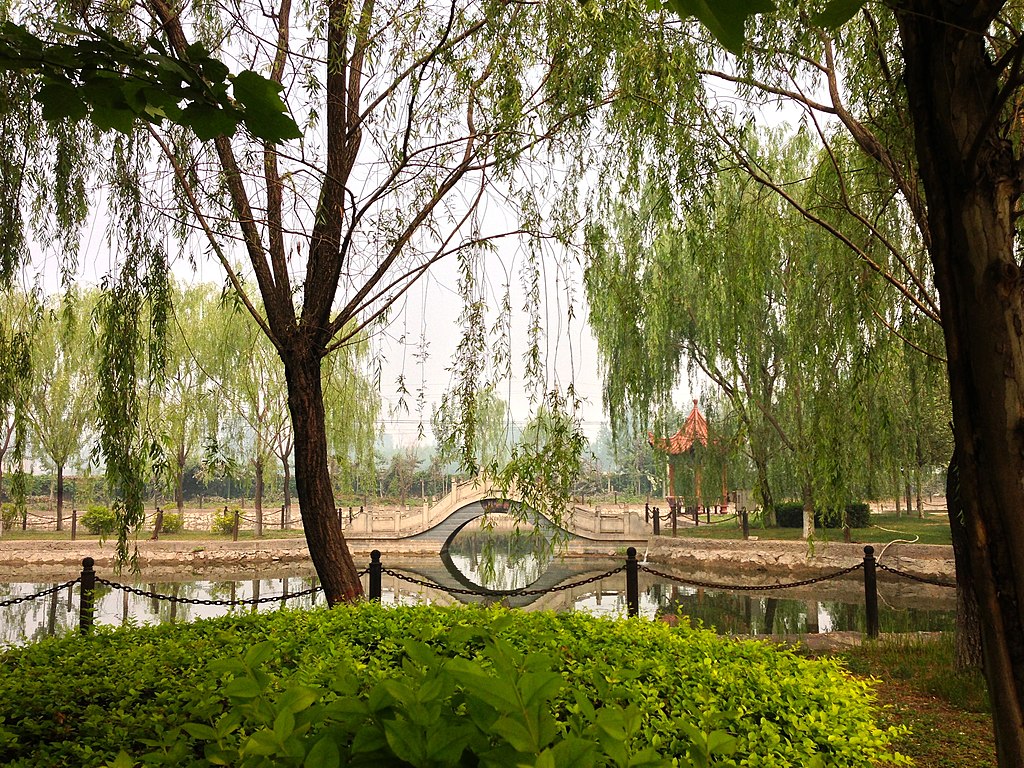
Linfen has long struggled with coal burning and factory pollution. Thick smog builds up over the city, making the air unsafe during many parts of the year. The area grew quickly, and the pollution rose just as fast. Efforts to cut emissions have helped a little, but the mix of industry and coal use still makes the air quality poor on many days.
5. Agbogbloshie, Ghana
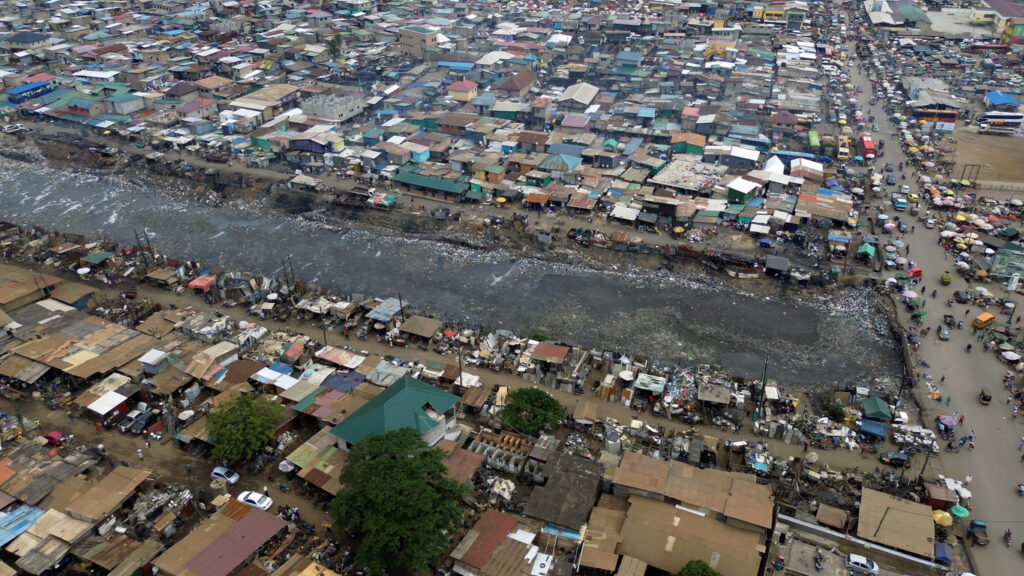
This area is one of the world’s largest dumping grounds for electronic waste. People break apart old electronics to recover metals, but the burning used in the process releases toxic smoke. The soil is filled with heavy metals as a result. Trying to fix the problem is hard because new waste arrives regularly. Local workers rely on the scrap trade, which makes sudden changes difficult without safer alternatives.
6. Yamuna River, India
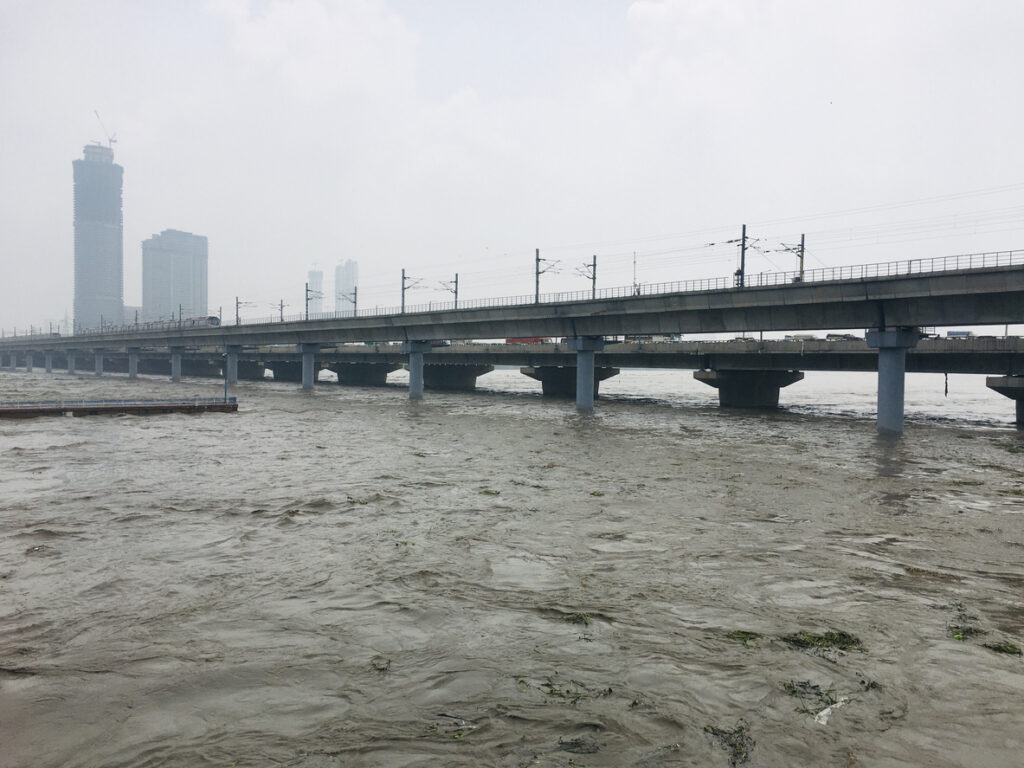
The Yamuna River collects huge amounts of sewage, chemicals, and waste as it flows through major cities. The water becomes extremely polluted, especially near Delhi, where heavy industry and crowded neighbourhoods add to the problem. Cleaning the river requires major changes to water treatment and waste systems. Until those improvements grow, the river remains one of the most polluted waterways in the world.
7. La Oroya, Peru
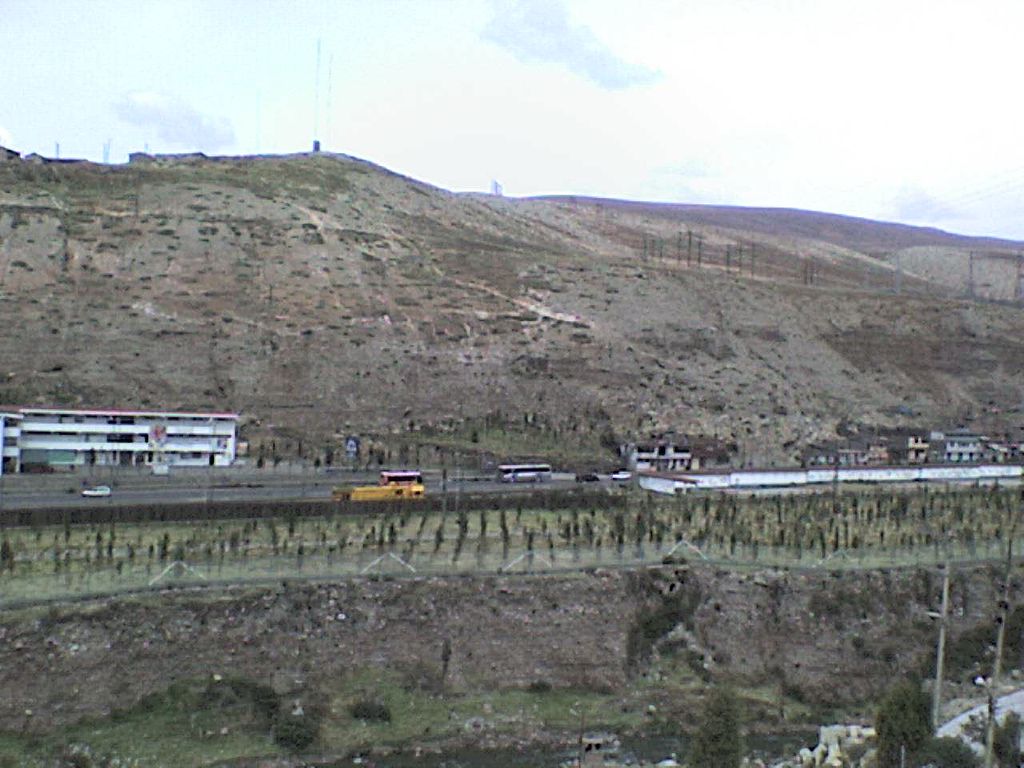
La Oroya has faced decades of metal smelting that left the air and soil polluted with lead and other toxins. Children living in the town often show high levels of these metals in their bodies because of long-term exposure. Reducing the pollution means updating old industrial systems, which is costly. The area still carries the effects of many years of uncontrolled emissions.
8. Riachuelo Basin, Argentina
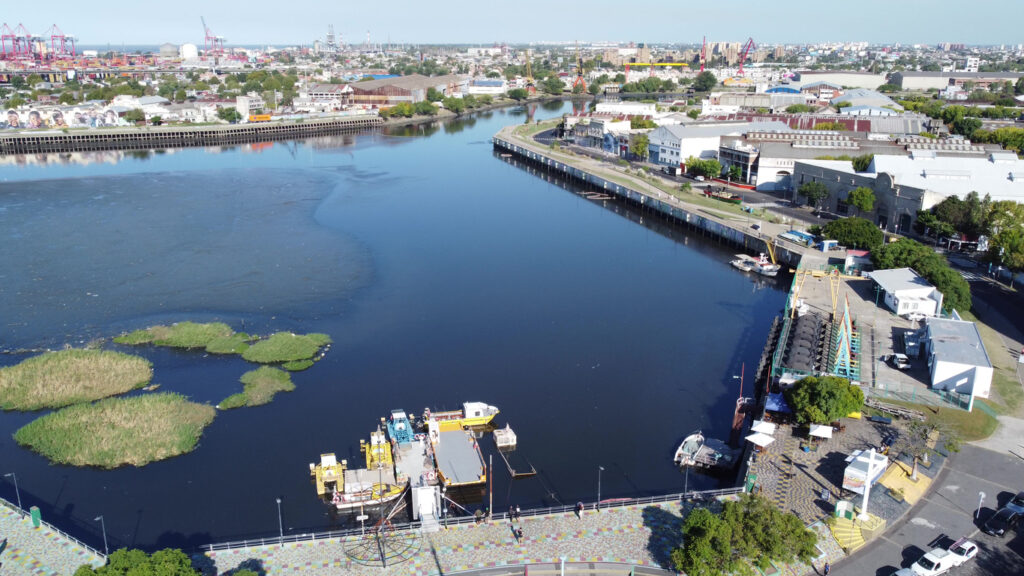
The Riachuelo Basin has been polluted by waste from factories, sewage, and chemicals for more than a century. The water carries high levels of toxins, and many communities live close to the polluted riverbanks. Large clean-up plans are underway, but reversing the damage caused by years of poor environmental controls is slow. The basin remains one of the most polluted places in South America.
9. Niger Delta, Nigeria
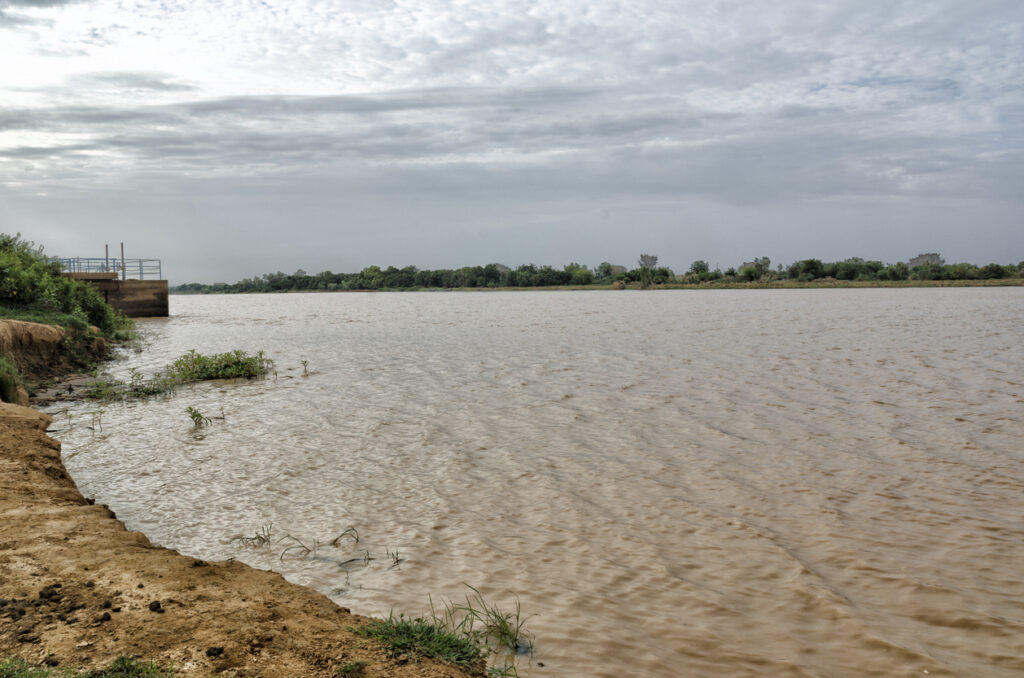
The Niger Delta has suffered from oil spills, gas flares and leaks from pipelines. These problems polluted the water, soil, and air across large areas. Many communities rely on fishing, which becomes difficult when the water is contaminated. Fixing the pollution requires major repairs to oil infrastructure and long clean up work. The damage built up over many years, so recovery will take time.
10. Hazaribagh, Bangladesh
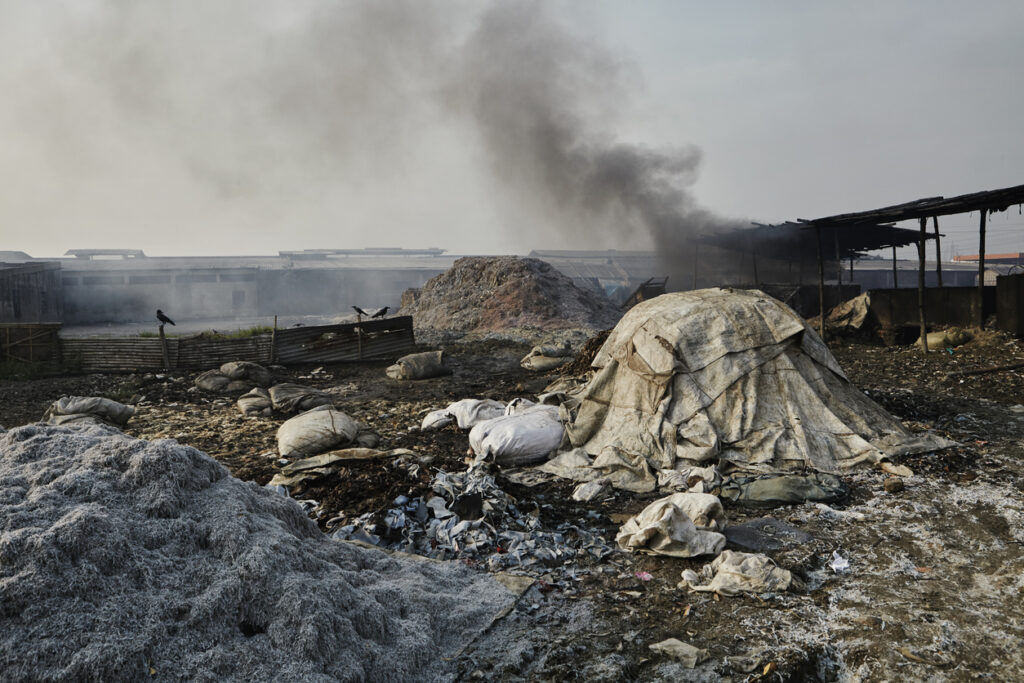
Hazaribagh became polluted because of leather tanneries that released chemicals into the air and water. Workers handled toxic substances without enough protection, and the waste flowed into nearby rivers and streets. Some factories have moved, but the soil and water remain contaminated. Removing the chemicals from the ground is a long and complex process.
11. Kalmykia, Russia
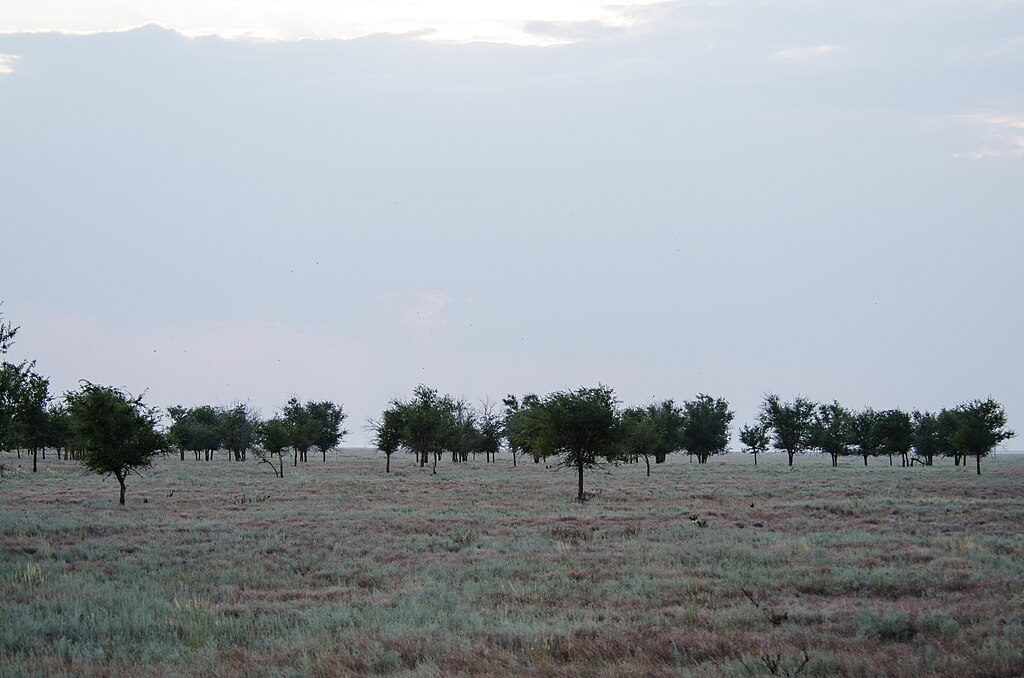
This region faces strong air and soil pollution caused by oil drilling and poor land management. Overgrazing and industrial activity damaged the environment, leaving dusty land and polluted water sources. Recovery requires protecting the soil and reducing pollution from oil sites. The land needs time to rebuild after many years of heavy use.
12. Dzerzhinsk, Russia
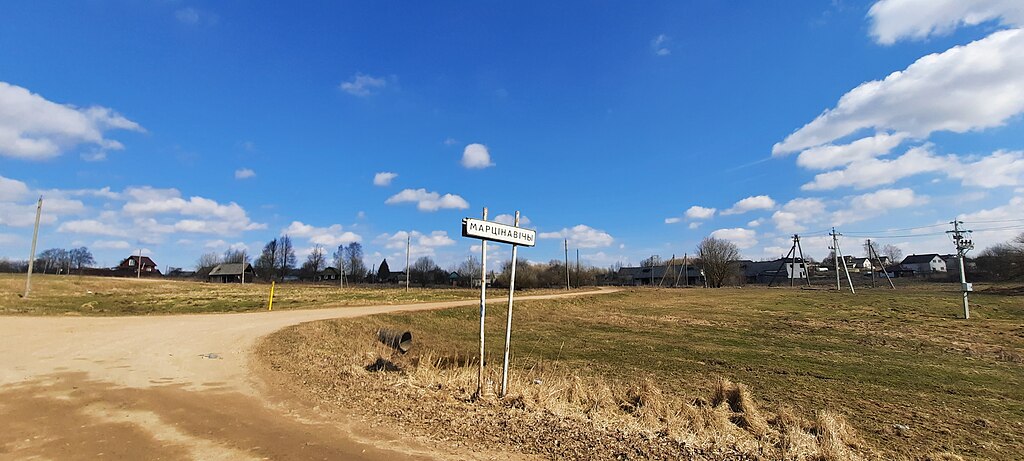
Dzerzhinsk became polluted after decades of chemical production. Many harmful chemicals were buried or dumped without proper controls. These substances leaked into the soil and water and remain there today. Cleaning the area is difficult because the pollution sits deep underground. Modern safety rules help, but the damage from older factories remains a major problem.
13. Sumgayit, Azerbaijan
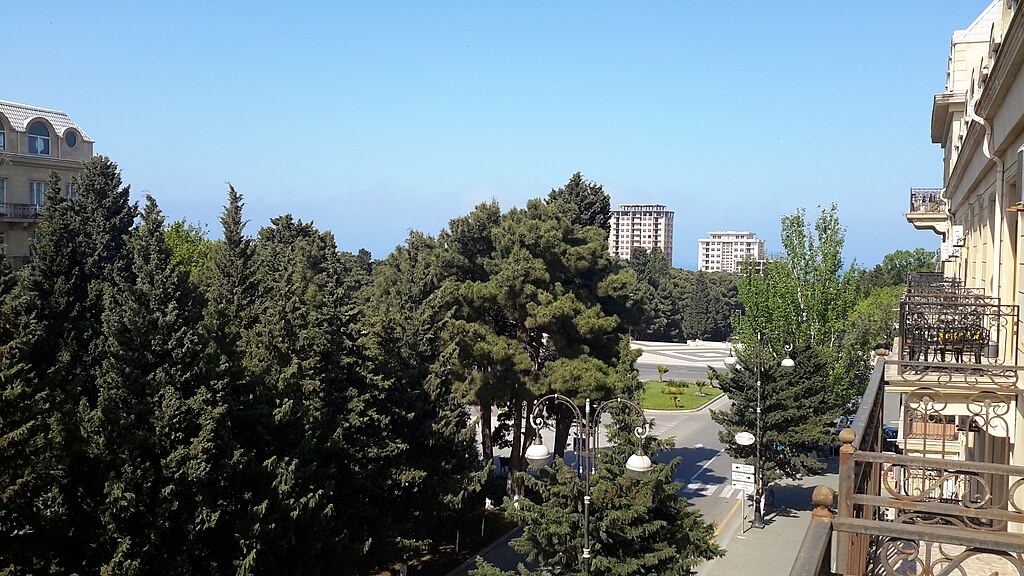
Sumgayit once held large chemical and industrial plants that released toxins into the environment. Even after some factories closed, the soil and water remained polluted. The area carries long-lasting signs of heavy industrial use. Restoring the environment requires careful clean up of old industrial waste. Efforts have started, but full recovery will take many years.
14. Ganges River, India
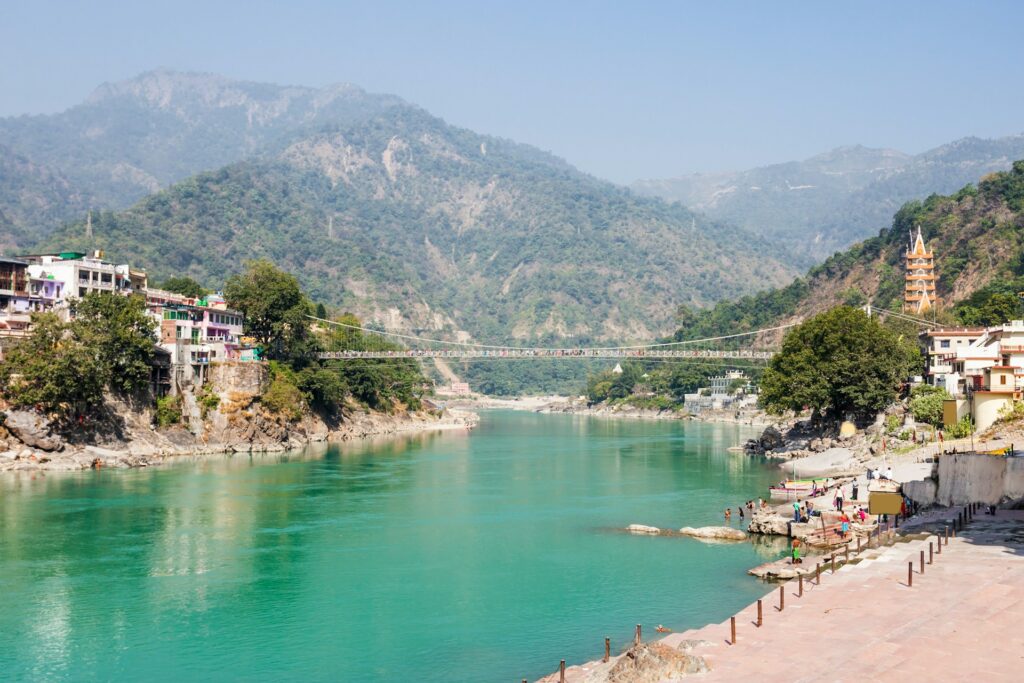
Parts of the Ganges River suffer from severe pollution caused by sewage, waste, and industry. As the river moves through crowded cities, it collects huge amounts of contaminants. This creates unsafe conditions for both people and wildlife. Improving water treatment and reducing waste entering the river are key steps. Until those systems strengthen, the river stays heavily polluted in many places.
15. Lake Karachay, Russia
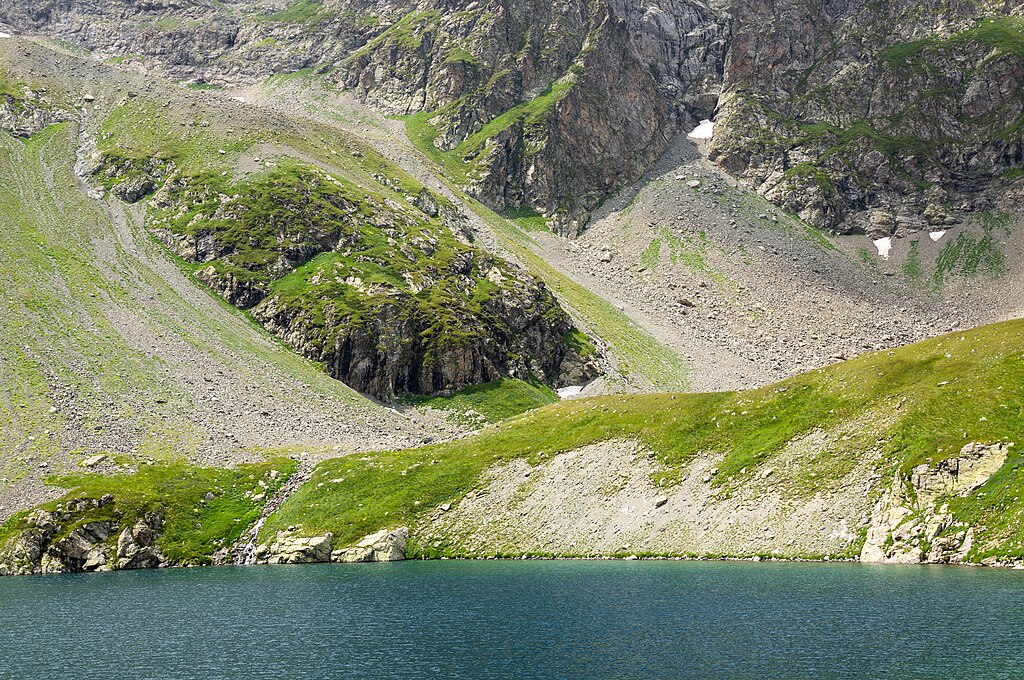
Lake Karachay became extremely polluted after being used as a dumping site for nuclear waste. The contamination is so strong that short exposure near the water once posed serious risks. It’s considered one of the most toxic places ever recorded. Efforts to cover the lake with concrete helped reduce exposure, but the surrounding area still holds high levels of radiation deep in the ground.