Most people picture the British coastline as cliffs, pebbly beaches and the odd seaside town, but the real excitement sits just out of sight beneath the water.
A few metres below the surface, there are landscapes most of us never think about, packed with creatures, wrecks and strange formations that tell stories far older than any of our buildings on land. It’s the kind of thing you only appreciate once someone points it out, and then you realise how much we’re swimming or sailing right past without noticing.
What makes it even more fascinating is how varied it is. One stretch of seabed might be covered in forests of seaweed swaying like slow-motion waves, while another hides lost villages, ancient riverbeds, or hundreds of years of forgotten history. Some of the most surprising discoveries around Britain haven’t come from remote oceans but from our own shallow coastal waters. Once you start looking into it, you realise just how much mystery is sitting a short distance from the shore. Here are some of the incredible seabed secrets you probably never knew about.
Hidden forests from the last Ice Age

Along parts of the British coast, there are old tree stumps sitting on the seabed that once stood in real forests. These trees grew thousands of years ago before rising seas covered them. At low tides, you can sometimes see them poking out of the sand, still rooted in the ground where they first grew. These forests show how different Britain once looked. They remind us that coastlines move over time and that many ancient landscapes now lie underwater, still holding quiet stories of the past.
Shipwrecks that never made the headlines
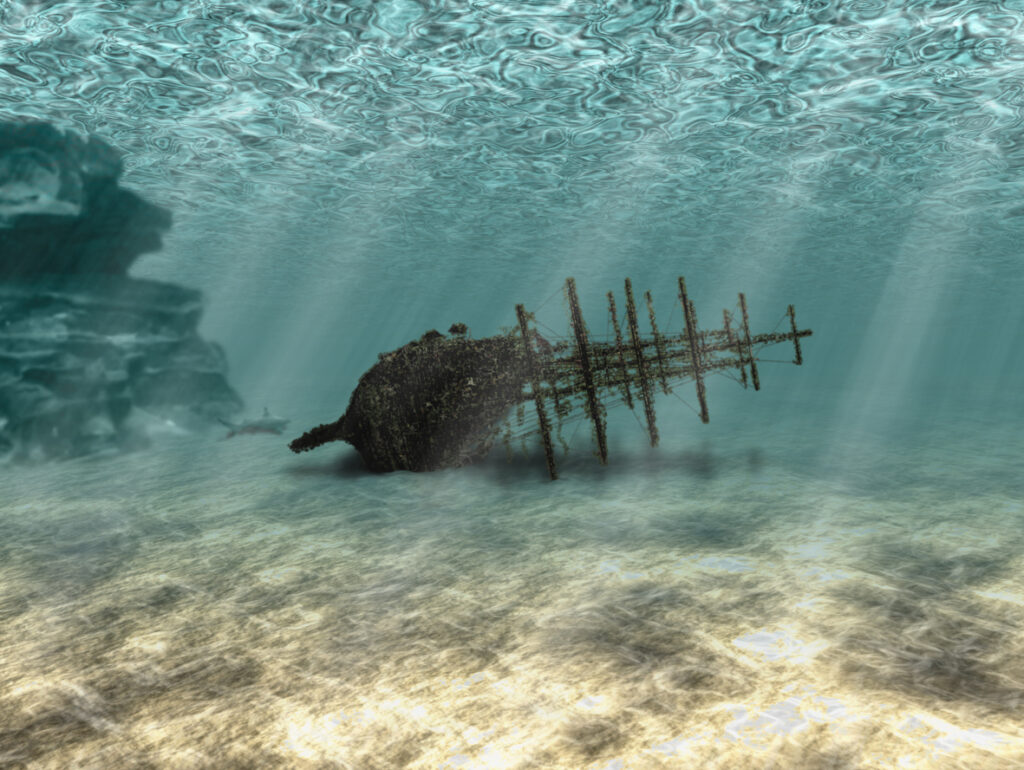
Britain’s coastline is full of old shipwrecks lying just below the waves. Many are wooden fishing boats, cargo ships or wartime vessels that sank quietly without public attention. They now sit on the seabed covered in seaweed and home to crabs, fish, and small coral clusters. These wrecks create mini reefs that shelter sealife. Each one becomes its own little world where nature slowly takes over the remains of human history.
Underwater caves carved by time

Some parts of the seabed hold natural caves formed when waves carved out the rock over thousands of years. These caves often sit close to cliffs and continue beneath the water, creating hidden tunnels that few people ever see. These areas shelter fish, seals, and cold water creatures that prefer dark spaces. They show how the coast keeps changing even when the shapes are hidden from everyday view.
Strange cold water corals

Many people think corals only live in tropical places, but Britain has its own cold water corals growing quietly on the seabed. They create small branching structures that support a wide range of marine life. They’re not bright or colourful, but they’re still beautiful in their own way. These corals show how rich British waters can be. They help build small hidden reefs that protect fish and other animals living close to the shore.
Huge sand waves that move like slow motion dunes

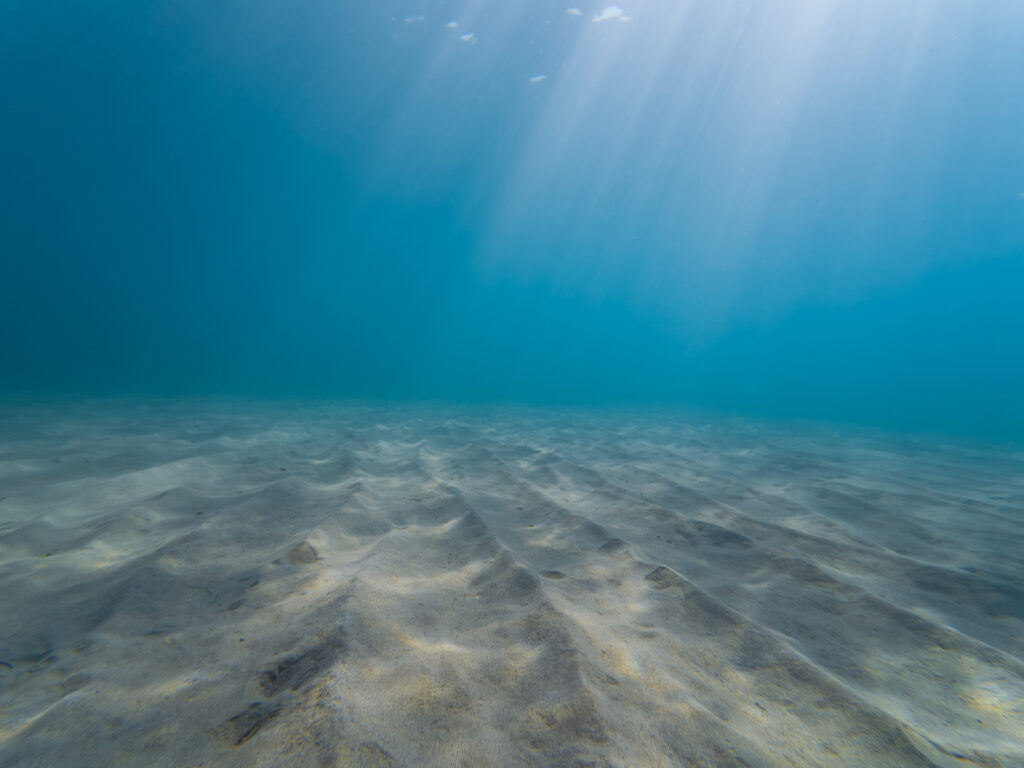
On the seabed, the sand doesn’t just sit still. Tides push it into long ripples that look like giant dunes. These underwater sand waves can be taller than a person and stretch across large areas of the coast. They move slowly over time, reshaping the seabed and affecting which animals live there. They’re one of the clearest signs that the underwater world is always moving, even when we can’t see it from above.
Grass meadows hidden below the surface
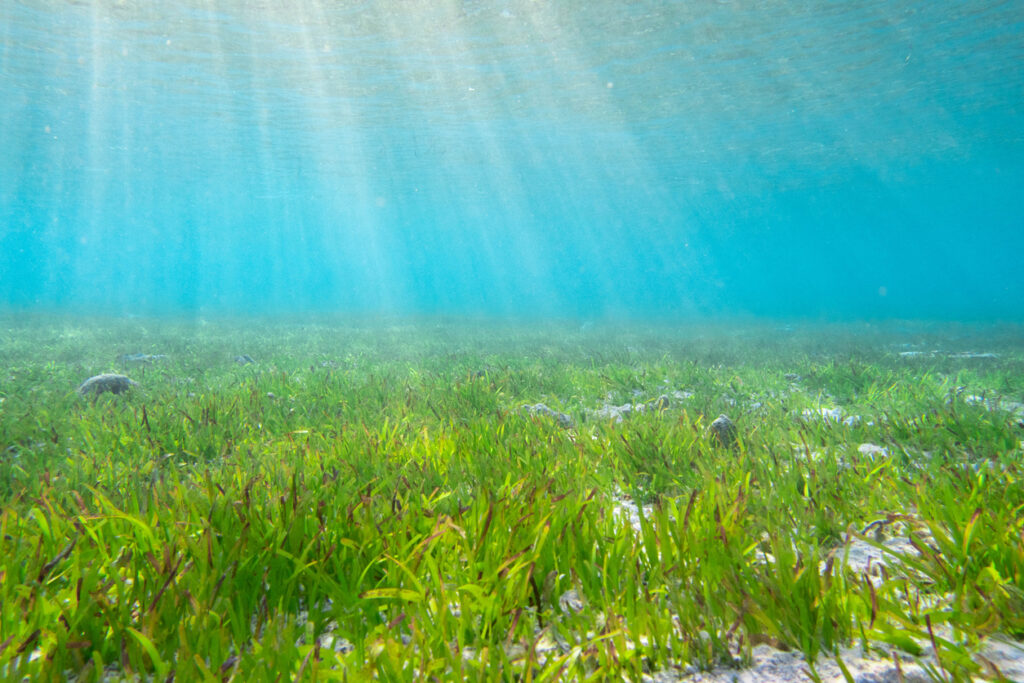
Seagrass meadows grow close to many parts of the British coast. These long green plants look like fields waving in the water. They’re home to small fish, young crabs and seahorses that use the blades for shelter. These meadows are important because they help clean the water and store carbon. They’re peaceful underwater spots filled with quiet movement and life.
Remains of ancient animal bones

The seabed sometimes holds bones from animals that lived on land long before the sea covered their home. People have found mammoth teeth, deer bones and even old human tools buried under the sand. These remains were left from a time when parts of the North Sea were dry land. Finding these pieces helps scientists understand how early humans and animals moved across ancient Britain. The seabed holds clues that would’ve been lost if the sea hadn’t kept them sealed away.
Underwater cliffs and deep drop-offs

Some sections of the seabed drop suddenly, forming steep cliffs that fall into darker water. These cliffs can be as dramatic as those on land but remain hidden from view. They’re places where currents mix and bring food for fish and other marine life. The deep edges attract larger animals like sharks and dolphins that visit for feeding. They help shape the flow of life along the coast without anyone above noticing.
Strange jelly-like creatures drifting near the bottom

Near the seabed, you can find unusual creatures like sea squirts, comb jellies and soft-bodied animals that look like floating blobs. They drift gently with the movement of the water and feed by filtering tiny particles.</ They might not look like much, but they play an important role in keeping the water healthy. They’re part of the quiet, delicate world that exists just below the waves.
Thick beds of mussels and oysters

On some parts of the seabed, mussels and oysters form large beds that act like natural filters. They clean the water as they feed and create safe places for young fish to hide. These clusters look simple but make a big difference to the health of coastal waters. As time goes on, these beds change the shape of the seabed by building up layers of shells. They’re one of the coast’s most overlooked but important underwater features.
Sunken military equipment from wartime

During the world wars, ships, planes and equipment were lost near the British coast. Many pieces still rest on the seabed, slowly being taken over by marine life. Some are still recognisable, while others have turned into rough shapes covered with algae. These objects remind us that the coast has seen moments of conflict. Nature has softened them over the years, turning once harsh objects into part of the underwater landscape.