Most of us like to think our pets know exactly who we are, but it’s one of those questions that nags at you
Do they actually recognise your face, or are they just responding to your voice or scent? Anyone who’s ever been greeted at the door by a wagging tail or watched a cat stare at them like they’re sizing up their soul has probably wondered how much of that is real recognition and how much is instinct.
Animals pay attention in ways we don’t always notice, and some species seem frighteningly good at picking people out of a crowd. Others rely more on smell, sound or movement, even if they act like they’re looking straight at you. Figuring out what’s going on behind those eyes can tell you a lot about how they see you, both literally and emotionally, and it’s a lot more interesting than people expect.
Dogs recognise faces better than most people think.

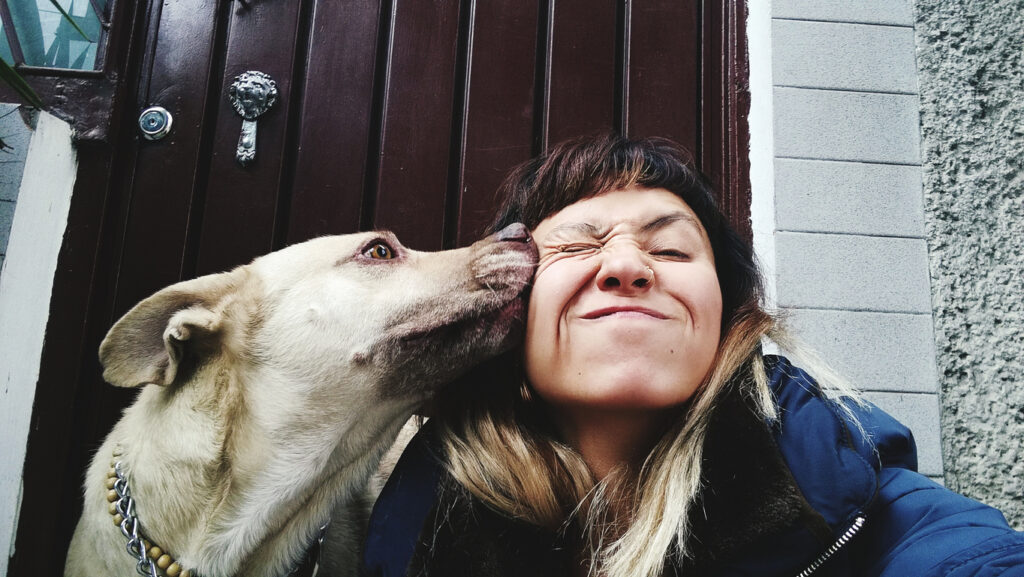
Dogs are famous for their sense of smell, but their ability to recognise faces is far stronger than people assume. When they look at you, they’re not just responding to your scent or your voice. They’re genuinely registering the structure of your face. Studies have shown they can identify their person even when the voice is removed and the familiar clothes aren’t there. They focus on the eyes, the shape of your head and even little patterns in your expression.
What’s lovely about this is that dogs don’t just recognise faces; they attach meaning to them, too. When they spot you, they link your face to warmth, safety, and the feeling of “my person is here now”. That’s why the reaction is instant, even across a busy room or from the far end of a park. They’re not guessing. They know.
Cats learn faces when they want to.
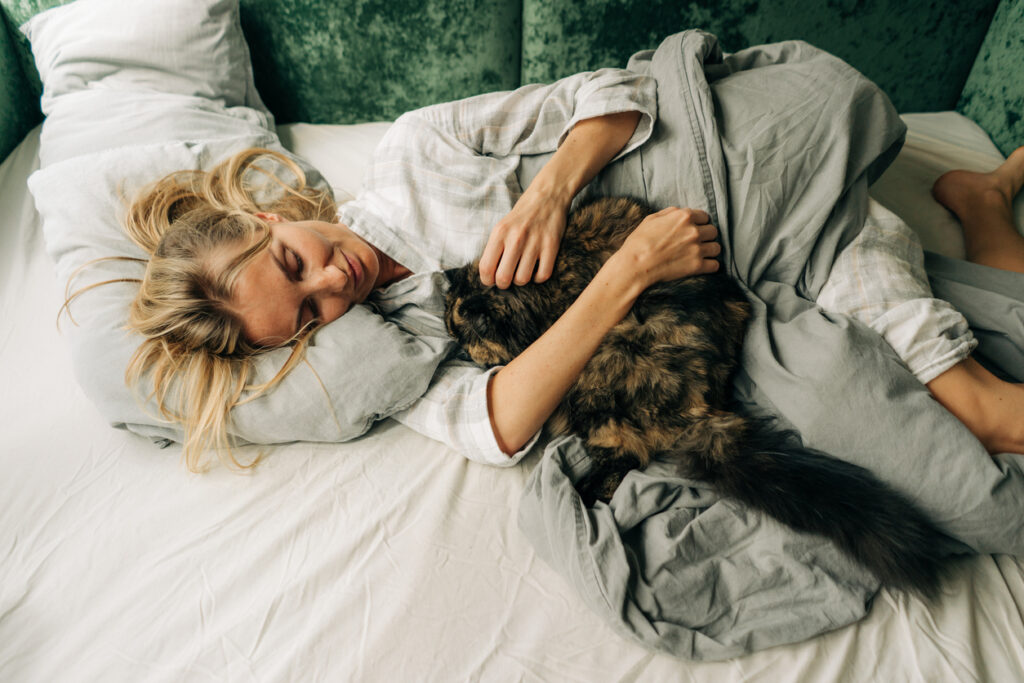
Cats get a reputation for being aloof, but they’re far more observant than they let on. They don’t rely on faces in the same way dogs do, but they still take in details like eye shape, expression, and the way you move your head. It might look like they’re ignoring you, but most house cats know exactly who belongs in their space and who doesn’t.
They tend to combine several cues, including your face, your voice, your movement, and your scent, and they build a complete picture from all of it. That’s why they act differently with the people they trust compared with new faces. Cats might not run up to you like dogs, but they absolutely know who they’re dealing with.
Horses remember human faces for years.
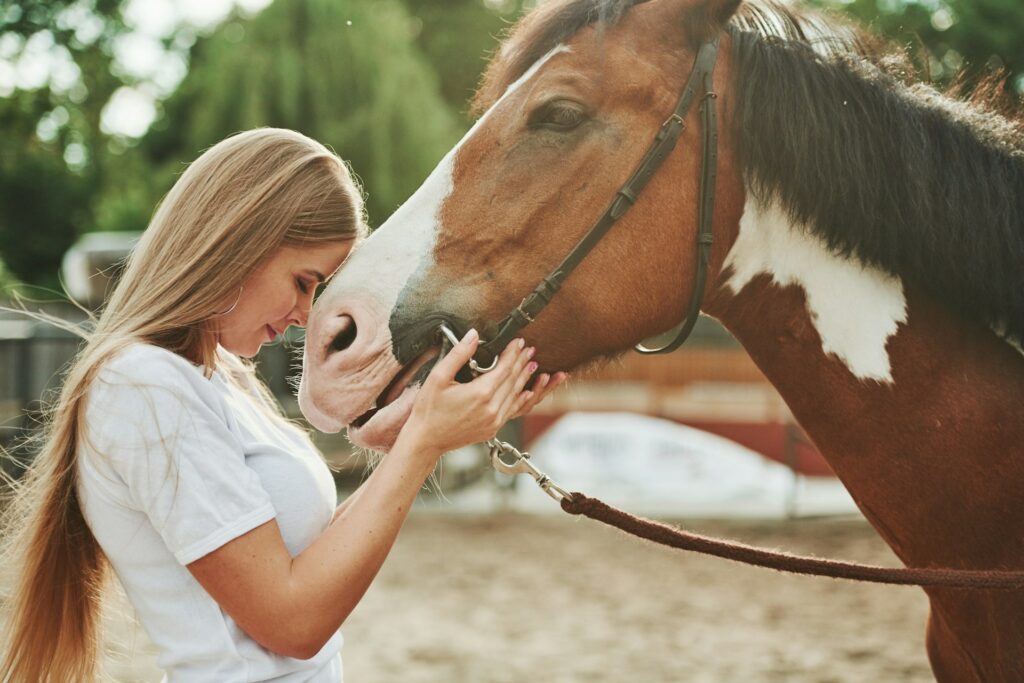
Horses are incredibly reactive to the world around them, and that includes the people they meet. They not only recognise faces, but they store those memories for years. They watch carefully, taking in expression and the way someone behaves. Once they’ve formed an opinion, it sticks.
Because horses connect faces to past handling, their reactions aren’t random. A person who treated them with care will get a softer, calmer response the next time they appear. Someone who was harsh or unpredictable? They’ll remember that, too. It’s a survival instinct mixed with remarkable memory.
Sheep can recognise dozens of human faces.
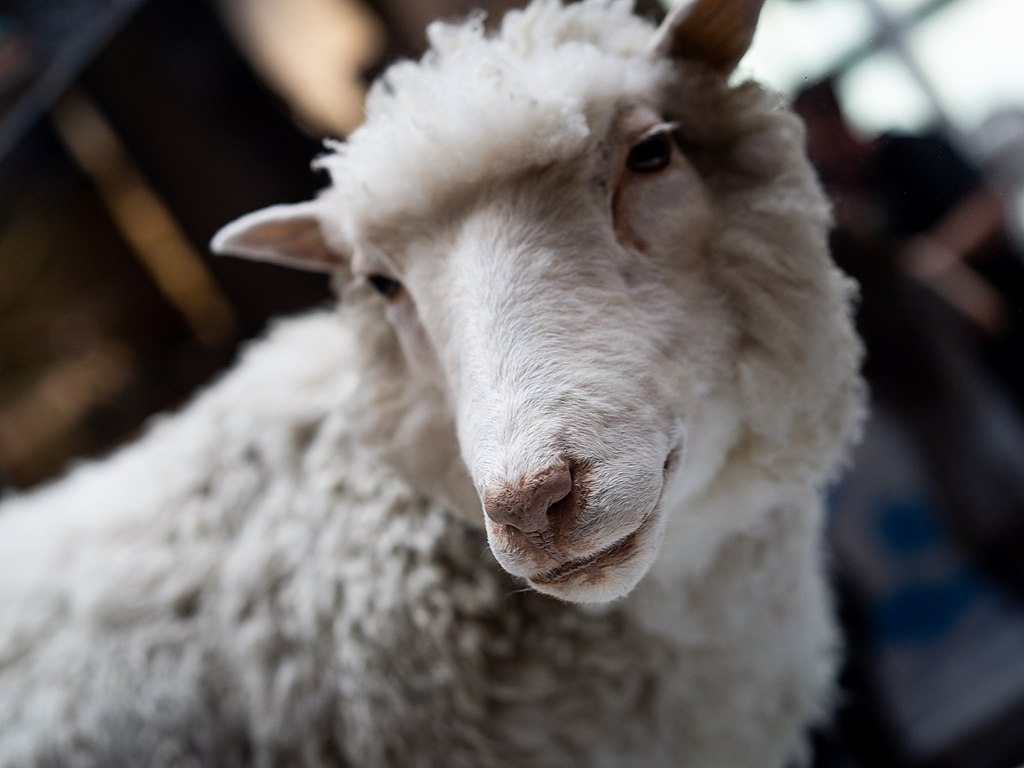
Sheep have surprisingly strong visual memory, and they’re capable of learning dozens of faces and recalling them long after the first meeting. This helps them tell which humans feel familiar and which don’t, and their behaviour changes instantly based on who they see approaching.
It’s a skill that makes life easier for farmers and handlers because sheep respond more calmly when faced with people they already know won’t scare or stress them. Their facial recognition skills don’t get much attention, but they’re impressive for an animal that many assume is simple or easily startled.
Ravens and crows never forget a face.
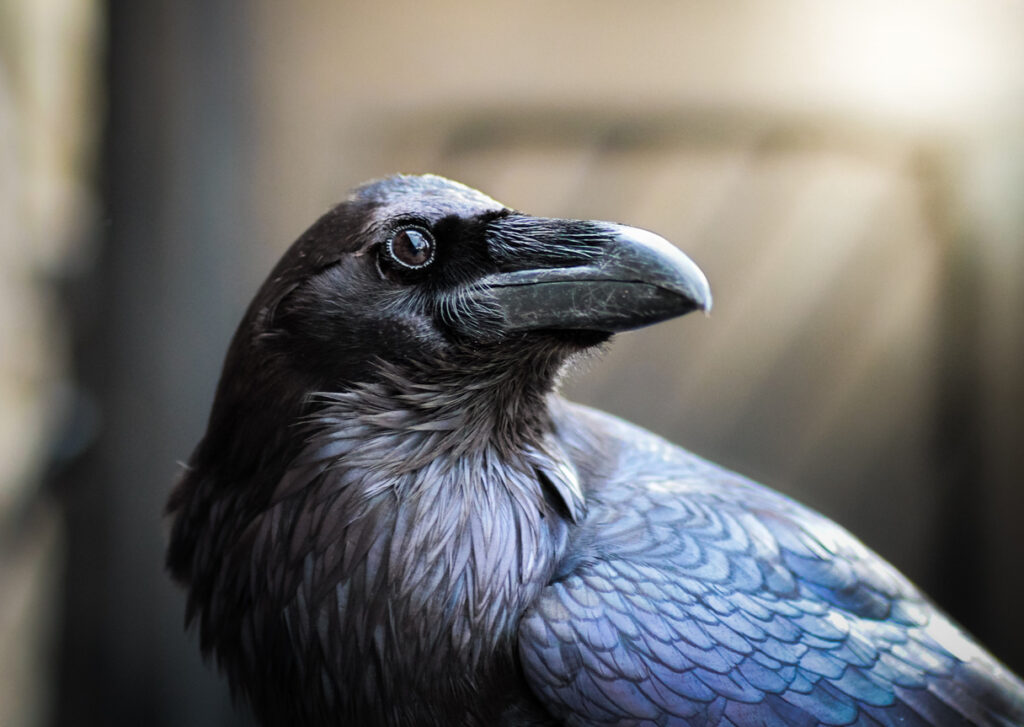
Ravens and crows are some of the most intelligent creatures on the planet. They take mental snapshots of faces and store them away, sometimes for years. They recall people, yes, but they also judge them. If someone treats them well, they remember. If someone harms them, they won’t let it go.
Even more astonishing is that they pass this information on. They warn other birds about certain people using specific calls. That means an entire group may react differently to you simply because of the impression you made on one bird months or even years before. It’s eerie and brilliant in equal measure.
Pigs can tell people apart by looking at them.
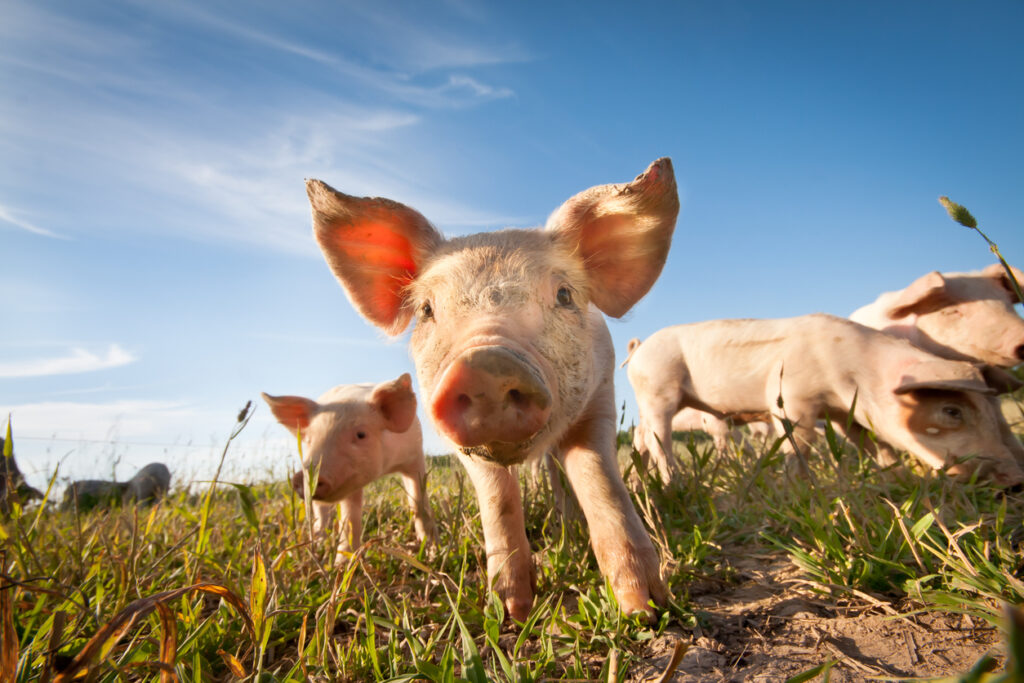
Pigs are far more observant than people realise. They can distinguish between human faces and quickly form associations based on how someone behaves around them. They pay attention to small visual cues like mouth shape and eye structure, and they remember these details with surprising accuracy.
When pigs recognise a familiar face, they tend to relax more quickly. They enjoy predictability and respond well to people they know will treat them gently. This recognition helps build trust and reduces stress, especially in farm environments where human contact is part of daily life.
Dolphins can recognise faces above and below water.
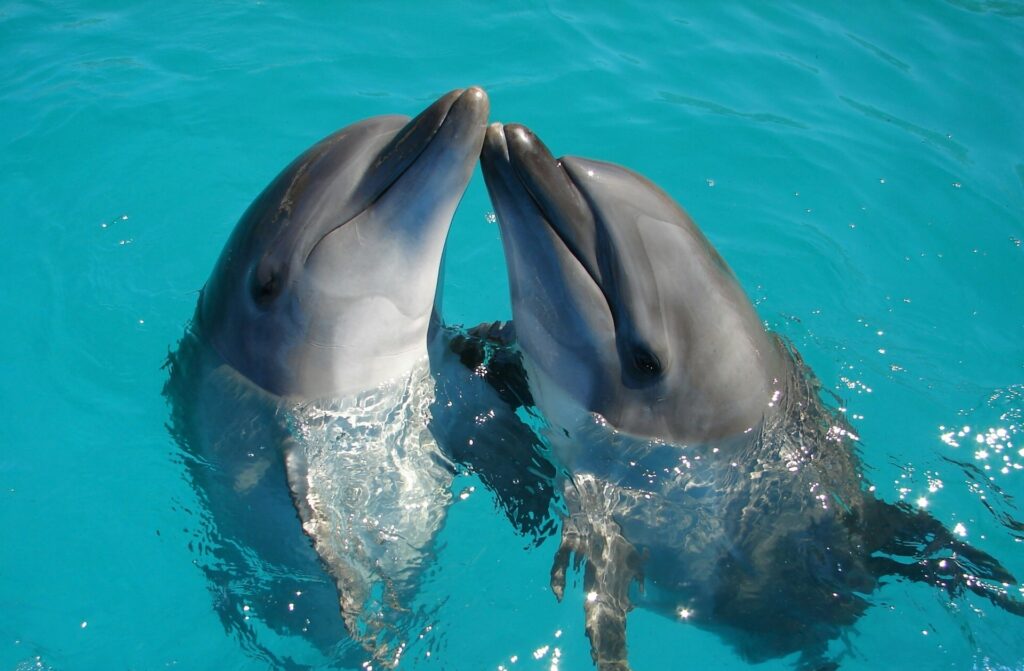
Dolphins usually rely on sound to identify members of their group, but they’re still skilled at recognising humans by sight. Even through water, they pick out faces, notice expressions and connect those details to previous encounters. They’re quick to respond positively to the people they spend the most time with.
This facial awareness helps trainers build strong bonds with them. Dolphins don’t just respond to commands; they respond to the person giving them. When they see a familiar face, they behave with more confidence and curiosity because they already know what to expect.
Parrots pay close attention to facial details.
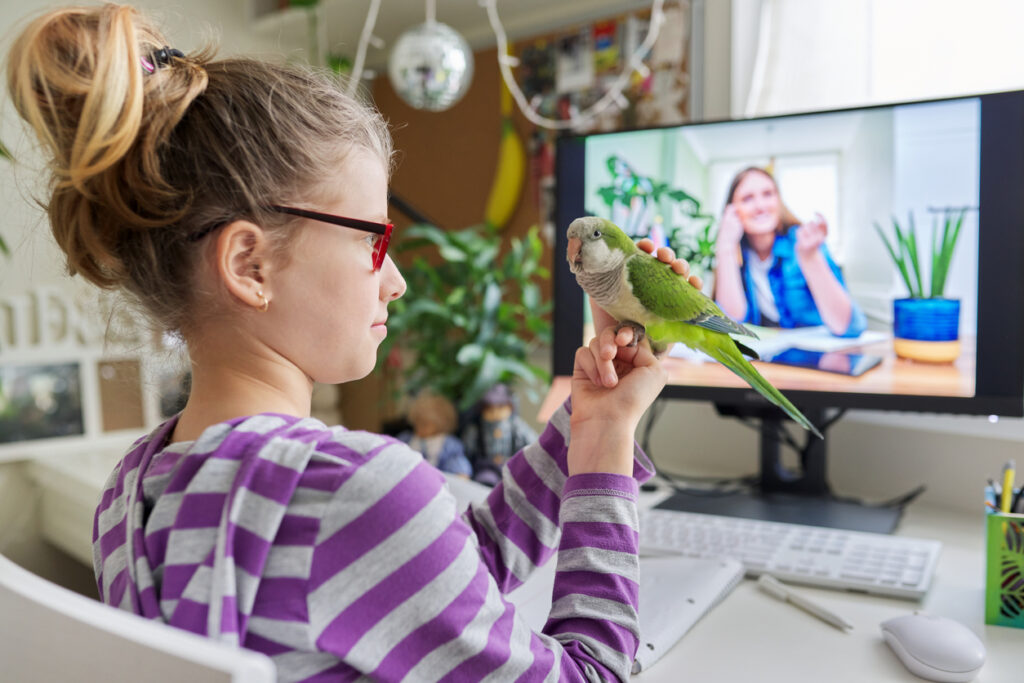
Parrots form tight bonds with their favourite humans, and facial recognition plays a big part in that. They’re constantly watching your expressions, eye movement and even the way your mouth shapes certain sounds. They learn these details as part of their emotional attachment.
Once a parrot has logged your face as “safe” and “familiar,” their behaviour changes noticeably. They relax, vocalise more, and show excitement in a way they won’t with strangers. They’re far more sensitive than people assume, and facial cues are a big part of how they navigate their social world.
Elephants can tell people apart even at a distance.
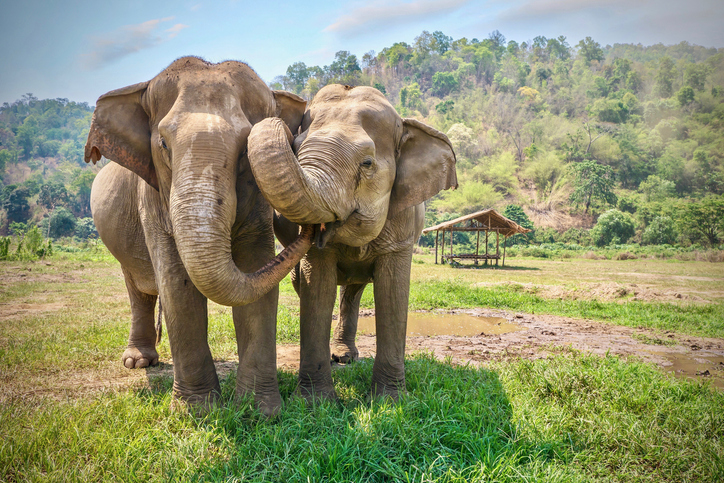
Elephants have extraordinary memory, and that includes recognising the faces of the humans around them. They’re very tuned in to subtle differences in shape, expression, and posture. Even from far away, they can work out who someone is long before the person gets close.
Their trust builds slowly but lasts for years. When they spot someone they recognise as safe or caring, their whole body language softens. Having that recognition helps them feel settled in environments where they’re surrounded by both familiar and unfamiliar humans.
Penguins recognise their keepers by their faces.

Penguins might not seem like the most observant animals, but they have surprisingly sharp eyesight. In zoos and sanctuaries, they learn the faces of the people who feed and care for them. They follow those people more readily, stay calmer and interact with more confidence.
Because their routine depends on specific humans, facial recognition helps them feel stable. It lets them know who they can trust and who they should treat with caution. That familiarity is crucial in environments where humans play a large role in their daily lives.
Goats can spot a familiar face from a photo.

Goats aren’t often associated with intelligence, but their facial recognition skills are genuinely impressive. They can match a human face in a photograph to the real person without any additional cues. This shows how visually tuned in they are and how quickly they learn human features.
They also respond more positively when they recognise someone. Their ears perk up, their posture changes, and they’re more willing to approach. It’s a lovely reminder that goats form connections in ways people often overlook.
Rats can recognise human faces too.

Rats might be small, but their memory is strong. They can learn the faces of the people they interact with often and distinguish them from unfamiliar ones. They don’t need scent to do this because their visual memory is enough.
That’s why domestic rats bond so quickly with their owner. They respond to familiar faces with curiosity and calmness. But when they see someone new, they hang back until they’ve worked out whether that face feels safe. It’s thoughtful, cautious, and very in line with their careful nature.