Some people aren’t satisfied with a gentle stroll through the woods; they’ve got a real hunger for the kind of adrenaline that only comes from staring straight down a 1,000-foot drop.

It’s a bit of a mystery why anyone would choose to spend their holiday clinging to a rusty chain on the side of a cliff, but these trails draw massive crowds every single year despite the very real risks. It’s that classic human trait of wanting to test ourselves against the elements, even when the elements are clearly winning.
When you’re standing on a path that’s barely wider than your boots, the margin for error completely disappears. These routes aren’t just about physical fitness; they’re a mental battle against vertigo and the unpredictable whims of mother nature. From crumbling sandstone to sudden lightning storms, these trails have earned their reputation for being genuinely lethal. Here are some of the most treacherous paths on the planet that hikers just can’t seem to stay away from.
El Caminito del Rey in Spain

Once known as the most dangerous walkway in the world, this narrow path clings to the side of a steep gorge in southern Spain. For years, it was crumbling, with broken boards and huge drops beneath your feet, and several hikers died before it was restored.
It has since been rebuilt with safety features, but the height alone is enough to unsettle even confident walkers. Strong winds, vertigo, and the simple reality of walking along a cliff face mean it still demands full focus, yet thousands visit each year for the dramatic canyon views and the thrill of saying they did it.
Mount Huashan Plank Walk in China
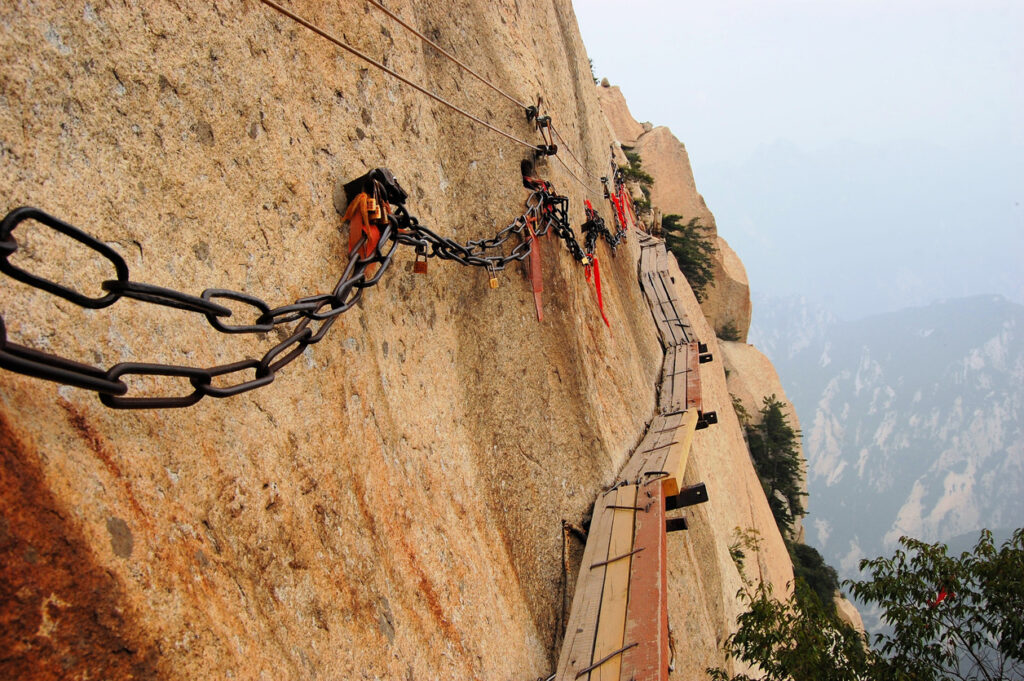
This trail involves stepping onto wooden planks bolted into a sheer cliff face thousands of feet above the ground. In places the path is barely wider than your boots, and hikers are clipped onto chains as they shuffle sideways along the rock. It’s not a long walk, but it’s intensely exposed, and one mistake would be catastrophic. Despite that, people travel from all over the world to test their nerves here, drawn in by the idea of conquering one of the most frightening hiking experiences on the planet.
Angel’s Landing in the United States

Located in Zion National Park, this trail starts out manageable but ends with a narrow ridge where chains are bolted into the rock to help hikers climb steep, exposed sections. The drop on either side is severe, and accidents have happened over the years, especially when people underestimate the physical and mental strain.
It’s not just the height that makes it risky, but the combination of heat, crowds, and people freezing up halfway along. Even with permits now required to limit numbers, it remains one of the most sought-after hikes in America.
The Drakensberg Traverse in South Africa
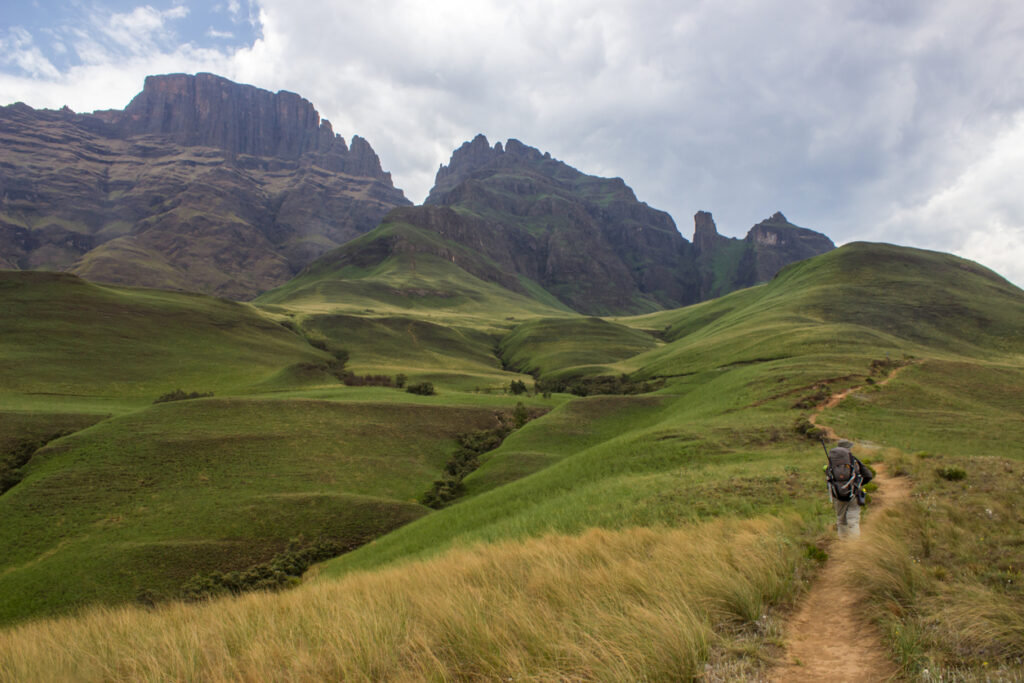
This isn’t a neat, marked trail, but a long, remote mountain route that requires navigation skills and serious preparation. The weather can change quickly, turning clear skies into storms within hours, and there are few easy escape points once you commit.
Hikers must deal with exposure, steep terrain, and the mental challenge of long stretches without clear paths. It attracts experienced adventurers who want raw wilderness, but that same remoteness is exactly what makes it so dangerous if something goes wrong.
The Maze in Canyonlands, United States
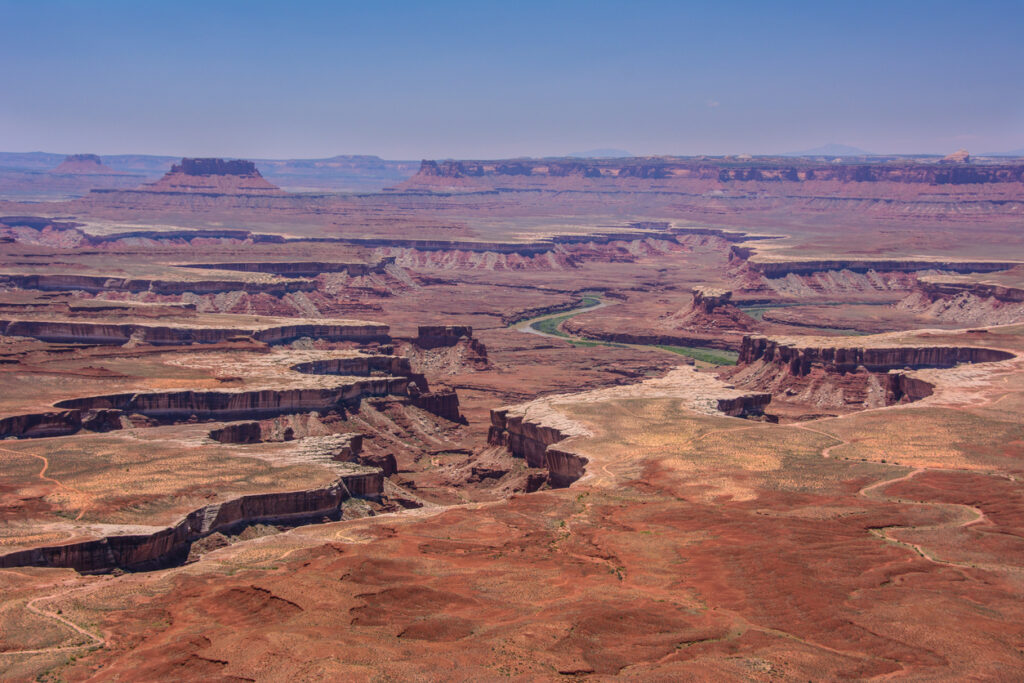
The Maze is one of the most remote areas in the American national park system. It’s a landscape of twisting canyons and rock formations that look similar from every angle, which makes navigation extremely difficult. Temperatures can soar in summer, and water sources are limited, so dehydration is a real threat.
Rescue operations are complicated and slow because of how isolated the area is. Still, hikers are drawn to the feeling of true solitude and the challenge of navigating such a wild and unforgiving place.
Kalalau Trail in Hawaii

This coastal trail on the island of Kauai offers breathtaking views of cliffs and ocean, but it also comes with slippery sections, sudden drops, and unpredictable weather. Heavy rain can turn parts of the path into mud, increasing the risk of falls. Flash floods have caught hikers off guard in the past, and some have lost their lives trying to cross swollen streams. Even so, the dramatic coastline and the promise of a secluded beach at the end keep people coming back year after year.
Mount Washington in the United States

Mount Washington doesn’t look especially intimidating compared to giant peaks around the world, but it’s famous for extreme and rapidly changing weather. It has recorded some of the strongest wind speeds ever measured on Earth, and conditions can shift from calm to life-threatening in a short time.
Hikers who set off in mild weather can find themselves battling freezing temperatures and low visibility higher up. Despite the risks, many underestimate it because of its modest height and well-known name.
Aonach Eagach Ridge in Scotland

This narrow ridge in the Scottish Highlands is stunning but unforgiving. It involves scrambling over sharp rock with significant drops on either side, and there’s very little room for error. Strong winds and rain can make the rock slick, increasing the danger.
It’s certainly not a casual stroll, yet some walkers attempt it without fully appreciating the exposure. The dramatic Highland scenery and the appeal of completing one of Scotland’s most famous ridges continue to draw people in.
Mount Everest Base Camp via the Khumbu region

While reaching Everest Base Camp doesn’t require technical climbing, the altitude alone makes it risky. Altitude sickness can affect anyone, even fit and experienced hikers, and symptoms can escalate quickly if ignored. The terrain includes steep sections, suspension bridges, and uneven paths that test endurance.
Add in cold temperatures and the physical strain of multi-day trekking, and it becomes clear this isn’t a simple walk. Even so, the chance to stand at the foot of the world’s highest mountain is enough motivation for thousands each year.