There’s a reason why almost everyone feels a massive sense of peace when looking out over a rolling valley or watching waves crash against a rugged coastline.

We’re not just appreciating a pretty view; there’s actually a deep, evolutionary pull at work that’s been hard-wired into our brains for thousands of years. It’s a bit fascinating to think that what we call beauty is often just our ancient instincts whispering that a specific spot looks like a safe place to survive.
We’ve moved into cities and surrounded ourselves with concrete, but we’ve not managed to shake off that primal connection to the natural world. Whether it’s the specific way light hits the trees or the vast openness of a meadow, our brains are constantly scanning the horizon for signs of water, food, and shelter. It’s a mix of biology, psychology, and a bit of mystery that explains why certain scenes just make us stop and stare. Here are some of the reasons why some landscapes feel so right to us.
Our brains are wired to find safe places attractive.

A lot of what humans find beautiful in a landscape comes down to survival instincts that go back hundreds of thousands of years. Open views with some shelter nearby, fresh water visible in the distance, varied terrain that offers both escape routes and hiding spots are all things we read as safe to the ancient part of the brain, and that sense of safety gets processed as beauty. We’re essentially admiring real estate our ancestors would have wanted to live in.
Water makes almost everything more appealing.
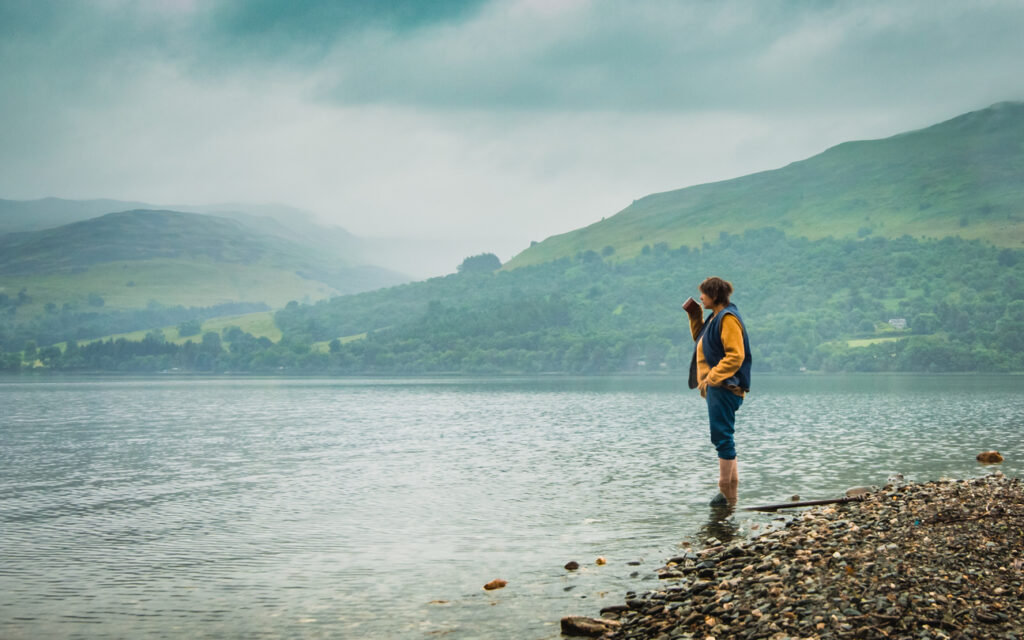
Humans are drawn to water in landscapes with a consistency that’s hard to explain away as coincidence. Rivers, lakes, coastlines, and even small streams reliably make a scene more attractive to people, regardless of where they grew up or what landscapes they’re used to. The most straightforward explanation is that water meant survival, and that association is so deeply embedded that it still shapes what we find beautiful today, even when we have a tap in the kitchen.
We like being able to see without being seen.
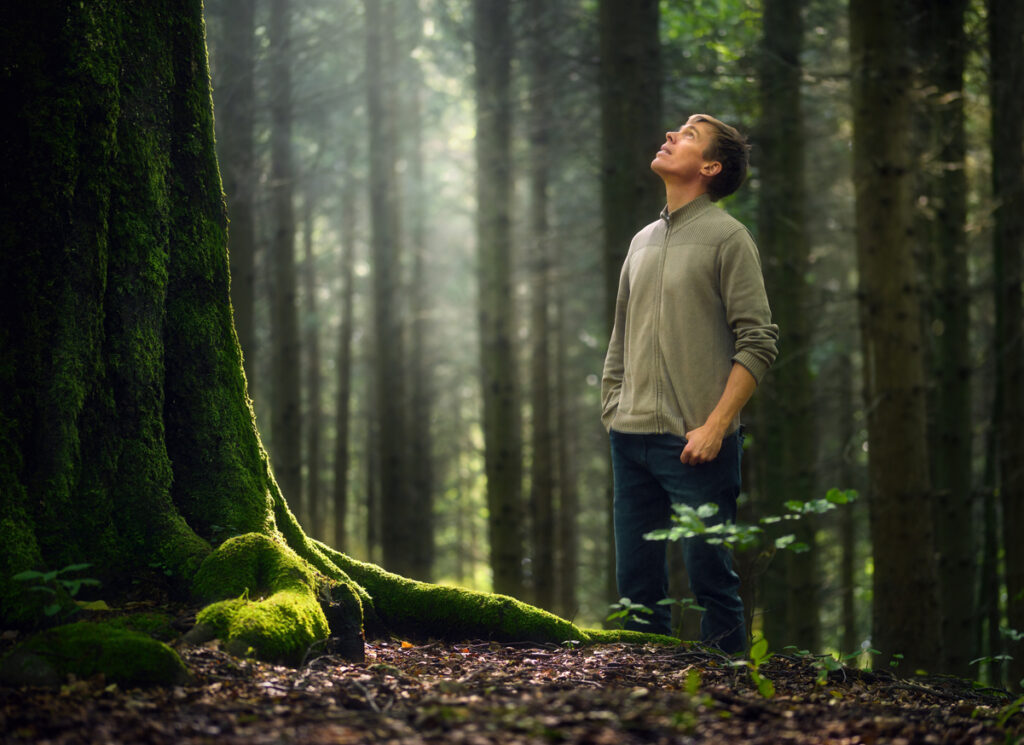
Psychologists who study landscape preference have found that people are consistently drawn to views that offer what they call prospect and refuge. Prospect means being able to see a long way, across open ground or from a height. Refuge means having something solid behind you, a hillside, a tree line, a cliff edge at your back. The combination feels instinctively comfortable, and landscapes that offer both tend to be rated as more beautiful than those that offer only one or neither.
Certain colours trigger positive responses.
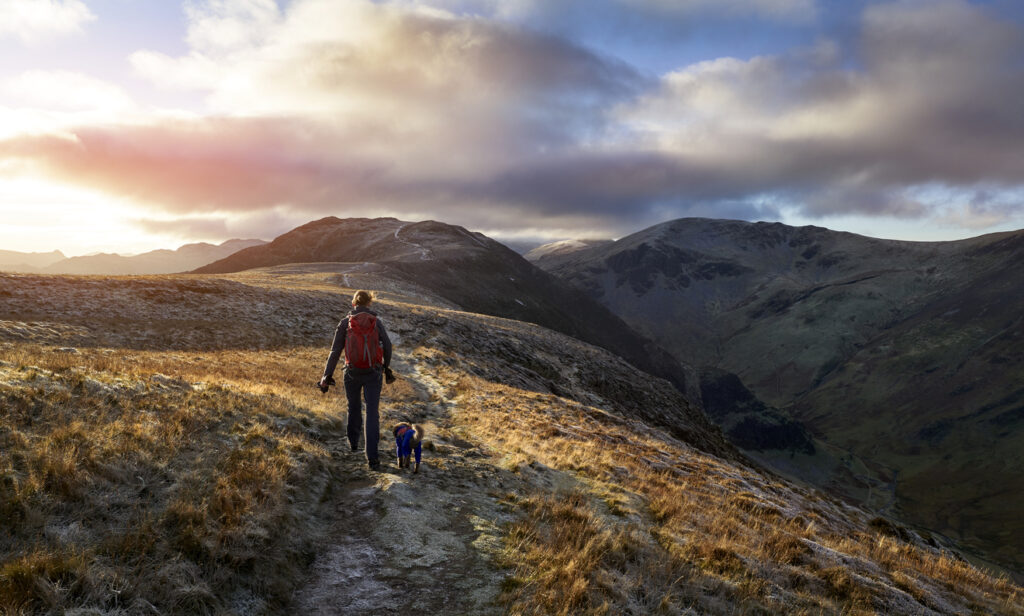
Green and blue consistently rank as the most calming and pleasurable colours across different cultures and age groups, and those are also the dominant colours of most landscapes people describe as beautiful. Green signals vegetation, food, and life. Blue signals water and open sky. The brain seems to respond to those colours with something close to relief, which over time gets interpreted as a feeling of beauty rather than just the absence of threat.
Complexity keeps the brain pleasantly busy.

Completely flat, featureless landscapes tend to feel less beautiful to most people than ones with variation, texture, and detail. The brain appears to enjoy having things to look at and explore visually, and a landscape with hills, varied vegetation, changing light and interesting shapes gives it plenty to work with. Too simple and it becomes dull. Too chaotic and it becomes overwhelming. The landscapes that tend to be called beautiful usually sit somewhere in the middle, offering enough complexity to stay interesting without becoming stressful.
Light changes everything.

The same landscape at midday and at golden hour can feel like completely different places, and most people respond to the latter far more strongly. Low angled light creates shadows, adds depth, warms colours and makes textures more visible, all of which make a scene more visually interesting. Sunrises and sunsets are reliably described as beautiful across every culture on earth, which suggests the response to particular qualities of light is fairly universal rather than learned.
We respond to signs of life.
A landscape with visible wildlife, moving trees, birds in flight or even just grass moving in the wind consistently feels more alive and more beautiful than a static one. The brain is tuned to notice movement partly because movement once meant either opportunity or threat, and that attentiveness hasn’t gone away. A landscape that looks genuinely inhabited and active feels richer than one that looks empty, and that richness gets translated into a sense of beauty fairly directly.
Familiarity plays more of a role than people realise.
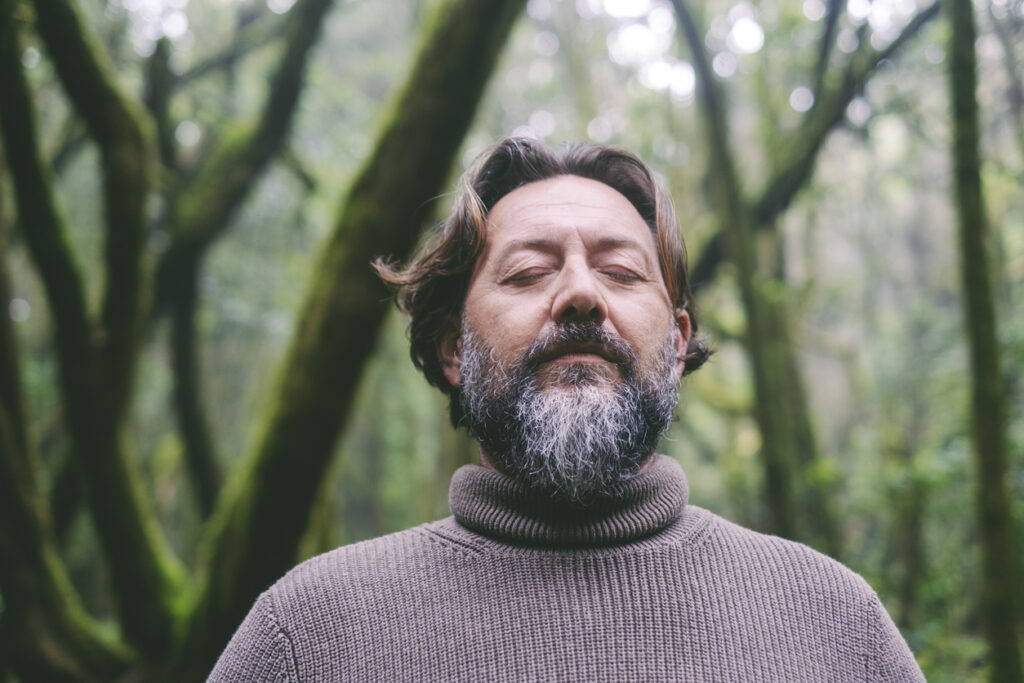
People tend to find the landscapes they grew up around more beautiful than strangers do, which suggests that part of what we call beauty is actually recognition and emotional memory layered on top of a view. Someone who grew up near flat fenland often finds a beauty in it that visitors miss entirely, while those same visitors might be moved by a mountain range that the people who live beneath it have stopped really seeing. Beauty in landscapes is partly universal and partly very personal.
Wildness feels appealing because most of us rarely experience it.

There’s a particular kind of beauty that people describe when standing somewhere genuinely remote, a landscape with no roads, no buildings, no sign of human presence at all. Part of that response is about contrast with ordinary life, and part of it seems to be something deeper about feeling small in a way that’s oddly comforting rather than threatening. The less access people have to genuinely wild landscapes, the more powerful the response tends to be when they finally encounter one.
Seasons add a layer that flat images never quite capture.

The beauty people feel standing in a forest in autumn or watching snow settle on open fields is tied up with time as much as sight. Seasonal landscapes carry an emotional weight that comes from knowing they’re temporary, that the light will change, the leaves will fall, the snow will melt. That quality of impermanence seems to intensify the response considerably. A lot of what people describe as breathtaking in a landscape is really about the feeling that you’re seeing something that won’t last.
The brain rewards exploration.

Landscapes that draw the eye toward something partially hidden, a path curving out of sight, a valley visible between hills, light falling on something just out of full view, tend to be rated as more beautiful than ones that reveal everything immediately. There’s a theory that this preference evolved because the promise of more resources just beyond the visible range was worth pursuing, and that the curiosity those landscapes trigger still reads as pleasurable even when there’s nothing practical at stake.
Beauty in landscapes might be one of the few things humans genuinely agree on.

Researchers who’ve tested landscape preferences across very different cultures have found more agreement than disagreement. Certain types of scenes, open savannah-like environments with scattered trees, elevated viewpoints over water, lush green valleys with visible shelter, come up repeatedly as beautiful regardless of whether the people rating them have ever seen anything like them in real life. The suggestion is that some part of what humans find beautiful in the natural world is shared at a level that goes much deeper than taste or culture or individual experience.