Pet cameras have changed everything.

What people assumed were calm, well-behaved animals waiting patiently for their return turned out to be something else entirely. Here’s what’s actually going on.
Dogs hold full conversations with themselves.
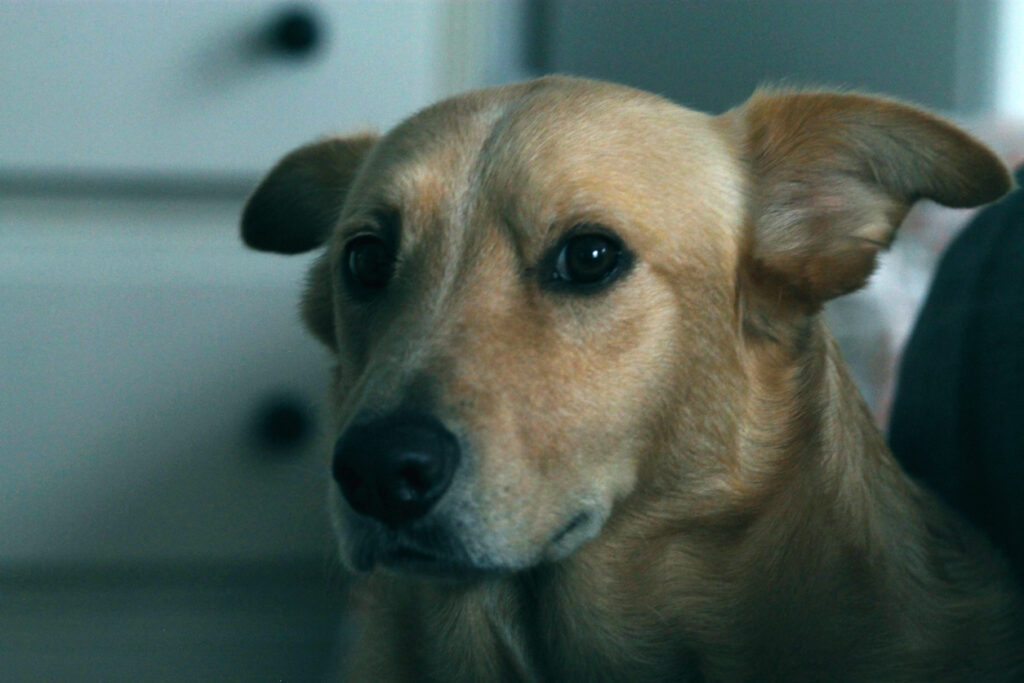
Solo vocalisations in dogs are far more common than most owners realise, and they’re not always triggered by outside noise or separation anxiety. Dogs left alone have been caught on camera barking, whining and making noises at absolutely nothing, apparently just for the sake of it. Some behaviourists think it’s a form of self-soothing. Others aren’t entirely sure what’s happening. Either way, the idea that your dog sits in dignified silence while you’re at work is almost certainly not what’s actually happening.
Cats stare at walls for extended periods.
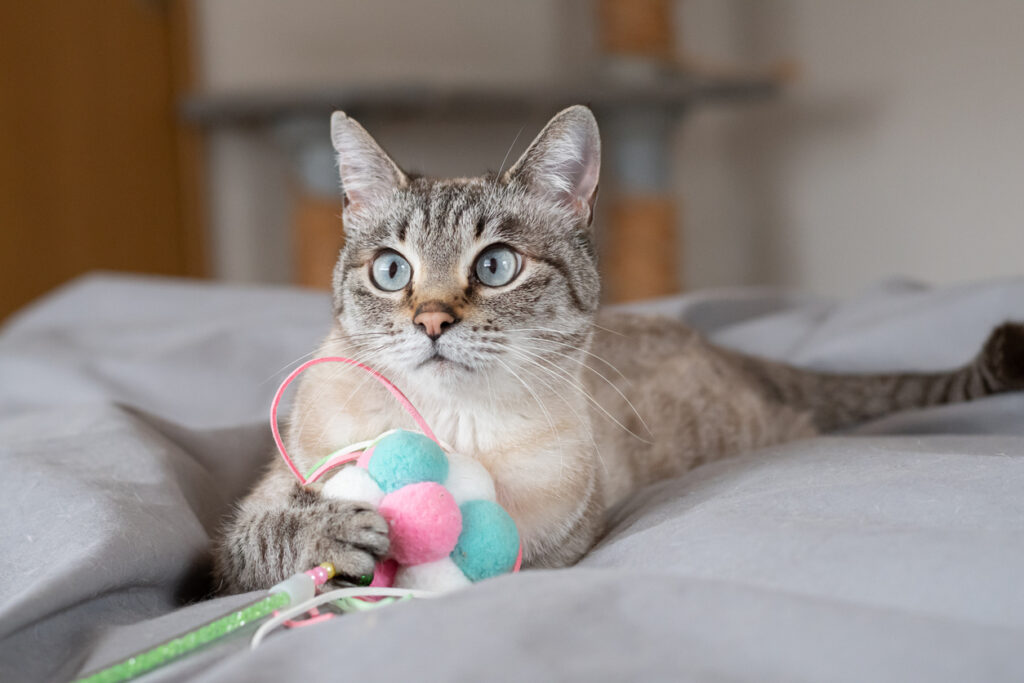
This one has been documented so many times on pet cameras that it barely surprises cat owners anymore, but it’s still genuinely strange when you watch the footage. A cat will sit completely still, staring intently at a specific patch of wall or ceiling for minutes at a time, with the kind of focus usually reserved for prey. The most likely explanation is that they’re detecting sounds or movements inside the walls that human ears miss entirely, but the intensity of it is unsettling either way.
Dogs rearrange furniture in small but deliberate ways.
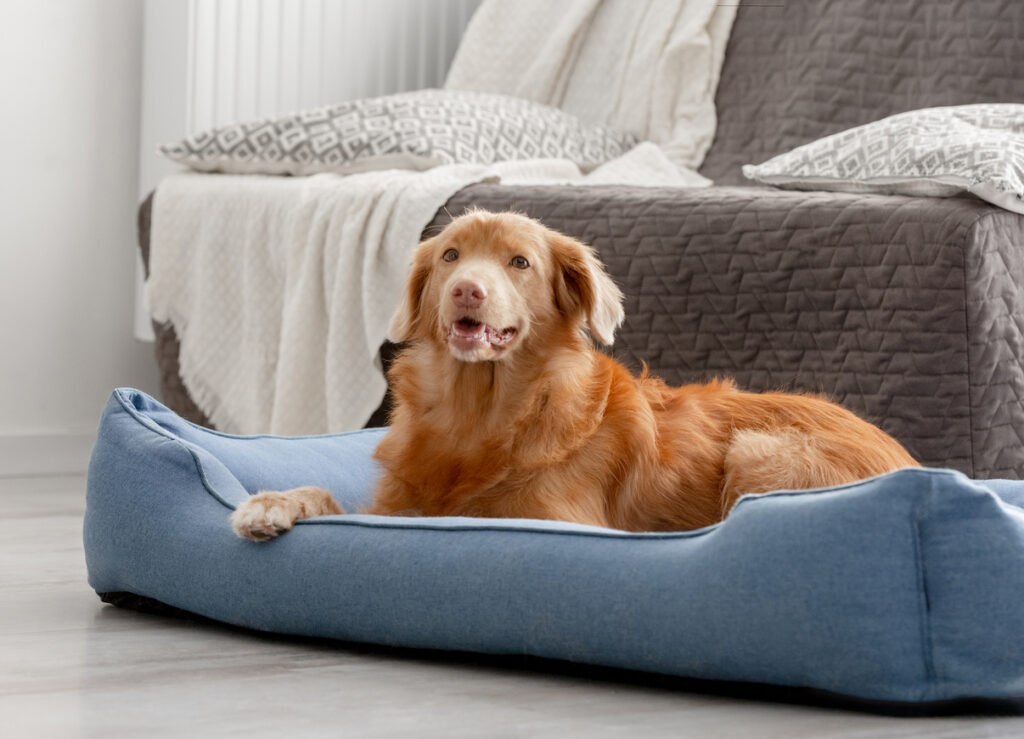
Not dramatically, but owners have come home to find cushions moved, rugs shifted and objects nudged into different positions with no obvious explanation. Camera footage tends to reveal a dog spending a surprising amount of time and apparent thought repositioning their bed, blankets or nearby soft furnishings before settling. It seems to be about creating exactly the right nest, and the precision involved suggests they have a very specific idea of what comfortable looks like.
Cats bring gifts to empty rooms.
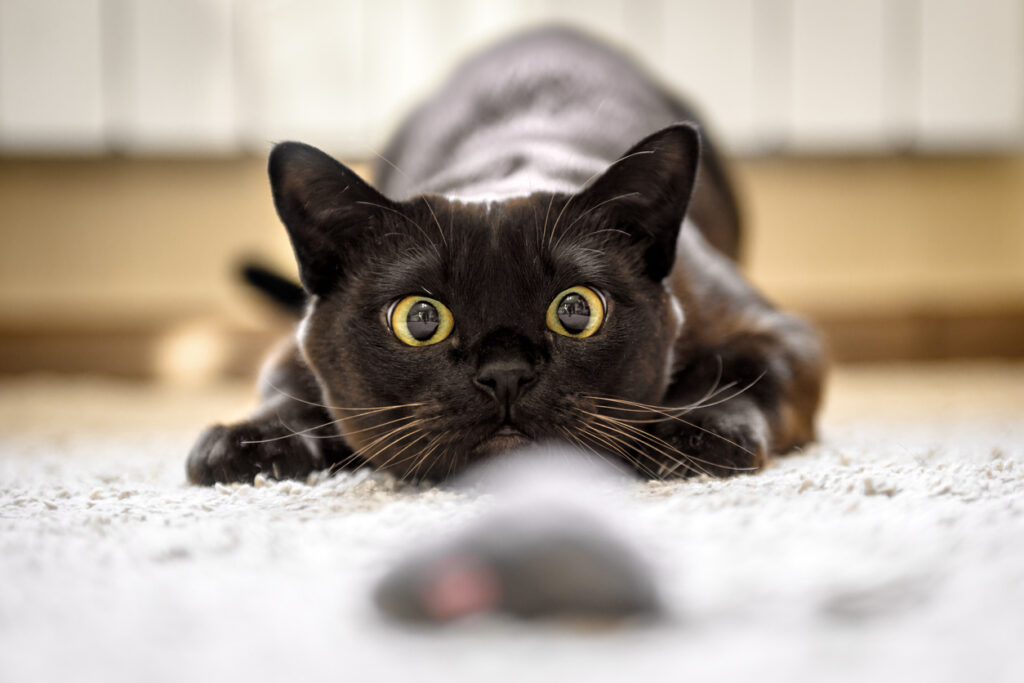
Cats that hunt or carry toys will sometimes deposit them in particular spots around the house while their owners are out, apparently as offerings with no audience to appreciate them. The behaviour mirrors what cats do when bringing prey to trusted companions, suggesting the cat is thinking about the absent person and responding to that in the only way it knows how. It’s oddly touching once you understand what’s actually behind it, even if the gifts are occasionally something that was once alive.
Dogs check every room before settling.
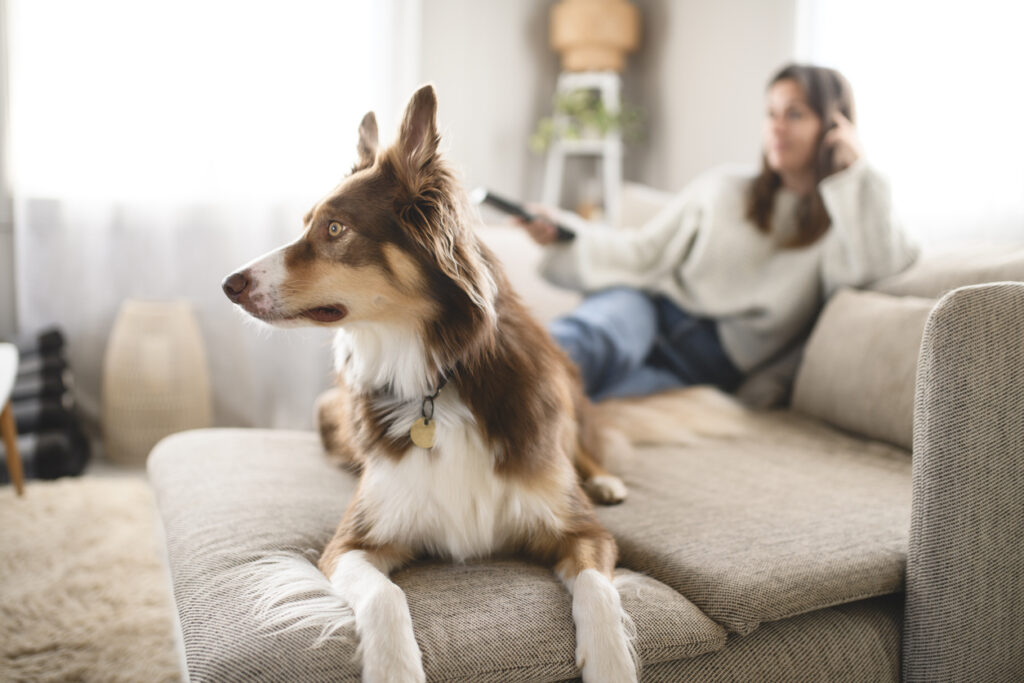
Most owners assume their dog picks a spot and stays there. Camera footage tends to tell a different story. A lot of dogs do a systematic circuit of the house shortly after their owner leaves, checking each room in turn before finally choosing where to settle. It looks remarkably purposeful, almost like a security sweep, and some dogs repeat it several times before they’re satisfied. Whether they’re looking for their owner or just confirming the layout of their territory seems to depend on the individual dog.
Rabbits binky frantically in empty rooms.
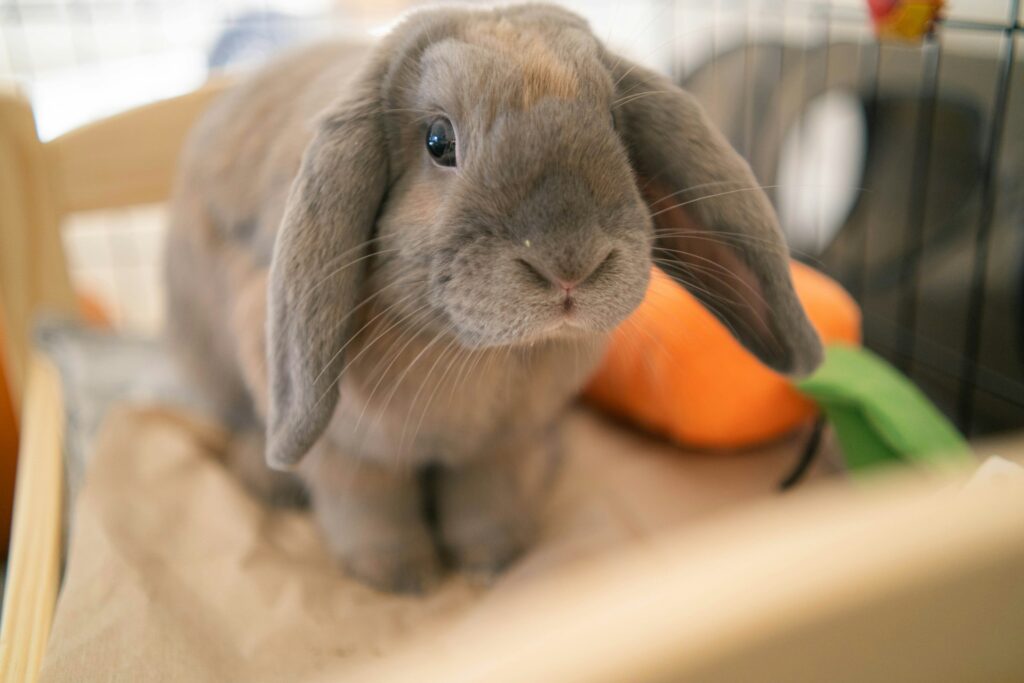
A binky is the term for the explosive jump-twist move rabbits perform when they’re feeling genuinely joyful, and some rabbits apparently save their best ones for when nobody is watching. Owners who’ve set up cameras expecting to find a sedentary animal have been surprised to discover their rabbit tearing around the room, launching itself into the air and performing impressive acrobatics with an energy that’s rarely on display when people are present. It turns out rabbits are considerably more fun than their reputation suggests.
Cats knock things over with apparent intent.
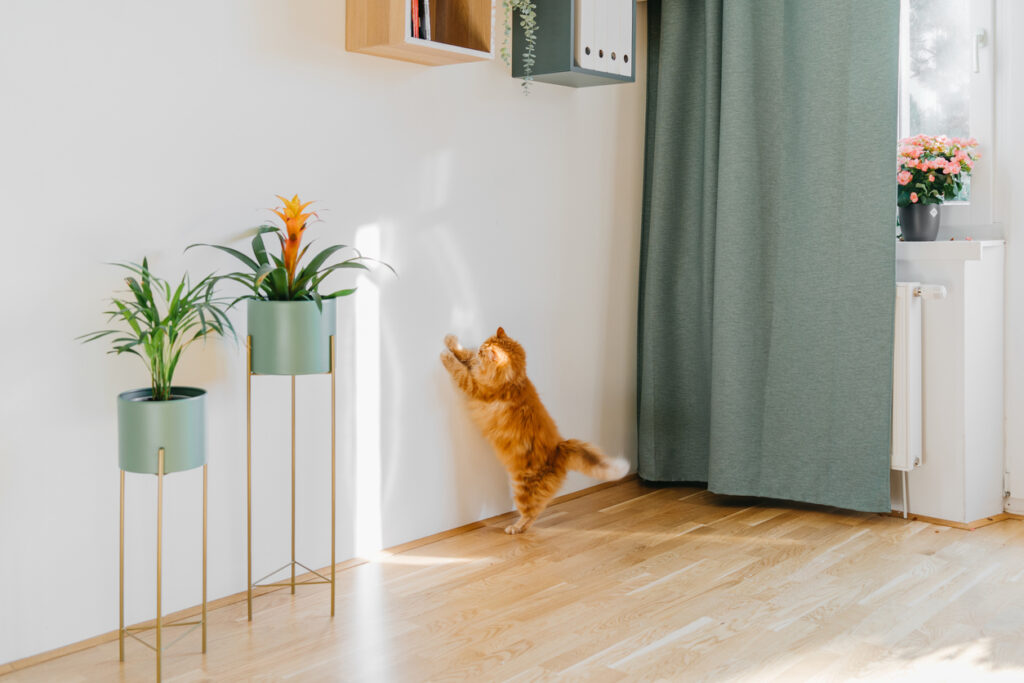
The well-documented tendency cats have for pushing objects off surfaces is something most owners witness directly, but the solo version is apparently even more deliberate. Camera footage shows cats approaching specific objects, studying them briefly and then knocking them to the floor with a precision that doesn’t look accidental in the slightest. The leading theory is that it’s predatory behaviour directed at inanimate objects, but there’s a reasonable body of evidence suggesting some cats are just interested in what happens when things fall.
Dogs sleep in their owner’s spot.
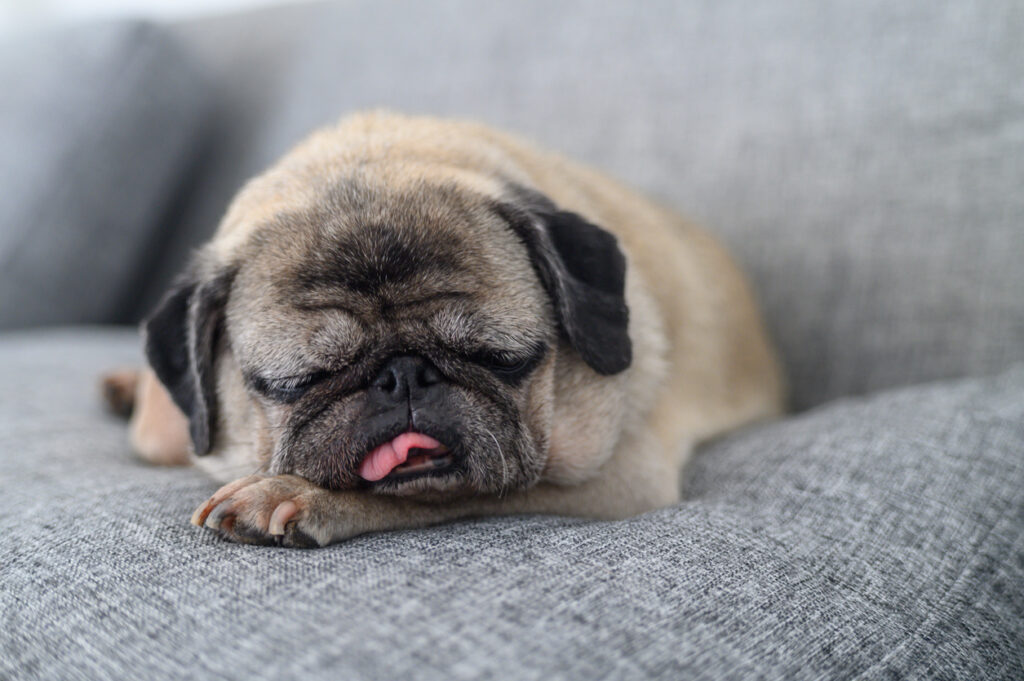
The moment an owner leaves, a significant number of dogs migrate directly to wherever that person usually sits or sleeps and stay there for much of the time they’re gone. It’s scent-based comfort behaviour, with the dog seeking out the strongest concentration of their owner’s smell as a way of managing the absence. What makes the camera footage entertaining is the speed of the transition. Some dogs are on the sofa before their owner has even closed the front door.
Cats hold apparently meaningful staring contests with mirrors.
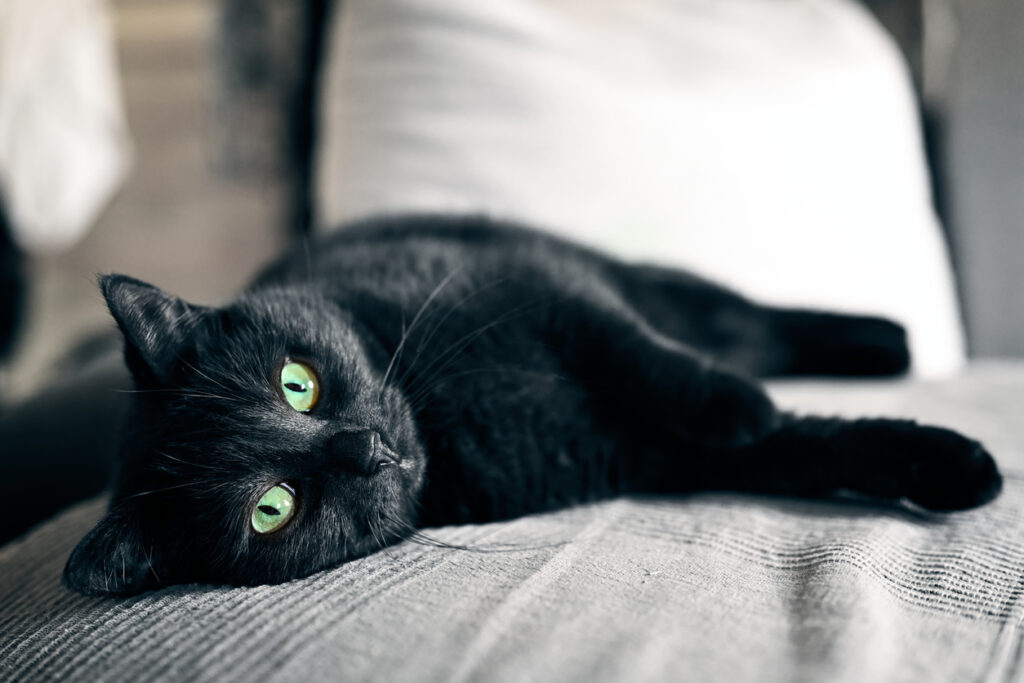
Unlike dogs, who typically lose interest in their own reflection fairly quickly, some cats return to mirrors repeatedly and engage with what they see in a way that goes on far longer than curiosity would seem to require. Whether they understand they’re looking at themselves is genuinely debated among animal cognition researchers, but the behaviour on camera tends to look less like confusion and more like a cat that has found something worth keeping a close eye on.
Parrots talk to themselves extensively.

Parrots kept as pets will often reproduce entire conversations, sound effects and phrases while alone, apparently running through everything they’ve absorbed with nobody around to hear it. Some owners have come back to find their parrot mid-sentence, apparently in the middle of a detailed monologue. Researchers think solo vocalisation in parrots is connected to practising and reinforcing learned sounds, but the footage of a parrot having what sounds like both sides of a telephone conversation alone in a kitchen is hard to watch without finding it funny.
Dogs react to their owner’s scent on laundry.
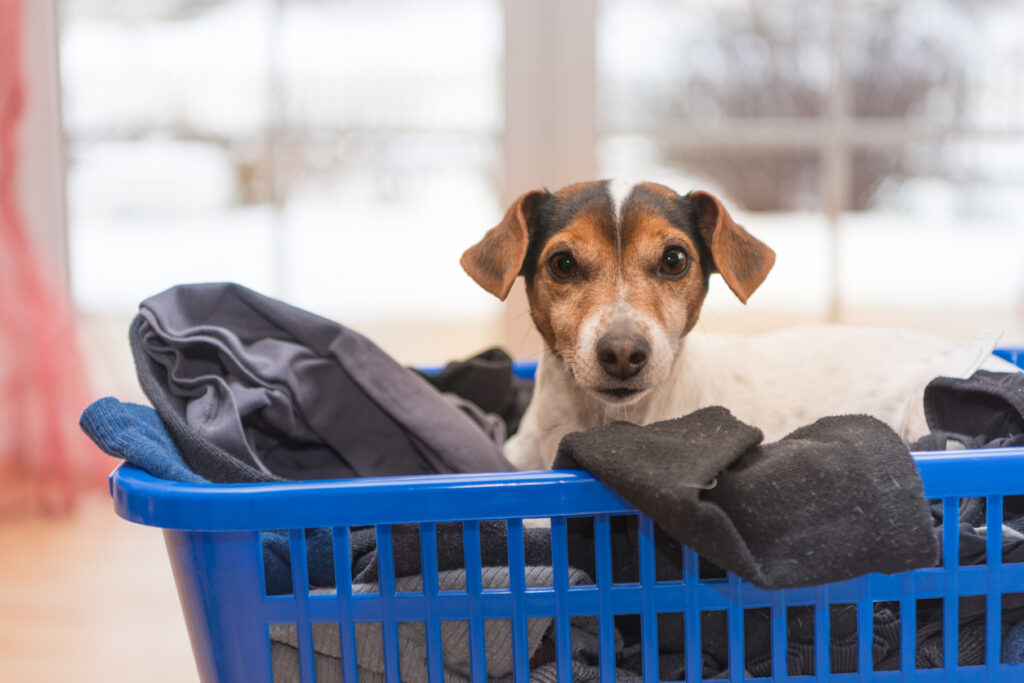
Unwashed clothing left accessible to a dog while their owner is away tends to become a significant event. Dogs have been filmed carrying items to their sleeping spot, lying on them, and in some cases rearranging them with obvious care before settling. The behaviour is thought to be comfort-driven and connected to how powerfully scent communicates presence to a dog. It’s one of those things that feels sentimental when you see it, which is presumably not how the dog is thinking about it at all.
Cats wake up, look around, and go back to sleep immediately.

Camera footage of cats alone frequently captures a pattern that looks almost meditative. A cat will wake suddenly, lift its head, scan the room with complete attention, find nothing of note, and return to sleep within about thirty seconds. This happens repeatedly throughout the day and seems to be standard feline operating procedure rather than anxiety. The efficiency of it is actually quite impressive. They check the situation, conclude it requires no action, and return to what they were doing without any apparent stress about the process.
Dogs look out of the window at a specific time.
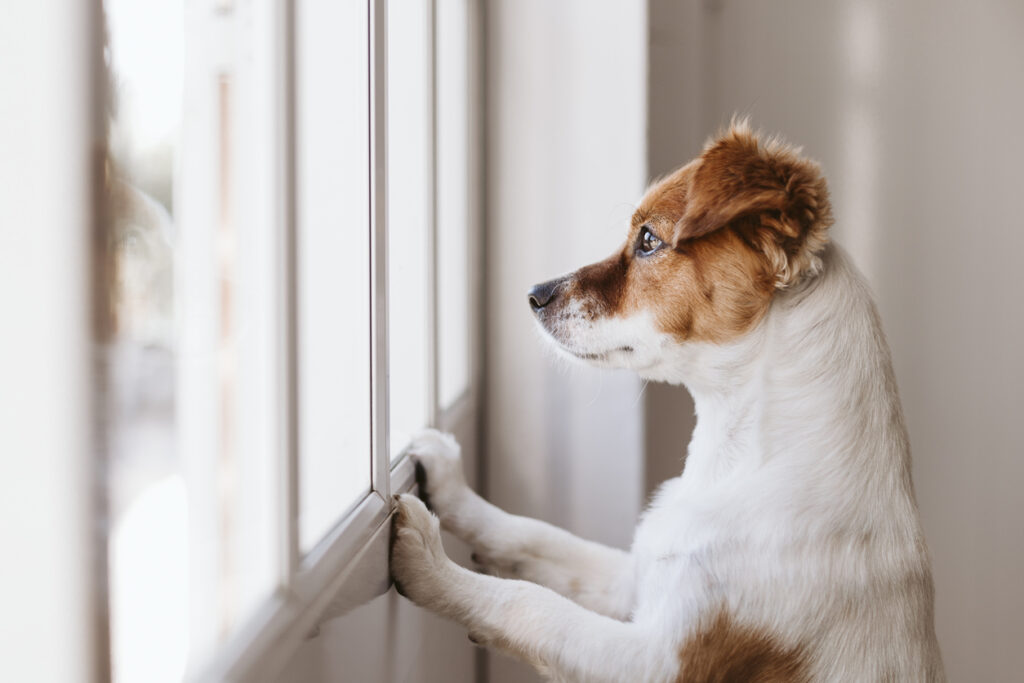
Several studies and a considerable amount of pet camera footage have shown that dogs often position themselves at a window or door at roughly the time their owner is due home, even before any sound or signal could have alerted them. The most widely accepted explanation involves scent concentration in the home dropping to a level the dog detects as meaning their person is close. Whatever the mechanism, watching a dog take up its waiting position with quiet certainty before anyone has arrived is one of the more quietly remarkable things a pet camera can catch.