Films have shaped the way we picture dinosaurs far more than school lessons ever did (looking at you, “Jurassic Park”).
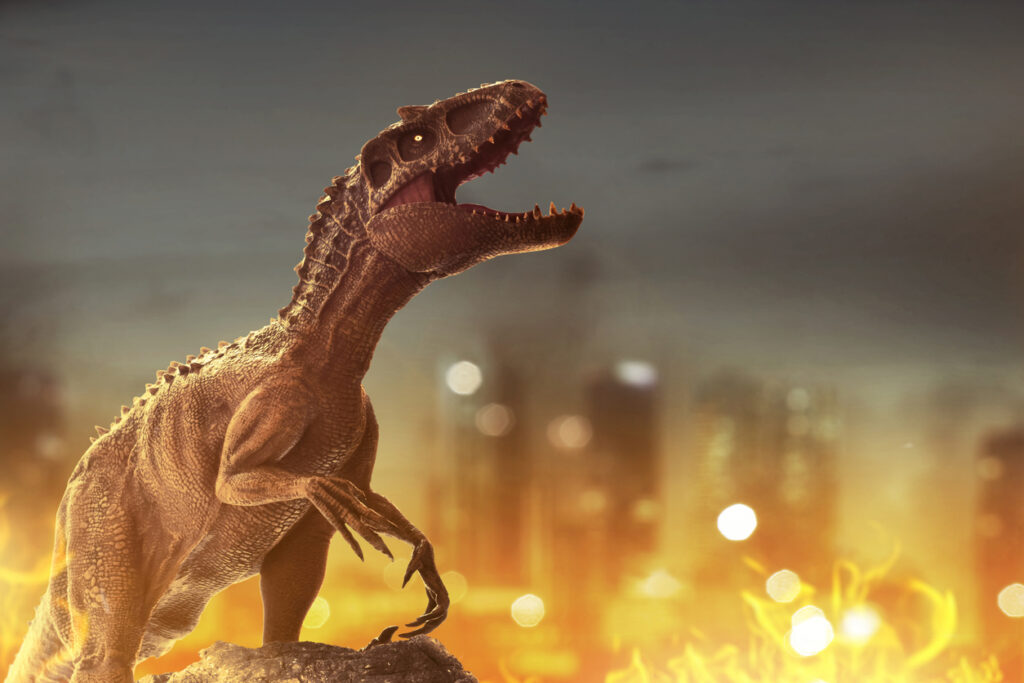
Most of us grew up watching huge reptiles roar across the screen, hunting anything that moved and looking exactly the same colour as the plastic toys we had as kids. It’s entertaining, of course, but a lot of what we think we “know” about dinosaurs actually comes from cinema rather than science. Over the years, those big-budget stories have kept a bunch of myths alive that don’t really hold up when you look at what palaeontologists have discovered.
New research keeps changing our understanding of how these animals lived, looked and behaved, and the gap between scientific evidence and Hollywood habits is getting hard to ignore. Some creatures were smaller, some were smarter, and quite a few didn’t fit the scary monster image that films love so much. The next time you watch a dinosaur blockbuster, there’s a good chance you’ll spot ideas that belong firmly in movie land rather than Earth’s ancient past.
1. Dinosaurs were always giant, loud monsters.
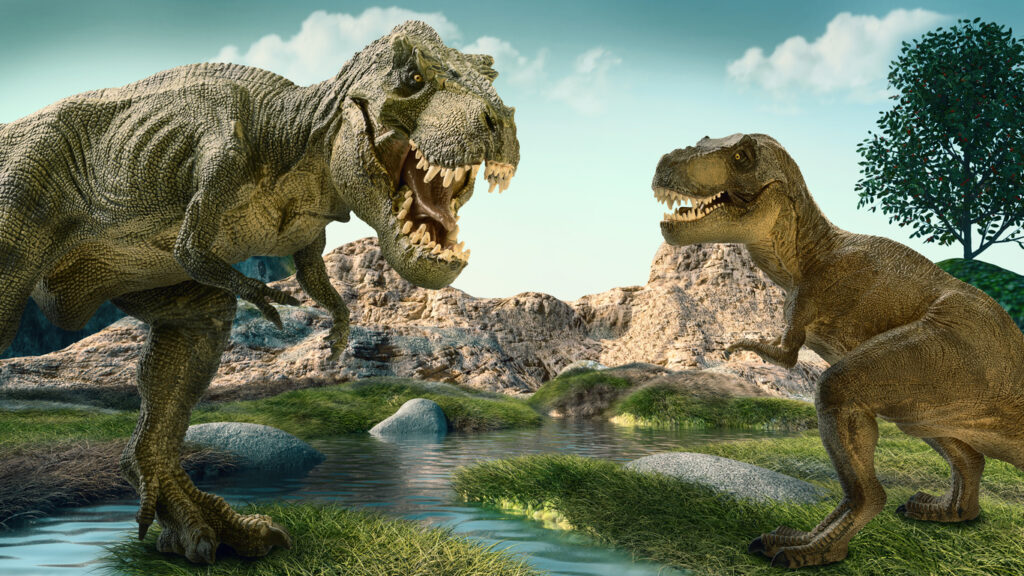
Movies make dinosaurs roar constantly and tower over everything in sight. In reality, many dinosaurs were small, quiet and behaved more like birds than beasts. Some were the size of chickens, and even the larger ones probably didn’t roar like lions. Their sounds were likely lower, softer or even more bird like. Hollywood exaggerates their size and noise because it makes scenes feel more dramatic.
This myth sticks because it’s exciting, but real dinosaurs lived in a world full of subtle behaviours. They didn’t stomp around roaring every few minutes. They spent most of their time eating, hiding, or caring for young. When you picture them as calmer animals, the past becomes far more believable.
2. Tyrannosaurus rex could run at car speeds.
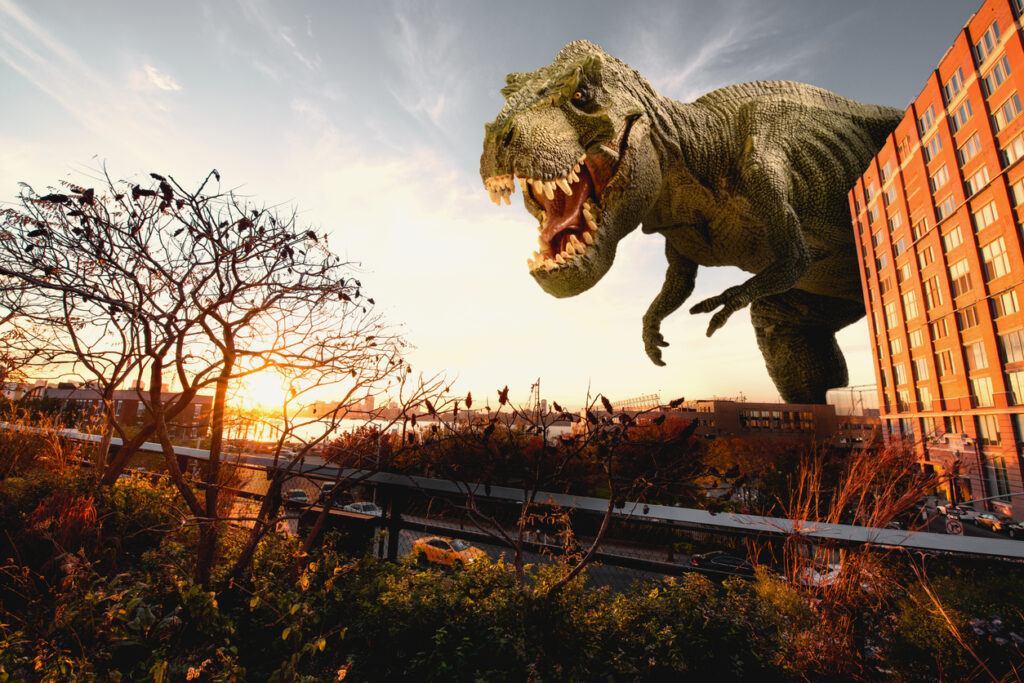
Films show T. rex sprinting after jeeps and keeping up with speeding vehicles. Science says otherwise. T. rex was huge, and its bones weren’t built for fast running. Most experts believe it walked quickly or jogged, but it wouldn’t have reached anywhere near the speeds shown in movies. Its body weight alone would’ve made high-speed running dangerous.
The truth is that T. rex didn’t need to sprint. It was powerful, clever, and able to track prey through other methods. But movies love a chase scene, so they keep pretending it could run like an athlete. This makes for great cinema but poor science.
3. Velociraptors were human-sized killers.

Thanks to movies, people think raptors were tall, deadly, and terrifyingly smart. Real velociraptors were small, feathered dinosaurs about the size of a turkey. They didn’t look or behave like the sleek, scaly predators shown on screen. They were fast and sharp, but nowhere near the horror film version.
Hollywood used a different raptor species but kept the name because it sounded good. This myth survives because it’s one of the most memorable creatures in dinosaur films. The real animal was still impressive, just not the nightmare many imagine.
4. Dinosaurs lived in steamy, tropical jungles.
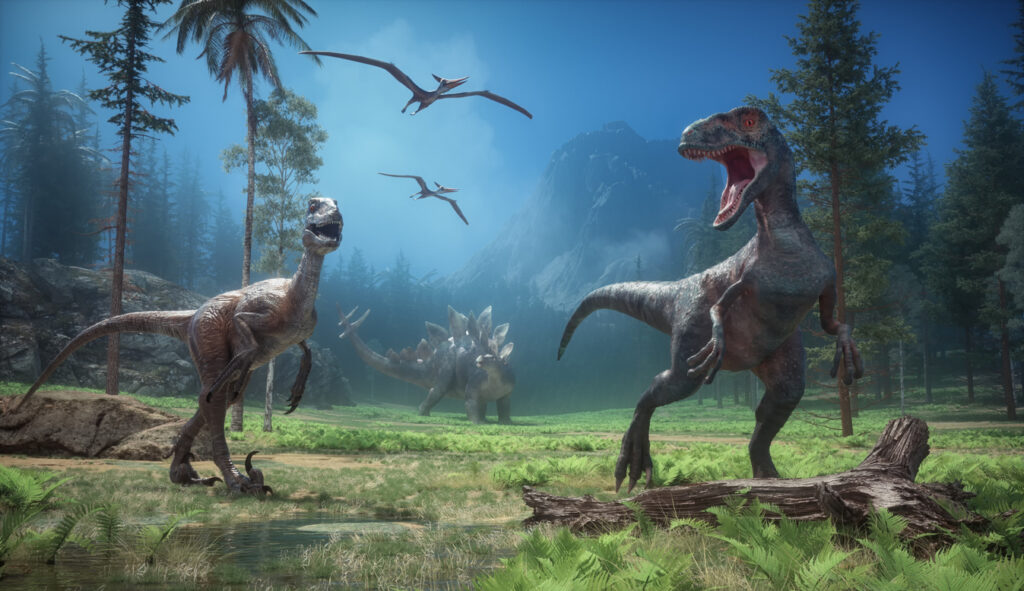
Films love showing dinosaurs in thick jungles filled with mist and vines. It creates atmosphere, but most dinosaurs lived in open plains, forests, deserts and coastal areas. The world they lived in was extremely varied, not one giant rainforest. Many movie scenes are designed to feel dangerous, so the jungle setting gets used repeatedly.
Real dinosaurs lived in landscapes that sometimes looked more like modern North America or Asia. Some even lived in cold regions and coped with long periods of darkness. The movie version of dinosaur habitats oversimplifies a very diverse world.
5. Dinosaurs dragged their tails behind them.
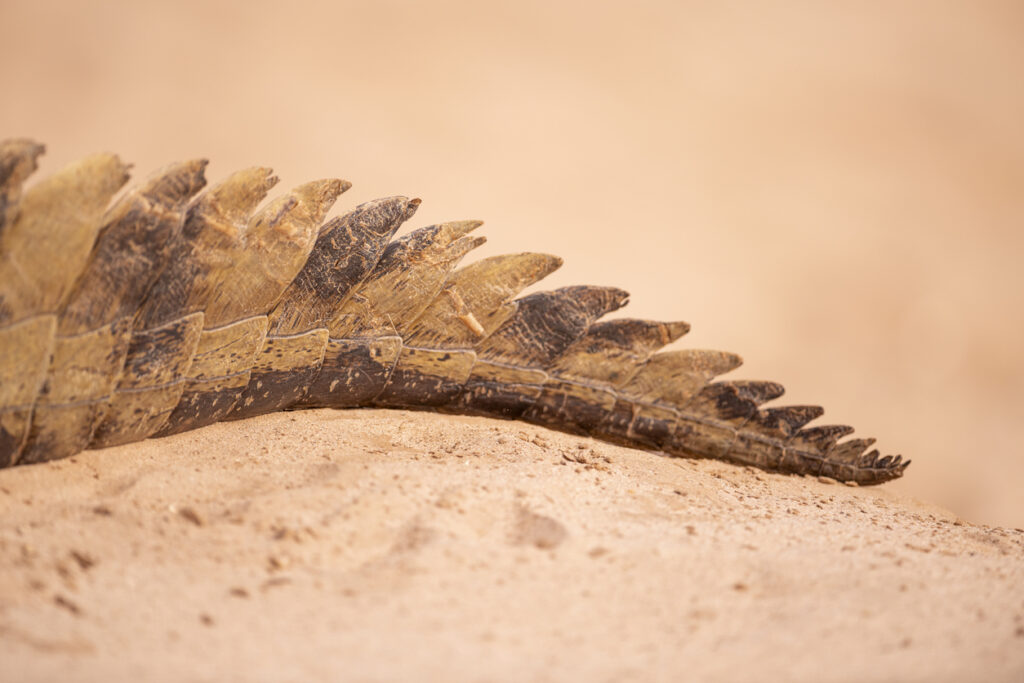
Older films showed dinosaurs with tails dragging along the ground because early reconstructions pictured them that way. Modern science proves their tails were held straight out for balance. Many dinosaurs wouldn’t have been able to move properly if they dragged their tails.
This myth faded in science long ago, but films kept using old designs because audiences recognised them. Today, more movies are starting to get this right, but the outdated look still appears in games and older films.
6. Dinosaurs were slow and stupid.
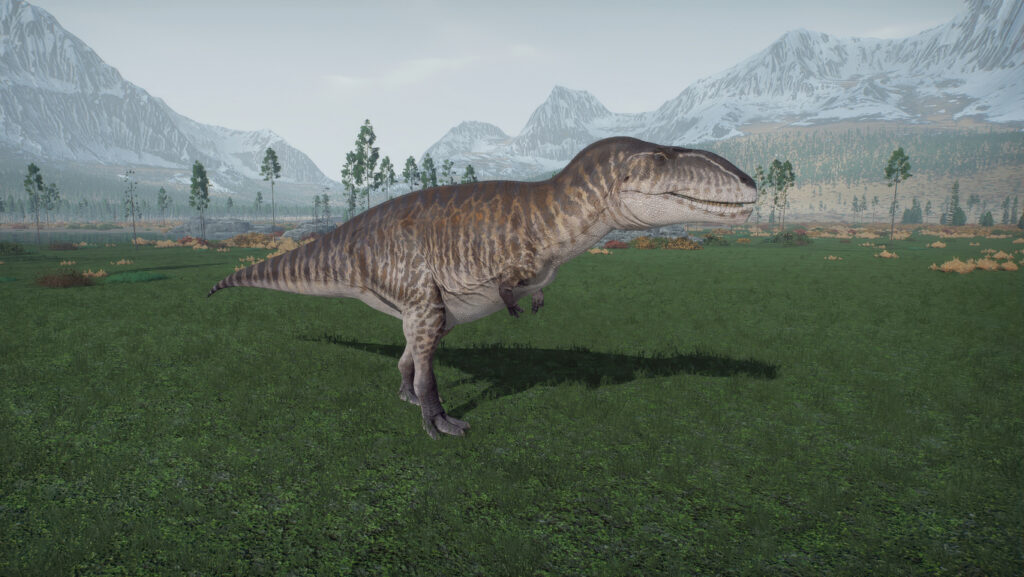
For years, films showed dinosaurs as sluggish, dull animals that barely reacted to anything. Modern research shows many of them were fast, active and far more intelligent than people assumed. Some cared for their young, travelled in groups and communicated in complex ways.
Movies sometimes keep the “slow and stupid” idea because it matches old stereotypes. But the real animals were energetic and adaptive. Seeing dinosaurs as active creatures makes their world much more interesting than the tired movie version.
7. Dinosaurs and humans lived at the same time.

Films often blend the two for fun, showing humans running from giant predators. In reality, dinosaurs vanished around 66 million years before humans appeared. We never shared the planet with them. The overlap is impossible, but movies use it because it creates exciting stories.
This myth sticks because it feels natural to imagine people facing dinosaurs, but it’s pure fiction. The real timeline shows how huge the gap between species truly was. Humans missed dinosaurs by millions of years.
8. All dinosaurs were scaly and reptile like.
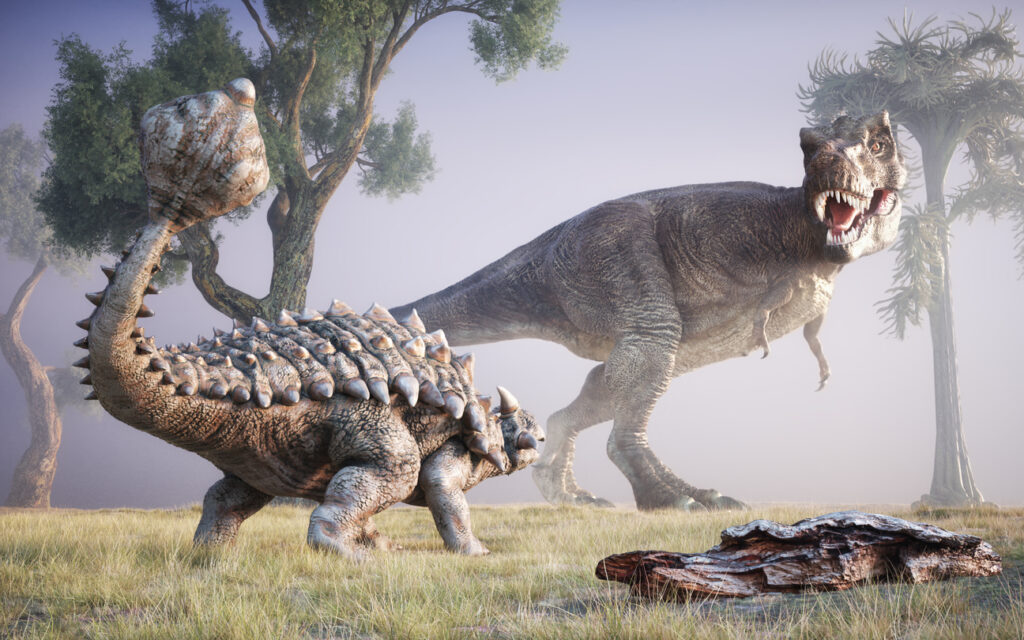
Hollywood loves scaly dinosaurs because they look fierce. But many dinosaurs, especially smaller ones, had feathers. Some looked more like giant birds than reptiles. Feathers were used for warmth, display and possibly even gliding. The idea of smooth skinned dinosaurs is outdated.
Movies continue using reptile designs because feathers feel less threatening on screen, but the feathered dinosaurs were fascinating and diverse. Accepting this makes their appearance far more accurate and interesting.
9. Dinosaurs were always aggressive and ready to attack.

Films show dinosaurs attacking anything that moves. Real dinosaurs, like modern animals, spent most of their time avoiding danger. They didn’t waste energy fighting unless they needed food or felt threatened. Most species were peaceful grazers that avoided conflict.
This myth survives because constant danger keeps film plots moving. But real dinosaurs lived in ecosystems with complex behaviour. They grazed, migrated, nested and interacted in ways far calmer than Hollywood suggests.
10. The asteroid killed every single dinosaur instantly.
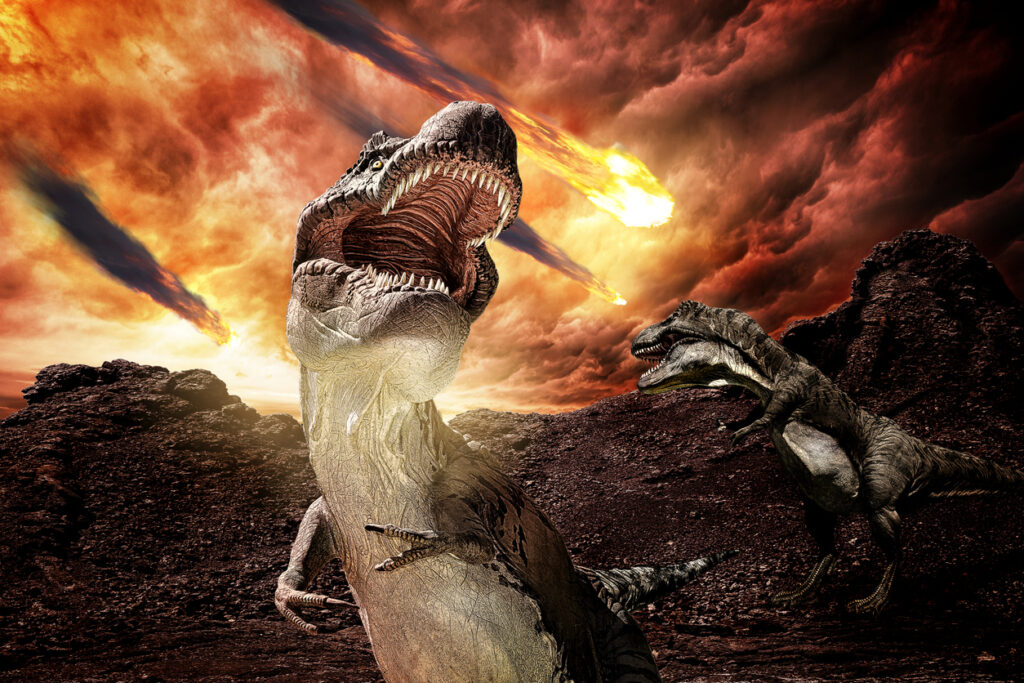
Movies show a huge explosion and then instant extinction, as if all dinosaurs vanished in moments. In reality, the asteroid caused fires, climate collapse and long-term changes. Some dinosaurs survived for a short time after, and birds eventually became their modern descendants. It wasn’t instant. It was a slow, tragic decline.
This myth stays alive because instant extinction looks intensely dramatic, but the real story is deeper and shows how fragile ecosystems can be. Dinosaurs didn’t disappear in a single flash. They faded out as the planet changed around them.