Some gardens just feel full of life the moment you step into them.

Unfortunately, other spaces look perfectly fine, but somehow leave you a bit underwhelmed. You might not be able to put your finger on what’s missing, but you know the difference when you see it. Plants might be growing, the grass might be neat, and everything might be technically “right,” but the space still feels a bit lifeless. Then you visit a garden that’s buzzing with colour, sound and movement, and suddenly, you realise what yours is missing.
A lively garden isn’t only about planting more flowers or buying expensive features. It comes from creating a space that attracts wildlife, changes with the seasons and encourages you to actually spend time out there. When a garden works, it feels like everything’s interacting, from the birds that show up to the small plants filling gaps you didn’t even plan for. Here are some of the reasons some gardens feel alive, and how you can bring more of that feeling into your own space.
Gardens that feel alive have layers, not bare gaps.
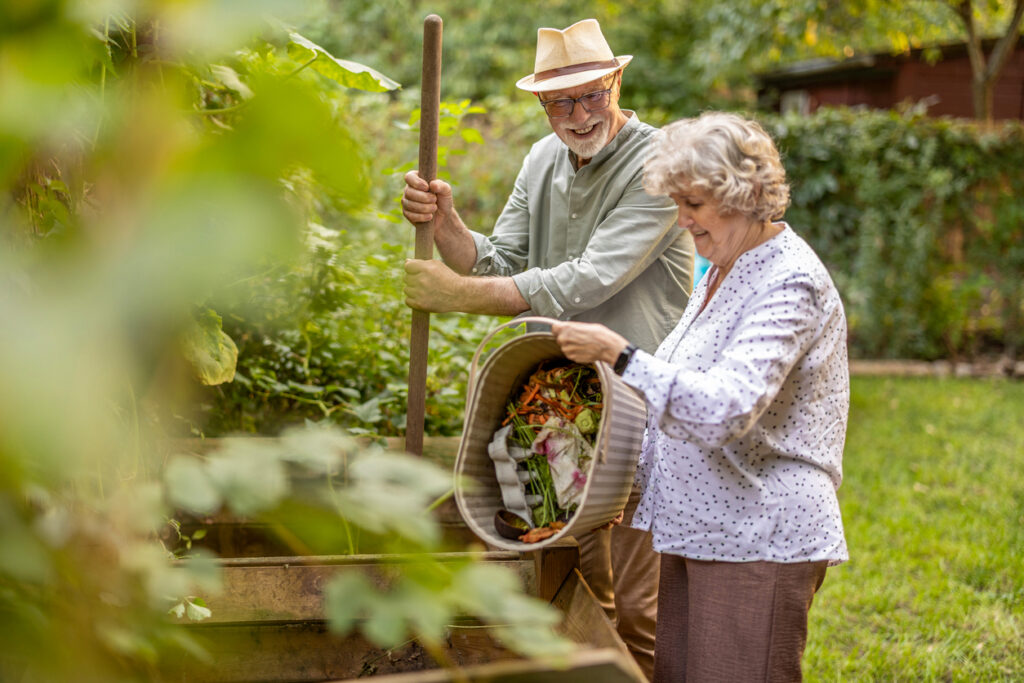
Flat gardens often have everything planted at the same height, which makes the whole space feel empty. When all the plants sit low to the ground with nothing behind them, the eye has nowhere to travel. The space feels still and lifeless, even if the plants are healthy. This happens a lot in gardens with too much lawn and not enough structure.
Gardens with height changes feel more alive because layers create depth. Taller shrubs, mid-height flowers, and ground cover work together and make the space feel fuller. Adding even one taller plant breaks up the flatness and gives the garden a sense of movement.
Living gardens attract wildlife with food and shelter.

A garden with no wildlife feels empty. Birds, bees, and insects add sound and motion, which makes everything feel more natural. Flat gardens often use plants that offer nothing for wildlife, such as sterile hybrids or single season shrubs. Without pollinators or birds, the space never feels active.
Choosing plants that offer nectar, seeds, or shelter changes everything. Even a small bird feeder or a patch of wildflowers brings life back fast. When animals use the garden, the whole space feels richer and more alive.
Colour variation keeps the space visually active.
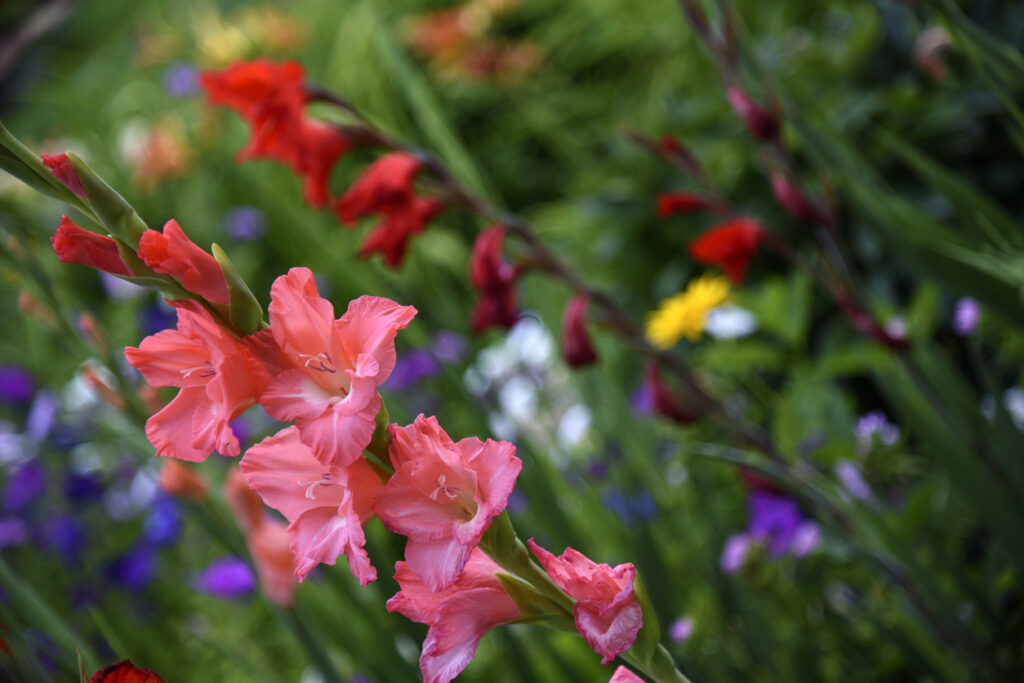
Gardens with only green tones can sometimes feel dull. There’s nothing wrong with green, but without contrast the garden feels flat. The eye moves across the space and sees the same shade everywhere. This lack of variety makes the garden feel quiet and unexciting.
Adding plants with different colours, even softer ones, helps create energy. Purples, pinks, whites, and yellows all lift the space. Colour adds personality and makes the garden feel like it has its own character rather than one bland tone.
Movement from plants makes the garden feel alive.

Flat gardens often use heavy, rigid plants that barely move in the wind. This creates stillness, which can make the space feel lifeless. Without motion, the garden looks more like a static picture than a living space. Even a light breeze should change how a garden feels.
Grasses and plants with soft leaves catch the wind and move gently throughout the day. This movement adds softness and life. When a garden sways naturally, it feels instantly more vibrant and inviting.
Gardens that feel alive include scent, not just sight.

Scent plays a huge role in how a garden feels. Flat gardens often rely only on visual impact. Without fragrance, the experience is one-sided. There’s nothing to trigger memory or emotion, so the space lacks depth and atmosphere.
Herbs, scented roses, lavender, and jasmine bring the garden to life in a different way. You don’t need large amounts. Even one scented plant near a seating area makes the space feel more alive because it engages more of the senses.
Sound makes a garden feel fuller.

Silence can make a garden feel empty. Without birdsong, rustling leaves or buzzing insects, the space feels inactive. Many flat gardens remove the things that create natural sound, such as hedges, trees or flowering plants. This leaves the garden feeling still and slightly lifeless.
A few changes bring sound back quickly. A small hedge attracts birds, grasses create gentle rustling and flowers attract pollinators. When sound returns, the garden feels warm and lived in rather than stark.
Gardens that feel alive mix shapes and textures.
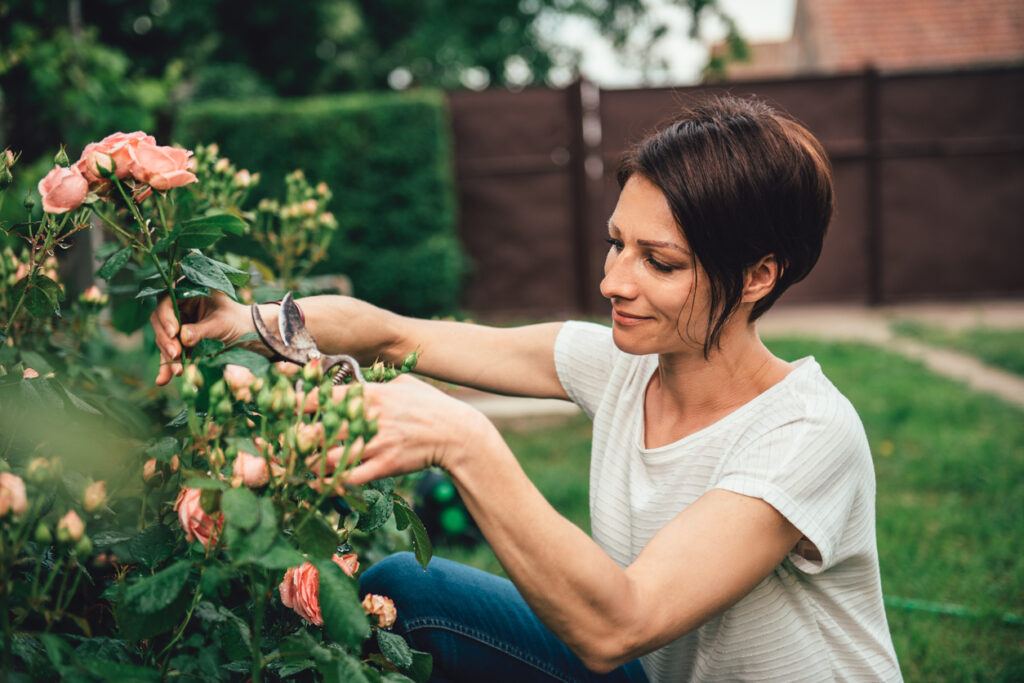
Using one type of plant shape creates a flat look. For example, gardens with only round shrubs or only spiky plants feel repetitive. This uniformity makes the space feel plain and predictable. The garden lacks visual interest because nothing stands out.
Mixing shapes and textures brings energy back. Soft plants next to structured ones create contrast. Light leaves next to darker ones add depth. Texture gives the garden a layered, lively look that feels natural and engaging.
Good soil creates healthier, more active gardens.

Flat gardens often have poor soil. Plants struggle, growth slows, and the space looks tired. Weak plants don’t attract wildlife or produce flowers, and nothing thrives well enough to create a sense of abundance. This leads to a garden that feels empty even when fully planted.
Healthy soil makes plants stronger, fuller and more colourful. Adding compost, mulch, or organic matter transforms the whole environment. When plants thrive, the garden comes alive with growth, pollinators, and movement.
Paths and features guide the eye and create flow.
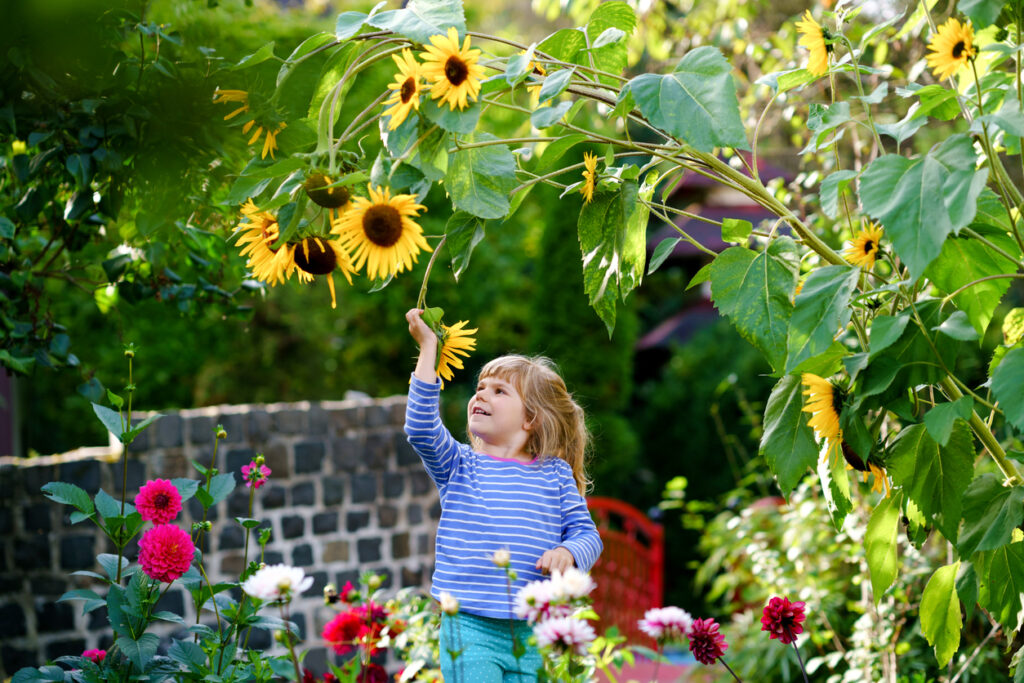
A garden with no paths or focal points can feel confusing and flat. When everything blends together, your eye doesn’t know where to go. This lack of flow creates a dull feeling because the space has no direction or shape.
Small paths, stepping stones, or simple focal points give the garden a sense of purpose. They create movement because your eyes follow the layout naturally. This makes the garden feel more alive and intentional.
Gardens that feel alive change through the seasons.

Flat gardens often look the same all year. They use plants that don’t offer seasonal interest, so the garden stays static. Without changes through the year, the space loses excitement. It never surprises you, so it feels flat long term.
Choosing plants that flower at different times keeps the garden active. Spring bulbs, summer flowers, autumn colour and winter stems all create variety. Seasonal change brings movement through time, not just space, making the garden feel alive all year.