Nature has a way of pulling off tricks that sound like tall tales, yet they’re completely true.
These facts might feel like someone made them up in a pub quiz, but every single one is backed by reality, however unbelievable it seems. When you hear them, you realise just how incredible the natural world truly is and how much more credit (and care) it deserves.
1. Octopuses have three hearts.

It sounds like a myth, yet octopuses really do have three hearts pumping blood around their bodies. Two push blood through the gills while the third handles the rest, and when they swim, that main heart even takes a break. It’s biology at its strangest.
This unusual setup explains why octopuses tire easily when they’re in constant motion. Their bodies are built for short bursts of effort and long periods of resting or crawling, which suits the life of a deep-sea predator perfectly.
2. A shrimp can punch faster than a bullet.
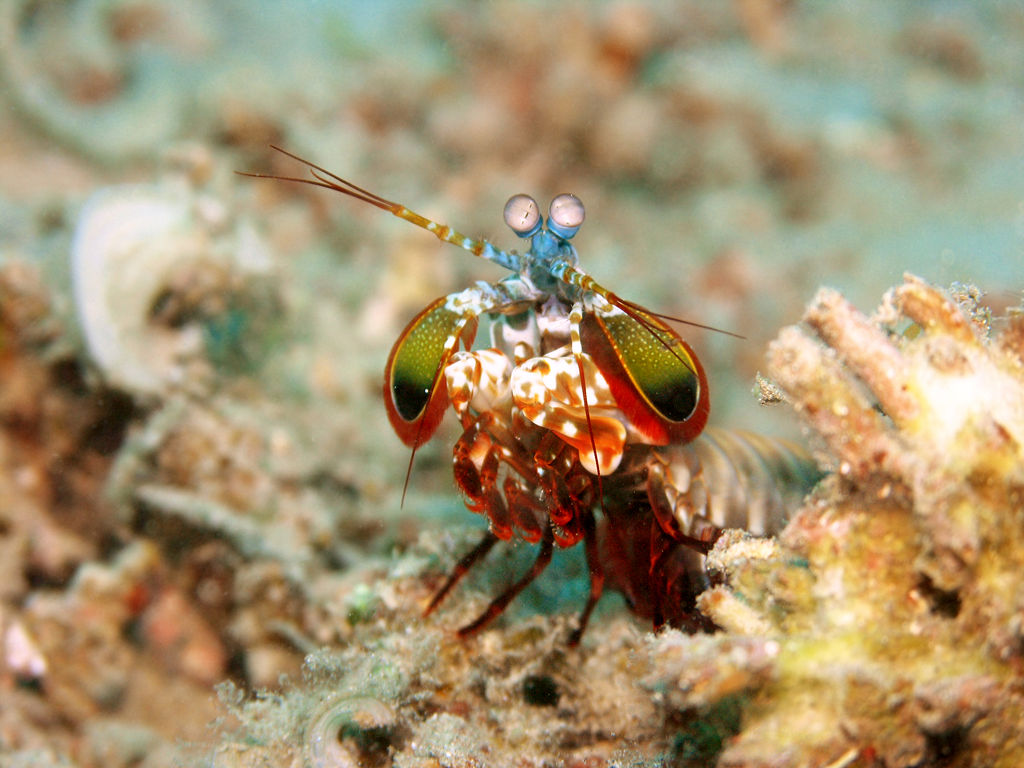
The mantis shrimp doesn’t look like much, but its strike is one of the fastest movements in the animal kingdom. Its club-like arms swing so quickly they create tiny bubbles that explode with heat and light, a process known as cavitation. It’s not just a punch. In fact, it’s practically a weapon.
Its strike is powerful enough to crack aquarium glass, which is why most people admire them from a distance. For such a small creature, they pack more force than seems physically possible.
3. Some trees can “talk” to each other.
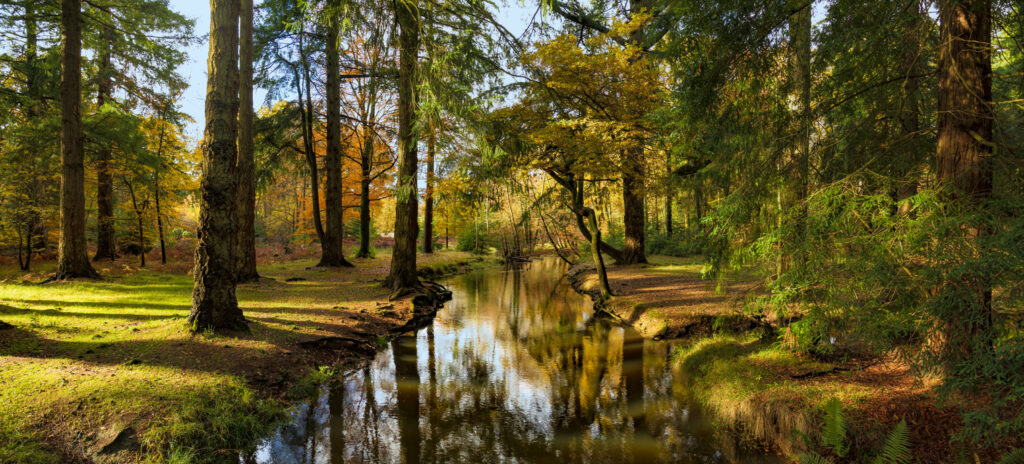
Trees don’t speak in words, yet they can warn their neighbours of danger. Through underground fungal networks, often called the “wood-wide web,” they share chemical signals about pests, drought, or damage. It lets nearby trees adjust their defences before the threat reaches them.
It sounds like fantasy, but it’s part of how forests survive as communities rather than individuals. Those hidden networks make sure no single tree stands completely alone.
4. Sea cucumbers can liquefy themselves.
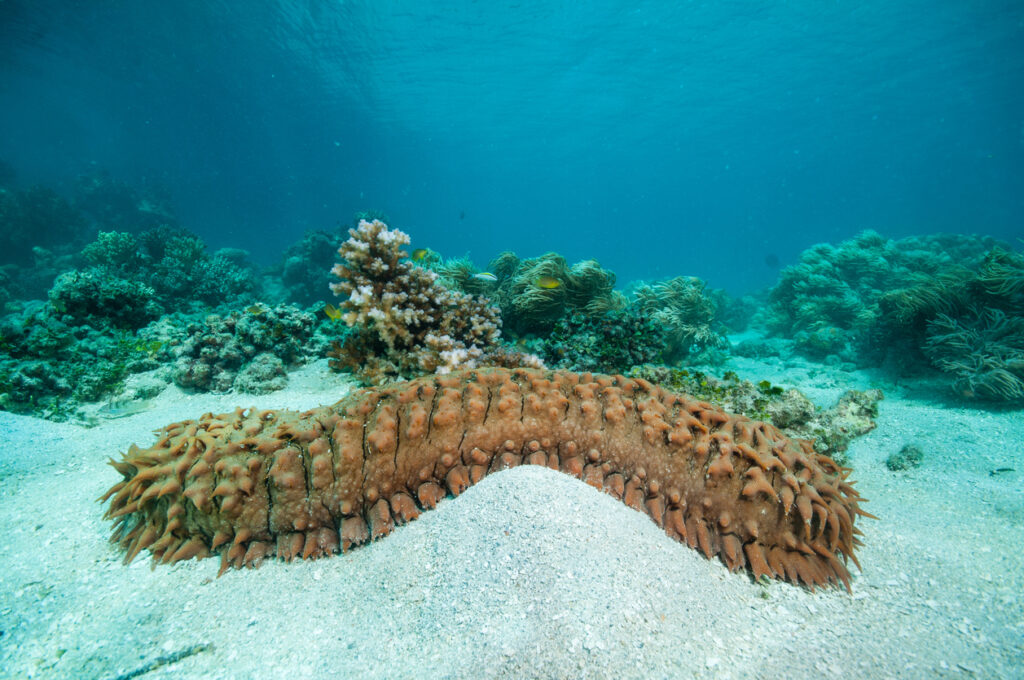
When threatened, some sea cucumbers can alter their bodies to the point of turning almost liquid. Their collagen structure shifts, so they can squeeze through tiny gaps before reforming back to normal. It’s as strange as it sounds, yet completely natural.
That trick is mainly for escape, since becoming soft and fluid helps them slip away from predators. It proves nature has solutions that go far beyond claws or teeth.
5. Kangaroos can’t walk backwards.
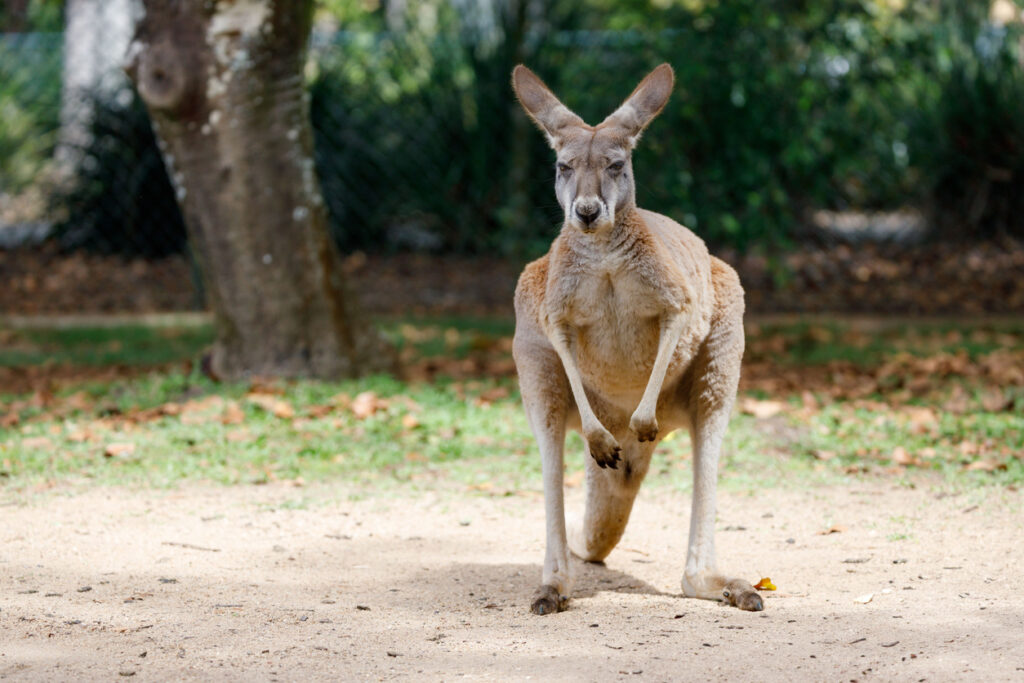
It feels like an exaggeration, but kangaroos truly can’t move backwards. Their strong tails and muscular legs make forward hopping efficient, but they block any reverse motion. For this reason, kangaroos became part of Australia’s coat of arms, symbolising progress.
The quirk doesn’t stop them moving quickly or turning sharply when needed, yet it highlights how evolution shapes animals in very specific ways. Some abilities get maximised, while others disappear completely.
6. Some turtles can breathe through their bottoms.

During hibernation, certain turtles switch to cloacal respiration, which means they absorb oxygen through specialised areas in their rear ends. It sounds like a joke, but it’s what allows them to survive under frozen lakes where they can’t surface for months.
Their unusual breathing method keeps them alive until spring, when they can return to using their lungs normally. It’s not glamorous, but it’s an efficient survival strategy.
7. There’s a jellyfish that can technically live forever.
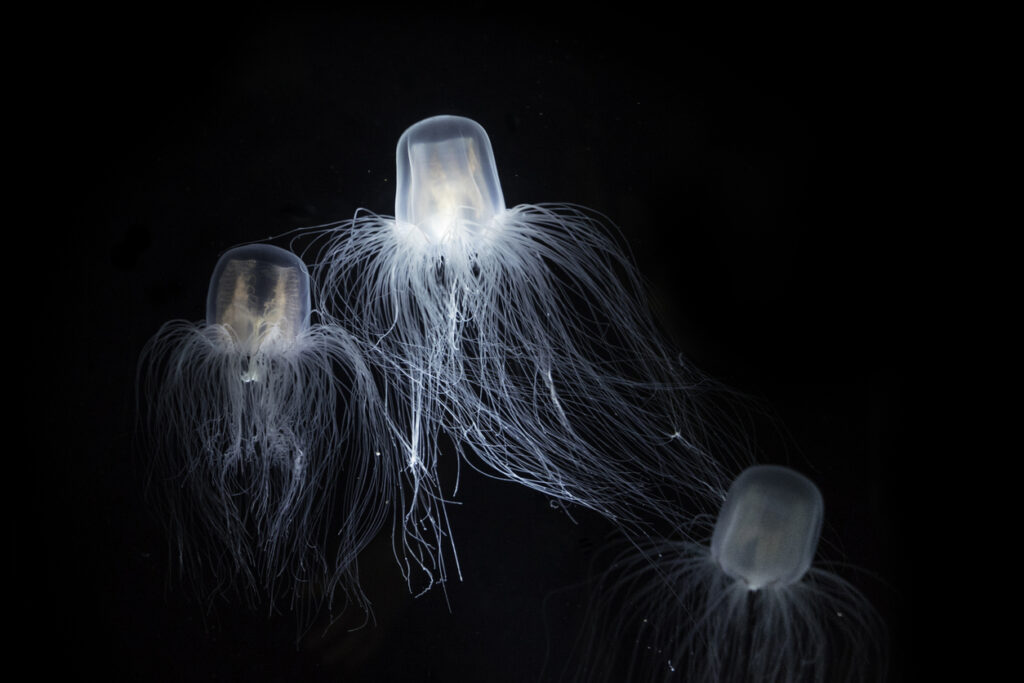
The Turritopsis dohrnii jellyfish can revert its cells back to a younger stage whenever conditions get tough. Instead of dying, it resets itself and starts over, making it biologically immortal in theory. Death still happens if it’s eaten, but ageing isn’t the cause.
That ability has made it a focus of scientific study, since it challenges what we think of as natural limits. It proves that in the ocean, even immortality isn’t off the table.
8. Sloths can hold their breath longer than dolphins.
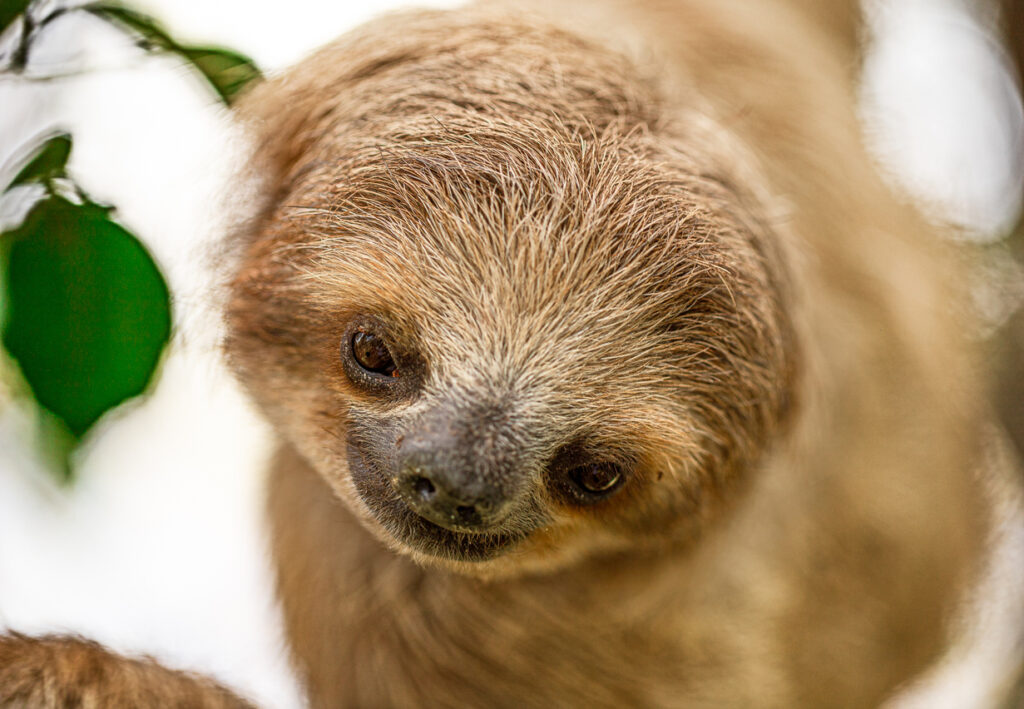
People assume dolphins dominate underwater breathing, yet sloths can outlast them. By slowing their heart rates, sloths manage up to 40 minutes without air, compared to about 10 for dolphins. It’s an ability hidden beneath their slow reputation.
It’s a skill that helps them survive predators, since staying still underwater can keep them undetected. Sloths aren’t just lazy tree-dwellers; they’re also surprisingly capable swimmers.
9. There are more fake flamingos than real ones.
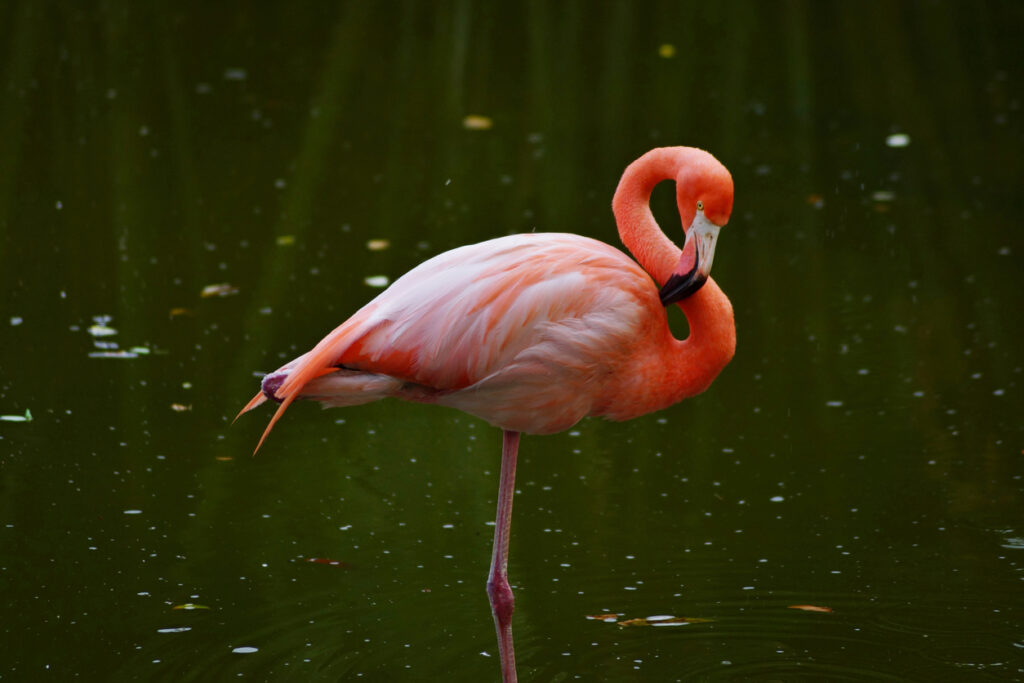
The plastic lawn flamingo has spread worldwide, and its numbers now dwarf those of actual flamingos in the wild. While millions of real flamingos exist, they’re still far outnumbered by their pink plastic cousins decorating gardens and theme parks.
It’s a strange reminder of how human culture sometimes overshadows nature. The bird is iconic, yet its image has multiplied far beyond its natural population.
10. Male seahorses give birth.

Unlike most animals, it’s the male seahorses that carry and deliver babies. Females deposit eggs into a pouch on the male, and he fertilises and nurtures them until they’re ready to hatch. When the time comes, he gives birth to dozens of tiny seahorses at once.
That role reversal shows how flexible evolution can be, and it flips assumptions about gender in the animal kingdom. Seahorses prove that nature doesn’t follow strict rules about who does what.
11. Mushrooms can create their own wind.
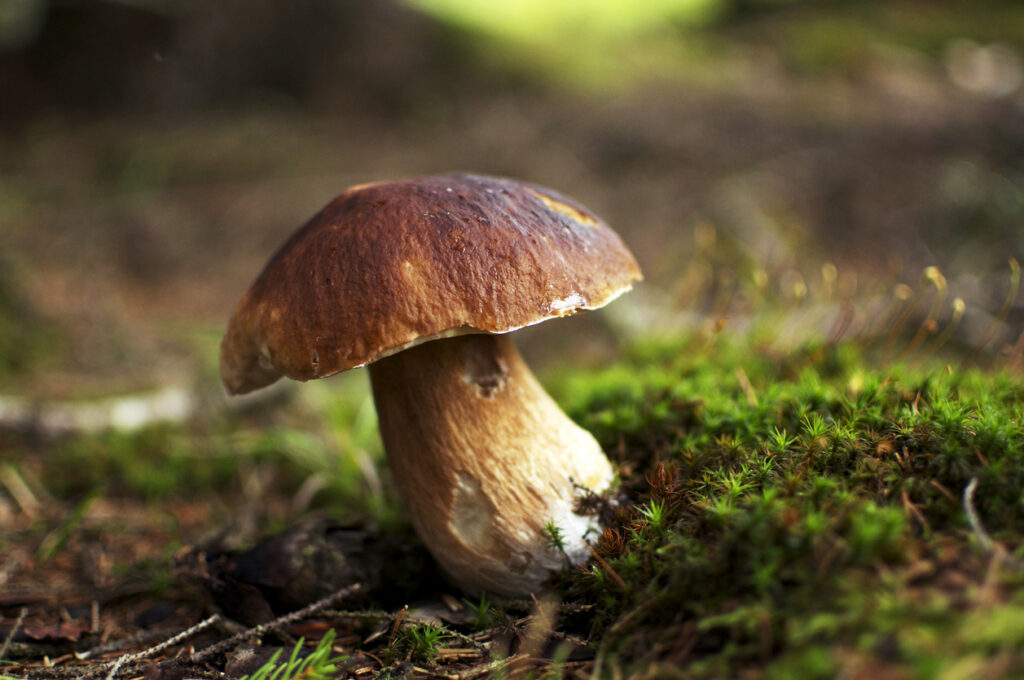
Some fungi release water vapour to cool the air around them, creating small air currents that lift their spores. It makes sure spores travel further than they would on still air, spreading the mushroom’s reach more effectively. It’s a subtle but brilliant trick.
The fact that they have that ability means mushrooms aren’t just passive growers. They actively shape their environment because spreading spores is too important to leave to chance alone.
12. A day on Venus is longer than a year there.
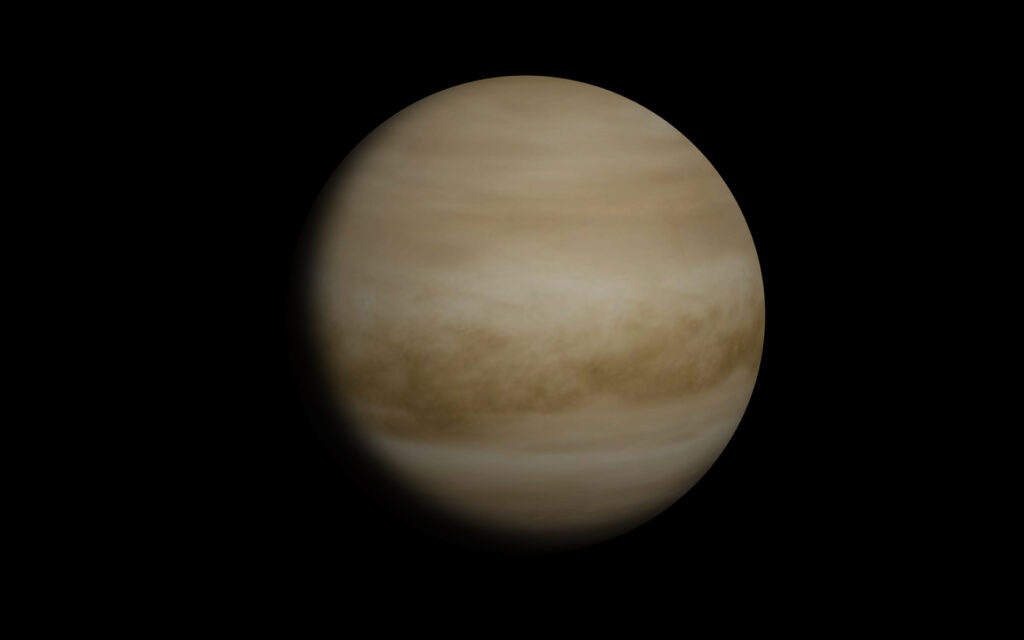
Venus rotates so slowly that one day on its surface lasts 243 Earth days, while a year takes only 225 Earth days. That means a Venusian day is technically longer than its year. It sounds impossible, but it’s just down to the planet’s odd spin.
That strange orbit makes Venus one of the most extreme planets in our solar system. It’s proof that not all celestial mechanics line up neatly with what we’d expect.
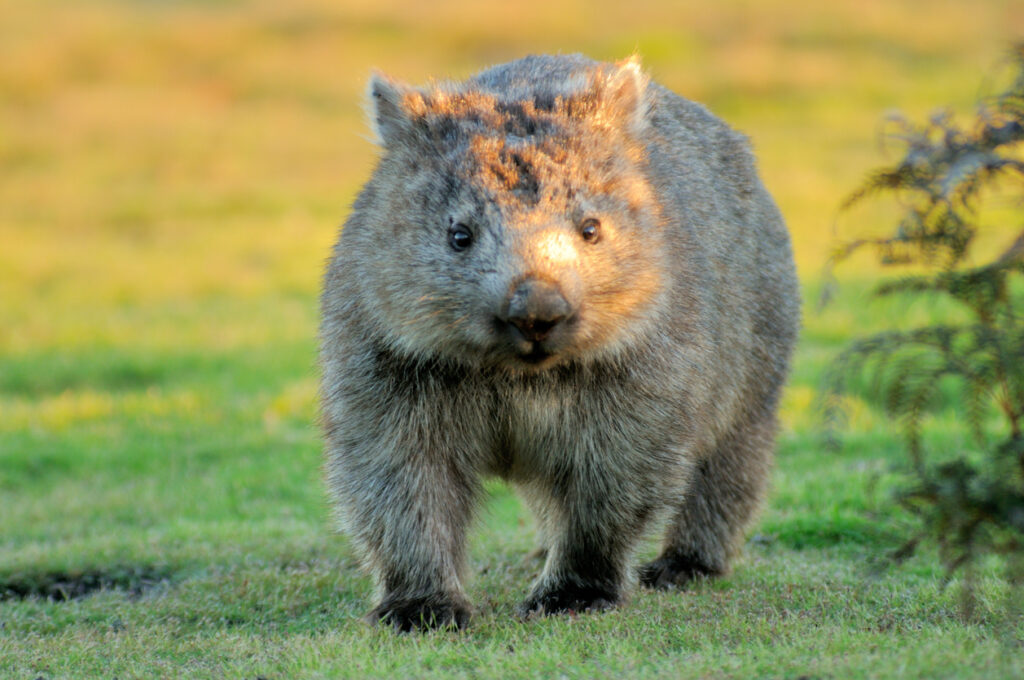
13. Wombat poo is cube-shaped.
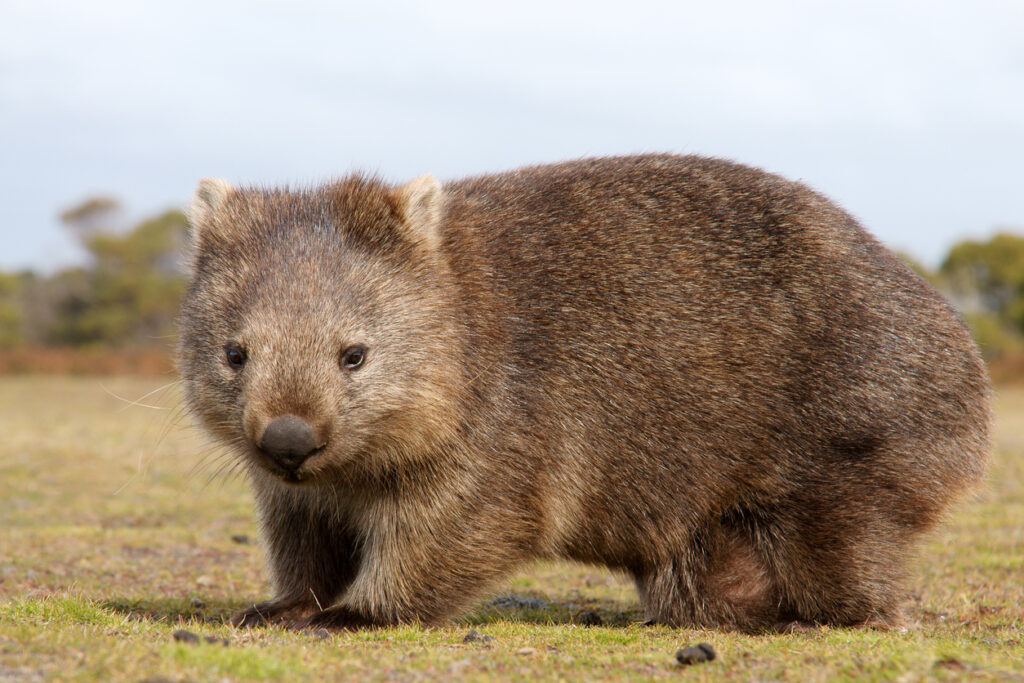
Wombats produce droppings shaped like little cubes, which is almost impossible to believe until you see it. Their intestines compress the waste in such a way that it exits as neat blocks. The cubes don’t roll away, which helps wombats use them to mark territory.
Scientists have studied this oddity to understand how soft tissue can create angular shapes. It’s not only amusing but also an evolutionary advantage in communication.
14. Sharks existed before trees.
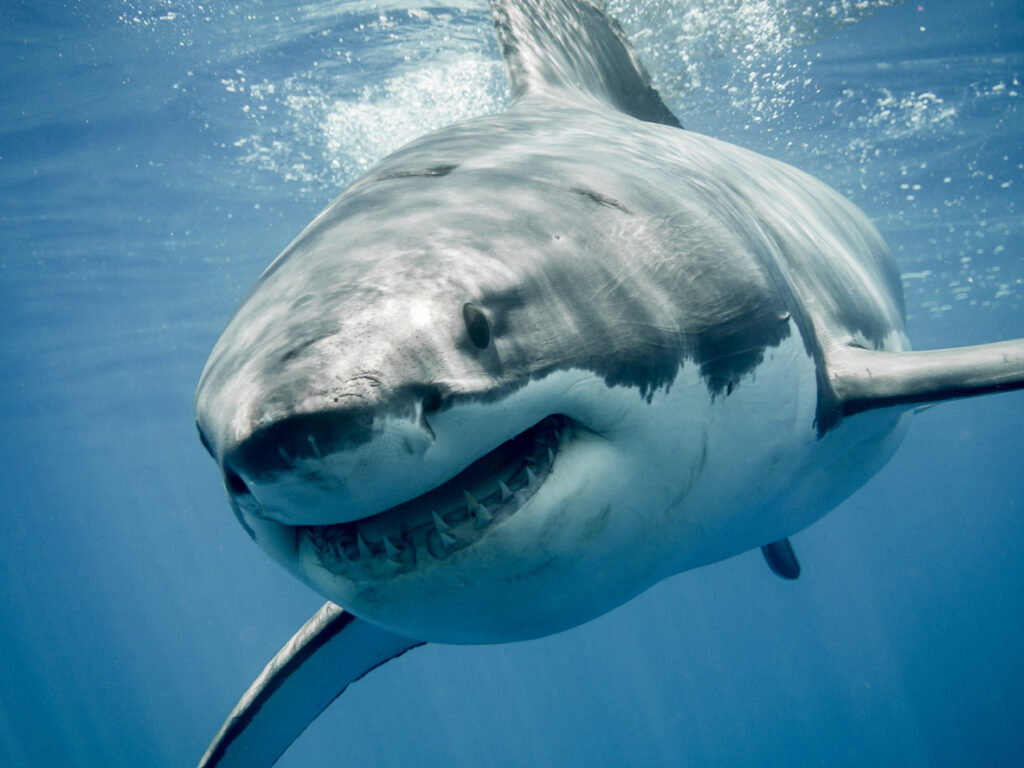
Sharks have been swimming the oceans for more than 400 million years, while the first trees appeared around 350 million years ago. That means sharks pre-date forests entirely, and they’ve survived multiple mass extinctions along the way. It’s hard to picture, but it’s true.
Their longevity proves just how well-adapted sharks are, and it explains why they still dominate oceans today. They’re living fossils that have outlasted some of the planet’s biggest changes.