Owning land in Britain doesn’t mean you have full control over what happens on it when it comes to wildlife.
Strict laws protect certain species, no matter where they live, and some traditional practices are now banned outright. If you’re wondering which animals are off-limits, here are the key ones you can’t hunt, even on your own property.
1. Foxes with packs of hounds
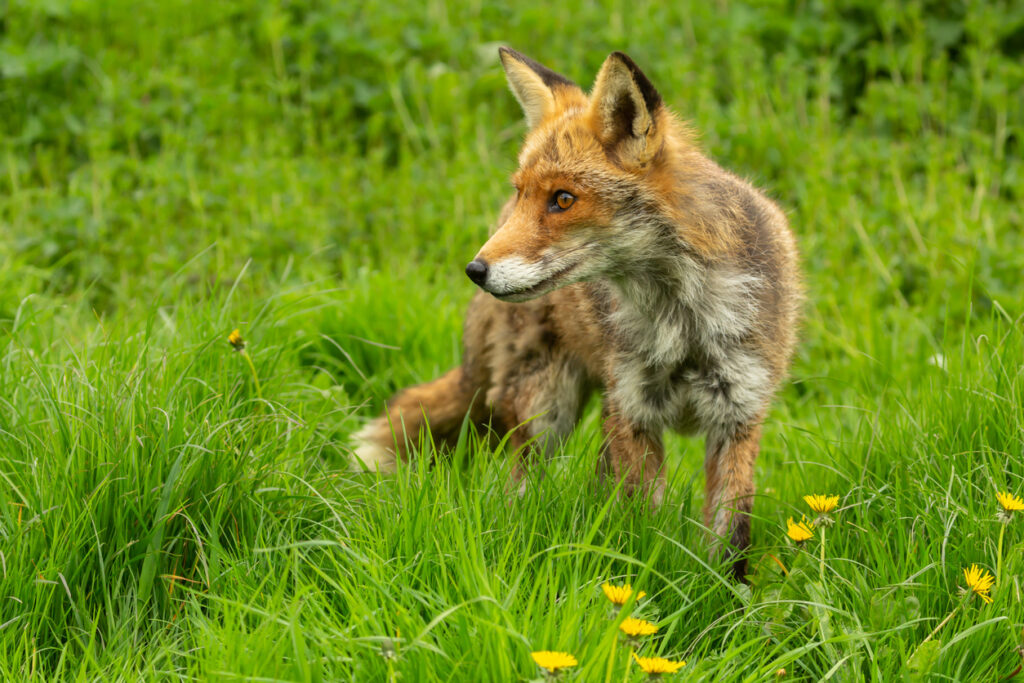
For centuries, fox hunting was a staple of rural life, but since 2004 it’s been illegal to chase them with a pack of hounds. The ban applies across England and Wales, regardless of whether you own the land or not. While foxes are still sometimes controlled as pests, the old image of dozens of dogs in full chase is gone.
The law only allows limited exceptions, such as using up to two dogs to flush a fox out for pest control, but that comes with heavy restrictions. Landowners have to follow the rules carefully, and breaking them can bring serious penalties.
2. Wild mammals hunted with dogs
It isn’t just foxes that fall under restrictions. The law makes it illegal to use dogs to hunt wild mammals more generally. Rabbits and rats are sometimes treated differently, yet even there, rules apply about how and when dogs can be used. Anyone thinking they can bypass the ban by claiming it’s “pest control” needs to tread carefully.
Hunting wild mammals with dogs is one of the most tightly regulated areas of law, so it’s not a case of land ownership giving you a free pass. Only very specific exemptions are recognised, and they’re closely watched.
3. Deer under strict rules
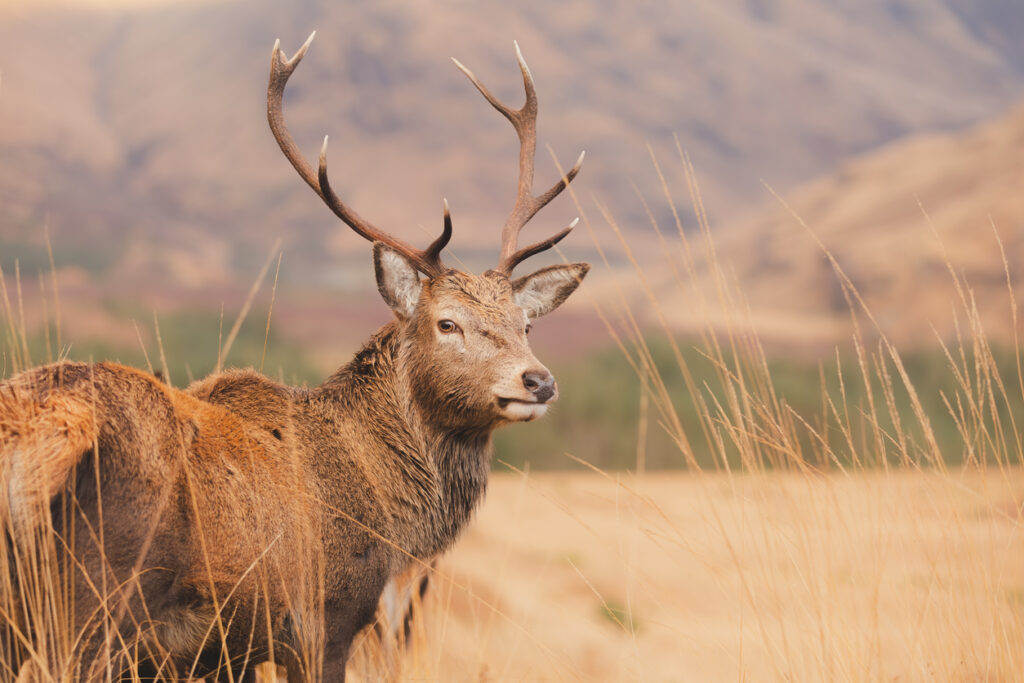
Deer stalking is allowed in certain conditions, but it’s far from a free-for-all. Different deer species have different levels of protection, and many of them are only legal to hunt at specific times of year. Shooting deer outside of these seasons or without the right permissions is against the law, regardless of where the animals are found.
Hunting methods are also controlled, with rules about firearms and licences. Landowners can’t simply take aim whenever they like because deer populations are carefully managed for conservation and welfare reasons.
4. Protected species under wildlife law
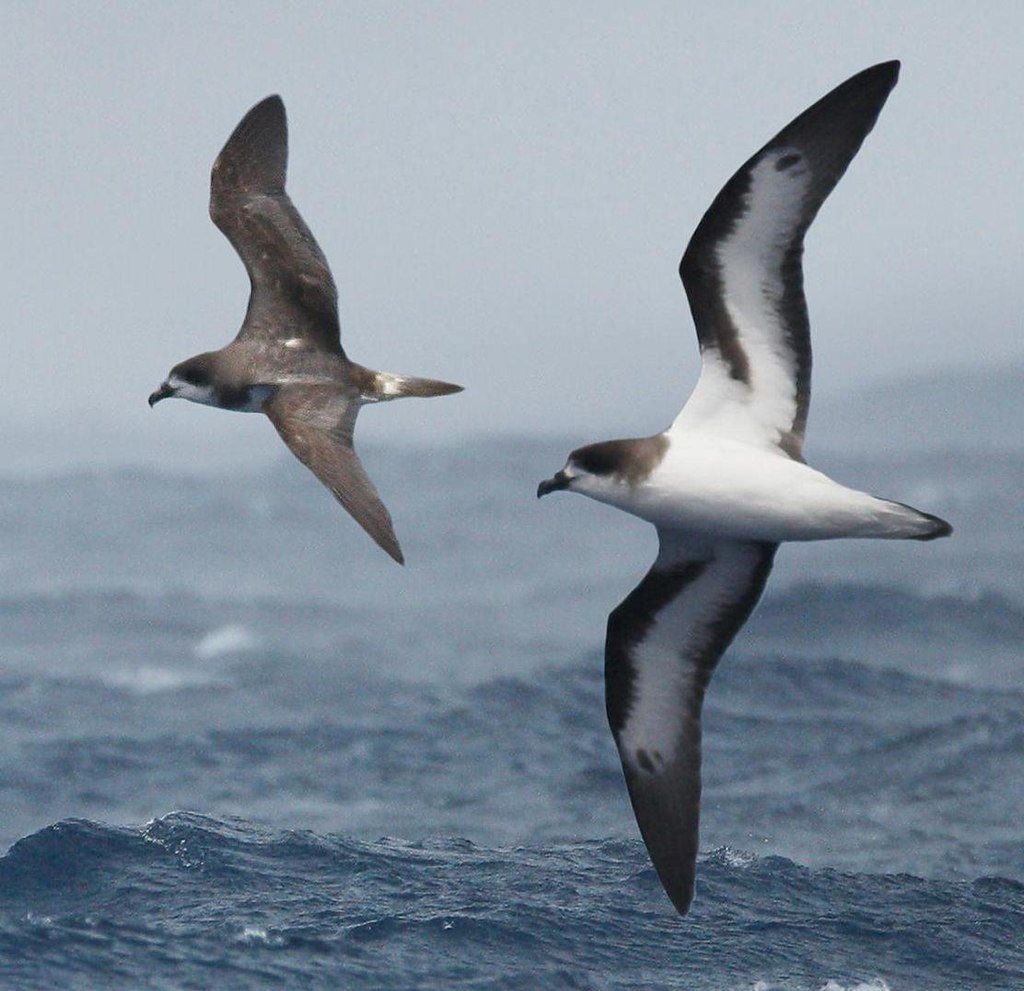
The Wildlife and Countryside Act makes it an offence to kill, injure, or disturb a long list of species. This includes many birds, mammals, reptiles, and amphibians that are considered vulnerable or endangered. Protection applies across the board, and there’s no exemption just because the animals happen to live on your property.
Breaking these rules can result in heavy fines and even prison sentences. Landowners need to be especially cautious if they live in areas with rare species because disturbing them can bring serious legal consequences.
5. Hares outside of regulated conditions
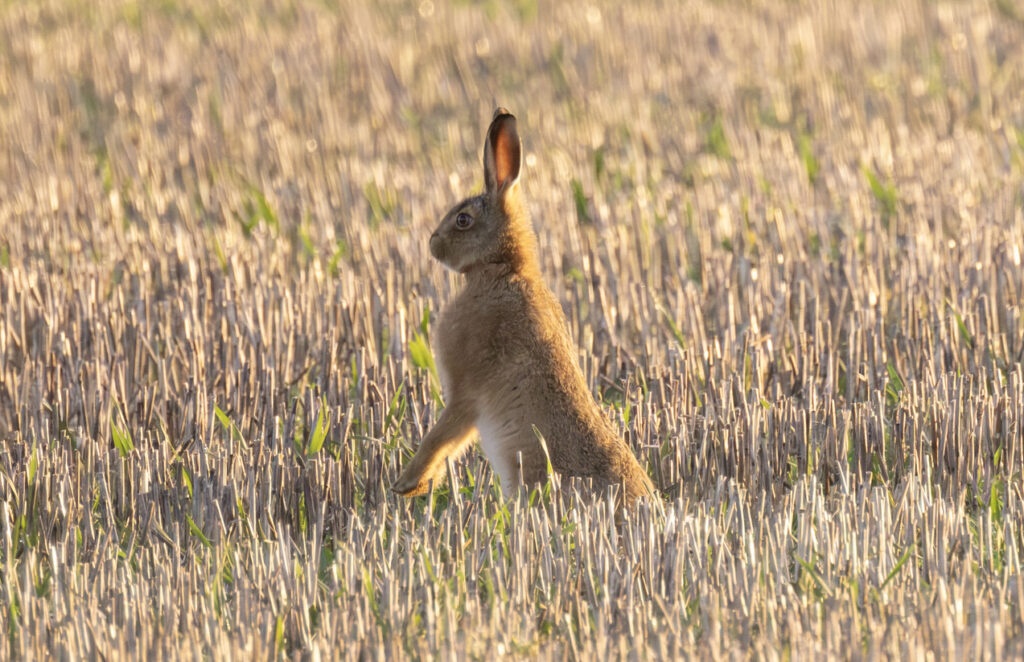
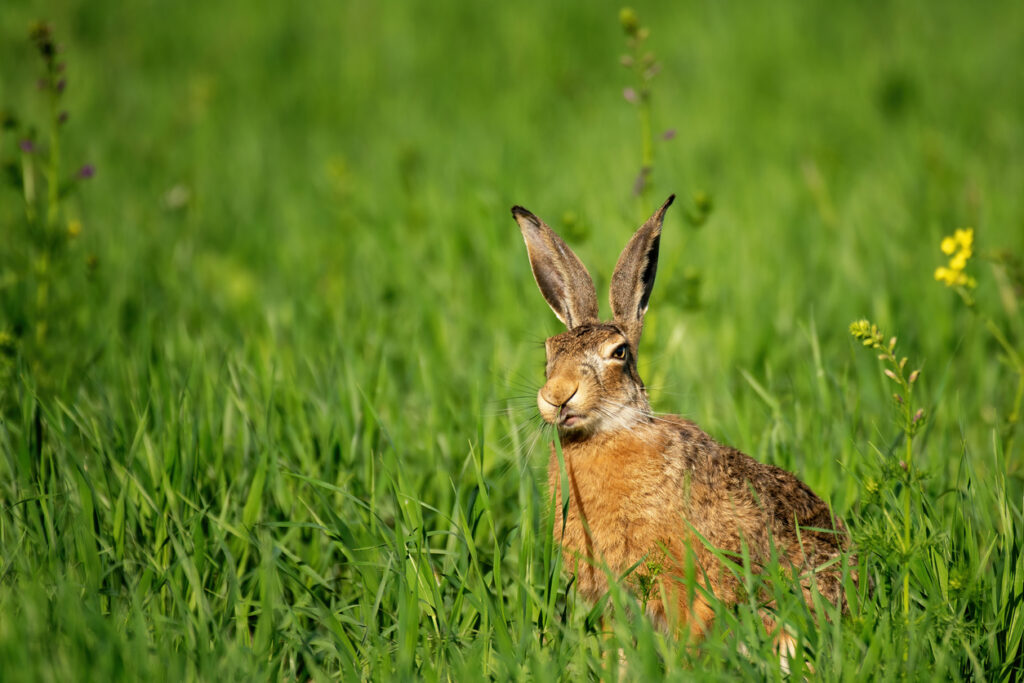
Hares sit in a strange middle ground under British law. They’ve traditionally been hunted, yet growing concerns about declining populations mean restrictions are tightening. In some parts of the country, there are already new limits on when and how hares can be shot, and more changes are being discussed at government level.
What this means in practice is that landowners can’t assume hares are fair game all year round. Depending on the region and the time of year, hunting them may now be banned, even if the animals are on private land.
6. Badgers

Badgers enjoy some of the strongest legal protection in Britain. It’s illegal to kill, injure, or trap them, and you can’t interfere with their setts under any circumstances. Even damaging the soil around a sett can be classed as an offence. That applies everywhere, including farmland, woodland, and gardens.
There are some licensed culls in specific regions, but these are government-led and tightly controlled. Outside of those schemes, landowners have no legal right to deal with badgers themselves, no matter how much disruption they cause.
7. Game birds out of season
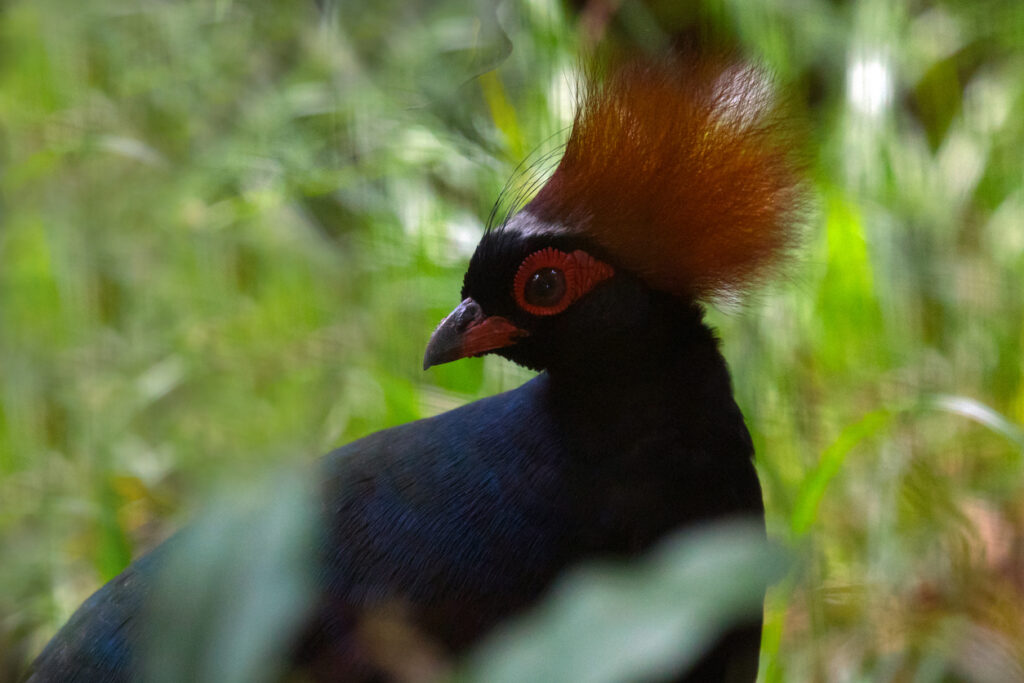
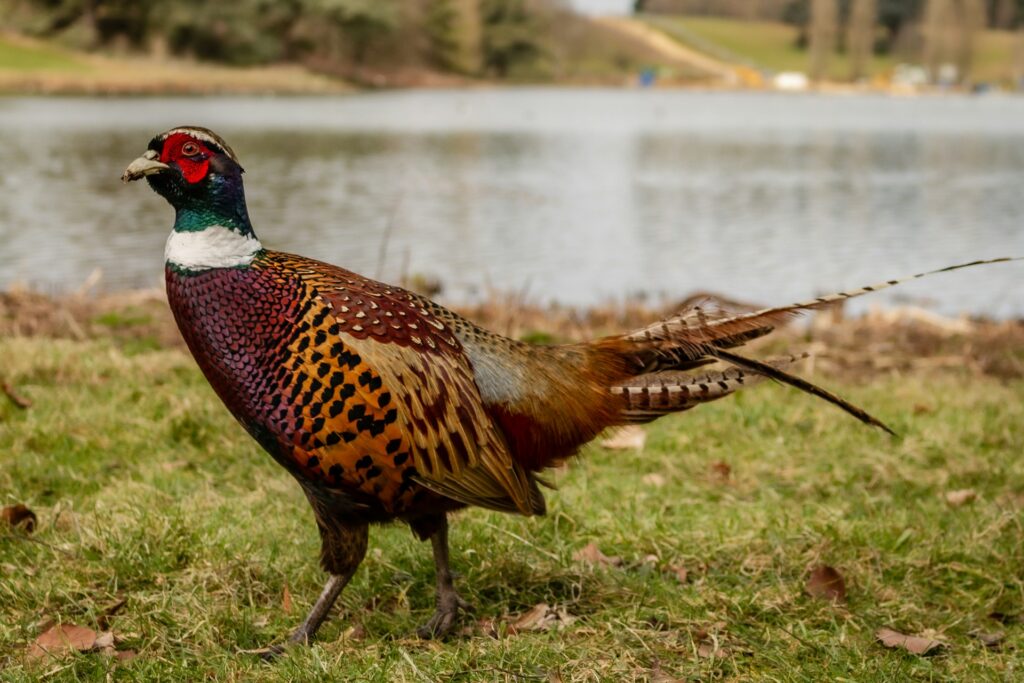
Even species considered traditional game, like pheasant, grouse, and partridge, come with strict seasonal rules. Each has an “open season” when shooting is legal, but outside of that time it’s completely prohibited. Taking them during the closed season is against the law, whether you’re on private land or not.
The closed season is designed to give populations time to recover and breed. Landowners are expected to respect these dates, and authorities can prosecute if they’re ignored. Hunting game birds has to be managed carefully, not treated as an anytime activity.
8. Using dogs for certain small mammals
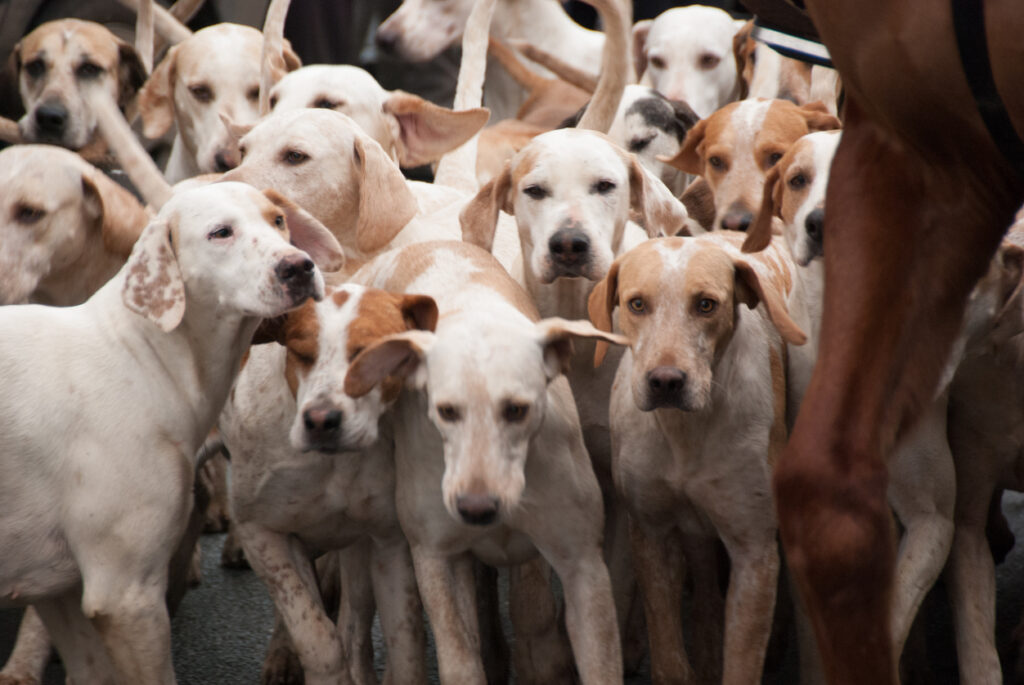
Even with animals people see as pests, like rabbits, the use of dogs is restricted. Landowners are often surprised to learn that sending dogs after small mammals is not automatically legal. There are detailed rules about when it can be done, how many dogs are used, and the purpose behind it.
It’s one of those areas where the law is full of grey zones, and mistakes can land people in hot water. The safest route is always to check whether exemptions apply, rather than assuming traditional methods are acceptable.
9. Animals inside conservation areas
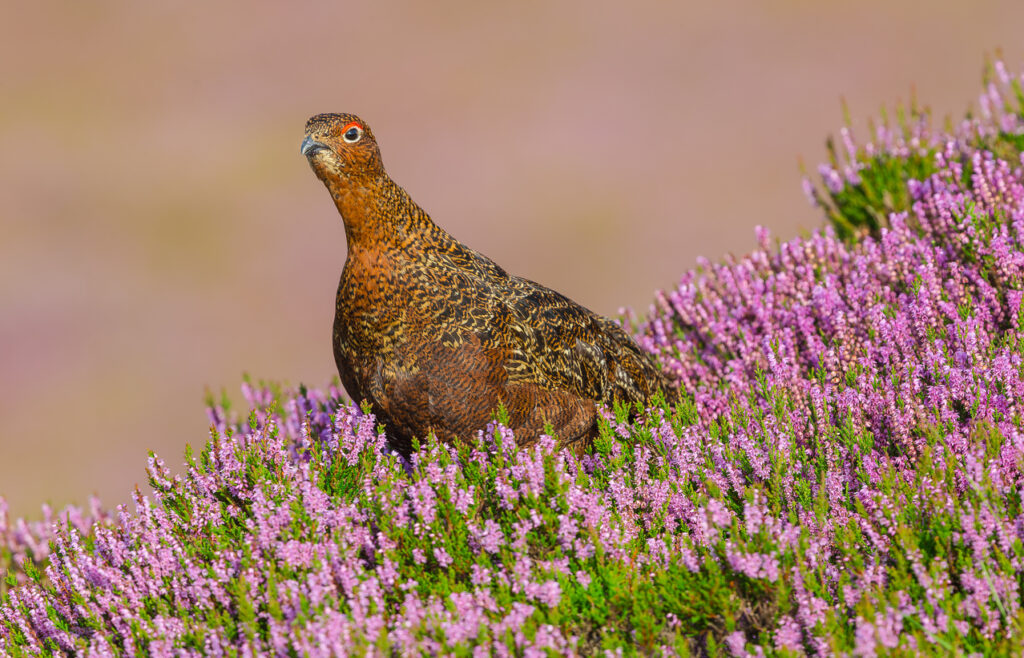
Sites of Special Scientific Interest, nature reserves, and other protected areas bring their own rules. Even species not protected nationally can’t be hunted if they’re inside these zones. Landowners whose property overlaps with designated land need to be aware that conservation status often trumps private ownership rights.
Breaking these rules doesn’t just risk penalties; it can also harm fragile habitats that authorities are working to preserve. Checking whether land is under a conservation order is a key responsibility for anyone living in rural areas.
10. Birds of prey and bats
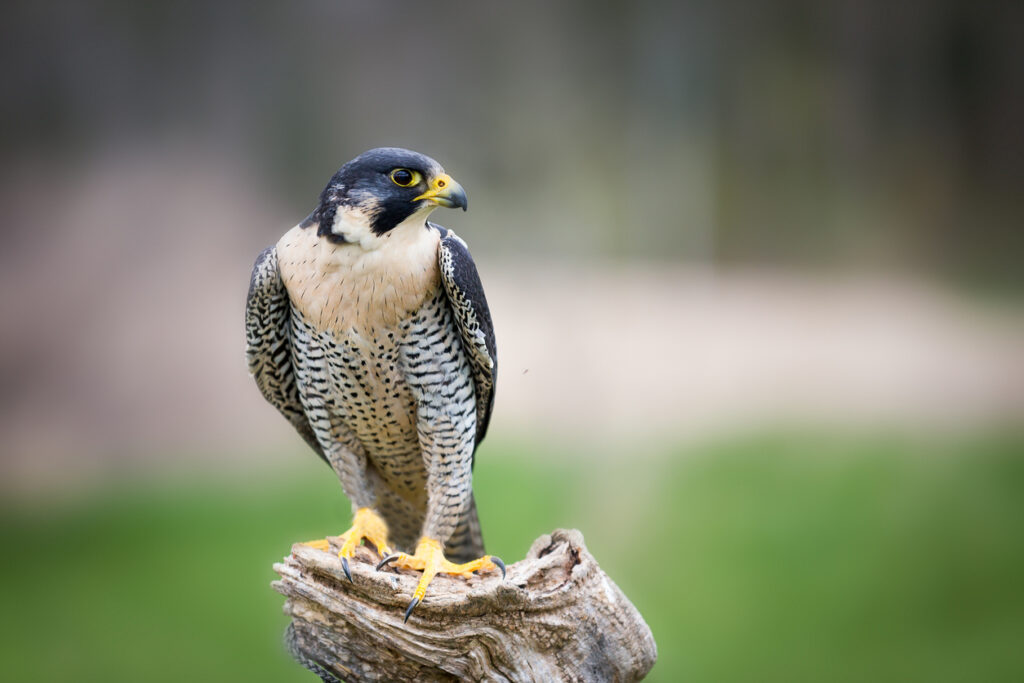
Bats and most birds of prey are completely off-limits. You can’t kill them, trap them, or even disturb their nesting and roosting sites. In fact, interfering with their habitats is often just as serious an offence as harming the animals themselves. These protections are among the strictest in British wildlife law.
For landowners, this means being mindful of where bats roost or where birds of prey nest on their property. Even well-intentioned disturbance can break the law, so leaving them undisturbed is always the safest choice.